
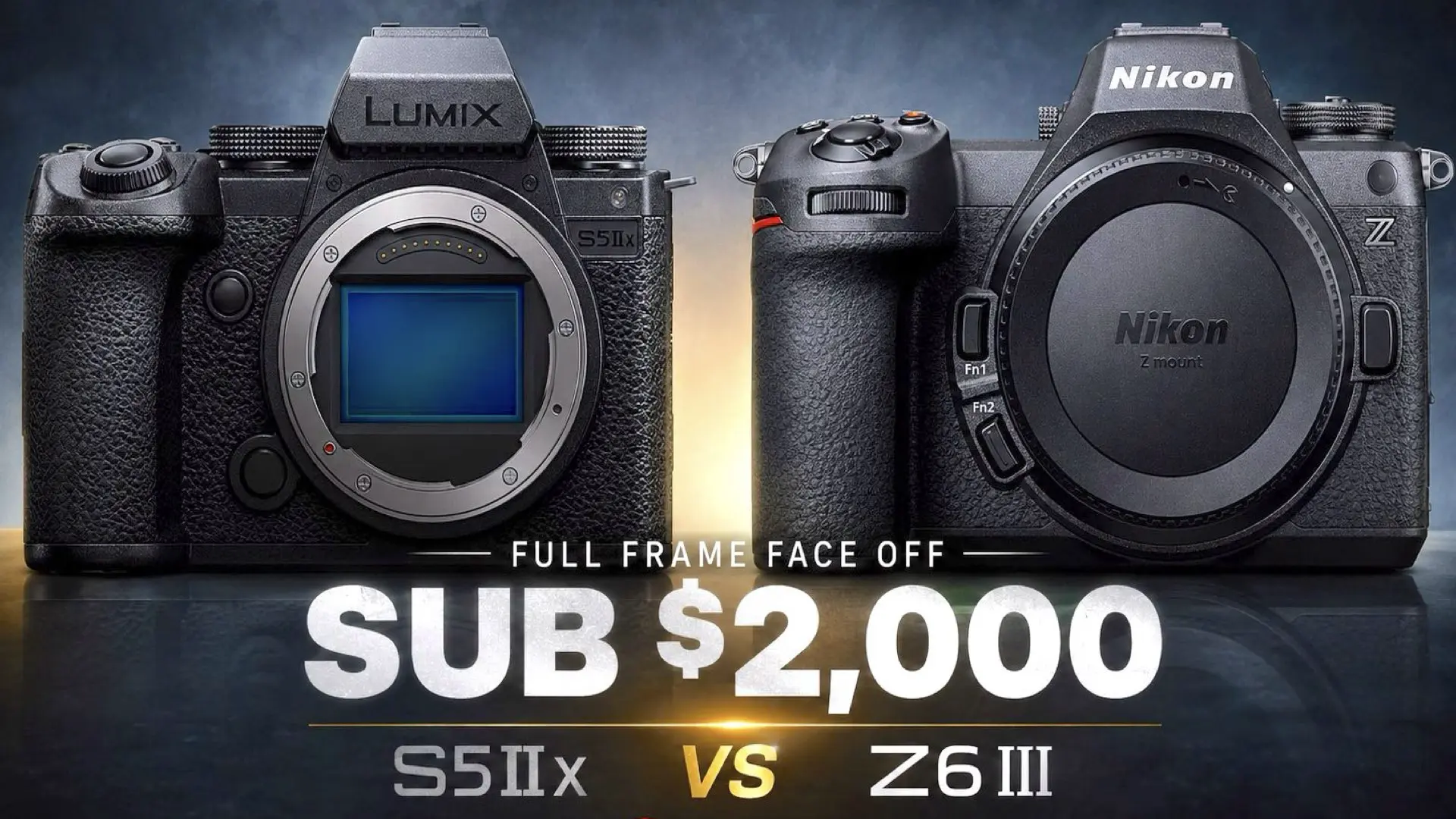
The sub $2,000 full frame mirrorless category has become far more serious than it was a few years ago. The Panasonic LUMIX S5IIX ($1,797.99 on Amazon) and Nikon Z6 II ($1,296.95 on Amazon)I ($2,196.95 on Amazon) now sit close enough in real-world buying territory that filmmakers, hybrid shooters, and content creators can ask a very practical question: Which one should be the preferred full-frame camera for serious video work without stepping into cinema camera pricing? The answer depends less on brand loyalty and more on the kind of production work you actually do. Panasonic gives you a more cinema-oriented workflow. Nikon gives you a faster sensor and a more aggressive hybrid body. Affordable full-frame cameras are no longer judged only by image quality. They are judged by how close they can get to professional production behavior.
The core facts
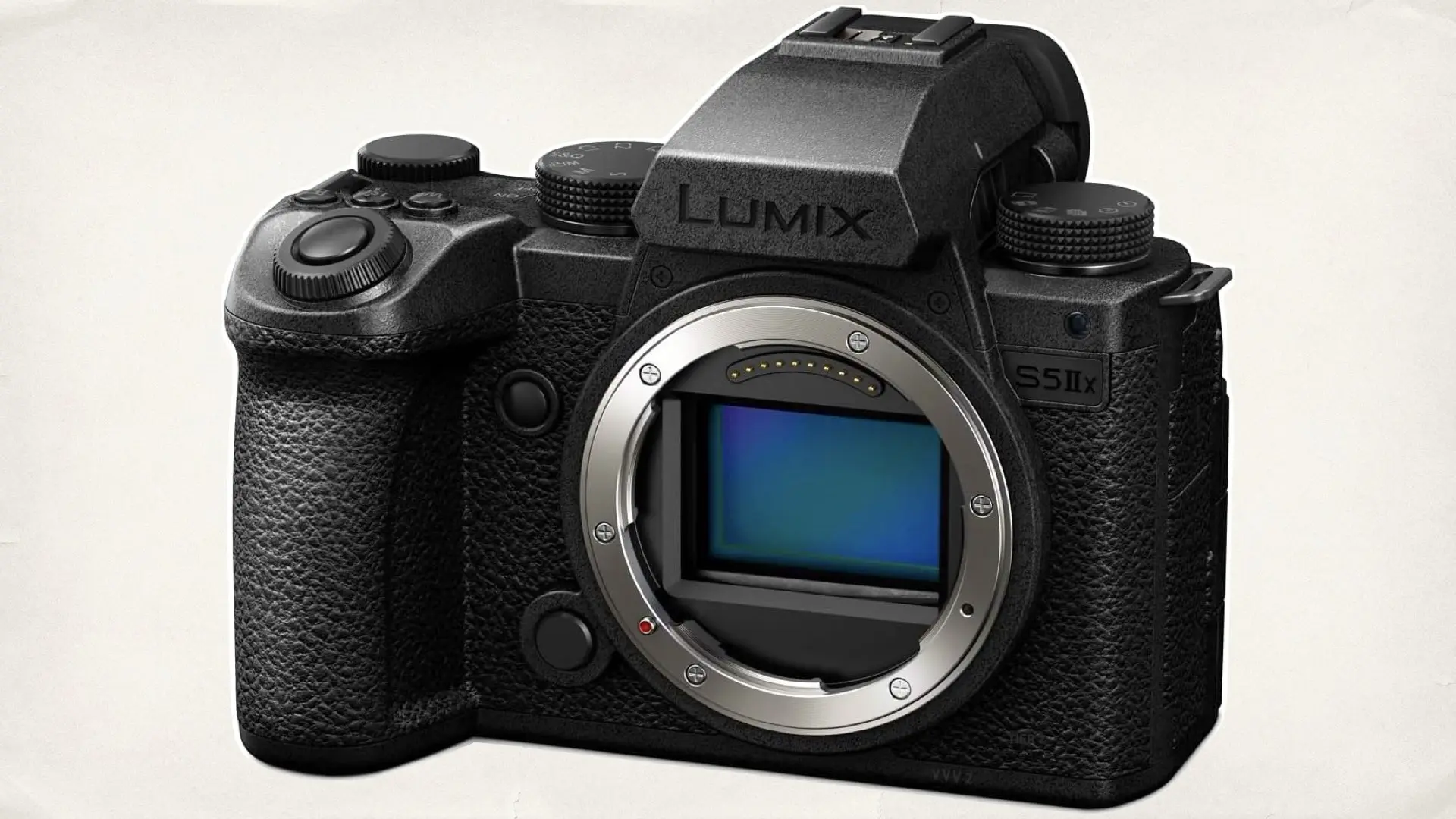
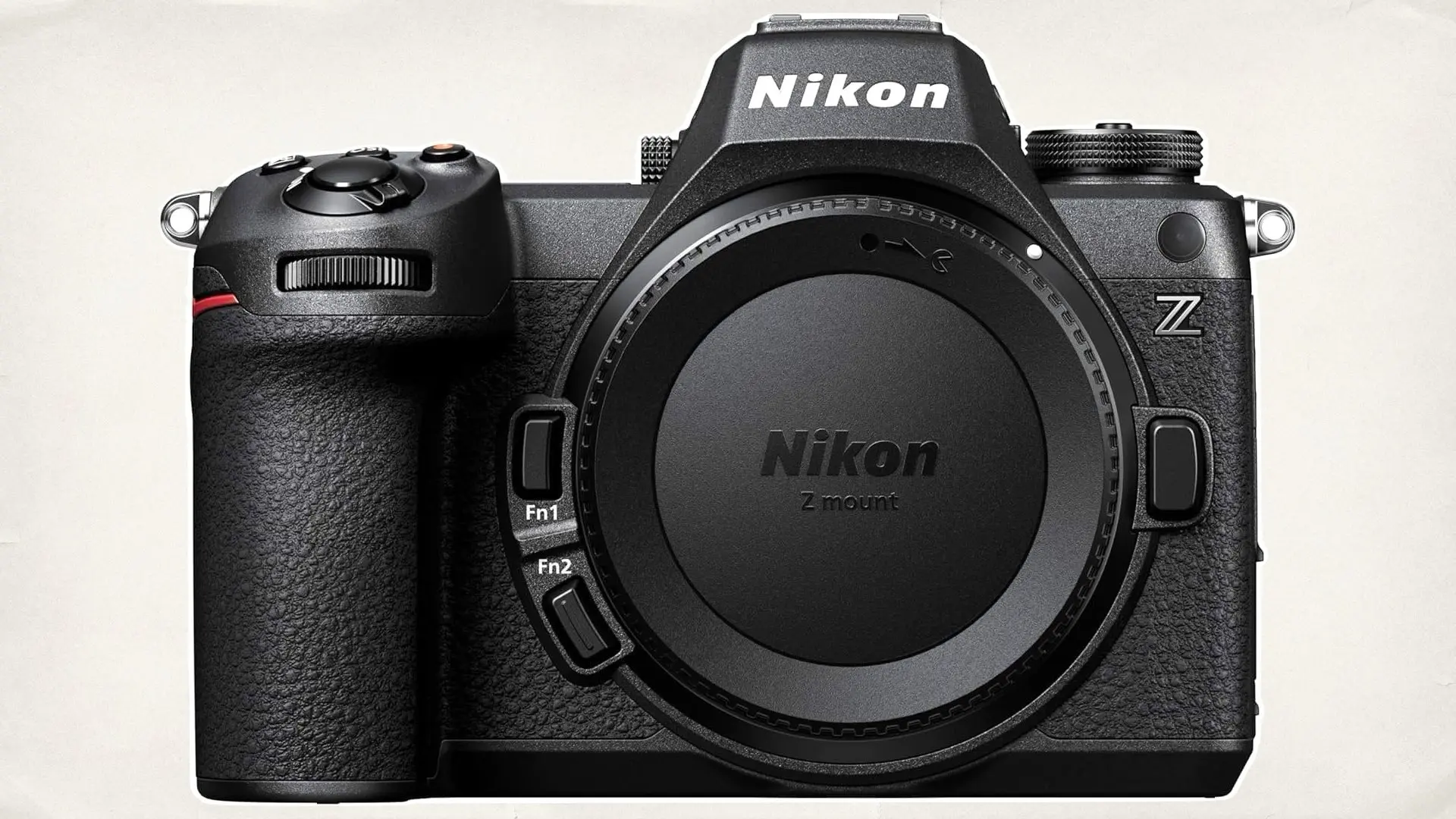
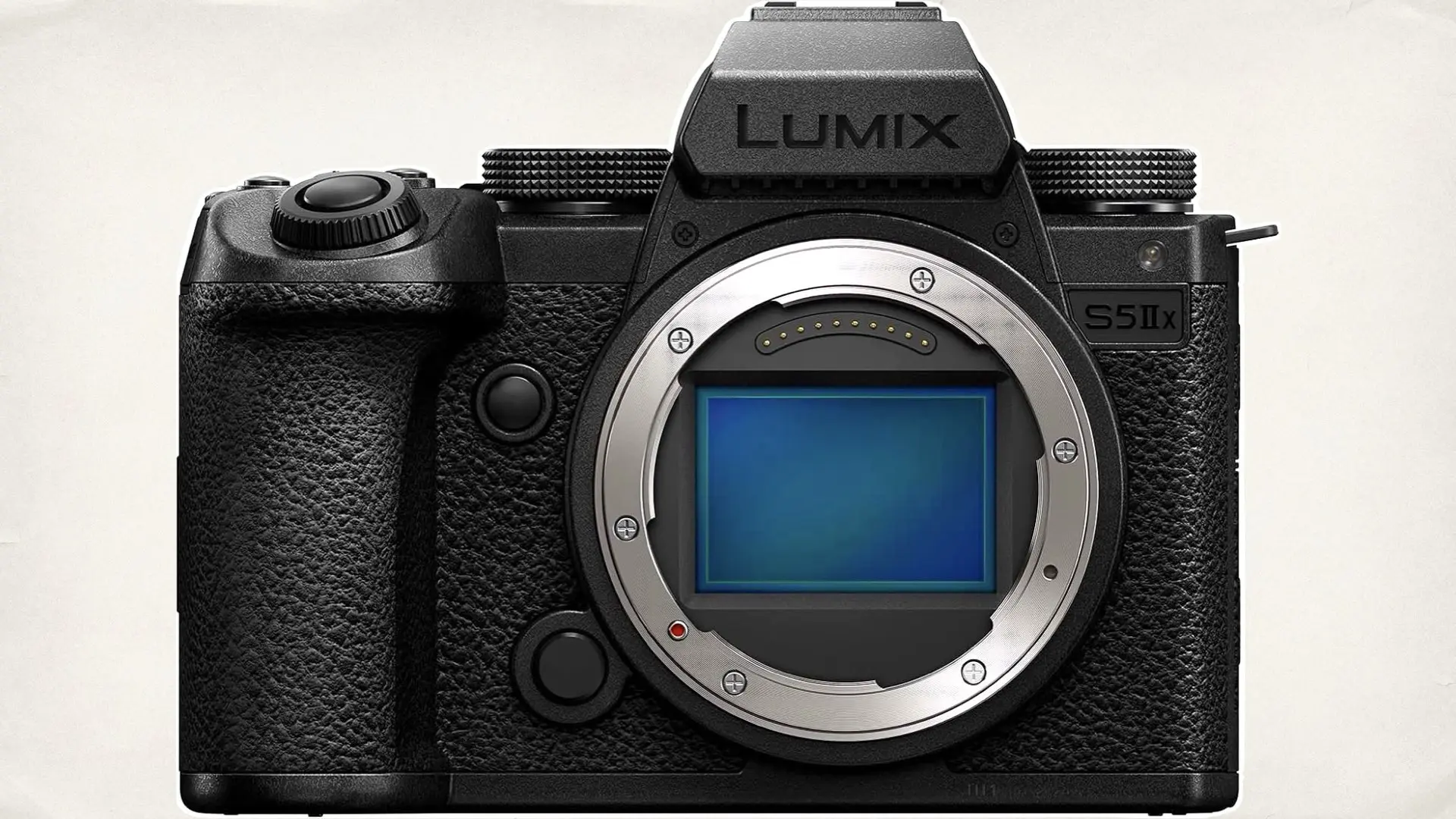
The Panasonic LUMIX S5IIX is built around a 24.2MP full-frame sensor, the L Mount, phase hybrid autofocus, active stabilization, 6K open gate recording, 10-bit internal video, ProRes recording to external USB SSD, HDMI RAW output, and support for both ProRes RAW and Blackmagic RAW workflows through compatible external recorders. It is a camera that feels designed around the needs of creators who care about aspect ratio flexibility, grading, codec options, and long recording sessions. Its key attraction is simple: it behaves more like a compact cinema tool than a traditional stills camera with a video mode. The Nikon Z6 III is also a 24MP class full-frame mirrorless camera, but its core technical identity is different. Nikon built it around a 24.5MP partially stacked CMOS sensor, which enables faster readout than the Z6 II and supports features such as 6K RAW recording, 5.4K ProRes 422 HQ, strong autofocus performance, high-speed stills shooting, and Full HD at 240 fps. The Z6 III is Nikon’s attempt to pull flagship behavior from cameras like the Z8 ($3,296.95 on Amazon) and Z9 ($5,296.95 on Amazon) into a smaller and more accessible body. Its strongest advantage is speed. Faster readout helps with rolling shutter, autofocus responsiveness, electronic viewfinder behavior, and high frame rate capture. The Panasonic S5IIX is the more video workflow-focused camera. The Nikon Z6 III is the more advanced hybrid performance camera. Both can produce serious images. Both can serve professional work. The better choice depends on whether your priority is production flexibility or sensor speed.
Does this comparison say something bigger?
For years, the camera market kept a fairly clear wall between “hybrid mirrorless” and “cinema camera.” Cinema cameras offered better codecs, better cooling, more production-friendly ports, stronger monitoring options, and a body philosophy designed around video. Mirrorless cameras were smaller, cheaper, and more convenient, but often limited by recording times, weaker codec depth, rolling shutter, overheating, or a stills-first interface. That wall is now much thinner. The S5IIX and Z6 III show 2 different routes toward the same destination: serious filmmaking tools at a price that independent creators can actually consider. Panasonic pushes downward from the cinema workflow. Nikon pushes upward from high-speed hybrid imaging. This is the real story behind the comparison. We are watching advanced video infrastructure become a normal expectation in full-frame cameras priced for creators, small production houses, documentary shooters, wedding filmmakers, YouTubers, and owner-operators. This does not mean these cameras replace a dedicated cinema body in every job. They still have limitations in ergonomics, professional audio expansion, power systems, rigging, and on-set durability compared with larger cinema cameras. Yet for a large category of modern production, the gap is now small enough to make the buying decision much more interesting. A filmmaker can buy a compact full-frame body with 6K, 10-bit recording, RAW options, strong stabilization, and real autofocus without spending cinema camera money.
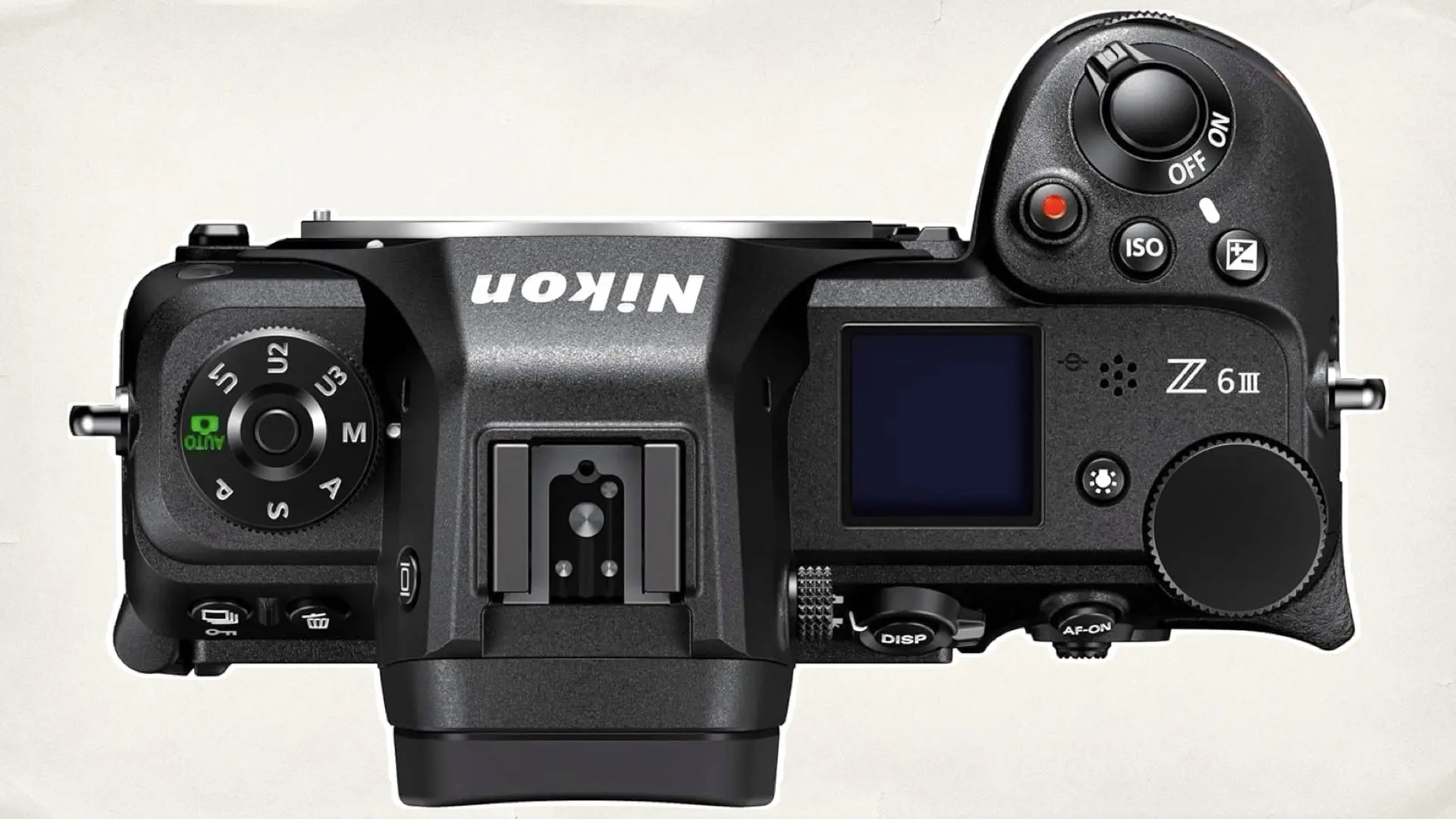
Panasonic’s advantage is workflow
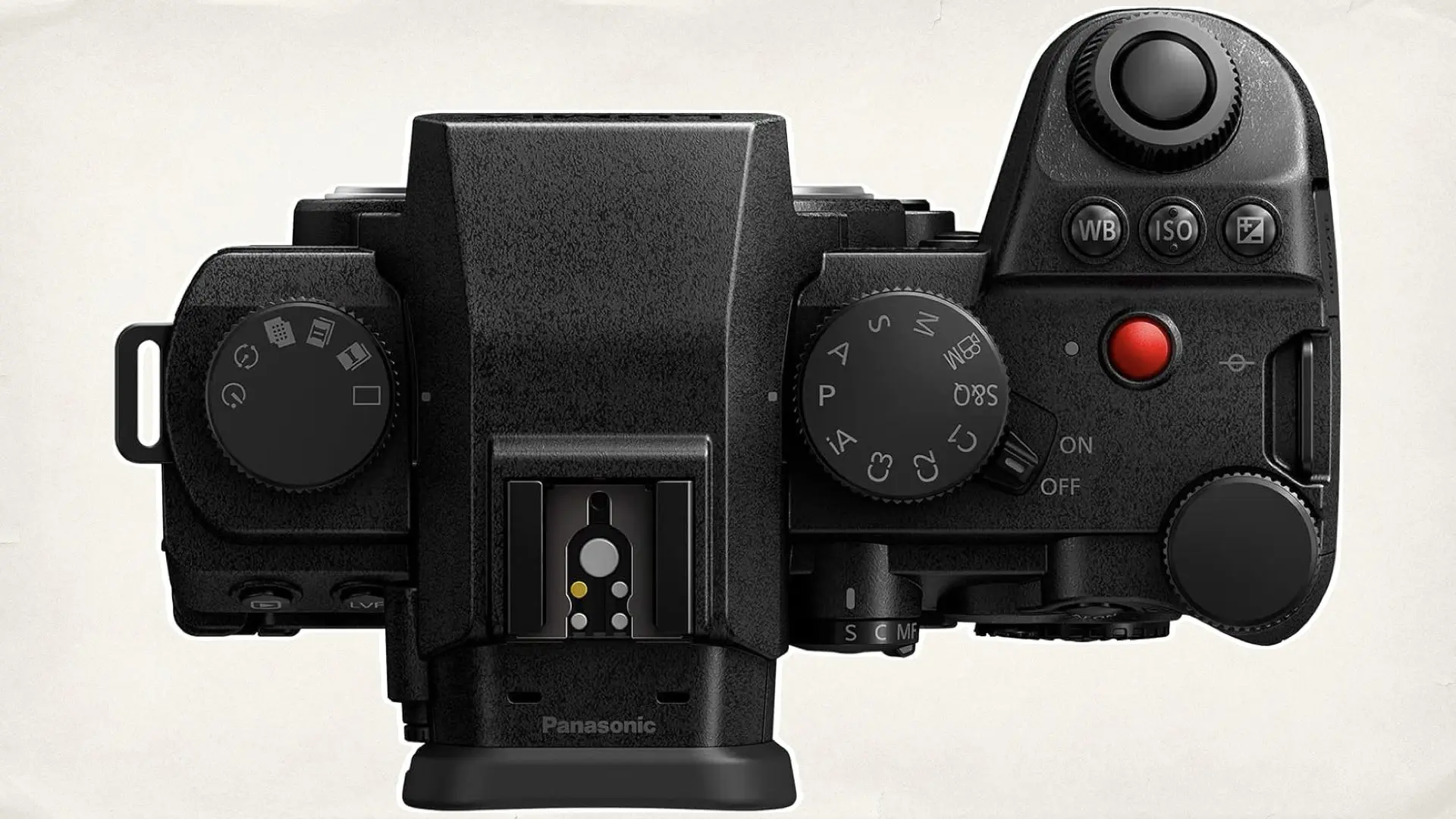
The S5IIX makes the most sense for filmmakers who think in terms of delivery formats, grading pipelines, monitoring, and post-production. Its open gate capability is especially valuable because it uses the full sensor height, giving creators more flexibility for horizontal, vertical, and multiple aspect ratio delivery from the same capture. That is useful for music videos, commercials, branded content, documentaries, social campaigns, and any project that has to live across YouTube, Instagram, TikTok, websites, and client platforms. The ability to record ProRes to an external USB SSD is another major point. It changes the camera from a compressed hybrid body into a more editor-friendly production tool. ProRes files are large, but they are robust, predictable, and easier to handle in professional editing workflows. The S5IIX also offers HDMI RAW output for ProRes RAW and Blackmagic RAW through supported external recorders. That does not mean every shooter needs RAW, but it gives the camera a production path that feels familiar to filmmakers who want more control in grading. Panasonic also deserves credit for understanding video usability. The S5IIX is not the newest body in this comparison, and it does not have the fastest sensor. Yet it offers a package that feels deliberate. The camera is less about headline speed and more about giving a small crew a flexible capture tool. For many of our readers, that is the point. A camera that fits the rhythm of production can be more valuable than a camera that wins a spec race.
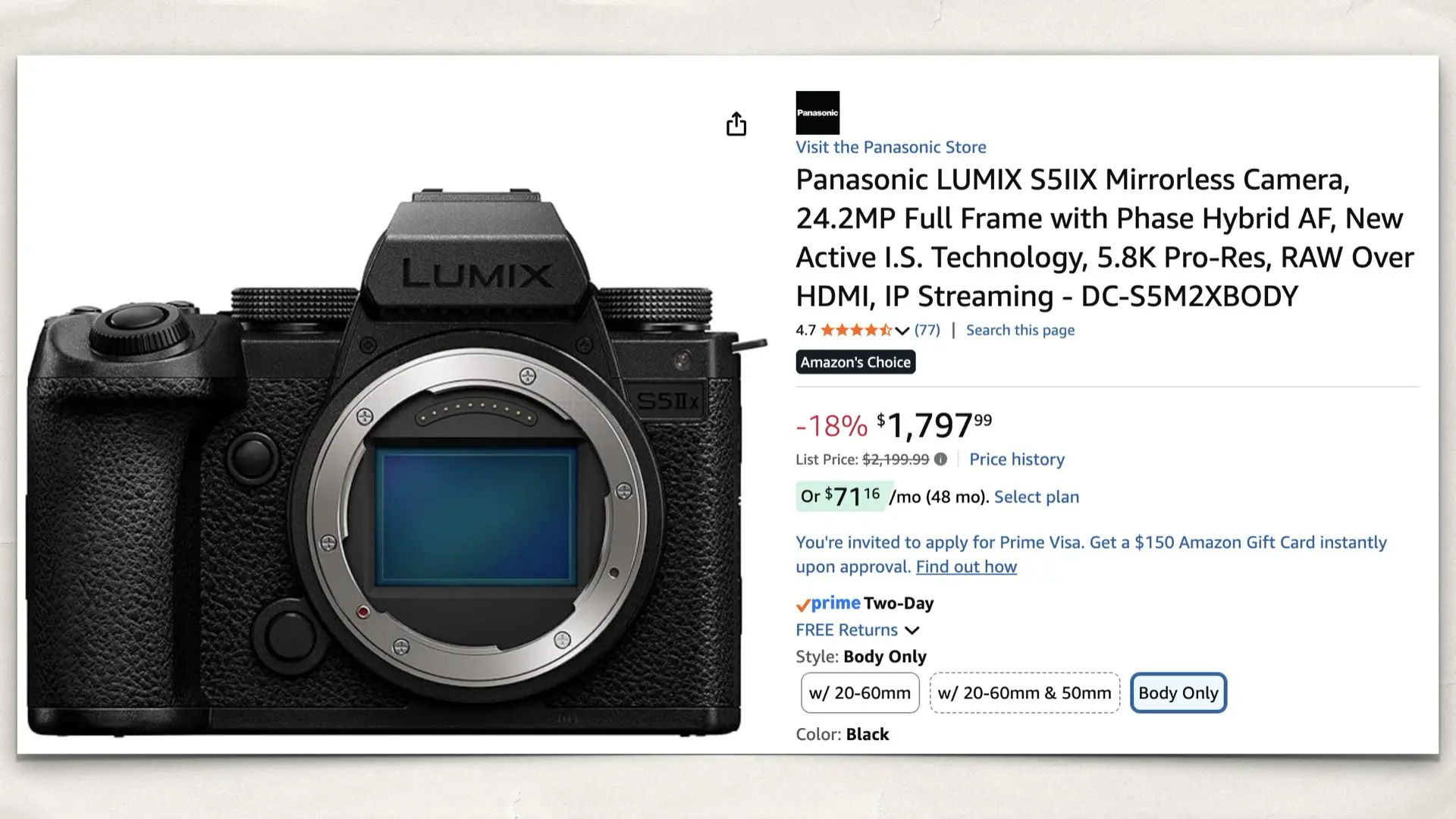
📦See the Panasonic LUMIX S5IIX on Amazon
Nikon’s advantage is speed and hybrid power
The Z6 III is the more technologically aggressive camera. Its partially stacked sensor is the defining feature because it gives Nikon a way to improve speed without using a fully stacked sensor that would likely push the price higher. In plain English, faster sensor readout means the camera can scan the image more quickly. That helps reduce rolling shutter, improves responsiveness, enables faster burst shooting, supports advanced autofocus behavior, and allows more ambitious video frame rates. For filmmakers shooting action, events, sports, wildlife, handheld documentary scenes, or fast-moving subjects, this matters in practical ways. A faster sensor can make footage feel more controlled when the camera moves quickly or when subjects cross the frame at speed. It can also make the camera more reliable as a stills and video hybrid. The Z6 III is a stronger choice for people who shoot both photography and video professionally, especially when autofocus, electronic viewfinder quality, and high-speed shooting are part of the job. Nikon’s video specifications are also serious. Internal 6K RAW, ProRes RAW, ProRes 422 HQ, 4K high frame rate options, and Full HD at 240 fps place the Z6 III far beyond what midrange full frame cameras offered in the past. The tradeoff is that Nikon’s strength is less about a filmmaker’s first workflow and more about hybrid performance. Some creators will love that. Others may prefer Panasonic’s more video native philosophy.
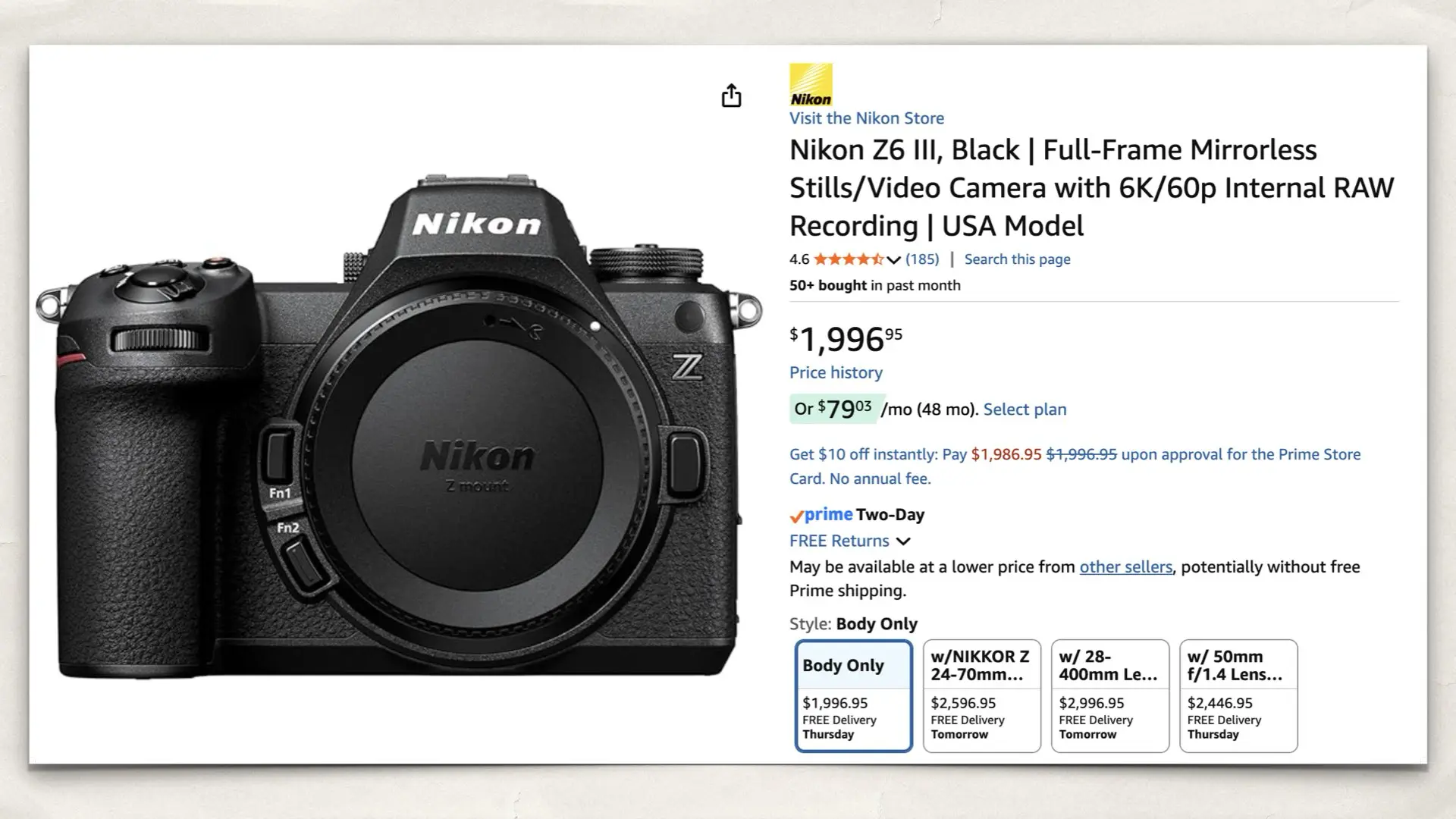
📦 See the Nikon Z6 III on Amazon
The plain English buying decision
If your work is mostly video, especially controlled shoots, interviews, branded content, short films, YouTube production, social video, corporate work, travel films, or music videos, the Panasonic S5IIX is the more natural filmmaking choice. Its recording options, open gate capture, SSD workflow, and RAW compatibility make it feel like a small cinema system. It is also attractive for solo creators who want to shoot once and deliver in several formats. If your work mixes stills and video at a high level, the Nikon Z6 III becomes more compelling. It is better suited to fast subjects, event work, photojournalistic shooting, wildlife, weddings, sports, and hybrid assignments where the camera has to perform as both a strong stills body and a serious video machine. The partially stacked sensor gives it a technical edge that Panasonic cannot match in readout speed.
What about lenses?
The lens ecosystem should also influence the decision. Panasonic’s L Mount gives access to Panasonic, Sigma, Leica, and other L Mount options, which can be very appealing for cinema-style lens choices and value-driven glass. Nikon’s Z Mount has grown significantly and benefits from Nikon’s optical quality, strong native lenses, and compatibility paths for existing Nikon users. The best camera body can become the wrong choice if the lens path does not fit your budget and shooting style. Price is another moving target. Amazon listings, retail discounts, badges, bundles, and availability can change quickly. That is why this comparison should be read as a production decision first and a deal decision second. The cameras are close enough in market position to compare directly, but the smarter purchase is the one that matches the work you actually deliver. For current buying reference, see the Panasonic LUMIX S5IIX on Amazon and the Nikon Z6 III on Amazon. As always with retail links, check the exact seller, warranty, bundle contents, and final price before buying.
Final thought
The Panasonic S5IIX versus Nikon Z6 III comparison shows where the full-frame market is heading. The question is no longer whether a mirrorless camera can shoot serious video. It can. The real question is what kind of serious video tool you need. Panasonic gives filmmakers a production workflow at a creator price. Nikon gives hybrid shooters speed and sensor technology that used to live higher in the lineup. Choose the S5IIX if your priority is cinema workflow. Choose the Z6 III if your priority is speed, autofocus, stills, and high-performance hybrid shooting. That is the honest split, and it is exactly why this comparison is worth watching now.
As an Amazon Associate, Y.M.Cinema earns from qualifying purchases. If you purchase through the Amazon links above, Y.M.Cinema may earn a small commission at no additional cost to you. This helps support our work.
Gear mentioned in this article
Available on Amazon
| Product | New | Renewed | Used |
|---|---|---|---|
| Panasonic LUMIX S5IIX | $1,797.99 | — | From $1,708.09 |
| Nikon Z6 III | $2,196.95 | — | From $1,949 |
| Nikon Z6 II | $1,296.95 | — | From $1,129 |
| Nikon Z8 | $3,296.95 | — | From $2,899.99 |
| Nikon Z9 | $5,296.95 | — | From $3,399.99 |
Prices checked: Oct 7, 2026, 1:31 PM GMT+0000
As an Amazon Associate, Y.M.Cinema earns from qualifying purchases. If you buy through our links, we may earn a small commission at no extra cost to you.
Product prices and availability are accurate as of the date/time indicated and are subject to change. Any price and availability information displayed on Amazon.com at the time of purchase will apply to the purchase of this product.
CERTAIN CONTENT THAT APPEARS ON THIS SITE COMES FROM AMAZON. THIS CONTENT IS PROVIDED “AS IS” AND IS SUBJECT TO CHANGE OR REMOVAL AT ANY TIME.






Excellent comparison. I love that we are talking about quality video for $2,000 USD or less!
Excellent comparison. I love that we are talking about quality video for $2,000 USD or less! The