
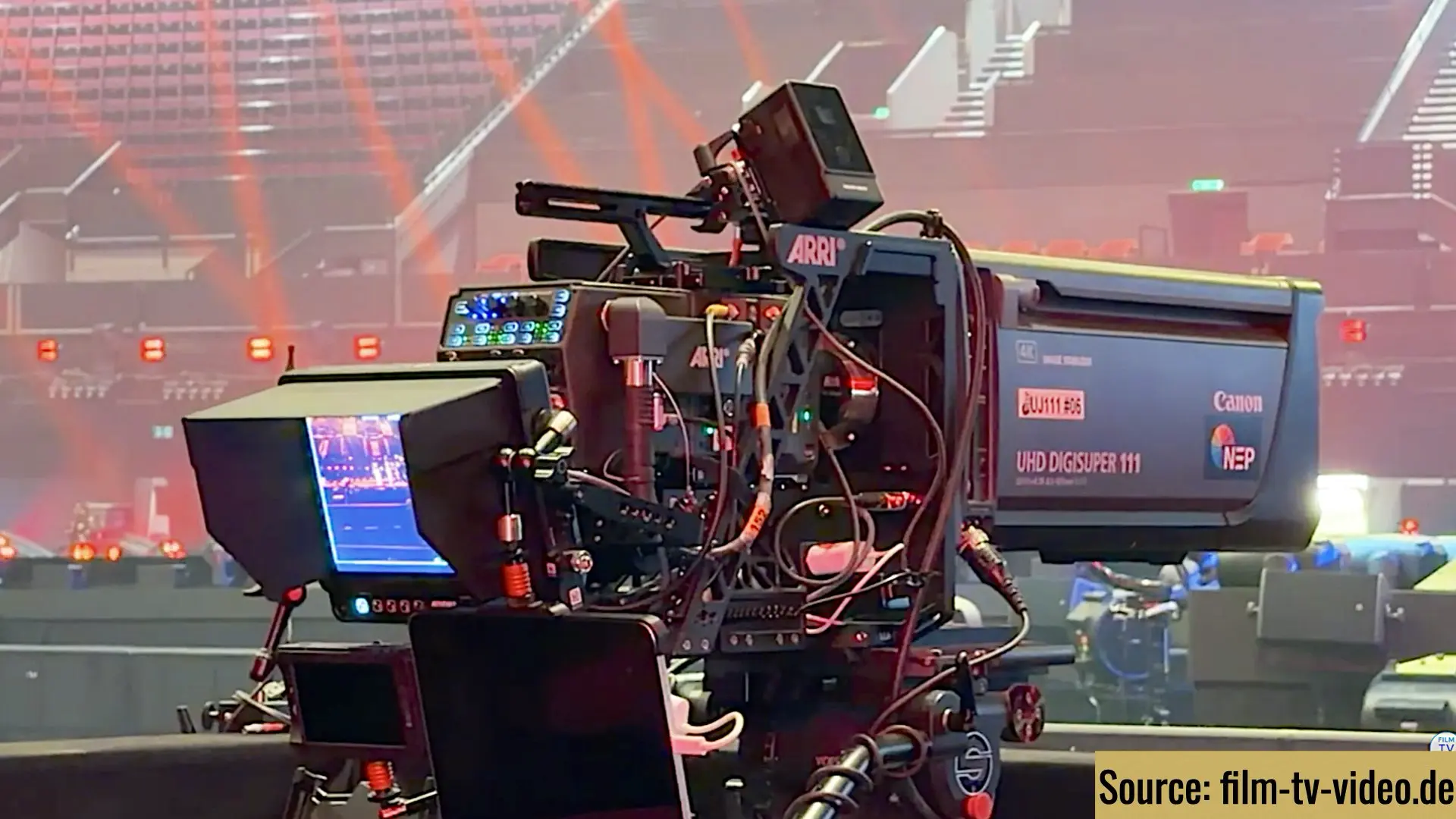
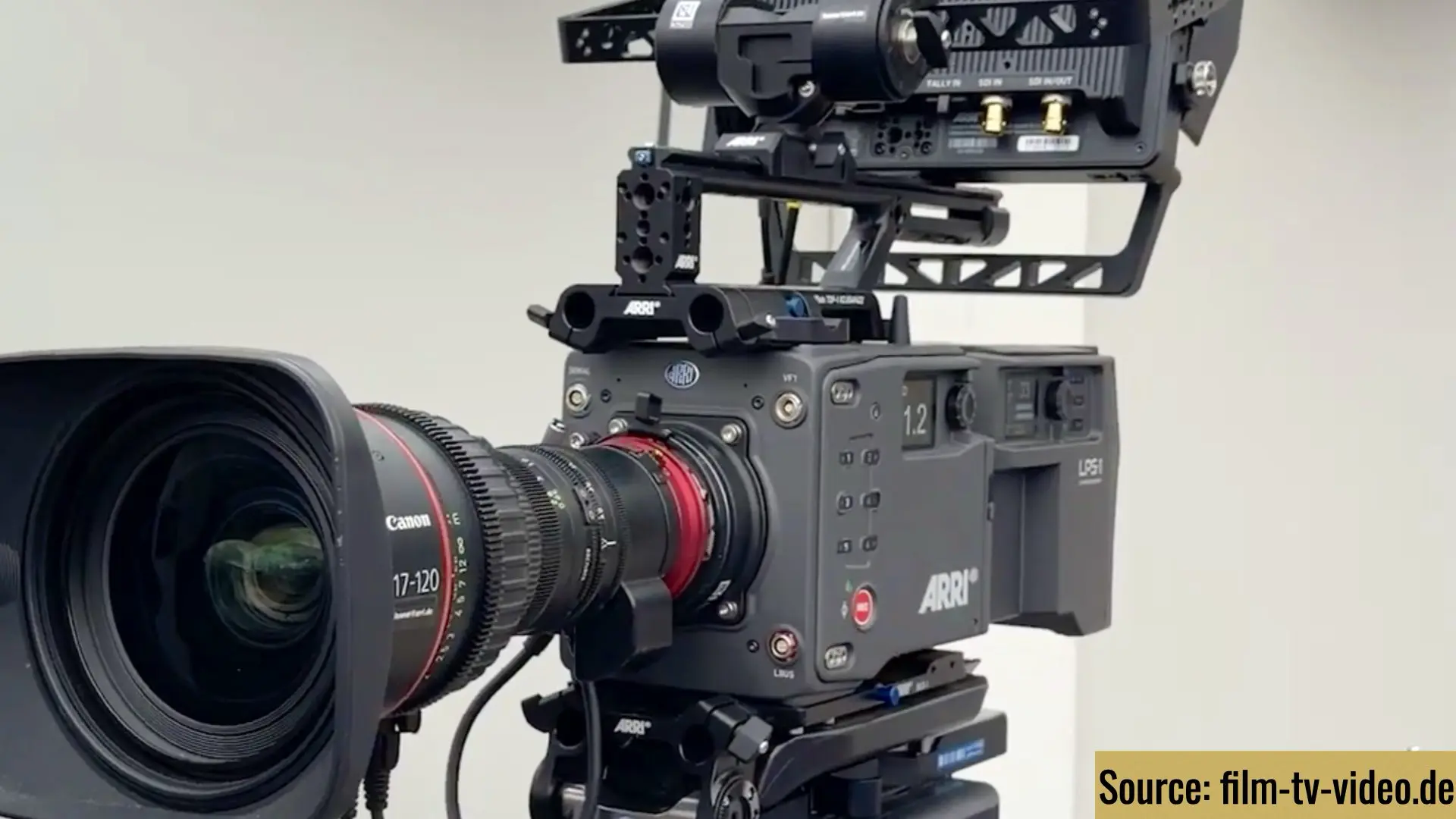
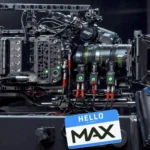
Eurovision 2026 is shaping up to be one of the most important demonstrations yet of ARRI’s push into cinematic live broadcasting. According to the production team, the show is being captured with 24 cameras in total, divided between box lens cameras, RF cameras, and special cameras mounted on cranes, 2D systems, and rail systems. The key point is the camera platform itself: ARRI ALEXA 35 Live. This means Eurovision is using a cinema camera ecosystem as the visual foundation of one of the largest and most complex live entertainment broadcasts in the world.
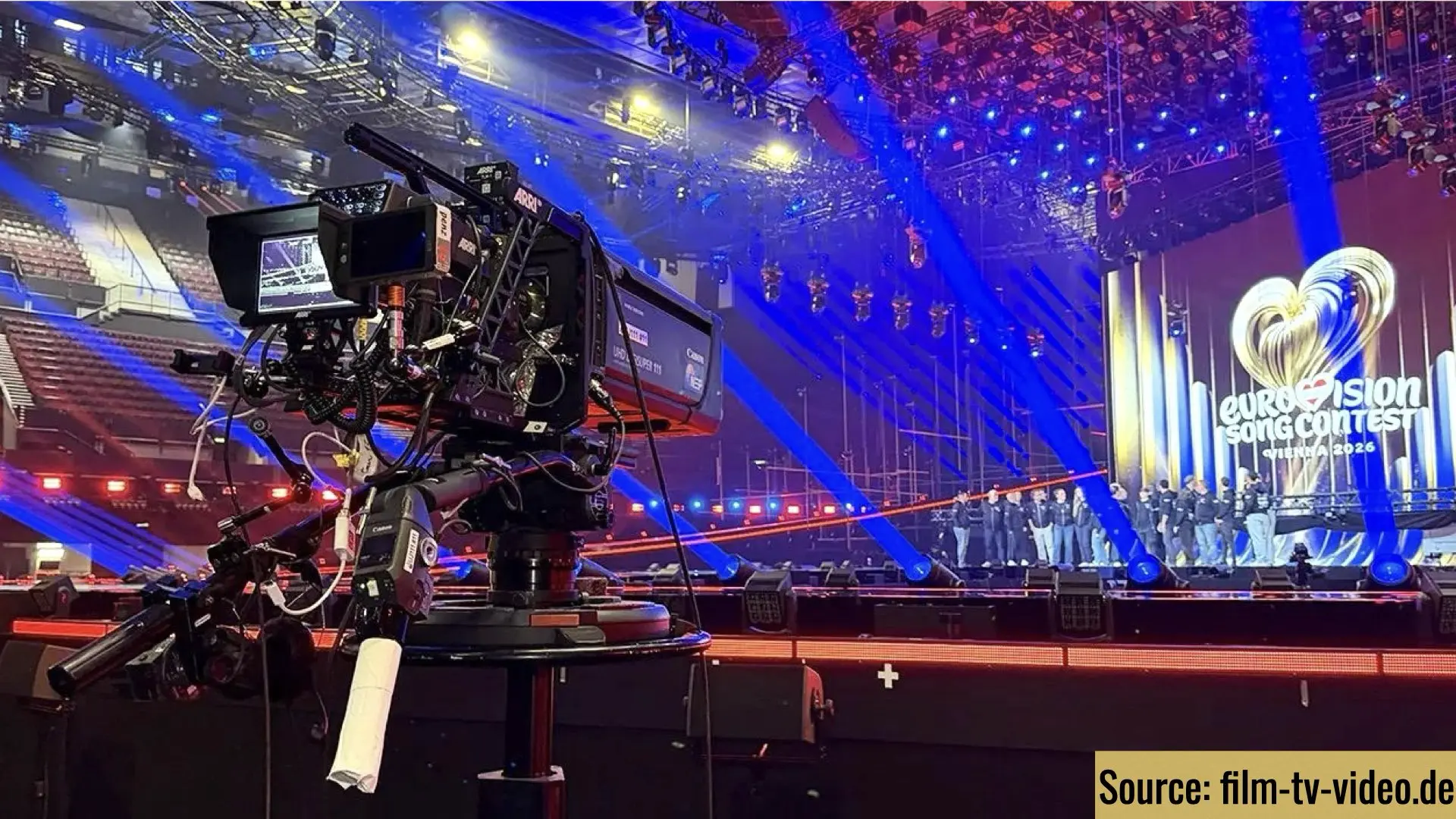
24 cameras built around movement and coverage
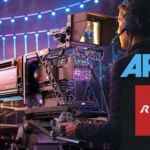
The camera count is impressive. The setup includes 8 cameras equipped with box lenses, 9 RF cameras, and 7 special cameras. The 8 box lens cameras are mounted mostly on tripods and pedestals, which makes them the backbone of the broadcast. These positions are critical for long lens closeups, wide stage coverage, stable main angles, and clean shots of the performers. In a traditional broadcast, these would usually be standard studio or OB cameras. Here, the important shift is that the same type of live coverage is being built around the ALEXA 35 Live system. The 9 RF cameras are where the production becomes more dynamic. The setup includes 4 handheld cameras, 4 Steadicam cameras, and 1 rail cam crossing the stage. That is a major creative decision. It means the production is not depending only on fixed positions and long lenses. It is sending cinema cameras into the performance space, around the artists, across the stage, and into closer physical proximity with the action. For a show like Eurovision, where every performance has its own choreography, lighting design, staging language, and visual identity, that kind of mobility is essential.
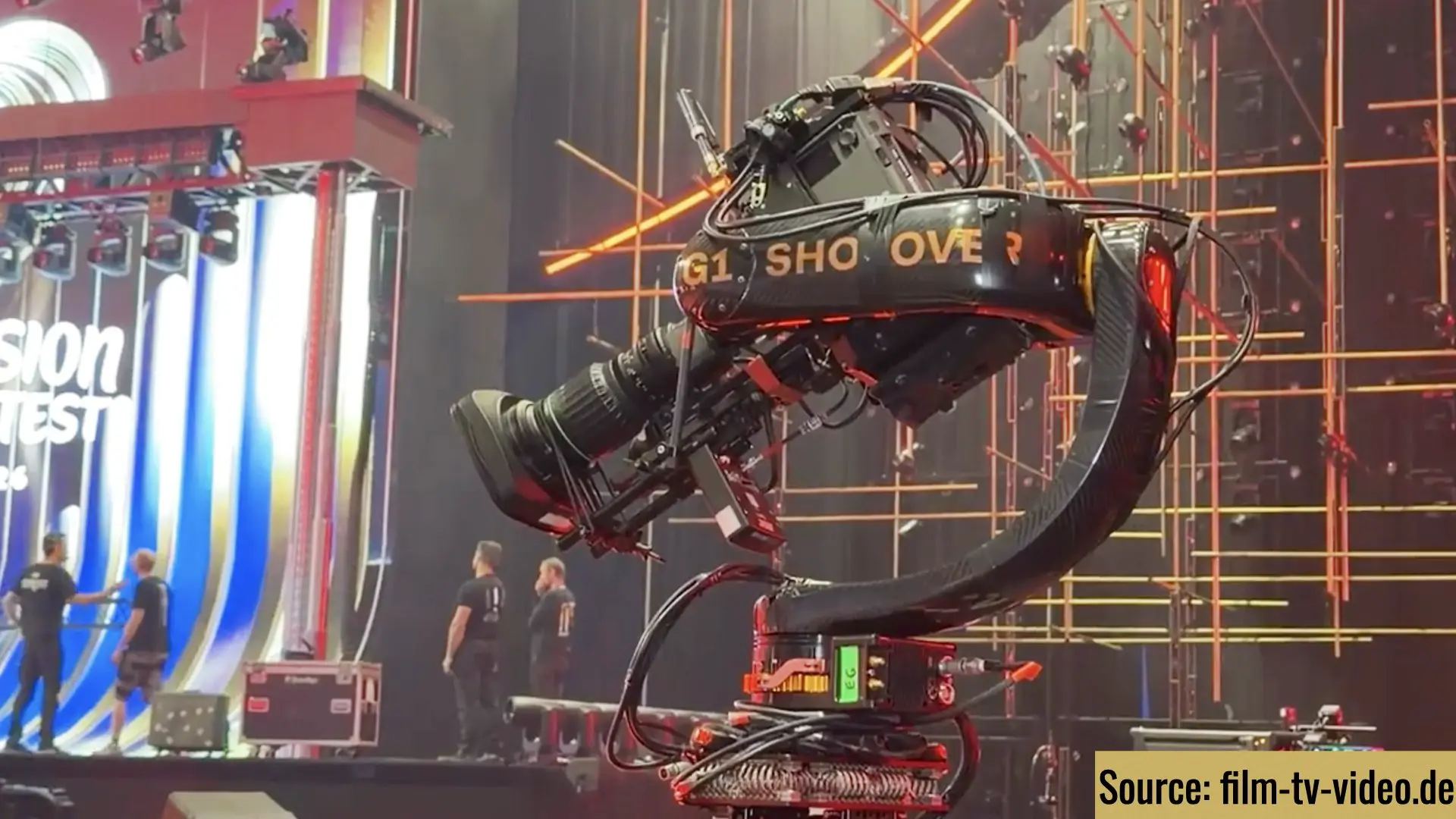
ALEXA 35 Live enters the center of broadcast
ARRI has been positioning the ALEXA 35 Live as a bridge between cinema and live production. The system is designed to preserve the ARRI look while offering broadcast features needed for large-scale multicam work. That includes integration into live transmission workflows, camera control, return feeds, tally, intercom, and production infrastructure. ARRI’s live camera platform is specifically aimed at productions that want cinema image quality without giving up the reliability and control of a broadcast environment. That is why Eurovision is a major milestone. The show is not a small test, a concert experiment, or a specialty camera insert. It is a huge, high-pressure, globally watched event with complex lighting, lasers, moving performers, dense camera blocking, and zero tolerance for technical failure. When 24 ALEXA 35 Live cameras are deployed across box lens positions, RF positions, Steadicams, cranes, and rail systems, the message is clear: cinema cameras are no longer limited to isolated “beauty camera” roles in live production.
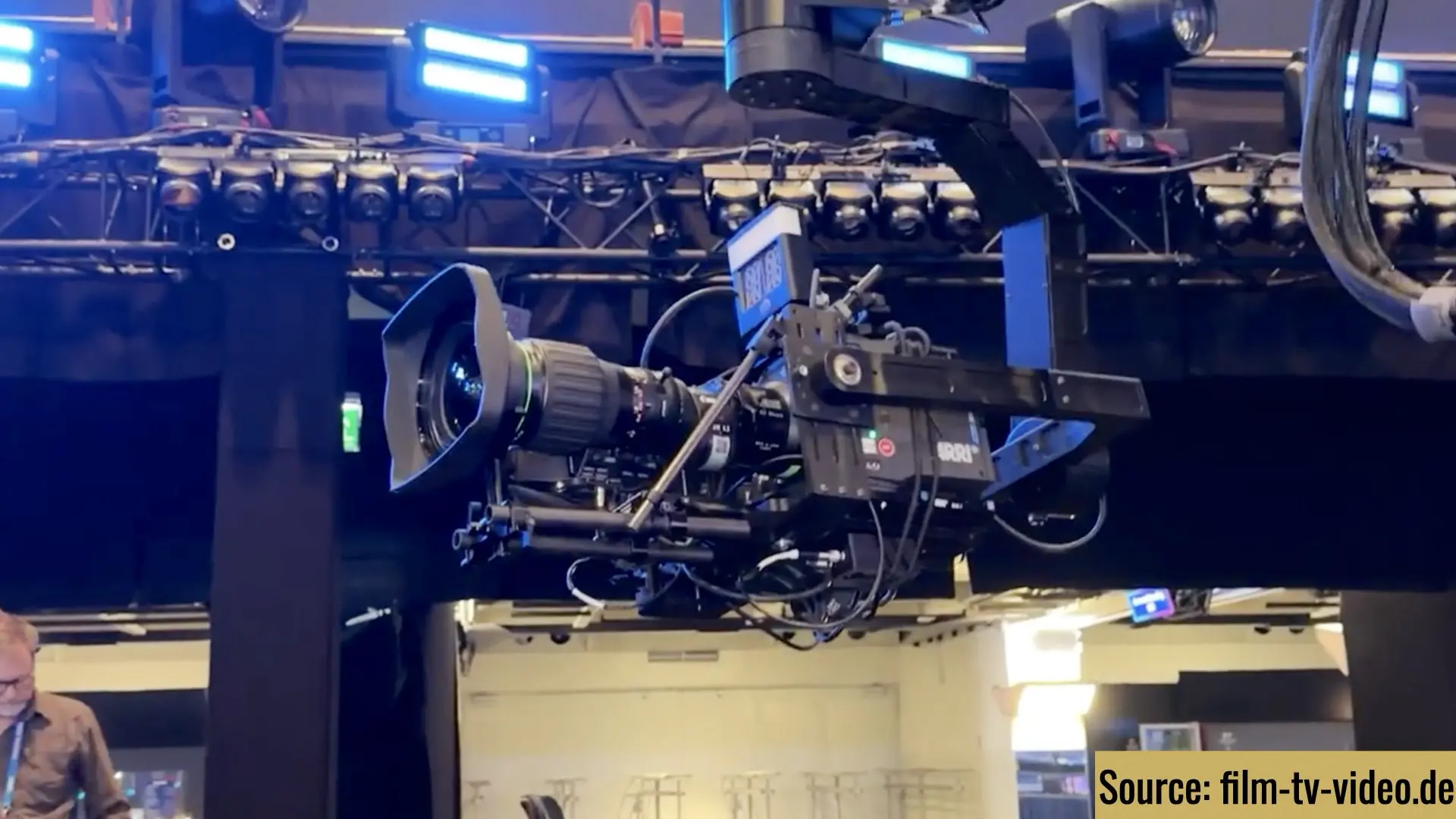
Riedel, MediorNet, and the live infrastructure
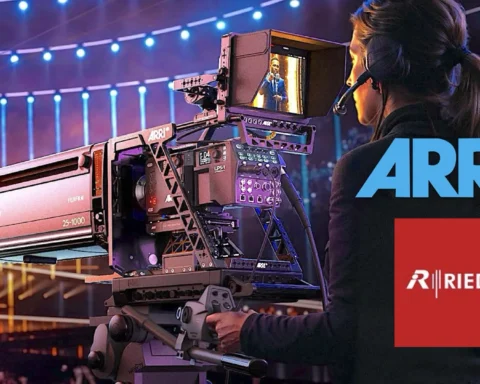
The transcript also reveals that the special cameras are connected through MediorNet, while the box lens cameras use base stations fitted into 2 OB trucks for redundancy. It shows that a serious live infrastructure, with networked connectivity for the special cameras and redundant OB support for the main camera chain support the camera system.
Custom looks for each performance
The most fascinating creative detail is the use of custom color profiles. According to the transcript, the team created color profiles together with the lighting designer and the director. They developed more than 50 color suggestions, with more than 30 actually used. That means many delegations received their own specific visual treatment. This is exactly where the ALEXA 35 Live approach becomes powerful. Eurovision is essentially a collection of individual performances, each with its own visual identity. One song may need a clean pop look. Another may require deep contrast, heavy color, strong highlights, or aggressive laser integration. In a conventional broadcast setup, this often becomes a compromise between speed, consistency, and safety. With ALEXA 35 Live, the production appears to be leaning into a more cinematic and performance-specific image pipeline.
Why is this a milestone for cinematic broadcasting?
The ALEXA 35 Live deployment at Eurovision shows where high-end live entertainment is heading. For decades, broadcast cameras dominated live events because they were fast, reliable, easy to control, and built for multicam production. Cinema cameras delivered a more attractive image, but they were often harder to integrate into live workflows. ARRI’s ALEXA 35 Live is designed to close that gap. The result is a new kind of live production model. It keeps the discipline of broadcast, including redundancy, camera control, OB integration, and live switching, while adding the texture, dynamic range, color science, and creative control associated with cinema cameras. That combination is especially relevant for concerts, award shows, music competitions, fashion events, premium sports presentations, and any live format that wants to look less like television and more like a finished cinematic piece. Now let’s cross fingers for the Israeli team to win – Go Michelle!







Working in broadcast production, this Eurovision deployment hits differently. For those of us building and maintaining routing systems for live events, this is essential to understand. This isn’t just a camera choice, it’s a watershed moment for broadcast standards. For decades, we’ve accepted a hard divide: cinema cameras for premium single-camera work, broadcast cameras for multicam. Eurovision 2026 signals that infrastructure and reliability no longer require that compromise. What matters is that 24 ALEXA 35 Live units across box lens, RF, Steadicam, and rail systems are functioning as the primary routing backbone, not beauty cameras filling gaps. With MediorNet integration and redundant OB support, ARRI has solved the real problem: broadcast control, live failover, and multicam coordination at cinema image quality. For those of us building routing and technical systems for live events, this changes the conversation. We’re moving from “cinema cameras for isolation” to “cinema cameras as infrastructure.” The broadcast standard just shifted and it’s critical we understand how.
The camera work this year was, frankly, horrible.
Instead of enhancing performances, the direction often felt chaotic and disconnected. There were too many awkward wide shots, strange angles, and moments where the staging completely lost impact. Eurovision has always been about tight coordination between camera, choreography, and lighting — and this year that balance just wasn’t there.
Even worse, there were clear technical failures. During one of the performances (Czechia), the broadcast suffered visible glitches — distorted image, interruptions, and what looked like camera failure mid-shot . That’s not just a minor issue — that’s something you simply don’t expect at Eurovision level. Even fans noticed something was off, pointing out odd camera choices, overused wide shots, and a lack of depth in staging. After nearly two decades of watching Eurovision, this is one of the few years where I can say the camera work actively made the show worse. Arrie camera’s ?? No thank you.