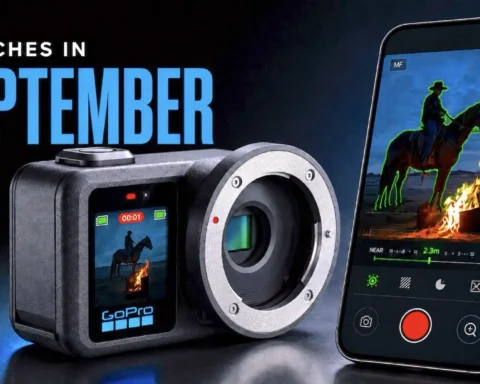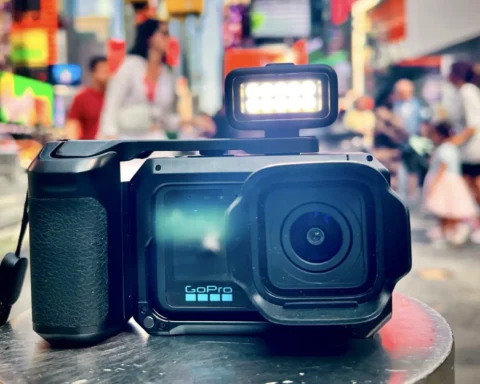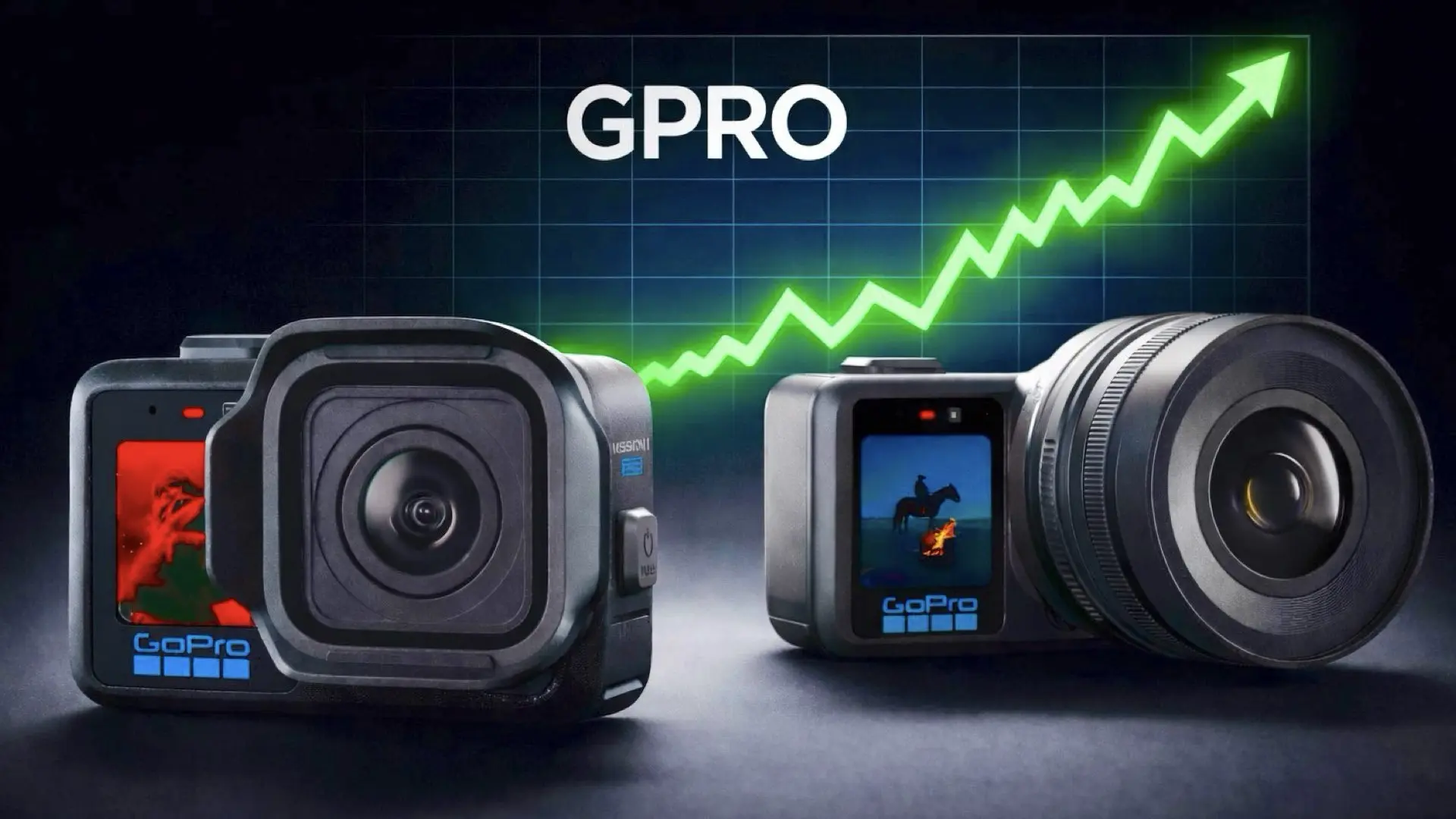
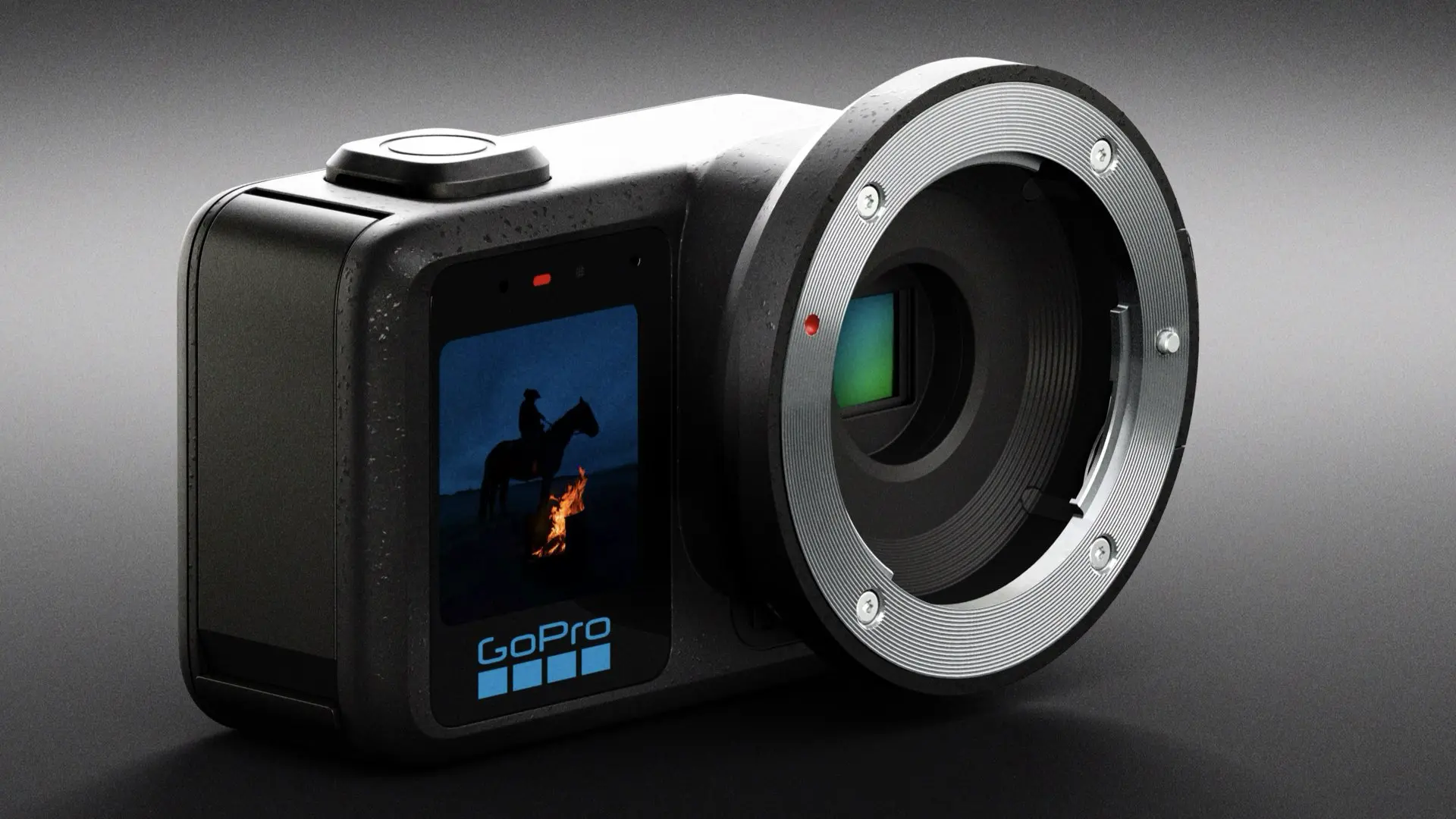
The launch of MISSION 1 ($599.99 on Amazon) may appear as a natural progression for GoPro, but the underlying intent suggests a deeper shift. This is not simply an iteration of the action camera, but a repositioning. By introducing a system built around a 50MP 1-inch sensor, 8K video, and an interchangeable lens variant, GoPro is moving beyond its traditional category and into a space that demands higher image quality, greater flexibility, and more professional workflows.
The limits of the action camera market
The action camera category that GoPro helped define has reached maturity. Over the past decade, improvements in stabilization, resolution, and usability have delivered diminishing differentiation. At the same time, smartphones have absorbed a large portion of casual users, reducing the need for a dedicated action camera for everyday capture. This creates a structural challenge. Growth through incremental upgrades becomes increasingly difficult, and maintaining relevance requires a more fundamental change in product direction.

MISSION 1 is not an upgrade
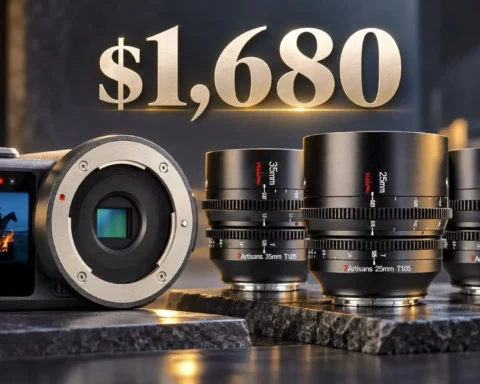
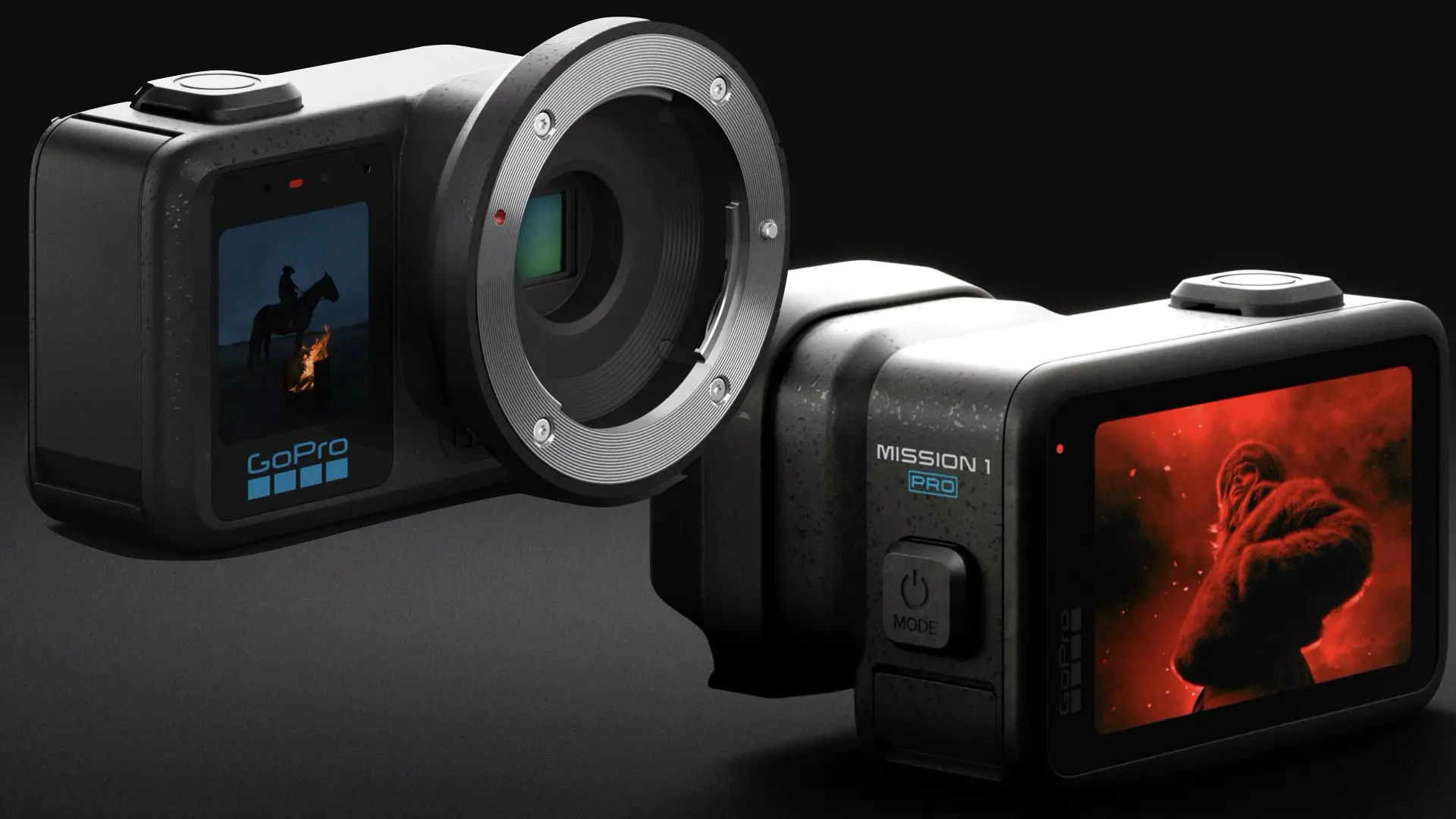
MISSION 1 should not be understood as a flagship replacement. The combination of a larger sensor, Open Gate recording, advanced color profiles, and high bitrates moves the product into a different class. More importantly, the introduction of an interchangeable lens system fundamentally alters how the camera can be used. This is not an enhancement of the GoPro formula, but a cool departure from it. A fixed ultra-wide perspective no longer defines the camera. It becomes a flexible imaging tool that can adapt to different creative and technical requirements.

Moving upmarket
One of the clearest implications of this shift is GoPro’s move toward a higher value segment. By targeting creators who demand better image quality and more control, the company is positioning itself within a market that offers higher margins and broader applications. This includes not only content creators but also professional and semi professional users who require compact systems capable of operating in challenging environments. The ability to deliver higher performance in a small, rugged form factor is the core value proposition.
The system strategy
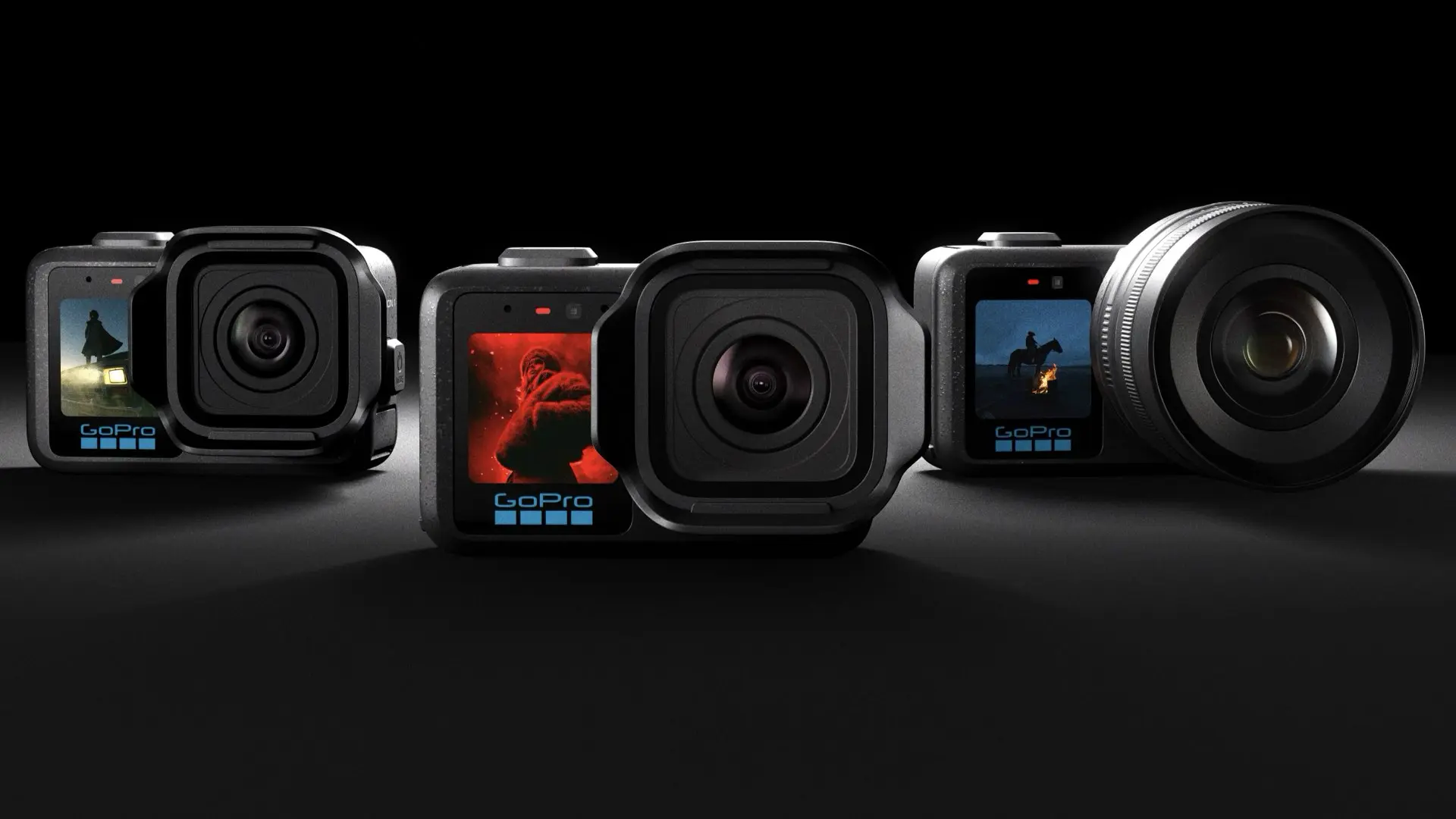
The MISSION 1 lineup introduces the foundations of a system. Interchangeable lenses, expanded accessories, and advanced processing capabilities create an ecosystem rather than a single device. This approach aligns with how the imaging industry operates at the higher end. Cameras are not standalone products. They are platforms that evolve through lenses, accessories, and firmware updates. By adopting this model, GoPro is attempting to extend its relationship with users beyond a single purchase cycle.

The risk
This transition is not without challenges. Entering a more advanced segment brings new expectations. Image quality will be compared against established mirrorless and cinema systems. Workflow integration, codec performance, and ecosystem depth will become critical factors. The interchangeable-lens approach also requires long-term support and compatibility, areas where established manufacturers have significant experience. GoPro will need to demonstrate consistency and commitment in order to gain credibility in this space.
The opportunity
At the same time, the opportunity is significant. There is currently no widely adopted product that combines a compact, rugged body with a large sensor and interchangeable lenses in this way. This creates a potential opening. If GoPro can deliver reliable performance while maintaining its strengths in durability and usability, it can define a new category rather than compete directly within an existing one. This positioning could attract creators who need a versatile tool that operates across both extreme environments and controlled production scenarios.

Conclusion
MISSION 1 is less about improving the action camera and more about moving beyond it. The technical specifications are important, but the strategic intent is more significant. GoPro is attempting to redefine its role in the imaging market by expanding into a segment that offers both higher value and greater long term potential. Whether this represents a necessary move for survival or a broader expansion strategy will depend on execution. What is clear is that MISSION 1 signals a shift in direction, one that could reshape how GoPro is positioned in the years ahead.
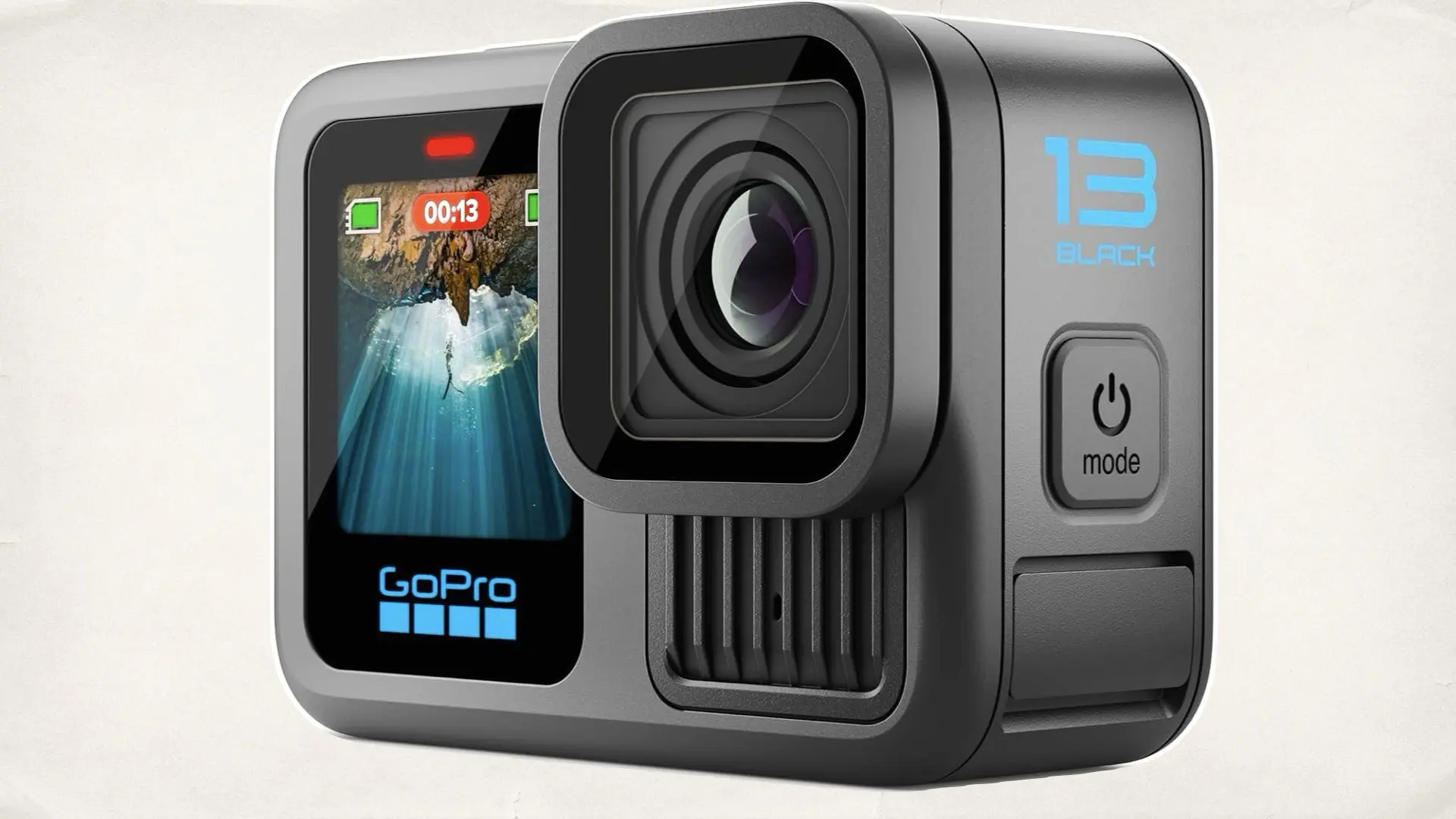
Gear mentioned in this article
Available on Amazon
| Product | New | Renewed | Used |
|---|---|---|---|
| GoPro MISSION 1 PRO ILS | $599.99 | — | — |
Prices checked: Oct 7, 2026, 1:31 PM GMT+0000
As an Amazon Associate, Y.M.Cinema earns from qualifying purchases. If you buy through our links, we may earn a small commission at no extra cost to you.
Product prices and availability are accurate as of the date/time indicated and are subject to change. Any price and availability information displayed on Amazon.com at the time of purchase will apply to the purchase of this product.
CERTAIN CONTENT THAT APPEARS ON THIS SITE COMES FROM AMAZON. THIS CONTENT IS PROVIDED “AS IS” AND IS SUBJECT TO CHANGE OR REMOVAL AT ANY TIME.