
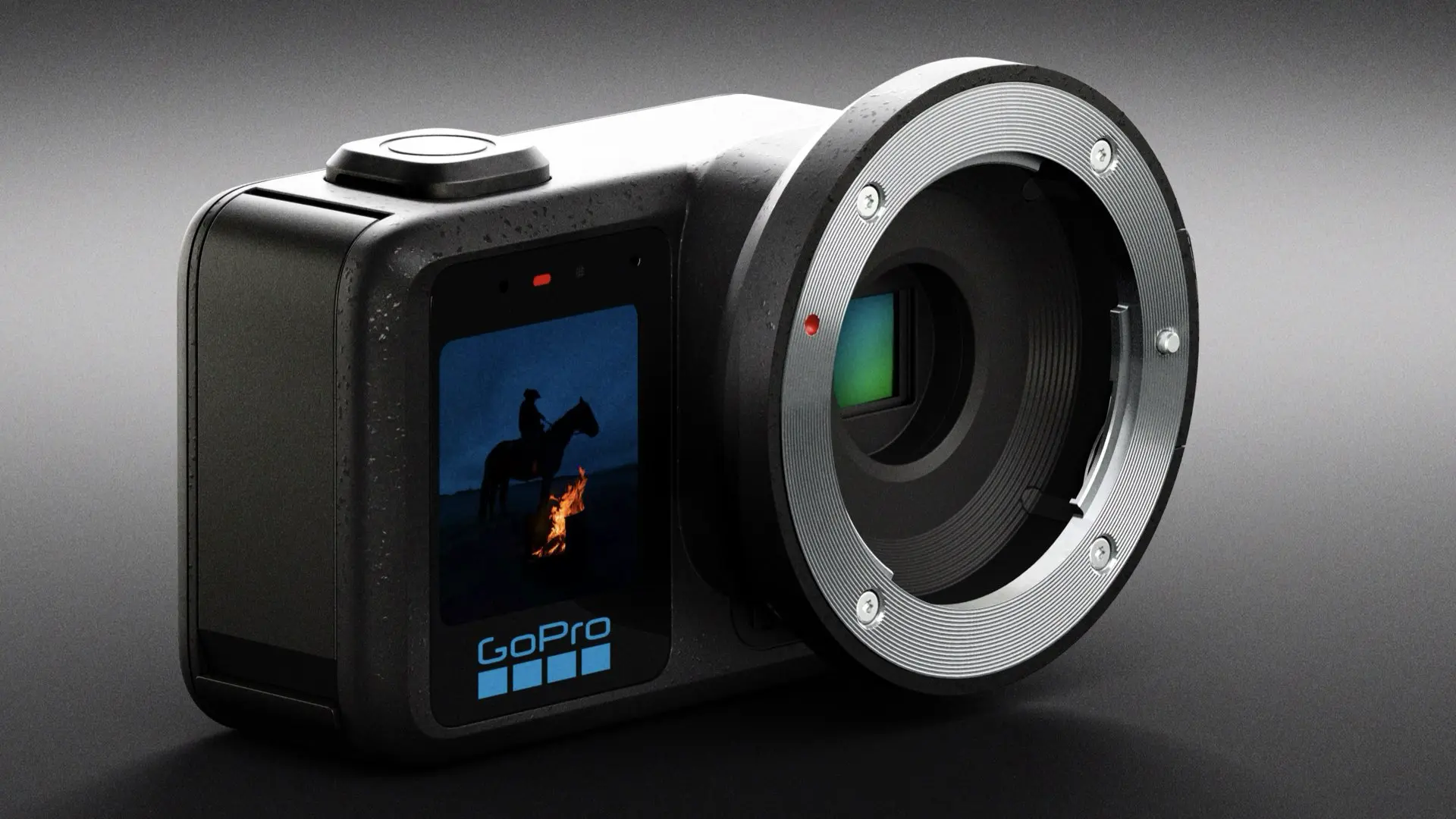
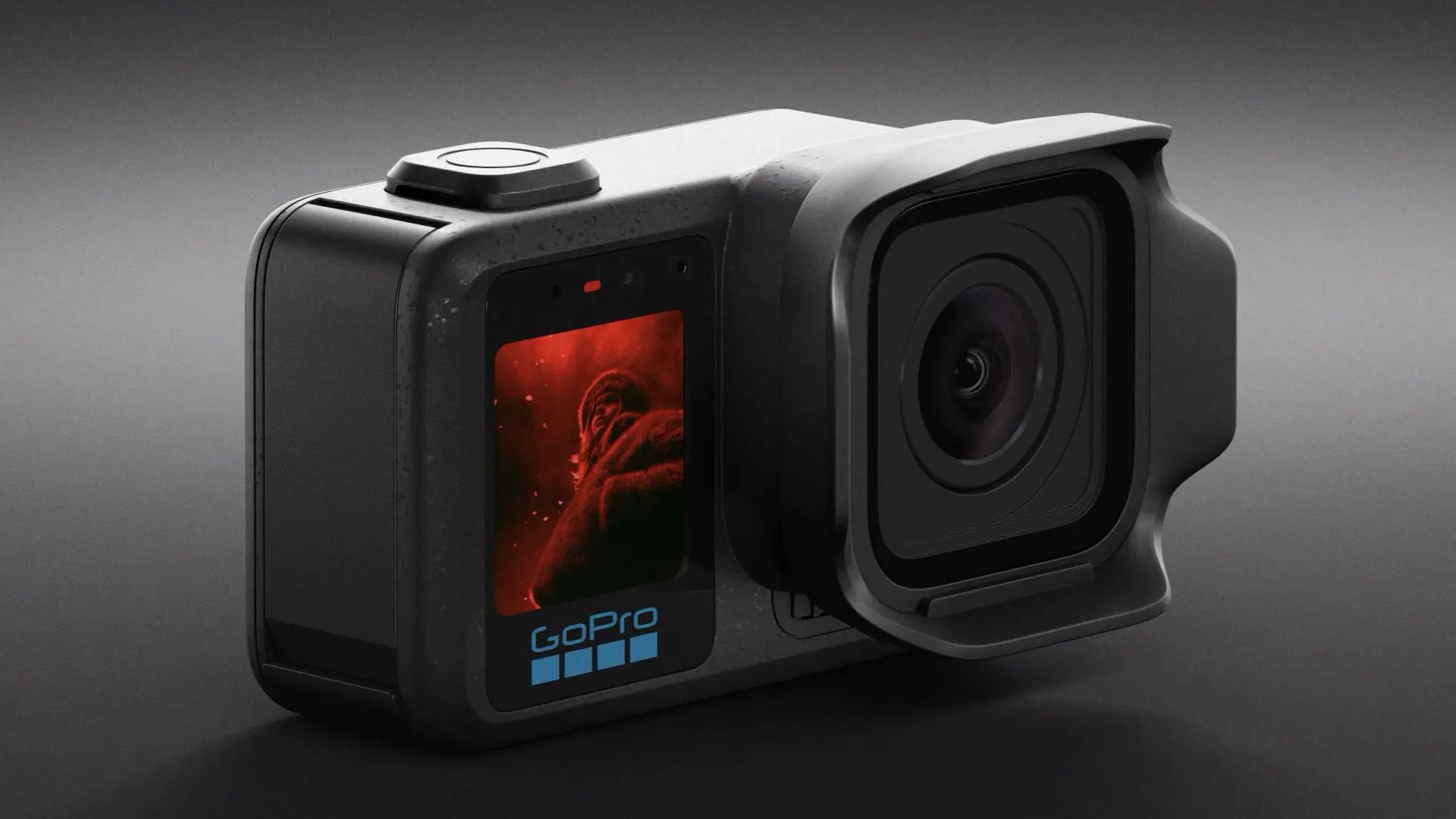
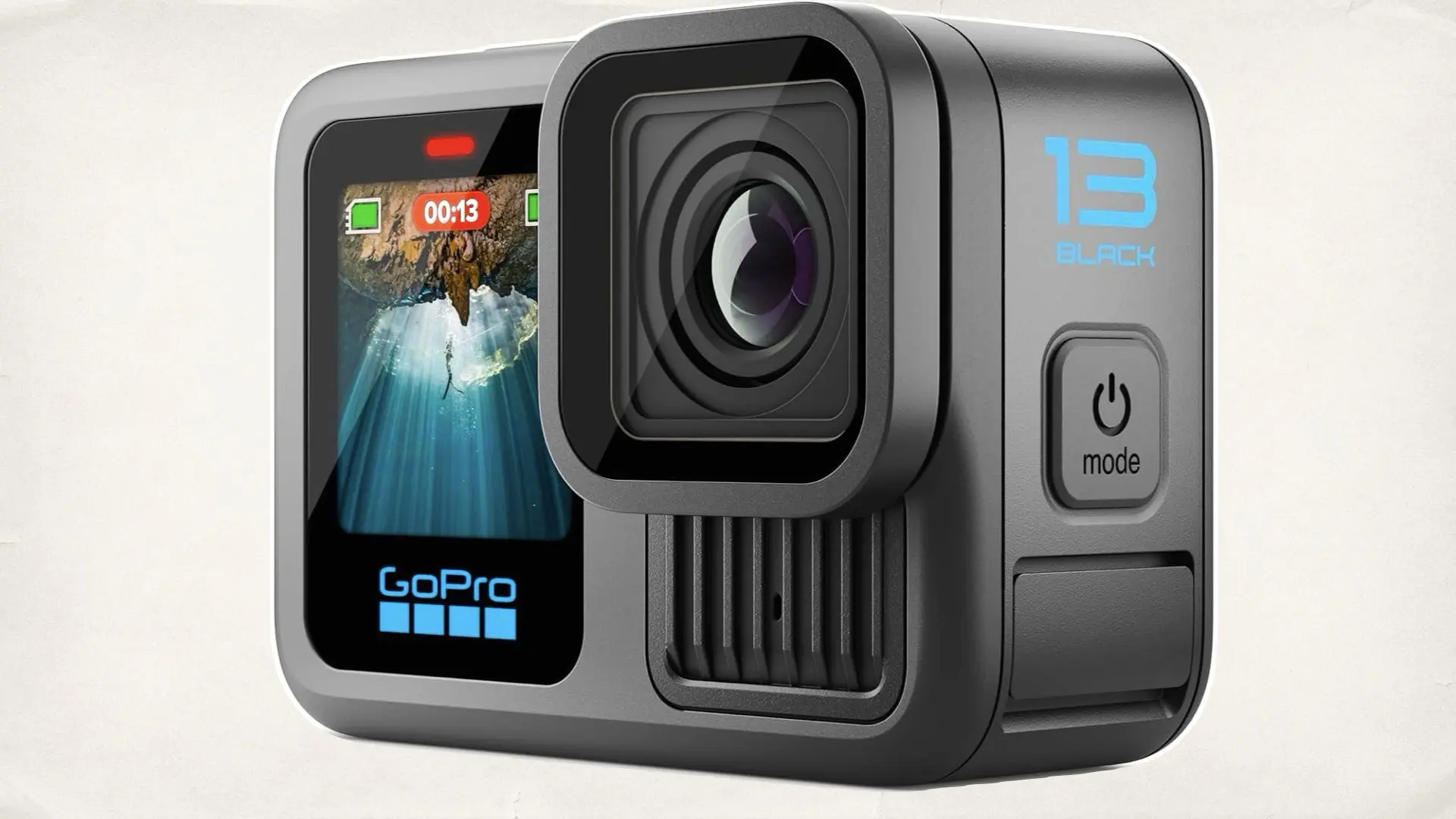
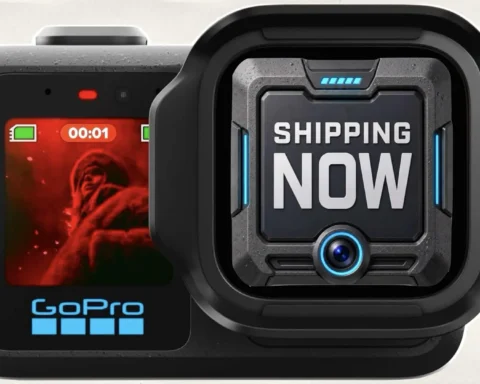
GoPro has unveiled the MISSION 1 series, introducing a new product direction that extends beyond the traditional action camera category. The company is positioning this lineup as action cinema cameras, a concept that combines rugged, compact form factors with imaging capabilities typically associated with professional systems. The cameras are built around a 50MP 1-inch sensor and a new GP3 processor, enabling 8K video capture, Open Gate recording, 14 stops of dynamic range, and advanced image processing designed to support more demanding creative workflows.
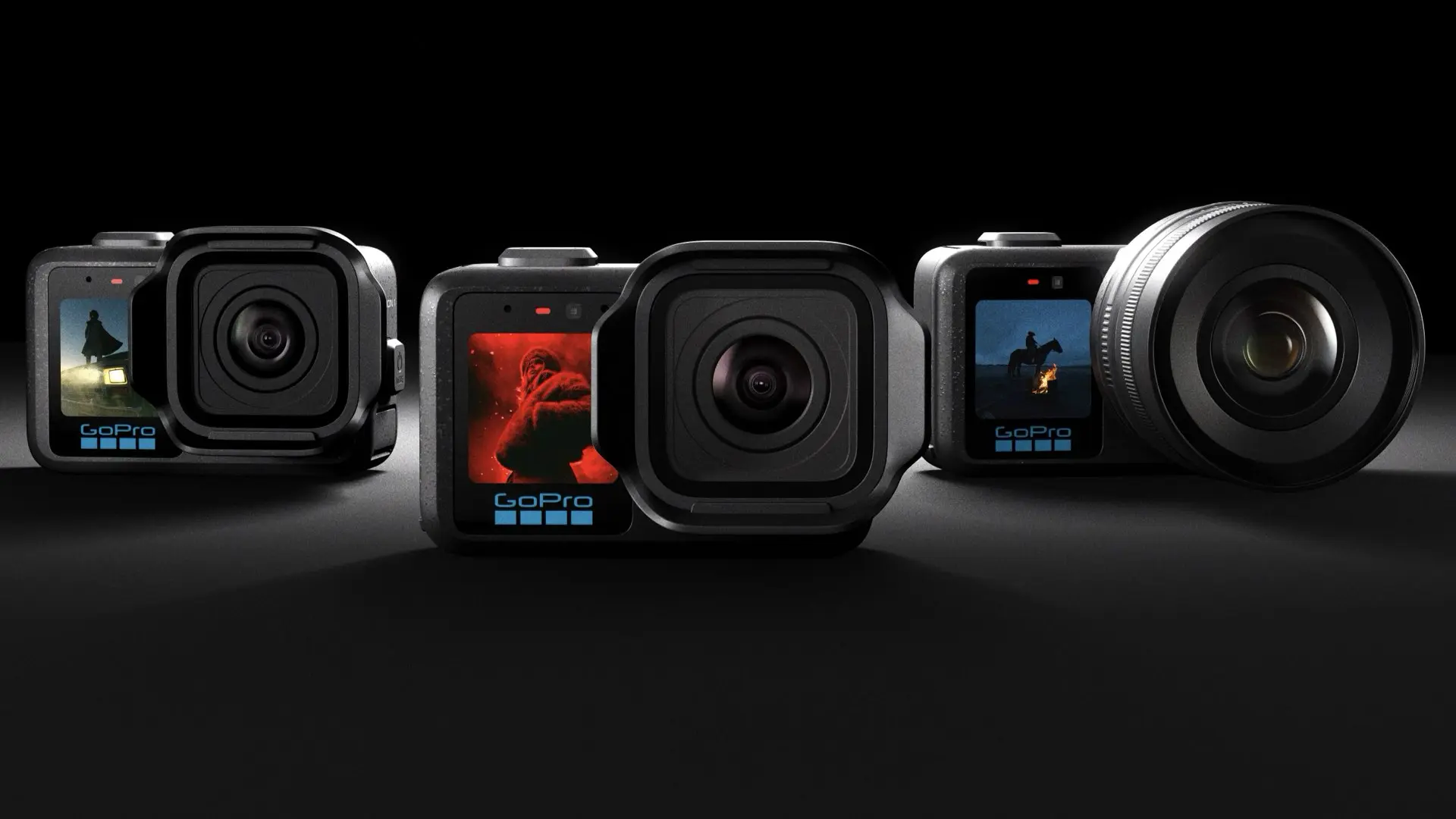
We called it: the mirrorless direction
This development aligns closely with our earlier analysis in Is GoPro Building a Mirrorless Camera?, where we examined the possibility that GoPro was moving toward a more flexible imaging system. The introduction of the MISSION 1 PRO ILS confirms this direction. By enabling compatibility with Micro Four Thirds lenses, GoPro is transitioning from a fixed-lens design approach to a modular system that supports a broader range of optical configurations. This is not a marginal upgrade but a structural shift in product philosophy, one that expands creative control and aligns the system more closely with established interchangeable lens ecosystems.
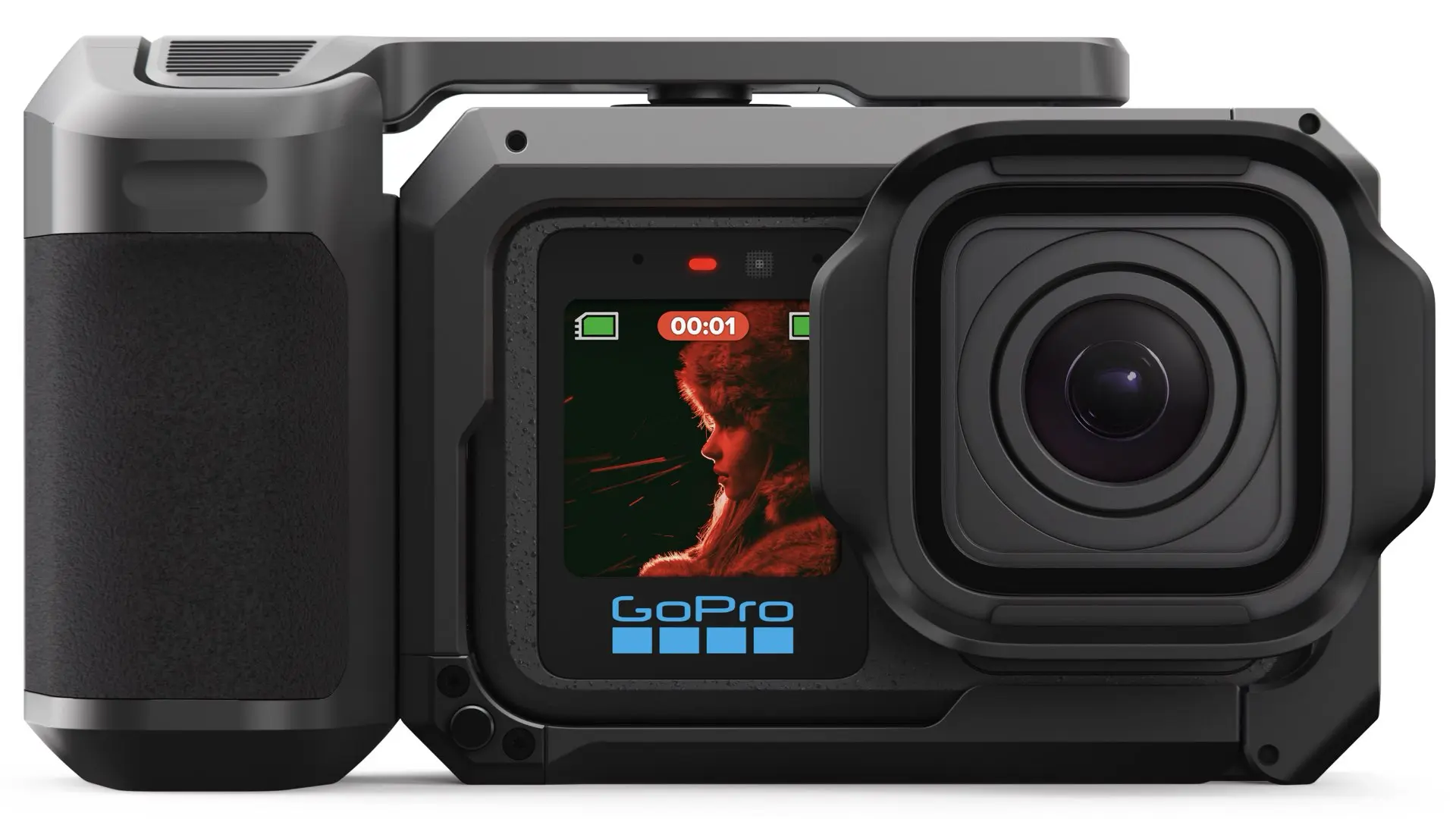
MISSION 1 Series Lineup
Here’s the MISSION 1 lineup. as described by GoPro:
- MISSION 1 PRO: The flagship. Featuring a new, cutting-edge 50MP 1” sensor, incredible low-light performance, 8K60 / 4K240 / 1080p960 16:9 video capture, 8K30 and 4K120 Open Gate 4:3 video capture, 50MP RAW photo capture, all powered by a new, ultra-power-efficient GP3 processor that enables category-leading image quality, battery life, and thermal performance for mission-critical reliability in extreme use cases.
- MISSION 1 PRO ILS: The same 50MP 1” Sensor and GP3 processor as MISSION 1 PRO, but in a mirrorless form with an interchangeable lens mount that supports compatibility with the vast universe of Micro Four Thirds (MFT) lenses and adapters, which allows a virtually limitless range of lenses to be paired with the camera. MISSION 1 PRO ILS also supports in-camera HyperSmooth video stabilization with any rectilinear, prime focal length lens. This versatility, combined with its video stabilization, weatherproof design, and trademark GoPro durability, makes MISSION 1 PRO ILS the world’s smallest, most rugged and versatile high-speed cinema camera at a fraction of the cost (and size) of comparable cameras. With more creative options than ever before—including telephoto, zoom, macro, and more- the possibilities are limitless, whatever your mission.
- MISSION 1: The same as the flagship in every way but limited to 4K120 Open Gate video capture and 8K30, 4K120, 1080p240 16:9 video capture. 50MP photo capture is the same as in the flagship model. MISSION 1 is perfect for the creator who doesn’t require the higher Open Gate resolutions and category-leading frame rates of the flagship model but still wants the outstanding low-light and image quality benefits of the new 50MP 1” sensor and ultra-power-efficient GP3 processor.
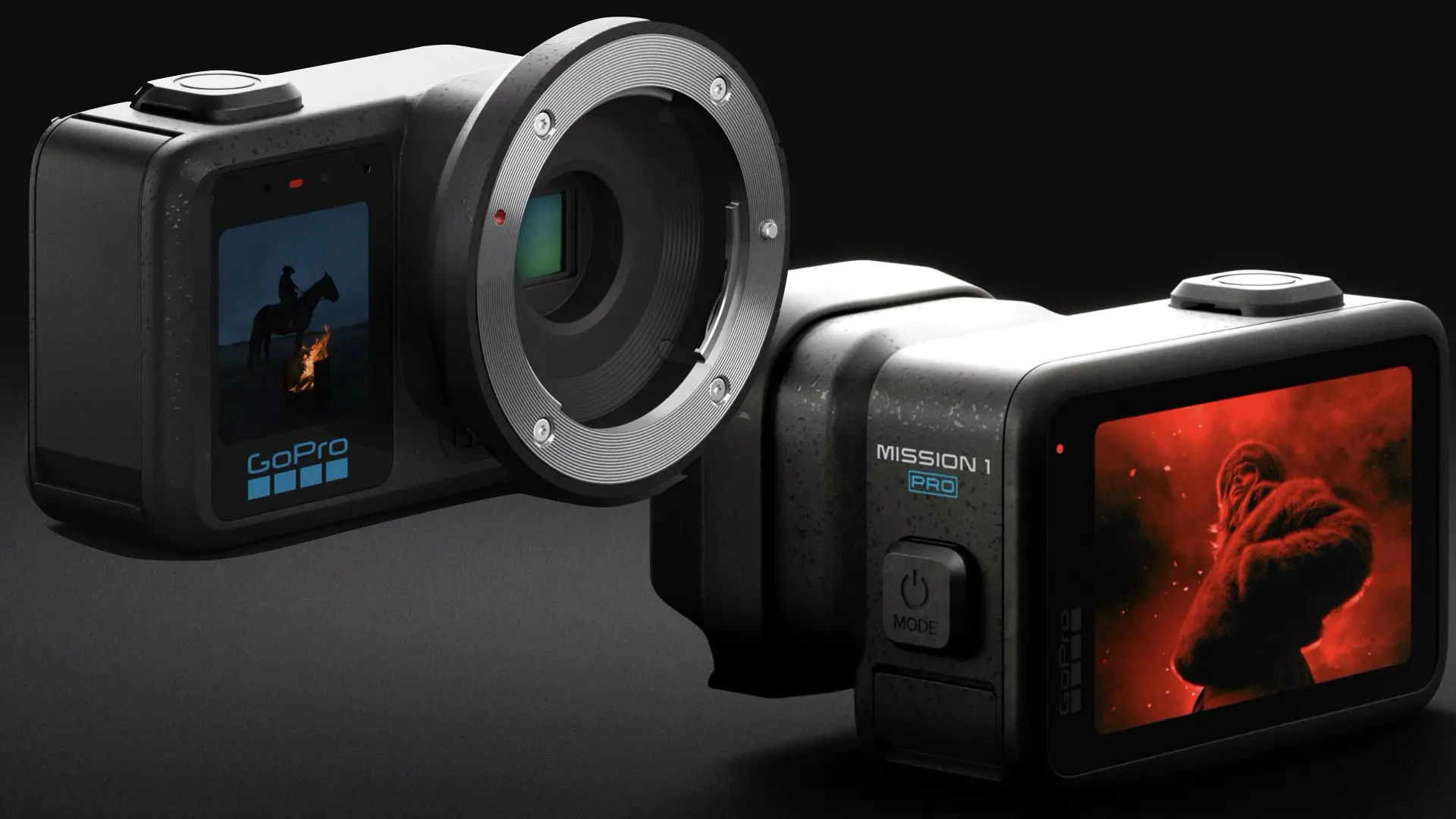
The logic behind the shift
The rationale for this transition becomes clearer when examining the evolution of the action camera market. The category GoPro originally defined has matured, with incremental improvements in stabilization, resolution, and usability that have reduced differentiation. At the same time, creators increasingly expect tools that can operate across multiple use cases, from social media content to professional video production. By developing the MISSION 1 series, GoPro is addressing this gap. The company is leveraging its strengths in durability, compact design, and ease of use, while integrating features that enable higher image quality and greater flexibility. This allows the product to move beyond a single-purpose device and into a broader role within the content creation ecosystem.
The sensor as a strategic foundation
The decision to integrate a 1-inch 50MP sensor is central to this strategy. Sensor size directly influences image quality, particularly in low-light conditions, dynamic range (GoPro claims 14-stops of dynamic range in this new lineup), and depth rendition. A larger sensor enables more light capture, which translates into cleaner images, improved tonal transitions, and greater flexibility in post-production. In practical terms, this shifts the output of the camera closer to what is expected from mirrorless and cinema systems. Combined with high-resolution video capture, including 8K and Open Gate formats, the MISSION 1 series is designed to meet the technical requirements of creators who need both quality and versatility in a compact form factor.
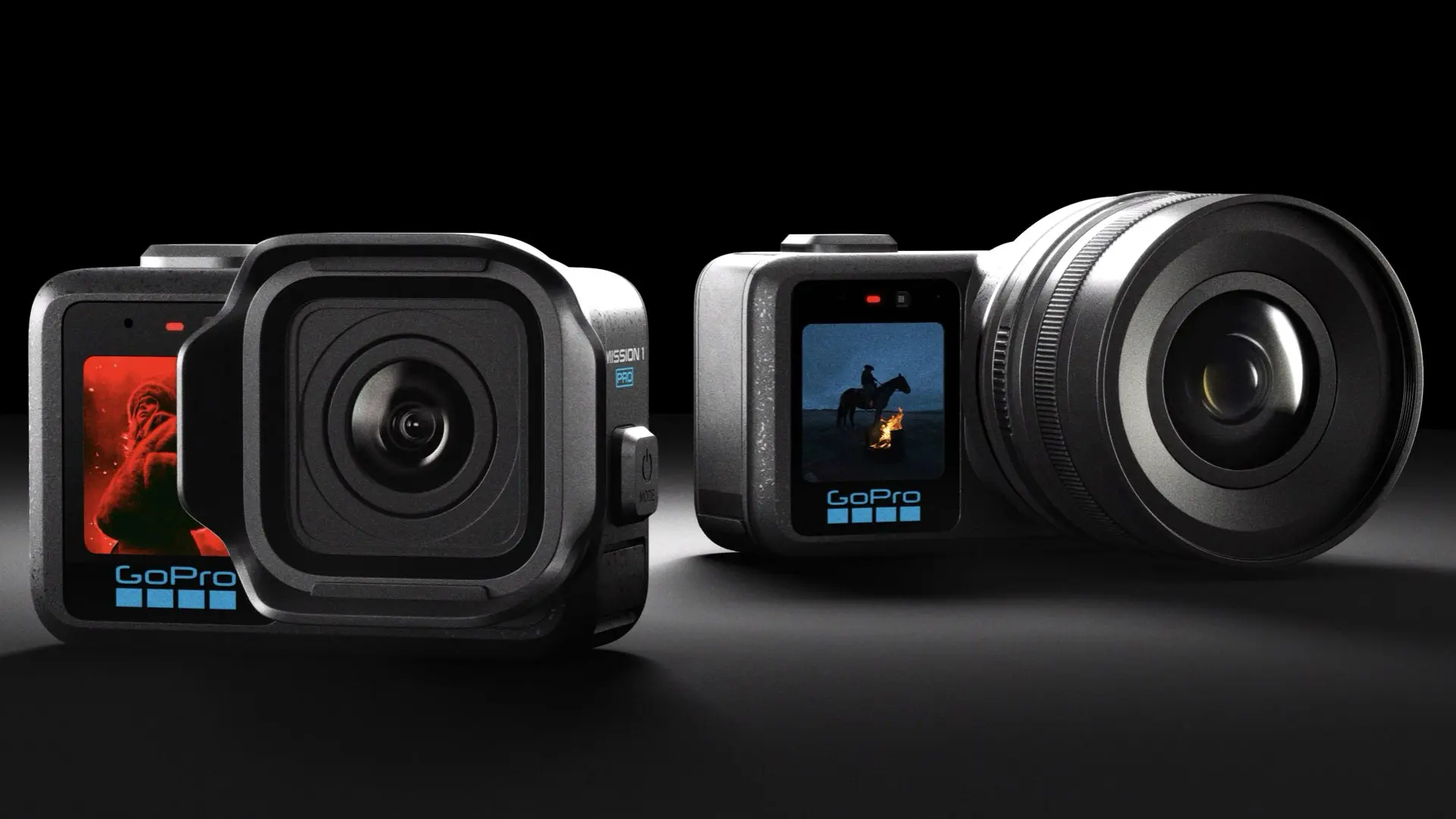
The MISSION 1 Series is the pinnacle of performance for low-cost, compact cinema cameras. Our most demanding, pro-minded customers have asked us for years to make this very line of cameras, and we’ve finally delivered. The MISSION 1 Series is built to withstand the most extreme environments our customers push them into. The footage is going to look amazing.
– Nicholas Woodman, GoPro’s founder and CEO
Interchangeable lenses as a system shift
The introduction of the MISSION 1 PRO ILS ($599.99 on Amazon) is the most consequential element in the lineup. Interchangeable lenses fundamentally alter the capabilities of the system. Instead of being constrained to a single field of view, users can select lenses that match specific creative or technical requirements, including telephoto, macro, and standard focal lengths. This transforms the camera from a specialized tool into a more adaptable platform. It also positions GoPro within a competitive landscape that includes mirrorless and compact cinema systems, where lens choice is a defining component of the workflow. The ability to integrate into existing Micro Four Thirds ecosystems further reduces friction for users who already operate within that space.
Defining action cinema
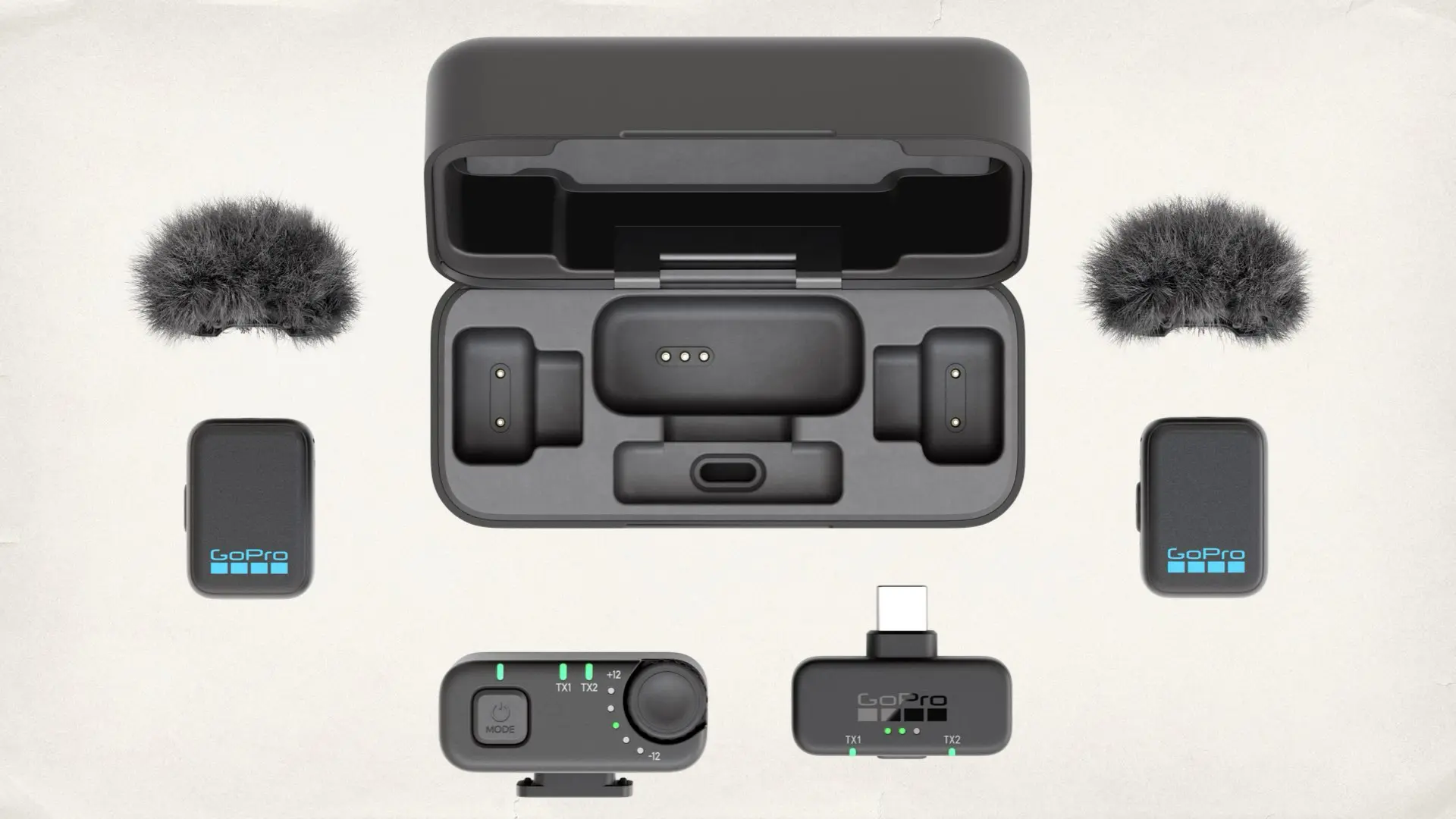
The term action cinema camera reflects an attempt to bridge two historically separate categories. Traditional cinema cameras prioritize image quality, dynamic range, and color fidelity, but they are typically larger, more fragile, and less suited to extreme environments. Action cameras, in contrast, are built for durability and portability but have been limited in terms of image quality and creative flexibility. The MISSION 1 series combines these attributes. It retains the rugged construction and compact size associated with GoPro while introducing features such as log recording, high bitrates, advanced audio capabilities, and Open Gate capture. This creates a new use case for cameras that can operate in challenging conditions while still delivering footage that meets higher production standards.
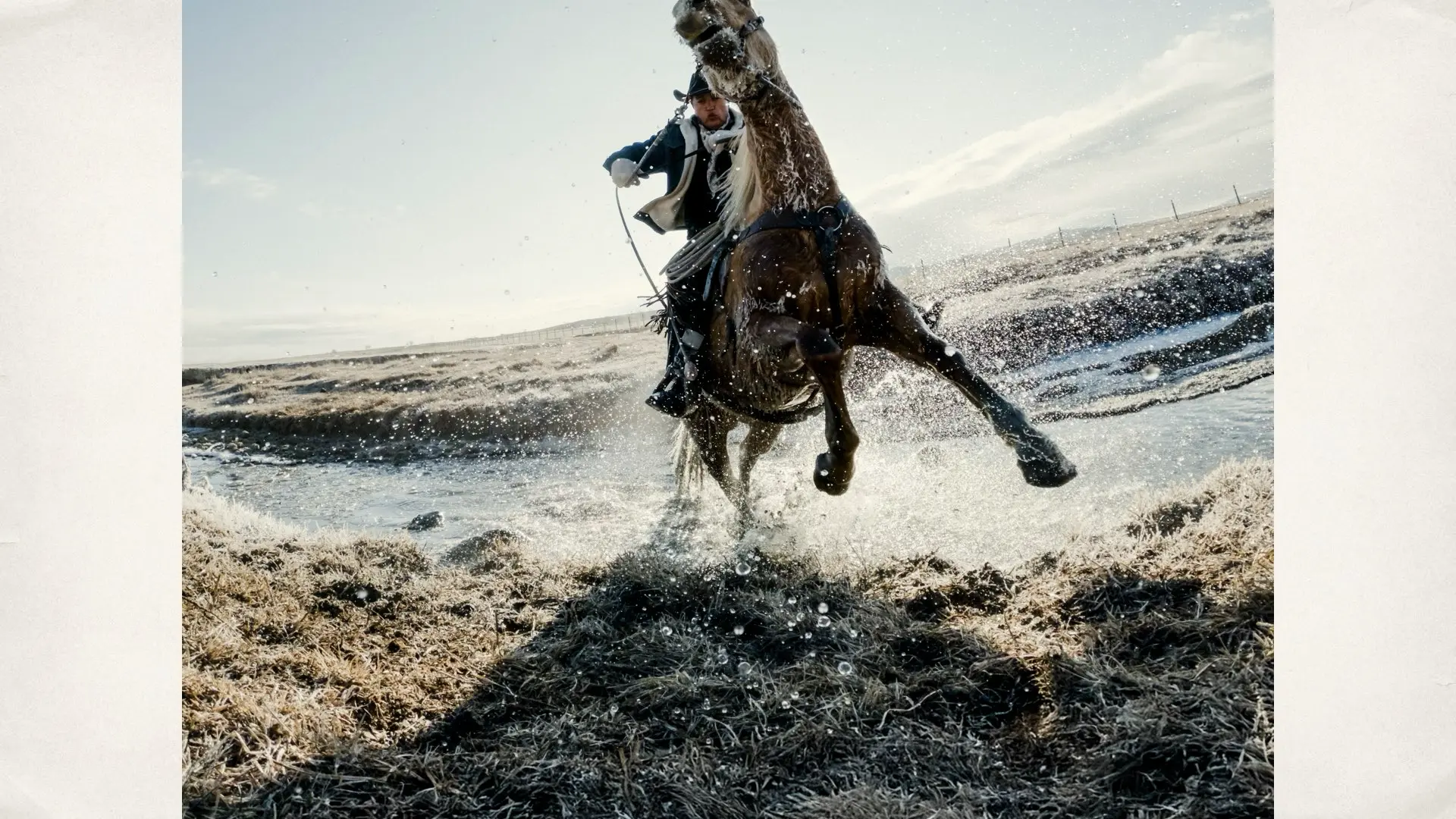
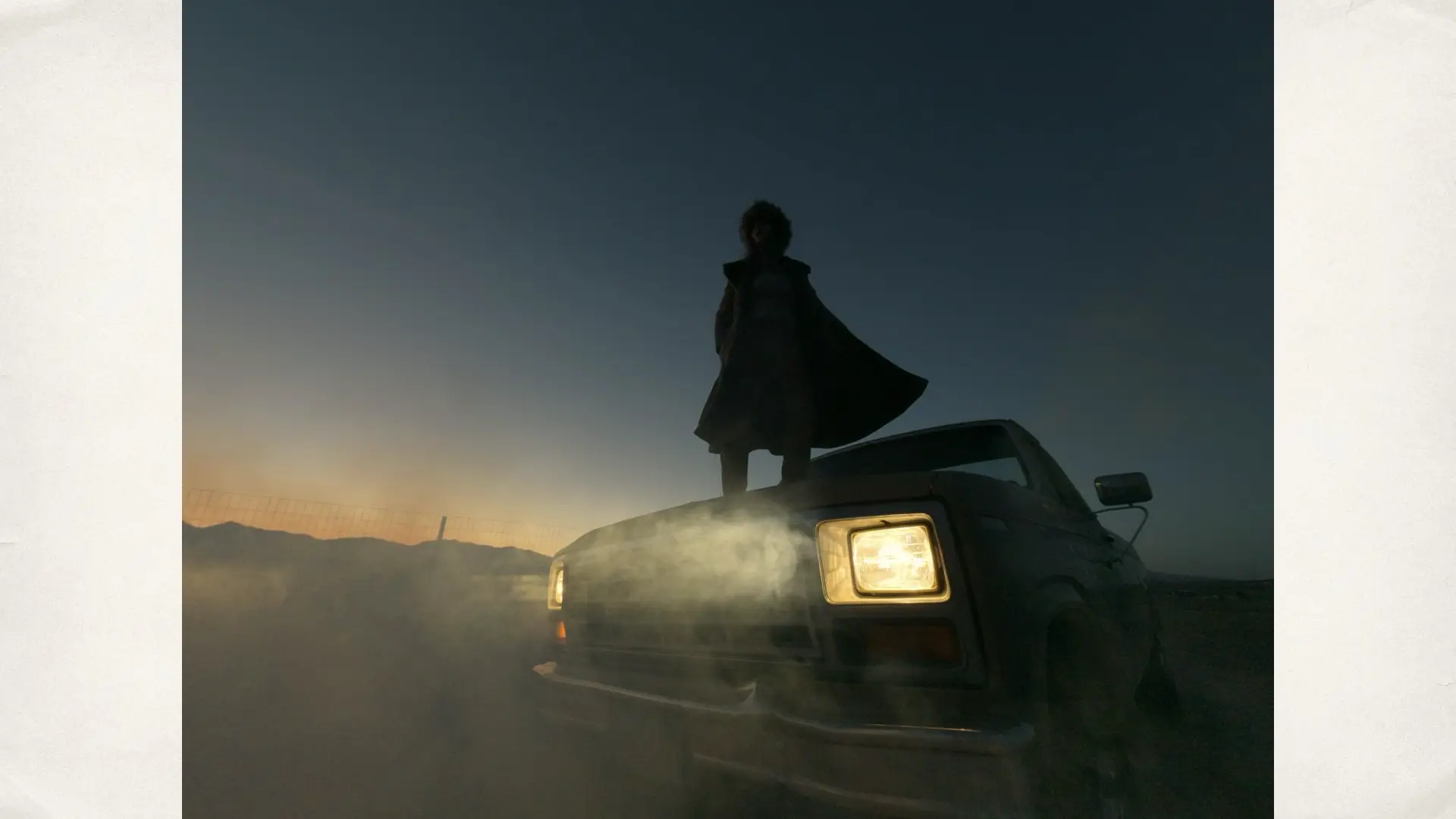
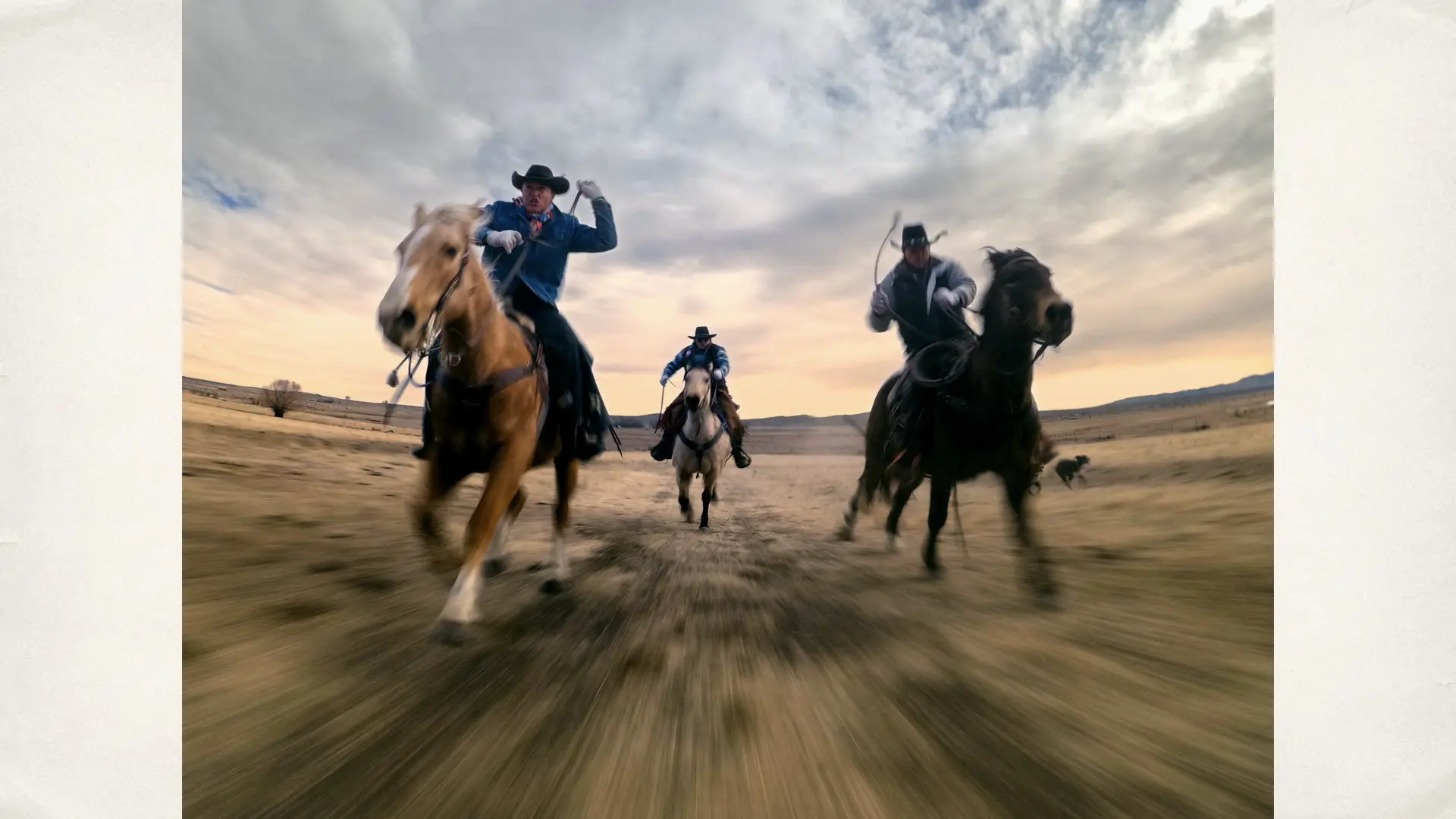
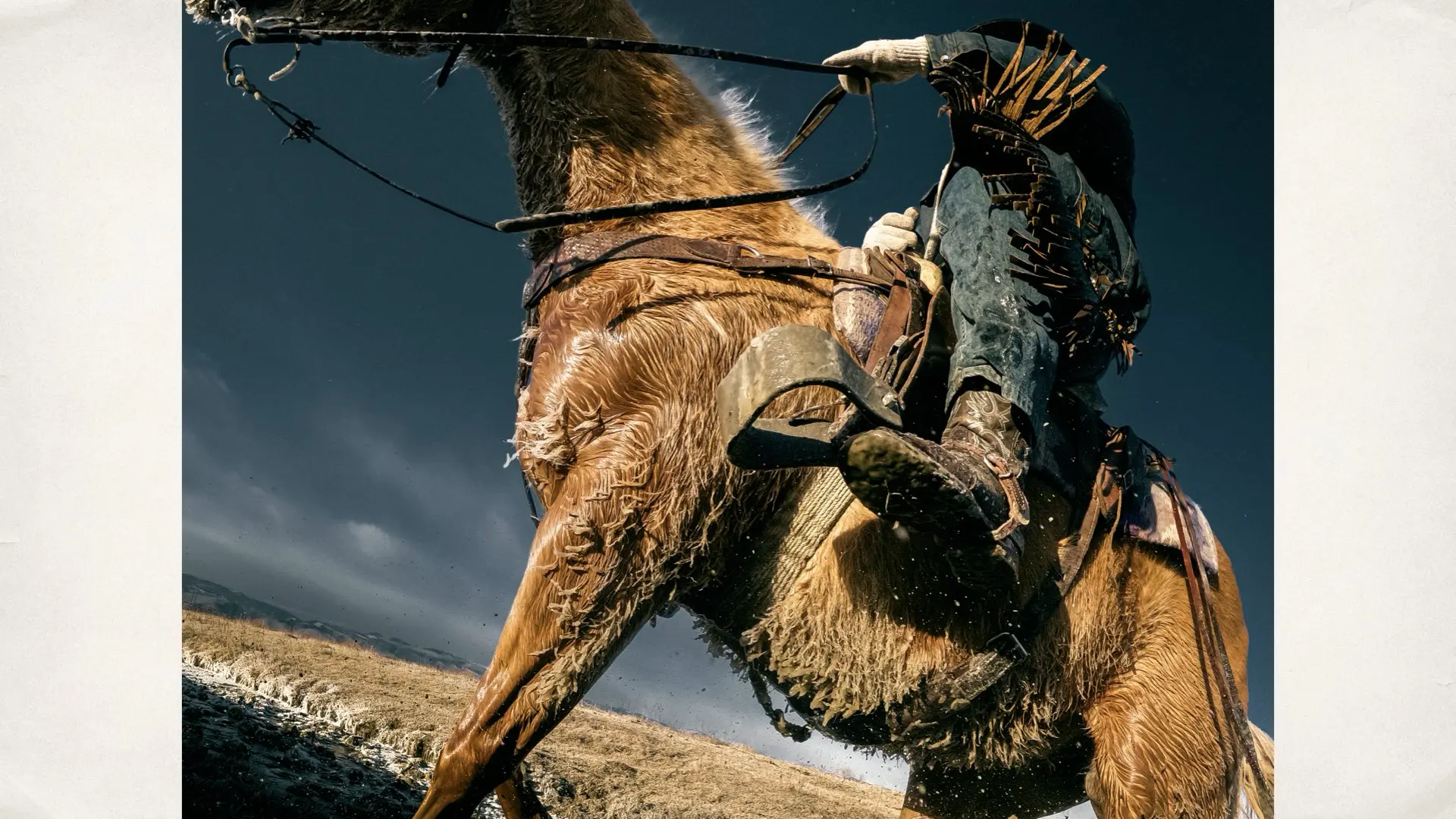
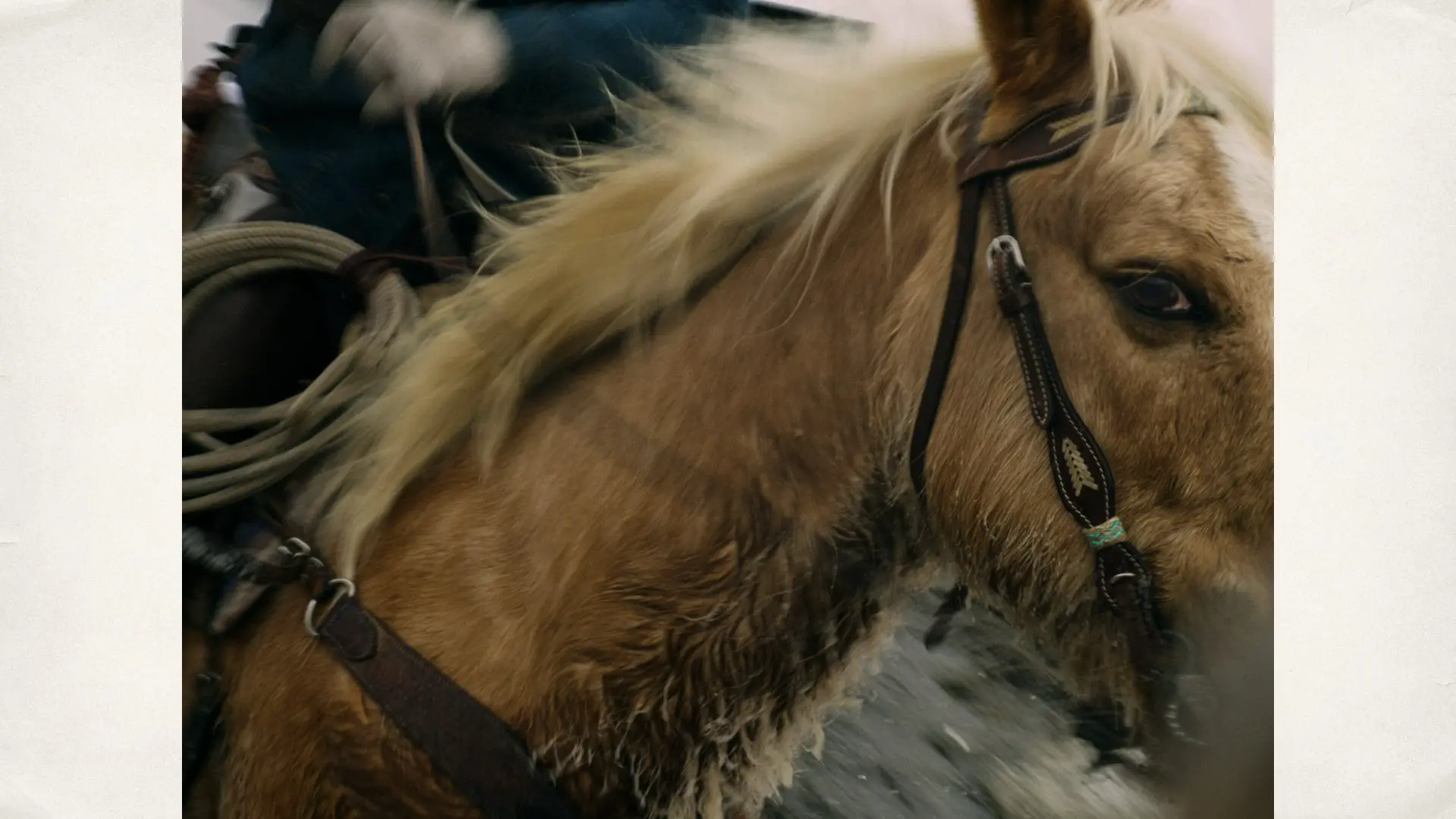
More sample footage



When and how much?
MISSION 1 PRO, MISSION 1 PRO Grip Edition ($679.99 on Amazon), and MISSION 1 will be available for preorder beginning May 21st, with global on-shelf availability starting May 28th. MISSION 1 PRO ILS, MISSION 1 PRO Creator Edition ($1,099.99 on Amazon), and MISSION 1 PRO Ultimate Creator Edition will be available beginning Q3 2026. Pricing will be announced closer to the shipping date in May.
Conclusion
The MISSION 1 series represents a significant strategic move for GoPro. It reflects a clear understanding that the company must evolve beyond the constraints of the action camera category in order to remain competitive. By combining durability, compact design, and professional imaging features, GoPro is attempting to define a new segment that aligns with the needs of modern creators. The success of this approach will depend on execution, particularly in areas such as image quality, thermal performance, and ecosystem support. However, the underlying logic is sound. GoPro is repositioning itself not as a manufacturer of action cameras, but as a developer of compact imaging systems capable of serving a wider range of creative and professional applications. We’ll continue to cover and analyse these intriguing pieces of cinema cameras, so stay tuned.
Gear mentioned in this article
Available on Amazon
| Product | New | Renewed | Used |
|---|---|---|---|
| GoPro MISSION 1 PRO ILS | $599.99 | — | — |
| GoPro MISSION 1 PRO Creator Edition | $1,099.99 | — | — |
| GoPro MISSION 1 PRO Grip Edition | $679.99 | — | — |
Prices checked: Oct 7, 2026, 1:30 PM GMT+0000
As an Amazon Associate, Y.M.Cinema earns from qualifying purchases. If you buy through our links, we may earn a small commission at no extra cost to you.
Product prices and availability are accurate as of the date/time indicated and are subject to change. Any price and availability information displayed on Amazon.com at the time of purchase will apply to the purchase of this product.
CERTAIN CONTENT THAT APPEARS ON THIS SITE COMES FROM AMAZON. THIS CONTENT IS PROVIDED “AS IS” AND IS SUBJECT TO CHANGE OR REMOVAL AT ANY TIME.




At last an artcile with details. Too many articals and too long and low grade pay layout and advertising obscured. And capture and rrquired fields issues.
This is 10 years overdure. Thr action camera market should have hsd these physucsl options with auto and manual focus and zoom lens compayability.
Not 19 stops.
Not 12 to 16 bit
Not high enough bitrate
No p50/60 8k mode.
External 40-80GB/s USBC, with uncompressed recording to SSD?
Cheap old camera industry features. Is this the $100 or $200 version?! Even BMD could do bettrer.
What big reason is there to upgrade my present old 8k action camera?