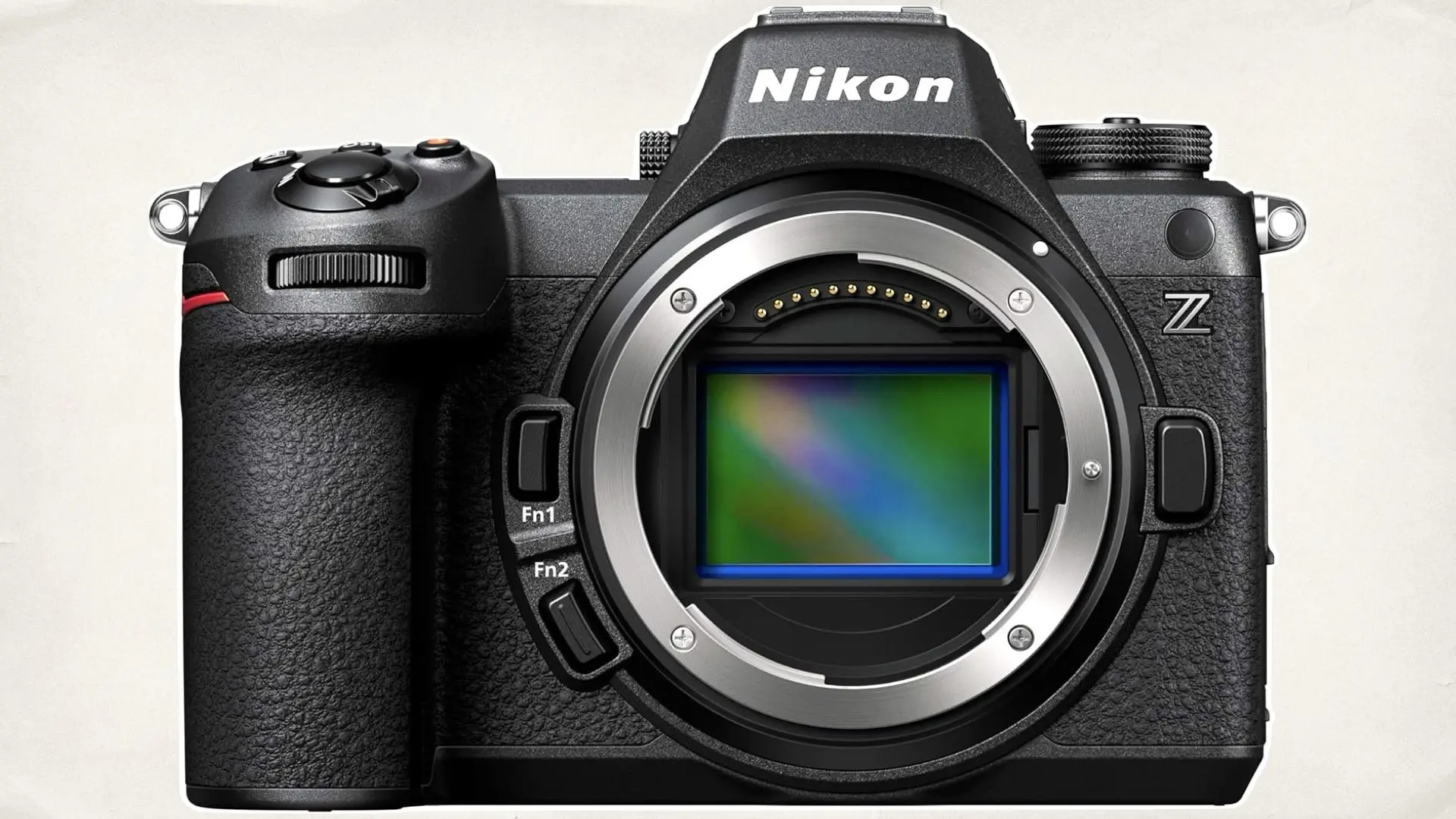
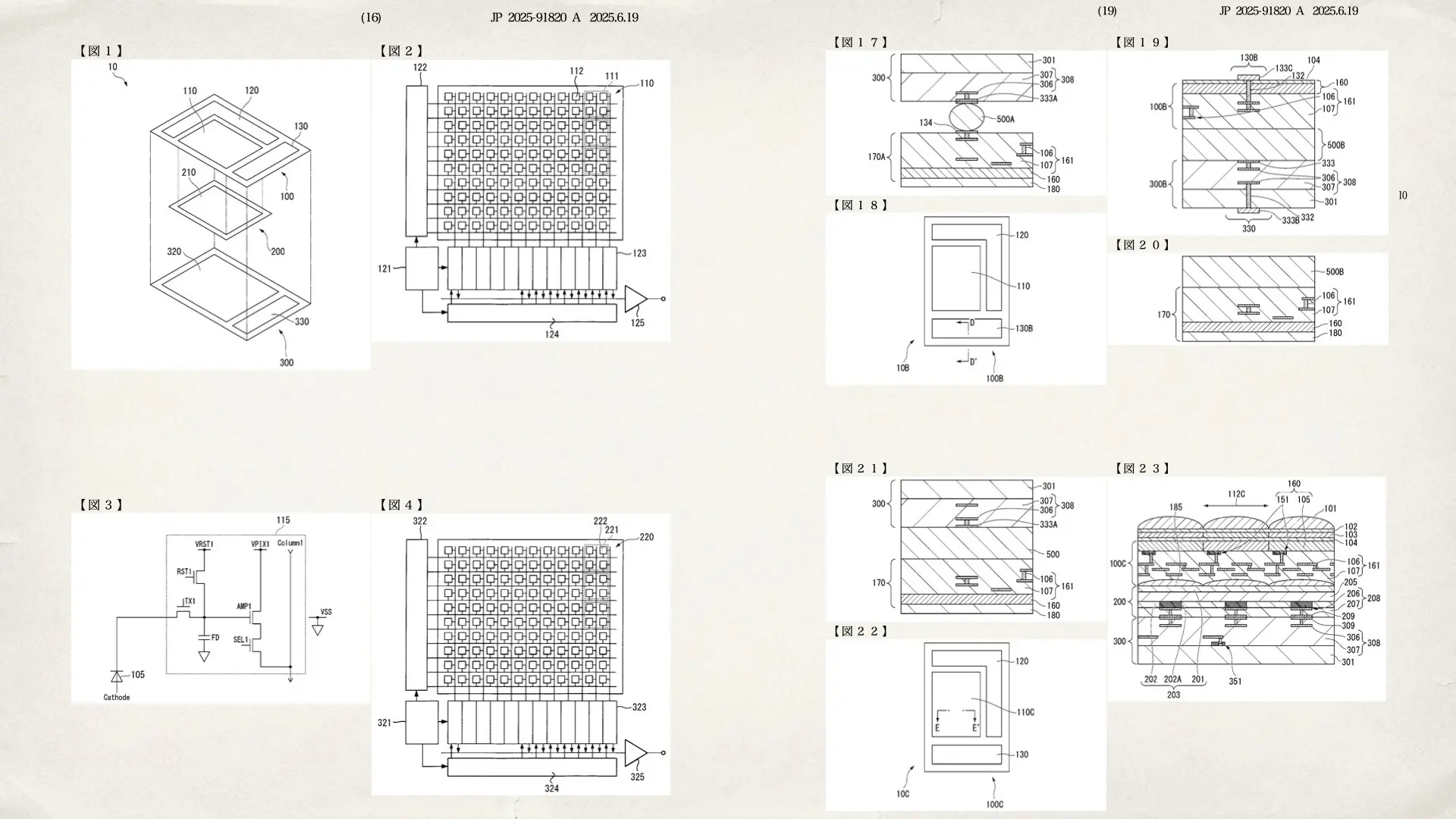
Just a few days ago, Nikon filed a brand new Japanese patent that outlines a radical new approach to sensor design — and it could have serious implications for the world of cinema. The innovation is not speculative or recycled tech; it’s a fresh document, dated and published in late June 2025, signaling that Nikon is actively pushing sensor development in bold new directions. And we wouldn’t have known about it so quickly without the sharp eyes of one of our readers — Felipe González Ortega, who kindly tipped us off to this patent. Thank you, Felipe, for bringing it to our attention and helping us stay ahead of the curve. This newly revealed patent proposes a multi-layered sensor capable of capturing both visible light and infrared (IR) in a single imaging device. With this approach, Nikon appears to be exploring technology that could make advanced dual-spectrum capture accessible in compact, cinema-ready sensors.

A Stacked Surprise from Nikon
A newly published Japanese patent filed by Nikon outlines an innovative three-layer image sensor designed to capture both infrared (IR) and visible light simultaneously. This cutting-edge architecture features a multilayer semiconductor system with distinct photoelectric conversion layers, seamlessly connected to a sophisticated readout circuit. The result? A sensor capable of capturing more light data with better separation, cleaner signals, and new creative possibilities. Unlike conventional back-illuminated sensors or basic stacked CMOS designs, this system interleaves functionality: visible-light conversion on one layer, infrared capture on another, and processing on a third — all in an ultra-compact format. The potential for cinema is massive.
Why Infrared Matters in Cinematography
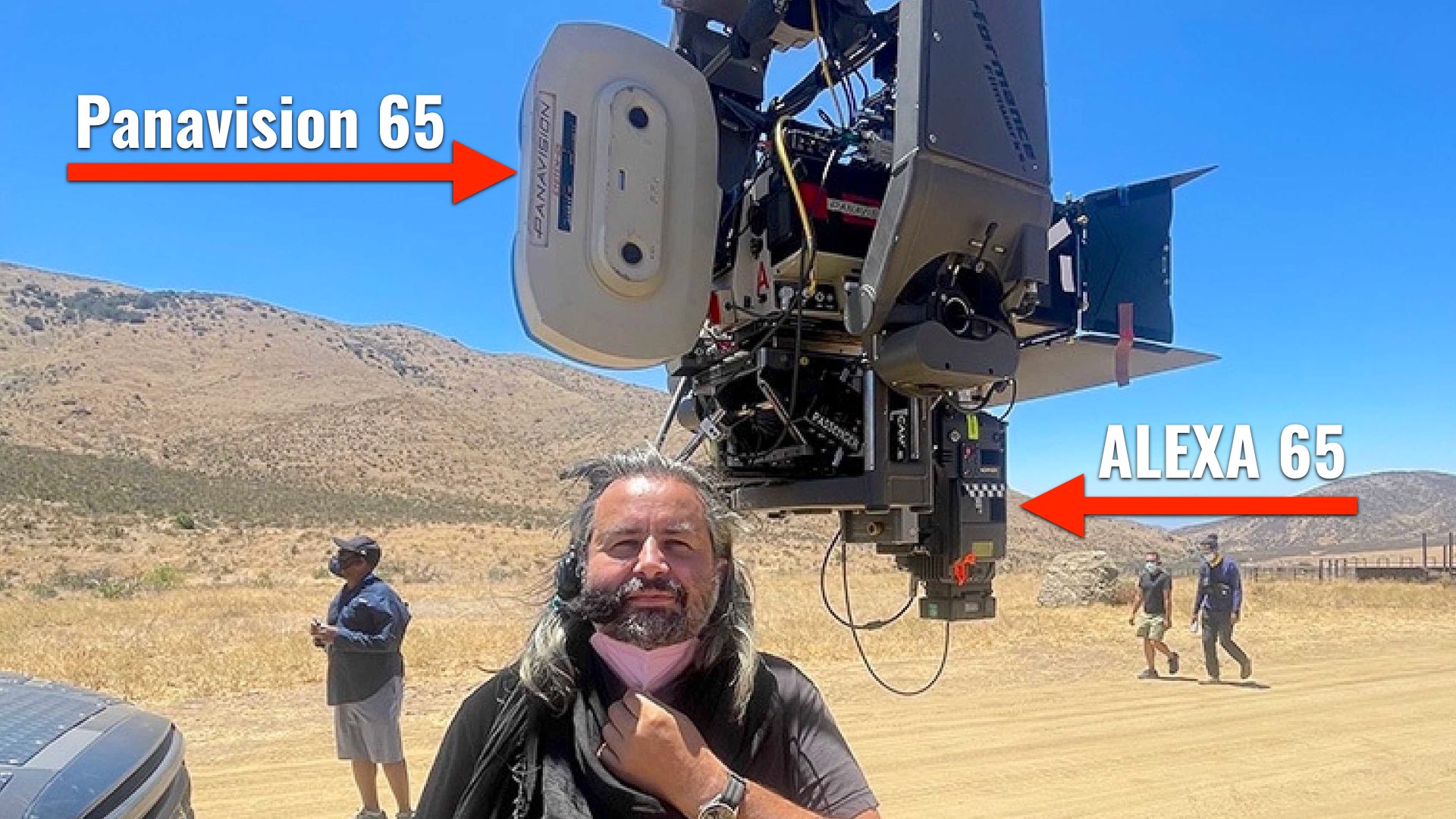
This isn’t just a lab trick. Infrared cinematography has already proven its cinematic power. Take Jordan Peele’s Nope, for example. The filmmakers used a custom day-for-night rig combining an IR-sensitive ARRI ALEXA 65 with Panavision’s System 65 film camera to blend real daylight footage with surreal IR depth. The result was a night scene unlike anything before — beautifully eerie and technically seamless. You can read more in “Nope Was Shot On a Unique Day-for-Night Rig of ALEXA 65 Infrared and Panavision System 65”. Now imagine if such IR-visible blending didn’t require two cameras and a custom rig, but instead came from a single Nikon sensor.
A Perfect Fit for Monochrome and Beyond
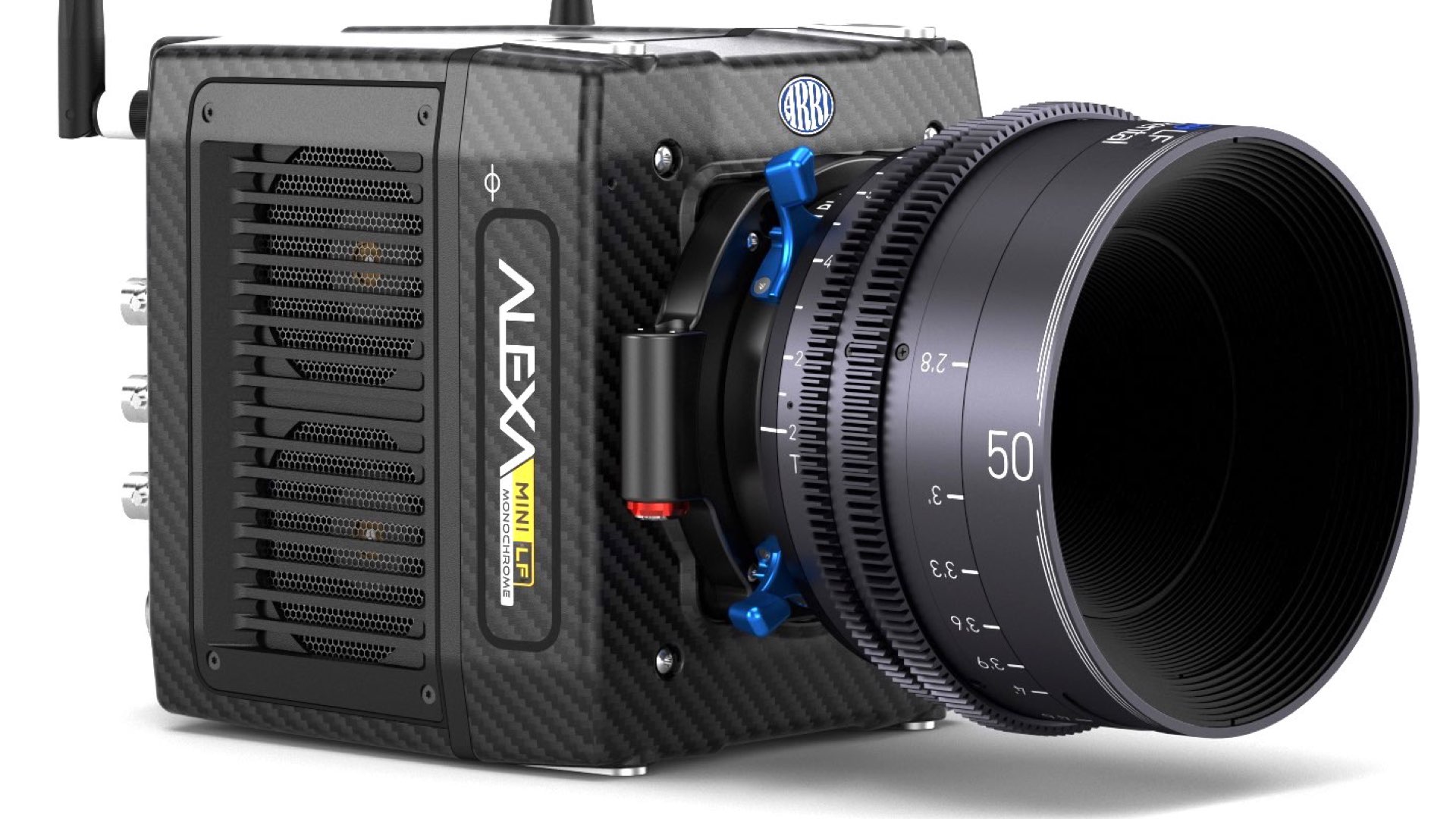
This patent also supports the rise of monochrome cinema cameras, which have seen renewed interest thanks to their artistic value and enhanced light sensitivity. As explained in our piece “Monochrome Cinema Cameras: A New Trend of B&W Cinematography”, stripping away the color filter array (CFA) yields sharper, cleaner imagery — ideal for black-and-white or near-IR cinematography. Nikon’s new sensor could deliver both monochrome and IR outputs natively, sidestepping the compromises of color sensors.
The Broader Vision: Nikon’s Road to Cinema Independence
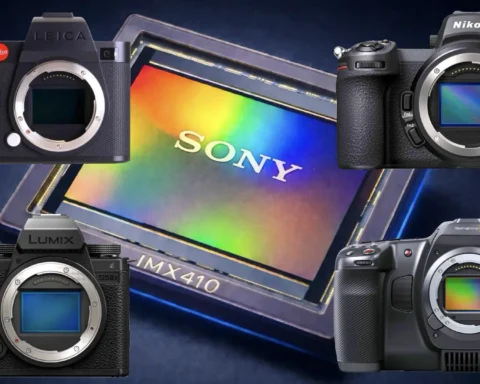
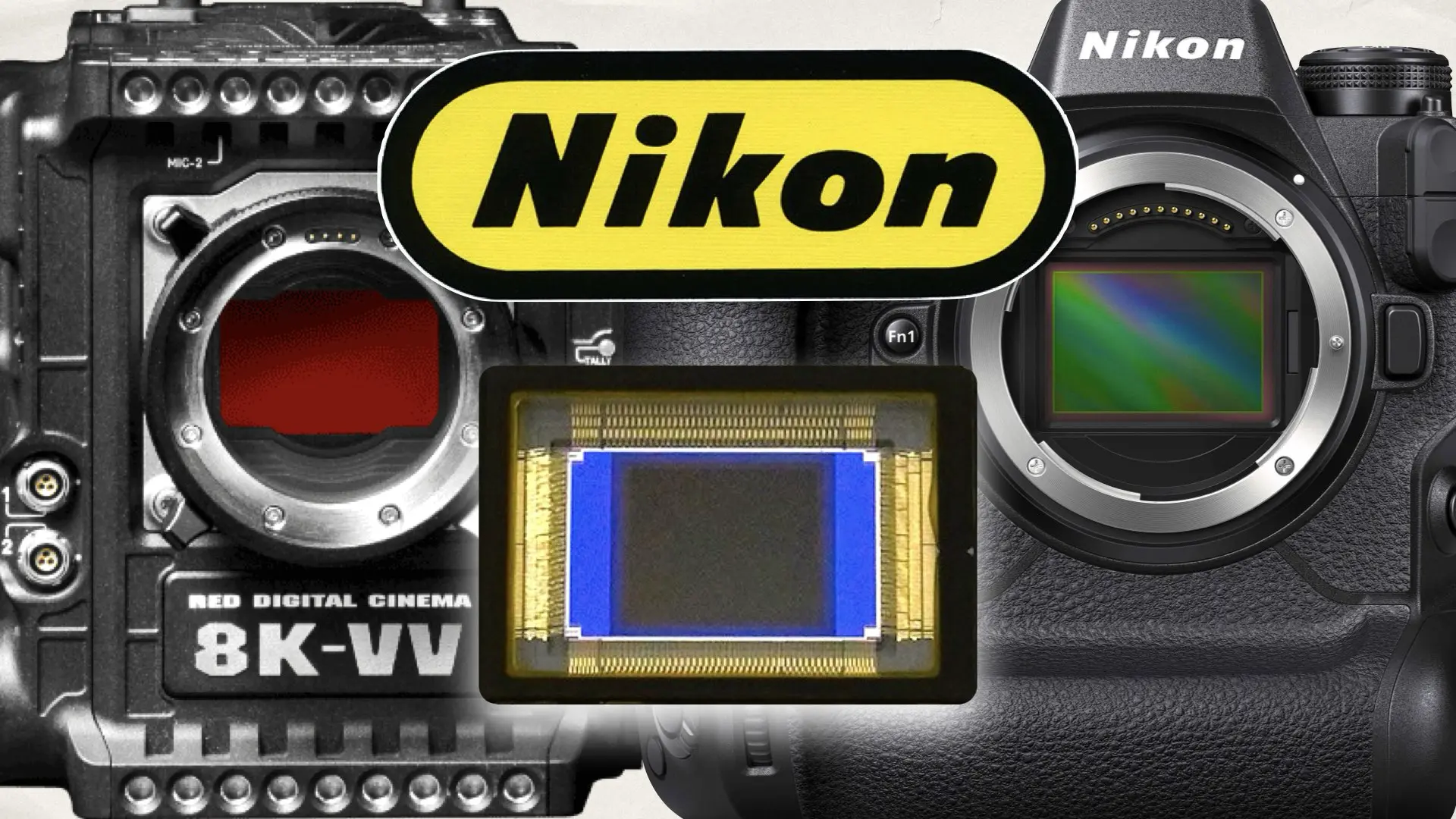
This patent aligns closely with Nikon’s broader push toward sensor independence and a cinema-ready future, as detailed in “Nikon’s Sensor Breakthrough: A Move Toward Independence and Cinema”. Developing advanced sensors in-house means Nikon can better tailor technology to filmmakers’ needs — whether that’s more dynamic range, better skin tone rendering, or experimental formats like dual-spectrum imaging. By stacking conversion units for visible and infrared light, this sensor moves Nikon closer to that goal, possibly overtaking cinema top tier companies in niche but influential areas.
Takeaway: A Glimpse Into Nikon’s Cinematic Future
While this patent doesn’t confirm a product release yet, it’s a crystal-clear sign that Nikon is investing in sensor innovation with real cinematic relevance. With dual-layer light capture, IR-visible blending, and high-resolution control circuitry, this tech could reshape how cinematographers approach black-and-white, night-for-day, and even AI-enhanced imaging.