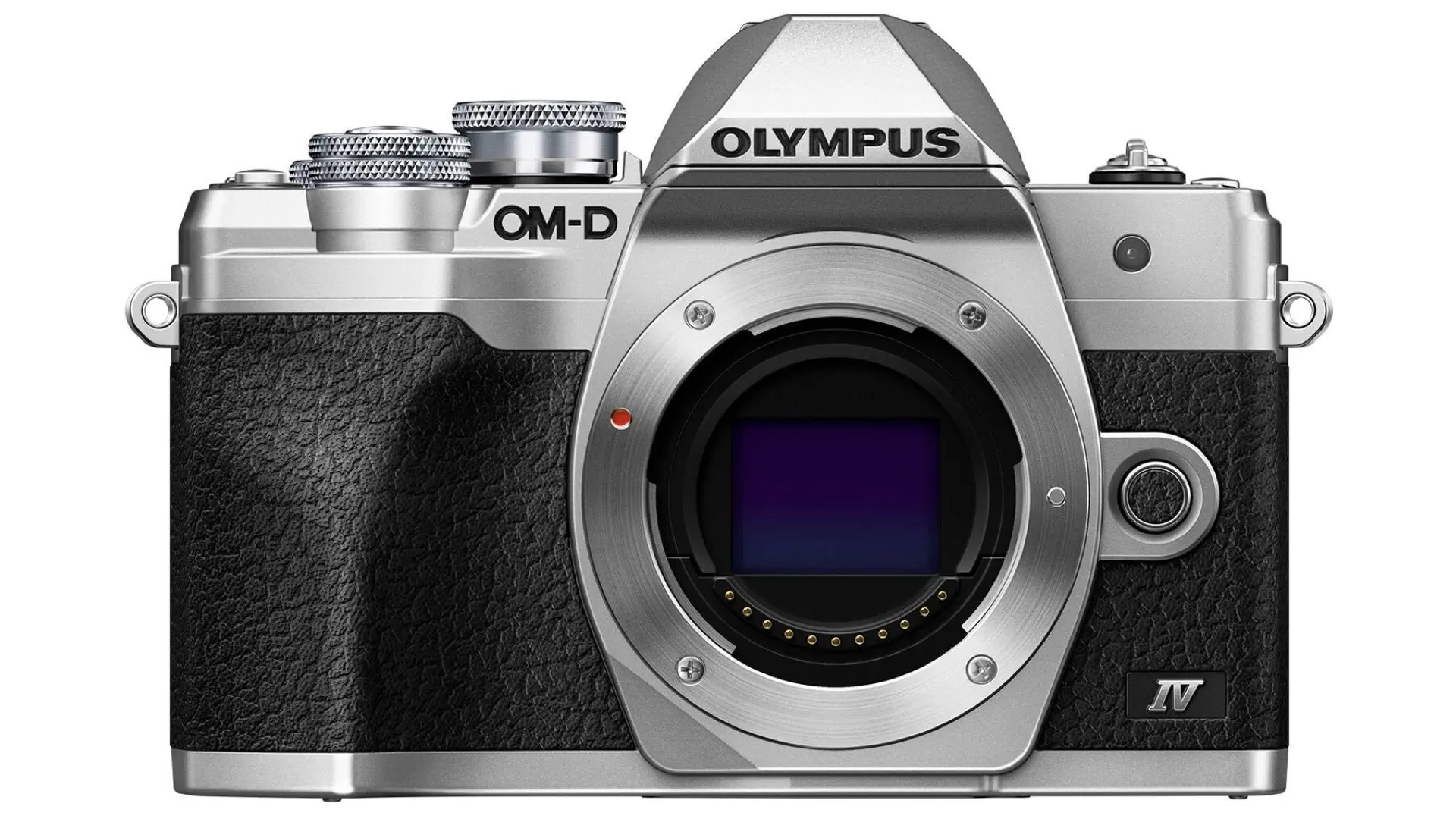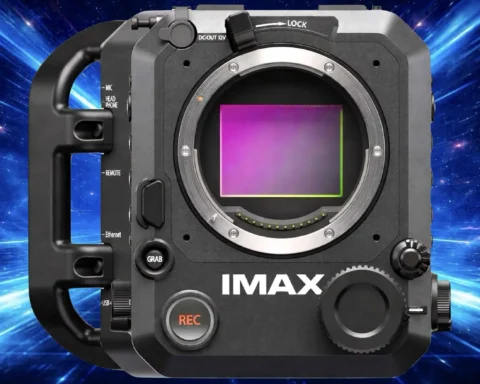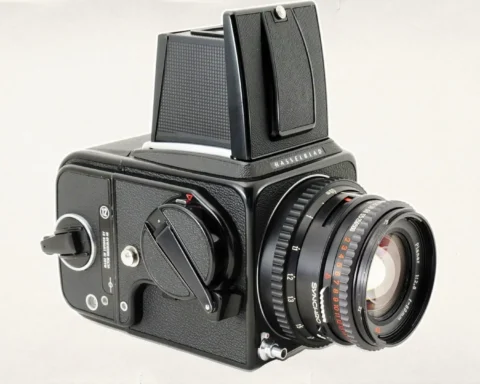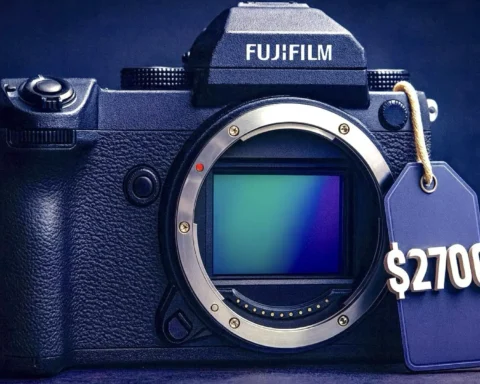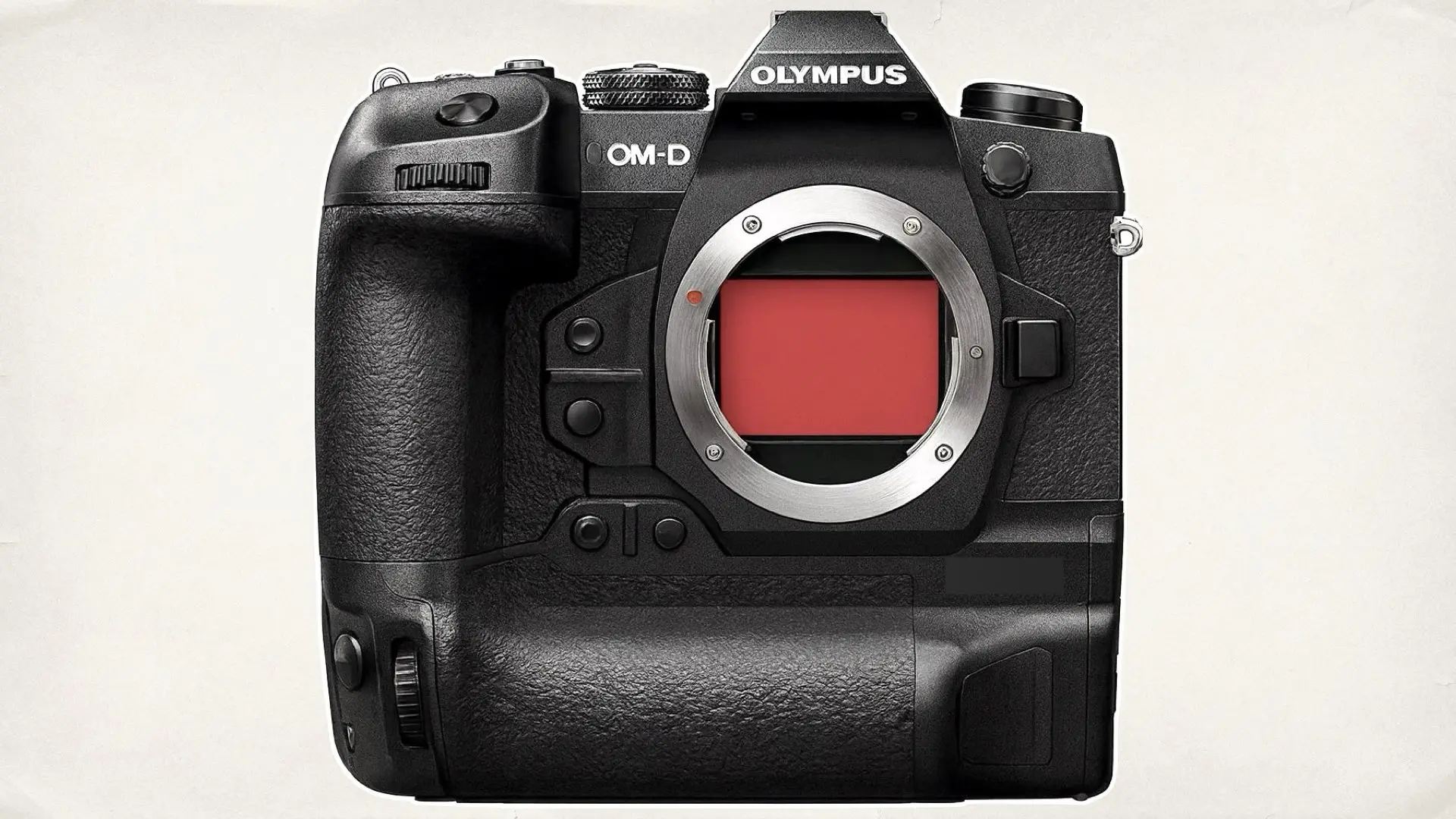
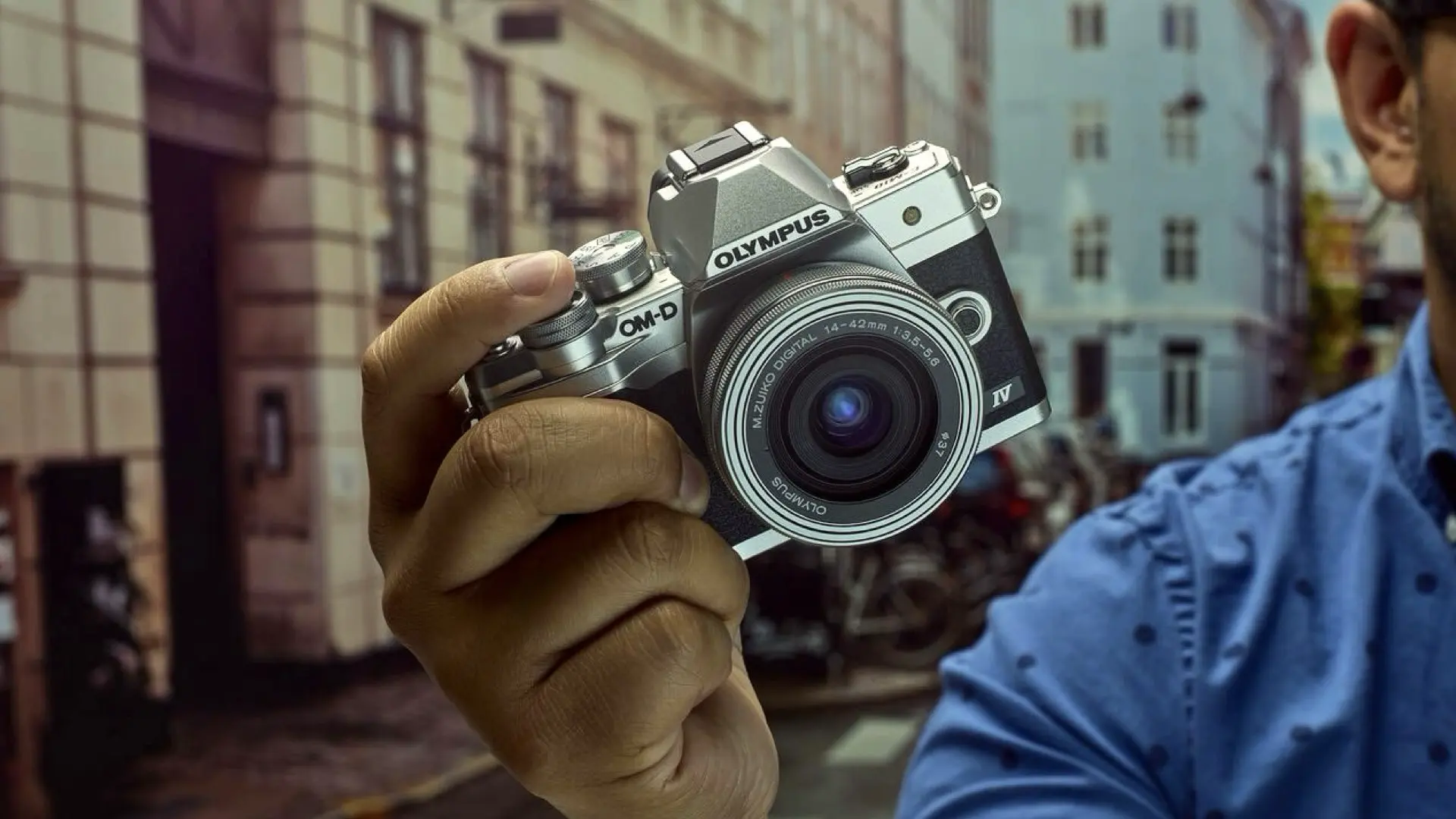
Olympus might be gearing up for one of the boldest moves in its history, stepping into the medium format camera market. Several rumors and whispers from industry insiders suggest that the legendary brand, best known for its Micro Four Thirds systems, is exploring a leap into the world of much larger sensors. If true, this would mark a significant pivot for a company that has built its reputation on compact, rugged, and optically sharp cameras.
Why Medium Format, and Why Now?
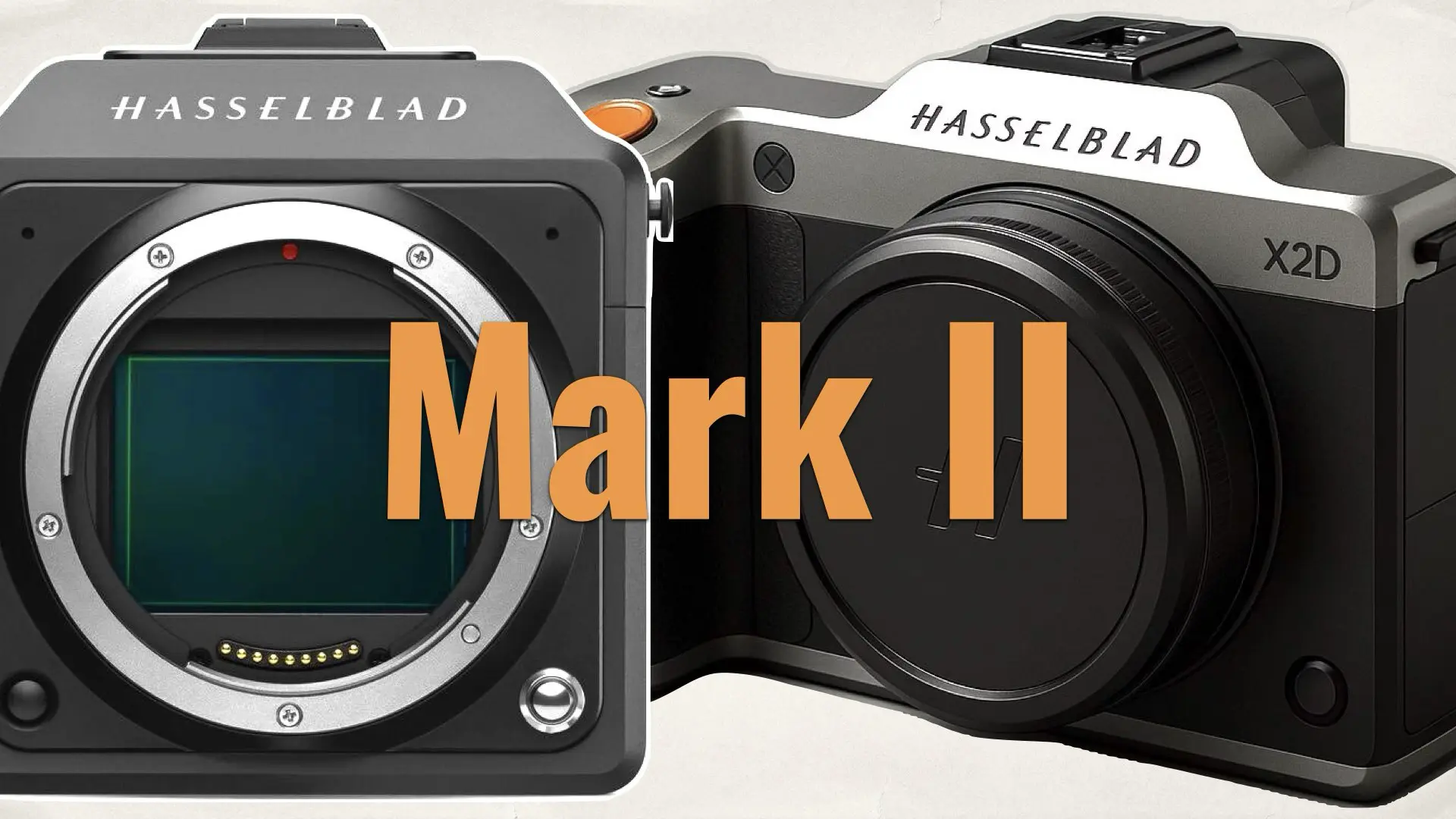
Medium format has quietly evolved from a niche, high-cost professional segment into a space where consumers, albeit at the high end, are gaining access to incredible image quality without Hollywood-level budgets. Models like the Fujifilm GFX100II IR — A Medium Format Infrared Marvel and the upcoming (? – our assumption) Hasselblad X2D Mark II prove that medium format cameras can be versatile, innovative, and increasingly practical. Olympus stepping into this arena could disrupt the status quo. The brand has decades of optical engineering expertise, and its rugged, weather-sealed designs could bring a new type of durability to medium format bodies — something that’s often overlooked in this market.
The Medium Format Consumer Boom
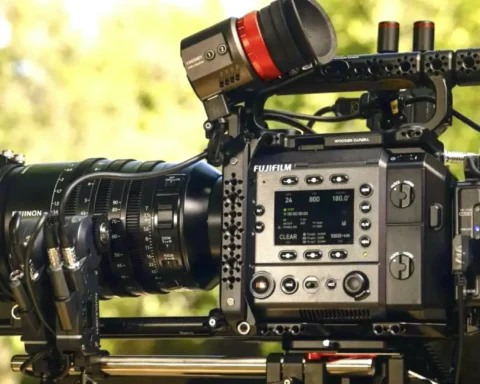
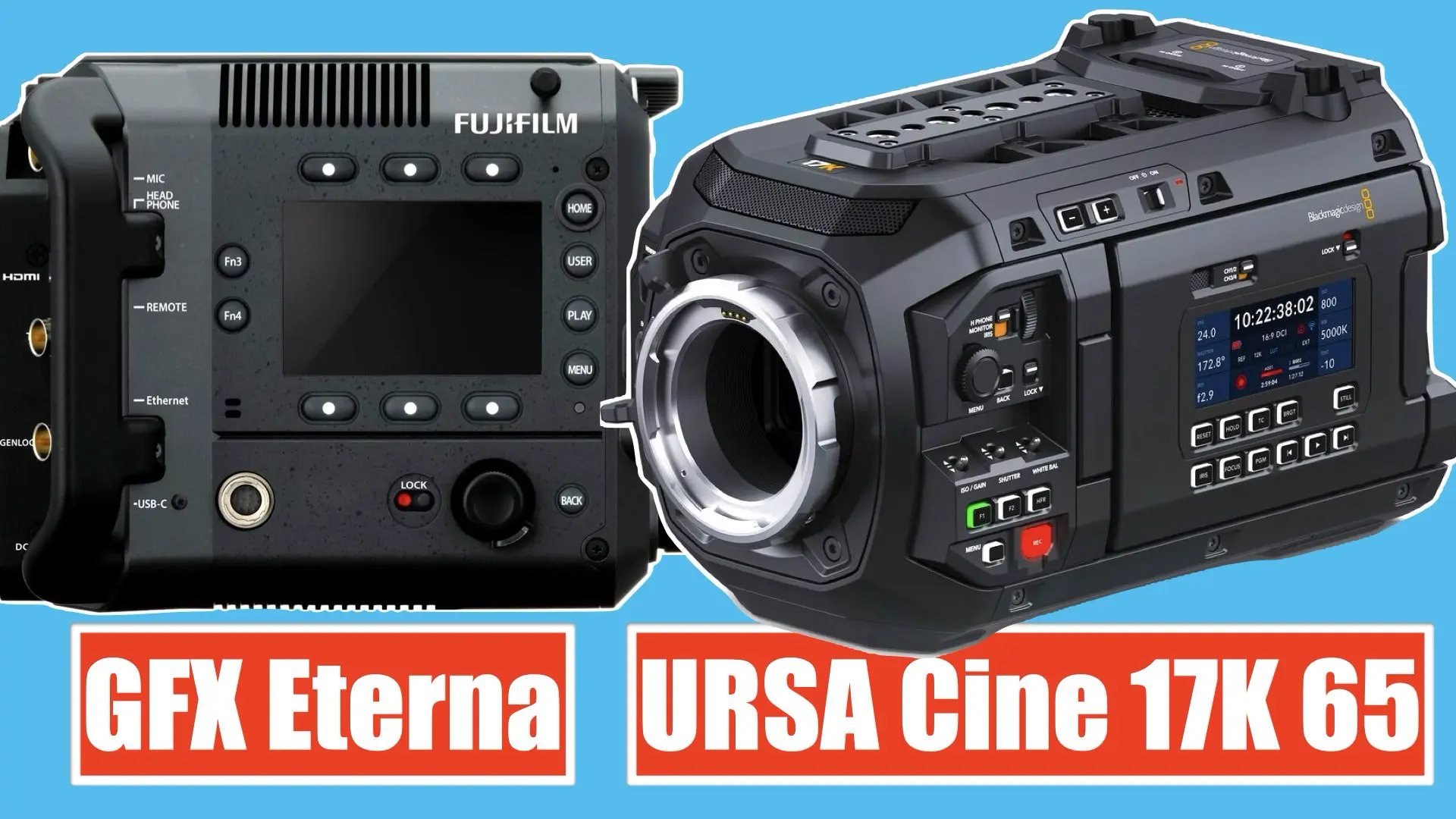
The medium format market has historically been the realm of professionals and rental houses. But over the past five years, prices have dropped, designs have slimmed down, and capabilities have expanded. Cameras like Fujifilm’s GFX100RF — The Fixed Lens Medium Format Revolution hint at where the consumer segment is heading, simplified, high-resolution tools that make medium format less intimidating and more accessible. And it’s not just stills. Medium format is now a serious player in cinematography. The Blackmagic URSA Cine 17K 65 vs Fujifilm GFX Eterna battle and the Blackmagic URSA Cine 17K 65 Footage release show that high-end storytelling is embracing the massive sensors for their unparalleled depth, tonal range, and cinematic look.
Olympus’ Potential Edge
If Olympus really is working on a medium format camera, it will need to differentiate itself. Here’s where it could shine:
-
Weather-Sealed Medium Format — No current consumer medium format body is as rugged as Olympus’ OM-D series.
-
Unique Optics — Olympus could design lenses specifically tuned for medium format that still retain portability.
-
Video Prowess — Given the market’s shift toward hybrid use, Olympus might follow the hints set by Hasselblad and Fujifilm in exploring high-quality video integration.
-
Price Disruption — Entering aggressively, as Fujifilm did, could attract enthusiasts who previously saw medium format as unattainable.
And the timing? Perfect. The medium format space is heating up, and the buzz is supported by growing consumer interest, reflected in the current medium format camera deals on Amazon.
A Bigger Picture (literally) for the Industry
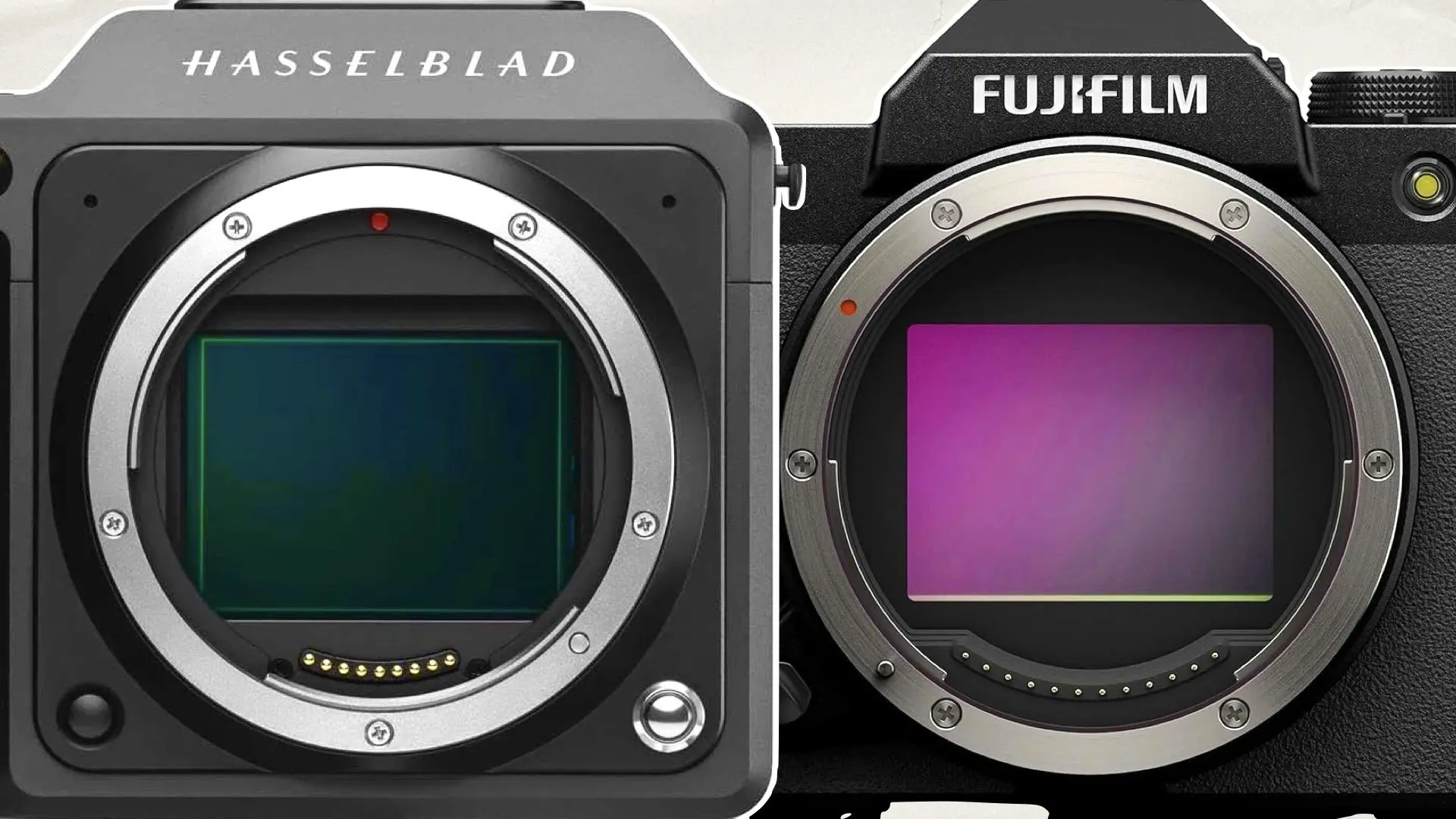
Medium format is no longer about prestige alone but more about possibilities. While Olympus has spent years perfecting compact systems, it has the heritage, the optical skill, and now the market opportunity to join the likes of Fujifilm, Hasselblad, and even Blackmagic. If the rumors are true, this could be the company’s most ambitious project in decades, one that challenges its competitors and redefines its place in the industry.
Final Takeaway
Olympus has always been an innovator, and medium format could be its next big chapter. Whether these rumors materialize or not, the idea of a rugged, video-capable, consumer-friendly medium format camera from Olympus is enough to spark excitement. In a market that’s becoming more competitive, the brand’s entry could be a game-changer for both still photography and cinematography. If Olympus truly enters the medium format arena, would it disrupt the market or simply join the race, and would you buy one?
Here are the featured products and where you can buy them: