CVP (which has the best reviews on the net) just put the Blackmagic URSA Cine 17K 65 through a real shoot, and the results are gorgeous. Jake and the team deliver what is, in our view, the best camera review on the internet for this class. Here is what matters for filmmakers and why this camera finally brings the 65 mm look into practical reach.

The footage. A look that breathes cinema
CVP ran the 17K on several productions. The immediate takeaways are: Color rolls smoothly. Skin tones sit naturally. The extra width of this sensor gives compositions a calm, epic feel without stretching faces at the edges. With fast glass, the subject separation is dramatic. Backgrounds melt while edges stay clean. Focus pullers will sweat 🙂 Audiences will grin. To understand why this look is different, revisit the sensor theory and early clips in Blackmagic Releases URSA Cine 17K 65 Footage. A Technical Look at Medium Format Cinematography.
The sensor. Big canvas. Smart readout
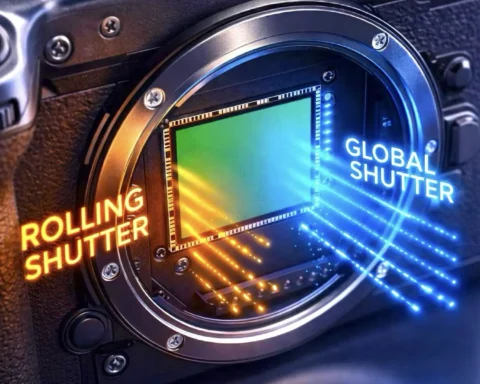
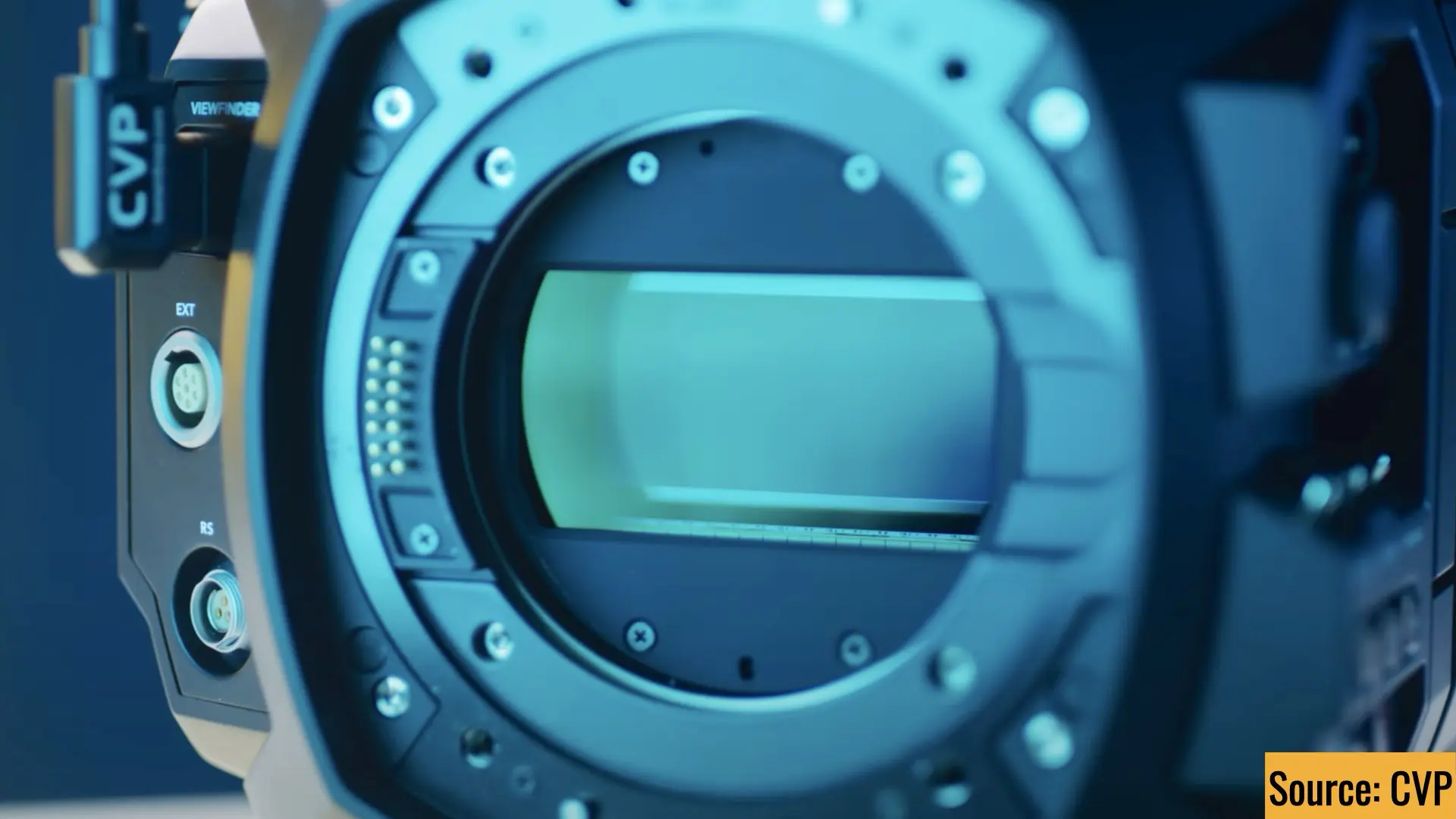
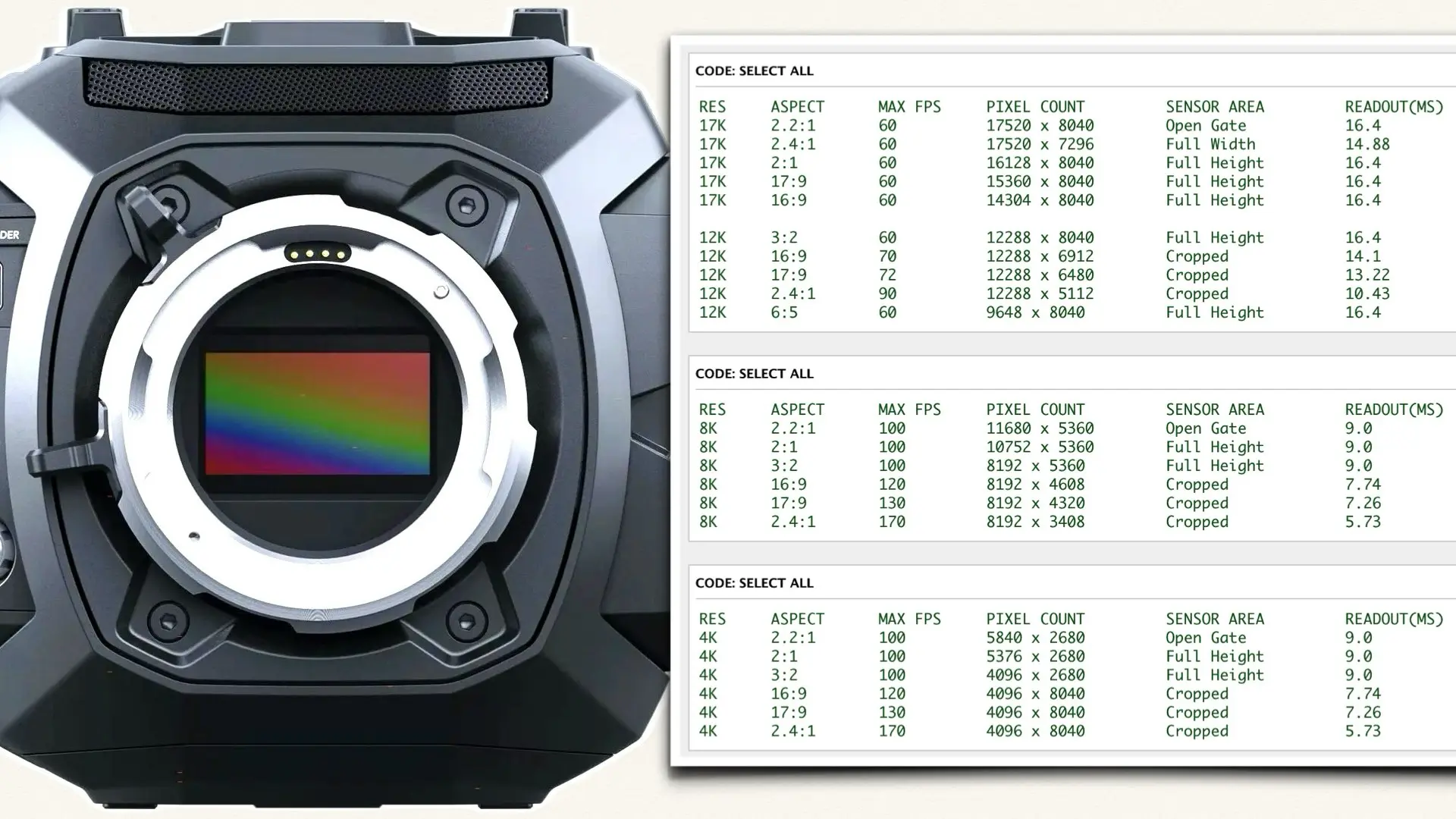
The 17K open gate is 17,520 by 8,040 pixels on a 2.2 to 1 canvas. Physical area is about 50.81 by 23.32 millimeters. That makes it similar in height to full frame, yet much wider. Think of it as nudging toward five perf 65 mm film capture areas. Pixel pitch is roughly 2.9 micrometers, so diffraction begins to nibble detail around the T5.6 region. If you want to take it to the maximum, do so at wider apertures when possible. Crucially, this sensor does not feel sluggish. The open gate readout is solid, which is impressive for the size. The design then scales readout faster as you drop resolution while keeping the same field of view. We unpacked the numbers and what they mean for motion artifacts in Blackmagic Unveils Readout Speeds for the URSA Cine 17K 65. What It Means for Filmmakers.
Frame rates that cover most real-world needs
Open Gate 17K runs up to 60 frames per second. Step down to 12K and 8K formats for higher rates that still use the full sensor width, so your lensing and composition do not change. Image quality holds up at speed. CVP’s samples show clean motion cadence and consistent color even when cranked. Explore their full excellent review here:
BRAW pipeline. Downsampled detail, workable data
Everything is recorded in Blackmagic RAW with automatic 1080p H.264 proxies. The symmetrical sensor layout enables true downsampling rather than line skipping, so you can capture at 8K or 4K while keeping the large sensor look. For the very best acuity, record at full resolution and downsample in post. For most deliveries, the in-camera downsample looks excellent and saves storage. Data rates scale with compression and resolution. At the top settings, you are dealing with multiple gigabytes per second. Plan media and offloads carefully. The dedicated media modules are reliable, and the CFexpress option is flexible if you qualify cards for sustained write.
BUY the Blackmagic URSA Cine 17K 65 on ADORAMA
Body and build. All URSA, more width
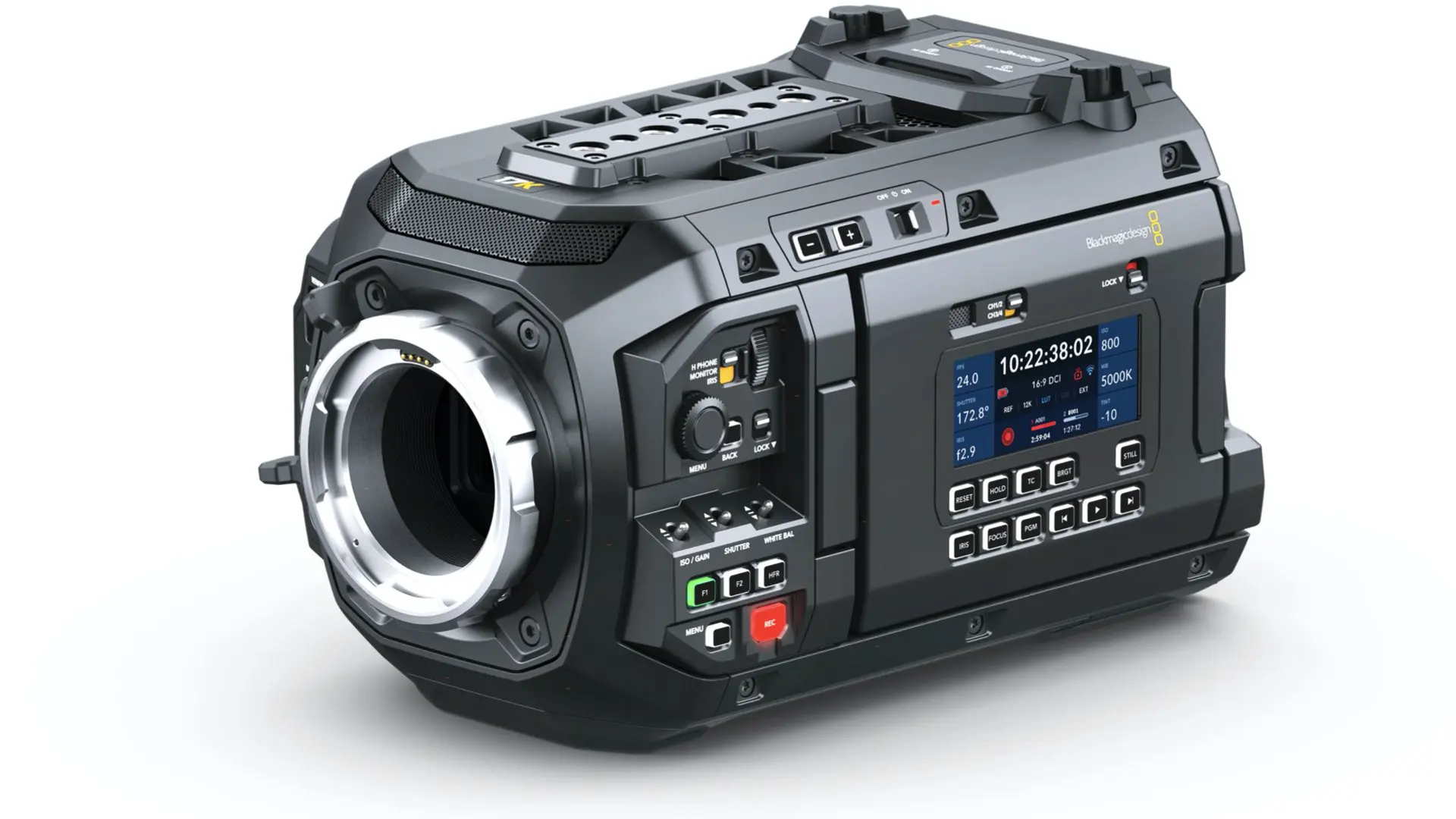
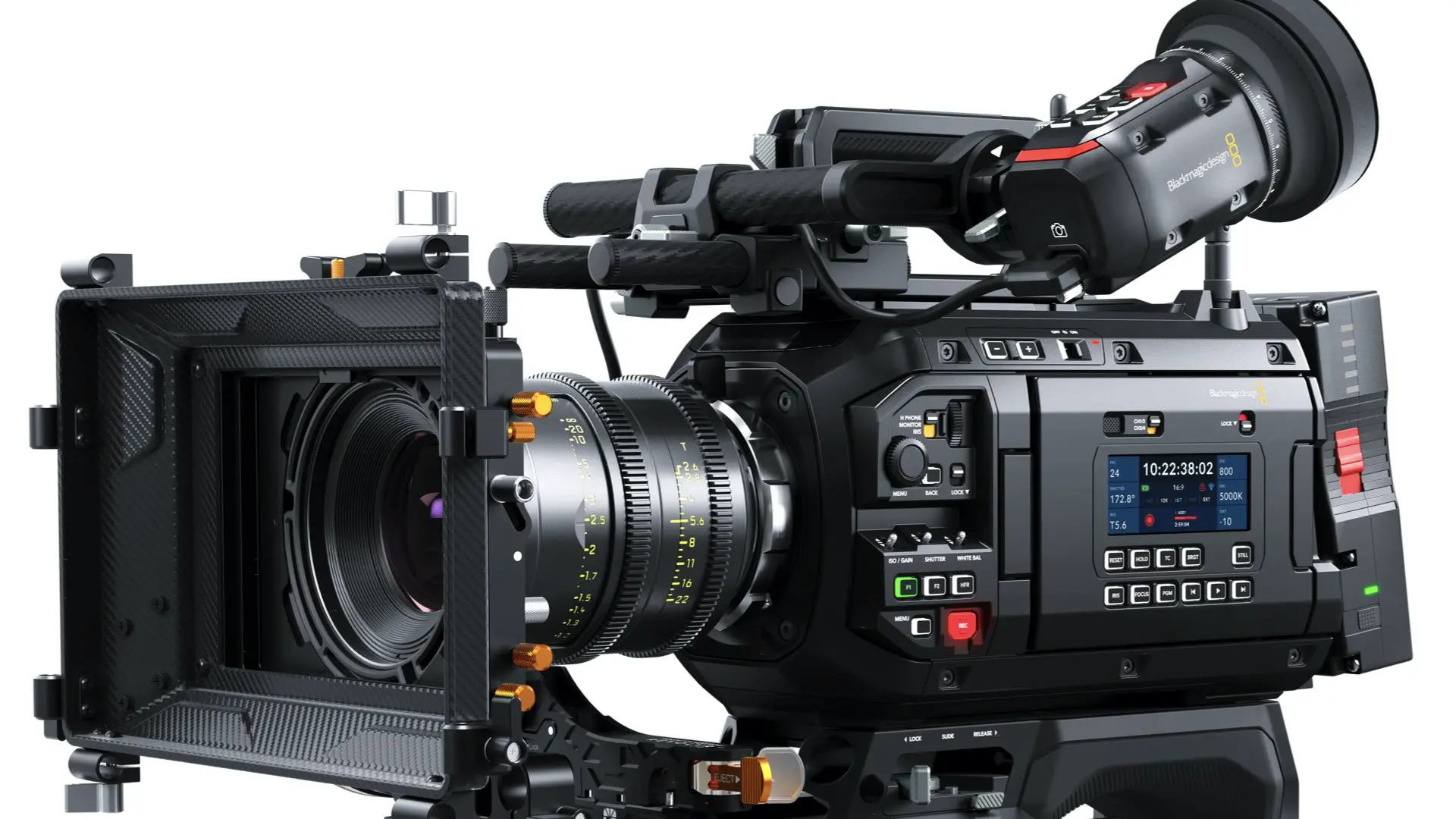
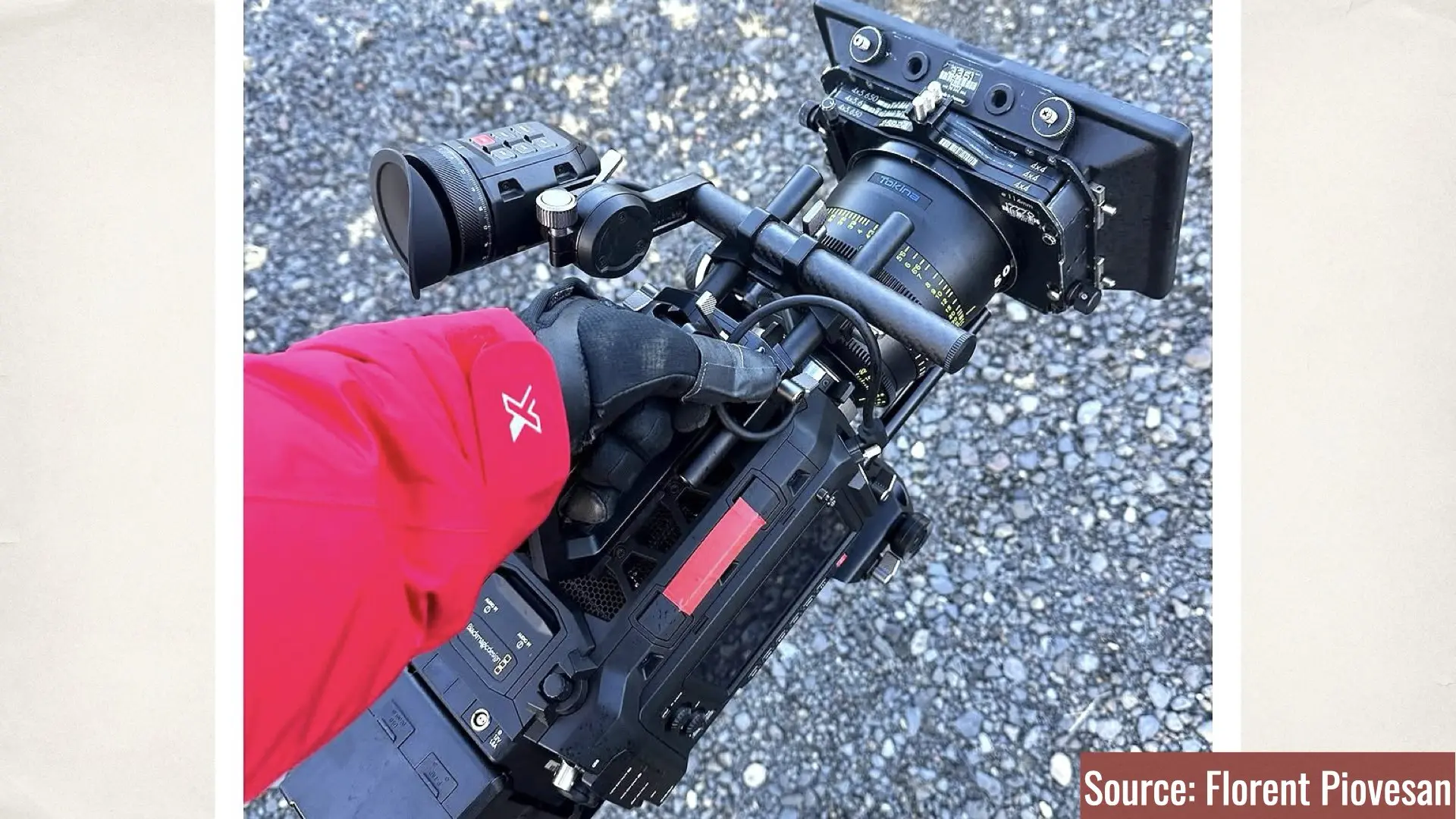
Operationally, the 17K behaves like the URSA Cine 12K. Menus are quick. Monitoring tools are complete. The right side focus interface reads Cooke/i style lens data, lets you set colored marks per shot, and outputs that data to monitors for the assistant. That feature, combined with razor-thin depth of field on fast lenses, turns the camera into a focus-pulling classroom on set. One caveat. There are no internal NDs. You will need a matte box or an internal tray solution to keep your T stop where the sensor is happiest. The body is also warm under load. Not unusual given the processing, and manageable with sensible rigging.
Lenses. Coverage, character, and reality
This format invites longer lenses for the same field of view. A classic 50 on 65 mm gives you the angle you would chase with a 35 on full frame. That swap alone reduces geometric distortion and grants shallower depth of field at equivalent framing. Mounts. PL and LPL are standard. EF and Hasselblad HC are available. Coverage is the first gate. Cooke Panchro 65/i and Leitz Thalia are purpose-built and render beautifully. Rehoused medium format stills lenses can be stellar, especially Mamiya Sekor options via reputable rehousers. Some fast Sigma cine primes will cover specific modes. Expect corner performance and illumination to vary when you stretch beyond rated image circles. If you are comparing this look to other modern large sensors, see Blackmagic URSA Cine 17K 65 vs. FUJIFILM GFX ETERNA. A Knockout in the Medium Format Cinema Arena for a practical, side by side read on field of view, microcontrast, and motion.
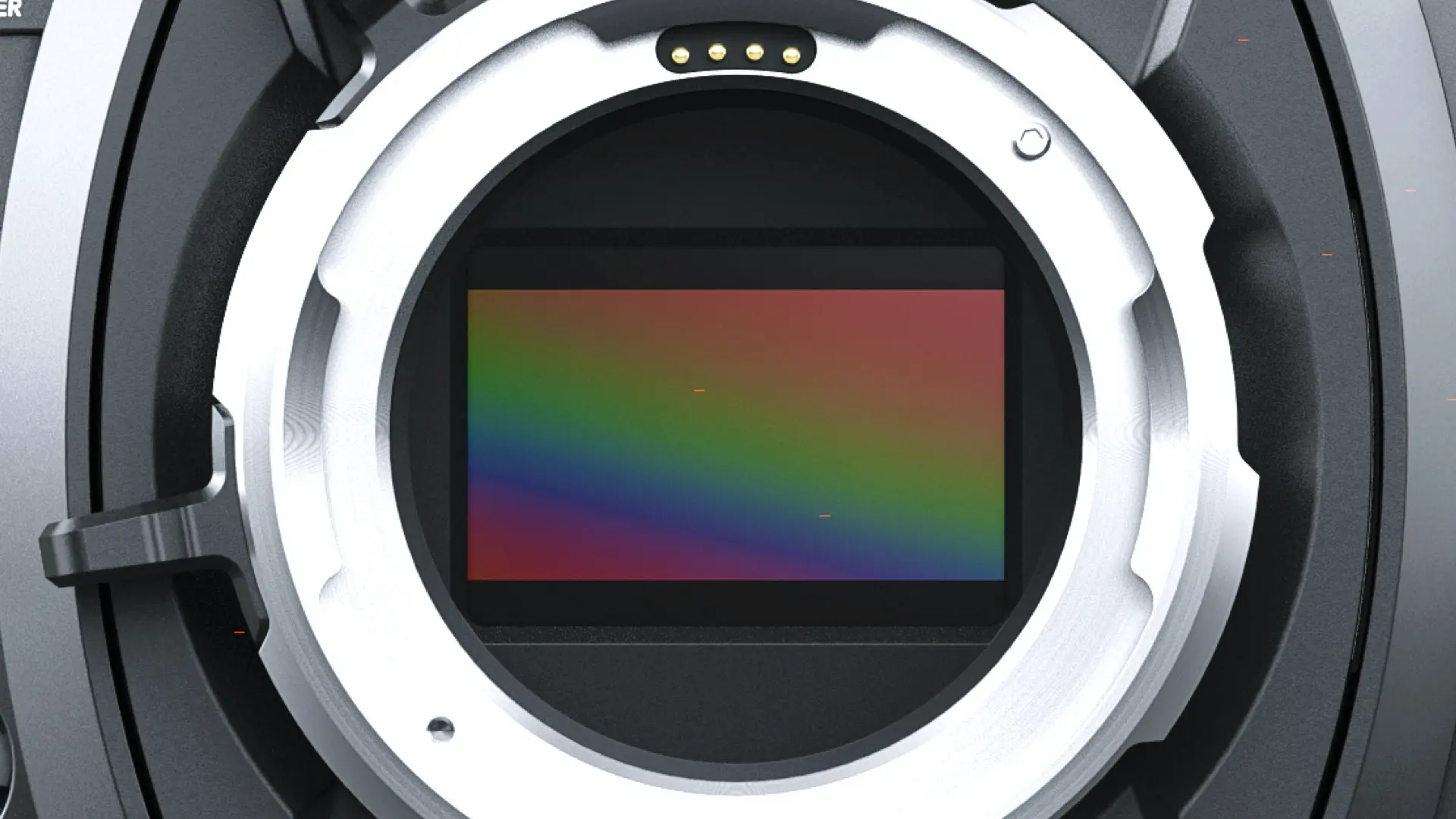
Image science. OLPF, color, and highlight handling
The 17K ships with an optical low pass filter tuned for the pixel pitch, which keeps moiré in check without smearing fine texture. Color is Blackmagic’s wheelhouse. Skin lands predictably under both mixed and controlled light. In CVP’s latitude passes, overexposure held to about four stops before recovery tools were needed. Underexposure is cleaner than you might expect because the noise is fine grained at this pixel size. Three stops under is workable with tasteful NR. That’s nice and thanks for CVP for verifying that!
Small touches that add up
• On the side grip, the plus and minus hardware remains from the 12K’s ND controls. You can remap those to useful tasks.
• Over and under cranking while recording is a fun creative trick for music videos and product work.
• Media offload could be simpler. A single bay high speed reader would be welcome. Until then, budget time for 10G transfers.
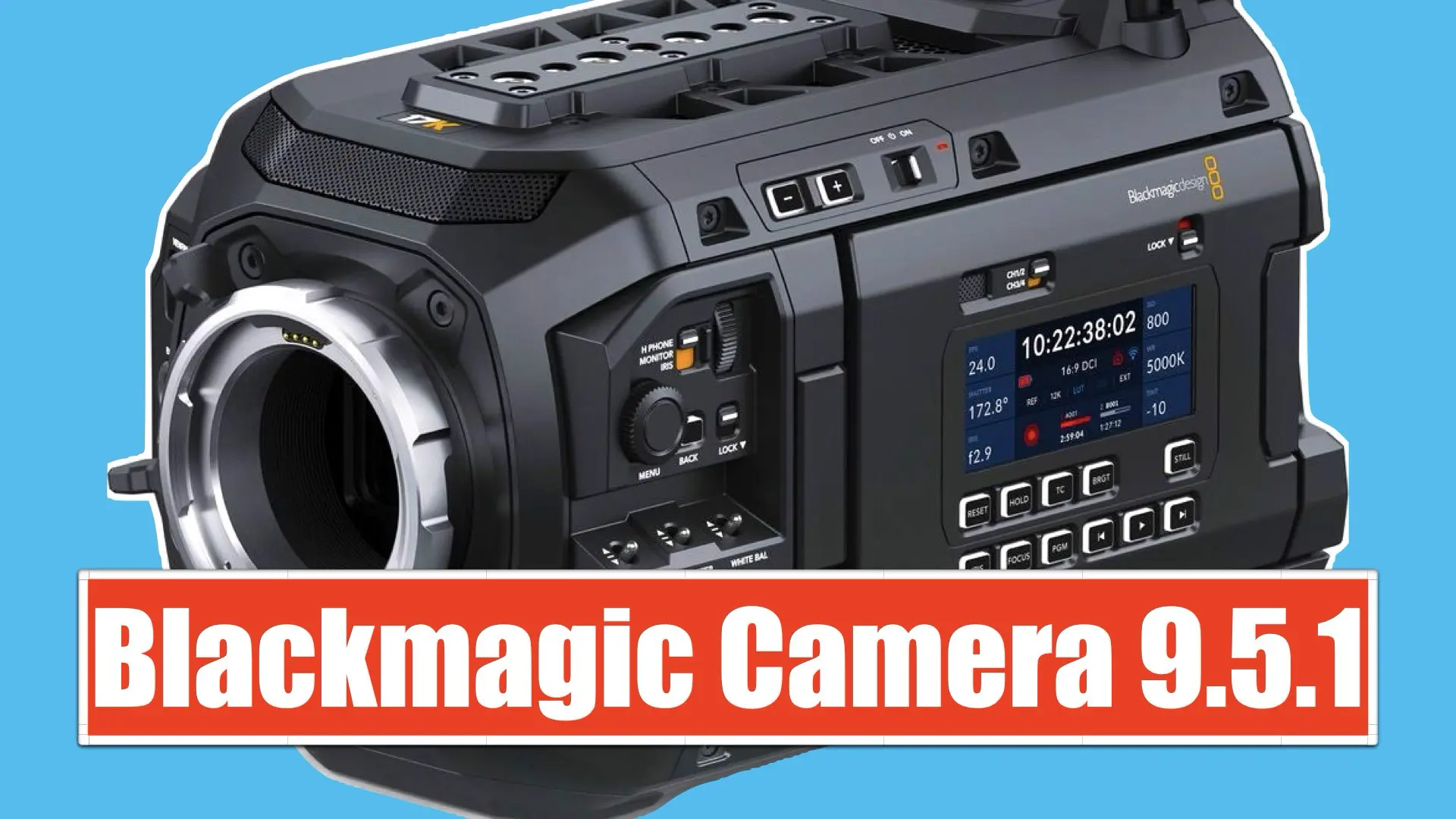
These operational notes and more quality of life improvements also reflect ongoing software work. For the broader manufacturing and firmware context, see Manufacturing Excellence. What Blackmagic’s New Firmware Update Really Means for the URSA Cine 17K 65.
Where it sits. Access to the big league look
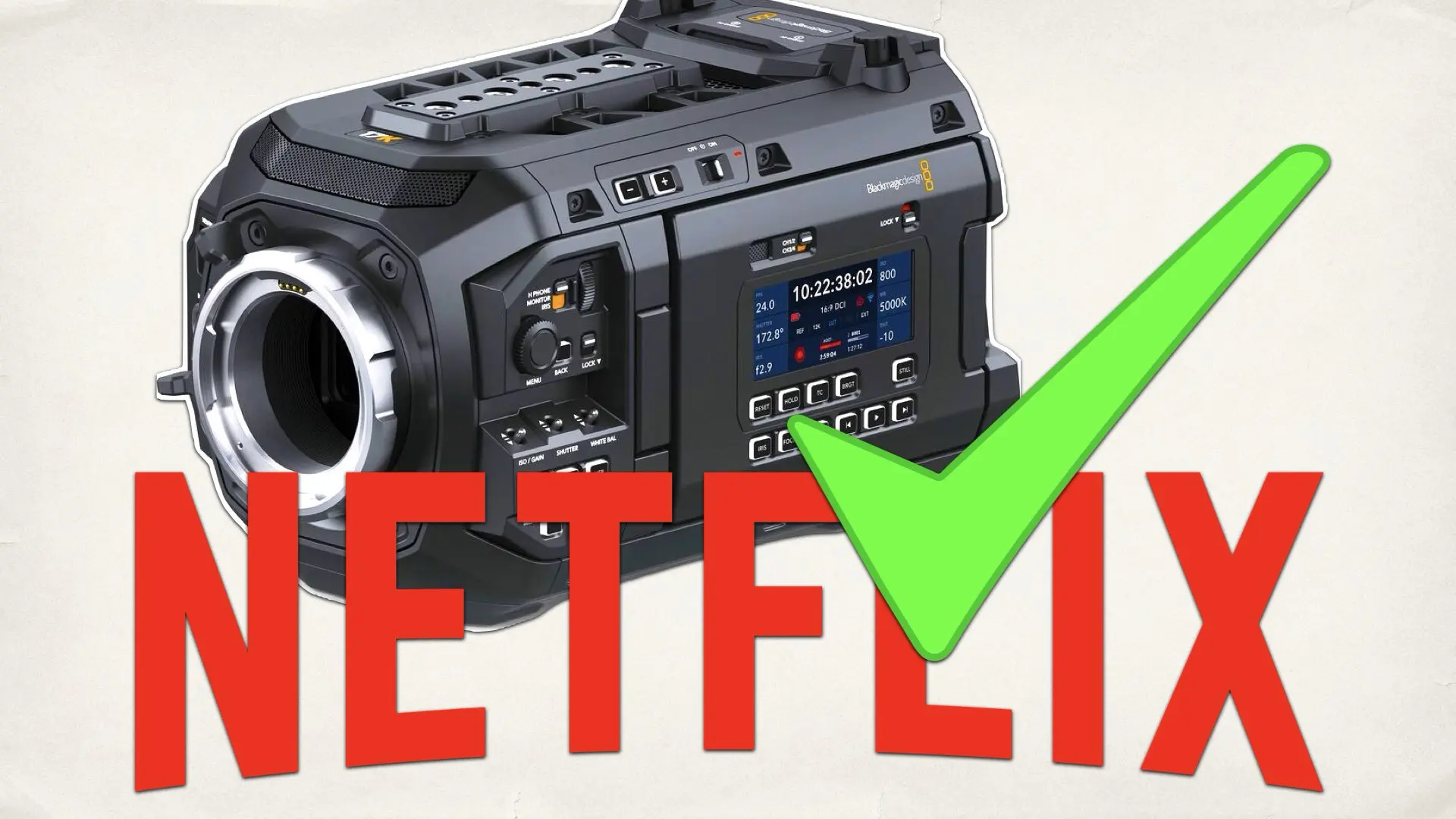
Alexa 65 remains the prestige rental standard. Fujifilm’s GFX series and the incoming Eterna offer compelling large sensors with a slightly different geometry. The URSA Cine 17K 65 is the only purchase ready digital 65 option with this horizontal width at this price. That matters for houses aiming to own one A camera and rent specialty glass per show. Netflix approval also changes the business equation. For producers who require that stamp, the 17K now checks the box. Details here. Blackmagic URSA Cine 17K 65 Joins Netflix Approved Camera List.
BUY the Blackmagic URSA Cine 17K 65 on ADORAMA
Practical buying or renting advice
• Keep apertures in the sweet spot. Work between wide open and about T5.6 to stay ahead of diffraction.
• Secure a lens plan early. If dedicated 65 coverage primes are not available, test your favorite full frame set on a projector and on the camera. Check focus breathing and corner behavior at working distances.
• Build in time for media. At the highest settings, an eight terabyte module goes by in minutes. Set realistic shoot to offload ratios.
• Decide upfront if you will downsample in camera or in post. For long days and doc work, in camera downsample is a gift. For the most demanding grade and VFX, record at full resolution and scale later.
Verdict (and a small tip)
CVP’s review proves the point. URSA Cine 17K 65 delivers the wide 65 mm canvas with workable readout, familiar ergonomics, and genuinely lovely color. It asks for grown up lens choices and media planning. In return, it gives you images that feel expensive. For many productions, this is the moment where 65 mm becomes a creative choice rather than a logistical fantasy.