Here is the next chapter in our series celebrating true craft in cinematography. If you missed the earlier entries, start with Y.M.CINEMA’s new series. Championing the art of filmmaking through true craft and meet Jessica Arzate on film and digital. Today we sit down with Mads Fridolin Vejlby, DFF, Director of Photography. Danish born, Los Angeles based. Mads blends a documentary instinct with narrative sensitivity, shaped by studies at Copenhagen Film and Photoschool, the Danish School of Media and Journalism, Fatamorgana, and an MFA in cinematography from the American Film Institute Conservatory. His philosophy is naturalistic. Empathy first. He draws from painting, photography, sculpture, and literature, letting feeling lead before technique. On set he moves comfortably between ARRI and RED digital systems, while cherishing 35mm and 16mm film for its living texture. Vintage glass, thoughtful LUTs, and rigorous testing help him build a look that travels from prep to final grade. In this conversation, Mads shares how play, curiosity, and discipline shape his images. Explore the full interview below:
Bio and Inspiration
YMCinema: Could you share a short professional bio for our introduction?
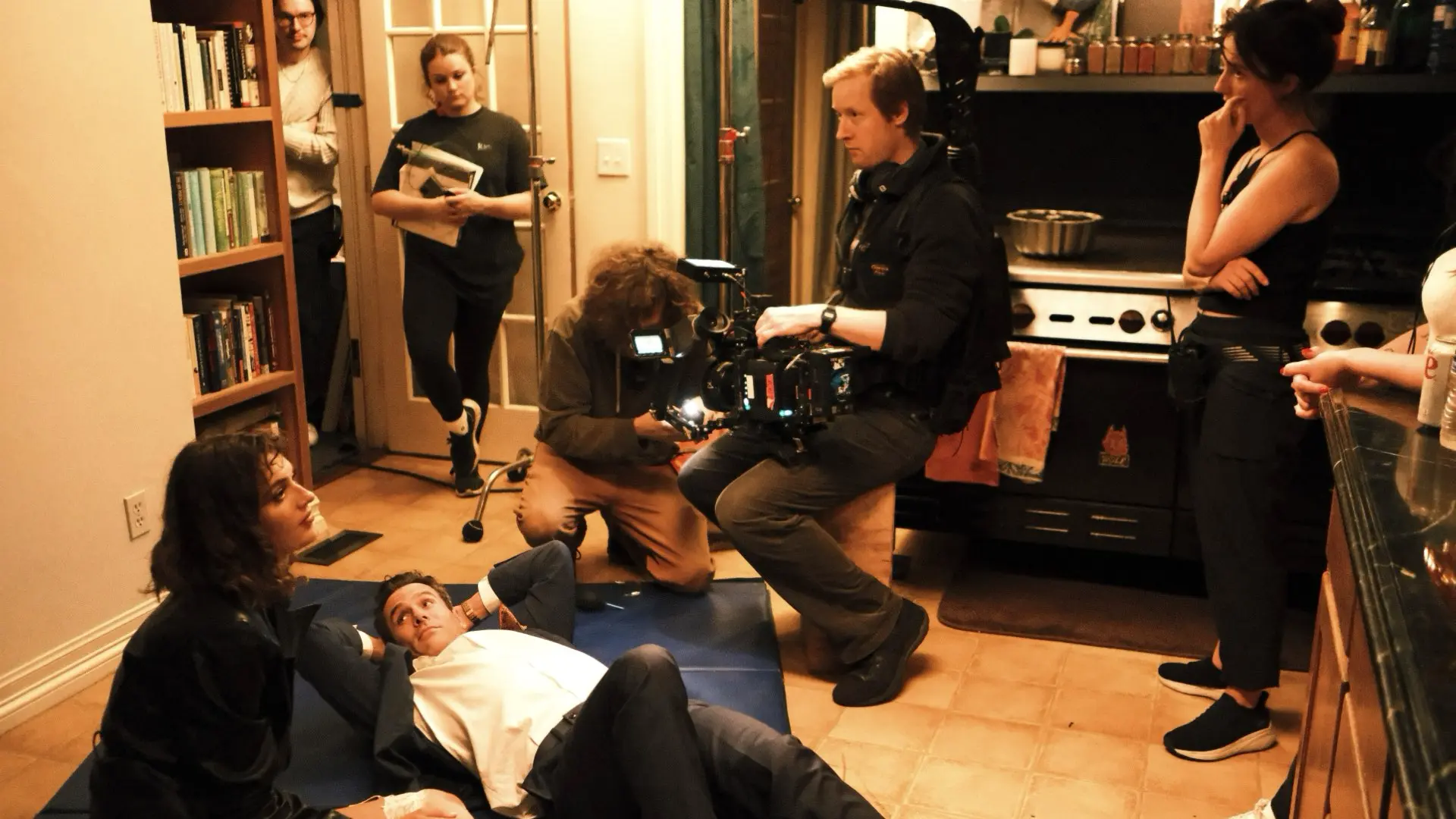
Mads: I grew up in Denmark and after highschool he attended Copenhagen Film- & Photoschool, where I gained experience as director of photography on several narrative projects. My thesis at the Danish School of Media and Journalism took him to Brazil, where I shot a documentary about the Olympics and what it meant for the population of Rio de Janeiro. After working in the Danish TV and film industry for 5 years, I studied at the Danish School of Art Photography Fatamorgana. I then moved to Los Angeles to get an MFA in cinematography at the American Film Institute Conservatory. After graduating I have been working on a long list of both documentary and narrative productions.
YMCinema: What first drew you into cinematography? Was there a film or moment that sparked your passion?
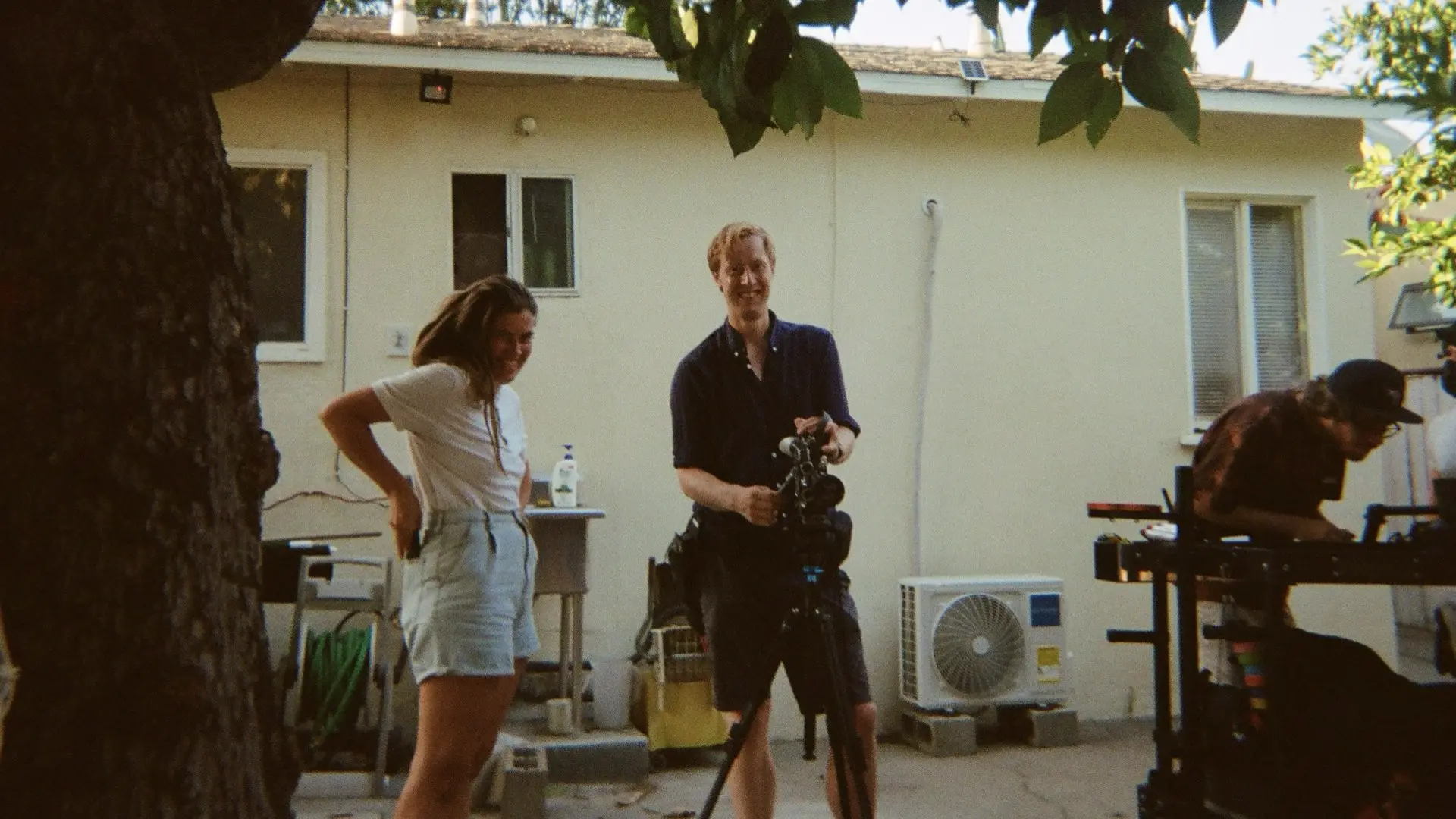
Mads: I always enjoyed drawing, and when I discovered photography and the ability to capture clips of the world in a video camera, it felt very special and fun. My oldest sister had an analogue Nikon camera, and I remember being fascinated with this device that could capture images. This fascination only grew when I discovered video cameras, and being a bit of a nostalgic person, I felt amazed that I could capture moments and memories on tape. Before I knew that you could make films for a living, it was just a playful thing. It’s important for me to remember to have fun and be playful with my cinematography.
YMCinema: Who are your biggest visual influences—cinematographers, directors, artists?
Mads: I enjoy drawing inspiration from artforms outside of cinema. Going to museums to look at paintings, photography and sculptures or reading literature or poetry is a great way to see something that can evoke a feeling, without thinking about how it was “shot” technically. If I watch a film or a show with inspiring cinematography, I can sometimes start thinking about how the cinematographer achieved that particular shot. That being said, there are definitely some cinematographers and directors that i admire and feel influenced by. Robbie Müller is one of the cinematographers that inspires me, his way of creating a natural look with strong compositions, and convey a feeling of empathy for the characters. I am especially a fan of his work on Paris, Texas (1984). Conrad Hall is another great cinematographer, and I think his way of lighting with small mirrors in a film like “Searching for Bobby Fischer (1993) is inspiring and makes for a dynamic and natural look. Sven Nykvist is another master of lighting, and I love how he lights spaces, where the characters can move in and out of pools of light, taking full advantage of the films full dynamic range and not being afraid of having the characters move in dark shadows and then back in highlights. I really love his work in films like Persona (1966) and The Sacrifice (1986). Ellen Kuras’ work on Eternal Sunshine of a Spotless Mind (2004) is also very inspiring. The way the distorted memories are visualised is so creative and playful, and it always inspires me and makes me want to shoot something where the perception of reality bends in weird ways.
YMCinema: How would you describe your visual style or philosophy in a sentence?
Mads: I think my visual style is ever evolving, but throughout, my approach is naturalistic and my philosophy is to convey empathy and understanding for the characters, so the audience can feel invested in their story. Also, I try to seek out stories and projects that matter to me. Making films is hard and time consuming, and you will only get to shoot so many films in a lifetime. So, I try to work on projects that I really care about.
Tech and Workflow
YMCinema: What cameras have you used most frequently in your recent projects, and why did you choose them?
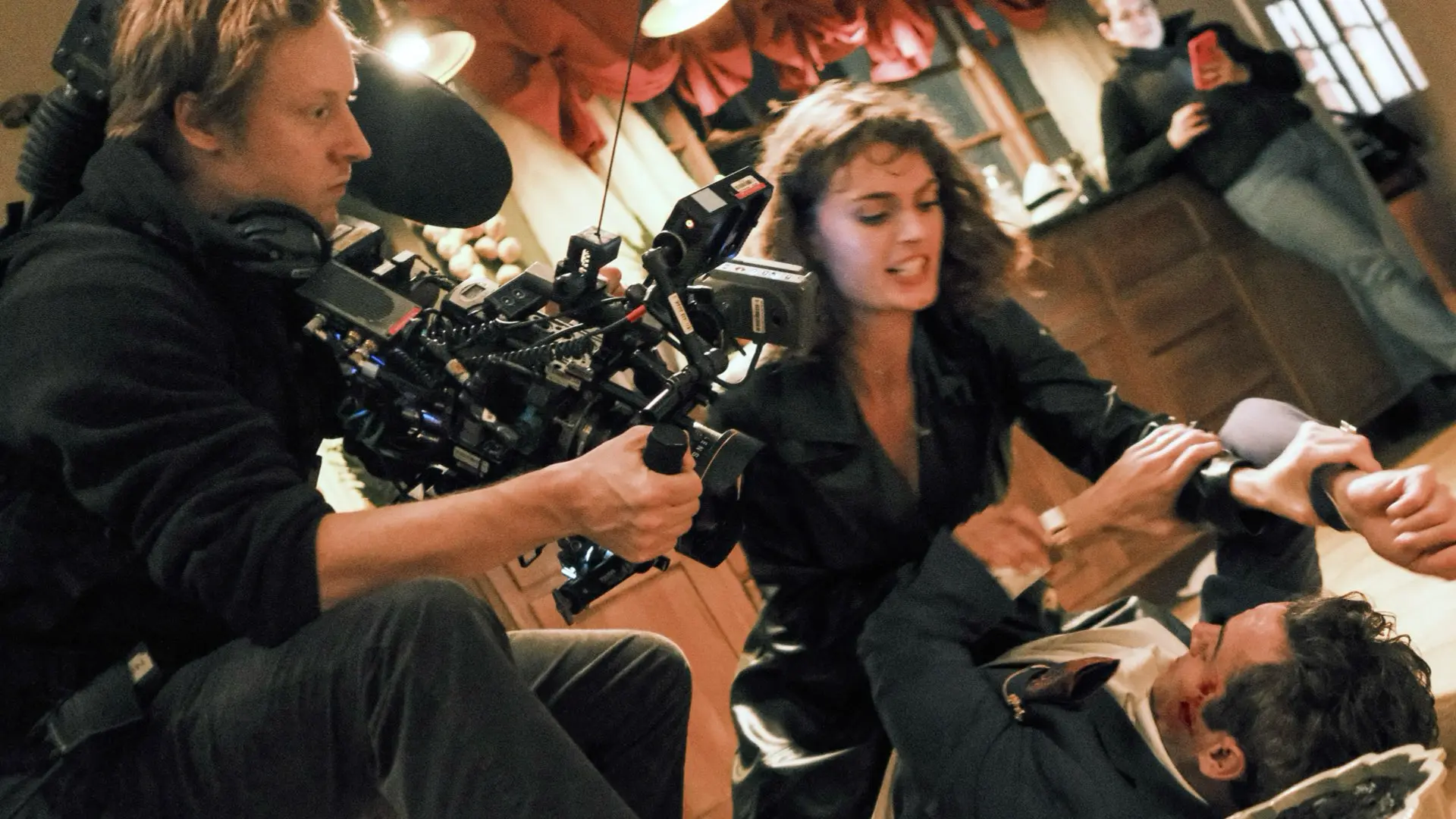
Mads: For the most recent projects that I have shot, the cameras have been digital, Arri Alexa Mini and Red Komodo or Epic Dragon. For a few of these projects, I’ve mixed in some 16mm film for certain scenes, and for those it’s been with the Arriflex SR2 and SR3. Shooting on film is a big joy, so if it makes sense for the story, and I can convince the directors and producers, I try to mix it in, even if most of the project is shot digitally. For some projects there is not always a big budget for the camera department, and so it’s not always that I get exactly the camera I dream of shooting on. But I’d rather get a project off the ground on a digital camera that might not offer my favourite color science, and on some lenses that might be a bit too clean for my taste – than to sit and wait for funding that may or may not come. Just like musicians practice all the time, I think filmmakers need to stay active and shoot as much and often as possible – especially for someone like me, since I’m in an early stage of my career. Building on experience is key, so I try to stay busy, even if it sometimes include low to no paid passion projects.
YMCinema: Do you have a favorite camera system or sensor format for your narrative or commercial work?
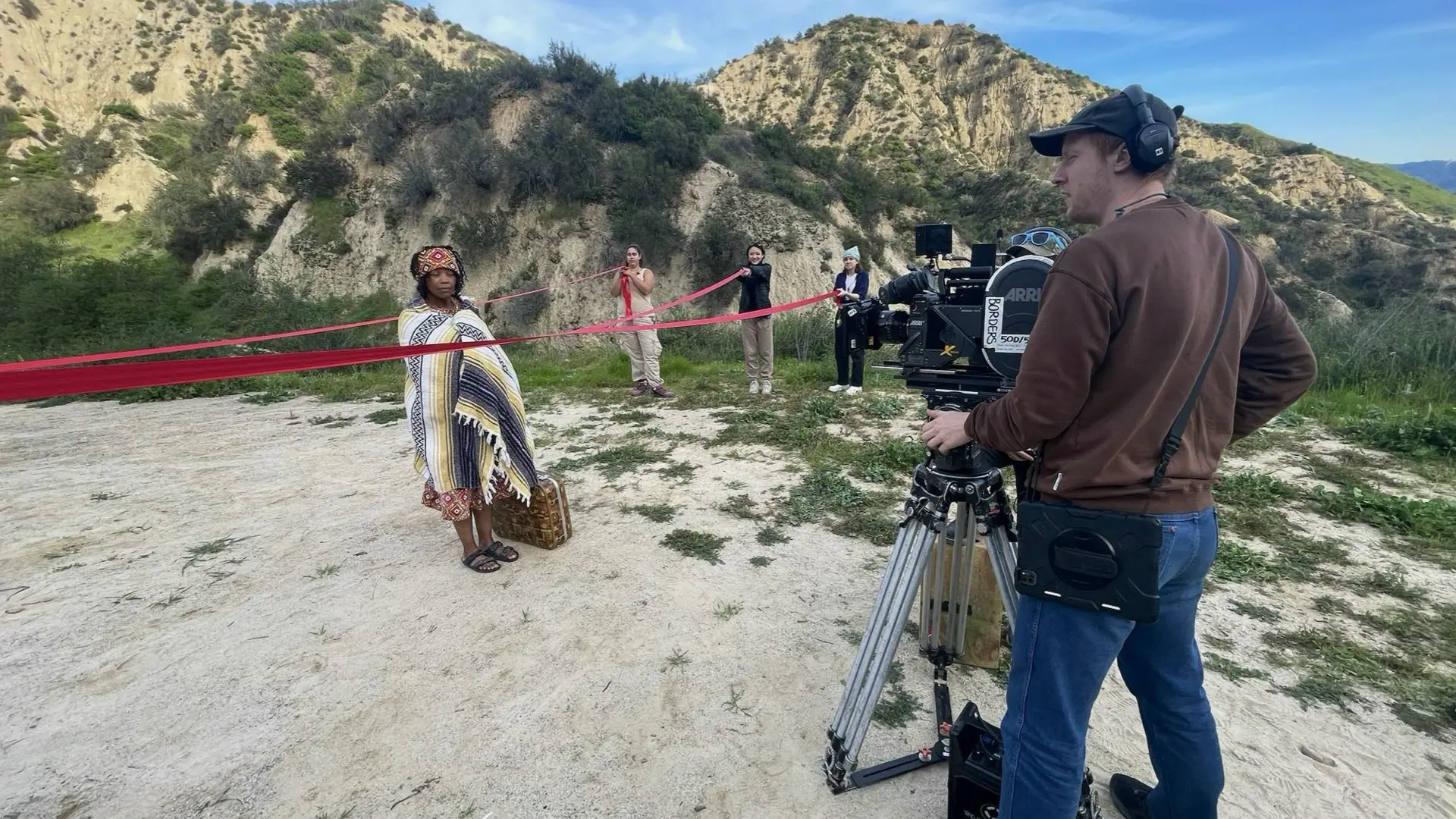
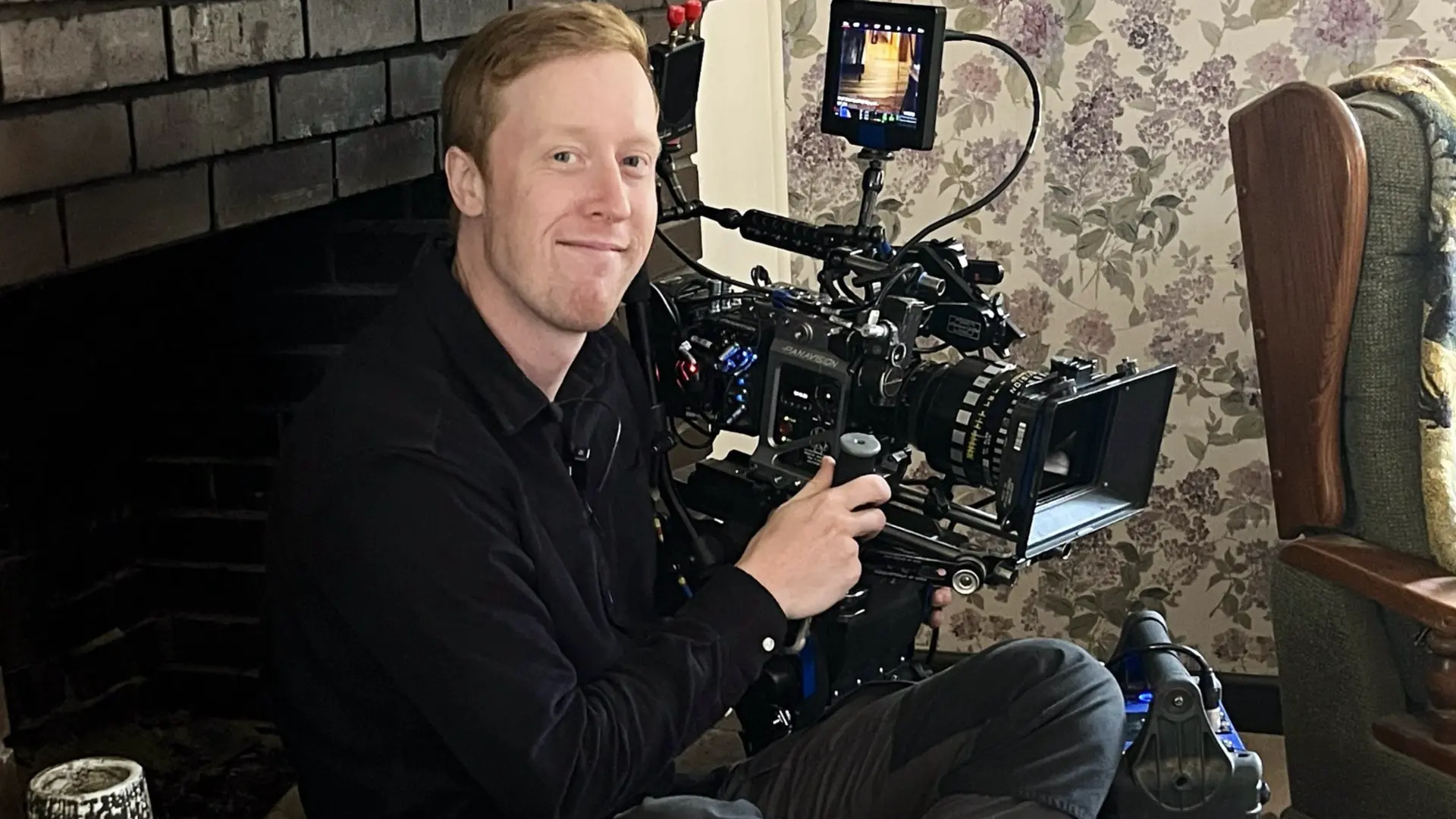
Mads: I love to shoot on 35mm film, and have primarily shot with film cameras from ARRI and Panavision. Growing up in Copenhagen, shooting on film was not really a thing. There hasn’t been a lab to develop motion picture film in Denmark for as long as I can remember. You’d have to get the film to either London, Stockholm, Berlin or Amsterdam. The first time I shot on Super 8, I drove 10 hours from Copenhagen to Super8 Reversal Lab in the Hague in the Netherlands. That was kind of crazy, but it was the only place in Europe that could develop expired ektachrome Super8. This was for a project at the Danish School of Art Photography, and even though it turned out underexposed, I learned a lot and it made me hungry for more.
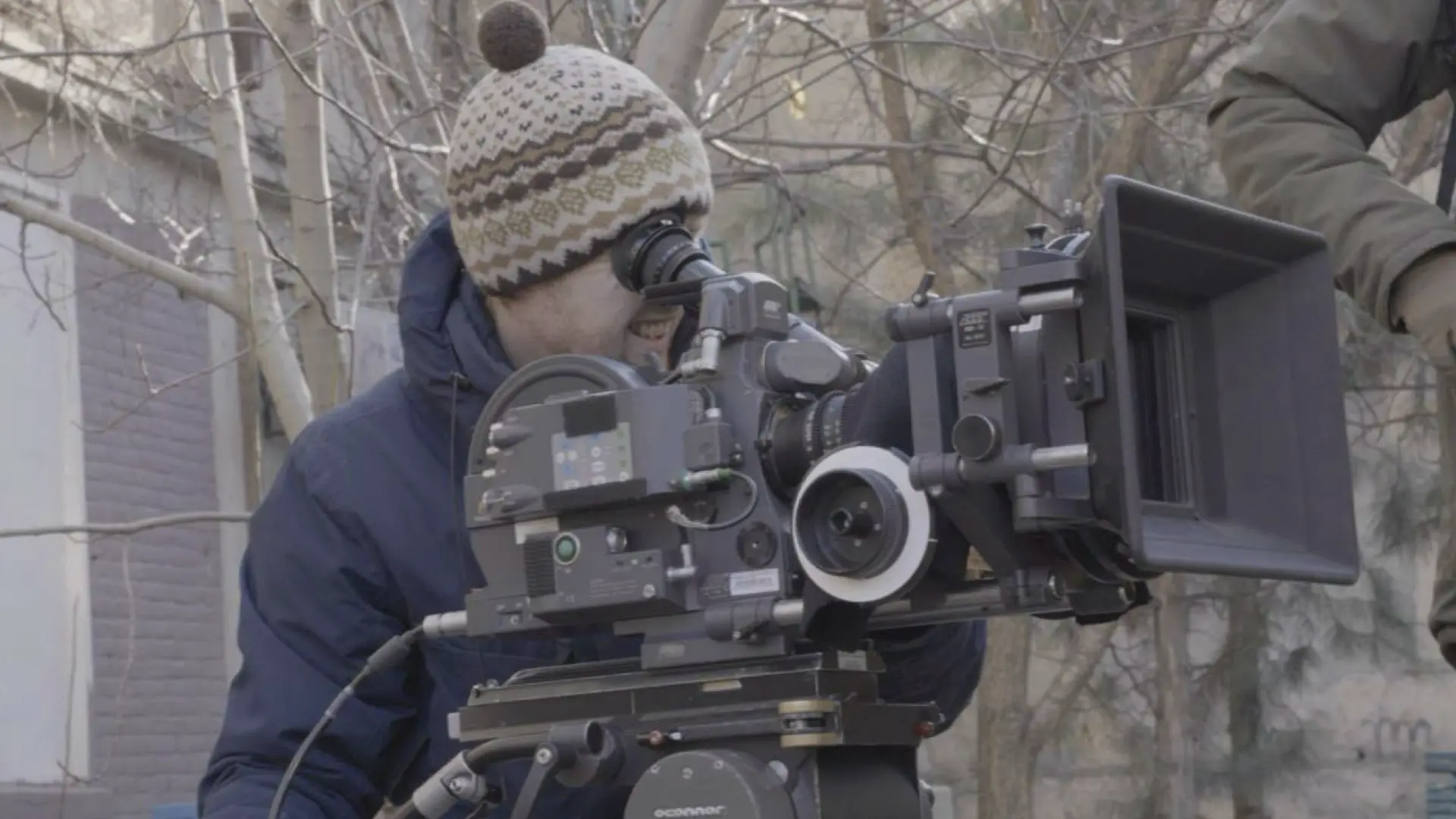
It was not until I moved to Los Angeles three years ago and began my studies at the American Film Institute that I really got to work with 35mm film on a regular basis. The image on film has such a life to every frame with the grain that jumps around and changes in the shadows and highlights. I like when everything is not super sharp and clean, it seems to me closer to real life. With the right amount of planning and rehearsals, I think film can be the right choice for a lot of narrative productions. Even for some sequences in documentaries I have shot on 16mm film, and I think it can help tell a story, since it has a different feeling than digital. The way film works with highlights is beautiful, and I think for certain stories film is the right choice. I also believe that shooting on film makes a crew focus better. When people know that every take is so valuable, they pay more attention and are a bit more on their toes. Obviously sometimes digital is the right choice. With documentaries, in some situations you are rolling and rolling for hours, cause you might not know when a certain important moment will happen – and in that case digital is great. I think the Sony FX6 is a really good documentary camera. It’s light weight, it has the electronic auto variable ND’s and an impressive autofocus. I have worked a lot as 1st AC and have always been opposed to auto focus, but I have to admit that the FX6 actually does a really good job on the autofocus. I was on a travel job in the Democratic Republic of Congo a couple of years ago. In the rainforest, I had to walk backwards in a swamp, in knee high water. The guy I was filming walked in and out of sunlight under the rainforest canopies, and as I was trying to watch out for myself, I had to keep looking from the camera monitor and then back over my shoulder, to make sure I was not bumping in to any snakes or other rainforest residents. Here, the combination of autofocus and auto variable ND was a lifesaver. The image kept adjusting the exposure and the autofocus was reliable.
YMCinema: Which lenses do you gravitate toward, and how do they shape your visual language?
Mads: I recently shot a project with some rehoused vintage Nikon/Nikkor lenses (GL Optics MK-V), and I really enjoyed the look of them. They had a nice warmth and softness to them, and nice highlight roll-off. They had a nice balanced look of vintage, but not too crazy aberrations. Since I was shooting on digital, it felt good to have something with character. Generally I gravitate towards lenses that are not too sharp and clean, especially if it’s for a narrative project.
YMCinema: Do you use filters (e.g., diffusion, ND) or in-camera LUTs in your workflow?
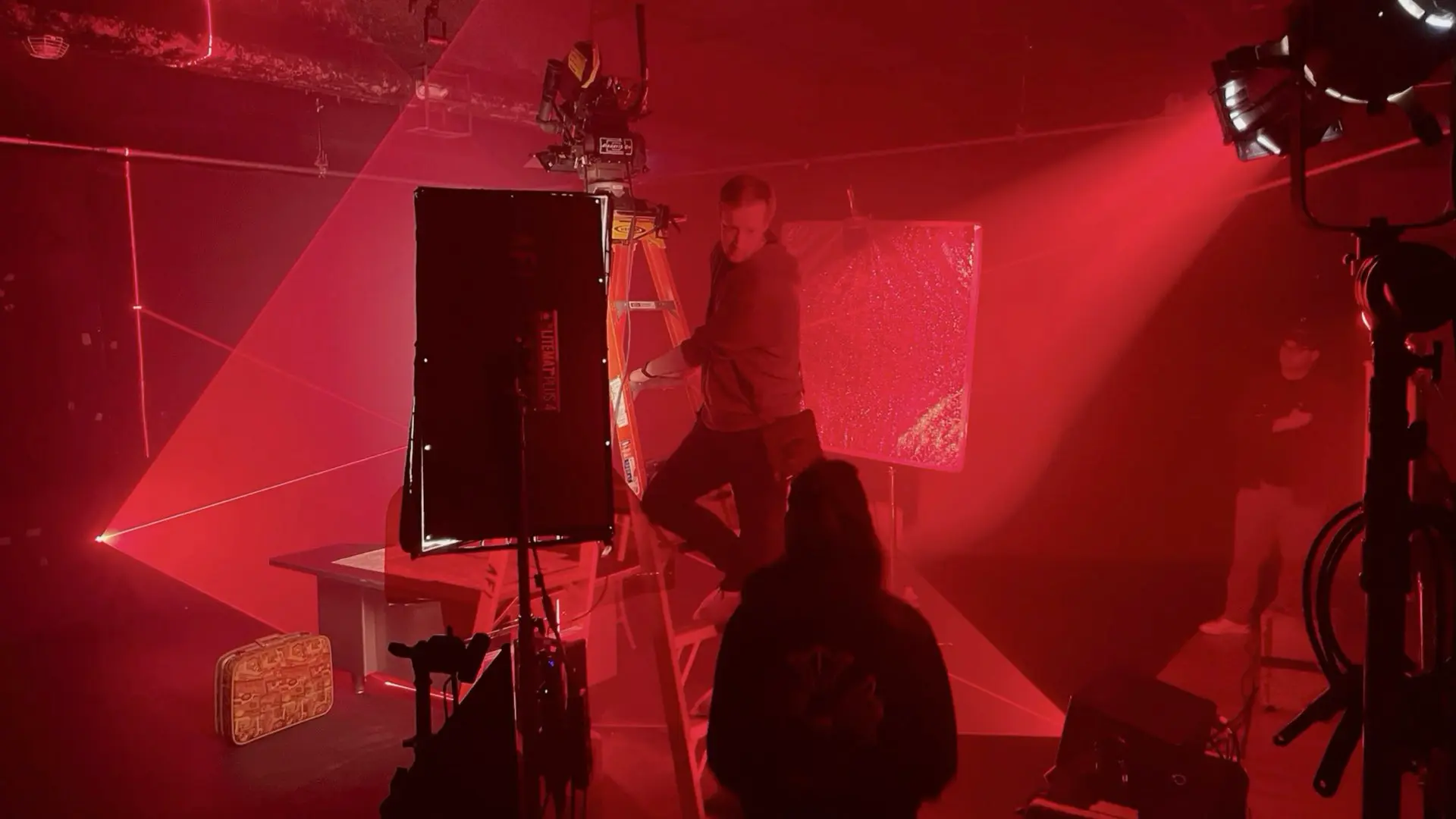
Mads: Yes, if I shoot on digital, I think it is great to have some diffusion filters in the mattebox. Depending on the story and the vibe, it can vary, but something like 1/8 bronze glimmer glass or ⅛ black pro mist. I have also recently on a project played a bit with diopters holding them free hand in front of the camera to distort the image. This was only used for a certain sequence where the character was experiencing a feeling of dissolving, and I thought it was an interesting way to convey that feeling, where the image is almost dissolving too. I also try to work with LUTs, and think it helps a lot in the prep to dial in the look for the film. If the director can get onboard with a certain look early, chances are that you will see that it holds up throughout the post production. As director of photography it can sometimes be tricky to have control over the image, since there is so many other people involved, and down the line it can change in ways that are out of your control. So one thing that can help is to develop a look in the early stage, and I often find that if a director gets used to a certain LUT, they will be more likely to keep and support a color grading that is close to that for the final look.
YMCinema: Can you walk us through your typical camera package on set—from body to lens to accessories?
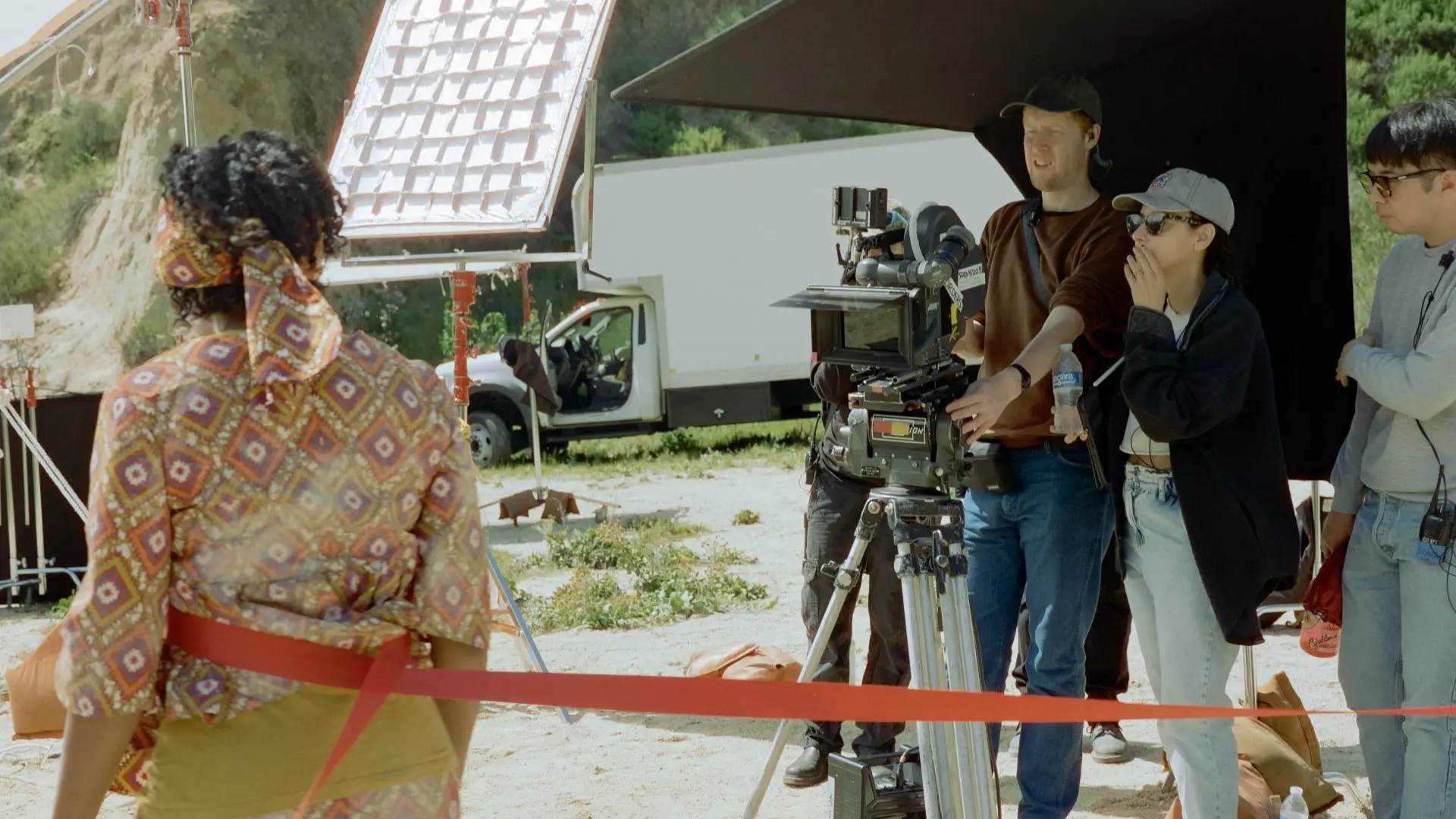
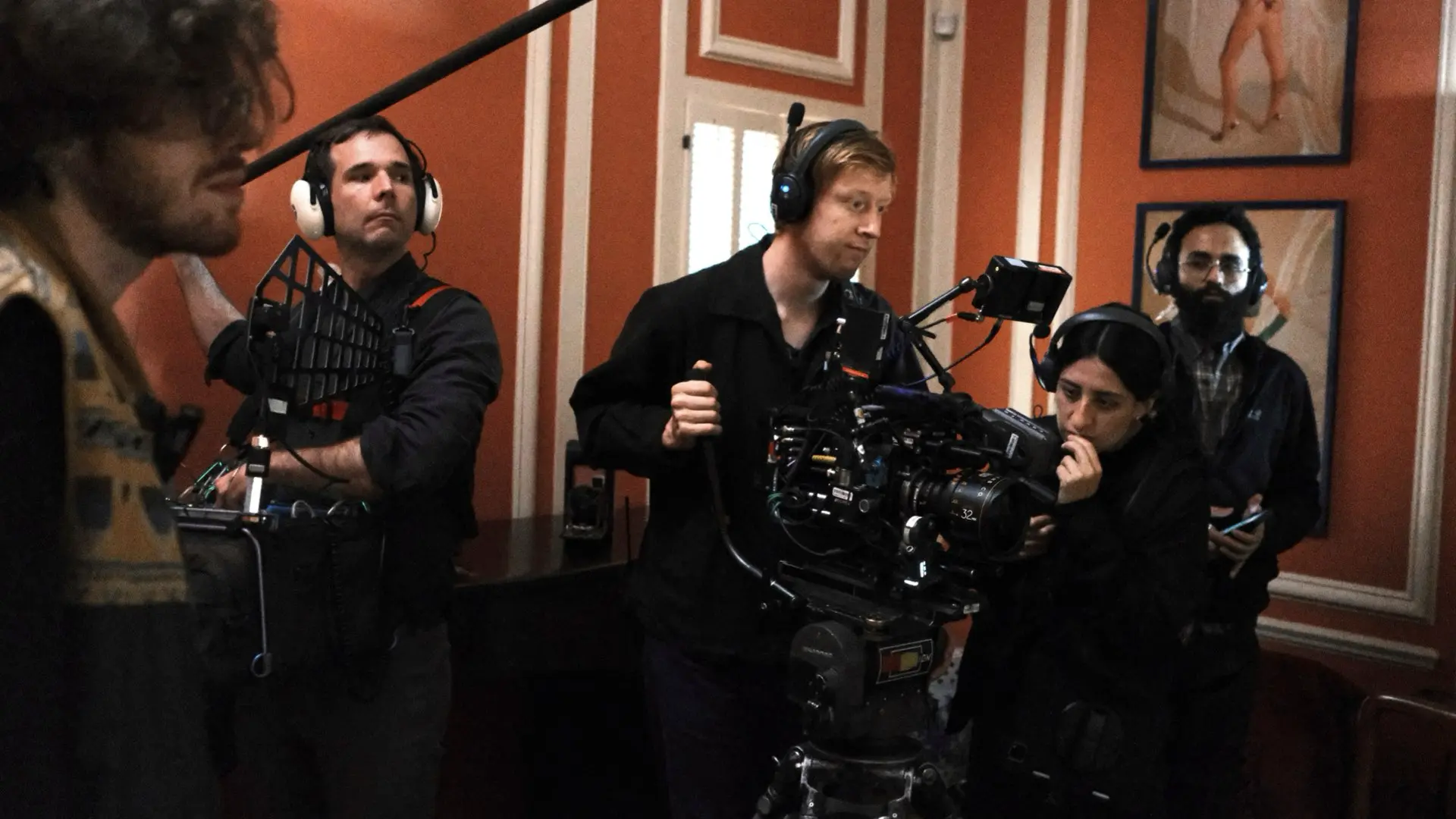
Mads: Yes, at the heart of it all there is the camera body. Depending on the shoot, I think different designs offer various advantages. If you are looking at a lot of handheld shots or locations with tight spaces, then a smaller form factor is a plus. Lenses are always good to test at a camera checkout. Especially if it’s vintage lenses, I like to just test with a focus chart and make sure I can trust the focus marks on the barrel. Another good thing to check is that the wireless focus motors are strong enough to actually make the focus ring turn. Some old vintage lenses can be pretty tight and it’s good to test this before you go to set. Camera support is also very important. A solid tripod with adjustable tension on tilt and pan can make such a big difference. The best I’ve worked with are Mitchell and Sachtler’s. If it’s a smaller production, and I have to move fast myself, Sachtler has some nice tripods where you can adjust height pretty much by yourself. I’m also a big fan of easy-rigs and cinesaddles. For handheld it’s really nice to move around with a Cinesaddle that takes the weight off your arms and onto your shoulder. That way you can hold a shot much more steady for a long take. They can also be nice for low angle shots, where you can put the camera on it and just have the Cinesaddle on the ground. For accessories it’s nice to have different ways to attach to, like a camera body cage with a cheeseplate that offers many ways to put noga arms or Kondor Blue has these quick release systems that are very convenient. I have 1st AC’ed a lot, so I appreciate a tight and clean build, where all accessories sit in a nice spot and the cables are wrangled neatly with a bongo-ties. I think Nucleus wireless followfocus is decent, although it sometimes can struggle a bit with vintage lenses that might need a bit of a stronger motor. The Preston FIZ 3 has always been very reliable to me and I like how you can map lenses in the hand unit. I haven’t tried working with the new Nucleus M II, but heard good things. ARRI’s own Hi-5 also is a great wireless follow focus option. For the monitor, I like to have an onboard that can be used for awkward angles, or if it is a fast moving handheld shot. Otherwise, I like to use the viewfinder when I operate. It’s a nice place to review the frame without distractions from the set that sometimes can be quite chaotic. I also really like having an iPad on me, when I’m working on set. Here I can keep my shotlist, storyboards, overheads and other previs, and it’s just a very helpful tool. What are your preferred tools for monitoring and exposure control? (e.g., waveform, false color, external monitors) I always carry my lightmeter with me and find it to be such a great tool for figuring out lighting and how to expose. When I for example am moving on to a new scene in a new location, I don’t have to wait for the camera and monitor to be set up, so I can look at a monitor with a false color or waveform. I can instantly get a reading and know how much light we need to add or subtract, and then have a talk with the gaffer about where we want to be exposure-wise. With that being said, I do also look at waveform and false color, and it all feels helpful to know how the image is doing. And if I’m in a rush, or working on a documentary, where I can’t do lightmeter readings all the time, then I do rely on waveform a lot, which helps me to know that I’m keeping highlights and shadows within the latitude of the camera sensor. I also try to have monitors calibrated so they align and people at video village have the same as the onboard monitor. That of course is different when shooting on film, where people are looking at a video tap feed that tends to be pretty low res.
YMCinema: Do you work with camera or lens tests before a shoot? If so, what are you usually looking to dial in?
Mads: Yes, I definitely like to do camera and lens tests before. This is also a good chance to test filters. To me it is about getting familiar with a specific set of lenses and how the different focal lengths perform at certain t-stops. I think it’s nice to find a lens that feels right for each project, and then shoot the bulk of the film on that. So, I like to find a lens that ranges between 30-40mm to be sort of a hero lens, and then find the T-stop that this lens looks best in. And when I say “best”, I mean best for the story. If I’m working with a camera that I never shot on before, it’s nice to do an over/under test, to find out how the dynamic range actually is, and with that I can also gauge what the latitude for my taste is. That way I can feel better on set, knowing how much I can over or under expose and still retain an acceptable amount of detail in the highlights and shadows. Footage from a camera and lens test can also be used to develop a show LUT for the project I’m prepping for, so it really is time well spent to go do these tests.
YMCinema: What’s your stance on using vintage or specialty optics in modern productions
Mads: As you already might have guessed, I love using vintage lenses in modern productions. The beautiful thing about working as a cinematographer is that you can shoot a project in a million different ways. The lens choice has such an impact on the look and feel, and it’s one of the places where we really get to have an artistic impact on the final look. I’m a very curious person, so I think it’s fun to experiment with specialty optics and see what different things look like. That creative freedom to explore so many different ways of shooting is really a big part of the joy for me.
Future Outlook
YMCinema: What kind of stories or productions are you most excited to explore in the near future?
Mads: I recently shot my first feature, and I enjoy working on longer format narratives. To be able to show a more detailed portrait of characters and have a pacing that allows for nuances, is something that can be hard to achieve in short films. Right now I am in the early stages of another narrative feature film and I’m soon shooting the pilot episode of a show that will hopefully get full funding for a first season. I am also involved in a documentary that recently got funding to be produced as a feature length documentary. It’s about the war in Ukraine, and how we as humans adapt to a life in war. The film is directed by the very talented Christina Amundsen, who I kind of “grew up with” in filmmaking and have worked with for years. It’s an important story, and I’m excited to keep working on this and contribute with ideas of creative ways to visualise the feelings that some Ukrainians are going through with the extreme situation they have been placed in.
YMCinema: Are there any new tools, formats, or innovations in the camera world that you’re eager to experiment with?
Mads: I have assisted on a couple of productions utilizing LED walls, and I’d like to DP a project with that technology soon. When I was younger, there was a time where I dreamt of becoming an animator. Eventually I found that it would not work for me to sit down by a desk all day, but I still would love to some day work as a DP on an animated film and collaborate with animators to find ways to bring concepts of live action cinematography into an animated world, like how Roger Deakins worked on Rango and Wall-E. Lastly, I’d like to get more familiar with larger format cameras, both digital and film. I’ve never shot on 70mm film, and that would be like a dream come true.
YMCinema: What advice would you offer to aspiring DPs, especially those building a career internationally?
Mads: I would advise aspiring DP’s to find a community, if you are building a career internationally. For me it has been so helpful to get a community in Los Angeles through the film school I attended for two years. It doesn’t have to be a school, but finding a community in a new place is very helpful to get opportunities for work. Try to shoot as much as you can in the beginning, and get the hours of training to improve on your craft. I sometimes think of the theory of practicing on something for 10.000 hours to master it. Keep shooting stuff, even if it’s a small thing without a budget. At the same time, it is good to find a work-life-balance to make it sustainable. It’s a lot of hard work, and I think it’s important to find ways to relax and take your mind off of work-related things. So, find a hobby or some good habits that are healthy and allow for a mental break from cinematography. For me cooking and running is a nice way to get a mental film-break. With something like that, you won’t burn out and it will be more enjoyable when you afterwards get back to work.
Follow Mads Fridolin Vejlby, DFF:
Are you a cinematographer with a story to tell and the behind-the-scenes footage to back it up? Y.M.CINEMA is looking to feature more voices through this series. Contact us (via email) to share your work and be part of the conversation.