Smartphones are rapidly becoming the front line of professional filmmaking. Blackmagic Design’s new Camera ProDock accessory, built specifically for the iPhone 17 Pro and Pro Max, is the clearest signal yet that the smartphone has entered cinema territory.

iPhone as a production camera
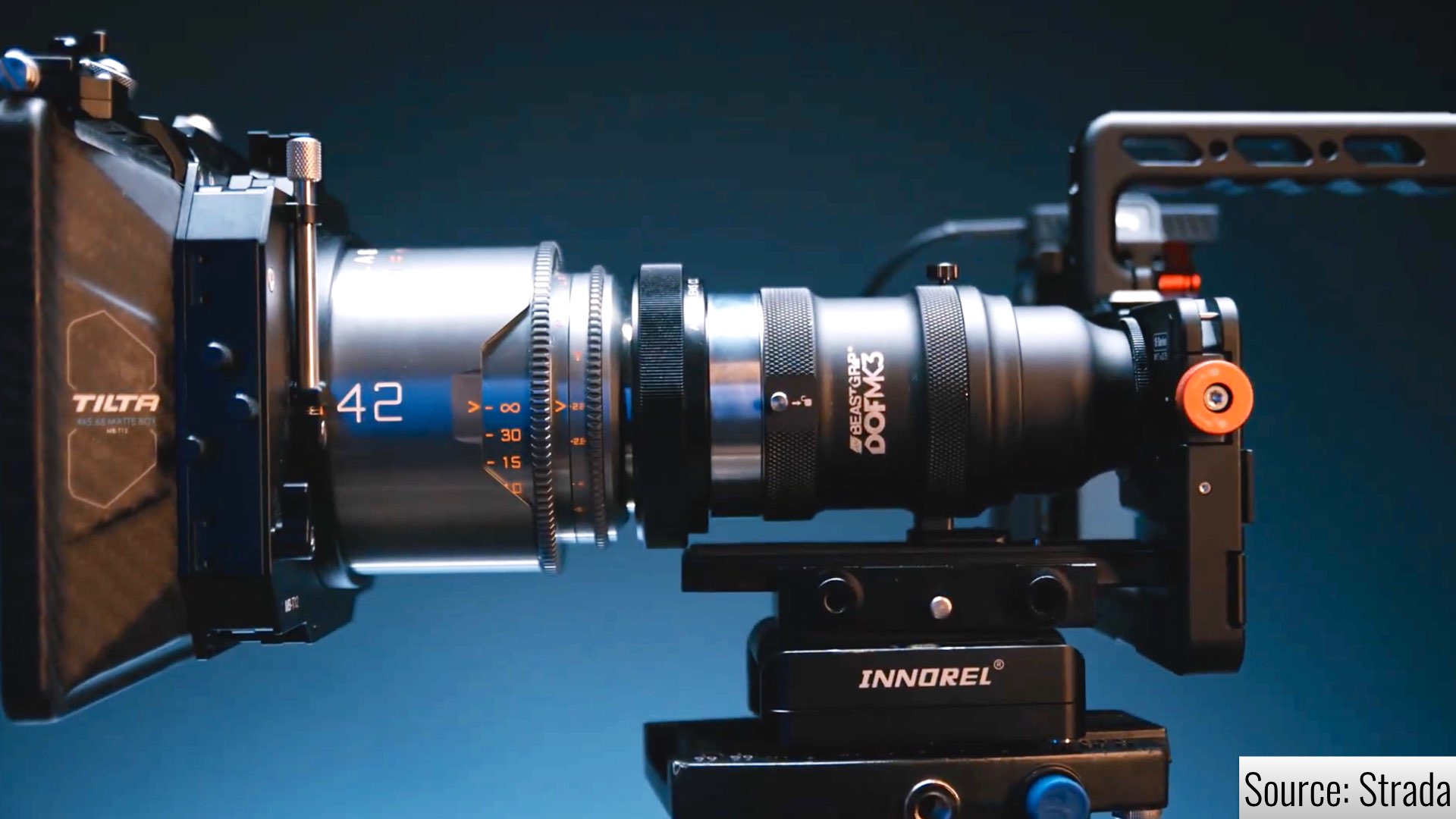
For years, filmmakers experimented with smartphones as backup cameras or for creative shots. That era is over. With the $295 Blackmagic Camera ProDock, Apple’s flagship iPhones can now join a professional set with the same connectivity you expect from a cinema rig. Timecode, genlock, HDMI monitoring, USB-C storage, and professional audio inputs all arrive through a compact dock that locks the iPhone into workflows once limited to ARRI, RED, or Blackmagic’s own URSA systems. The secret sauce is the synergy between the dock and the Blackmagic Camera app. Together, they unlock ProRes and ProRes RAW recording, synchronized multicam setups, and direct DaVinci Resolve collaboration through Blackmagic Cloud. In practical terms, this means an iPhone can stand shoulder to shoulder with dedicated cameras in virtual production stages or live multicam shoots, all while keeping every frame in perfect sync.
Why the smartphone camera era is accelerating
The ProDock lands in a landscape where cinema-grade smartphones are already reshaping the industry. Canon recently revealed its vision in Canon Cinema Smartphone Patent Revealed, showing that even traditional camera giants are preparing for a smartphone-driven future. Meanwhile, sensor innovation is racing ahead. Samsung’s experimental Nanoprism Tech Could Make Smartphones Better for Filmmaking promises light-bending efficiency that rivals cinema glass. Sony shocked the industry with Sony Unveils Smartphone Sensor With 17 Stops of Dynamic Range: Meet the LYT-828, claiming dynamic range levels previously reserved for full-frame cinema cameras. And Sony’s own Xperia line already proved its crossover ambitions in Sony Xperia 1 VII: The Cinematic Smartphone Born From the Alpha 1. Apple has also been laying the groundwork with a wave of patents. From Apple Moving Prism Patent: iPhone Filmmaking to Apple Triple Patent iPhone Sensor Shift System, and even Apple’s Latest Camera Patent: The Secret to Smoother, Sharper iPhone Filmmaking, Cupertino has been quietly designing features that look suspiciously like cinema tools. Its exploration of advanced stabilization in Apple’s New Suspension System Could Redefine iPhone’s Image Stabilization and aperture innovation in Apple Reinvents the Iris: New Patent Reveals Soft Membrane Aperture for Future iPhone Cameras makes the ProDock less of a surprise and more of an inevitability.

What ProDock changes on set
The standout feature of the ProDock is synchronization. Genlock ensures that LED wall productions can run smoothly without flicker or tearing, solving one of the toughest problems in virtual sets. Timecode allows every iPhone camera in a multicam shoot to run independently while staying perfectly aligned in post. Add in SSD recording, lens control support, and HDMI out, and the ProDock positions iPhone 17 Pro not as a toy for creators, but as a reliable B-camera or even A-camera in certain productions. Blackmagic CEO Grant Petty summed it up: “The new Blackmagic Camera ProDock brings even more flexibility by adding the professional connections filmmakers expect from a cinema camera to iPhone.”
The bigger picture
The $295 price tag is symbolic. For that cost, filmmakers can turn an iPhone into a camera system that speaks the same technical language as Hollywood tools. It reflects a democratization of cinema where the gap between smartphone and studio narrows with every product cycle. What this means is profound: smartphones are no longer just for behind-the-scenes footage or guerrilla shoots. With the right ecosystem, they can anchor full-scale productions.