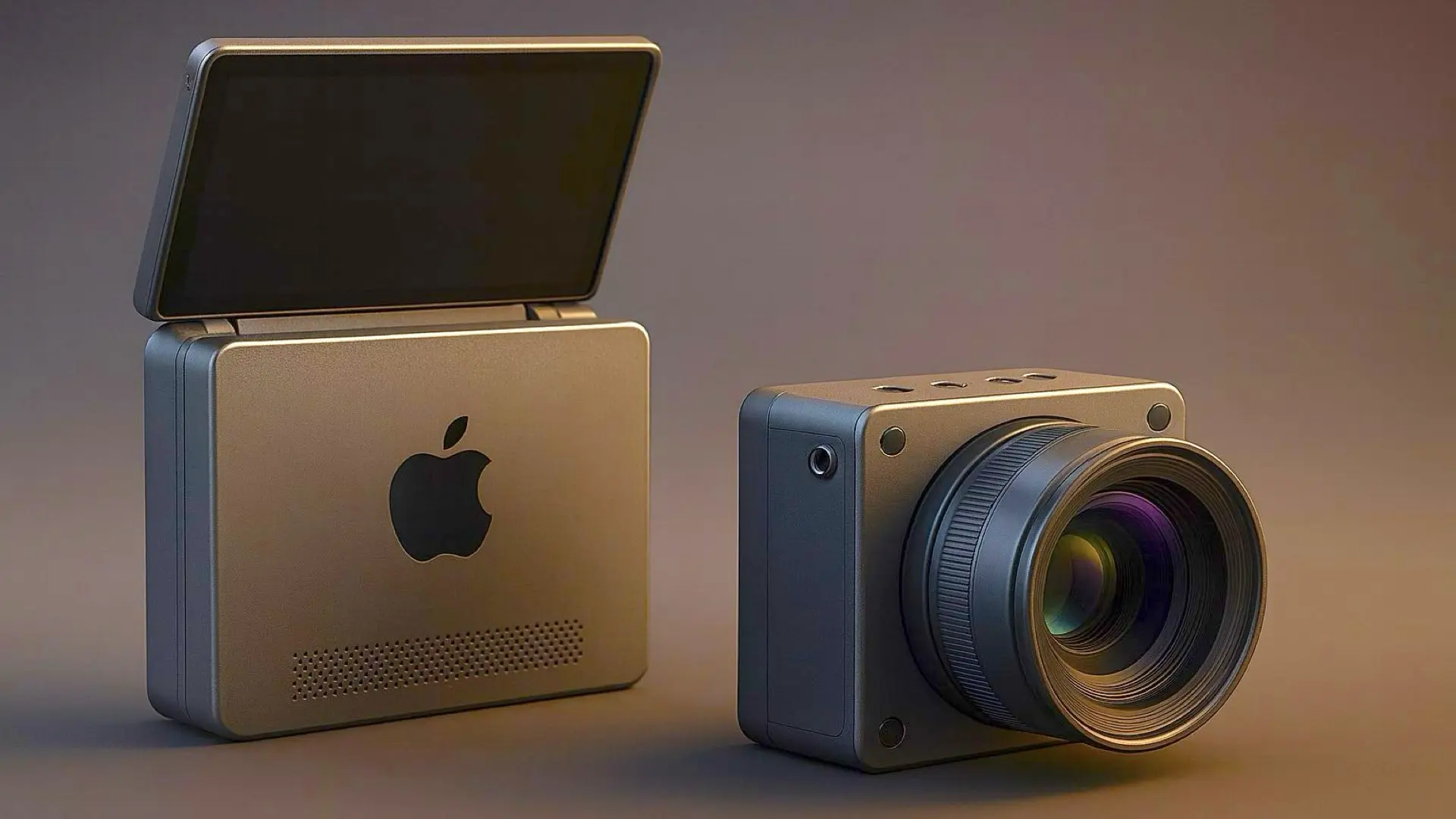
Apple is quietly imagining a future where your phone transforms into a real camera. A new patent filing from today shows a modular device that breaks the rules of today’s smartphone design and opens the door to something completely different: a slim everyday device that becomes a full photography system the moment you snap on a dedicated camera module with interchangeable lenses. It is a complete rethinking of how imaging hardware and mobile computing can coexist. And it hints at the most dramatic shift in Apple’s camera strategy in years. Let us walk through what this patent actually describes and why it matters.

A two-part device that works like one
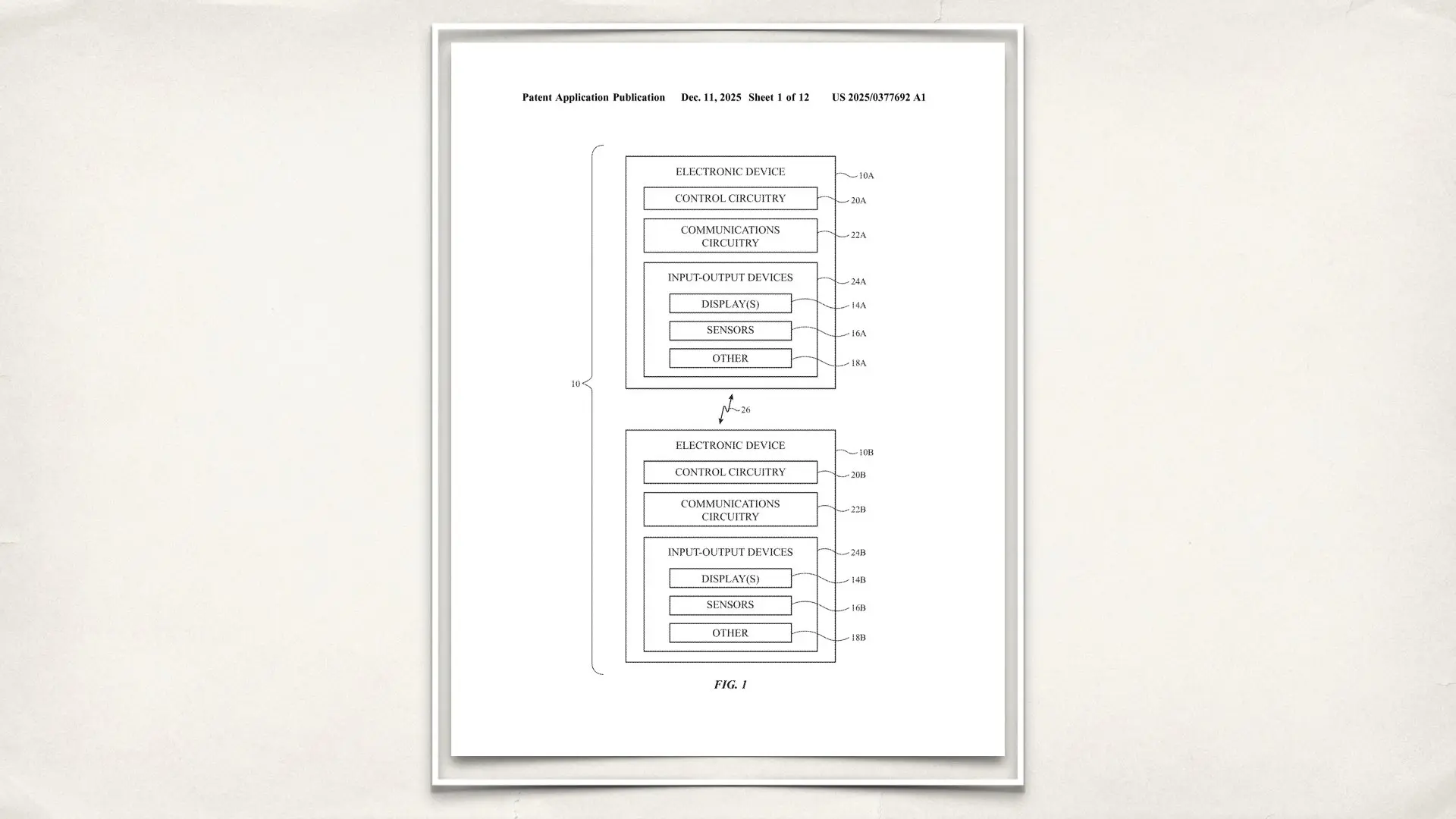
The central idea is simple but powerful. Instead of cramming every sensor, lens, battery and speaker into a single block of metal and glass, Apple proposes splitting the device into 2 independent components:
-
A thin core device with a touch screen and all the processing
-
A series of attachable modules designed for specific purposes
Each piece can function on its own. But when you connect them, they behave like one integrated system. This is modular design done the Apple way. Sleek. Foldable. Intelligent. And far more flexible than today’s monolithic smartphones.
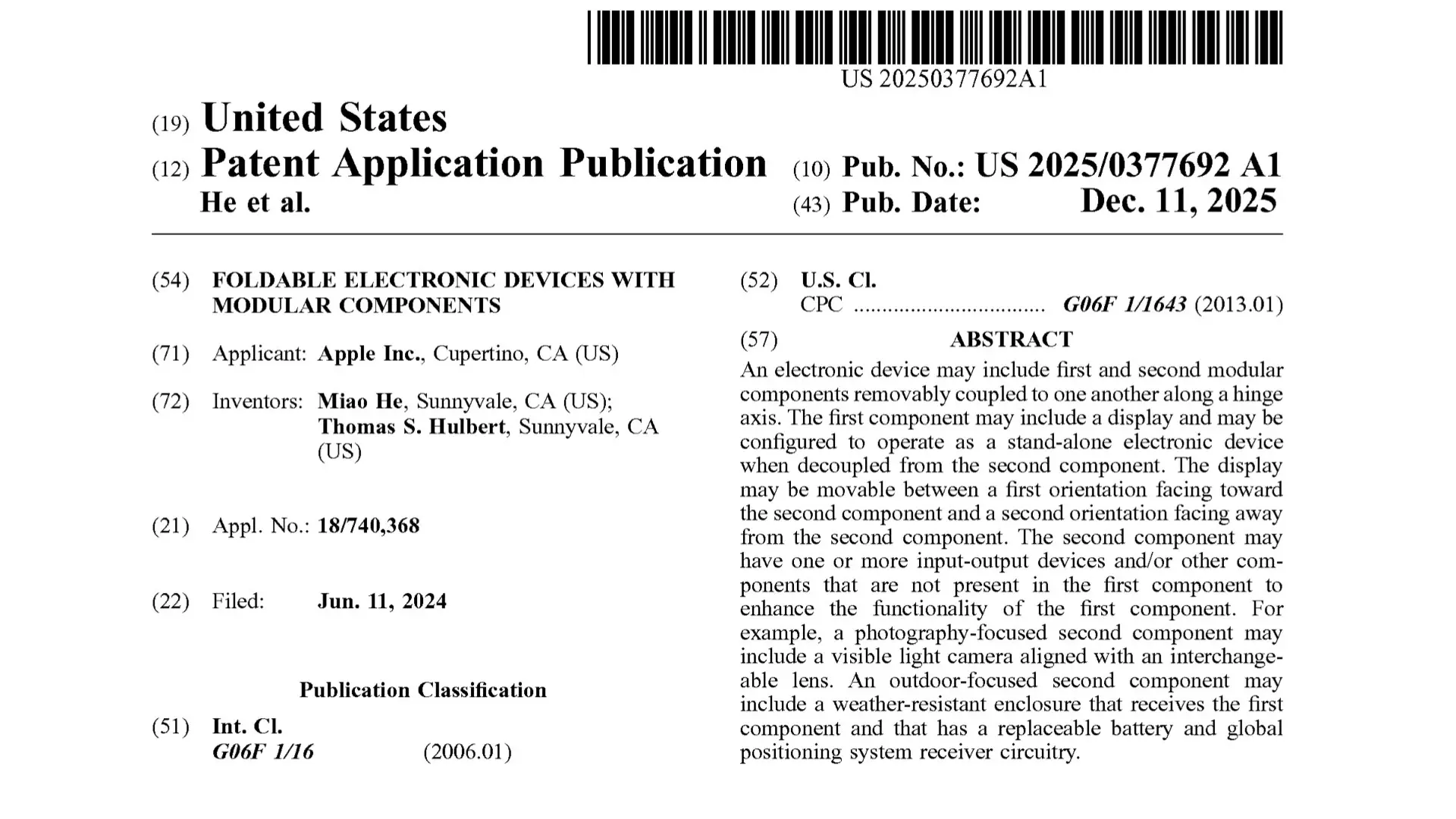
The photography module: Apple’s first true “camera body”
One of the modules described in the patent focuses entirely on photography. And this is where things get really interesting. The photography module includes:
-
A dedicated visible light camera
-
An interchangeable lens
-
Physical camera controls
-
Standard mounting points for accessories
-
Optional media slots and connectors
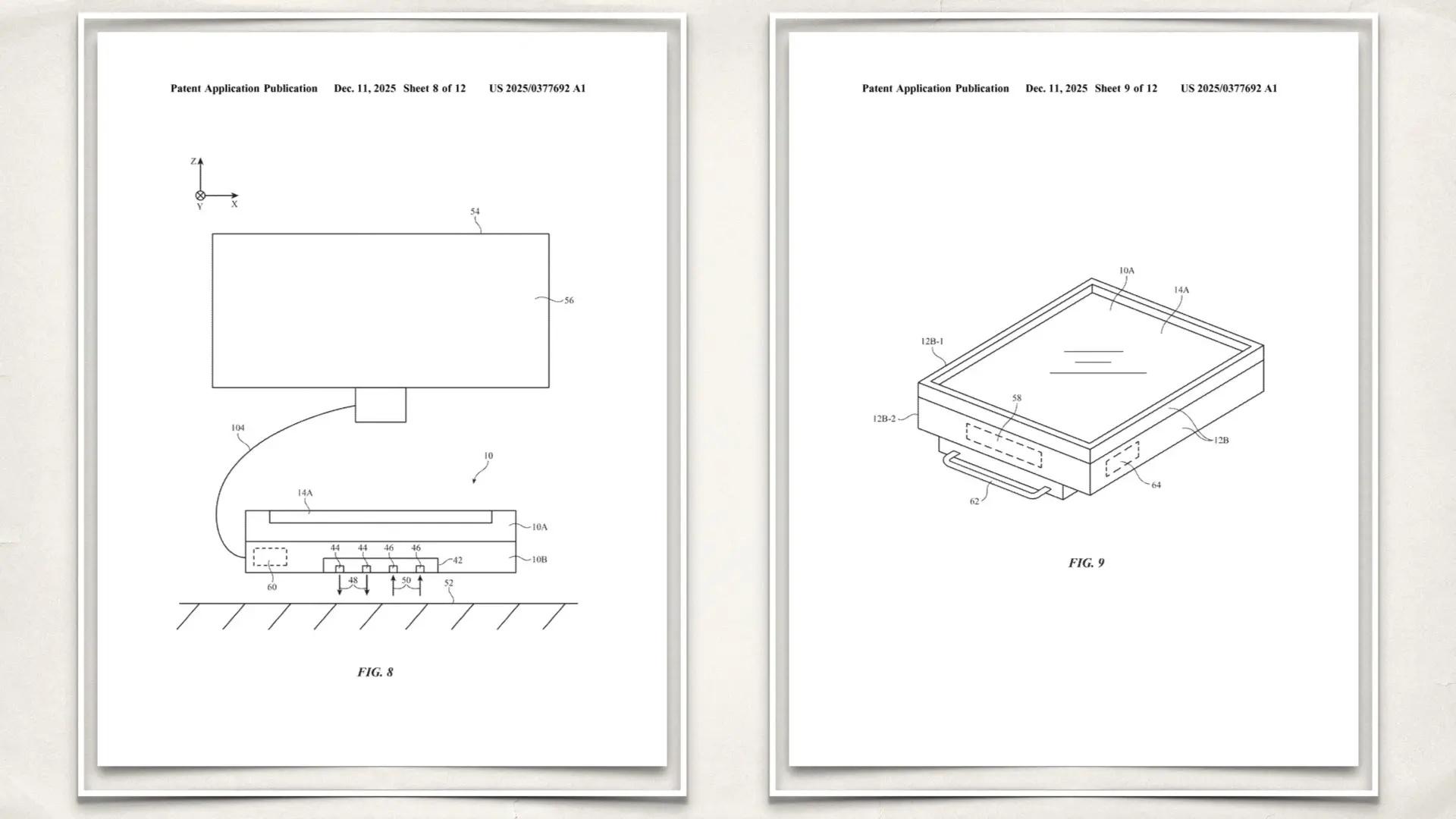
Meanwhile, the slim core device provides the touch interface, the processing power and the high quality display. The patent repeatedly positions that display as a viewfinder, meaning the main device becomes the articulated monitor for your camera. What makes this so radical is what Apple is willing to remove from the core product. The patent explicitly allows the base device to have no rear camera at all. No lens bump. No multi camera cluster. Just a perfectly clean slab that becomes a camera only when you want it to. The result is a hybrid between a smartphone and a mirrorless camera. A single platform that adapts depending on the module you attach.
A viewfinder that flips, rotates and follows your shooting angle
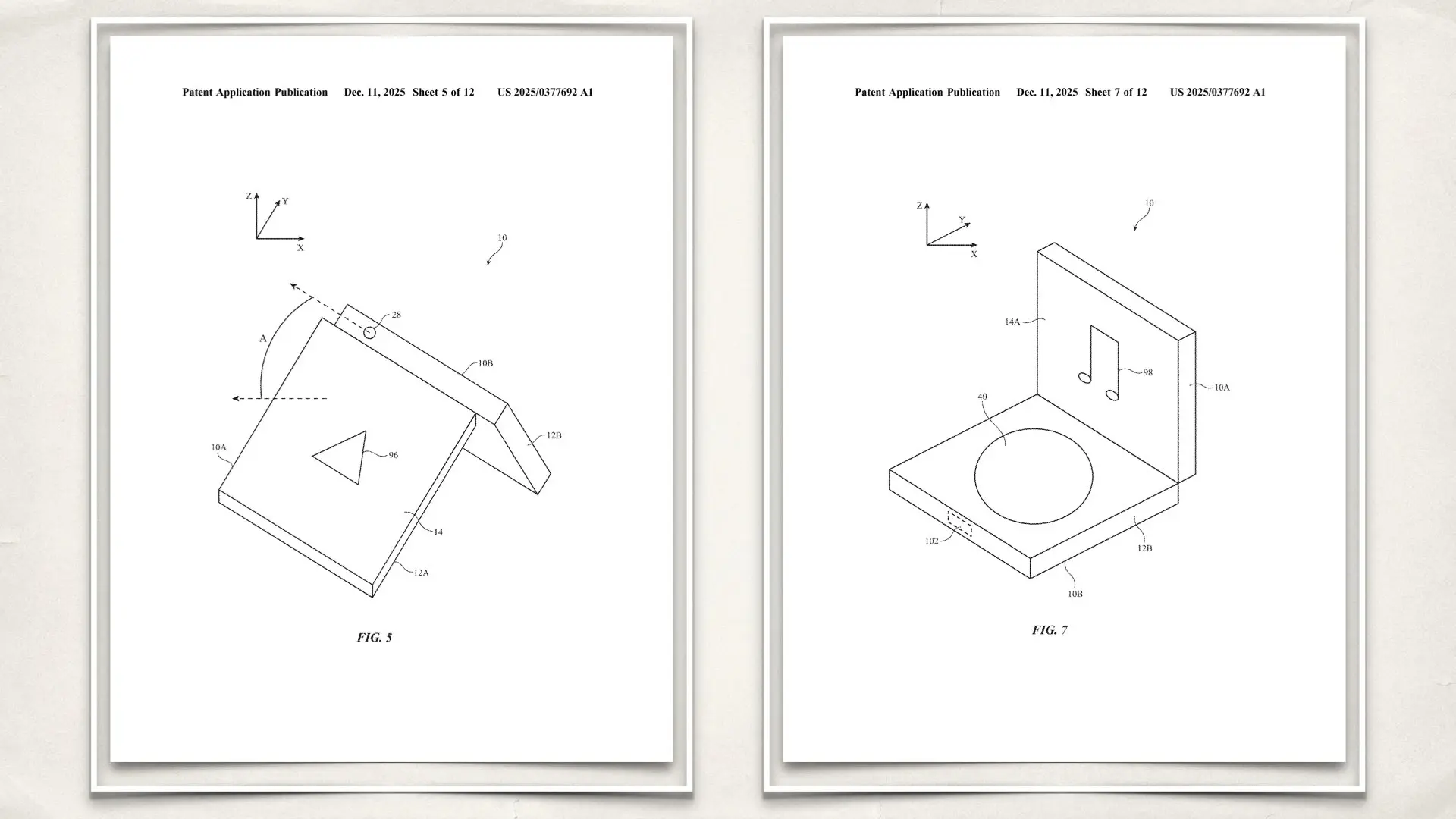
The hinge system described in the patent gives the screen enormous flexibility. You can flip it so the display hides inward for protection. Rotate it outward to monitor your shot. Angle it up, down or sideways depending on how you hold the camera module. For filmmaking, this means:
-
Low-angle shots with the viewfinder tilted upward
-
Self-shooting with the screen rotated toward you
-
Overhead recording with the screen angled downward
-
Traditional rear-facing operation with stable framing
It is everything creators love about modern articulating screens, now integrated into a modular mobile device.
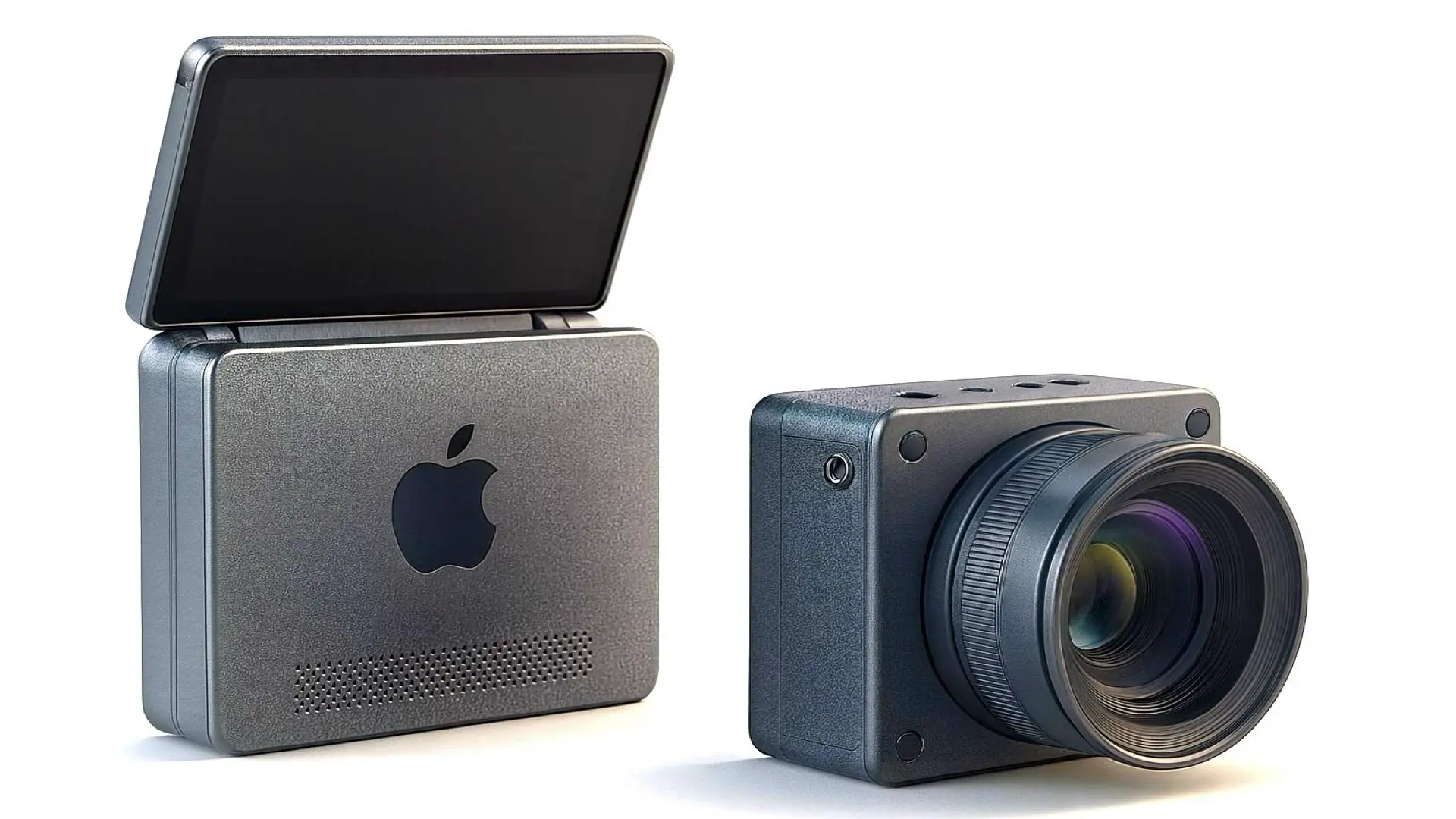
Modules for sound, outdoor use and computing
Although the imaging module steals the spotlight, Apple also outlines several additional modules that broaden the system into a multi purpose platform.
Audio module
A larger, more powerful speaker turns the device into a mini media station. The screen becomes a playback interface while the module delivers the sound.
Outdoor module
A rugged shell with a replaceable battery, GPS hardware and emergency tools transforms the same base device into an adventure companion. Think of it as an iPhone that becomes a GoPro like field device the moment you snap on the right module.
Computing module
This one is particularly clever. The attachable module includes hardware that lets the device control an external display like a pointer. Combine that with extra processing power and the device becomes a compact workstation. In other words, the same core device can shift between filmmaker tool, media speaker, outdoor navigator or portable desktop simply by swapping modules.
What this means for creators
If Apple develops this concept, it solves several long standing limitations:
-
Smartphone cameras no longer need to compromise. The imaging system can be as large, complex or specialized as needed without affecting the thickness or shape of the everyday device.
-
Filmmakers gain real ergonomics. Finally: a flat device that becomes a camera with physical controls and interchangeable lenses.
-
Accessories become part of the ecosystem. Mounting points, hot shoe spacing and module interfaces make it possible for Apple to support real camera accessories.
-
Upgrade paths become modular. Want a better lens system next year? Buy a new camera module, not a whole phone.
-
A new product category emerges. Something between iPhone and mirrorless camera. A modular imaging platform.
It means, in simple words, that Apple is entering the professional creator market with an entirely new device class built around this patented architecture.
Apple has been hinting at this direction for months
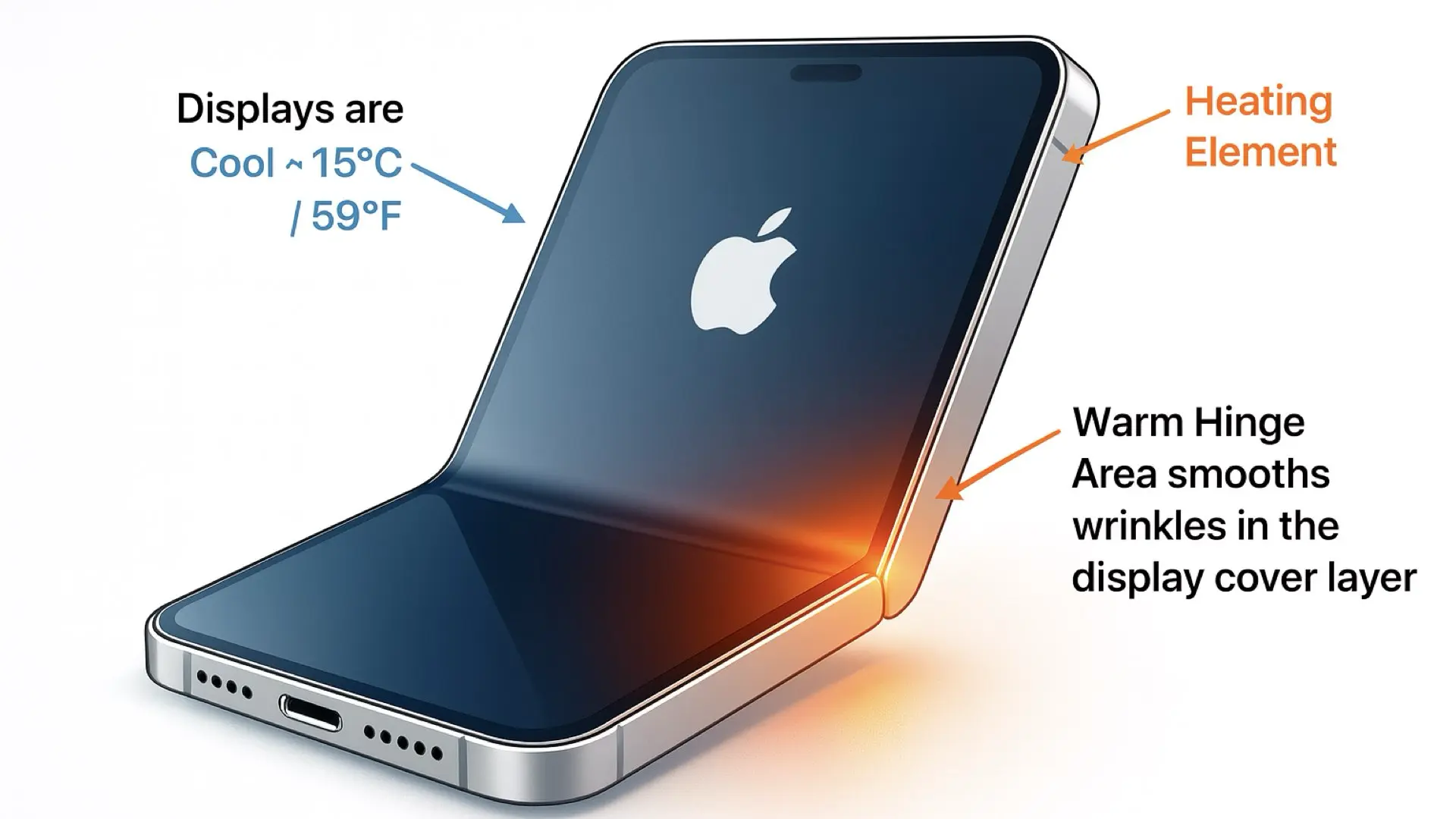
This new modular camera patent fits naturally into a broader trend Apple has been signaling through a series of recent filings. YMCinema has covered several of them, and taken together, they outline a clear shift toward a far more advanced mobile imaging ecosystem. One early indicator was Apple’s work on foldable display thermal management, explored in Apple Foldable Display Heating Patent, which showed the company preparing flexible hardware capable of handling the thermal load of stronger imaging components. Another major clue was Apple’s move toward next generation sensor technology, examined in Apple Global Shutter iPhone Sensor, where the company detailed a global shutter pipeline that would dramatically improve motion handling and reduce rolling shutter artifacts. And perhaps the strongest hint came from Apple’s investigation into dynamic mobile optics, described in Apple Moving Prism Patent iPhone Filmmaking, where a movable prism system was designed to give mobile shooters more precise refractive and stabilization control. Viewed together, these developments point to a unified direction. Therefore, Apple is actively exploring new imaging architectures involving foldable structures, advanced shutter systems, movable optics and now a fully modular camera platform with interchangeable lenses. This latest patent feels less like an isolated idea and more like the next logical step in Apple’s long-term imaging strategy.
Why this matters now
Smartphone camera quality is reaching physical limits. Sensors cannot grow much larger without making the phone thicker. Lens systems cannot expand without breaking the form factor. And computational photography is approaching the point where optics matter more than software. A modular camera system solves all of that. It gives Apple freedom to innovate in optics without compromising industrial design. And it gives creators more creative range than any smartphone today. Whether Apple actually builds this device remains to be seen. But the patent reveals a clear direction: an imaging focused future where the iPhone becomes modular, flexible and far more capable than a fixed camera system. If Apple pursues this path, the camera world is in for a major disruption. And remember, we were the first to report this patent today.