
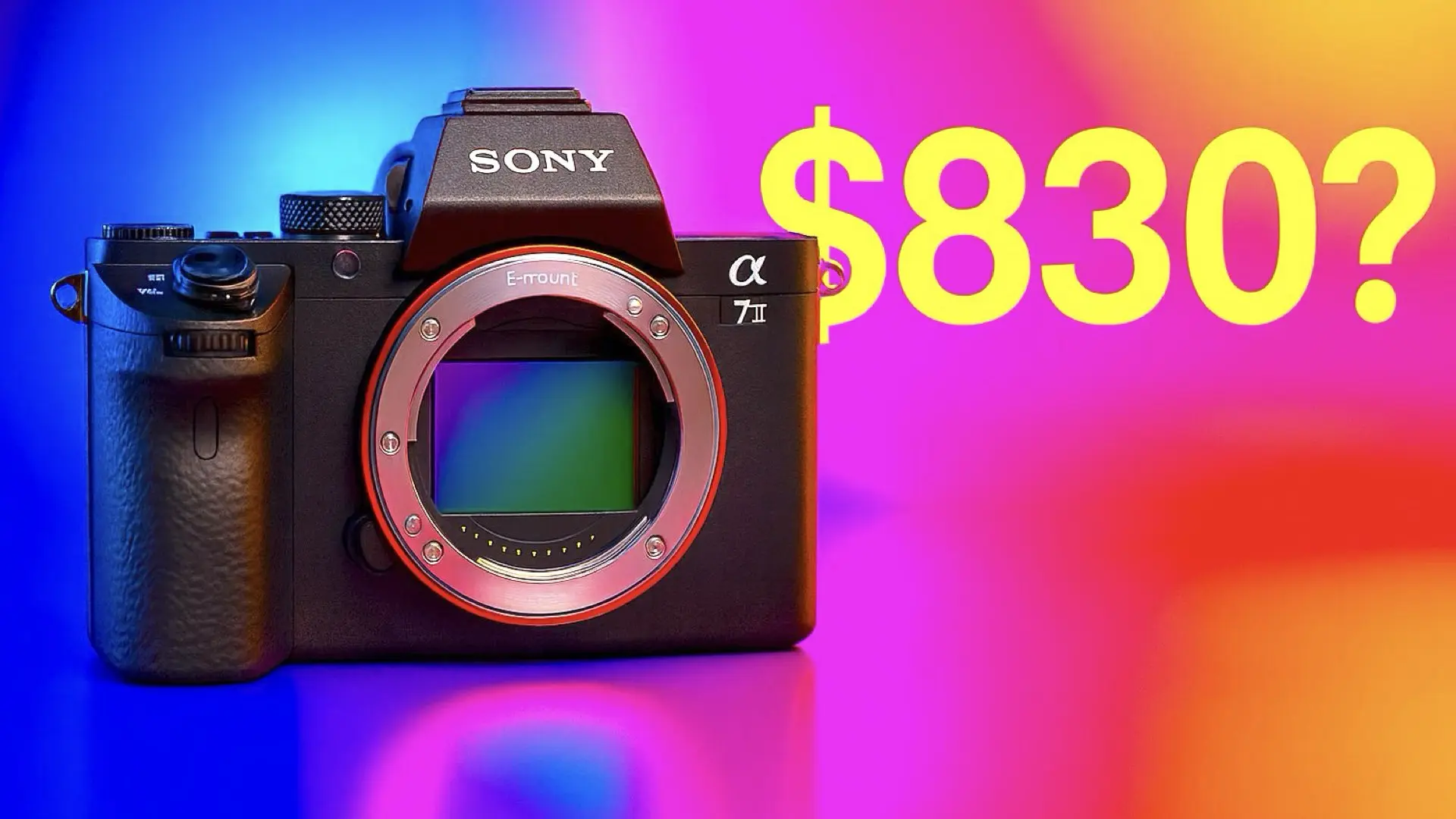
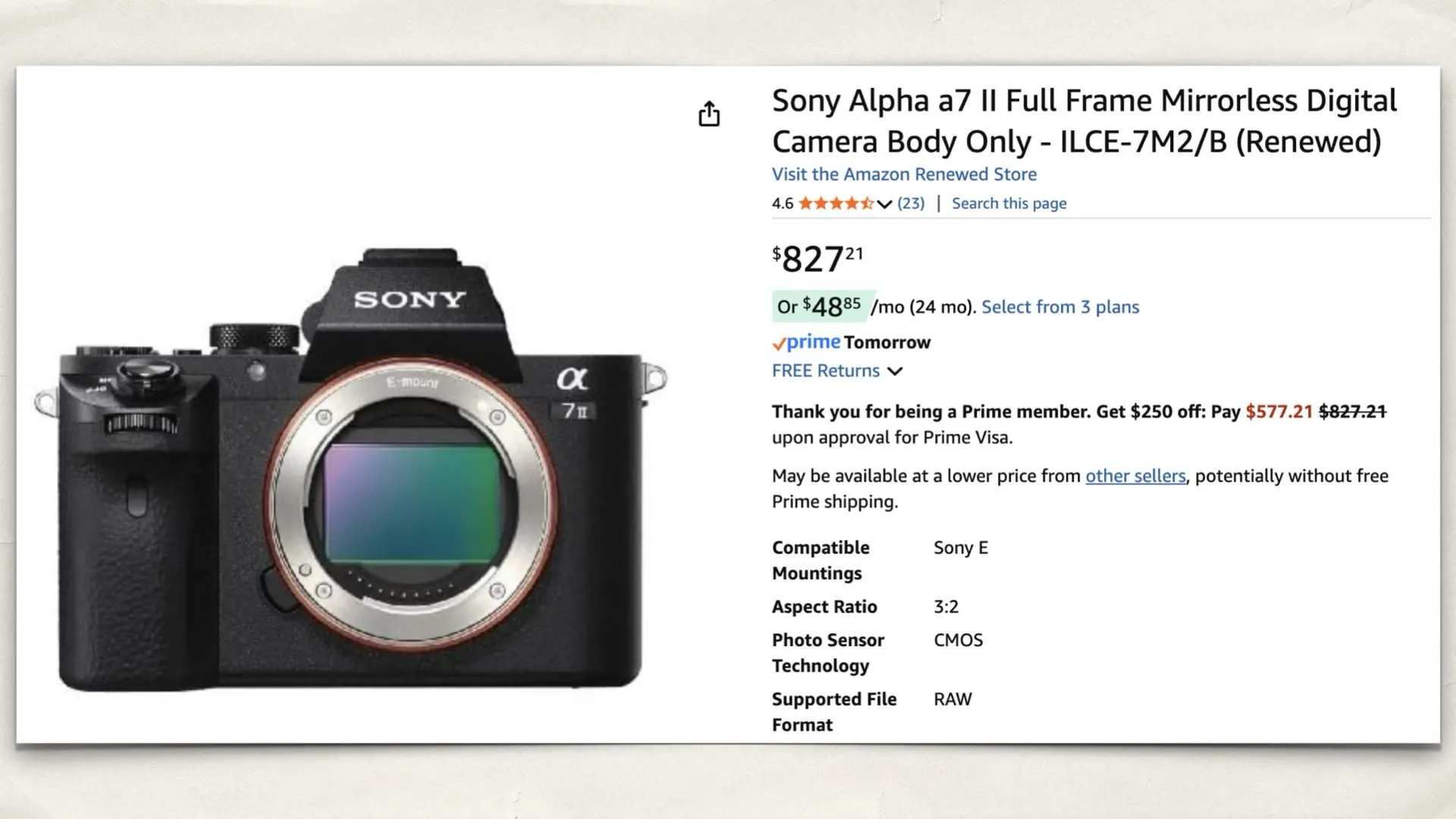
The Sony A7 II is a decade-old camera that refuses to disappear from the market. It debuted when 4K video was still rare, when Sony color science was in its early stages, and when the idea of full frame mirrorless felt futuristic. Fast forward to today and this camera still appears at the top of Amazon Renewed listings for a price that surprises even experienced creators. The price tag is around $830. With a Prime Visa discount it drops to $577, but the question remains. Is this a good deal? Full frame sensors evoke confidence. The Sony brand inspires trust. Amazon Renewed adds a sense of safety. Together these elements create the feeling of a bargain. In reality the A7 II at this price is overshadowed by better cameras that cost less. Amazon Renewed offers fast delivery, easy returns, and a level of buyer assurance that private used markets cannot always match. While it is often possible to find a better price elsewhere, some creators value the simplicity and safety of the platform. That balance between market value and marketplace confidence is what makes the A7 II such an interesting case today. Let’s talk about that.

The emotional appeal of a cheap full-frame
There is something irresistible about the words full frame at an accessible price. The A7 II looks professional. The body design feels substantial in the hand. The 24 MP sensor captures clean stills. The camera supports RAW. The E mount ecosystem remains one of the most complete selections in the industry. Anyone who wants to move beyond a smartphone or an entry level mirrorless body will naturally be tempted. Amazon builds on this emotional reaction. Renewed products include a warranty, an inspection, and the psychological comfort of buying through the world’s largest marketplace. Many customers prefer Renewed gear over used listings because the platform feels safer. For beginners this is often enough to justify a high price without deeper research. This is how the illusion forms. The camera looks like a bargain. The platform feels secure. The label Renewed suggests value. The buyer believes they are stepping into the full frame world without risk. But the story changes when we compare the A7 II to the current market.
📦See the Sony A7 II on Amazon
The technical reality of the A7 II in 2025
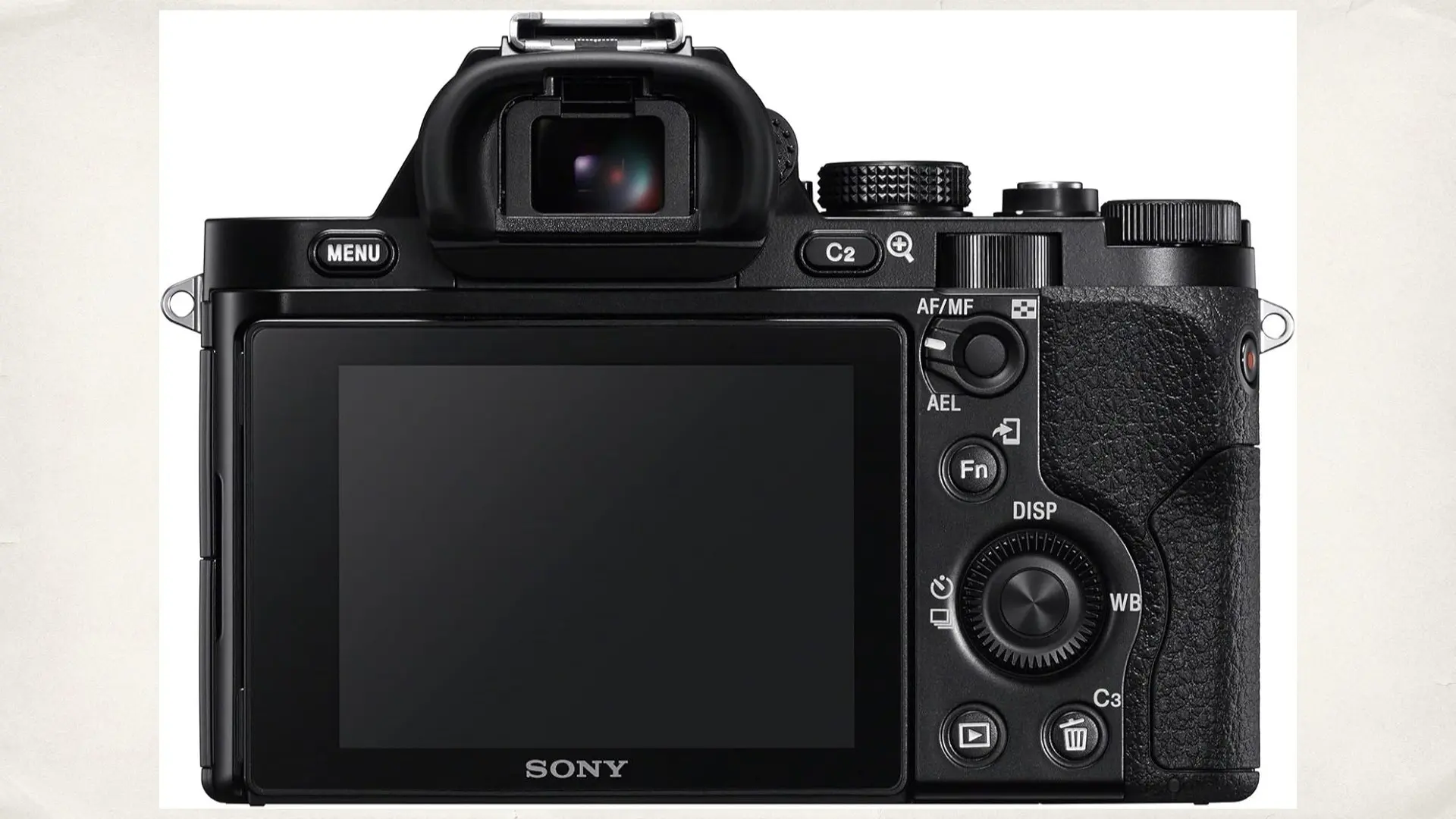
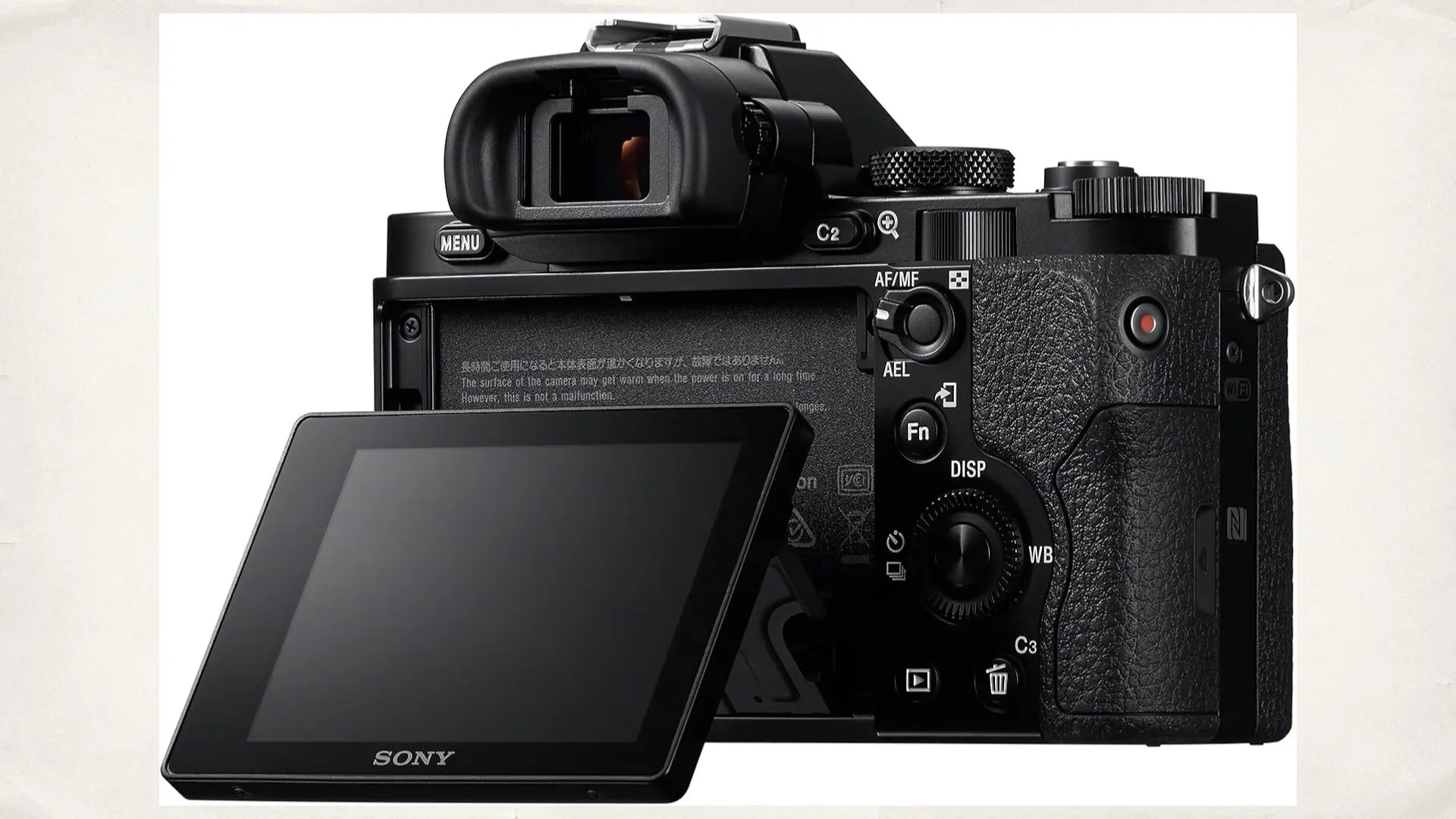
The A7 II was a breakthrough when it arrived. The 5-axis stabilization system was new. The 24 MP sensor was excellent. The ergonomics were solid. Today the landscape has changed. Camera technology has advanced dramatically in the past decade, especially in autofocus, sensor readout, battery systems, and video pipelines. The A7 II did not. There is no 4K recording. Autofocus struggles with modern subjects. The EVF feels soft compared to current models. The menu is dated. The battery is the small NP FW50, which drains rapidly in both photo and video scenarios. Professional users rely on dual card slots. The A7 II offers only one. In short the camera requires compromises that most filmmakers and photographers no longer accept. None of this means the A7 II is unusable. A skilled creator can still produce strong images with it. RAW files have enough depth for color grading. Stabilization helps with handheld work. Manual focus tools are effective when paired with vintage glass. But value comes from context. At $830 Renewed the A7 II exists in the same price neighborhood as cameras that outperform it in every category.
The better camera that costs less
Recent market trends reveal something unusual. Many creators are selling the Sony A7 III for around $600 on platforms like Facebook Marketplace. This is the camera that fixed almost every weakness in the A7 II. It brought real 4K video. It introduced the larger Z battery. Autofocus jumped a full generation. Low light performance improved. Color science matured. Dual card slots became standard. The A7 III is objectively superior. This makes the Renewed A7 II price even harder to justify. Why should a ten year old camera cost more than its direct successor. The value trap becomes apparent when we consider how Amazon Renewed pricing is established. Check our article here to get the idea. Also, check out the article we made on the Sony FX2 and its price history, just to get a sense of how camera pricing has changed over time.

How Amazon Renewed creates artificial value
Amazon does not price Renewed products the way traditional used markets do. There is no negotiation, no shutter count evaluation, and no community rating. Instead the system relies on automated baselines that fluctuate with availability. If a particular model is scarce, the algorithm naturally increases the price. This does not reflect real world demand. It reflects inventory gaps. Creators also assume Renewed equals safe. Many do not want the perceived risk of buying from a private seller. Renewed listings therefore benefit from consumer psychology rather than actual product value. In many cases Renewed gear sells for significantly more than comparable used items that are in better condition. This is the core of the A7 II value trap. The platform adds confidence. The algorithm adds scarcity. The customer adds emotion. All three elements combine to produce a price that does not match the performance of the camera.
Why YouTube keeps the A7 II alive
Another factor reinforces this illusion. Creators on YouTube often celebrate old cameras as challenge tools. They show how they can create cinematic footage with outdated gear. They talk about the creative discipline required to grade S Log 2. They demonstrate the charm of vintage lenses. Their results are impressive, but they do not reflect the experience of the average shooter. These videos create a new narrative. The A7 II becomes a badge of honor. A camera that separates the artists from the amateurs. A device that tests your ability to expose properly, grade properly, and stabilize properly. This narrative increases demand for older bodies. It also increases prices. But viewers do not see the full picture. These creators rely on expertise that beginners do not have. They also rely on post production workflows that require additional time and skill. This is another version of the trap. Romantic content creates emotional value. Emotional value inflates market value.
Who should actually buy an A7 II today
There are scenarios where the A7 II remains a good choice. The camera is useful for creators learning manual shooting. It is inexpensive when priced correctly. It pairs beautifully with vintage lenses. It teaches discipline. It encourages thoughtful framing. It produces excellent RAW stills in the hands of someone who understands exposure. But the price must align with reality. A fair market value for the A7 II in 2025 is between $350 and $400 depending on condition. Anything higher enters diminishing return territory. Anything around $830 is unrealistic.
📦See the Sony A7 II on Amazon
The real recommendation
If a creator finds an A7 III for $600 they should buy it without hesitation. It outperforms the A7 II in every measurable category and remains one of the strongest hybrid cameras released in the past decade. If a creator wants a cheap full-frame photography body they should wait for an A7 II priced below $400. If they want cinematic video they should skip both and consider modern alternatives. What they should not do is pay $830 for an Amazon Renewed listing simply because it carries a popular name and a full frame sensor. That is the definition of a value trap.
Final takeaway
The Sony A7 II changed the industry when it arrived. It brought full frame stabilization to the masses. It shaped the early mirrorless landscape. It deserves respect. The Amazon Renewed price of $830 places it above what many creators can find on the used market. With some patience it is possible to secure a better deal, especially through local listings or dedicated camera forums. However, convenience also has value. Amazon Renewed offers fast shipping, easy returns, and platform backed assurance. For some buyers that peace of mind outweighs the difference in price. If you want the absolute best value, the used market offers stronger options, including the Sony A7 III at surprisingly low prices. If you prefer the simplicity and confidence of Amazon Renewed, the A7 II can still be a dependable full frame entry point. The key is understanding your priorities and choosing the path that supports the way you like to buy and create.
📦See the Sony A7 II on Amazon
As an Amazon Associate, Y.M.Cinema earns from qualifying purchases. If you purchase through the Amazon links above, Y.M.Cinema may earn a small commission at no additional cost to you. This helps support our work.





Looked into several of Sony cameras from the 2010s a year ago and decided instead on the Panasonic S9. Preferable color science, L-Mount and updated autofocus put it over the top. Will be buying a 3rd S9 next year.
The S9 is one of the clearest examples of how modern entry full frame bodies completely change the value equation. Panasonic’s color science is appealing and the L Mount ecosystem has grown into something far more serious than people expected a few years ago. The updated autofocus alone puts it in a different league from cameras like the A7 II. Indeed! Cheers.