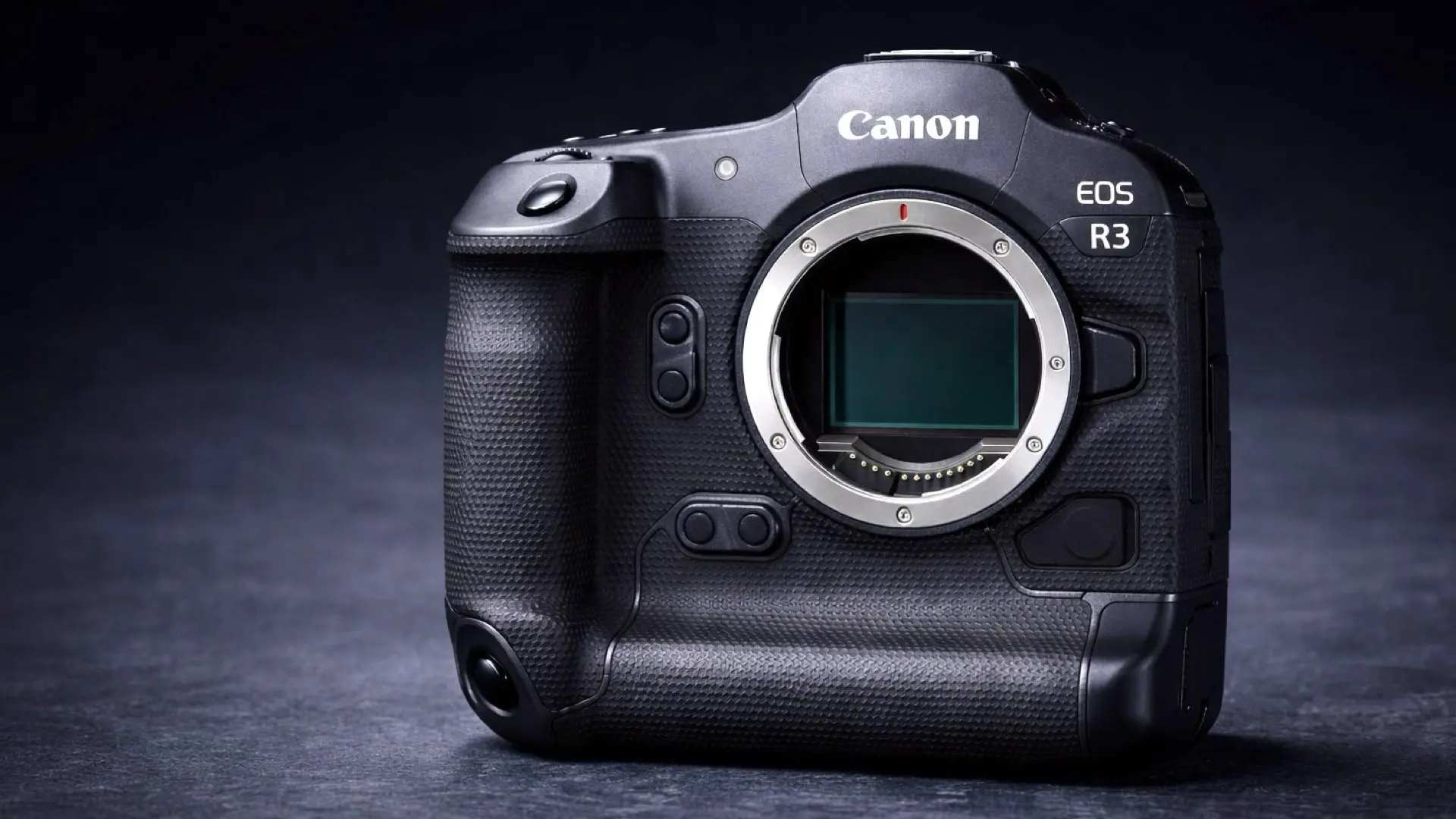
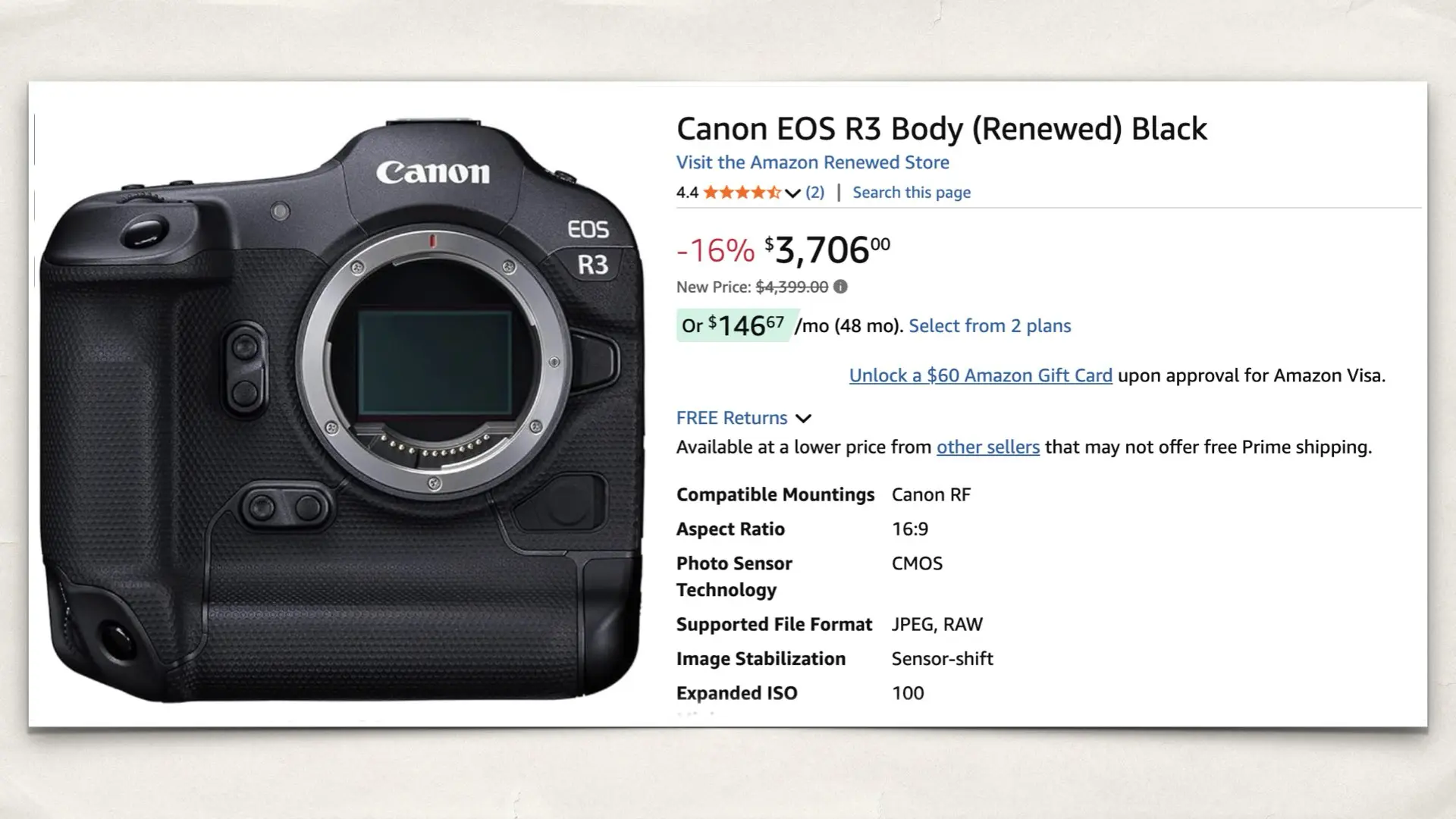
In 2026, something unusual is happening in the flagship mirrorless segment. The Canon EOS R3, once positioned firmly in premium territory, is now listed at 3,700 USD on Amazon Renewed. That places it near the pricing of upper mid tier full frame cameras. The question is no longer whether the R3 is capable. The real question is whether buying a 2021 flagship in 2026 now makes strategic sense.
From premium flagship to value flagship
When Canon first reduced the R3 to 4,999 USD, it marked the beginning of its normalization cycle. We documented that shift in Canon EOS R3 Price Reduced 4,999 USD. At the time, it was viewed as a measured adjustment rather than a repositioning. Later, retail strategies evolved with bundled discounts, explored in Canon EOS R3 Discounts Amazon Bundles. That phase reflected inventory management, not technological decline. Now, at 3,700 USD Renewed, the R3 enters a different economic bracket. It is no longer competing only with stacked sensor flagships. It overlaps with upper mid-tier bodies that were never engineered for professional speed environments. That changes the evaluation criteria.
📦See the Canon R3 on Amazon
What still makes the R3 relevant
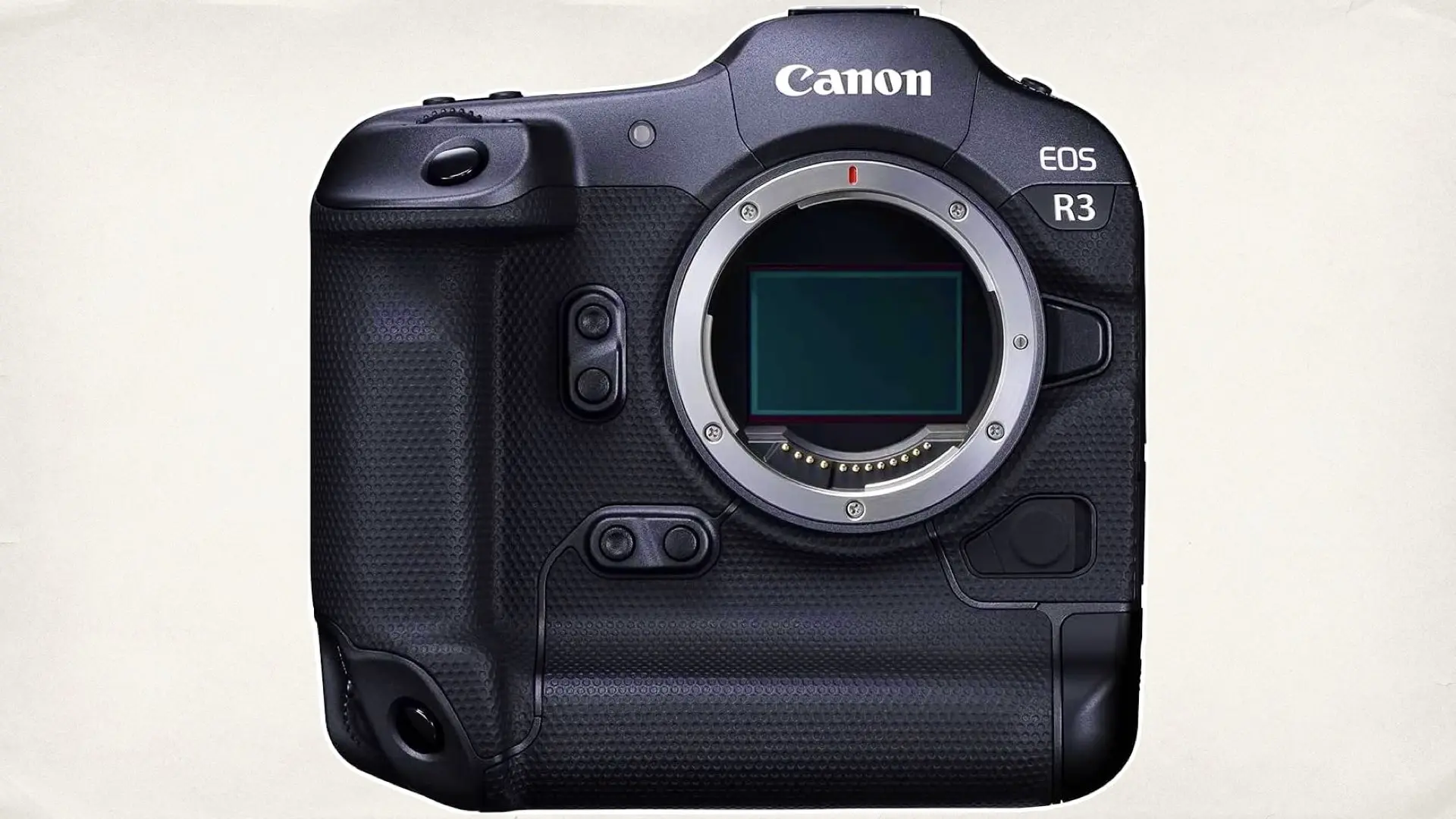
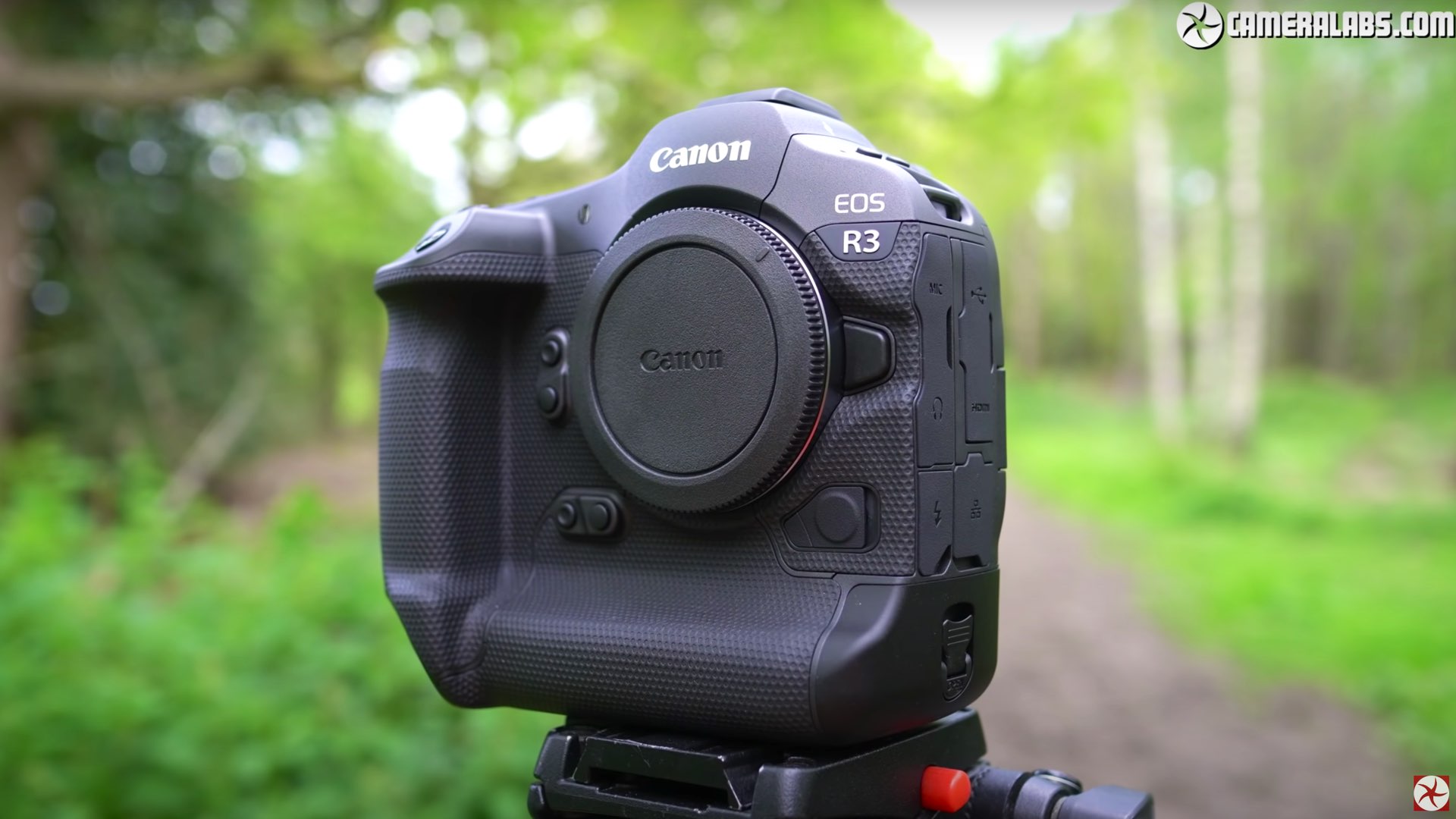
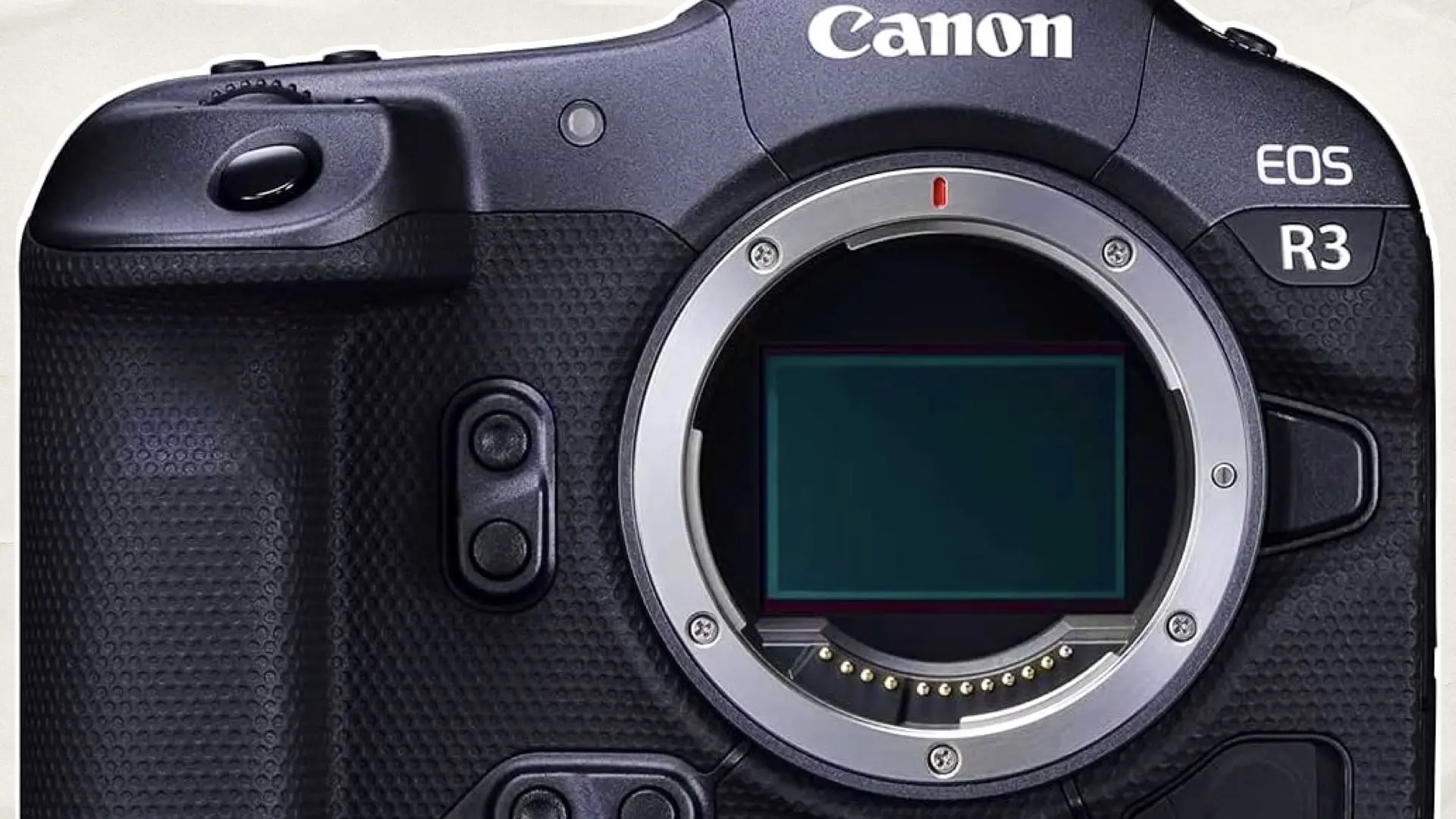
The R3 was built around speed and reliability. Its 24.1 MP stacked CMOS sensor enables fast readout with reduced rolling shutter distortion under electronic shutter. Continuous shooting at up to 30 fps remains competitive for action and wildlife. Autofocus continues to be one of its strongest assets. Subject detection for people, animals, and motorsports remains dependable in dynamic environments. Eye Control AF still provides a distinctive workflow advantage for some professionals. Durability was central to its design. In Can EOS R3 The Toughest Mirrorless Camera to Date, we examined its integrated vertical grip structure and weather sealing. Those fundamentals remain intact. Operationally, it still behaves like a purpose-built sports body.
Where time introduces tradeoffs
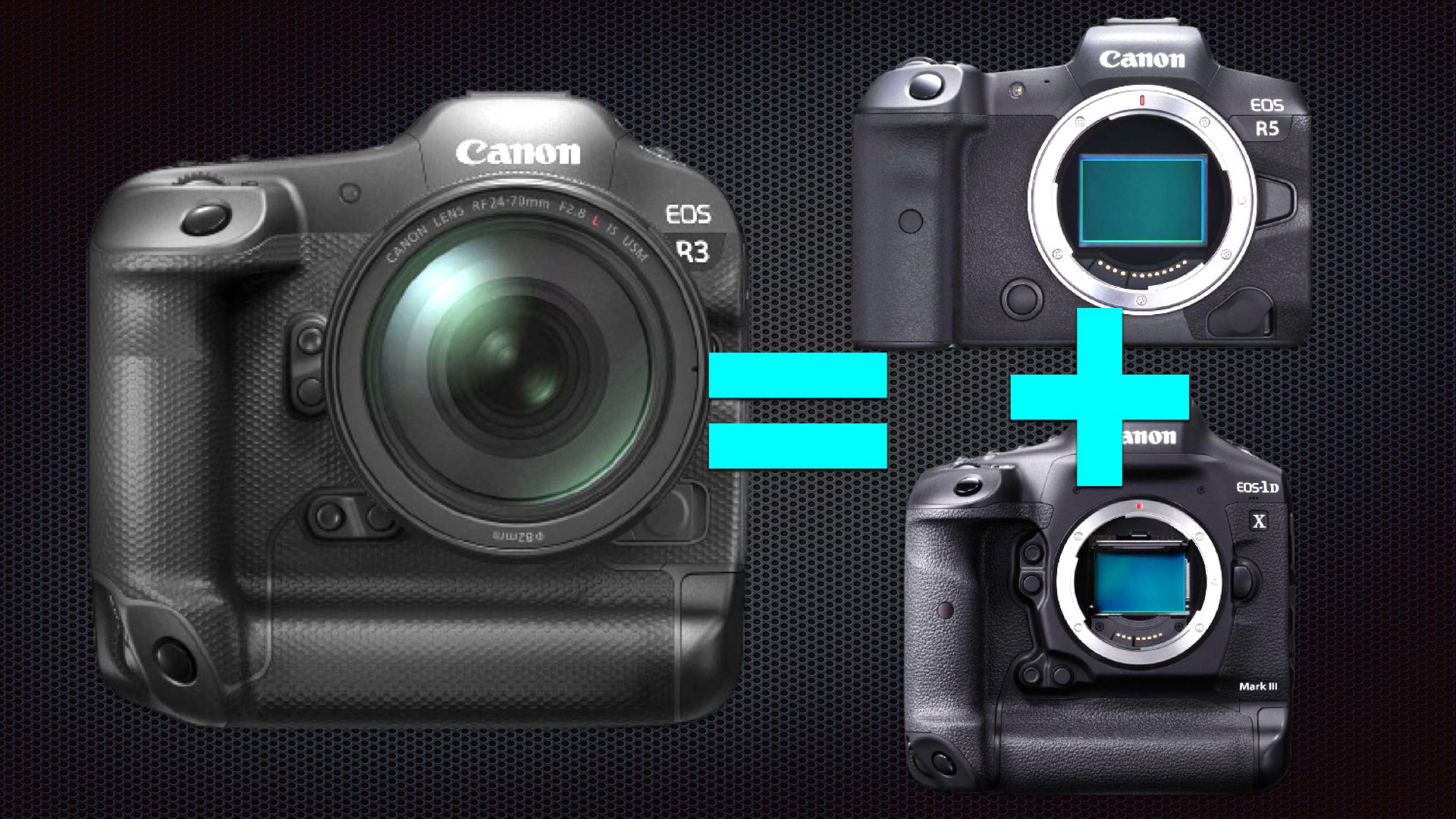
Resolution is modest by 2026 standards. At 24.1 MP, the R3 favors speed over heavy cropping flexibility. Photographers who rely on aggressive reframing may prefer higher resolution bodies. Video features are capable but not cinema-oriented. It does not replace dedicated production systems. Its integrated grip design improves balance and battery life but reduces portability compared to compact mirrorless bodies. These tradeoffs were acceptable at launch pricing. At 3,700 USD, they must be weighed against newer alternatives.

The Renewed factor
Renewed pricing adds another layer to the decision. We have covered this ecosystem under Amazon Renewed. Units are inspected and tested, though not factory new. For a body that relies heavily on electronic shutter performance, mechanical wear is less dominant than in DSLR predecessors. Combined with structured return policies, Renewed becomes a more formal secondary channel. At 3,700 USD, the discount is large enough to move from curiosity to serious consideration.
📦See the Canon R3 on Amazon
The real 2026 dilemma
The R3 at this price creates a genuine decision point. Buy a newer mid-tier camera with updated firmware cycles, or buy an older flagship engineered for professional speed and durability. That tension is what makes this moment interesting. The Canon EOS R3 has not become more advanced. Its technology is mature and proven. What has shifted is hierarchy. When a former flagship competes financially with mid-tier bodies, evaluation shifts from prestige to practicality. For sports and wildlife photographers who prioritize speed and autofocus reliability over resolution expansion, the R3 at 3,700 USD may represent one of the more rational entry points into Canon’s high-performance mirrorless tier. The camera has aged. The question is whether the price has matured into an opportunity. Below is the current Amazon deal.
Who should actually consider It
A sports photographer who needs fast autofocus, minimal rolling shutter, and robust weather sealing may find the R3 at this price strategically efficient. A wildlife shooter who values subject recognition reliability over extreme resolution may reach the same conclusion. A studio portrait photographer focused on maximum detail capture may prefer higher megapixel alternatives. A dedicated cinematographer will likely choose a cinema-oriented system. The R3 at 3,706 USD is not universally optimal. It is context-dependent. Flagship bodies eventually move from aspirational purchases to pragmatic tools. The R3 appears to have reached that transition point. Its technological core remains competent. Its autofocus system is mature. Its durability has been field tested. What has changed is the market positioning. At under 4,000 USD Renewed, the R3 is competing on efficiency. That shift is more interesting than the discount itself.
As an Amazon Associate, Y.M.Cinema earns from qualifying purchases. If you purchase through the Amazon links above, Y.M.Cinema may earn a small commission at no additional cost to you. This helps support our work.