
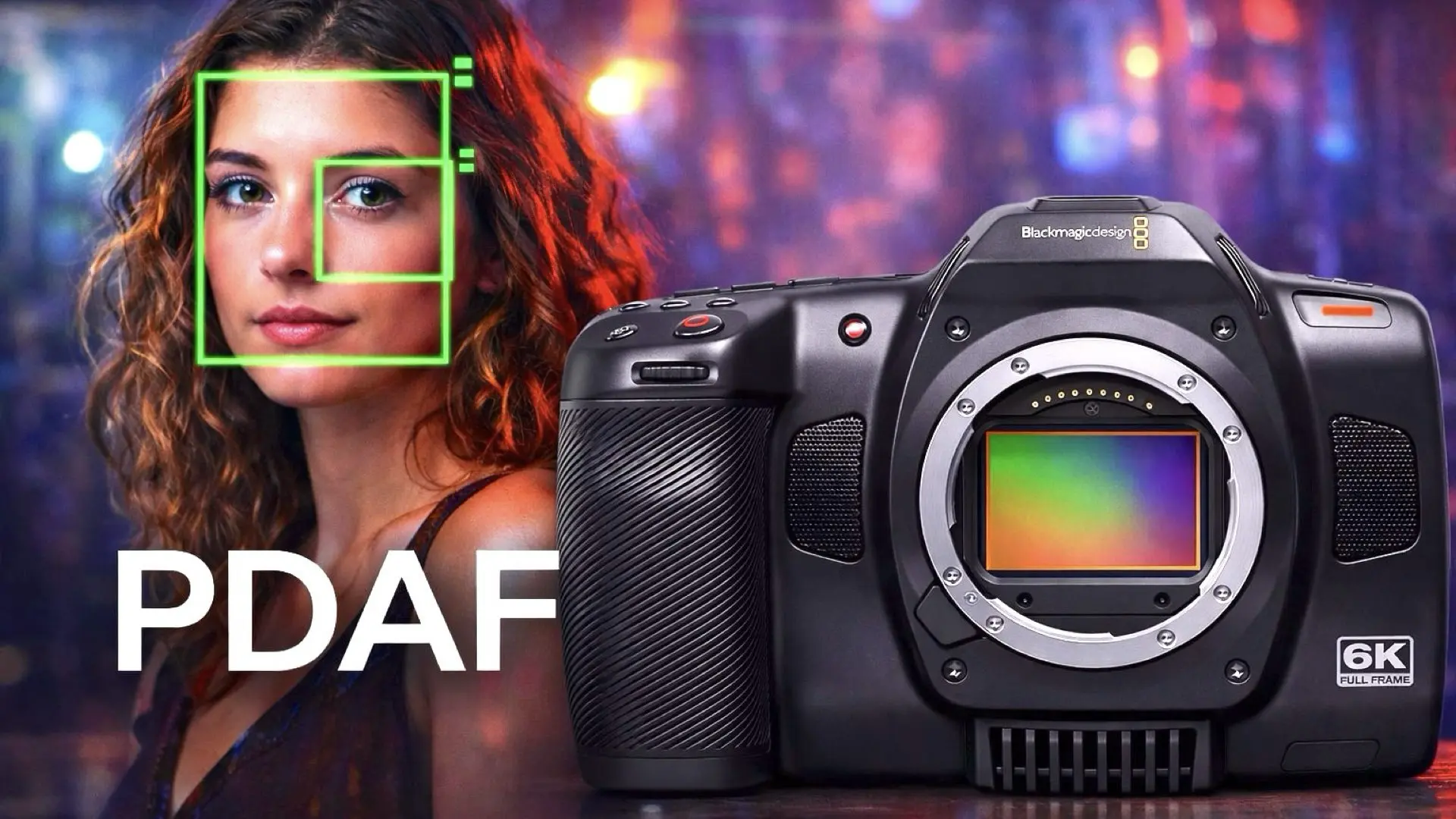
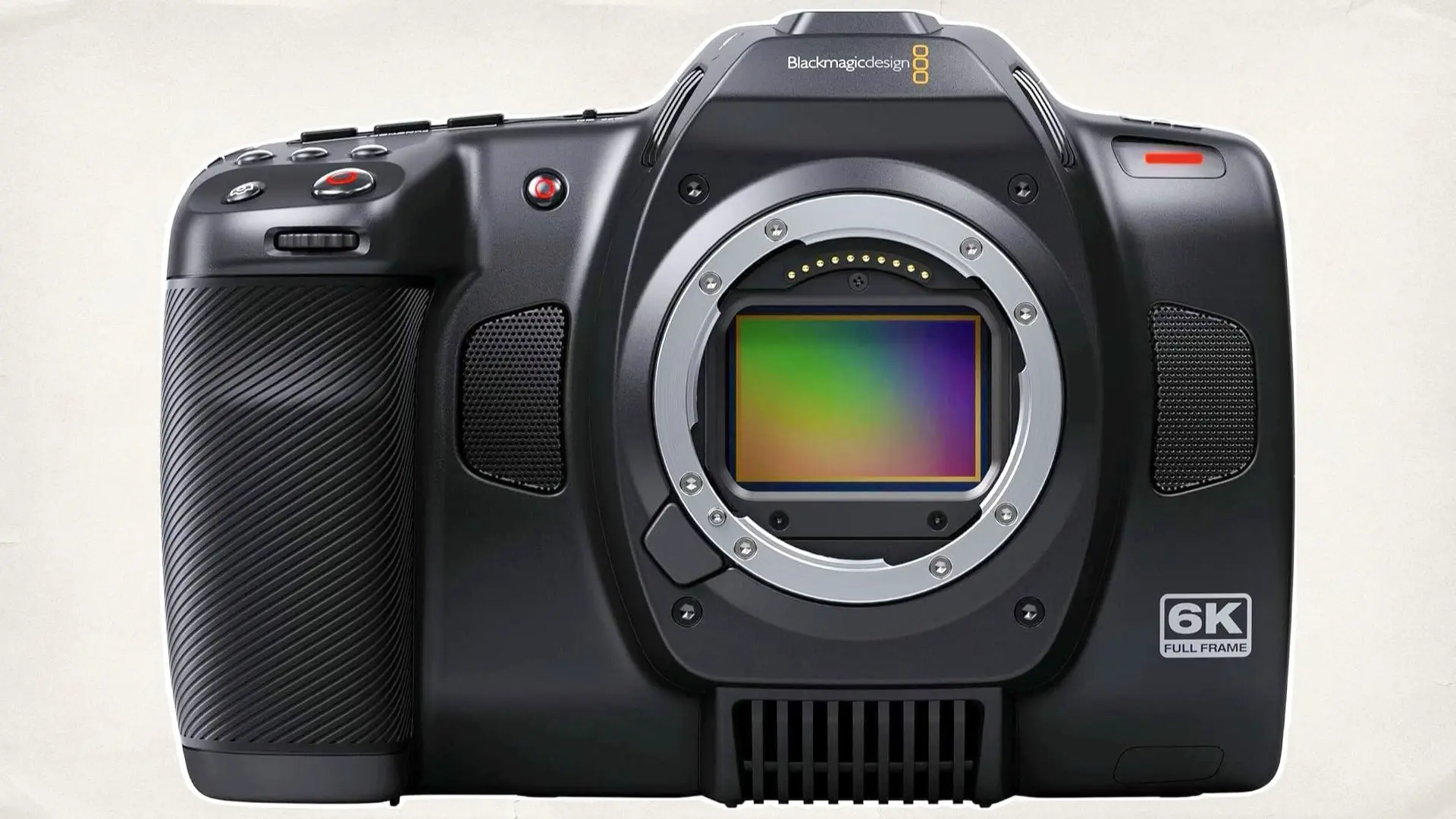
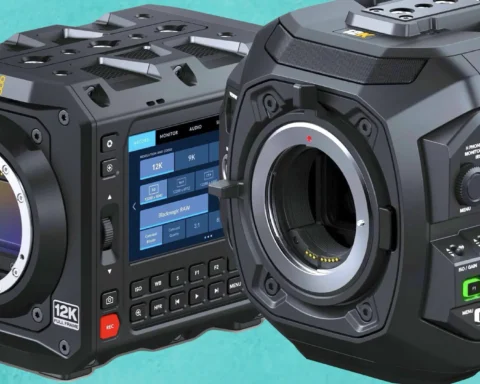
Blackmagic may finally be addressing the one weakness professionals have been quietly waiting to see resolved. A new pre-beta firmware, Version 22, for the Blackmagic Cinema Camera 6K has surfaced through early field testing, and according to filmmaker and YouTuber Clifton Stommel, the improvements to Phase Detection Autofocus are substantial. This firmware is not publicly announced, not officially released, and not considered stable for paid client work. But its existence confirms something important. Blackmagic is iterating PDAF aggressively and closing the gap.
Autofocus as the Achilles heel
For years, Blackmagic focused on what it did best. Color science. Internal RAW. Clean interface design. Cinema first workflows. Autofocus was present, but it was never the headline feature. Continuous tracking performance lagged behind industry leaders such as Sony and Canon, especially in complex multi-subject scenes. That gap has shaped purchasing decisions for solo operators, documentary shooters, and event filmmakers who rely on dependable face tracking.
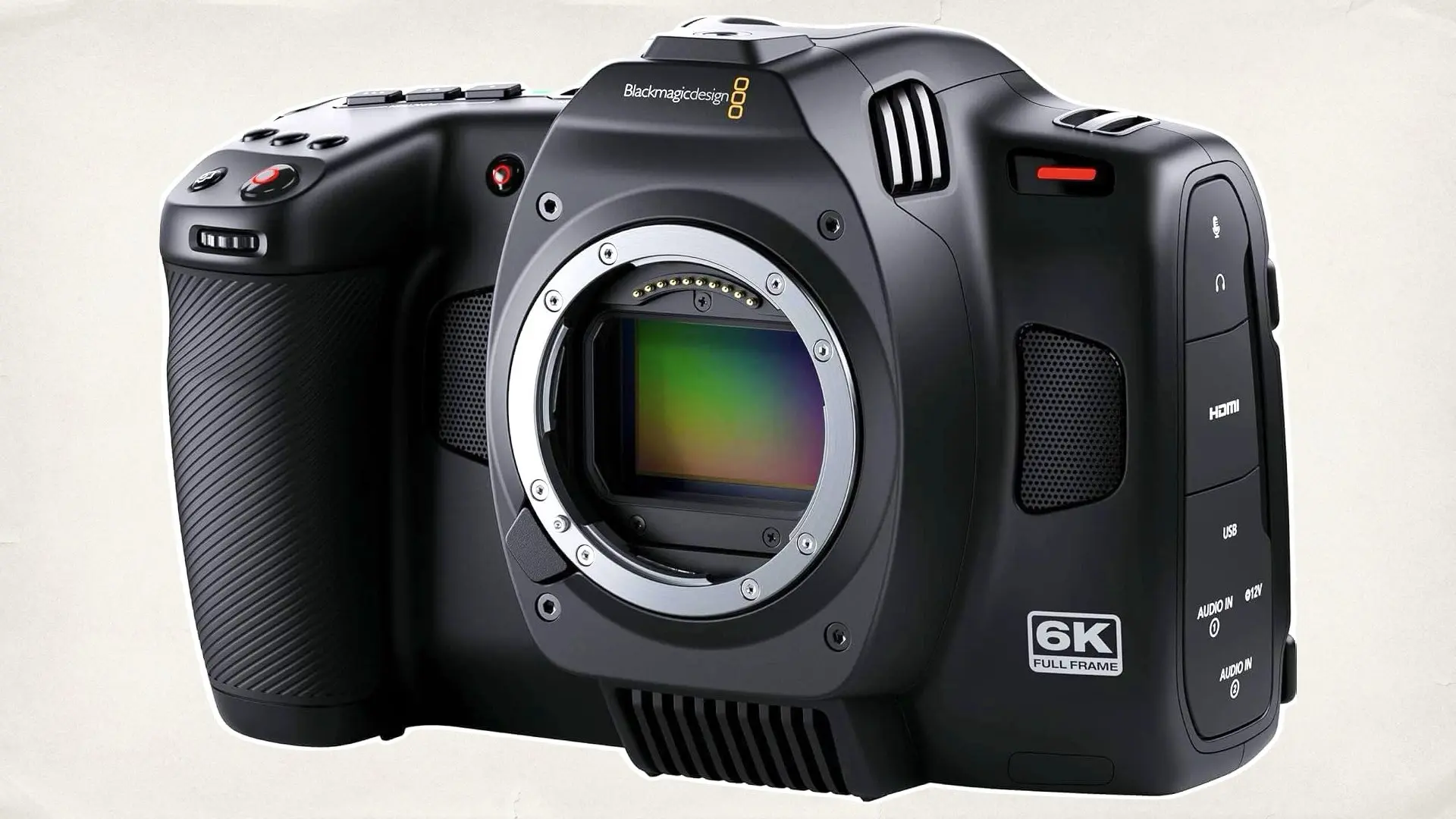
📦 See the Blackmagic Cinema Camera 6K on Amazon
BMCC6K PDAF Firmware 9.9.2 RC22
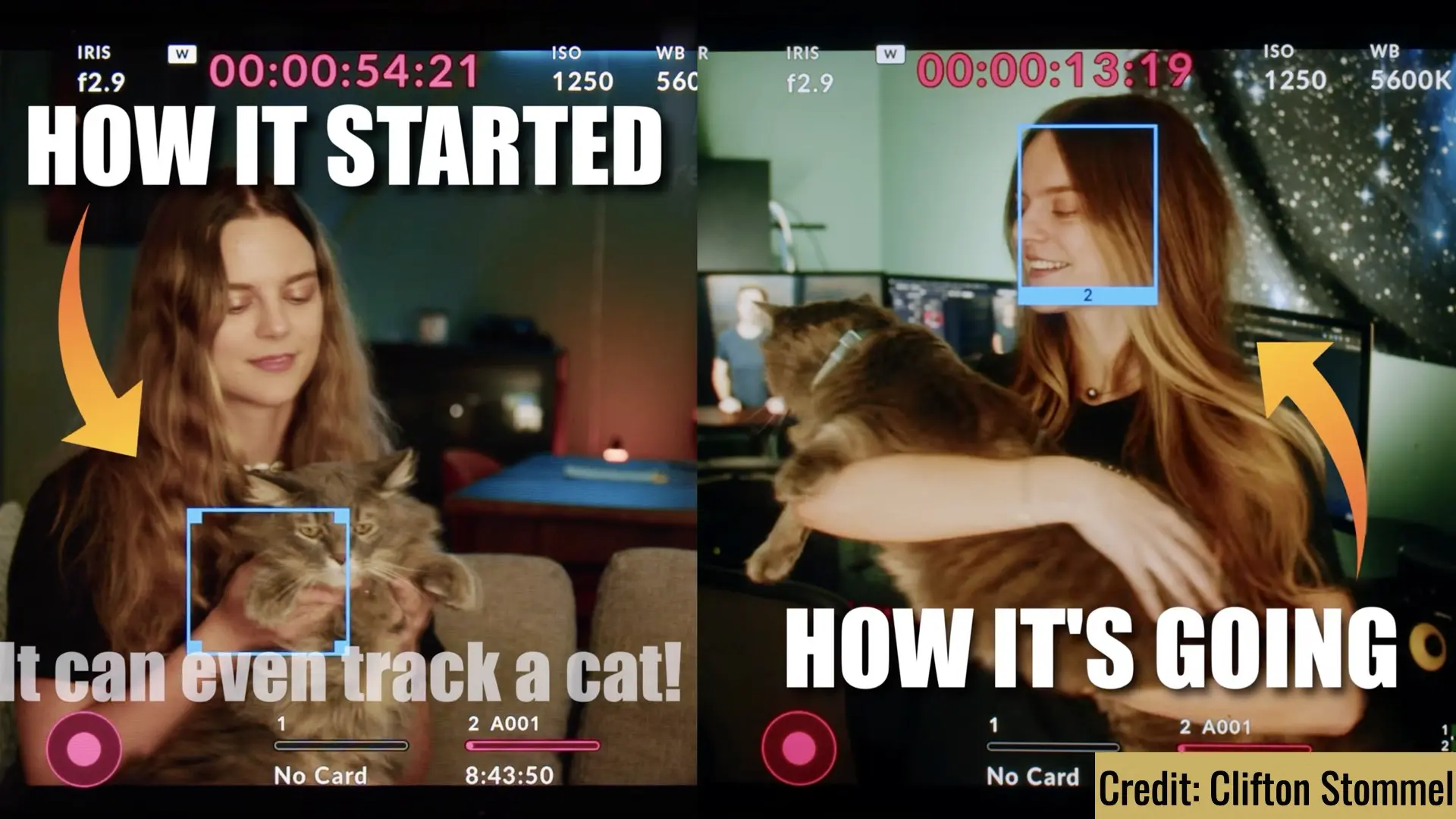
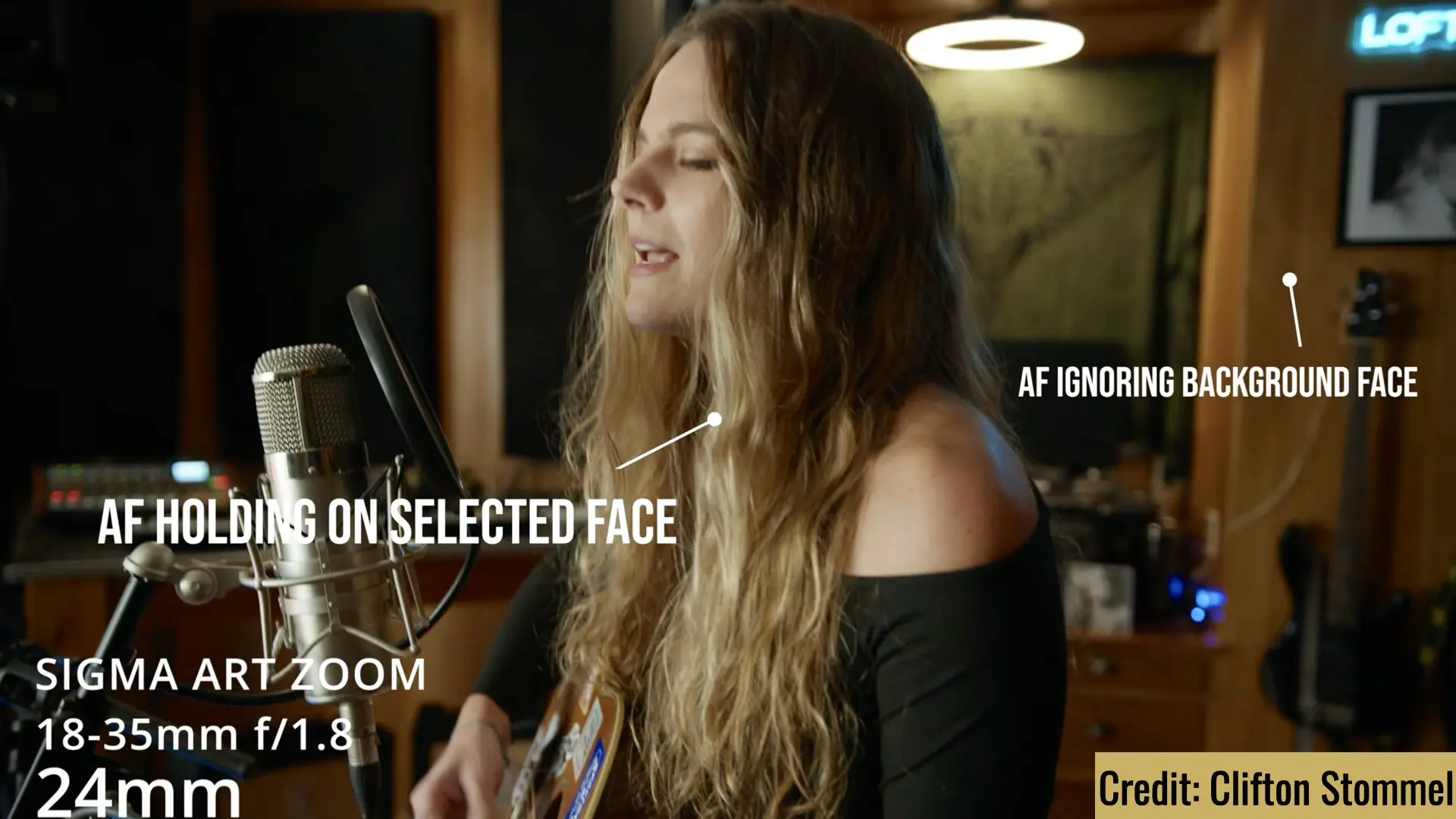
Version 22 suggests a different trajectory (relevant to the Cinema 6K camera, first). According to Stommel’s breakdown, 3 major developer notes define this build. First, a stability fix resolves the media pool playback crash triggered when touching SSD or CFexpress icons. This may seem unrelated to autofocus, but firmware reliability is foundational. Professional adoption depends on system stability. Fixing UI level crashes signals engineering maturity. Second, false positive face swapping in multi-subject environments has reportedly been improved. Earlier builds could jump from one detected face to another when subjects crossed in front of each other. In crowded performances or live events, that behavior undermines trust immediately. The new firmware appears to maintain lock on the primary subject as long as they remain visible in frame. If validated across different lighting conditions, this is a serious refinement. Third, the autofocus tracking box movement has been accelerated and smoothed. Stommel notes this is more of an operator confidence improvement than a complete overhaul of the focusing motor behavior. That distinction matters. Autofocus performance is partly technical and partly psychological. If the box lags or jitters, shooters assume the shot is soft even when it is not. A decisive, fluid tracking animation increases trust on set.
PDAF outperforms much of the current market
The claim circulating is that this firmware outperforms much of the current market. That statement requires caution. True autofocus leadership is measured under stress. Backlit stages. Mixed color temperatures. Low contrast scenes. Long continuous takes at wide apertures. Sony FX-class cameras remain the benchmark in these environments. One early hands-on test does not equal systemic dominance. However, the key development here is not market supremacy but a sustained iteration. Version 22 implies multiple internal refinement cycles focused specifically on subject retention logic and tracking stability. That is new territory for Blackmagic. Check out the video below:
Limitations: Pre-Beta
There is also a limitation that cannot be ignored. This firmware currently exists only for the Blackmagic Cinema Camera 6K full-frame model. It is pre-beta. It has not been publicly released or confirmed by Blackmagic Design. It is not recommended for commercial client work. Users who experiment with unreleased builds assume full responsibility for instability, unexpected behavior, or potential data issues. That warning is not theoretical. Pre-beta software can contain unresolved bugs that only surface under production pressure. Yet the strategic signal remains significant. If Blackmagic successfully delivers reliable face retention, predictable transition behavior, and stable firmware within a full-frame cinema camera offering internal RAW at its price point, the value equation shifts. Autofocus will no longer be the reason to hesitate. Instead, it becomes another strength within a cinema-focused ecosystem.
Final note
This aggressive PDAF iteration suggests a long-term commitment and experimentation. In engineering, gaps do not close through marketing claims. They close through disciplined refinement, version after version. Version 22 may not be the final step. But it confirms the direction. Here you can try it out.
As an Amazon Associate, Y.M.Cinema earns from qualifying purchases. If you purchase through the Amazon links above, Y.M.Cinema may earn a small commission at no additional cost to you. This helps support our work.









I thought PDAF required a special sensor with photosites dedicated to PDAF.
“Pre-Beta”??? Just call it Alpha Firmware.