
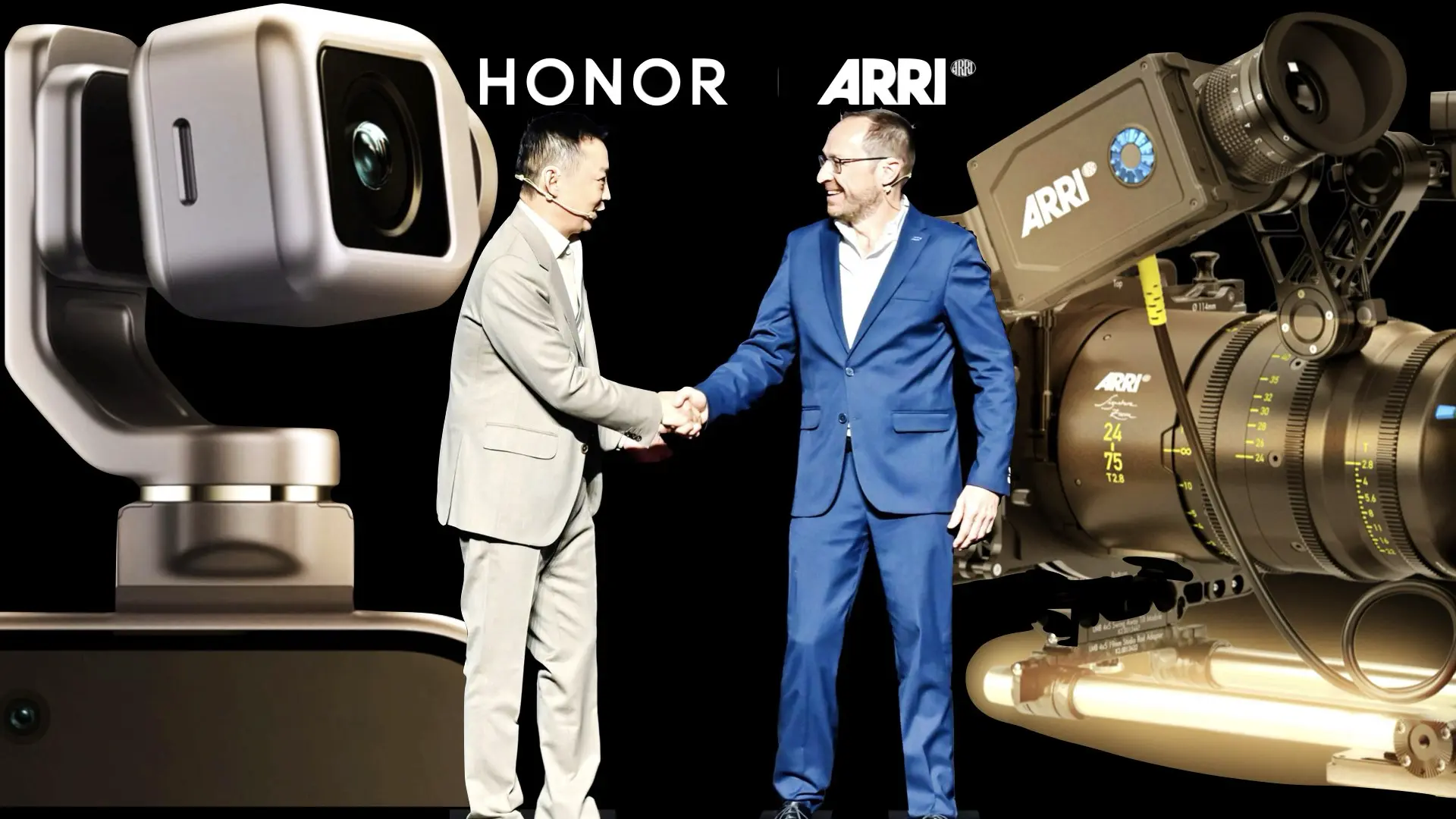
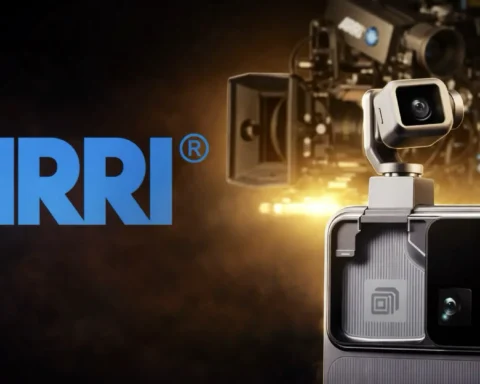
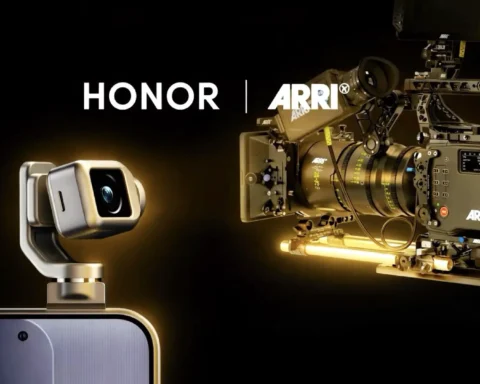
The recent announcement that ARRI will bring its imaging technology into the upcoming HONOR ROBOT PHONE has sparked an intense debate across the cinematography and tech communities. While the partnership represents a historic moment for mobile imaging, many professionals and enthusiasts are questioning whether a legendary cinema brand should enter the smartphone ecosystem at all. The controversy emerged shortly after ARRI confirmed that core elements of its Image Science would debut in the HONOR ROBOT PHONE, a device expected to launch later in 2026. As we previously reported in ARRI Announces Its Technology Will Debut in HONOR’s ROBOT PHONE and ARRI HONOR Strategic Partnership: Mobile Imaging, the collaboration aims to translate cinematic imaging principles into mobile hardware for the first time.
From cinema heritage to smartphone cameras
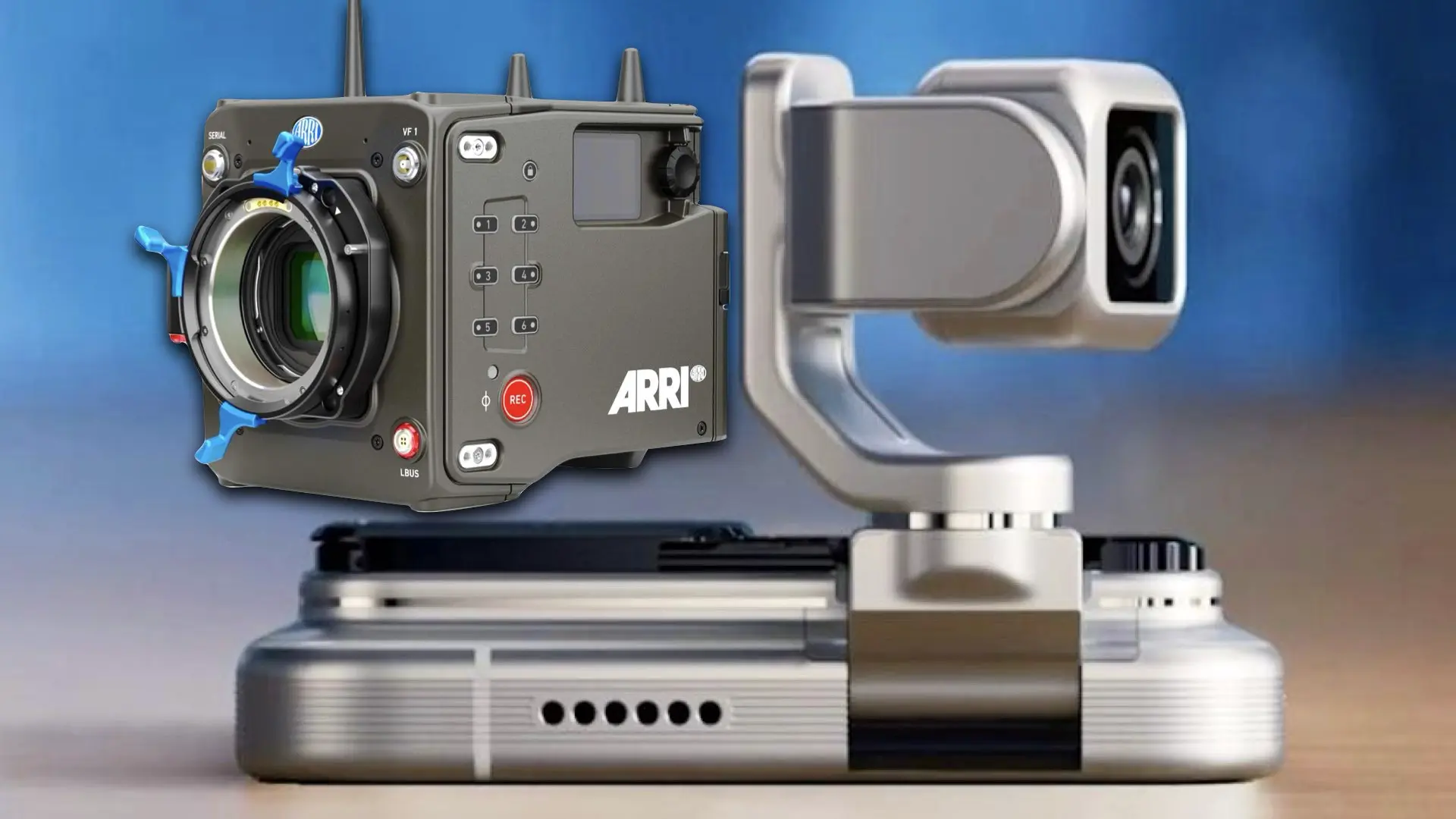
For more than a century, ARRI has defined the visual language of cinema through cameras such as the ARRI ALEXA. Its reputation is rooted in color science, highlight roll off, and image consistency rather than consumer electronics. The partnership with HONOR, therefore, represents a significant shift in the company’s technological direction. According to the companies, the collaboration is intended to apply ARRI’s cinematic imaging principles to mobile photography and video pipelines. The goal is to deliver natural color rendering, gentle highlight transitions, and a workflow that allows creators to move more easily from mobile capture into professional post production environments. However, this transition from cinema hardware to consumer devices has raised questions among filmmakers who view ARRI as one of the most exclusive brands in professional filmmaking.
The RED phone comparison returns
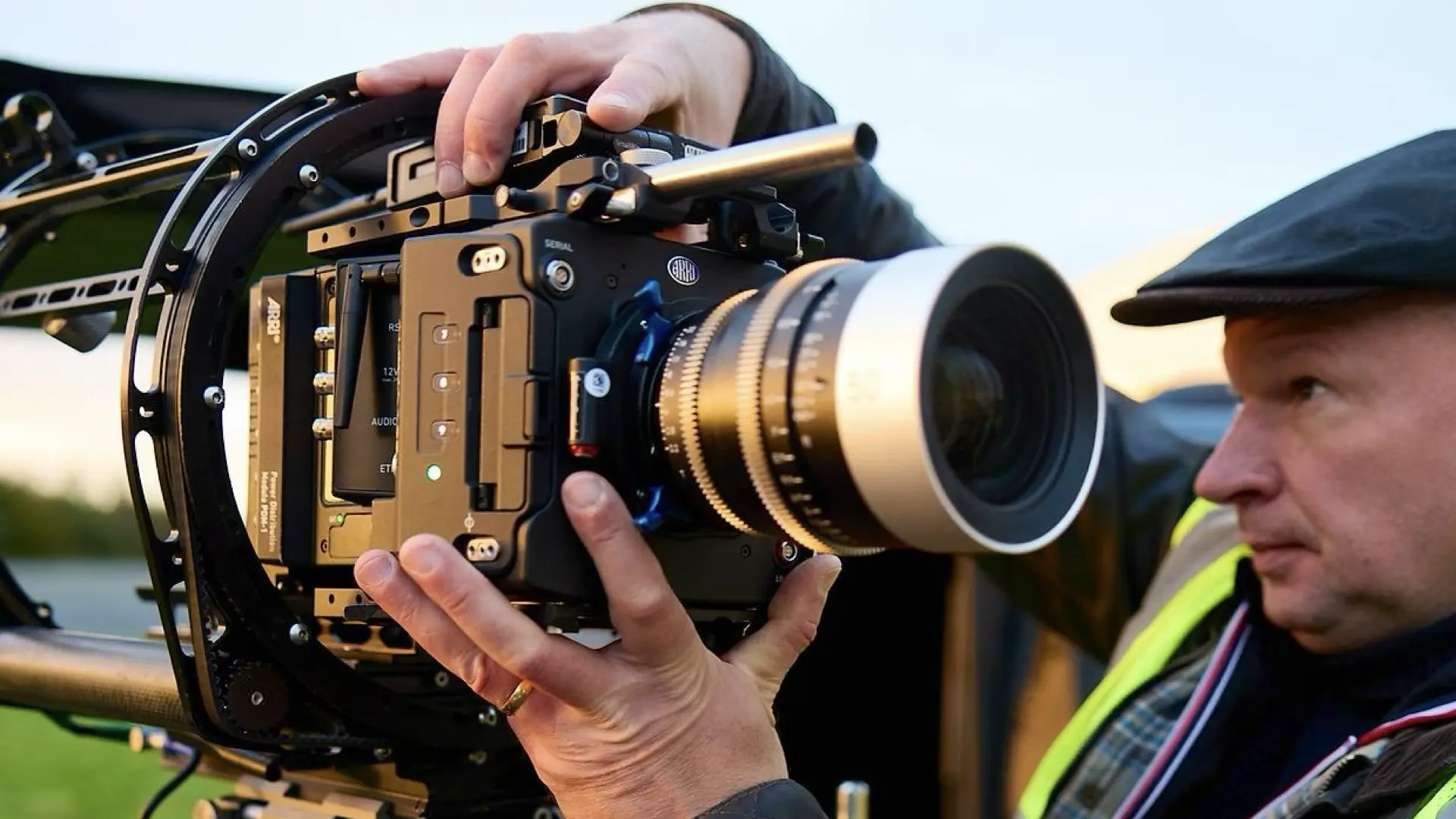
One of the most common comparisons emerging online is with the failed attempt by RED Digital Cinema to enter the smartphone market with the RED Hydrogen One. That device was introduced with similarly bold claims about revolutionizing mobile filmmaking, but ultimately struggled due to limited adoption and underwhelming hardware. The memory of that project has resurfaced in discussions surrounding the ARRI collaboration. For critics, the concern is that the partnership could follow a similar path if the integration of ARRI technology proves to be mostly symbolic rather than deeply embedded into the imaging pipeline.
Brand dilution concerns
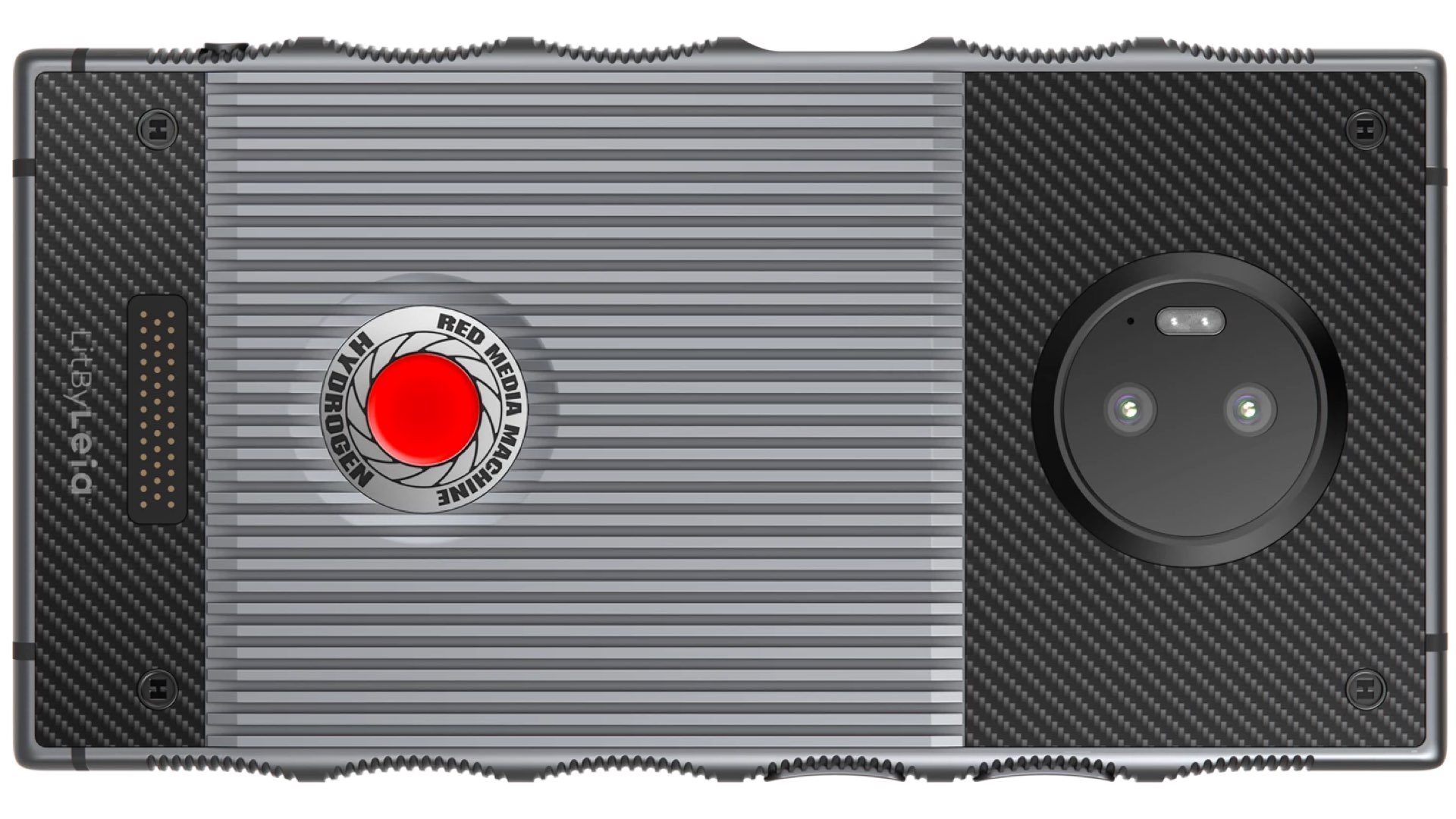
Another argument raised by skeptics focuses on brand perception. ARRI has historically operated at the very top of the professional camera market, producing equipment used in major Hollywood productions and high-end television. Some cinematographers argue that entering the smartphone ecosystem could weaken that perception of exclusivity. A company associated with cameras costing tens of thousands of dollars, suddenly appearing in consumer devices, may create tension between prestige and accessibility. Yet others see the move differently. They point out that similar collaborations already exist across the industry. For example, premium photography brands have partnered with smartphone manufacturers to bring their color science and optical expertise into mobile devices. From this perspective, ARRI’s move could represent the next step in the evolution of smartphone imaging rather than a departure from its core identity.

The Robot phone itself
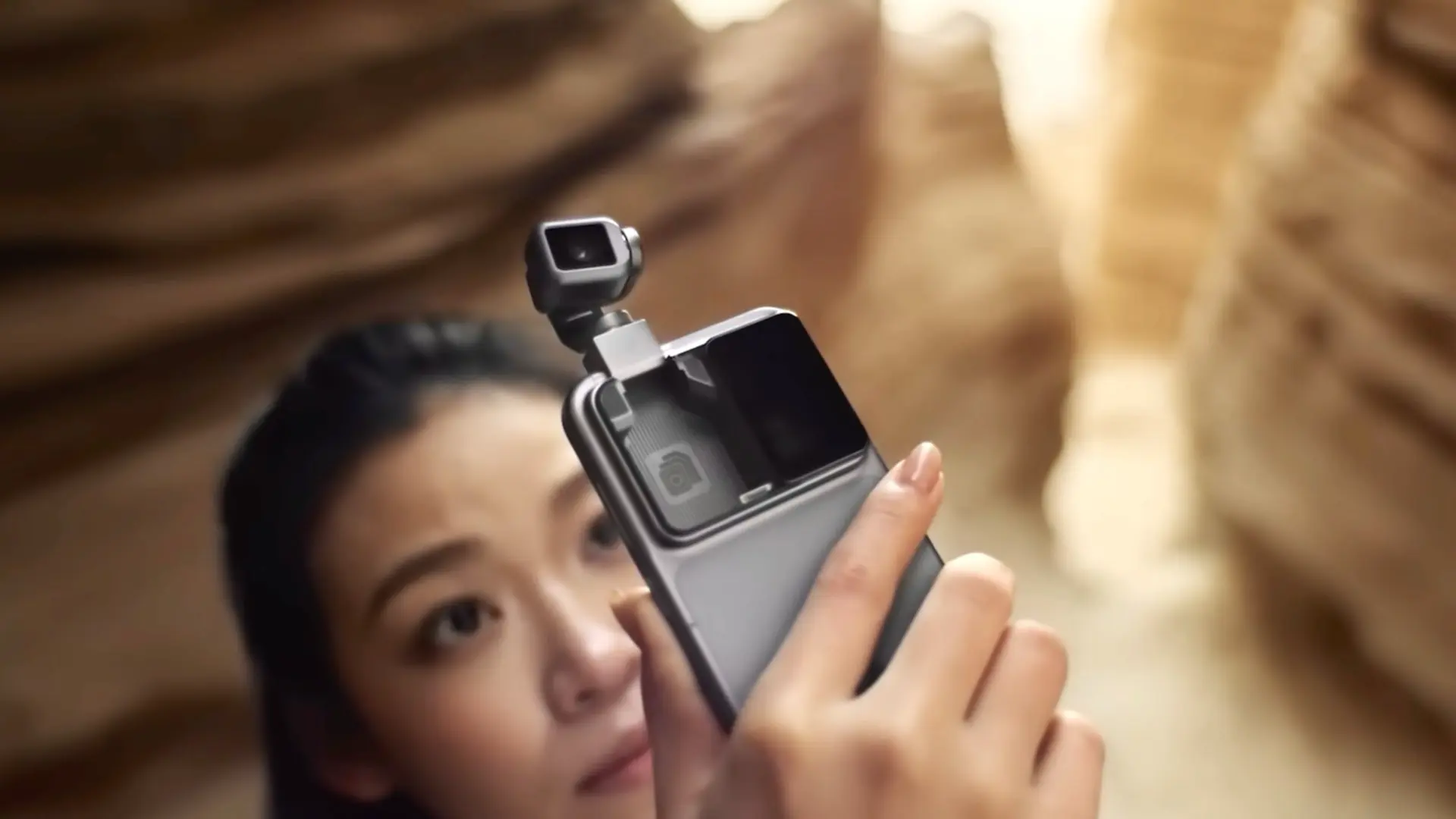
The debate is intensified by the unusual nature of the device that will debut ARRI’s technology. HONOR’s ROBOT PHONE features a mechanical camera arm equipped with a high-resolution sensor and a miniature multi-axis gimbal system designed to track subjects and stabilize video automatically. The robotic camera module can physically move to follow subjects and adjust framing during recording. Combined with AI-driven tracking and stabilization, the device is designed to bring cinematic camera movement into a smartphone form factor. For some observers, the concept represents a bold leap in mobile videography. For others, the mechanical complexity and experimental design raise concerns about durability, cost, and real-world practicality.
A strategic move toward the next generation of creators
Despite the backlash, the reasoning behind the partnership is relatively clear. Smartphones are increasingly used for professional filmmaking, even appearing in major productions. ARRI executives argue that bringing cinematic image science to mobile devices can help bridge the gap between professional cinema tools and the next generation of content creators. The collaboration, therefore, reflects a broader shift within the imaging industry. As computational photography and AI-driven video capture continue to evolve, the line between traditional cameras and smartphones is becoming less defined. Whether ARRI’s reputation strengthens or weakens as a result of this experiment will depend on the final product. If the ROBOT PHONE genuinely delivers cinematic color behavior and professional workflow compatibility, the collaboration could mark the beginning of a new chapter for mobile filmmaking. For now, the reaction remains mixed. Some see the partnership as a bold expansion into the future of imaging. Others view it as a risky move for one of cinema’s most respected technology companies. Either way, ARRI’s entry into the smartphone world has already accomplished one thing. It has started a conversation about where the future of filmmaking technology is heading.



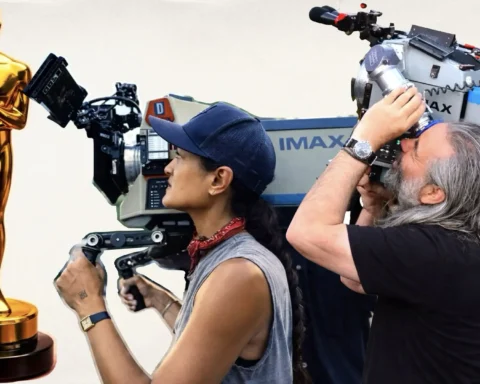

The future of filmmaking technology is heading into the crapper. Actually, it’s already there. All the once great camera/cinema companies have become laughing stocks. From IMAX to ARRI, it’s just plain embarrassing at this point. When are these companies going to learn — or relearn, or remember what they once knew — that cinema is film? It’s not higher resolution digital sensors with larger dynamic range, or AI nonsense, or 8K projection, or other gimmicky digital technological bells and whistles; it’s FILM. Film running through cameras, shot by cinematographers who actually know what they’re doing with light, chemical processing, editing done by real artists and competent colorists (not people faking it sitting on a computer), and ultimately film release prints being projected at the theater are what create the “magic” that is — correction: was — the movies. Until we get back there, the “magic” is gone. And if we never get back there, then cinema is sadly altogether dead, forever.
Unfortunately what you refer to as Cinema is indeed changed. If you’re under the delusion that theaters will go back to projection with release prints, you have to grow up. All but a few of movie theaters have a screen or two that may still have the ability to use their old projectors. If you’re thinking that the studios will take on the expense of printing prints which have a limited lifetime when they have already become comfortable with Digital, that will never happen. All of this technology doesn’t matter. A competent script which will appeal to audiences is and will always be the key. That may get people back into the theaters but again most films will be streamed eventually and most people will unfortunately wait….
Dude, please don’t tell me to grow up. I think it’s pretty clear based on what I wrote that I find it doubtful film prints will be coming back as the standard. Did you read my last sentence? Yeah, it’s clear that I’m not under any delusion. But the fact remains, cinema is not cinema without film, both in terms of capture and projection. And that effectively makes theaters nothing more than large TVs, and what’s being shown at them nothing more than made-for-TV movies. And given that, yeah, you’re absolutely right — most people aren’t going to go to a theater to watch something rather than wait to watch it at home, even if it’s a really, REALLY good movie (of which there are hardly any today). In the age of digital projection there’s no incentive to go to the theater whatsoever. None. As I said before, there is no “magic” with digital projection. The “magic of the movies” is gone as it was intrinsically linked to film prints/projection, whether people realize it or not. So, yes, as things currently stand, cinema is dead. You are correct, however, in saying we need movies with quality scripts. But that alone isn’t enough to put people back in theater seats, because the “magic” is still gone. Again, it’s just a big TV now for all intents and purposes. There’s very little draw in that. You say technology doesn’t matter, but it does. Technology is what ruined everything in the first place. People desperately need to quit looking at it to fix or improve things in this industry. It never has. It never will. It has only done harm, and will only keep doing harm.
That’s what happens when a well known camera brand that offers quality image to a small group of people who can afford this equipment. ARRI has to get bought out by an another company that is willing to tackle their ongoing debt and issues they are facing today. Most average people don’t even know what ARRI is. They what IMAX is because it was far more ingrained into the average person’s life
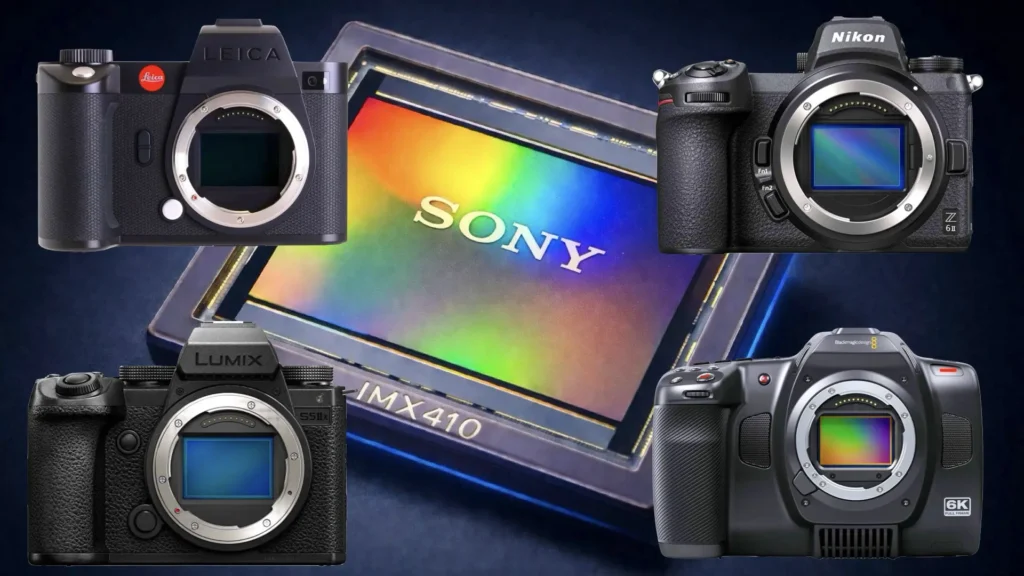
Blackmagic, Sony, Apple, and Nikon (RED) understood that affordability and content creation play a major role in how newer films and tv shows can be produced. Their cheaper gear makes it easier for anyone to get into the field much quicker while Arri you to spend of paying the price of a Honda Civic. Who wants to be dropping themselves into debt and put them selves in even more debt. Film producers would be crashing out due how things go over the budget. That’s where cameras like Apple, Sony, Nikon, and Blackmagic can come in and provide a ecosystem that is far more attractive to filmmakers.
Iron Lung which was adaption of a video game was directed and produced by a YouTuber with small budget and managed to break box office due to how well produced it was. You don’t need big Hollywood studio deals to make a film or a TV shows. You just need someone who cares about making art while not breaking your bank.
This DJI iPhone idea is just not it. This is how you allow yourself to get bought out by someone else after you just realize you got scammed.
Arri is dead. So is Panavision, IMAX and just about everyone else. They will all fall one by one, some faster, some by slow bleed. Some will get dissolved and bought by Chinese popcorn electronics makera, some (like “certain” car brands) will only survive by the name licensed to some sad-to-witness ventures, others will simply fall into oblivion. And positively no one in a couple decades will even remember any of them or who they once were. And AI will take care of annihilating the rest of the still standing because money, costs and profits rule the world. From set building to matte painting and compositing, from locations to virtual environments, from green screens to full CGI, from shotting and editing film to digital everything and from whatever is left to almost nothing at all, when AI really kicks in, the void is the new all. And that party hasn’t actually started yet, but it will and when studios realize they can make movies from start to finish, from storyboarding to music composition, from idea to a finished product in a matter of weeks instead of years and for thousands instead of millions, there will be no turning back. Ohhhh yeah, and “actors” being paid million per movie? Thoze times are coming to an end faster than reality will bite them all combined as they will all be as inconsequential or unnecessary as their bank accounts and lifestyles vanish into a far far away memory of times gone by. Thousands of people involved in conceiving, making and distributing movies? Millions spent on equipment? DPs, composers, performers, art directors, set designers……. catering? Are you kidding me? Anyway.. it’s been fun and personally I don’t give a f…k if a “film” is analog, digital, CGI or AI. The only thing I care is that everything gets worse by the day because good stories are almost gone and the what was once an art of a few has become the “I do that to” of just about everyone around. We have all become creators of crap instead of marveling in the creation of some. The true medium is being forgotten, burried and fossilized all into super fast consumption garbage that has already become all literally unwatchable. And few even notice it. To sum up, the medium really doesn’t matter.. Arri, iPhones or AI video editors. What matters and most tragic is that fundamentally no matter the tools (or lack of) the art storytelling is dying as well and faster that the new virtual tools and language that is unstoppable and superseding it.