
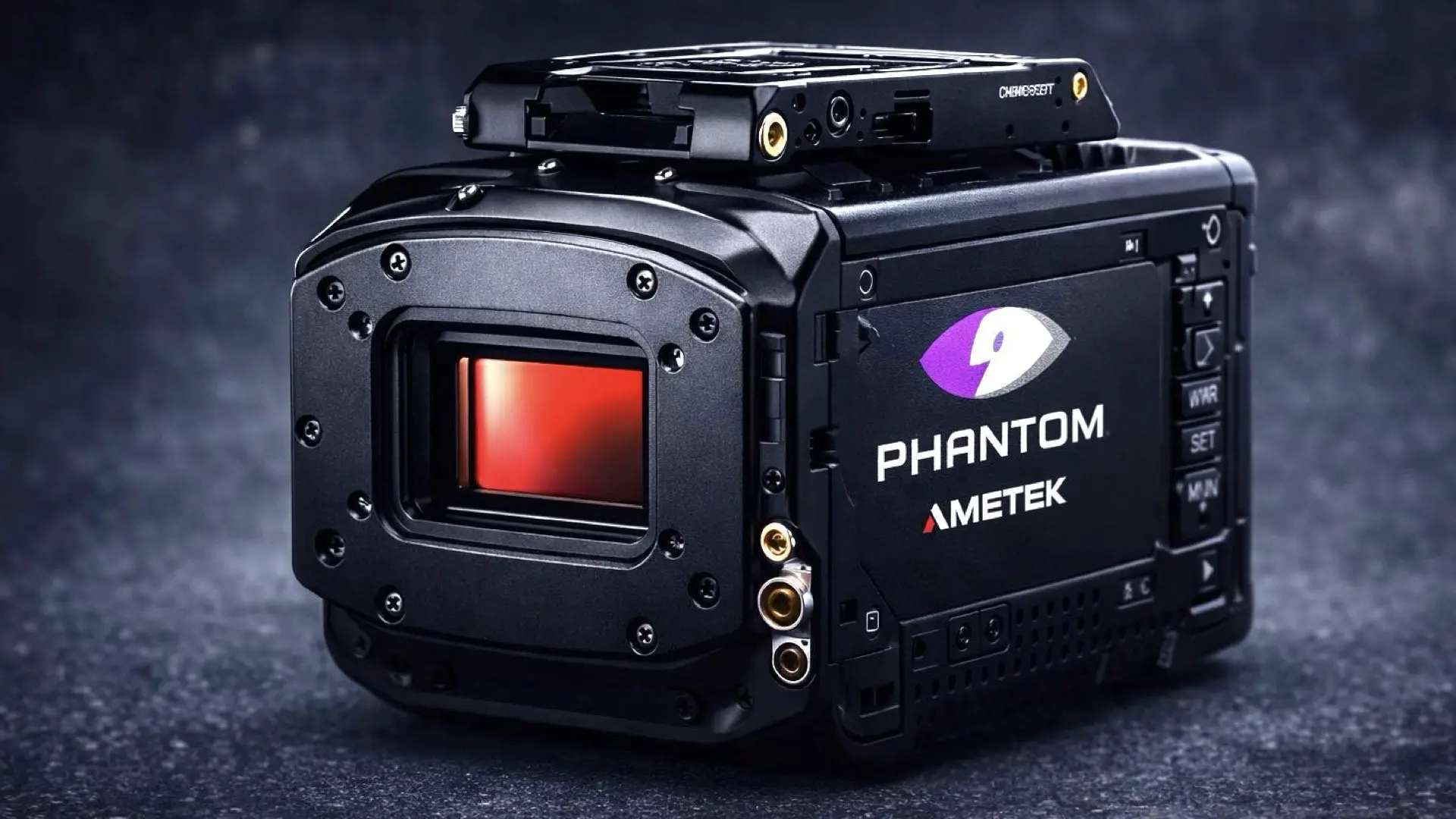
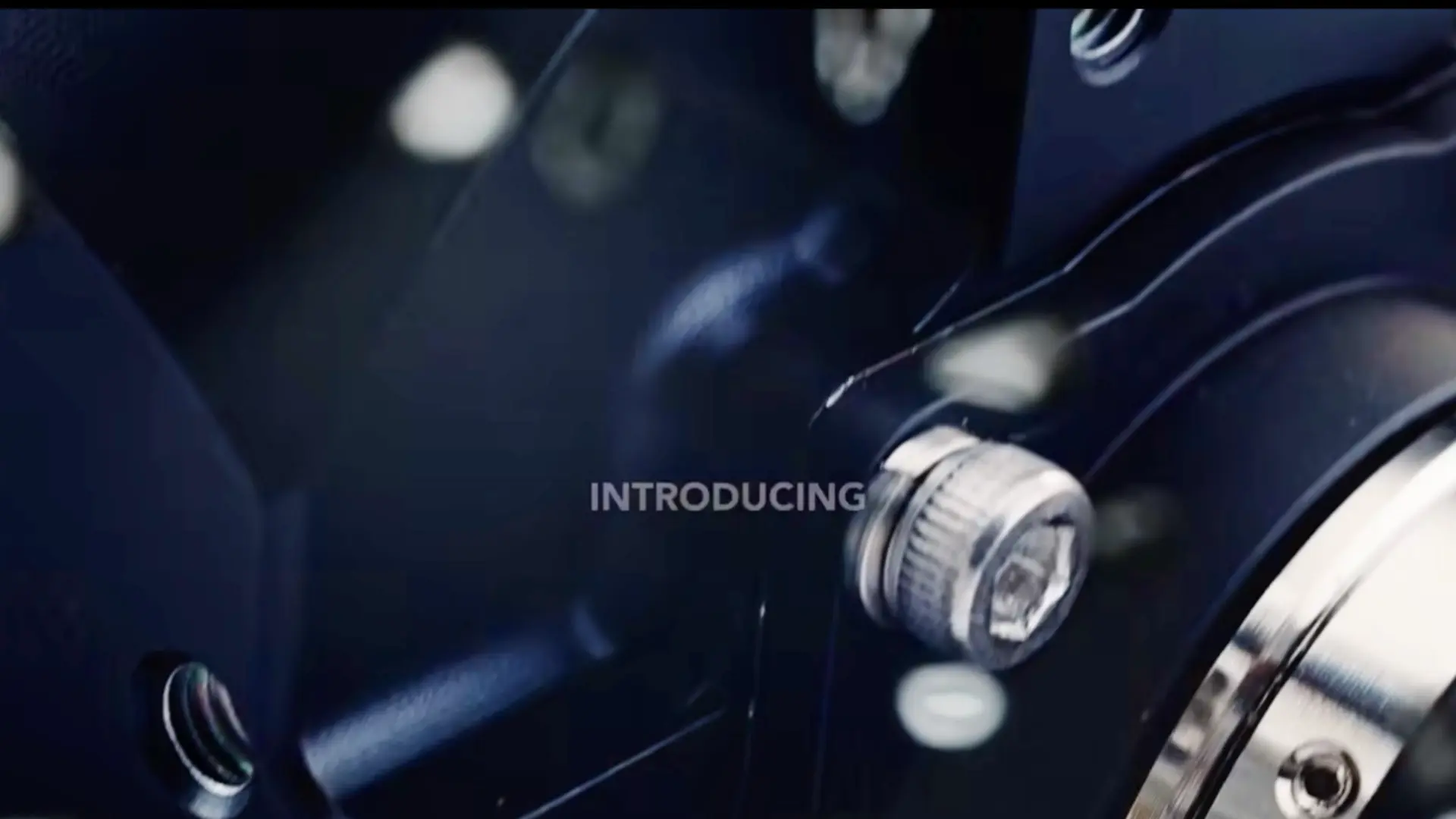
Vision Research has released a short teaser (on its LinkedIn page), a few controlled frames, and a carefully worded announcement. That is all. Yet, even within that limited material, a very clear direction emerges. This is not simply another iteration of a Phantom camera but a shift in how high-speed imaging systems are designed, deployed, and ultimately understood. Let’s investigate it a bit.
From observing crashes to living inside them
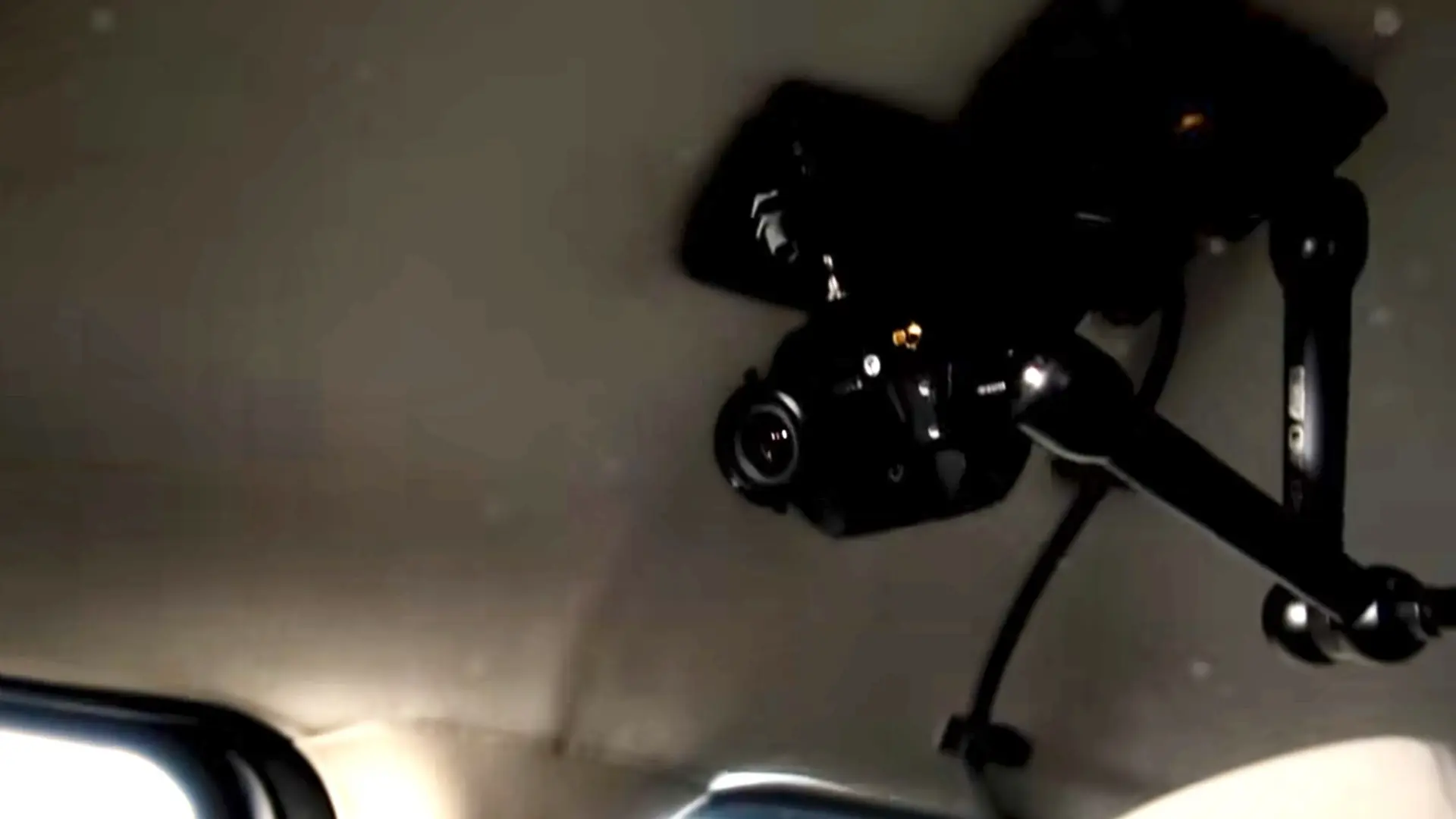
The most striking element is not hidden in the text, but in the imagery. One of the teaser frames shows the camera mounted inside a vehicle cabin, attached via an articulated arm, positioned close to where the physical event unfolds. This is a meaningful departure from traditional high-speed setups, where cameras are often placed outside the impact zone, protected, observing from a distance. Here, the camera becomes part of the event. It is exposed to violent deceleration, structural deformation, and chaotic forces that would destroy most imaging systems. The 170G shock rating mentioned in the announcement is therefore not a marketing flourish. It is a requirement for this new deployment philosophy. The camera is designed to survive the crash itself, not document it from safety.
The future of high-impact testing is almost here! Our upcoming Phantom high-speed camera release represents a technical leap in high-speed imaging for automotive, aerospace, and general transportation crash testing. This new generation of cameras combines a 170G shock-rated form factor with a scalable architecture that maximizes data density while surviving repeated high-impact events. By delivering uncompromising image quality and low noise, the series provides the precision required for critical measurements like Digital Image Correlation (DIC) and 3D structural analysis. It also includes a future-ready platform, simplifying complex setups and offering a flexible upgrade path.
– Vision Research
Why proximity changes everything
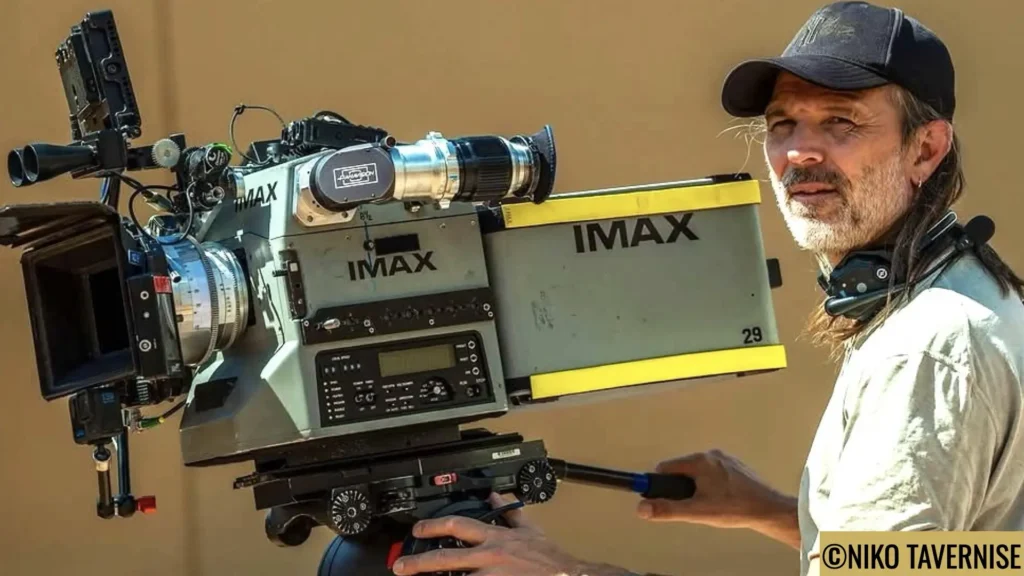
That shift has consequences. Once a camera can live inside the event, the data it captures changes in quality and in meaning. Proximity improves fidelity. Perspective becomes more relevant. Measurements become more precise. This directly connects to Vision Research’s explicit mention of Digital Image Correlation and 3D structural analysis. These are not cinematic applications. They are scientific workflows that depend on pixel-level consistency, low noise, and geometric accuracy. Even minor instability in the sensor or optical path introduces measurable error. The teaser’s emphasis on image quality and low noise should therefore be interpreted as a core upgrade, not a secondary feature. And don’t forget, even Michael Bay (our hero 🙂 said once: “To get the most intense shots, the camera must be located inside the action”. So there you go.
The sensor is no longer hidden
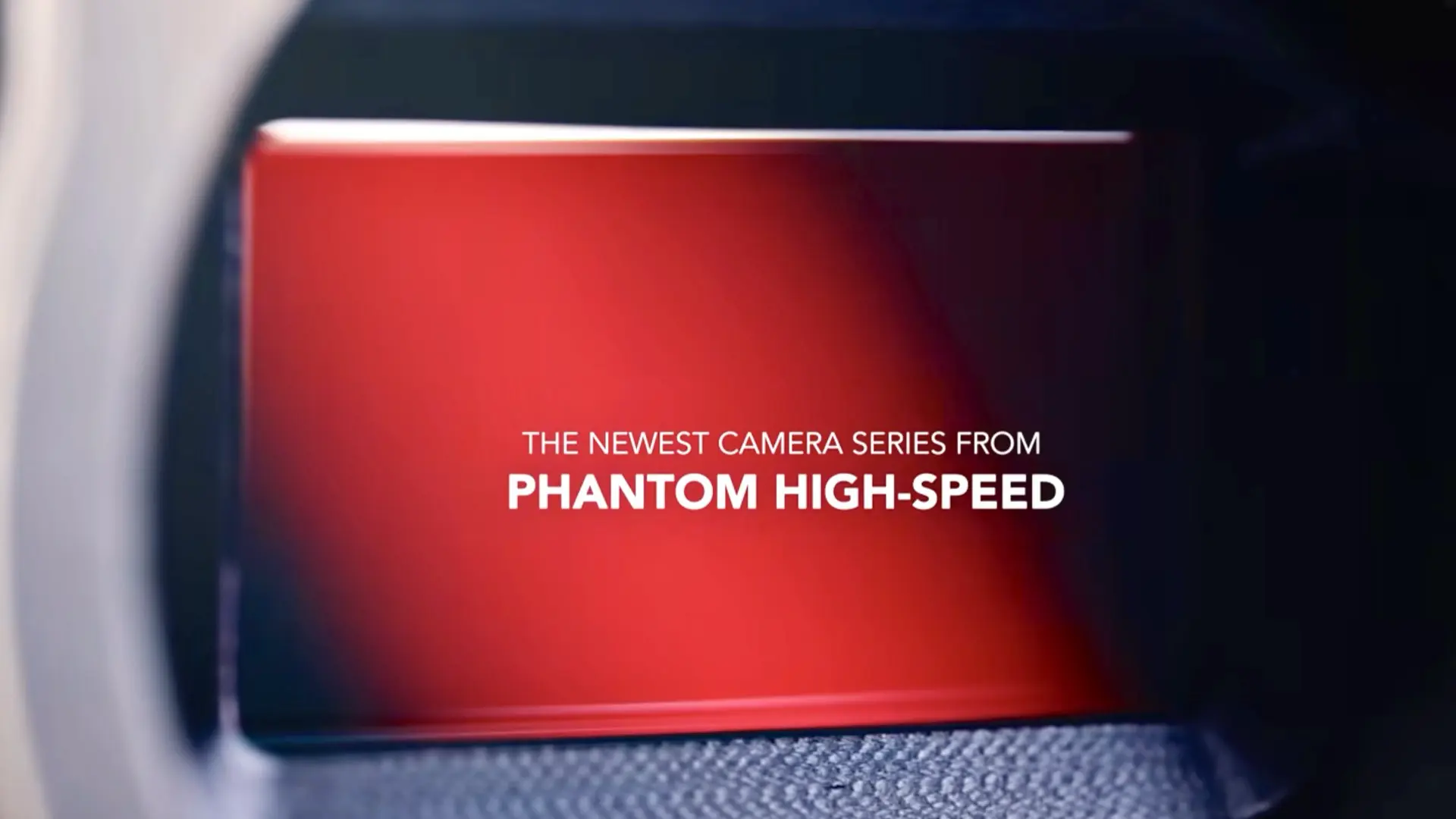
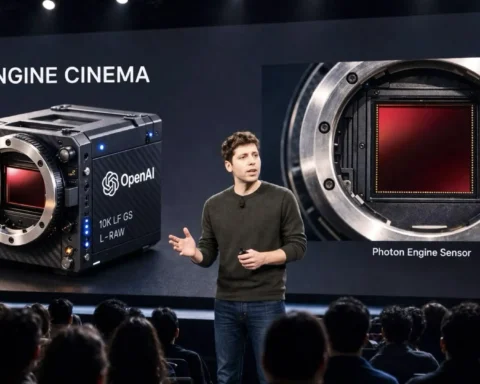
This brings us to the second key visual, the close-up of what appears to be the sensor. The red-tinted surface is not the silicon itself, but the optical stack above it, likely the protective glass and filtering layers. The fact that Phantom chose to highlight this component is telling. Historically, Phantom cameras have been marketed around frame rates, memory depth, and throughput. Here, the sensor becomes the hero. That suggests improvements at the level of readout stability, noise floor, and optical consistency. In high-speed imaging, especially under extreme physical stress, maintaining signal integrity is one of the hardest problems to solve. Vibrations, heat, and power fluctuations all degrade performance. If Vision Research has improved this pipeline, the impact extends beyond industrial testing.
A system, not just a camera
The announcement also refers to a scalable architecture and increased data density. This language points toward a broader system-level evolution. High-speed imaging is no longer about a single camera capturing an isolated event. Modern workflows rely on synchronized arrays, massive data throughput, and real-time or near-real-time processing. In crash testing environments, multiple cameras must operate in perfect alignment to reconstruct motion and deformation in three dimensions. Any bottleneck in storage, bandwidth, or synchronization compromises the entire dataset. By emphasizing scalability and flexibility, Phantom is positioning this new series as part of a larger ecosystem rather than a standalone device. It is a platform approach, designed to integrate into complex testing infrastructures and evolve over time.
A more compact and purposeful design
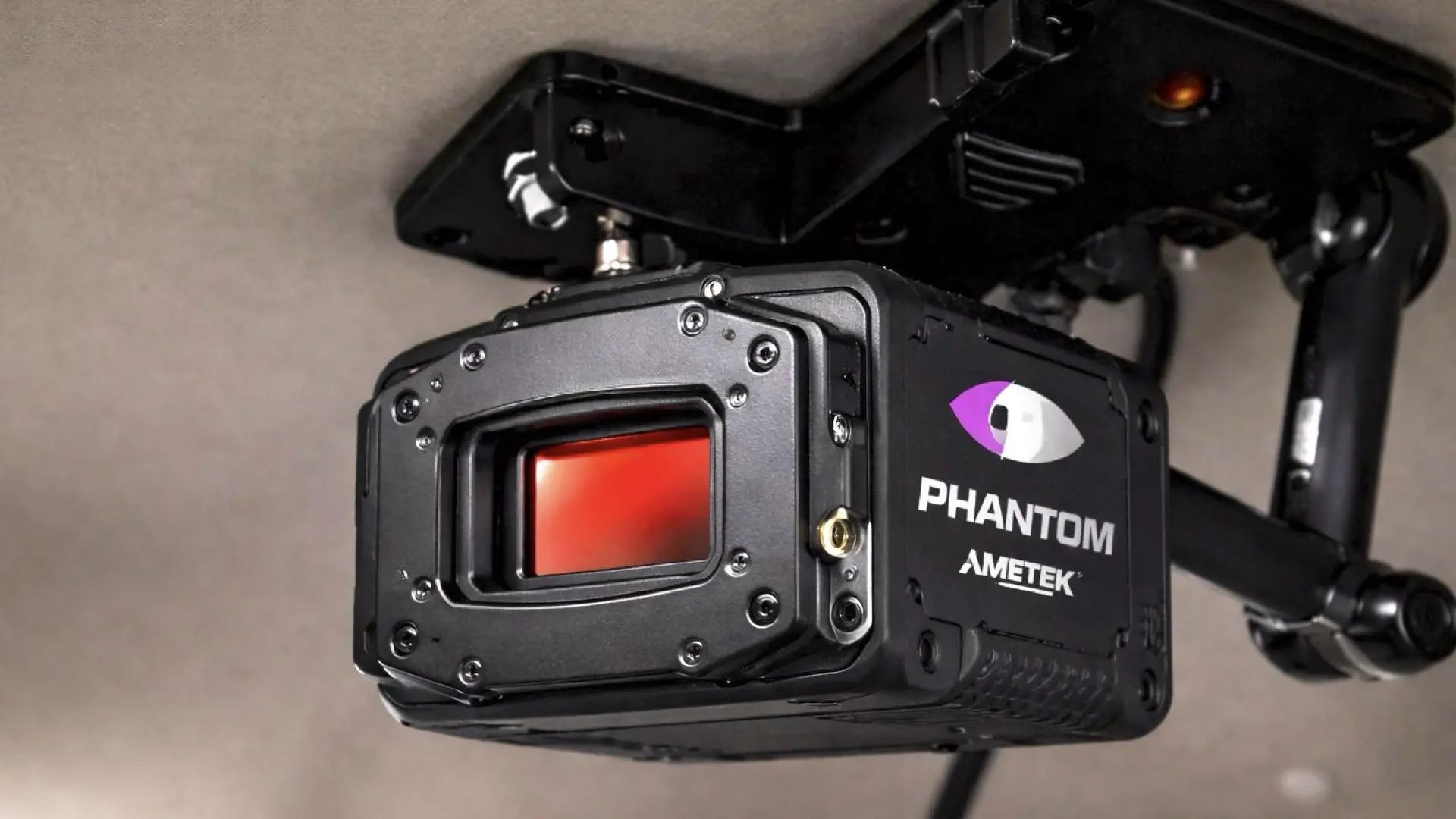
The industrial design visible in the teaser supports this interpretation. The body appears more compact, more refined, and more modular than older Phantom units. The clean surfaces, the integrated mounting options, and the reduced visual complexity all suggest a move toward easier deployment and repeatability. In high-impact environments, simplicity is not aesthetic. It is functional. Fewer external components mean fewer failure points. Cleaner integration means faster setup and more reliable results.
Why this matters for cinematography
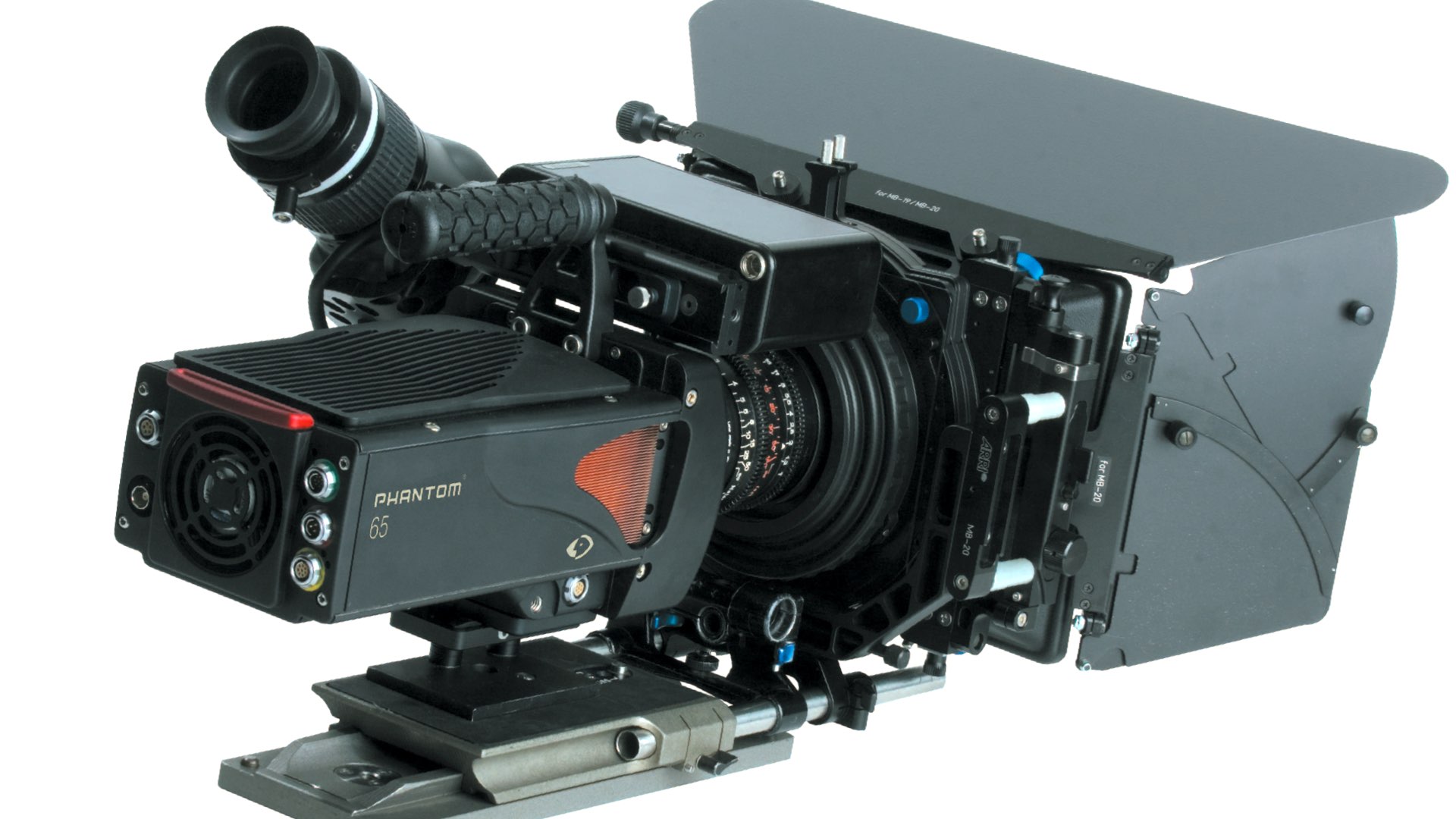
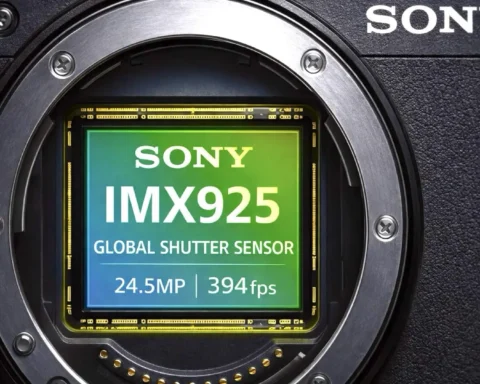
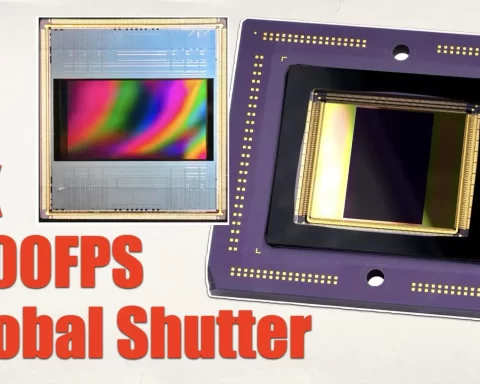
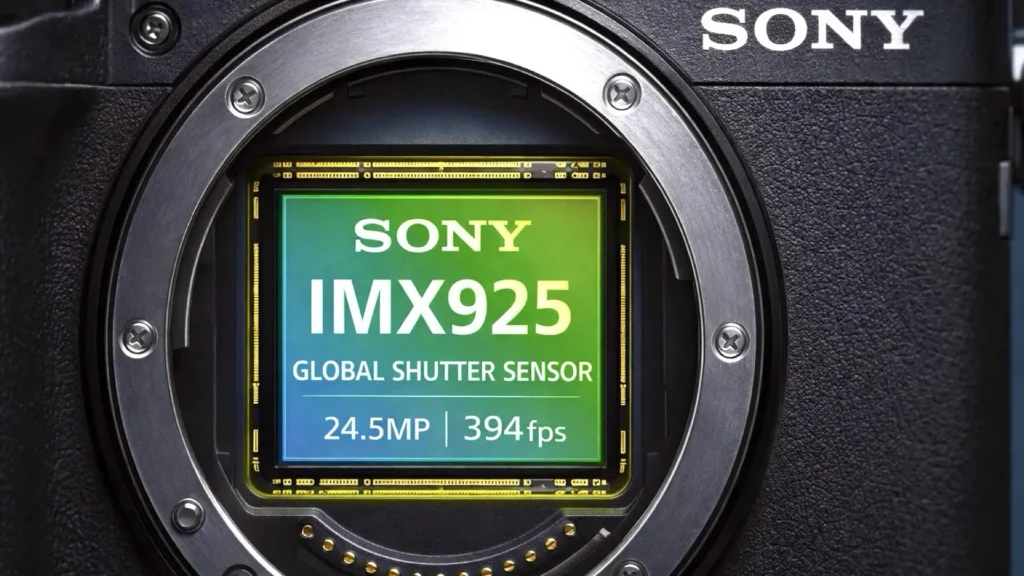
At this point, it is important to connect this development to the broader imaging landscape, including cinematography. On the surface, a crash-testing camera seems far removed from cinema cameras. The use cases are different, the priorities are different, and the environments are radically different. However, the underlying technological challenges are closely related. High-speed imaging pushes sensor design to its limits. It demands fast readout, low noise, high dynamic range, and robust thermal and power management, all within increasingly compact form factors. These are the same constraints faced by modern cinema cameras, especially as filmmakers demand higher frame rates, global shutter performance, and smaller bodies. Phantom cameras have long operated at the extreme edge of what sensors can do. Innovations developed in this space often find their way, in adapted form, into mainstream imaging. Improvements in readout architecture, noise reduction under high throughput, and optical stack efficiency are directly relevant to the evolution of cinema sensors. As manufacturers like Sony continue to develop stacked and global shutter sensors for both industrial and cinematic applications, the boundaries between these domains become more permeable. What begins as a solution for crash testing can influence how future cinema cameras handle motion, light, and data.
Wrapping up
There are still many unknowns. The sensor specifications have not been disclosed. Resolution, frame rate tradeoffs, bit depth, and dynamic range remain to be seen. The exact nature of the architectural improvements is also unclear. Yet, even without these details, the intent is visible. Phantom is preparing a new generation of high-speed cameras that operate closer to the event, capture cleaner data, and integrate more seamlessly into advanced analytical systems. We’ll keep you posted as more data surfaces. Stay tuned.








I dream of an Elon Musk of high speed cameras. Imagine someone that could make cheap or should I say not sky-high priced high speed cameras.