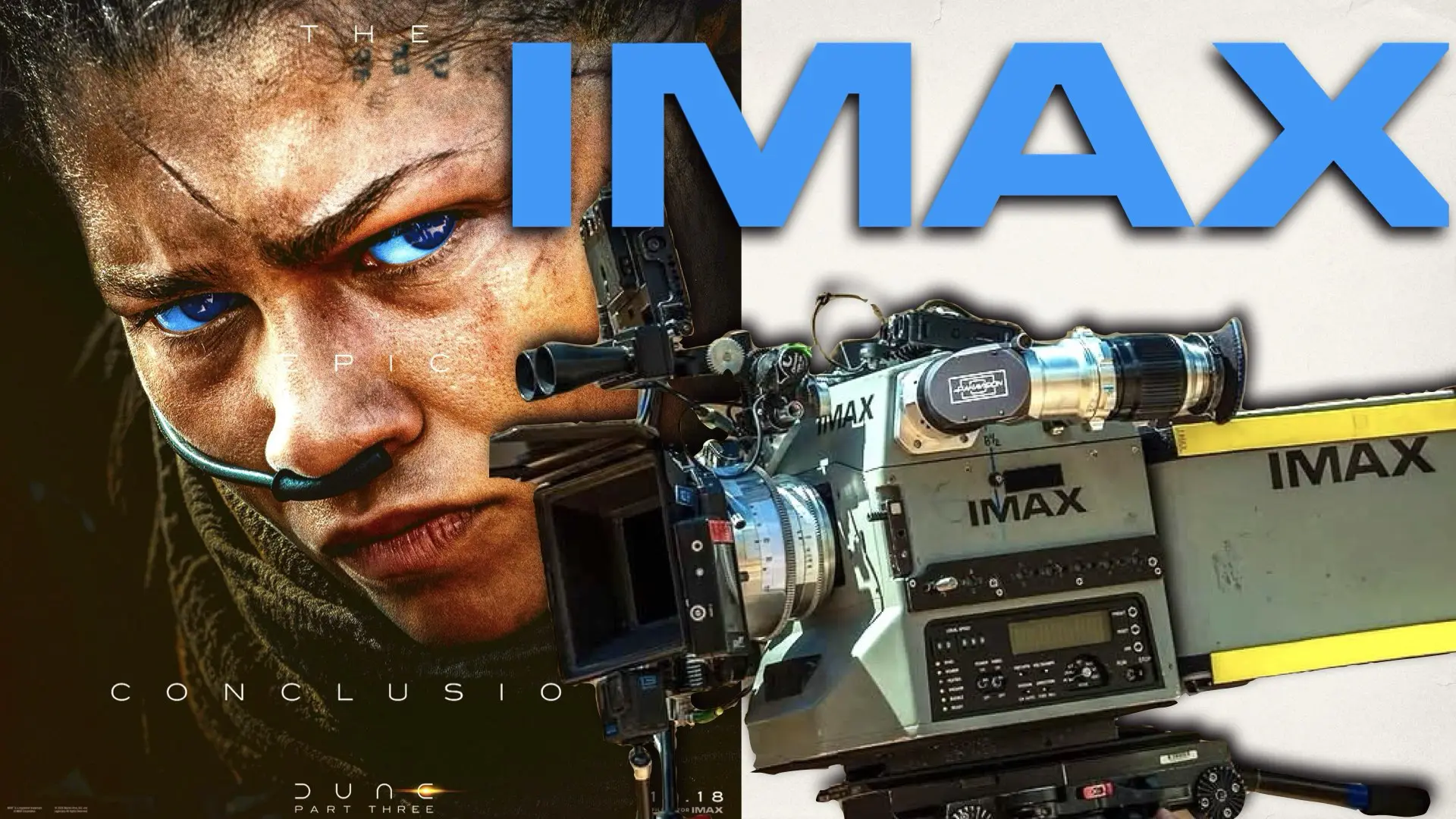
The absence of Avengers: Doomsday from IMAX screens at launch should not be treated as a simple scheduling conflict. It reflects structural constraints within IMAX’s exhibition ecosystem and, more importantly, a shift in how IMAX evaluates priority. With a limited number of auditoriums worldwide, often restricted to a single screen per location, IMAX must allocate exclusivity when major releases collide. The determining variable is no longer just commercial scale. It is the degree of technical alignment with the format itself. In this instance, Dune: Part Three presents a closer alignment with IMAX’s core proposition. The decision, therefore, signals a hierarchy based on format utilization rather than franchise magnitude.
Defining native large format in contemporary cinema
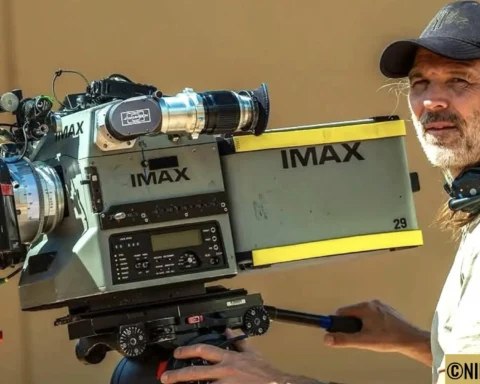
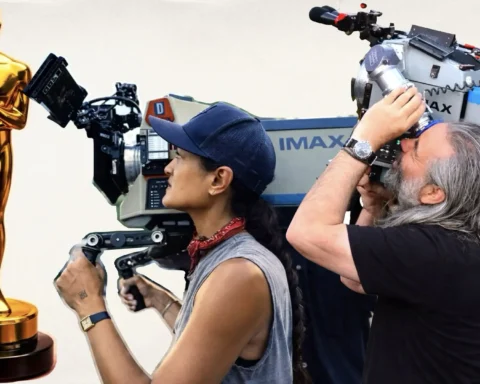
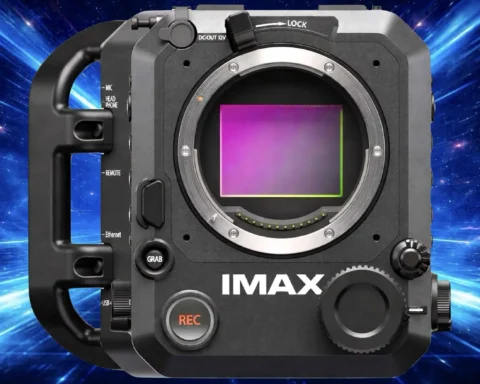
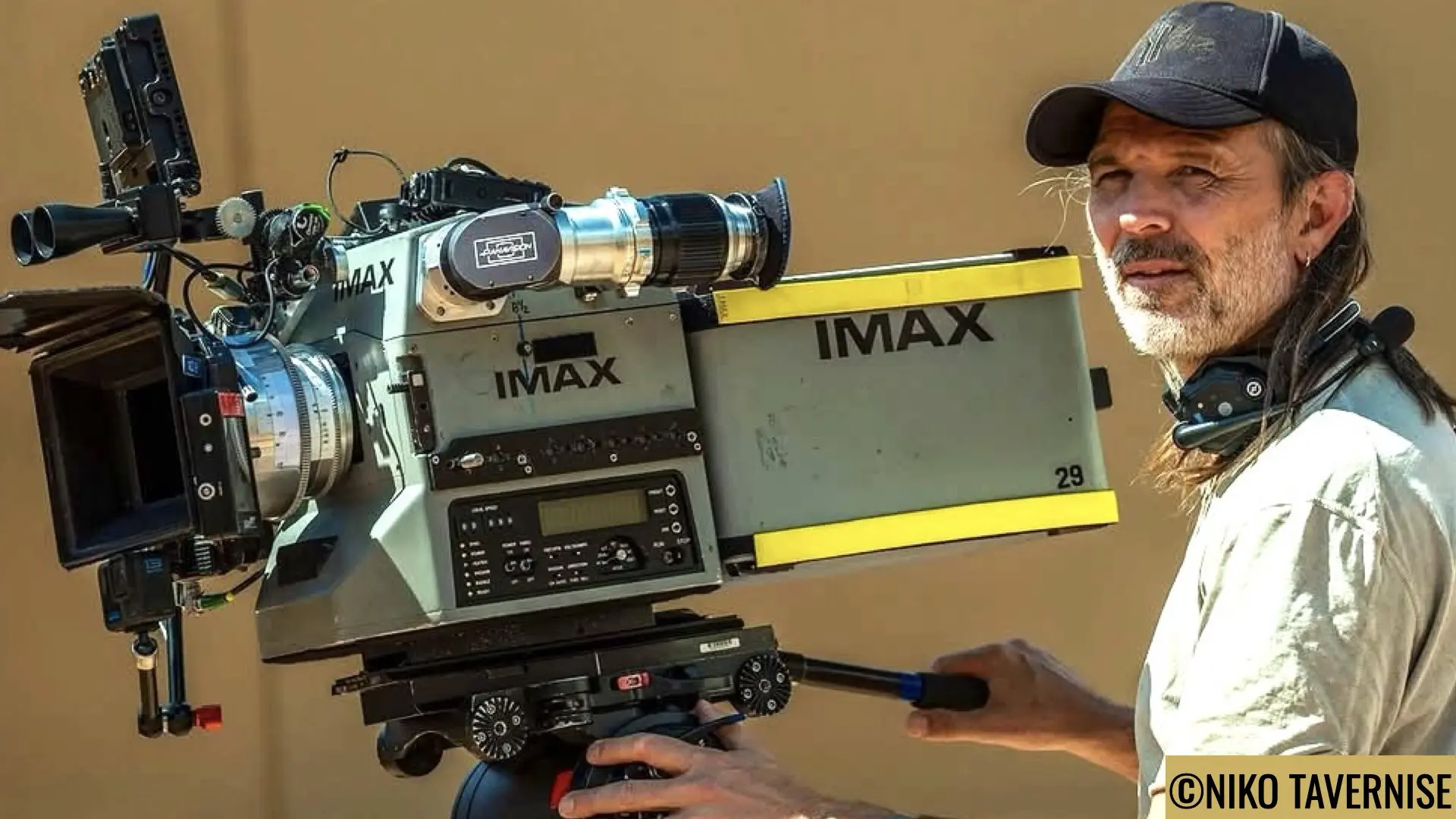
The term native large format requires a precise definition. Within the IMAX framework, it refers to productions that are conceived, captured, and finished with the format as a primary constraint. This includes the use of IMAX film cameras or IMAX optimized digital systems, alongside the preservation of expanded aspect ratios such as 1.43:1 throughout the imaging chain. Dune: Part Three represents a clear example of this methodology. As detailed in Dune 3 IMAX Camera Lens, the film integrates IMAX optics and capture philosophy at a foundational level. The format is not applied in post. It is embedded in the production design. This distinction is critical because it directly affects how the image is perceived in an IMAX environment.
Digital large format and the Marvel production model
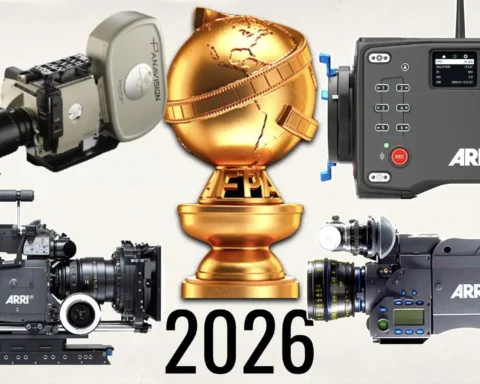
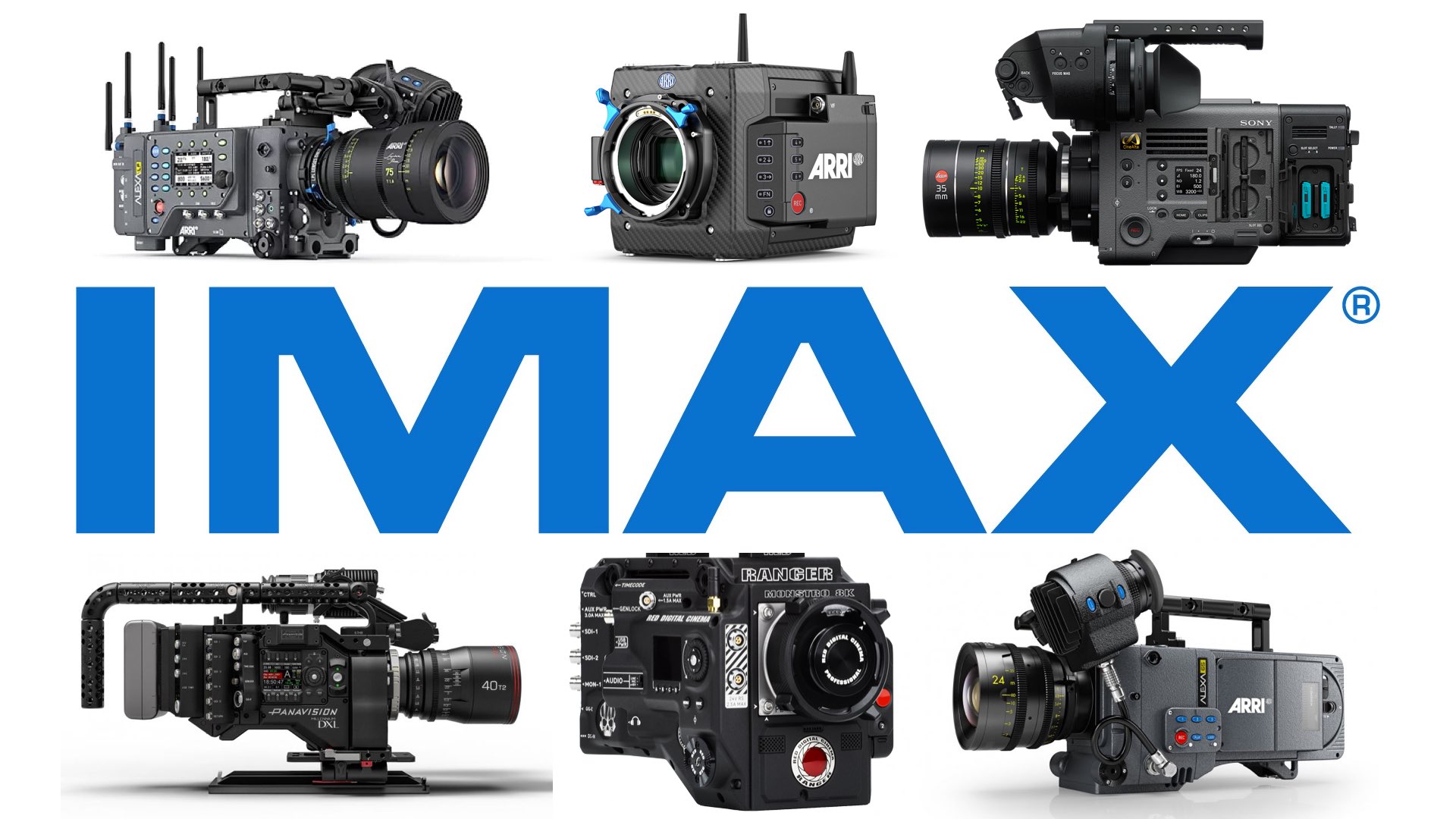
Avengers: Doomsday follows a fundamentally different production logic. Marvel’s pipeline is designed for scale, flexibility, and heavy visual effects integration. This necessitates a multi-camera digital ecosystem, typically involving systems such as ALEXA 35, ALEXA LF, and potentially ALEXA 265 for select sequences. These cameras deliver exceptional image quality. However, they are deployed within a workflow that prioritizes adaptability rather than format specificity. The IMAX version is therefore often derived through post-production processes, including aspect ratio adjustments and remastering, rather than originating from a unified IMAX capture strategy. This creates a clear distinction between films that are IMAX native and those that are IMAX adapted. When screen availability becomes constrained, this distinction becomes decisive.
IMAX reasserts its format identity
Over the past decade, IMAX expanded its reach by embracing a broad range of digitally captured productions. This increased volume but introduced a degree of homogenization across premium formats. The current decision suggests a recalibration. IMAX appears to be reinforcing its identity as a differentiated imaging system rather than a generic premium screen. By prioritizing films that maximize its technical envelope, the company strengthens its value proposition in a market increasingly saturated with high-end alternatives. For studios, this shift introduces a new layer of strategic planning. Designing a film for IMAX now requires early commitment at the capture stage. Retrofitting the format in post may no longer guarantee access to IMAX screens during critical release windows. Disney’s response to the exclusion of Avengers: Doomsday illustrates this transition. The studio is actively leveraging alternative premium formats such as Dolby Cinema, 4DX, and large format auditoriums. These platforms offer scalability and consistency without requiring strict adherence to IMAX capture standards.
A directional shift rather than a binary preference
It would be inaccurate to interpret this development as IMAX favoring film over digital. The majority of IMAX releases remain digitally captured and projected. The underlying shift is more nuanced. IMAX is prioritizing films that are structurally dependent on its format. Whether that dependency is achieved through 65mm film or advanced digital systems is secondary. The defining factor is the extent to which the format shapes the production from its earliest stages. The case of Dune: Part Three and Avengers: Doomsday highlights an inflection point in premium exhibition. IMAX is no longer a guaranteed platform for large-scale productions. It is becoming a selective environment that rewards format commitment. For filmmakers, this raises the bar for technical integration. For studios, it reframes the role of IMAX within a broader premium distribution strategy. The outcome is a more clearly defined hierarchy, where access is determined by how deeply a film is built around the format it seeks to occupy. Anyway, we, the audience, want to see 70mm filmed on 65mm (IMAX 9802) at a real IMAX theater. That would be Dune 3. However, the ARRI ALEXA 265 will look outstanding on an IMAX digital projector as well. Therefore, IMAX should have made a smarter choice by screening both of them at different time slots or by dividing the screenings across multiple IMAX theaters.