
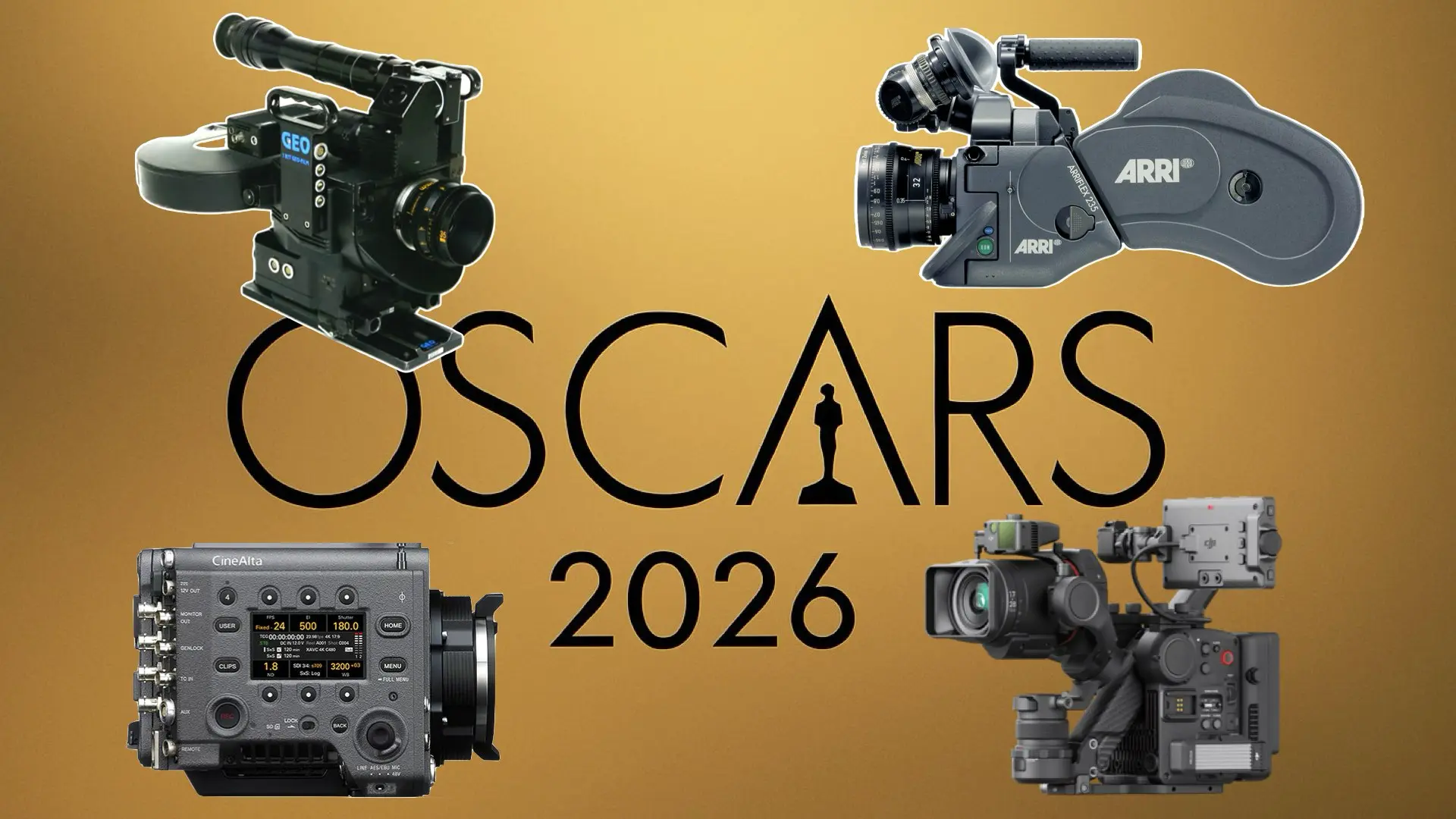
The early buzz around the 2026 Oscars for Best Cinematography paints a fascinating picture. According to current predictions, classic film cameras are leading the pack, standing proudly beside ultra-modern systems like DJI’s Ronin 4D ($9,999 on Amazon) and even the iPhone 15 ($405 on Amazon) . It’s an unexpected blend of tradition and technology that perfectly captures where filmmaking stands today.

The beauty of film in a digital world
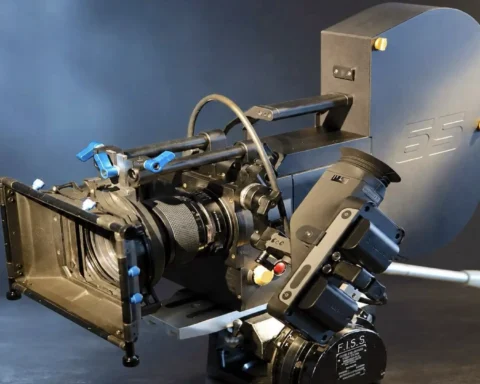
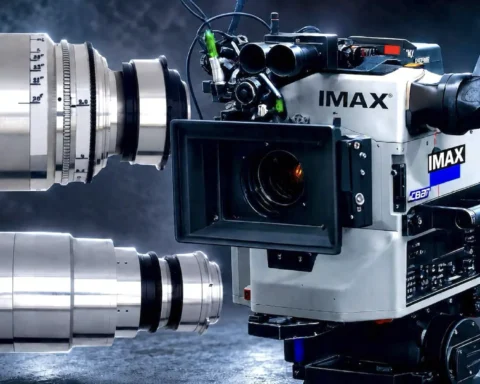
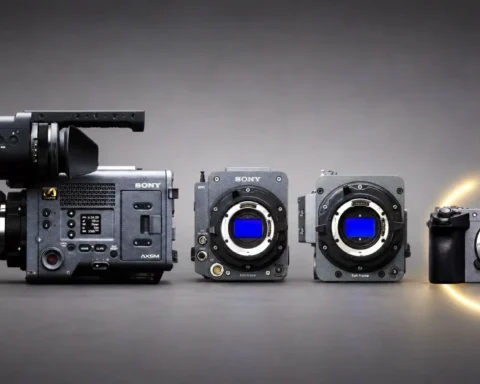
35 mm and 65 mm cameras are making a powerful comeback. From Linus Sandgren’s Jay Kelly shot on the Panavision Panaflex Lightweight II, to Autumn Durald Arkapaw’s Sinners photographed on IMAX 65 mm film, the cinematic texture of analog is back in the conversation. These are the same tools that defined decades of visual storytelling, now reclaiming center stage in the streaming era. Meanwhile, Claudio Miranda’s F1 relies on the Sony VENICE 2 and a custom in-car mini camera designed for extreme racing sequences, proving that modern precision still has a place. Add to that DJI’s Ronin 4D-6K ($8,698 on Amazon) on Warfare, and the multi–iPhone 15 setup for 28 Years Later, and you get a cinematography lineup that bridges every possible generation of imaging tech.
A creative coexistence
This list highlights how today’s cinematographers embrace every tool available, not as rivals, but as complements. The same awards race that celebrates IMAX 65 mm can also feature a camera you might keep in your pocket. That mix between high-end optical film and accessible digital gear shows how flexible visual storytelling has become. The artistry remains constant, even when the tools couldn’t be more different.
Just for fun, and far from final
These rankings are speculative, drawn from IMDb Tech Specs, industry reports, and early awards forecasts. The Academy’s official list may change completely once nominations are revealed. So take these findings with a grain of salt: this is a fun exercise in observing trends rather than making bets. Still, it’s refreshing to see film cameras leading once again, holding their ground among digital powerhouses. That alone is worth celebrating. Now let’s explore the chart below:

Based on the list:
- F1 — Claudio Miranda ASC — Sony VENICE 2 and custom in-car Sony camera
- Hamnet — Łukasz Żal PSC — TBD
- Jay Kelly — Linus Sandgren ASC FSF — Panavision Panaflex Lightweight II
- One Battle After Another — Michael Bauman — Beaumont VistaVision camera, Panavision Panaflex Millennium XL2
- Sinners — Autumn Durald Arkapaw — IMAX MKIV 65mm cameras
- A House of Dynamite — Barry Ackroyd BSC — TBD
- Train Dreams — Adolpho Veloso ABC — ARRI ALEXA 35
- Warfare — David J. Thompson — DJI Ronin 4D-6K
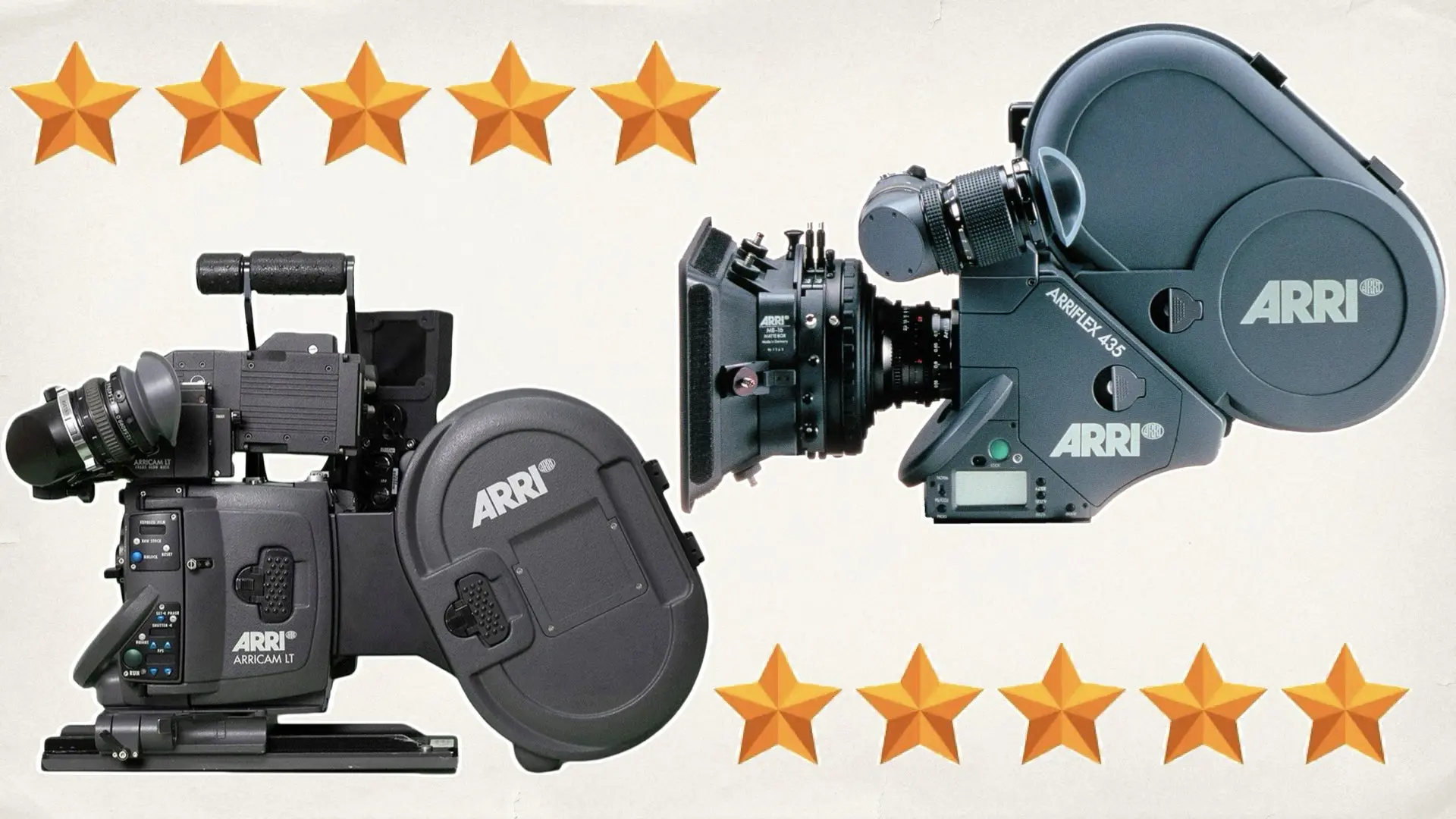
- Bugonia — Robbie Ryan BSC ISC — ARRICAM ST; ARRIFLEX 235; ARRIFLEX 435
- Hedda — Sean Bobbitt BSC — TBD
- 28 Years Later — Anthony Dod Mantle DFF BSC ASC — iPhone 15 Pro Max
- Avatar: Fire and Ash — Russell Carpenter ASC — Sony VENICE with Rialto 3D system
- Marty Supreme — Darius Khondji AFC ASC — ARRICAM LT; ARRICAM ST
- The Testament of Ann Lee — William Rexer — ARRIFLEX
Connecting to our YMCinema legacy
For readers who love exploring the intersection of film history and technology, YMCinema has chronicled the Academy’s camera evolution in detail. Dive into these educational features (we are obsessed about them!)
-
How the Beaumont VistaVision Camera Won the Oscar for Cinematography — the story of how a vintage format reshaped modern recognition.
-
The Cameras Behind the 97th Academy Awards: Film Wins, Digital Thanks to Arricam, Arriflex and Beaumont VistaVision — a fascinating look at the balance between analog and digital craftsmanship.
-
Will IMAX Film Win an Oscar? — a prediction piece that foreshadowed today’s large-format comeback.
-
Oscar 2021 Nominees Announced: Here Are the Cameras Behind Them — a time capsule showing how the race looked only a few years ago.
-
The Cameras Behind the 97th Academy Awards: Film Wins, Digital Thanks to Arricam, Arriflex and Beaumont VistaVision — repeated here as it remains one of YMCinema’s most-read studies on Oscar tech history.
-
Oppenheimer’s Cinematographer: “Shoot Film? It’s Much Easier Than You Think” — a reminder from one of today’s greats that the magic of film is still within reach.
Together, these reads form a fascinating journey through the Academy’s visual evolution, connecting the timeless beauty of celluloid to the creativity of modern digital tools. The 2026 predictions are simply the next chapter in that legacy.
The takeaway
The 2026 cinematography race reminds us that cinema is not about the sensor, but (also) about the storyteller. Whether it’s celluloid or silicon, the tools are only as powerful as the hands that wield them. Yet there’s something poetic about seeing analog film shine again, surrounded by the cutting-edge digital world it helped create.
Gear mentioned in this article
Available on Amazon
| Product | New | Renewed | Used |
|---|---|---|---|
| DJI Ronin 4D | $9,999 | — | — |
| Apple iPhone 15 | $405 | — | — |
| DJI Ronin 4D 6K | $8,698 | — | — |
| Apple iPhone 15 Pro Max | $629.99 | — | — |
Prices checked: Oct 7, 2026, 1:31 PM GMT+0000
As an Amazon Associate, Y.M.Cinema earns from qualifying purchases. If you buy through our links, we may earn a small commission at no extra cost to you.
Product prices and availability are accurate as of the date/time indicated and are subject to change. Any price and availability information displayed on Amazon.com at the time of purchase will apply to the purchase of this product.
CERTAIN CONTENT THAT APPEARS ON THIS SITE COMES FROM AMAZON. THIS CONTENT IS PROVIDED “AS IS” AND IS SUBJECT TO CHANGE OR REMOVAL AT ANY TIME.






You seem to have omitted the two Vistavision cameras that shot the vast majority of Bugonia.