
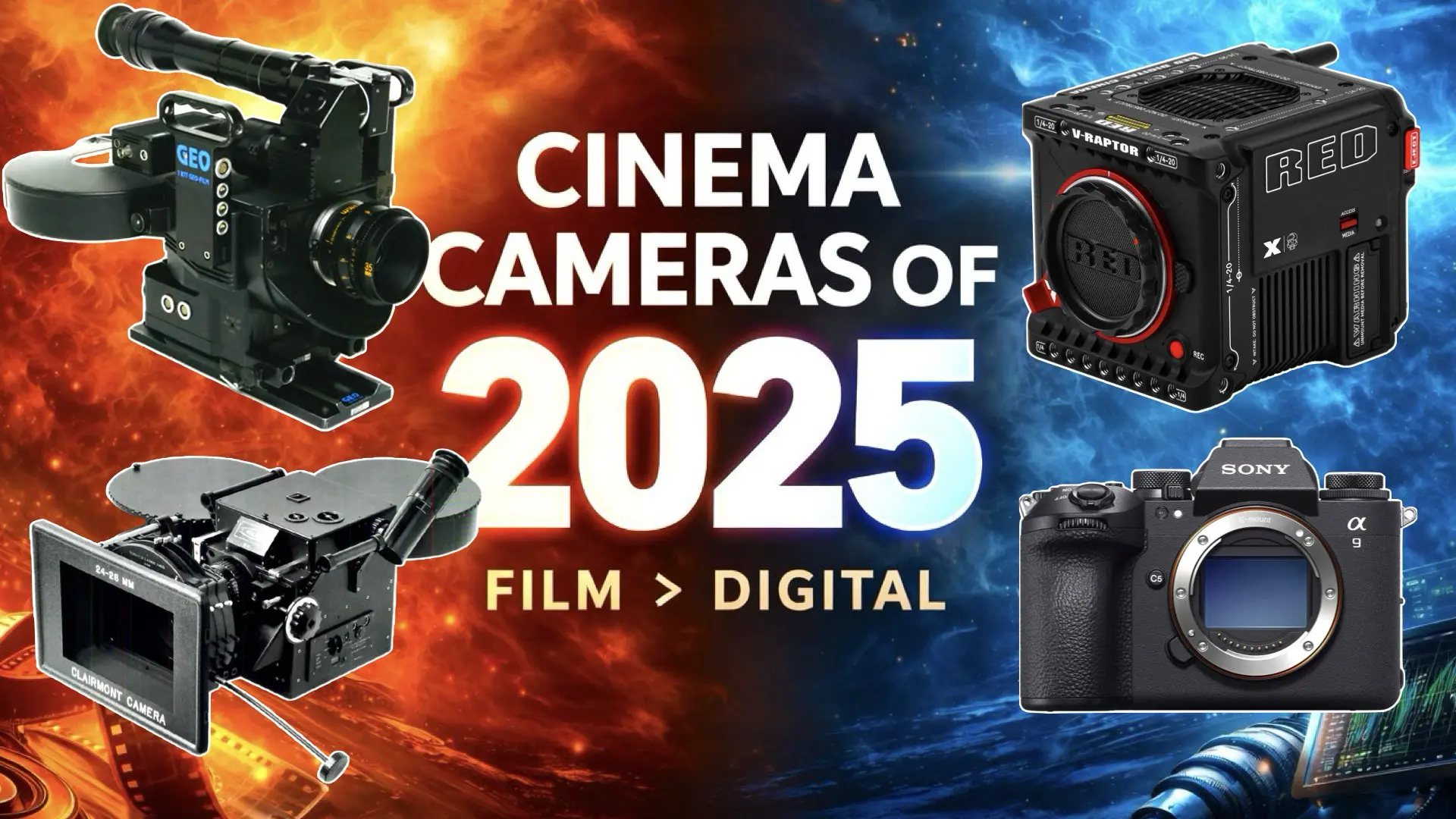
Cinema in 2025 delivered a quiet but decisive correction. Instead of pushing technical limits for their own sake, top filmmakers chose tools that reinforced meaning, rhythm, and emotional texture. The most visually significant films of the year were not unified by a single format or sensor size, but by intention. Each camera choice reflected a conscious relationship between story, motion, and image behavior. This is why these films matter, and why their cinematography stands apart.
The Brutalist
Directed by Brady Corbet and shot by Lol Crawley, The Brutalist earns its place as one of the defining visual works of the year through its uncompromising commitment to VistaVision film. The Beaumont VistaVision camera provides a negative area far larger than standard 35 mm, resulting in an image that feels monumental without becoming clinically sharp. This choice reinforces the film’s architectural themes, allowing space, geometry, and material surfaces to dominate the frame. Crawley’s cinematography emphasizes long takes, restrained camera movement, and carefully controlled contrast, letting the physicality of the format carry emotional weight. Grain, depth, and motion cadence become expressive tools rather than artifacts.
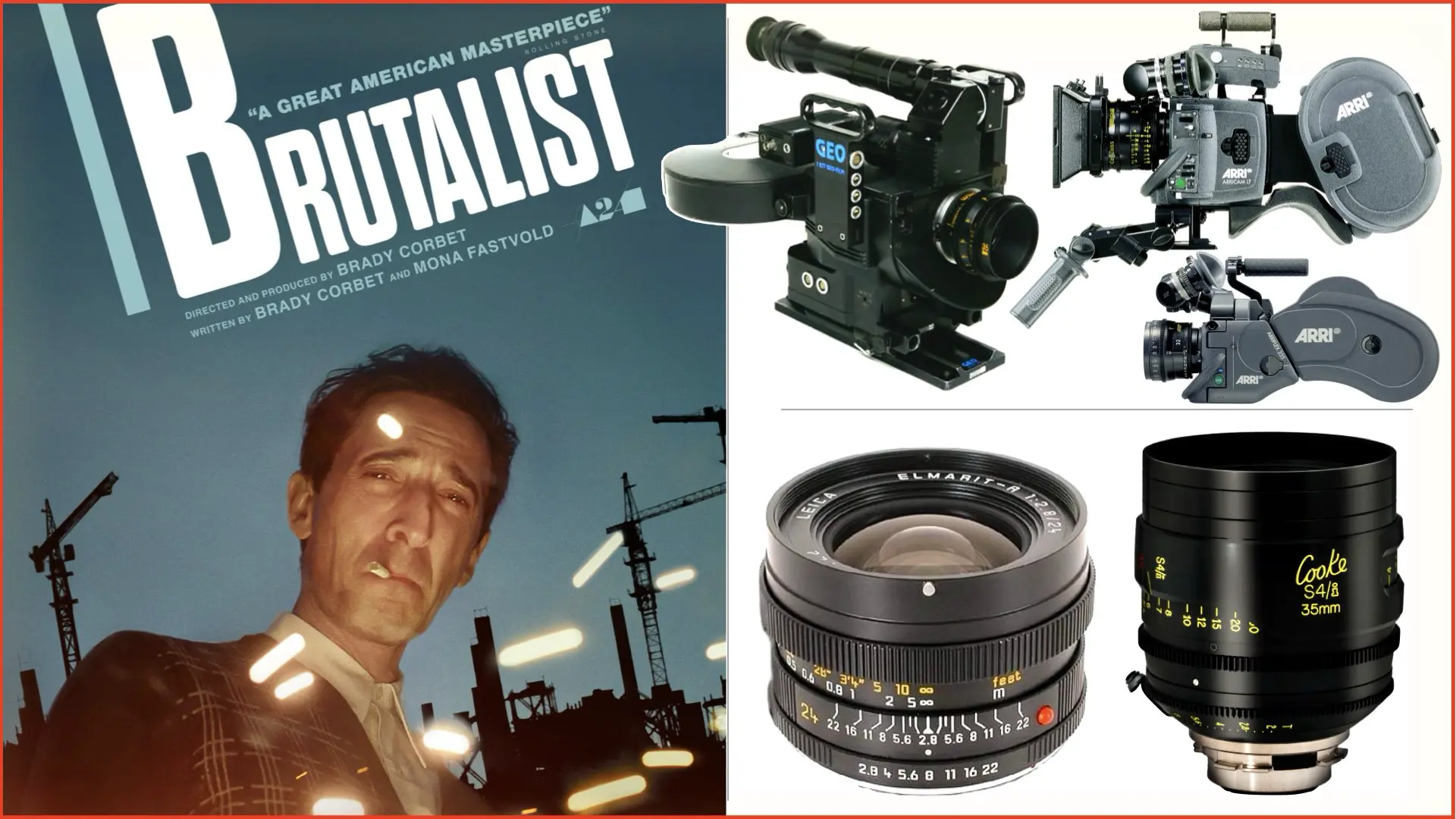
The film was selected because it demonstrates how large format film can still articulate scale and human fragility more effectively than any digital approximation.
One Battle After Another
Paul Thomas Anderson reunites with VistaVision for One Battle After Another, photographed by Michael Bauman, not as an exercise in nostalgia but as refinement. The Beaumont VistaVision system allows Anderson to stage complex blocking within wide compositions while preserving subtle tonal transitions across faces and environments. Bauman’s cinematography favors naturalistic lighting and deliberate camera placement, allowing the format’s inherent smoothness and depth to create separation without exaggeration. The use of vintage adapted spherical lenses introduces gentle falloff and optical imperfections that soften the image just enough to avoid sterility. This film was chosen because it represents one of the most disciplined uses of large format film in modern narrative cinema, where the camera supports character psychology rather than spectacle.
Sinners
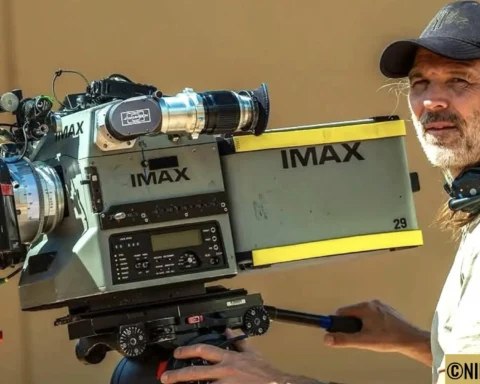
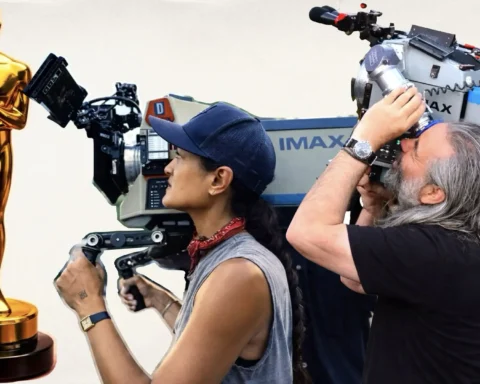
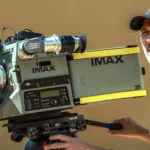
Sinners, directed by Ryan Coogler and shot by Autumn Durald Arkapaw, stands as one of the most technically and artistically ambitious projects of the year through its use of IMAX film. Shooting on IMAX introduces extreme demands in terms of lighting, framing discipline, and production logistics, but the reward is a negative that captures extraordinary detail and tonal richness. Durald Arkapaw uses this scale not for bombast, but for intimacy. Faces rendered at IMAX resolution reveal texture, micro expression, and presence that smaller formats cannot replicate. Camera movement remains measured, often locked or slowly drifting, emphasizing the gravity of each frame. The film was selected because it proves that IMAX film, when handled with restraint, can be emotionally immersive rather than overwhelming.
Blue Sun Palace
Directed by Constance Tsang and photographed by Norm Li, Blue Sun Palace makes a compelling case for the continued relevance of 16 mm film. Shot on the ARRIFLEX 416, the cinematography embraces grain, instability, and texture as narrative elements. The smaller negative introduces visible movement in the image, which Li uses to heighten intimacy and emotional proximity. Lighting remains soft and observational, often practical-driven, allowing highlights to bloom gently and shadows to retain ambiguity. This film was selected because it demonstrates how format limitation can become expressive strength, especially in character-driven storytelling where emotional immediacy outweighs visual polish.
Black Bag
With Black Bag, Steven Soderbergh continues his long-standing philosophy of treating the camera as a practical instrument rather than a fetishized object. Serving as his own cinematographer, Soderbergh chose the RED V RAPTOR X for its speed, reliability, and flexible digital negative. The camera’s high dynamic range and clean sensor performance allow for rapid shooting across varied lighting conditions without imposing a signature look. The cinematography is efficient and controlled, prioritizing narrative clarity over visual ornamentation. This film was selected because it represents the most pragmatic expression of modern digital cinema, where the technology recedes entirely behind the story.
F1
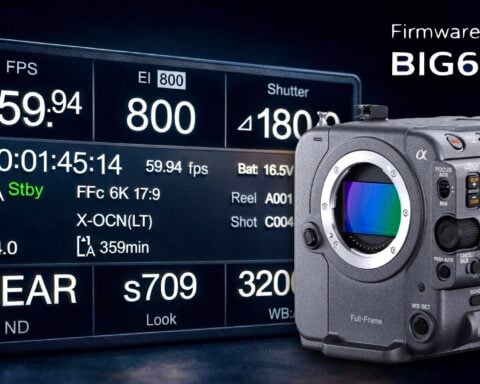
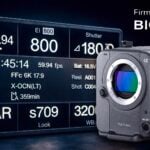
Directed by Joseph Kosinski and shot by Claudio Miranda, F1 showcases the Sony VENICE 2 at the peak of contemporary digital cinema performance. The camera’s full frame sensor, high dynamic range, and color science allow Miranda to capture extreme contrast environments while maintaining skin tone integrity and highlight detail. High speed sequences benefit from the VENICE 2’s motion rendering, preserving clarity without introducing harsh digital artifacts.
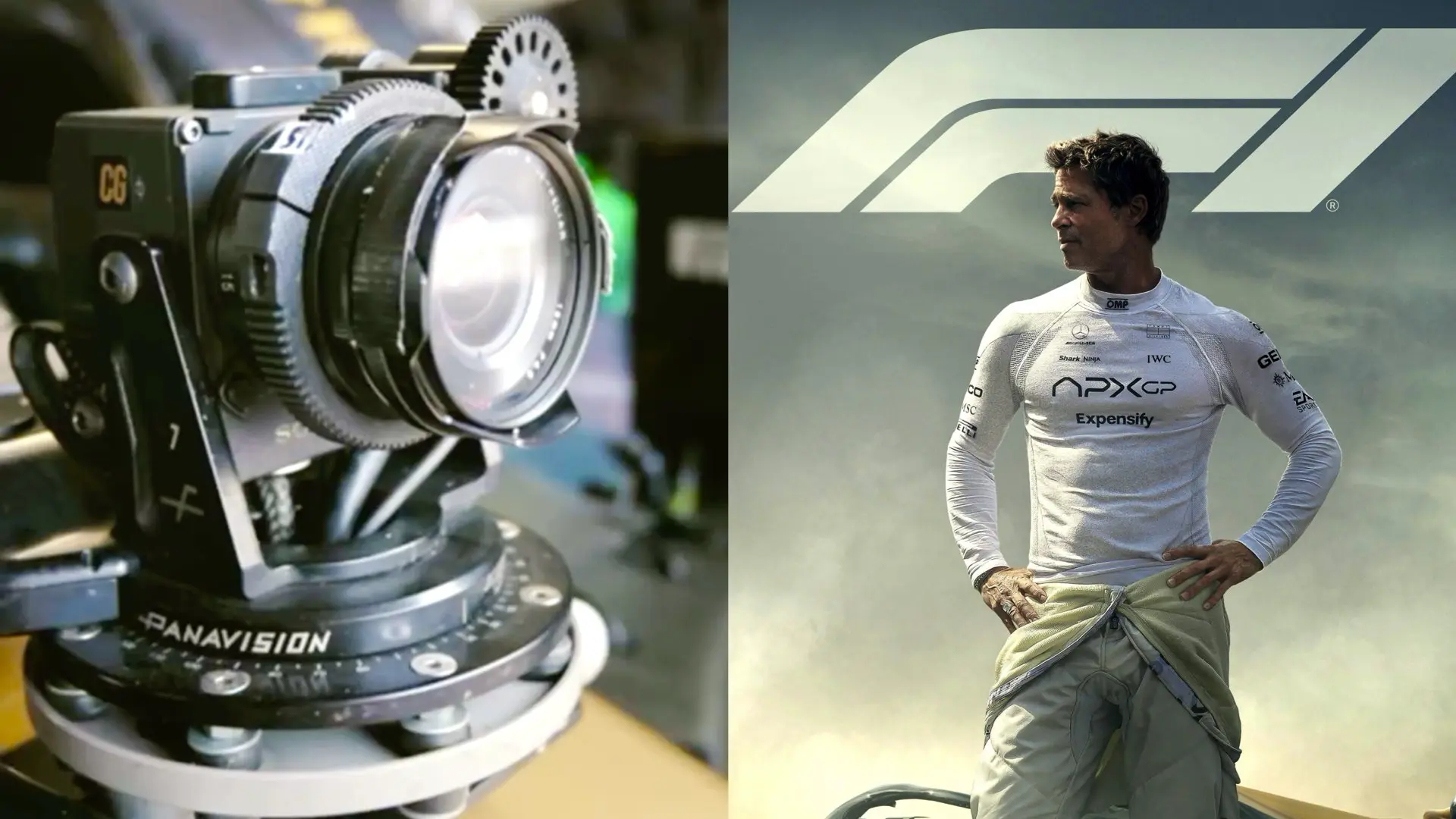
The cinematography balances precision with immersion, placing the viewer inside the kinetic world of racing without visual fatigue. This film was selected because it exemplifies how modern digital cinema cameras can deliver scale, speed, and consistency at the highest professional level.
Bugonia
Bugonia, directed by Yorgos Lanthimos and shot by Robbie Ryan, is one of the most radical cinematographic statements of the year. The choice of the Wilcam W11 is intentionally confrontational. The camera’s unconventional imaging characteristics introduce distortion, limited dynamic range, and an unsettling perspective that aligns perfectly with Lanthimos’s narrative sensibilities. Ryan exploits these limitations through aggressive framing and proximity, allowing the image to feel intrusive and unstable. This film was selected because it challenges the assumption that better technology always produces better cinema, proving that discomfort can be a powerful visual tool.
Hamnet
Directed by Chloé Zhao and photographed by Łukasz Żal, Hamnet uses the ARRI ALEXA 35 to create an image that feels timeless rather than contemporary. The Super 35 sensor, paired with carefully selected vintage-inspired lenses, delivers gentle roll-off and nuanced color separation. Richards relies heavily on natural light, allowing the camera’s latitude to preserve subtle shifts in exposure without crushing shadows or clipping highlights. The film was selected because it demonstrates how digital cinema can achieve an almost analog sensibility when guided by restraint and taste.
The Chronology of Water
In her directorial debut, Kristen Stewart chose to shoot The Chronology of Water on the ARRIFLEX 416, with cinematography by Corey C. Waters. The 16 mm format reinforces the film’s themes of memory, trauma, and subjectivity. Grain structure becomes part of the storytelling language, while handheld movement introduces vulnerability and immediacy. Exposure is often pushed to its limits, allowing highlights to flare and shadows to breathe. This film was selected because it uses film not as an aesthetic statement, but as an emotional conduit.
Presence
Presence, directed and shot by Steven Soderbergh, may be the most technologically significant selection on this list. Shot on the Sony A9 III, the film leverages the camera’s global shutter sensor to eliminate rolling shutter artifacts entirely. This fundamentally alters motion rendering, especially in handheld and fast moving shots. Soderbergh exploits this stability to create a detached, observational visual style that reinforces the film’s themes. The use of compact full frame primes maintains intimacy without cinematic excess. This film was selected because it marks a turning point, the moment when mirrorless global shutter technology becomes a legitimate narrative cinema tool.
What these films ultimately reveal
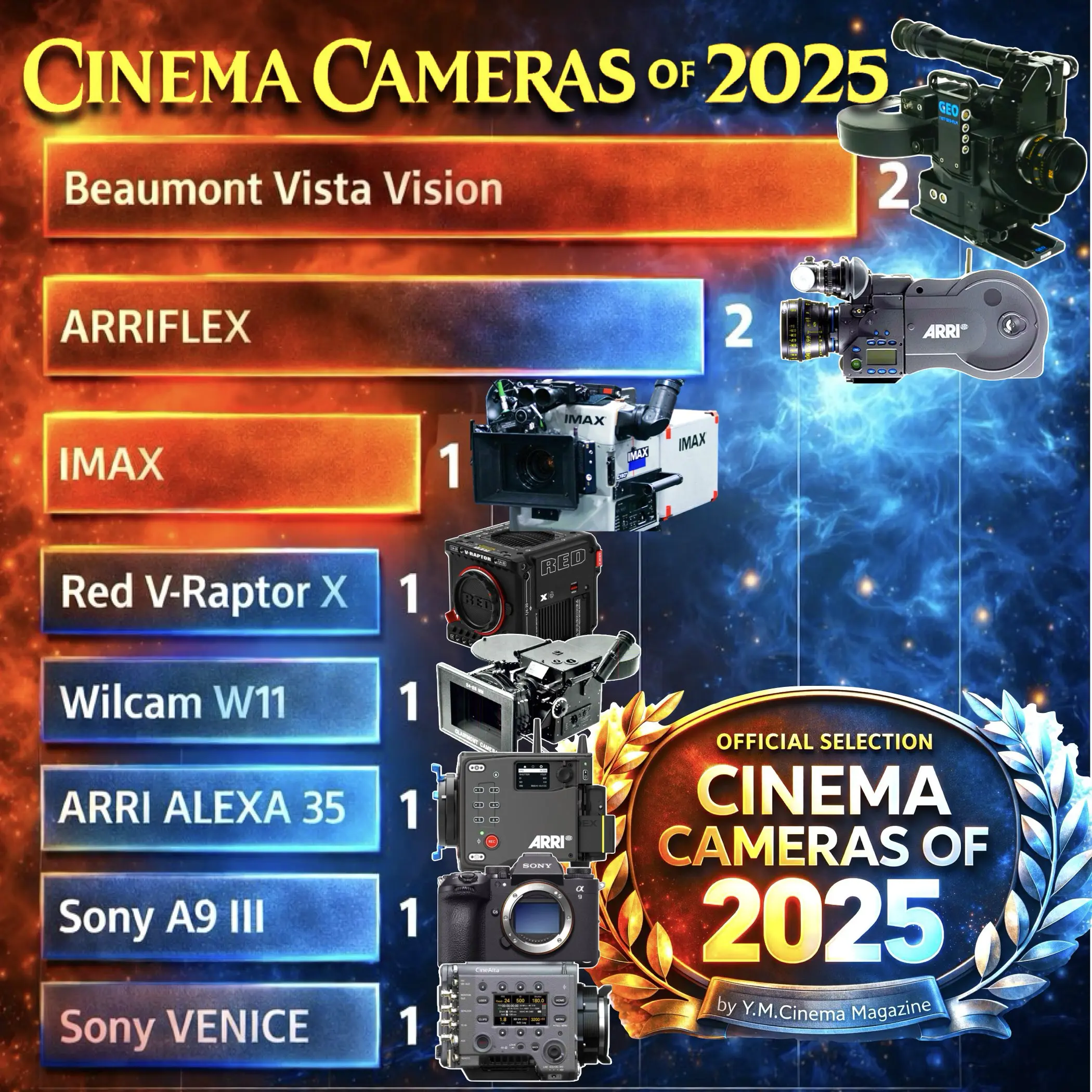
The defining cinematography of 2025 did not belong to a single camera, format, or manufacturer. It belonged to filmmakers who understood that the camera is a narrative decision, not a technical one. Film returned where texture mattered. Digital dominated where control and consistency were required. Experimental tools emerged where discomfort was the goal. Mirrorless technology crossed a threshold when physics, not price, justified its use. That is why these films were selected. They do not follow trends. They define them. Explore our Camera Chart below, which summarizes all of that in a pretty cool visual.




Great observation and review yet again from YM – worth clarifying that the Wilcam W11 is a 35mm camera and shoots Vistavision 8-perf format. Also worth mentioning use of alternative stocks and aspect ratios such as Ektachrome used to great effect on the vivid and stylised Die My Love presented in Academy 1.33:1.
Wrong DP on Hamnet!
Corrected. Thanks for pointing it out. It’s the great Łukasz Żal!