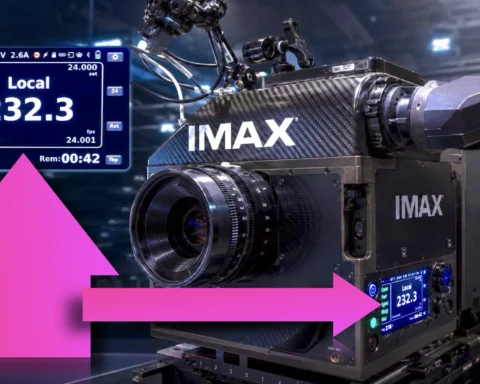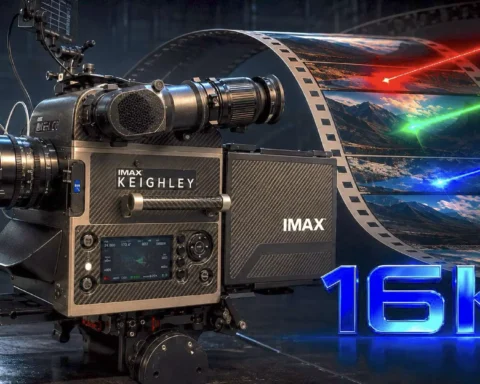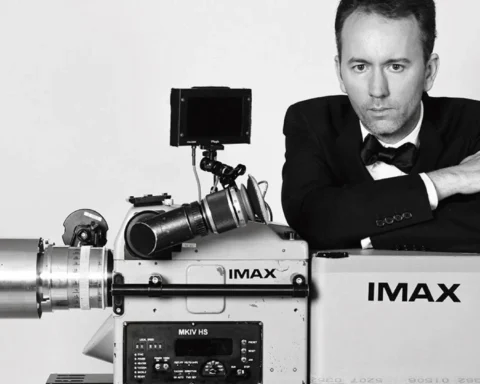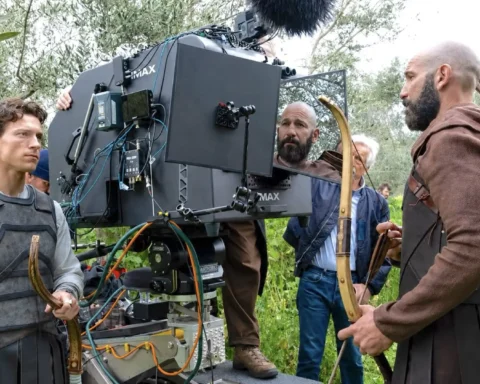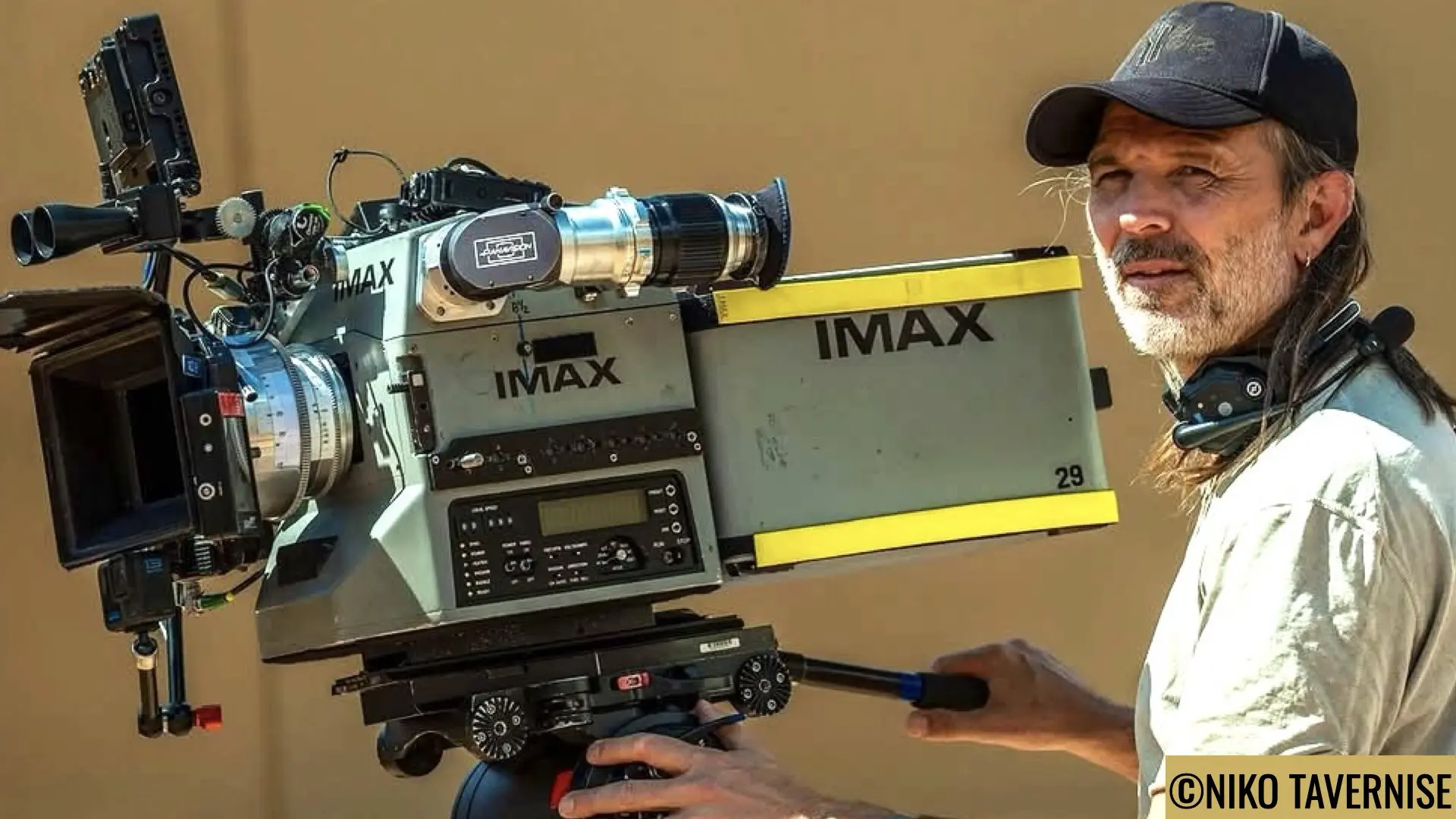
As covered in Dune Part Three Shot on Film, Dune Part Three (Dune 3) is being photographed on film, including IMAX 70mm capture. That is an important technical shift. On the first Dune, as explained in Dune Was Shot on Alexa LF Then Transferred to 35mm Film Then Scanned Back to Digital, the production used a digital acquisition pipeline with a film intermediate. Moving to native 65mm and IMAX 70mm acquisition changes the lens requirements substantially because the format is less forgiving of edge falloff, coverage limitations, and inconsistent rendering across the image circle. Directed by Denis Villeneuve and shot by cinematographer Linus Sandgren, the film continues the franchise’s large format approach while introducing a new optical pipeline tailored specifically for IMAX film capture. Read on.
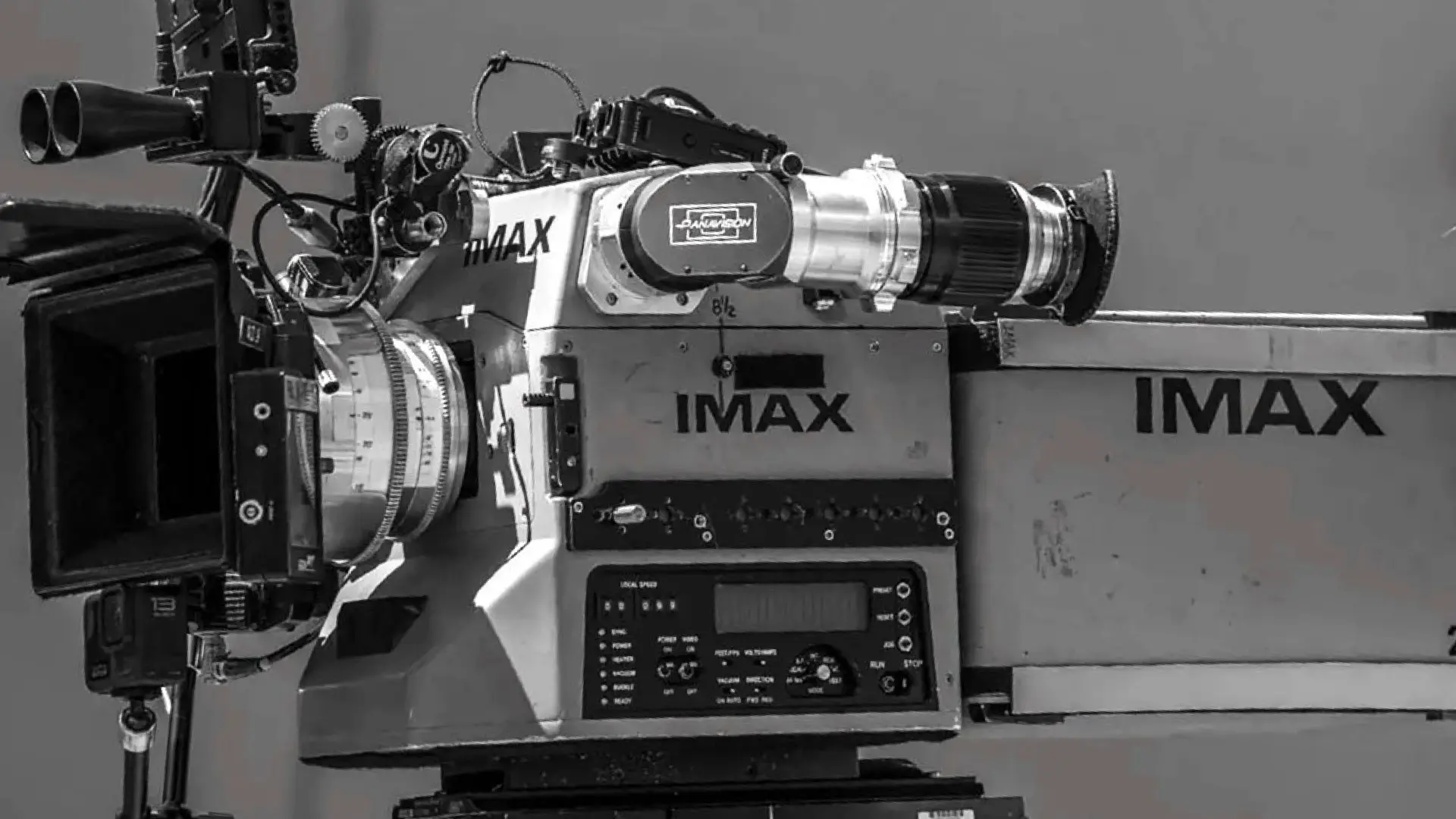
Coverage remains one of the main IMAX limitations
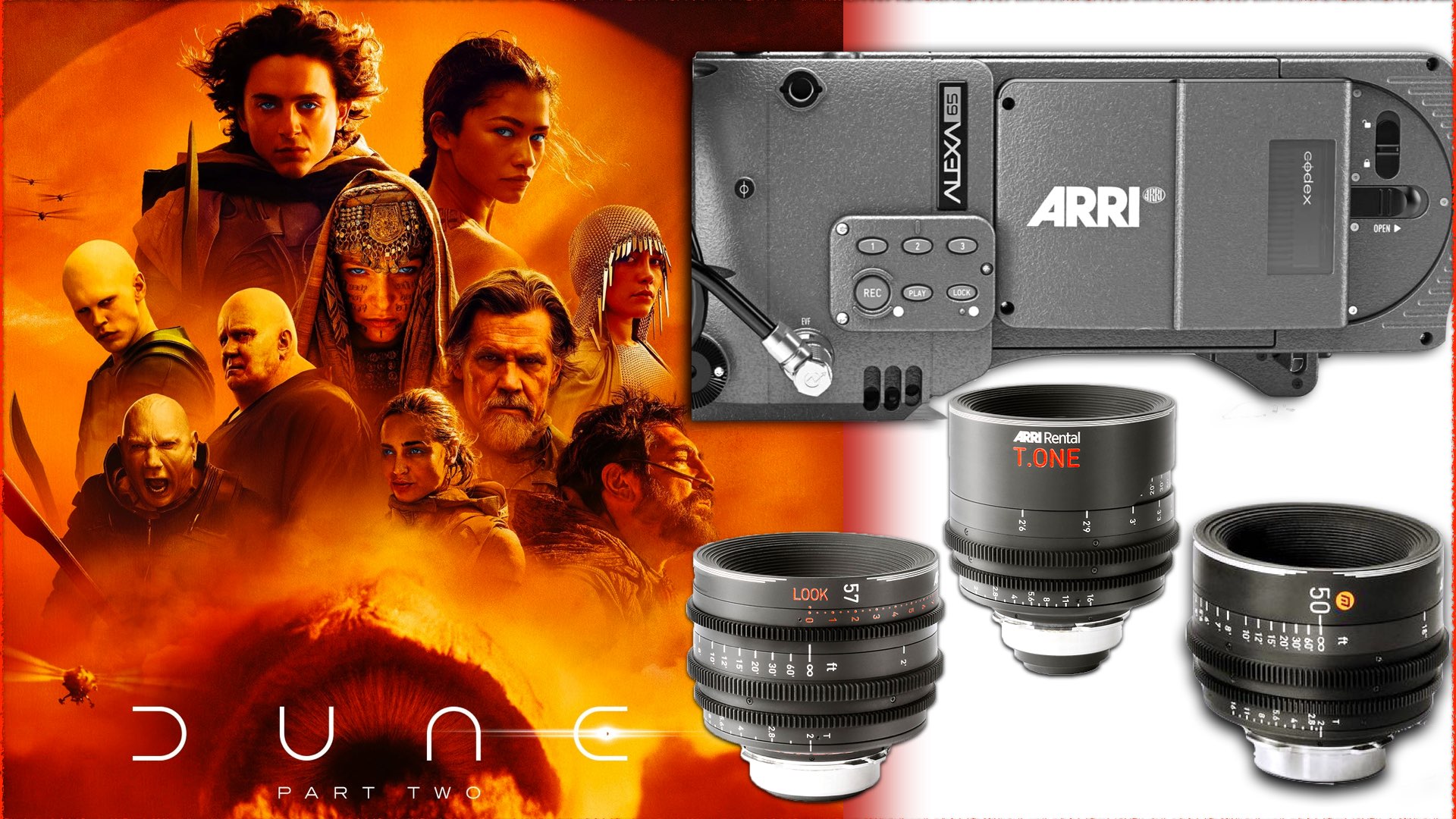
One of the central issues in IMAX cinematography is lens coverage. There are very few optics that can cover the format while maintaining acceptable illumination and image consistency across the frame. Existing options often rely on adapted or rehoused medium-format still lenses, including Mamiya and Hasselblad designs. Those lenses can work, but they are often compromise-driven solutions. They may introduce vignetting when stopped down, non-uniform corner behavior, and optical characteristics that are not necessarily aligned with the intended look of the production. This broader issue connects well with the lens-specific analysis in Dune Part Two. One More Fascinating Lens, where lens selection was already shown to be a major visual variable in the Dune workflow.
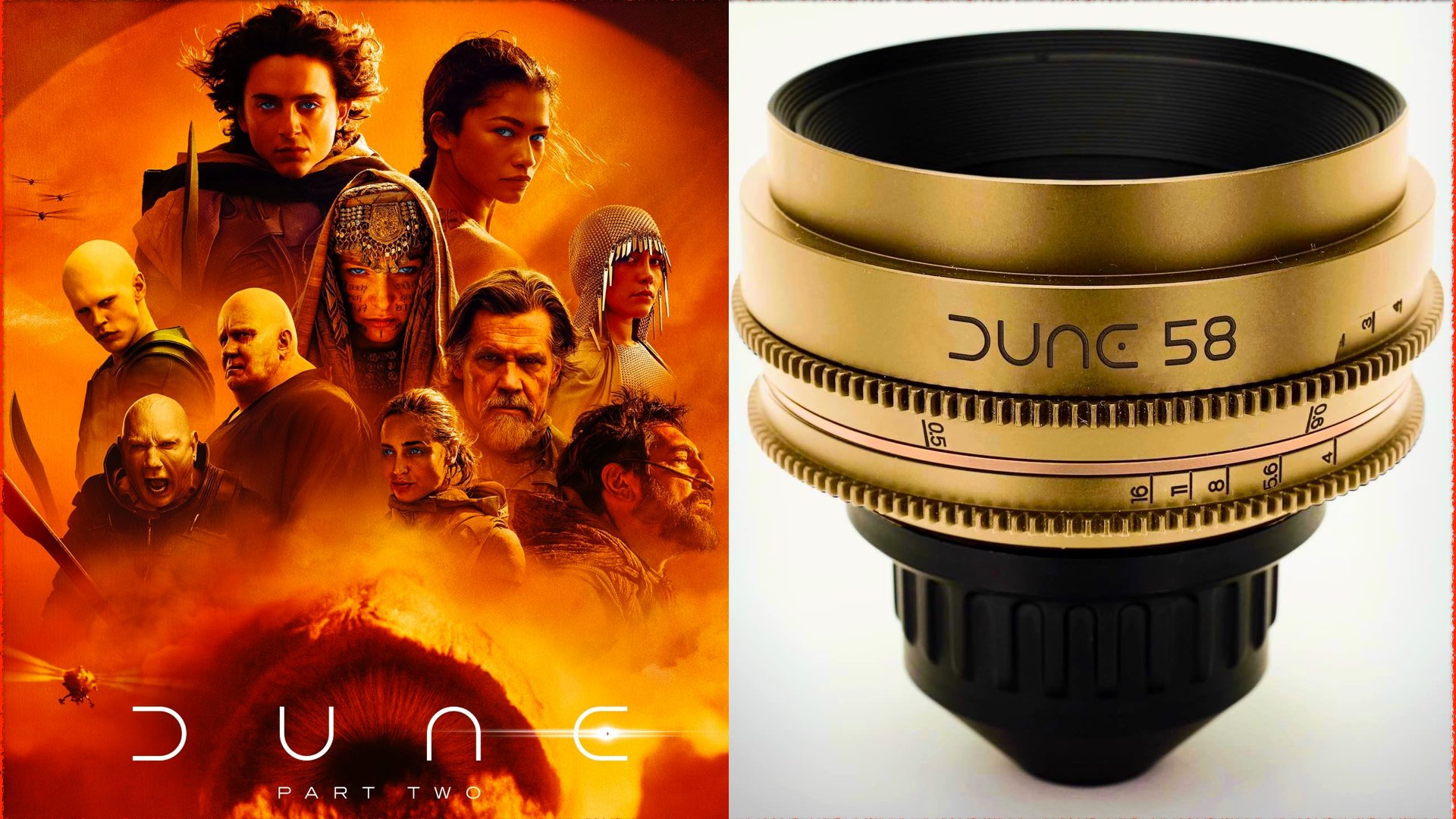
Atlas Lens Co. developed custom spherical IMAX optics
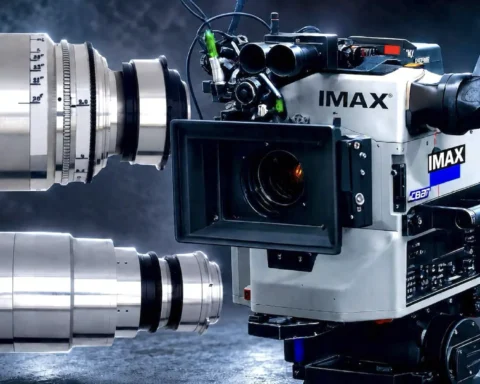
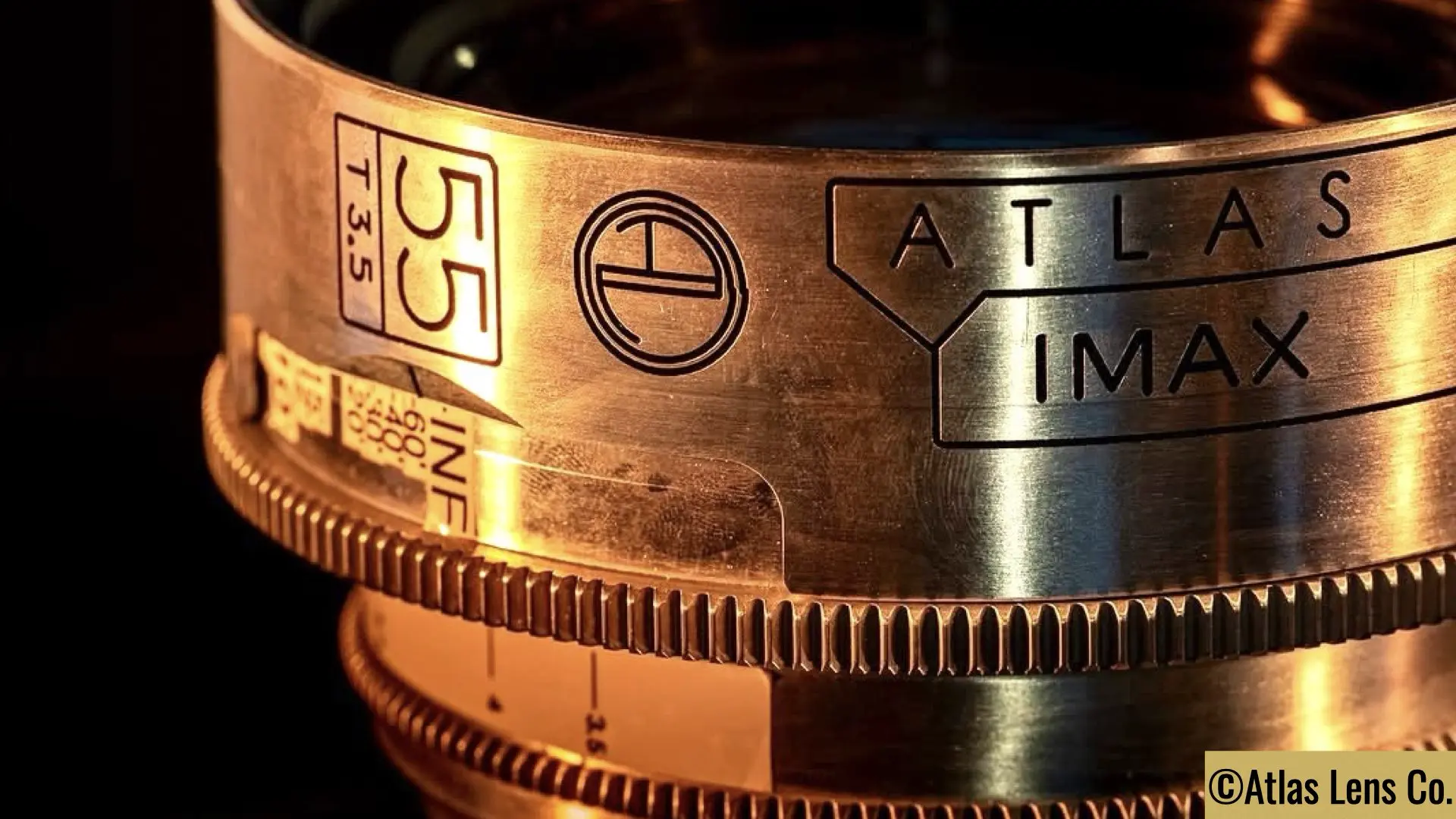
For Dune Part Three, Atlas Lens Co. reportedly developed custom spherical IMAX lenses in direct collaboration with Denis Villeneuve and cinematographer Linus Sandgren. The key point here is not simply that the lenses were custom-made, but that they were designed around the specific coverage and rendering requirements of IMAX 70mm film capture. Reported focal lengths include a 55mm T3.5 and an 80mm T3.5, with additional focal lengths under development. Some of the lenses are also said to cover an image circle as large as 100mm by 100mm, which is well beyond the coverage of conventional cinema optics and even exceeds what is typically associated with IMAX 70mm requirements. That large image circle reportedly required Atlas to build a dedicated projection and testing setup.
The design goal was controlled optical behavior
The technical rationale behind these lenses appears to be straightforward. Existing IMAX-compatible optics did not provide the desired combination of full coverage, reduced vignetting at smaller apertures, and controlled flare and coating behavior. In this case, the target was a spherical lens set with predictable optical performance and a specific rendering profile. That includes flare behavior, corner response, and coating characteristics under high contrast desert lighting conditions. This is consistent with earlier YMCinema coverage, such as Dune Part Two. Five Interesting Cinematography Facts, where the visual strategy of the franchise was already shown to rely heavily on deliberate optical choices rather than generic large format acquisition.
Spherical optics continues the established Dune approach
Another relevant point is that these lenses are spherical, not anamorphic. That follows the direction discussed in Dune Part Two IMAX Q and A with Greig Fraser, where spherical photography was already central to the IMAX presentation strategy. From a technical perspective, spherical optics makes sense here. They maximize usable image area, avoid anamorphic squeeze-related complications, and provide more direct control over coverage and edge behavior on very large formats. In an IMAX 70mm environment, that can be more important than pursuing anamorphic artifacts.
The camera is only part of the story
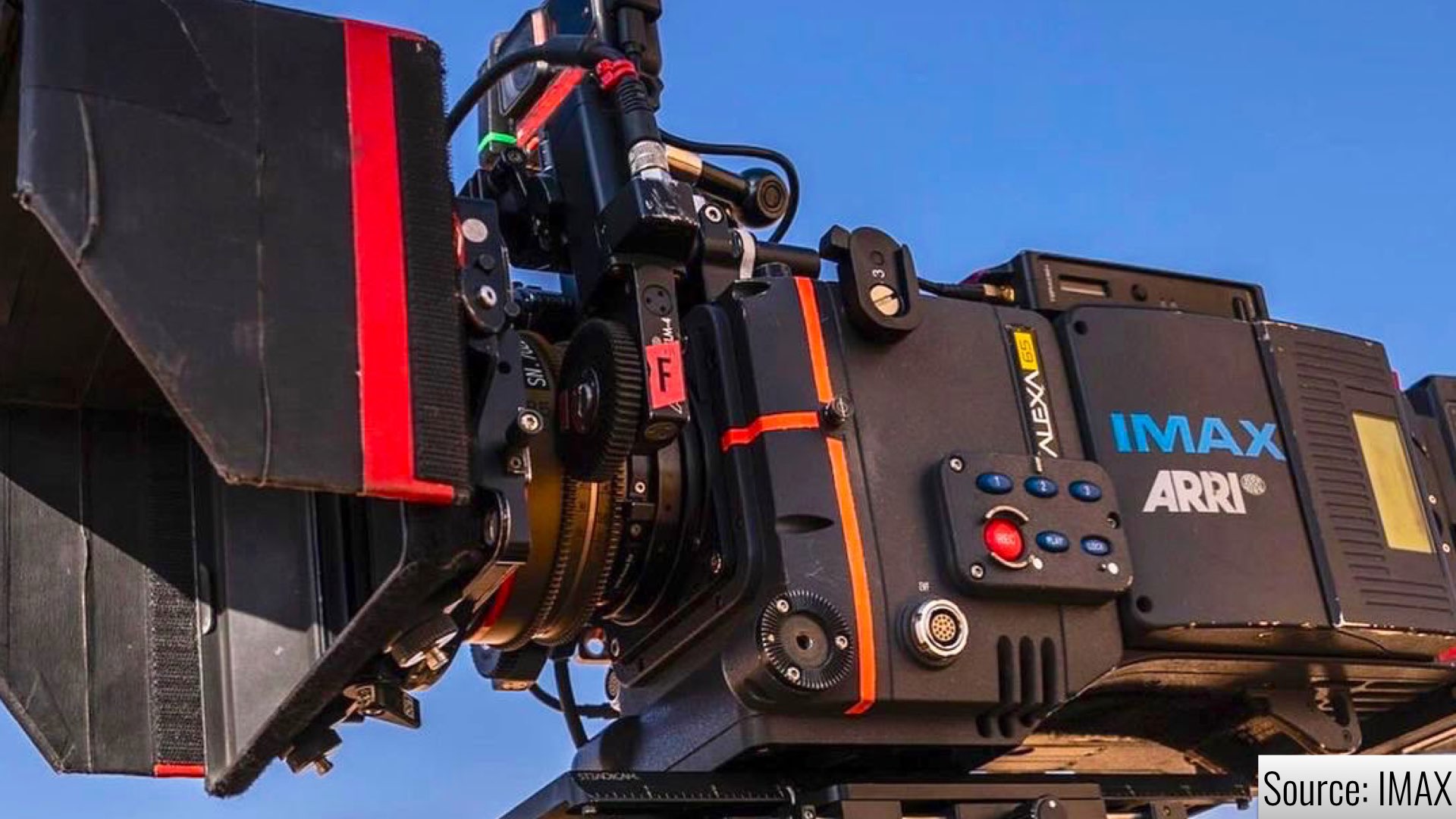
The larger takeaway is that for Dune Part Three, the camera format alone did not solve the imaging problem. Once the production committed to native IMAX film capture, lens design became a primary technical constraint. The custom Atlas lenses appear to be a format-driven solution to that constraint. They were developed to deliver sufficient coverage, reduced vignetting, and a controlled spherical rendering profile that existing IMAX options could not provide. In that sense, the lens package is at least as important as the camera system in understanding how Dune Part Three was photographed. Watch the trailer below: