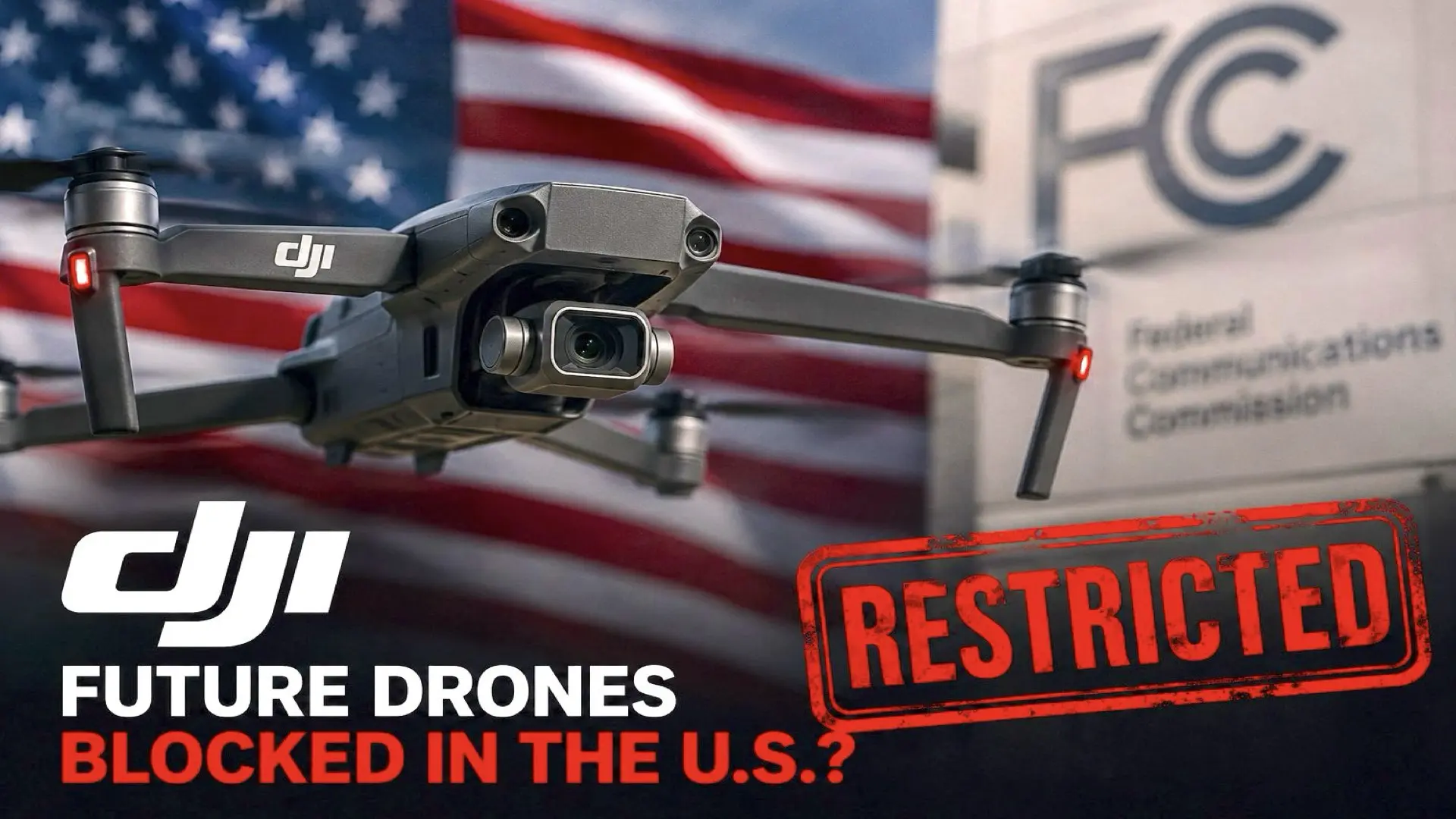
DJI warns that future drones may struggle to enter the U.S. market as its conflict with American regulators escalates. The company says ongoing FCC restrictions could impact future product launches, raising concerns among creators, filmmakers, and drone professionals who rely on DJI systems. Here are some thoughts.
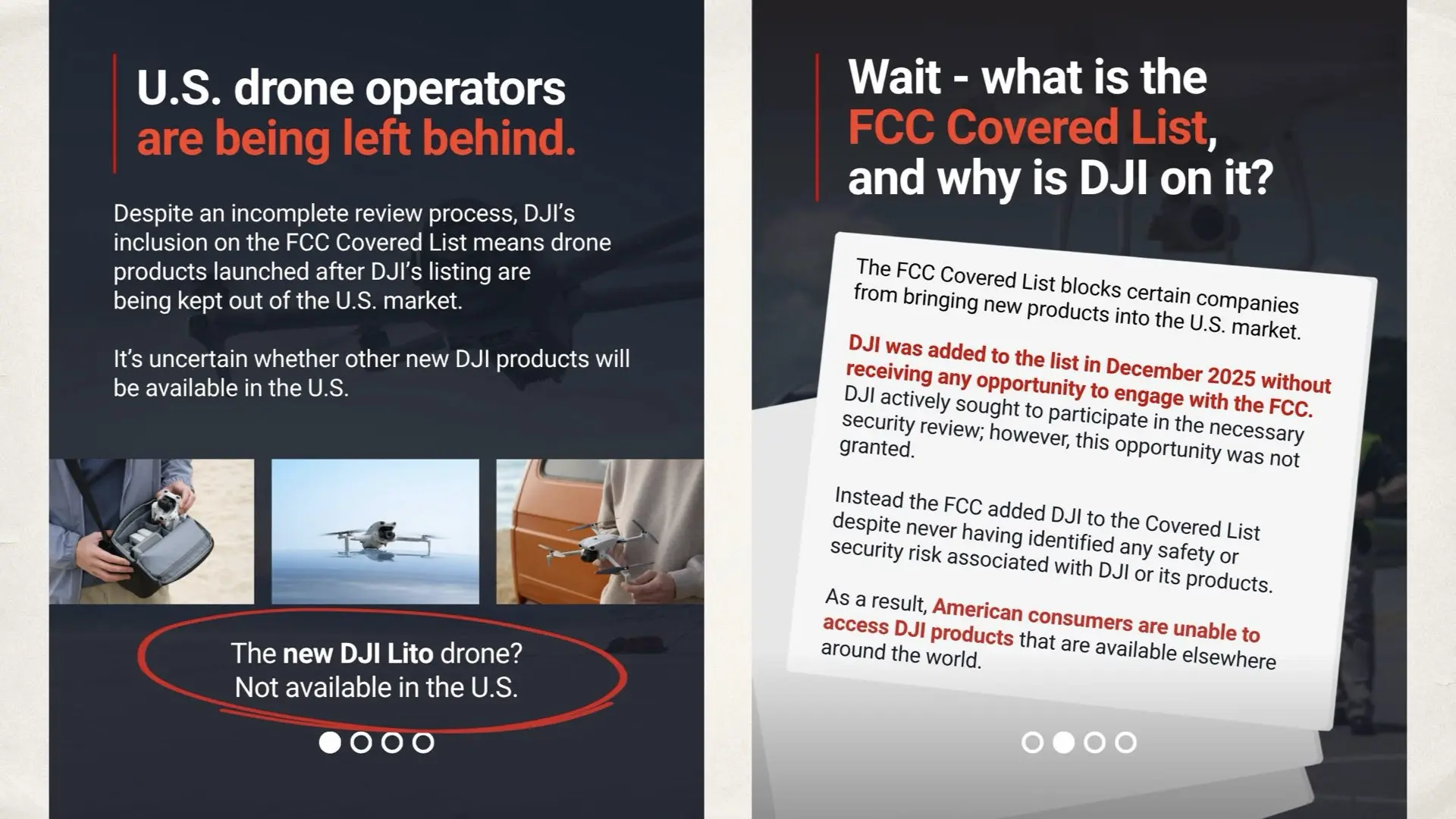
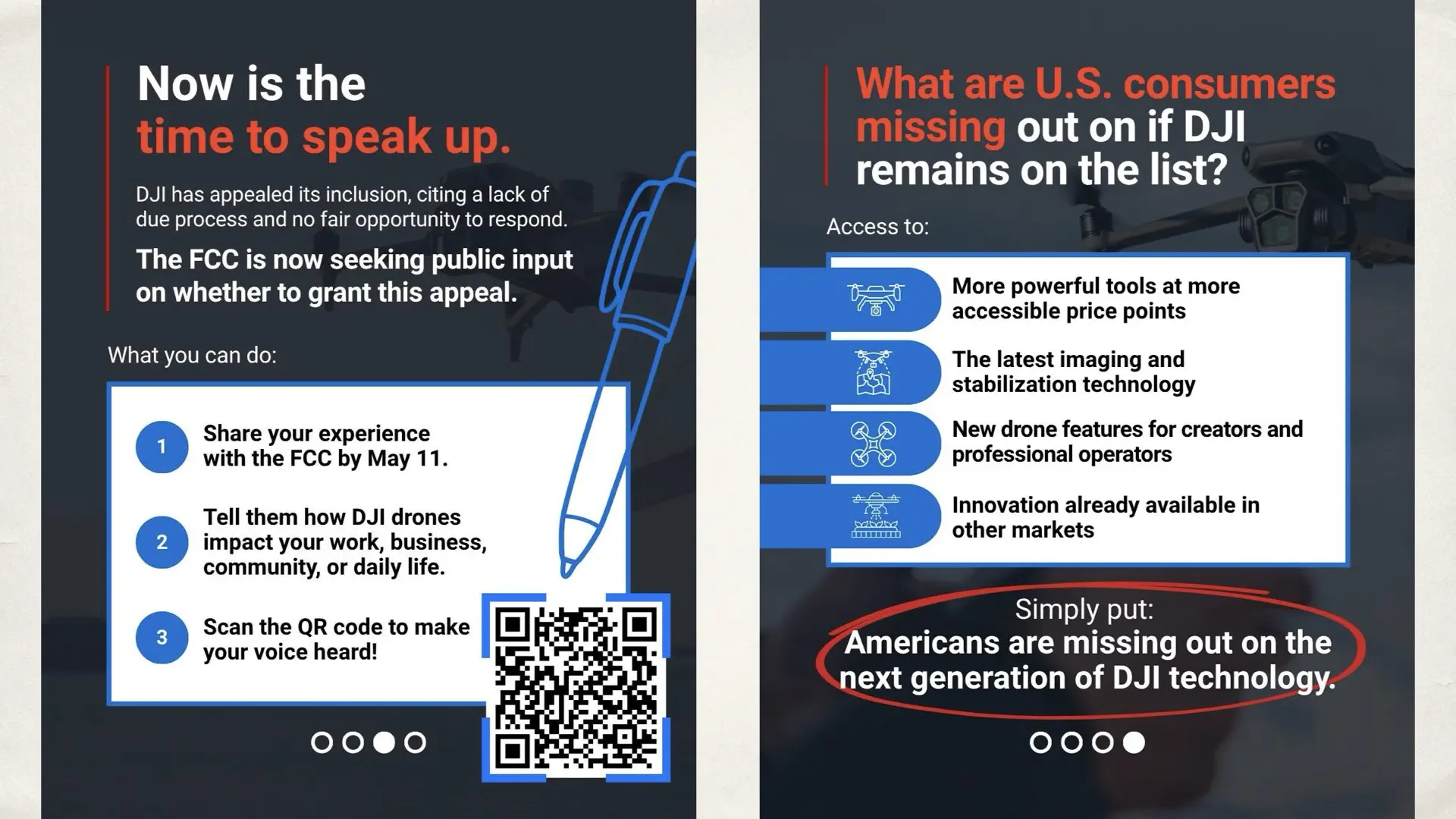
DJI was added to the FCC Covered List in December 2025 without a completed security review. DJI has since appealed its inclusion, citing a lack of due process and no meaningful opportunity to respond. American operators are being left behind. Now is the time to speak up. The FCC is now seeking public input on whether to grant that appeal. What you can do: Share your experience with the FCC by May 11. Tell them how DJI supports your work, business, community, or daily life.
– DJI
DJI shifts from legal defense to public pressure
This response marks a clear change in strategy. DJI is no longer addressing the issue quietly through regulatory or legal channels. It is now engaging its global user base in a direct and visible way. In its official statement, the company writes: “DJI was added to the FCC Covered List in December 2025 without a completed security review. DJI has since appealed its inclusion, citing a lack of due process and no meaningful opportunity to respond. American operators are being left behind. Now is the time to speak up. The FCC is now seeking public input on whether to grant that appeal. What you can do: Share your experience with the FCC by May 11. Tell them how DJI supports your work, business, community, or daily life.” The FCC has not publicly confirmed these claims and continues its review process.
Where the restriction becomes real
The Covered List operates within a broader national security framework in the United States. Its practical impact on a company like DJI centers on product authorization. Any new drone must receive FCC equipment approval before it can be legally marketed and sold in the U.S. Without that approval, new models cannot enter the market through official channels. This distinction is critical. Existing DJI drones already in circulation remain widely available. The constraint applies to what comes next. Future releases depend entirely on regulatory clearance.
A decision window with direct impact
The current review phase introduces a defined moment that could shape DJI’s near-term roadmap in the U.S. Regulators are actively seeking public input, and the outcome will determine whether the company regains a clear path for product launches. For a manufacturer that holds a dominant position in multiple segments of the global drone market, any delay or restriction at this stage can influence release timing, distribution strategy, and competitive positioning.
What U.S. users may experience next
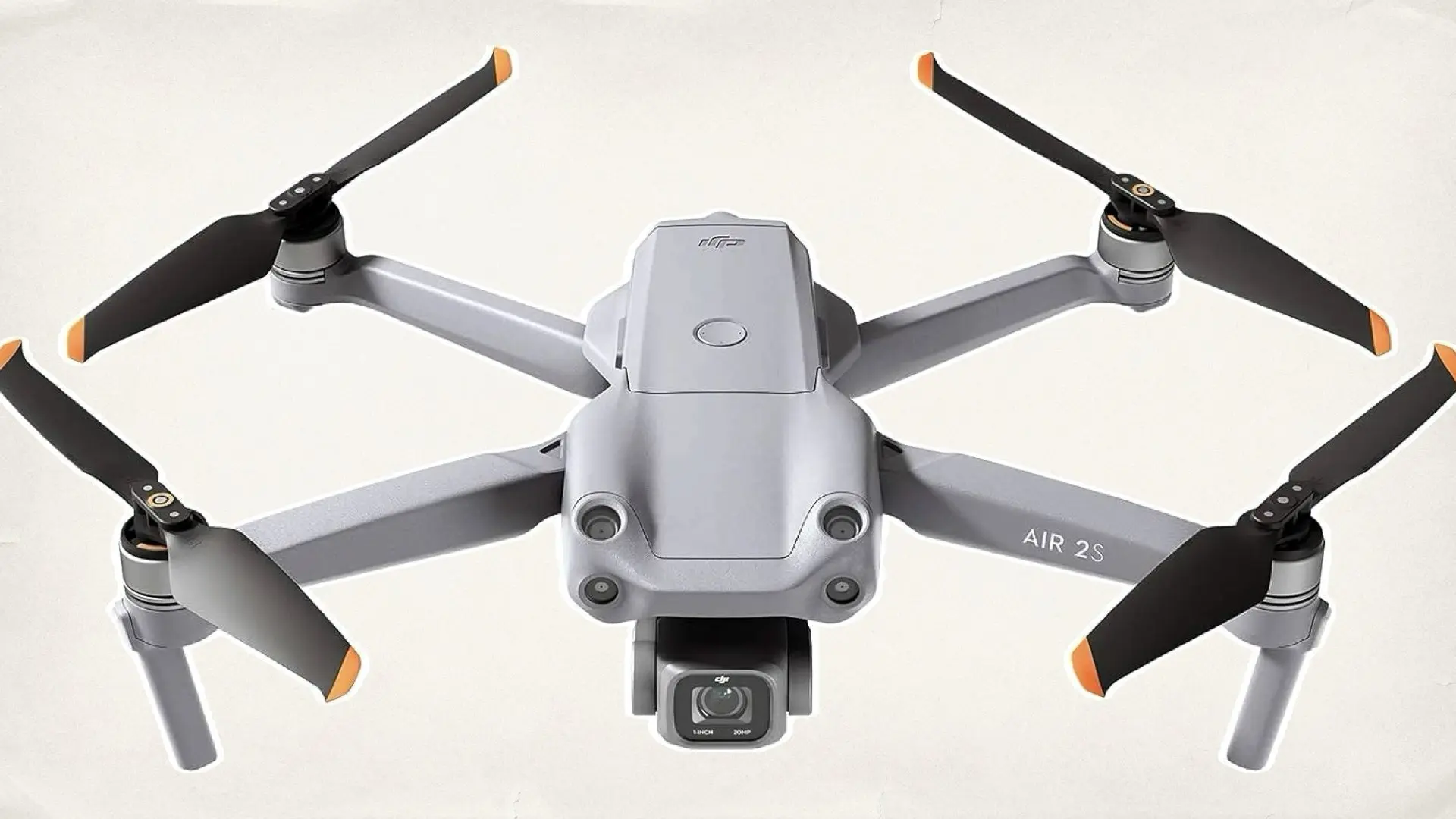
If access to new approvals tightens, the effects will surface at the user level. Creators and operators may see slower access to updated sensors, improved stabilization systems, and next-generation flight capabilities. Fewer new entrants in the market can also affect pricing structures and reduce choice across the ecosystem. The shift is gradual rather than immediate. It affects the pipeline, not the current inventory.
A broader shift in how imaging technology is treated
DJI’s public response signals more than a company dispute. It highlights how imaging platforms that combine capture, connectivity, and data transmission are increasingly viewed through a regulatory lens tied to infrastructure and security. Drones occupy a unique position in this landscape. They are creative tools, industrial systems, and connected devices at the same time, and we may not forget that they are major military tools. That combination places them directly within evolving policy frameworks that extend beyond traditional consumer electronics oversight. The outcome of this process will determine whether DJI can continue introducing new drones into one of its most influential markets, or whether access to its latest technology will gradually narrow over time.