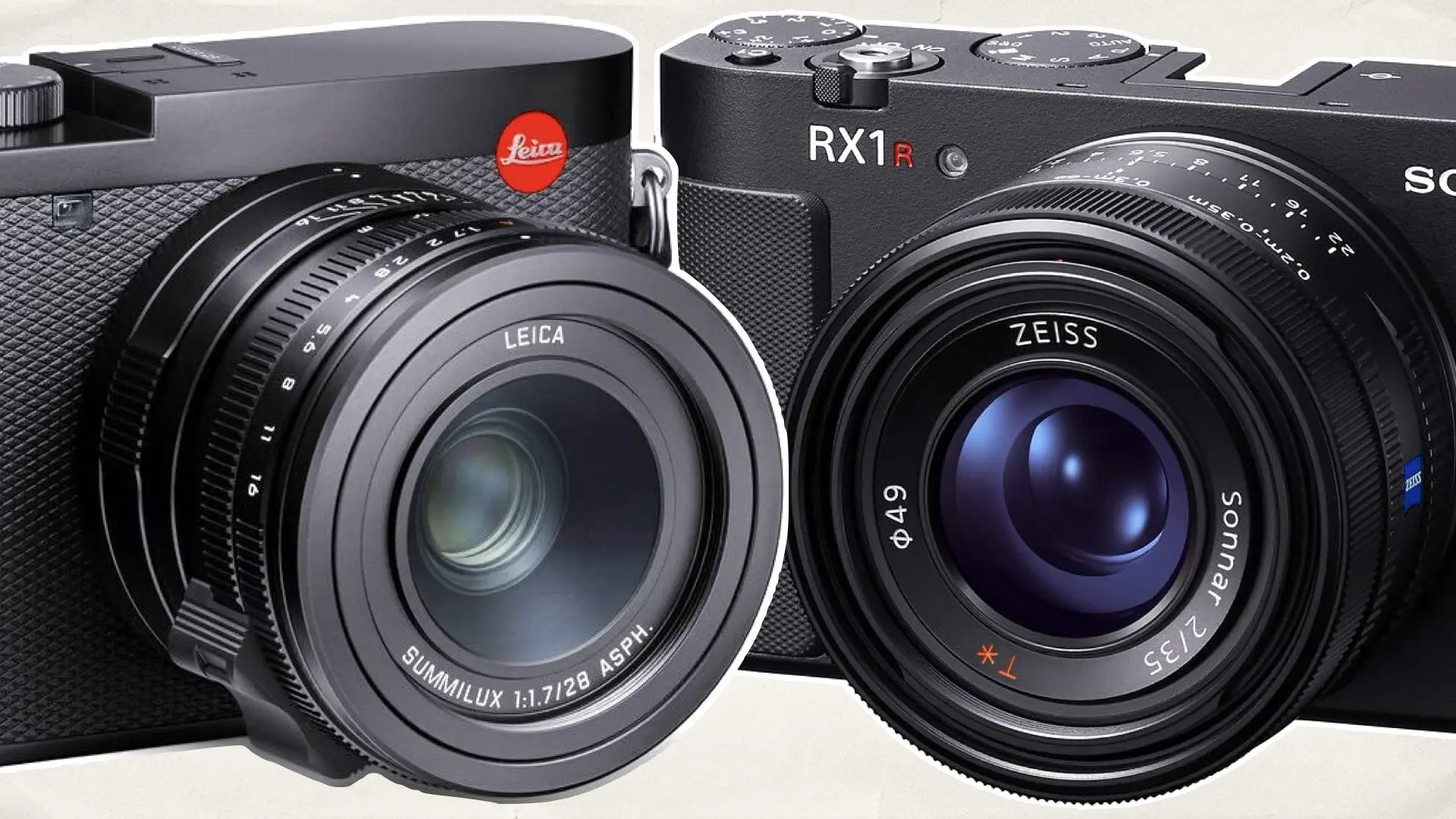
Sony’s latest move is most probably about prestige. The newly launched Sony RX1R III ($5,098 on Amazon) has stirred a whirlwind of opinions across the photography world. With its premium $5,099 price tag and fixed 35mm lens, many photographers immediately compared it to the Leica Q3, a camera often dubbed “Crazy Leica” thanks to its luxurious pricing on what some consider “simple” tools. But Sony’s surprising decision may hint at a bigger shift: a serious attempt to enter Leica’s elite space of overpriced, full-frame compact cameras for high-end creators. Is this the beginning of a new boutique era for Sony? Let’s unpack what this means, and why it matters.
Sony RX1R III: A Spec Beast in a Small Package
Sony didn’t resurrect the RX1 line and supercharged it. The RX1R III now features the 61MP full-frame sensor from the A7R V ($3,498 on Amazon) , paired with a 35mm f/2 Zeiss Sonnar lens, AI-powered autofocus, and a professional-grade color science suite including S-Cinetone and LUT previews. But despite these upgrades, the camera maintains its super compact form, making it one of the smallest full-frame cameras on the market. And yet, the community was stunned, not by the specs, but by the price.

Sticker Shock: The Reddit Backlash
Creators didn’t hold back. In one of the most upvoted discussions around the launch, users questioned who this camera is really for. Many argued that for $5,099, a buyer might as well just spend a little more and jump into the Leica Q3, which offers a 28mm f/1.7 Summilux, weather sealing, a 5.76M-dot EVF, and even 8K video. Others were frustrated by the lack of IBIS, the small fixed screen, and the modest battery life. The loudest sentiment? Sony is trying to sell a niche tool to a nonexistent luxury market. Or… is it?

Sony’s Strategy: Becoming the Leica for the Rest of Us?
There’s reason to believe Sony knows exactly what it’s doing. With Leica’s Q line continuing to dominate the fixed-lens full-frame market despite ultra-premium pricing, Sony may be trying to grab a slice of that very exclusive pie. This new RX1R III is not meant for the average enthusiast. It’s for the “super artist” who doesn’t care about lens swaps or full video rigs. It’s a tool designed for stealthy street photographers, fine art shooters, and quiet luxury buyers who want full-frame quality in a timeless form. It’s the same logic behind why Leica continues to succeed, even with cameras like the Q2 Monochrom, a black-and-white-only camera for nearly $6,000. Sony’s version is arguably more modern, more digital-native, and technically more capable, at a lower price.

How It Stacks Up Against the Leica Lineup
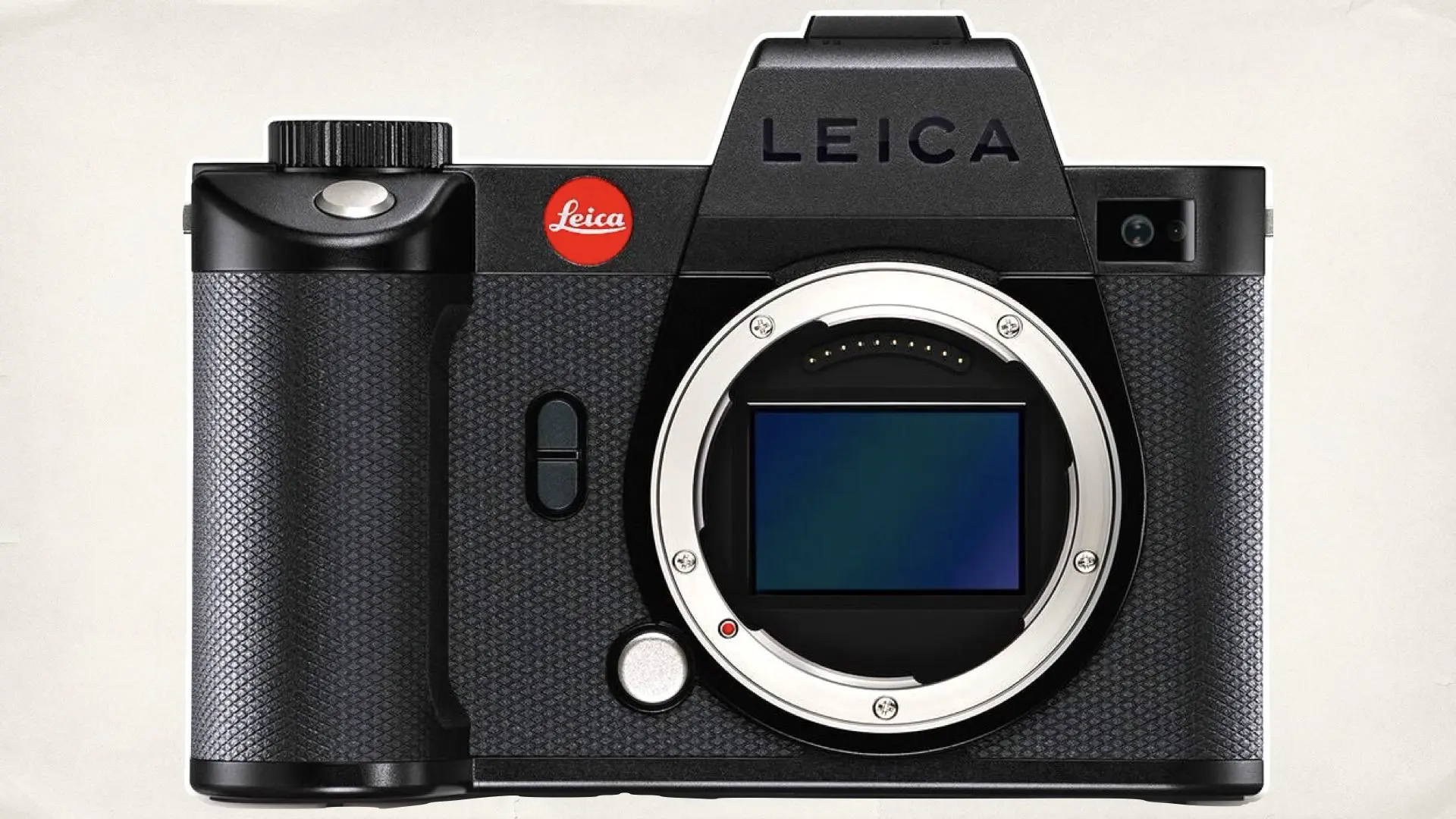
It’s not just the Q3. Leica’s entire compact full-frame ecosystem, including the SL2-S, which we’ve explored in A Closer Look at the Leica SL2-S: A Rare Amazon Deal on a True Hybrid Camera and Why the Leica SL2-S Is Still a Brilliant Choice in 2025 — plays in that same premium tier. But while Leica offers elegance, heritage, and “less is more” minimalism, Sony brings tech-forward versatility and cutting-edge image pipelines. In fact, when you compare Sony’s recent compact powerhouses to the current Best-Selling Full-Frame Mirrorless Cameras on Amazon, it’s clear: Sony dominates the spec wars. But now, it wants to own the lifestyle war, too.

What Comes Next?
Sony’s gamble might look bold, even a bit arrogant, but it could pay off. The RX1R III is competing with Leica’s specs and is challenging Leica’s entire philosophy. Where Leica banks on minimalism, history, and mystique, Sony is betting on AI, power, and discretion. It’s trying to build a new identity as a budget alternative to Leica. That’s a significant evolution in Sony’s branding, and it could influence how camera makers position their premium compacts for years to come. Yes, the RX1R III is expensive. Yes, it lacks certain features photographers expect at this tier. But it also represents something more interesting: a shift in strategy, a challenge to a sacred cow, and a love letter to image-makers who care deeply about their gear, and even more about their images.
Gear mentioned in this article
Available on Amazon
| Product | New | Renewed | Used |
|---|---|---|---|
| Sony RX1R III | $5,098 | — | From $4,339.07 |
| Sony Alpha 7R V | $3,498 | — | From $2,274 |
Prices checked: Sep 12, 2026, 1:30 PM GMT+0000
As an Amazon Associate, Y.M.Cinema earns from qualifying purchases. If you buy through our links, we may earn a small commission at no extra cost to you.
Product prices and availability are accurate as of the date/time indicated and are subject to change. Any price and availability information displayed on Amazon.com at the time of purchase will apply to the purchase of this product.
CERTAIN CONTENT THAT APPEARS ON THIS SITE COMES FROM AMAZON. THIS CONTENT IS PROVIDED “AS IS” AND IS SUBJECT TO CHANGE OR REMOVAL AT ANY TIME.