
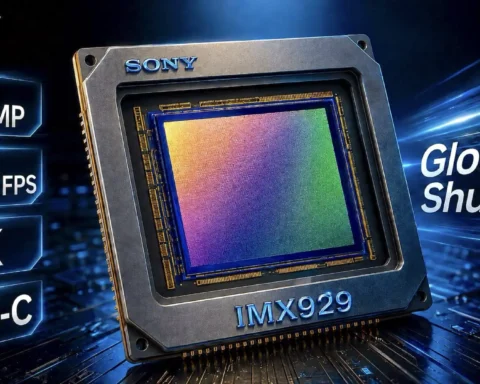
Sony dominates the CMOS sensor market that powers a huge portion of the global camera industry. From mirrorless cameras to smartphones, Sony imaging chips sit inside countless devices. But a new report from Nikkei Asia suggests Canon may be preparing for a very different technological battle, one that could unfold far from the sensor itself. According to the report, Japanese semiconductor startup Rapidus has identified Canon as a candidate to become its first major domestic customer for advanced 2-nanometer chips. The companies are expected to explore collaboration around next-generation image processing semiconductors designed for cameras and surveillance systems. If this cooperation materializes, Canon could gain access to one of the most advanced semiconductor manufacturing technologies currently under development in Japan. What does this mean to filmmakers? Read on.
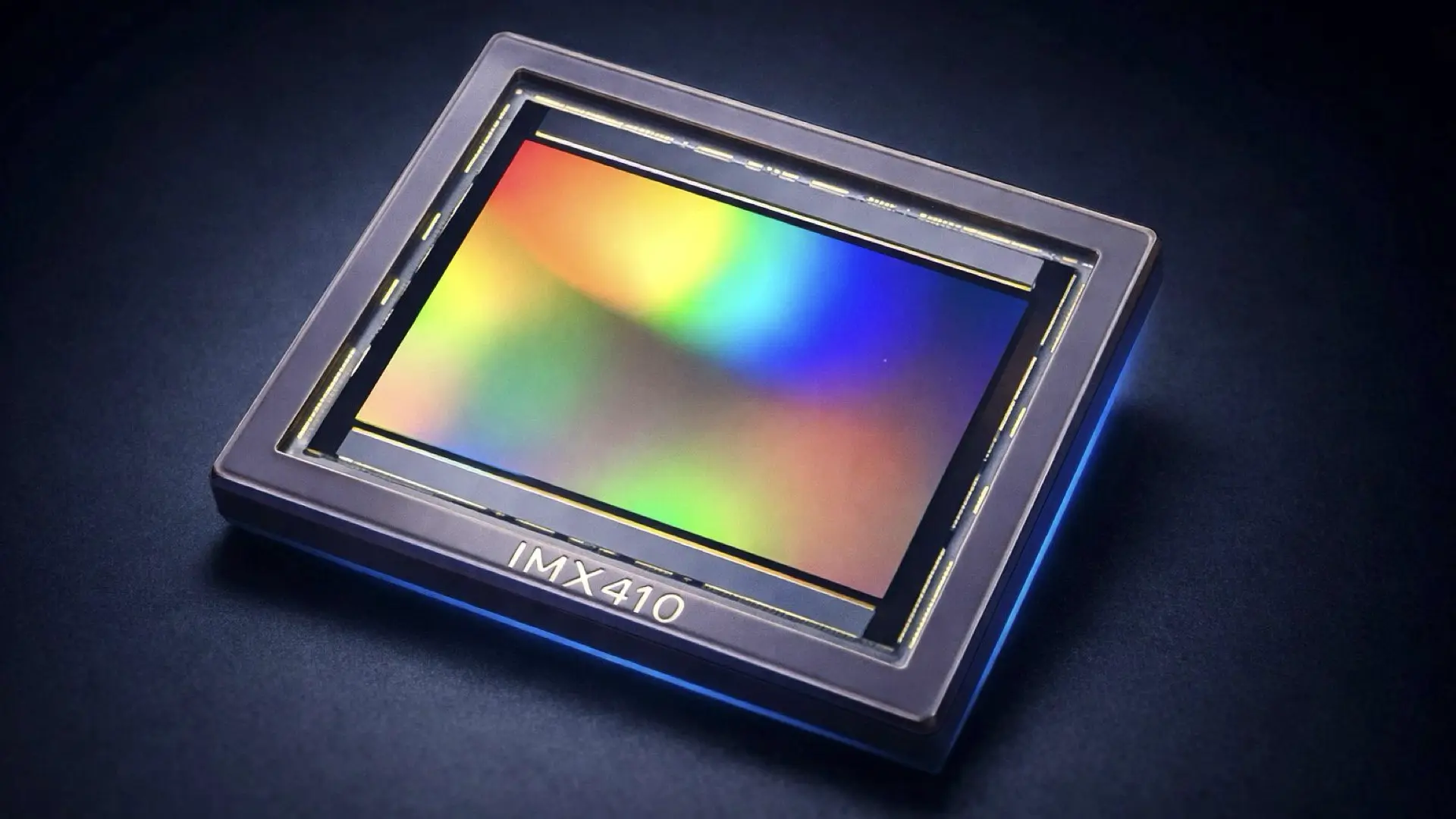
Sony still dominates the sensor world
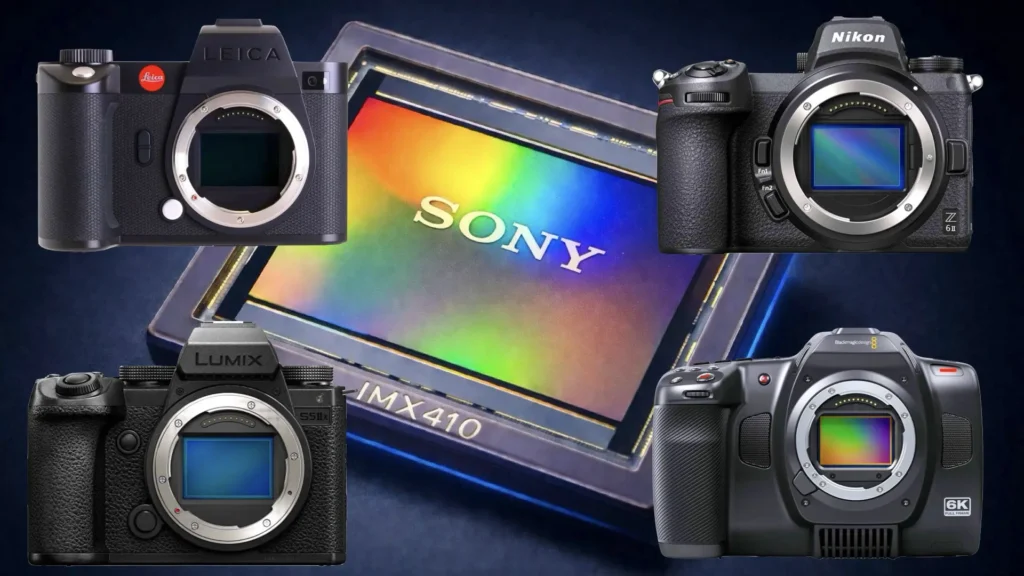
Sony’s position in CMOS sensors remains extremely strong. The company supplies sensors across a vast range of imaging products, from professional cameras to consumer electronics. The reach of Sony’s sensor technology is so extensive that it powers a large portion of modern camera systems, something explored in detail in Sony IMX410 Sensor Powering Half the Camera Industry. That dominance is unlikely to disappear anytime soon. Sony has spent decades refining sensor architecture, stacked designs, and high-speed readout technologies that now define much of the imaging market. But sensors are only one part of the imaging pipeline.
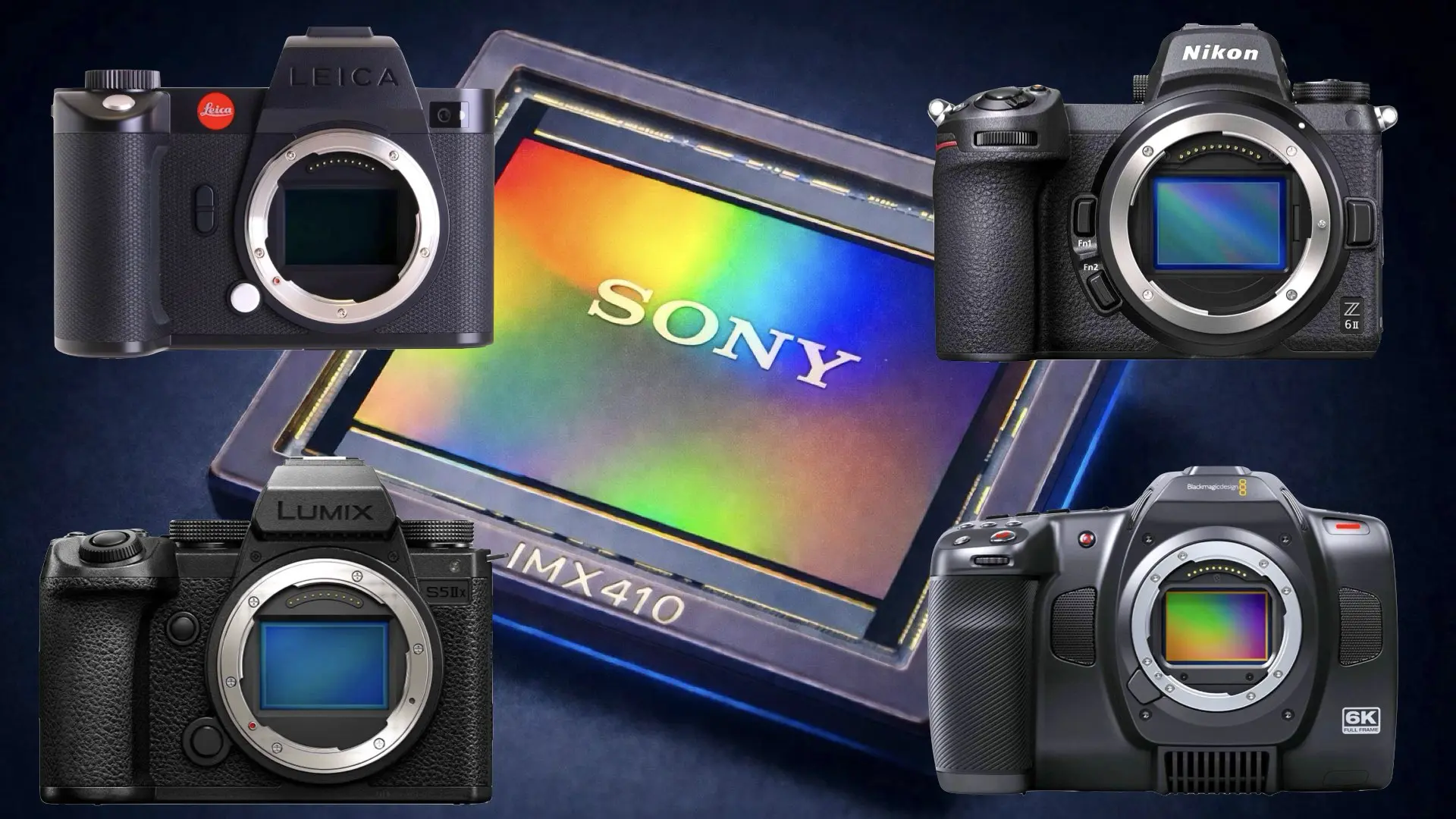
The processor may become the new battlefield
Modern cameras rely heavily on processing power. Autofocus algorithms, subject detection, noise reduction, and computational photography all depend on the camera’s internal processor. Canon’s DIGIC processors already perform many of these tasks. If Canon begins developing future processors using a 2-nanometer semiconductor process, the potential performance gains could be significant. Smaller process nodes allow higher transistor density and improved energy efficiency. In practical terms, that could enable faster autofocus calculations, more advanced AI-driven subject recognition, improved real-time image processing, and more efficient video pipelines. As cameras increasingly rely on computational imaging, the processing silicon inside the camera may become just as important as the sensor itself.

Rapidus and Japan’s semiconductor strategy
Rapidus was founded in 2022 as part of Japan’s effort to rebuild advanced semiconductor manufacturing capabilities. The company is building a new fabrication facility in Hokkaido with the goal of producing 2-nanometer chips later in the decade. The project has strong support from both the government and industry. Its broader goal is to restore Japan’s role in the global semiconductor landscape after decades of decline in advanced chip manufacturing. Canon, appearing as a potential early customer, therefore carries strategic meaning. It would connect a major imaging company directly to Japan’s most ambitious semiconductor project. This is not the first time the camera industry has appeared in discussions surrounding Rapidus. The broader relationship between imaging companies and semiconductor infrastructure was previously explored in Is Fujifilm Positioning Itself Closer to the Future of Image Sensors?, which examined Fujifilm’s own investment in the Rapidus initiative and its role in supplying materials used in advanced chip fabrication.

A shift in the imaging technology race
For years, the camera industry has focused heavily on sensor size, resolution, and readout speed. Those elements remain important, but the Rapidus story highlights another dimension of competition. If Canon begins developing advanced image processors using cutting-edge semiconductor nodes, the competitive landscape could gradually shift toward processing power. Autofocus intelligence, computational photography, and real-time image analysis may define the next generation of camera performance. Sony still leads the CMOS sensor market, and that dominance remains firmly established across both consumer and professional imaging. But if Canon begins developing advanced image processors using Rapidus 2 nanometer technology, the competitive landscape could expand beyond the sensor itself. Autofocus intelligence, computational imaging, and real time processing are becoming central to modern cameras. In the next phase of the imaging industry, the real competition may shift from who builds the best sensor to who builds the most powerful imaging silicon. That’s our 2 cents.







![Nikon Is Developing Nine NIKKOR Z CINEMA T1.9 VV Lenses for RED V RAPTOR [X]](https://ymcinema.com/wp-content/uploads/2026/09/Nikon-Is-Developing-Nine-NIKKOR-Z-CINEMA-T1.9-VV-Lenses-for-RED-V-RAPTOR-X.001-480x384.webp)


Sony is one of the major shareholder of Rapidus. Either way their technology will be far ahead and they make money both ways. Cannon is just the guinea pig at this stage with the 2nm process while Sony will have the more advanced version.