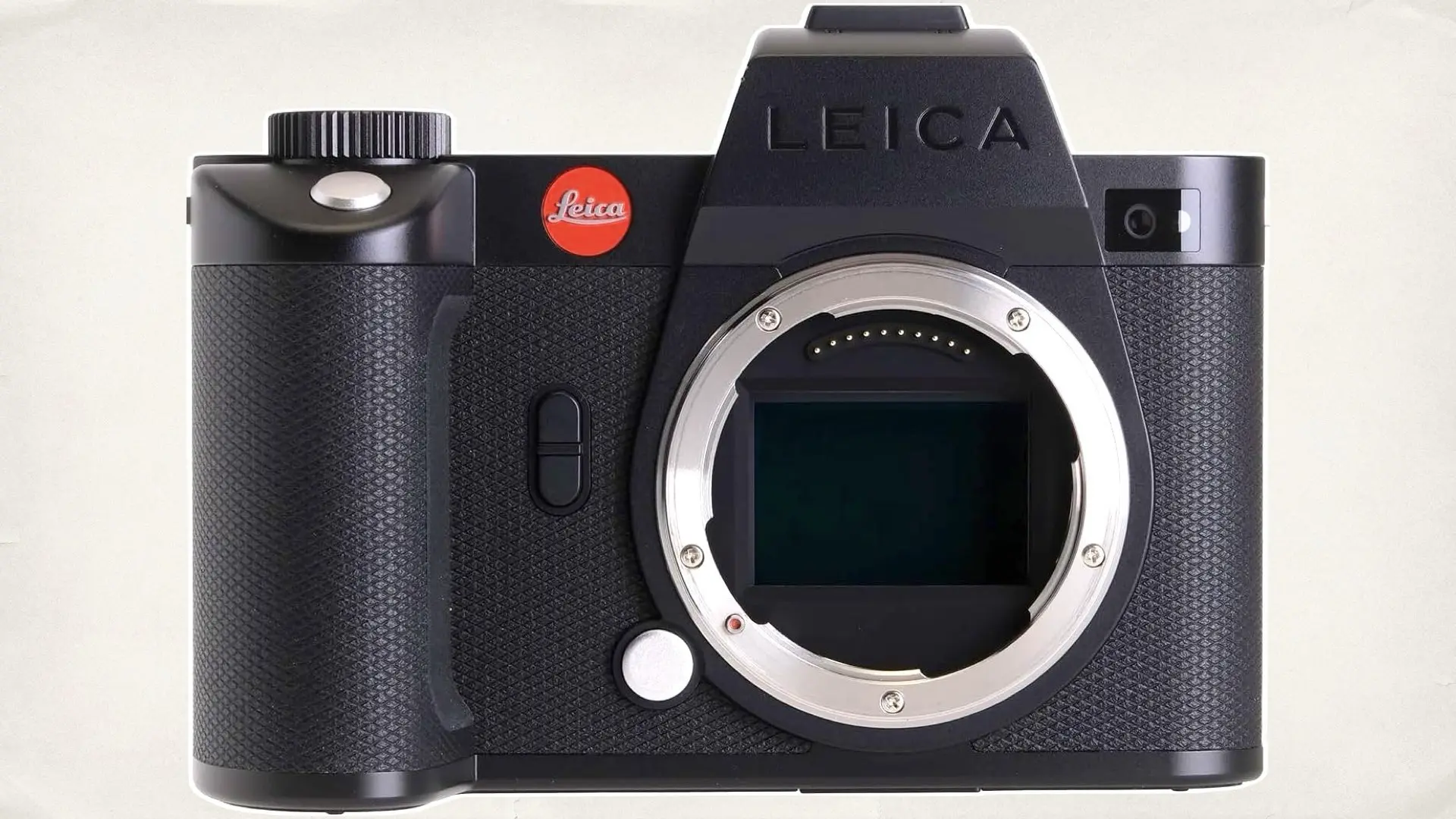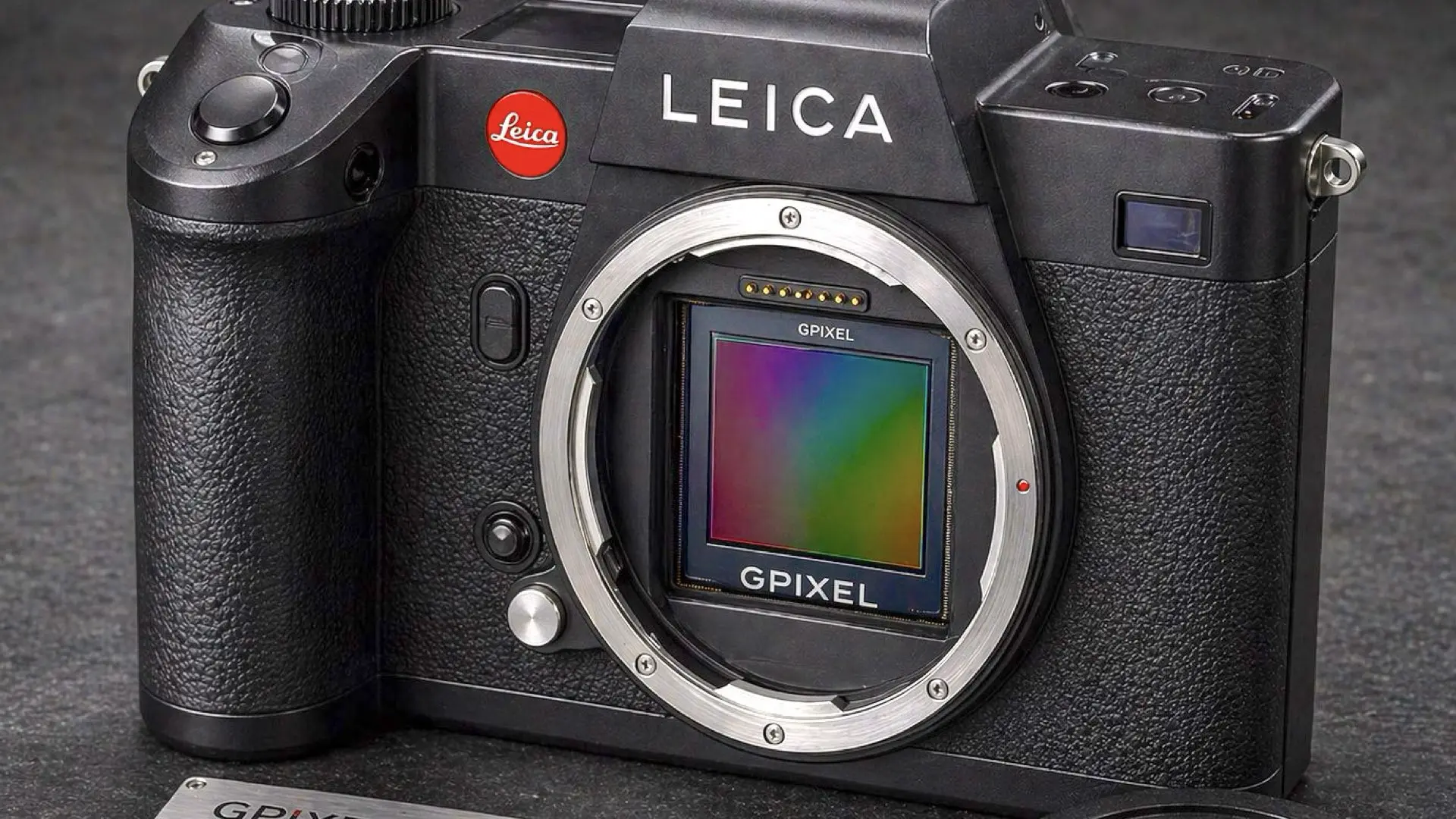
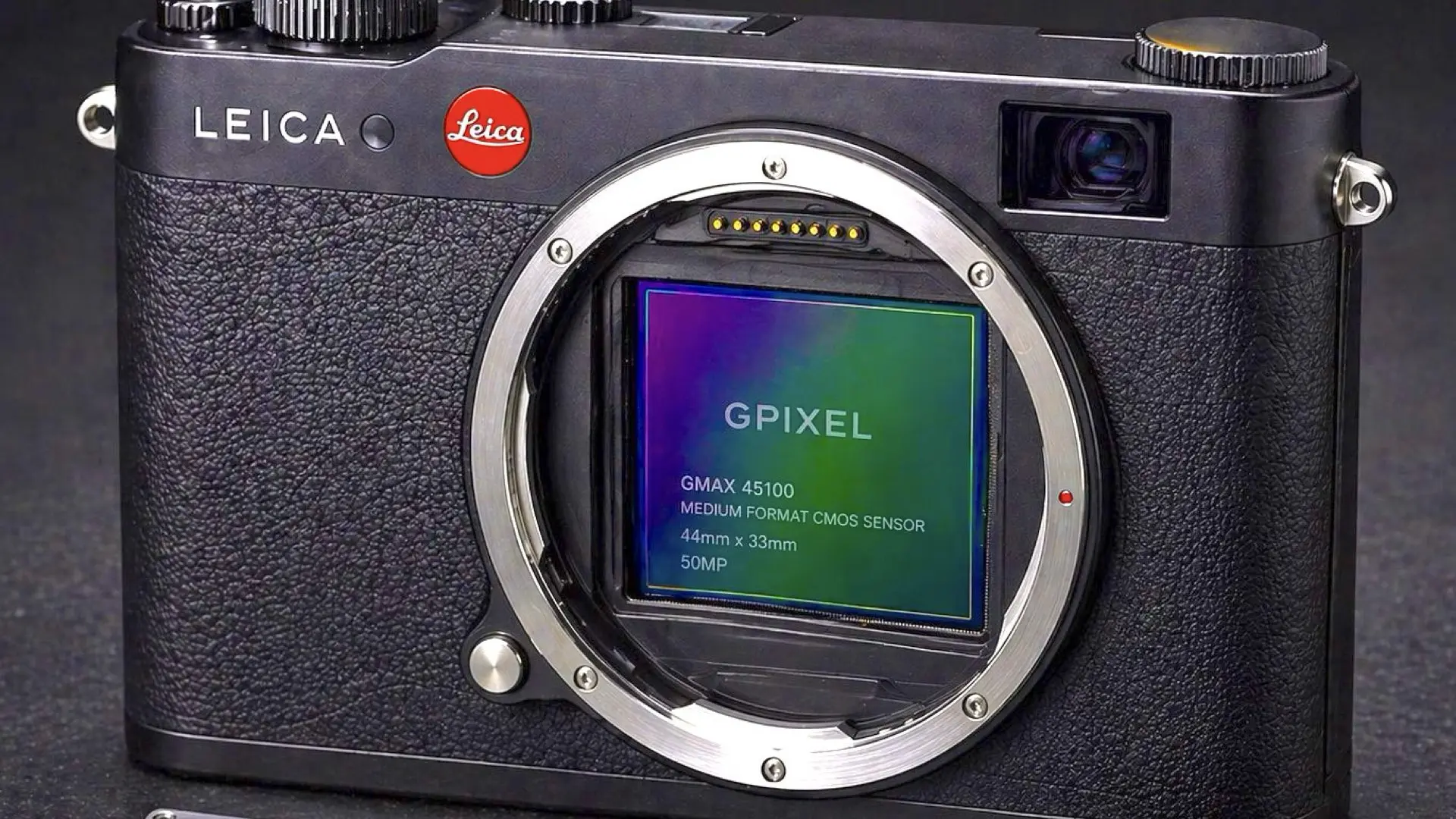
Leica has taken a step that may redefine its camera strategy. In a newly announced partnership, Leica confirmed it is working with Gpixel to co-develop a next-generation image sensor tailored specifically for its future cameras. The wording of the announcement points to a deeper level of collaboration, where both companies are involved in engineering, validation, image tuning, and production readiness. Now is the question: Is Leica working on a medium-format mirrorless camera with a Gpixel sensor?
I am really happy and proud that our long-term cooperation with Gpixel will soon result in a true Leica sensor.
– Dr. Andreas Kaufmann, Chairman at Leica Camera AG
A “true Leica sensor”
The key phrase is “true Leica sensor.” That signals a shift in philosophy. For years, Leica has relied on external sensor suppliers while differentiating through optics, color science, and image processing. That approach has worked well, especially in creating the recognizable Leica rendering. However, it also means the foundation of the image, the sensor itself, has largely followed external roadmaps. This partnership suggests Leica wants to move beyond that limitation and shape the sensor at a fundamental level.
A new mirrorless medium format?
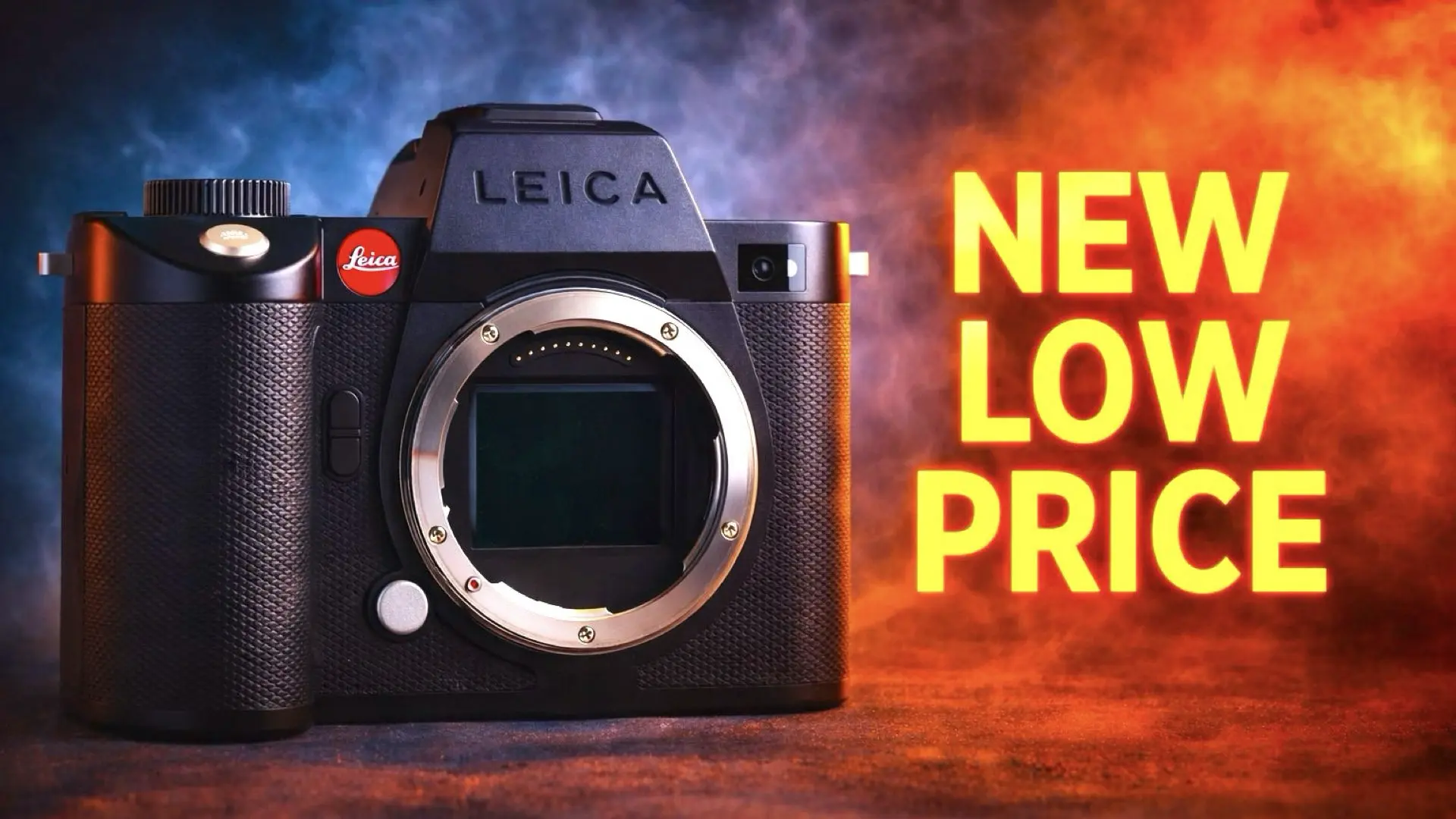
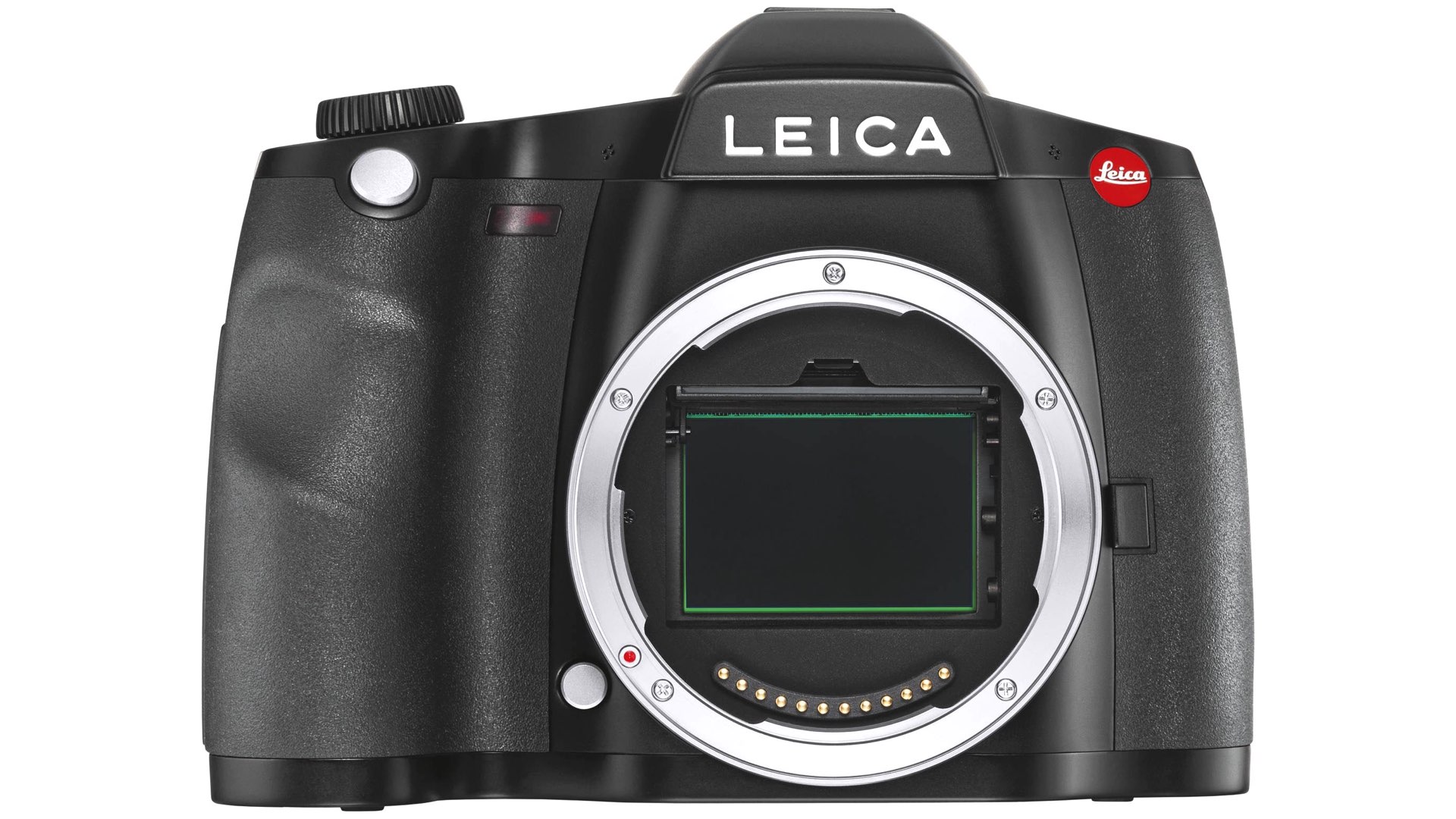
So, where does this lead? The most logical direction is medium format. Leica already operates in this segment with the S system, built around a large sensor and a strong reputation for color accuracy and tonal depth. At the same time, the S system has remained DSLR-based and relatively conservative in its evolution. The broader market has moved toward mirrorless medium format, led by more flexible and faster developing platforms. That creates a gap. Leica now has both the motivation and the opportunity to rethink its position. A custom sensor changes the equation. It allows Leica to define priorities that align with its philosophy rather than compromise around a general-purpose design. That could mean tuning for extremely precise color reproduction, cleaner shadow transitions, and a specific noise profile that matches Leica’s visual identity. It could also mean optimizing readout behavior in ways that reduce rolling shutter artifacts or improve responsiveness, areas where medium format systems often lag behind smaller formats.

The Gpixel connection
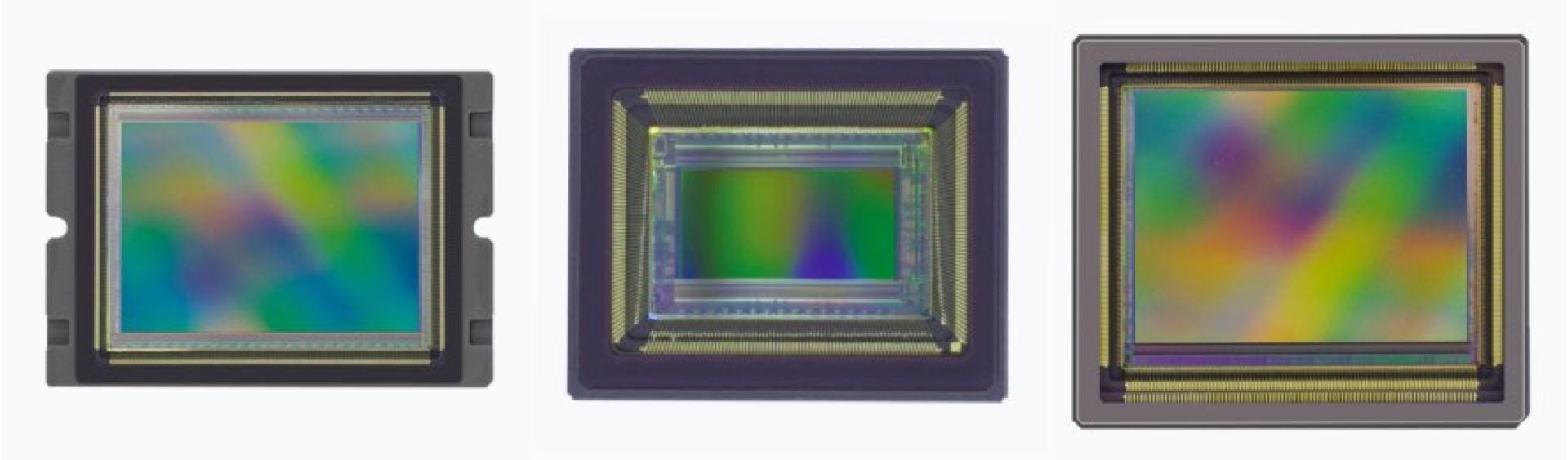
This is where Gpixel becomes particularly relevant. Unlike mainstream sensor suppliers that serve a wide range of consumer products, Gpixel has built a reputation in high performance and specialized imaging. That includes sensors designed for scientific, industrial, and high end applications where parameters like dynamic range, readout speed, and noise characteristics can be pushed in very specific directions. For Leica, this opens the door to a more customized solution, rather than adapting a sensor designed for mass market use.
Factors enhanced
The mirrorless angle is harder to ignore. A new sensor platform naturally pairs with a new camera architecture. Mirrorless design would allow Leica to reduce mechanical constraints, improve live view performance, and potentially introduce faster shooting capabilities. It would also align Leica more directly with the current direction of the medium format market. If Leica is investing in a ground-up sensor development effort, it is reasonable to assume that the body built around it would also reflect a forward-looking design. Moreover, relying on widely used sensors limits differentiation. When multiple brands build around similar hardware, the differences come down to processing and ergonomics. By co-developing its own sensor, Leica can create a more distinct product at the core level. That matters in a segment where customers are not only buying resolution, but also a specific look and shooting experience.
Final note
At the same time, this announcement should be interpreted carefully. There are no technical details yet. No information about sensor size, resolution, shutter architecture, or timeline. The first implementation may remain within an existing system rather than launching an entirely new platform. If this collaboration delivers a sensor that truly reflects Leica’s priorities, it could mark the most significant shift in the company’s digital strategy in years. We’ll be focused on that, so stay tuned.