

Sometimes it only takes a single throwback to remind us how different filmmaking once felt. A recent Instagram post from Sony Professional Filmmaking revisited Don’t Crack Under Pressure, their 2016 collaboration with Thierry Donard and Nuit de la Glisse. An era when action sports cinematography was built around endurance, trust, and physical presence. At the center of that era stood the Sony FS7 ($7,699.95 on Amazon) as a tool filmmakers trusted when conditions stopped being forgiving. This was a time when cameras were chosen for reliability over novelty, and when technology existed to follow the athlete rather than dictate the shoot. Let’s talk about that for a bit.
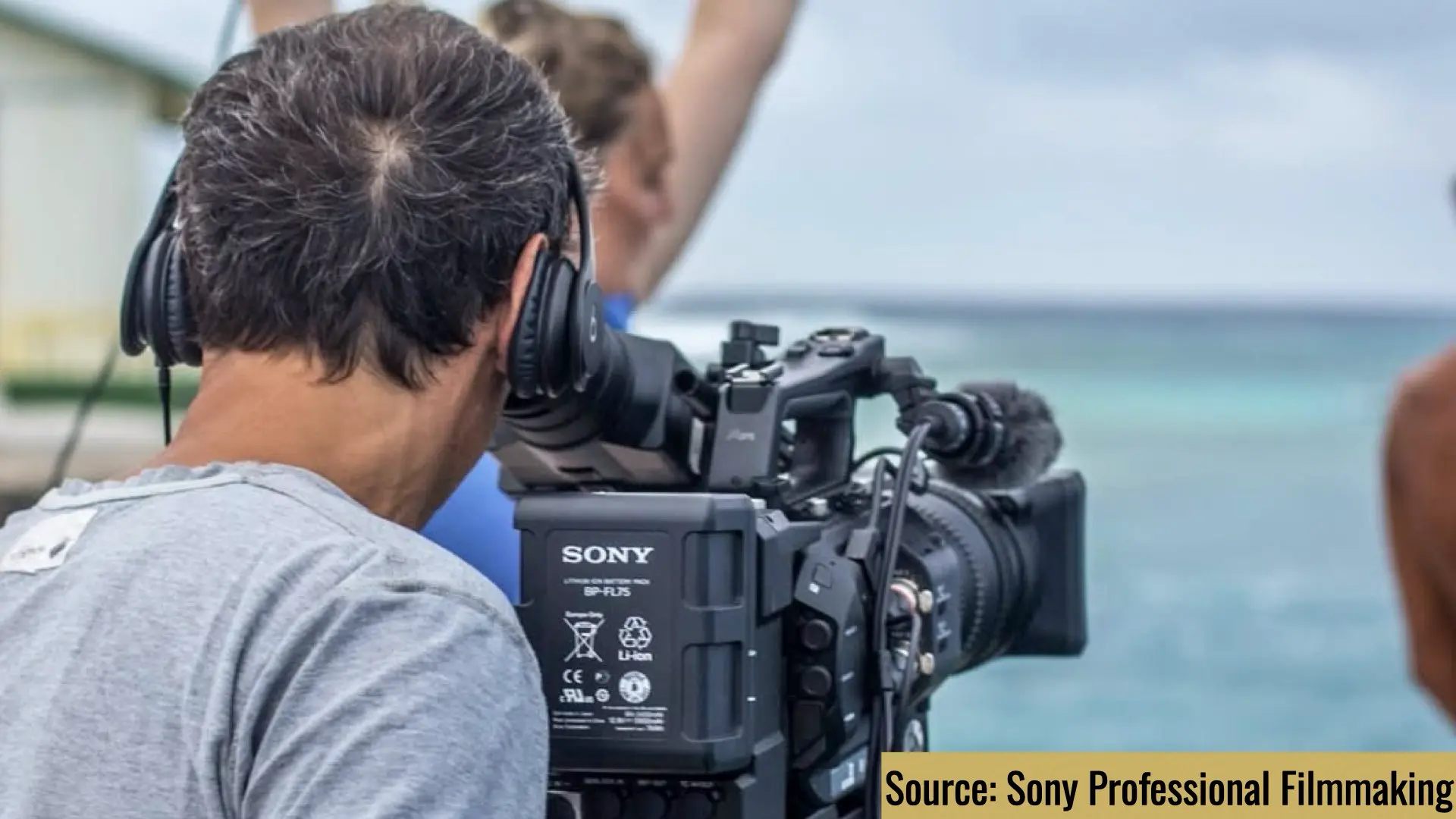
Filmmaking under real pressure
Don’t Crack Under Pressure was filmed across extreme environments. High altitude alpine terrain. Violent weather shifts. Open water. Sub-zero temperatures. These were not controlled sets. In this context, filmmaking decisions are fundamentally different. There is no room for complex builds, fragile media, or workflows that slow the crew down. The camera has to power on instantly, operate reliably, and disappear into the process. This is where the FS7 earned its reputation.
Why the FS7 made sense technically
From a technical standpoint, the FS7 sat in a very specific sweet spot in 2016. It offered a Super 35 sensor with strong dynamic range, internal 4K recording, and professional codecs that were robust without being burdensome. The team leaned heavily on XAVC with S Log profiles. This choice was not about settling for less. It was about balance. XAVC delivered files that were flexible enough for grading while remaining manageable in remote locations where backing up terabytes of RAW data simply was not realistic. Battery life also mattered. Long days in the mountains or at sea demand efficiency. The FS7’s power consumption allowed crews to work extended hours without constantly cycling batteries or adding weight. BTW, you can still buy an FS7 on Amazon, and it’s not so cheap.
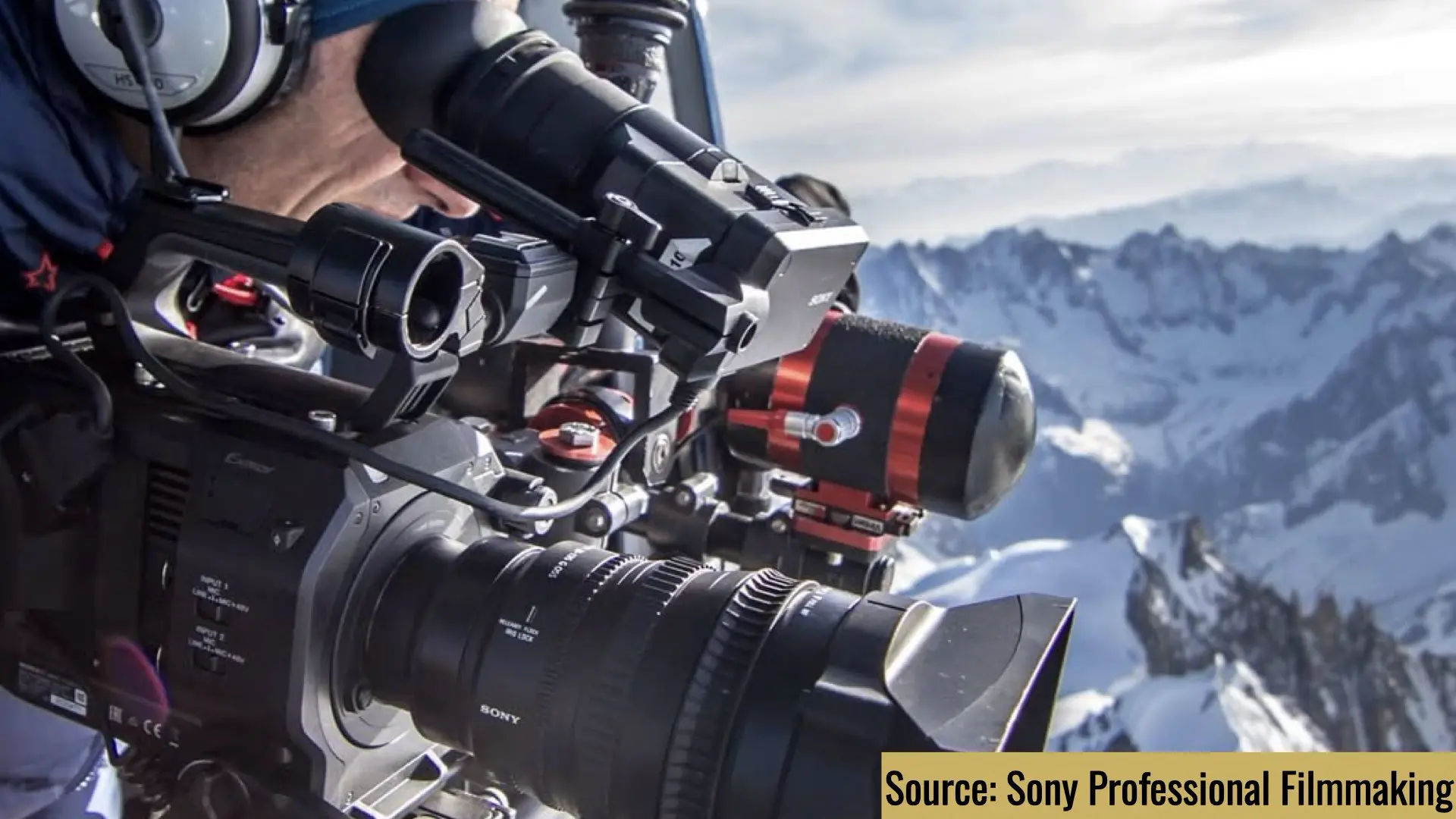
Ergonomics over perfection
One of the most underrated aspects of the FS7 was its ergonomics. Shoulder-mounted balance. Integrated ND filters. Physical controls that could be adjusted with gloves on. In action sports filmmaking, you do not stop an athlete because you need to dig through menus. Exposure changes. Light shifts. Moments appear without warning. The FS7 allowed operators to react instinctively, keeping their eyes on the subject instead of the screen. This physical immediacy is visible in the footage. Shots feel connected to the environment because the camera operator is fully present in it.
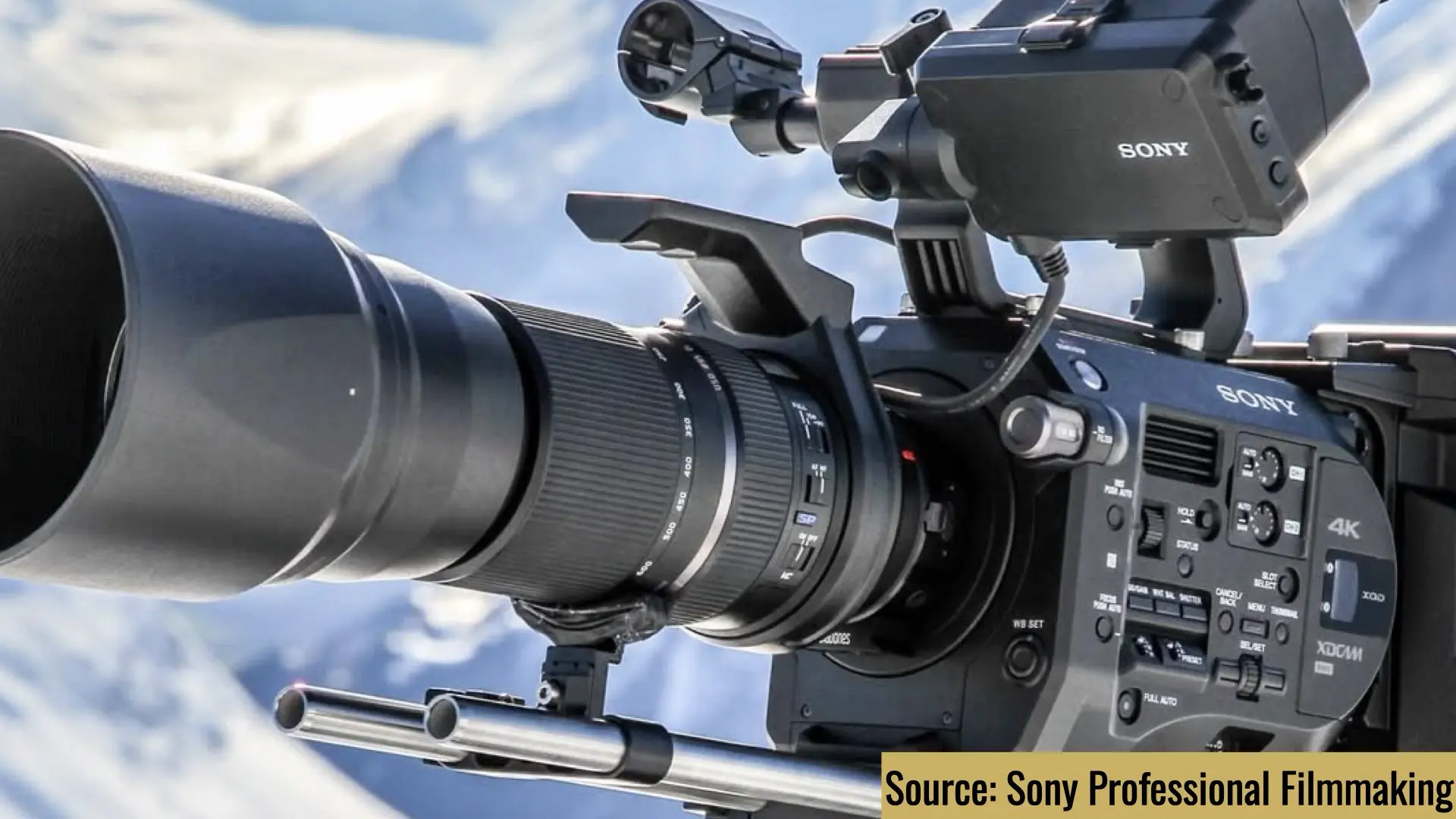
Choosing reliability over RAW
In the Sony Professional Filmmaking making of, it explained why RAW was intentionally avoided. Not because of image quality concerns, but because of logistics, RAW recording increases storage requirements, backup time, and the risk of data loss. When your crew is moving daily, sometimes by foot or by boat, simplicity becomes a creative advantage. The FS7 allowed the team to capture cinematic images while maintaining a fast, resilient workflow. That decision shaped the rhythm of the entire production.
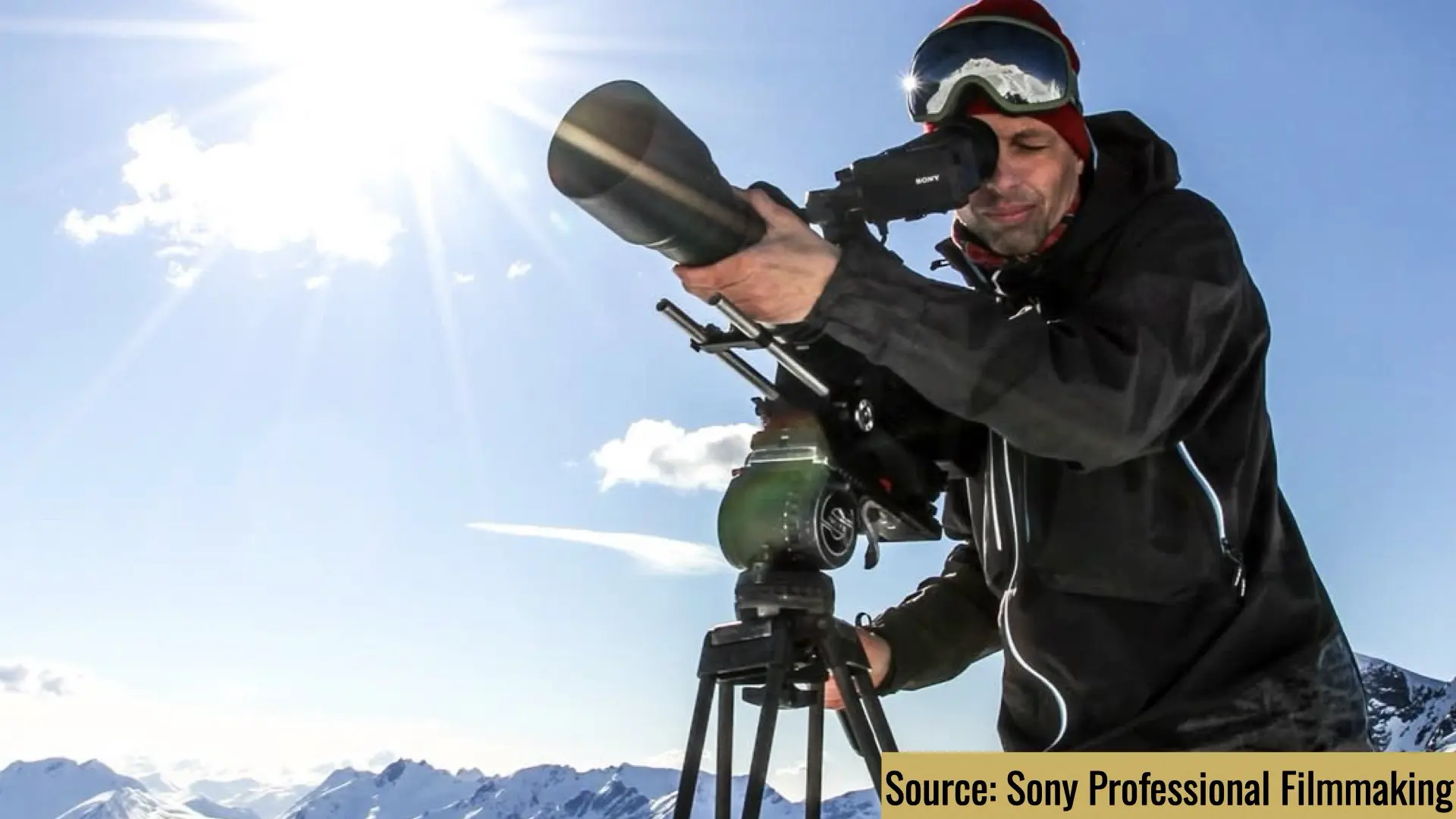
Technology that served the story
What stands out most today is how invisible the technology feels in hindsight. The FS7 never tried to announce itself or demand attention. It simply worked. This is perhaps why Don’t Crack Under Pressure still resonates. The imagery feels timeless because it is not defined by technical excess. It is defined by presence, movement, and commitment.
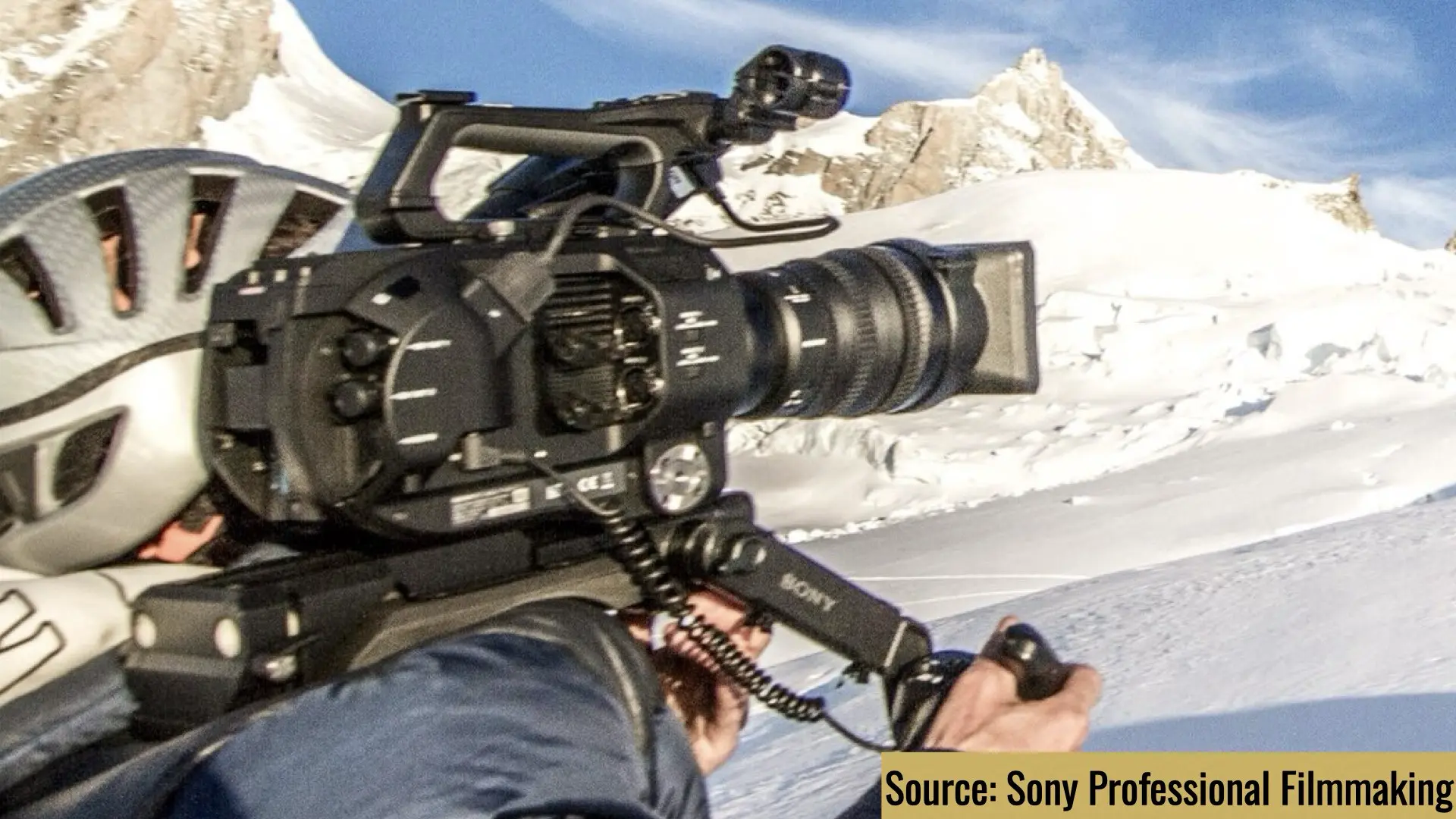
A moment worth revisiting
Sony Professional Filmmaking did more than share a throwback post. They reminded the industry of a period when action sports cinematography was deeply physical and unapologetically demanding. The FS7 era represents a philosophy that still matters. Choose tools that keep you moving. Build workflows that survive reality. Trust the camera enough to forget about it. For many filmmakers, that was when filmmaking felt most alive.
Closing takeaway
Looking back, the FS7 era feels less like a technical milestone and more like a philosophical one.n The technology did not try to remove friction from filmmaking. Cameras were designed to survive reality, not escape it. Workflows prioritized momentum over perfection. Image quality mattered, but only insofar as it served the moment. Sony Professional Filmmaking’s reminder is timely. In an age defined by automation, AI assistance, and increasingly abstract production pipelines, Don’t Crack Under Pressure stands as proof that some of the most powerful images come from limitation, commitment, and physical effort. The FS7 did not define action sports cinematography by what it added, but by what it allowed filmmakers to achieve. And that may be why this era still resonates so strongly today.
As an Amazon Associate, Y.M.Cinema earns from qualifying purchases. If you purchase through the Amazon links above, Y.M.Cinema may earn a small commission at no additional cost to you. This helps support our work.
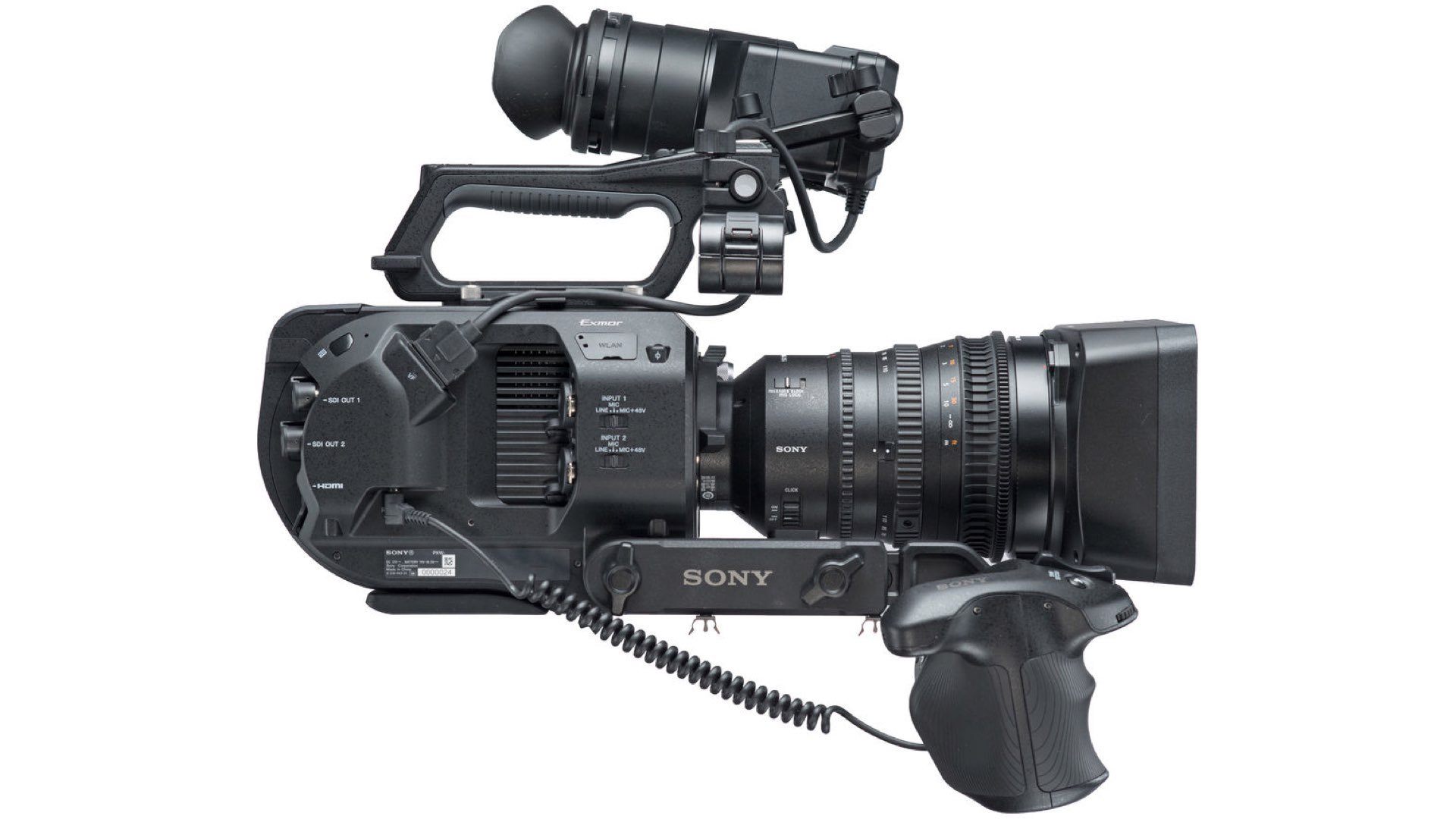
Gear mentioned in this article
Available on Amazon
| Product | New | Renewed | Used |
|---|---|---|---|
| Sony FS7 | $7,699.95 | — | From $1,299.95 |
Prices checked: Sep 19, 2026, 5:30 AM GMT+0000
As an Amazon Associate, Y.M.Cinema earns from qualifying purchases. If you buy through our links, we may earn a small commission at no extra cost to you.
Product prices and availability are accurate as of the date/time indicated and are subject to change. Any price and availability information displayed on Amazon.com at the time of purchase will apply to the purchase of this product.
CERTAIN CONTENT THAT APPEARS ON THIS SITE COMES FROM AMAZON. THIS CONTENT IS PROVIDED “AS IS” AND IS SUBJECT TO CHANGE OR REMOVAL AT ANY TIME.







I have that camera and love it.
If you want to know more on how it was all done check out “Nuit de la Glisse: Filming under pressure with FS7” found at the following link. It’s about 56 minutes long but work the watch! I had a couple of them and still keep one. Set up correctly they still deliver quite amazing images. They are 10 a penny now on eBay. Some great bargains out there!
Chris Young.
https://pro.sony/en_AU/insight/filmmaking-stories/camcorders-nuit-de-la-glisse-filming-fs7
I have two FS7 Cameras and still use them regularly. Great Workhorse Cameras!
+1 to that, Cynthia!