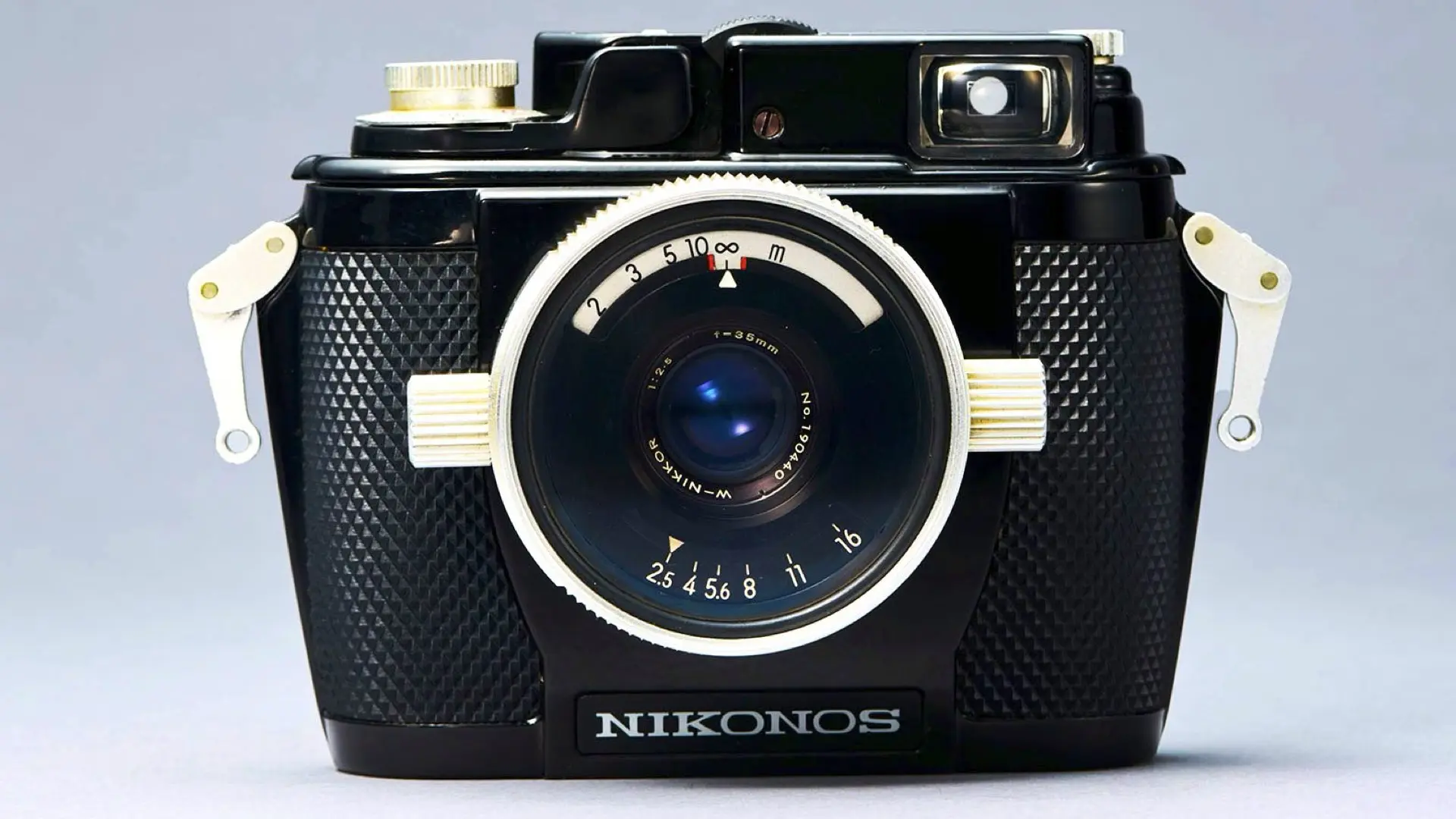
Long before action cameras captured surfing waves, mountain descents, and extreme sports from a first-person perspective, Nikon had already built a camera designed to operate in environments where most cameras simply could not survive. This week, Nikon revisited that story in its historical archive, the NIKONOS underwater camera system, a rugged imaging platform introduced in 1963 that helped define a new frontier in photography. Today, the action camera market is strongly associated with GoPro, whose compact waterproof systems are used by athletes, explorers, and filmmakers worldwide. Yet decades before GoPro existed, Nikon engineers had already solved many of the technical challenges associated with shooting in extreme environments. The NIKONOS allowed photographers to capture images underwater without relying on bulky protective housings. At the time, that capability represented a significant technological progress.

A camera built for the ocean
The NIKONOS originated from a collaboration between Nikon and French engineer Jean de Wouters, who had previously designed the Calypso underwater camera. Nikon refined that concept and introduced the first NIKONOS in 1963, creating one of the most iconic underwater camera systems ever produced. Unlike conventional cameras that required sealed housings to survive underwater, the NIKONOS was engineered as a fully waterproof camera from the beginning. Its body relied on precise O-ring sealing and robust mechanical construction that allowed the system to operate reliably beneath the surface. This design dramatically simplified underwater photography. Instead of preparing complex housings before every dive, photographers could take the camera directly into the water. As a result, the NIKONOS became widely used by marine researchers, professional divers, and expedition photographers who required equipment capable of handling harsh environments.
Optics designed specifically for underwater imaging
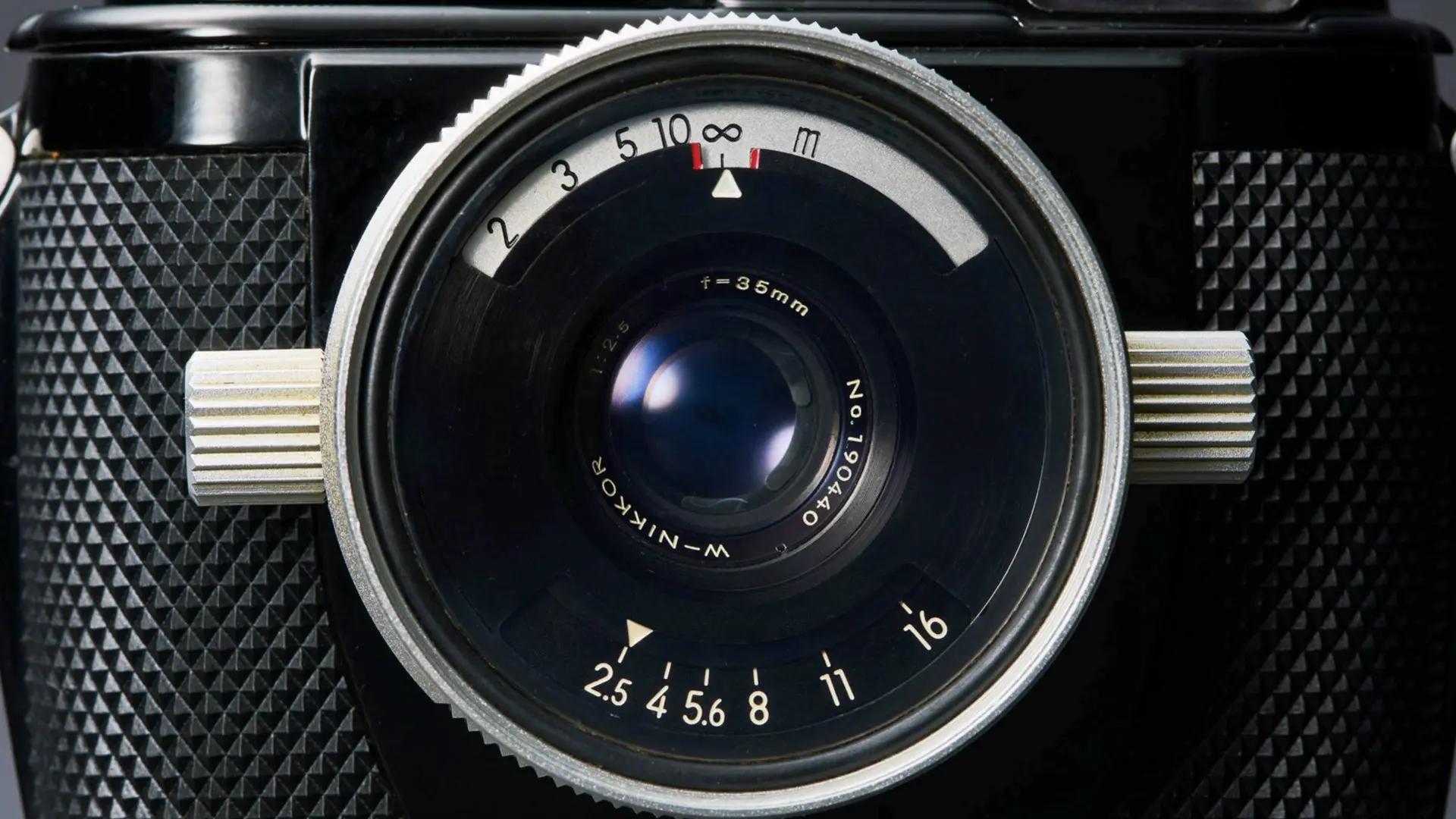
One of the most interesting aspects of the NIKONOS system was its specialized lens lineup. Nikon engineers developed optics specifically optimized for underwater use, addressing the optical challenges that occur when light travels through water instead of air. Water changes refraction and field of view characteristics, which can introduce distortion and chromatic aberrations when conventional lenses are used underwater. Nikon therefore developed lenses such as the 28mm underwater optic that corrected these issues and delivered sharp results beneath the surface. These engineering decisions turned the NIKONOS into a serious scientific and documentary tool. Oceanographers, underwater filmmakers, and research teams relied on the system for decades.
A predecessor to modern action cameras
Seen from today’s perspective, the NIKONOS almost looks like a conceptual predecessor to modern action cameras. It was compact, rugged, designed for extreme environments, and capable of documenting moments that traditional cameras could not easily capture. In many ways, the philosophy behind the NIKONOS mirrors the same idea that later defined action camera design. Build a camera that can go anywhere and allow creators to document environments previously considered difficult or impossible to film. By highlighting the NIKONOS again, Nikon is also reminding the industry of its long history of solving complex imaging challenges. Long before action cameras became popular, Nikon engineers had already pushed camera technology into environments such as deep ocean waters, polar expeditions, and scientific research missions.