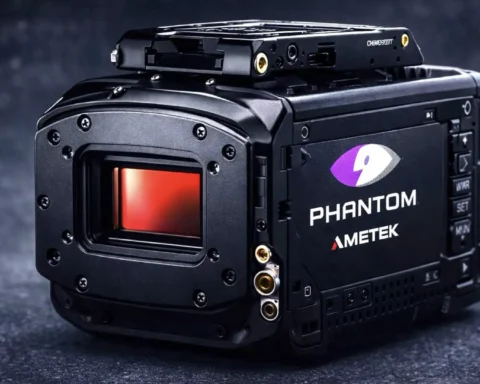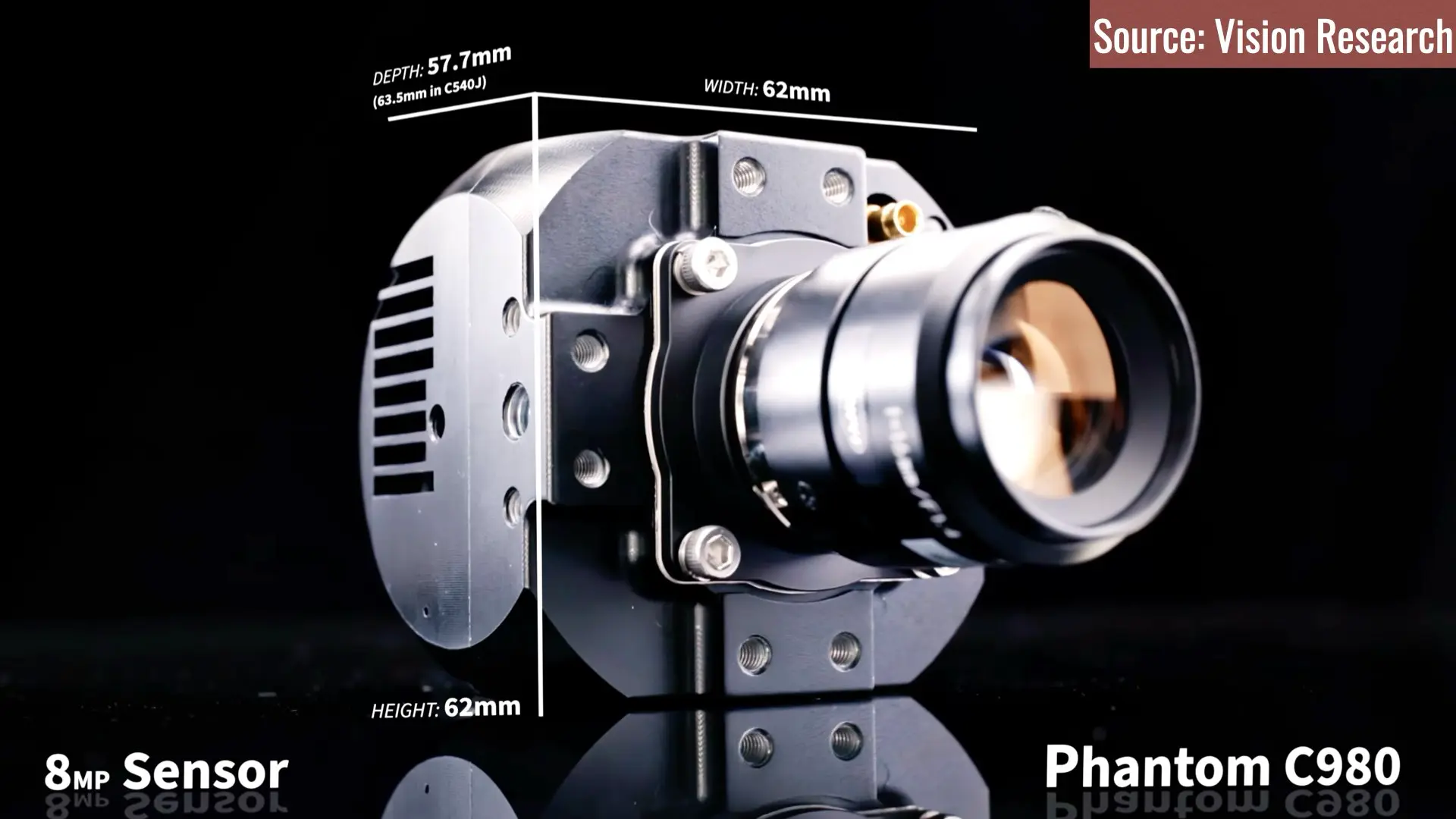
Vision Research has introduced the Phantom C-Series, led by the Phantom C980J, a compact high-speed camera capable of capturing 4K resolution at around 1,100 frames per second. Designed for crash testing and extreme industrial environments, the system is rated for 170G shocks and engineered to survive violent impacts while maintaining data integrity. This is clearly not a cinema camera. Still, the technology behind it points toward a direction that action cinematography cannot ignore.
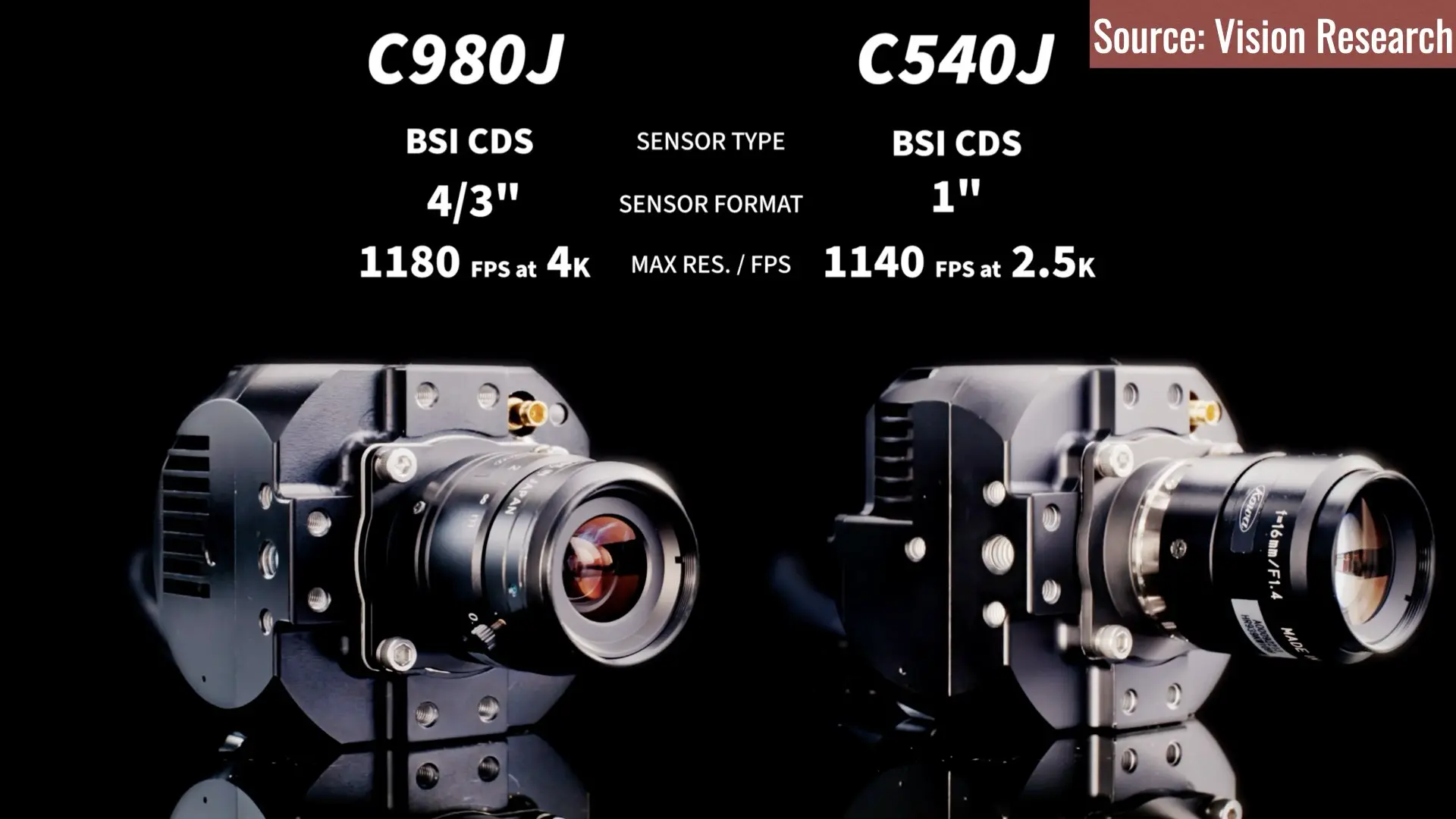
A camera built to survive impact
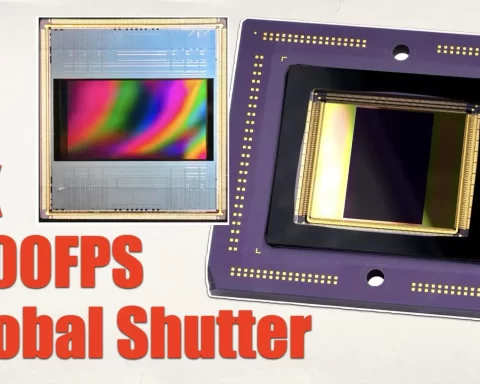
The Phantom C980J is designed for environments where failure is expected. Mounted inside vehicles, sled rigs, and impact zones, it must continue operating even when everything around it collapses. That requirement defines its entire architecture. The camera is built around a new-generation sensor developed by Forza Silicon, delivering 8-megapixel resolution with significantly reduced read noise. In practical terms, this allows engineers to track deformation, displacement, and motion with high precision, even under extremely short exposure times. For filmmakers, this translates into something else. Cleaner high-speed imagery in chaotic lighting conditions, where fire, debris, and smoke often destroy detail. The 170G shock rating is not a headline spec. It is a functional threshold. Most cinema cameras would fail long before reaching that level of stress. This system is designed to remain operational through the moment of impact, not avoid it.
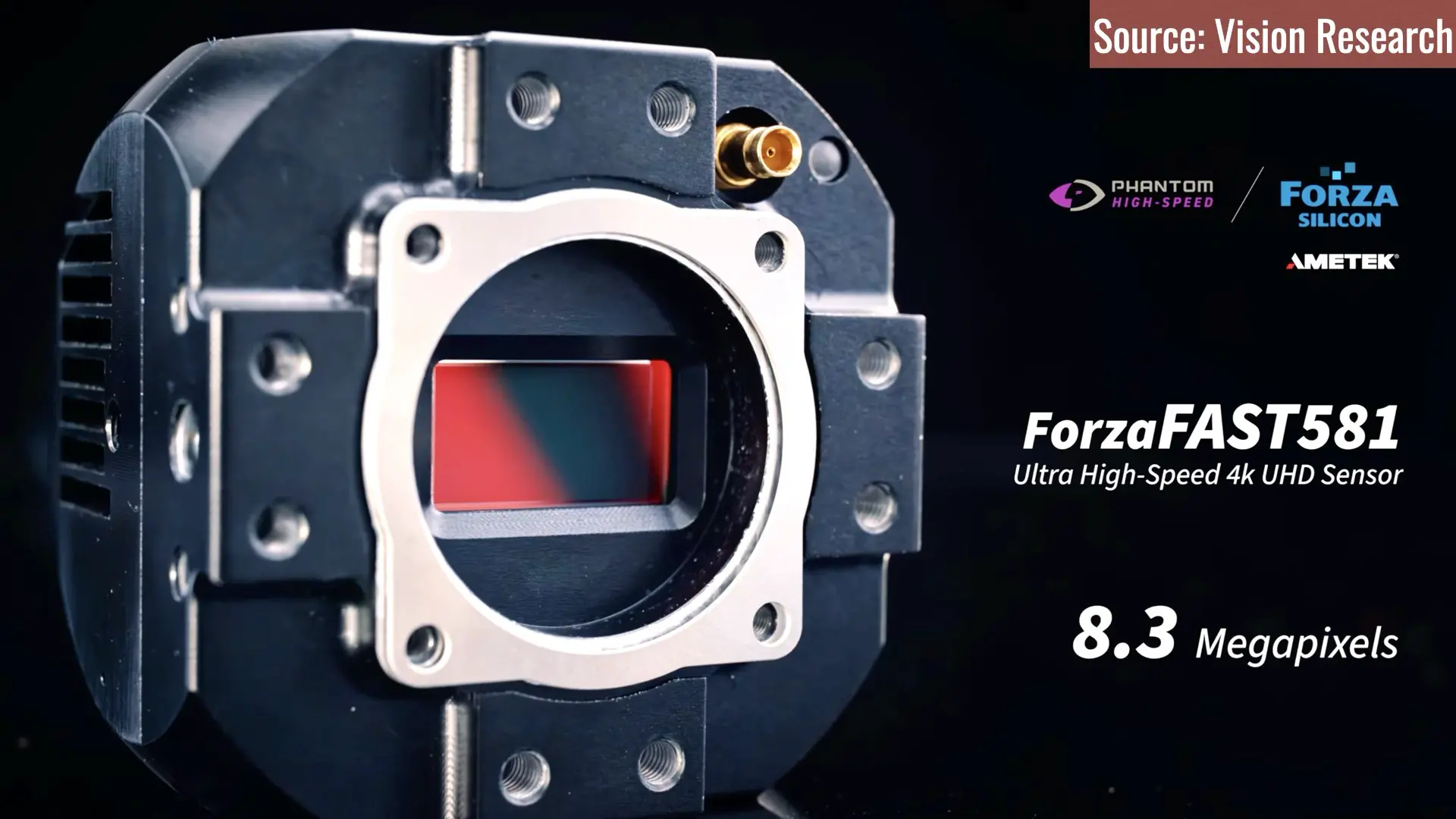
From imaging device to data instrument
Vision Research has been moving steadily away from the idea of a standalone camera. With the Phantom C-Series, that shift becomes explicit. The camera operates as part of a synchronized system built around the JB3 Junction Box, which supports up to eight cameras per unit and distributes power, timing, and control signals across the entire setup. This matters because high-speed imaging at this level is no longer about capturing a single shot. It is about reconstructing events from multiple perspectives with frame-accurate synchronization. Using IRIG timecode and a unified clock, every camera in the system records the same moment with precise temporal alignment. The footage then feeds directly into Phantom Cine Analyzer, where displacement, velocity, acceleration, and vibration can be measured immediately. The pipeline is continuous. Capture, synchronize, analyze. No fragmentation.
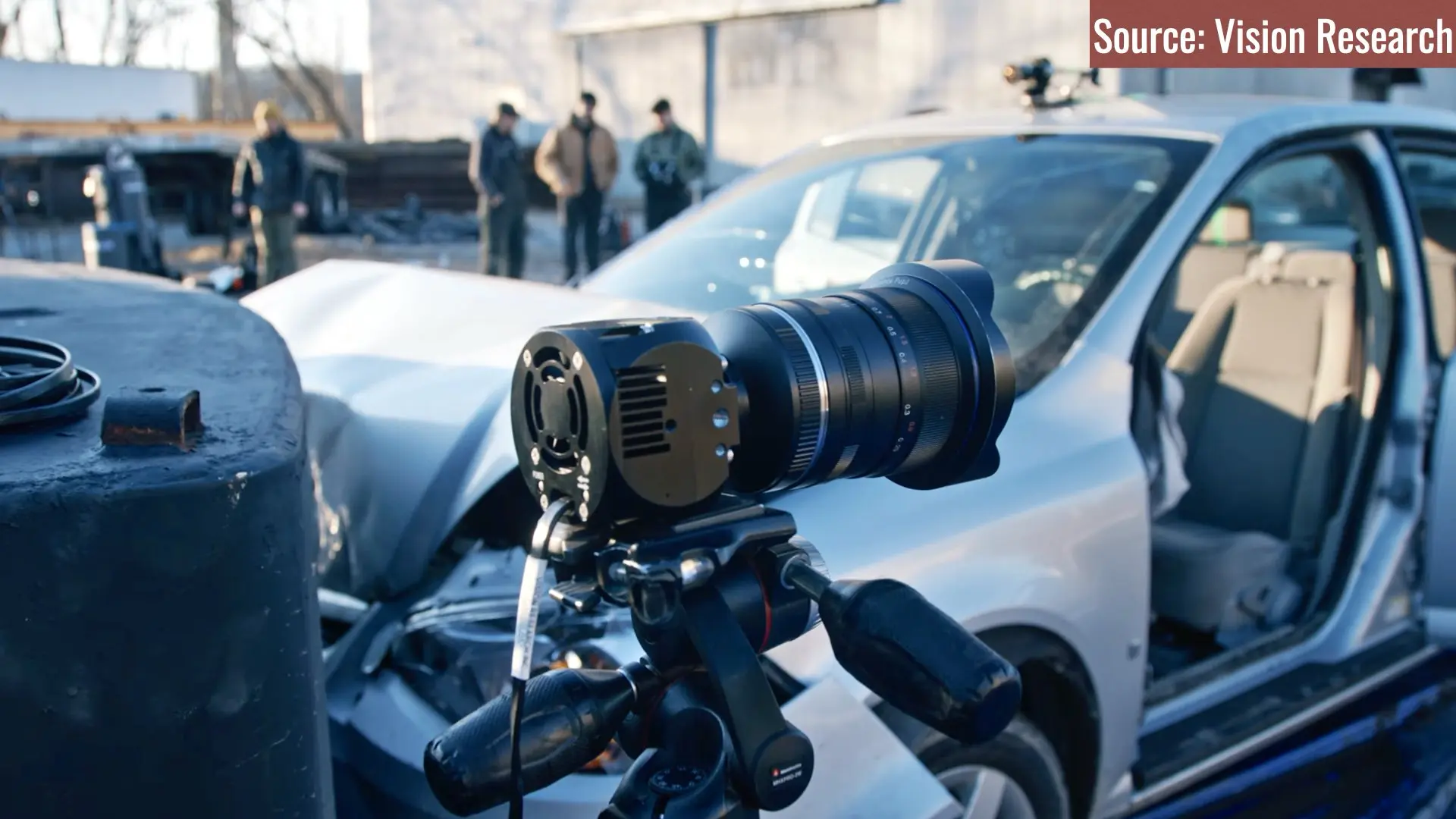
Action cinematography pushing forward
Filmmakers working with large-scale practical effects face a consistent limitation. Cameras are fragile relative to the environments they are trying to capture. Even in high-budget productions, cameras are placed near destruction, not inside it. This is where the Phantom C980J becomes interesting. Its compact form factor, combined with extreme shock resistance, suggests a different approach to capturing action. Instead of protecting the camera from the event, the system is designed to endure the event. That opens up new placement strategies. Cameras embedded inside vehicles during crashes. Cameras positioned within collapsing structures. Cameras are placed along the trajectory of debris rather than safely outside it. The result is not just a different angle. It is a different relationship between the camera and the action.
The Michael Bay factor 🙂
Directors like Michael Bay have built their visual identity on real explosions, high-speed capture, and aggressive camera placement. Still, even in these productions, there is a clear boundary between the camera and the destructive force. Systems like the Phantom C980J begin to erode that boundary. When a camera can survive extreme G forces and maintain data integrity even under failure conditions, it becomes possible to push closer to the core of the action. Not symbolically, but physically. This does not mean cinema will adopt crash-test cameras directly. It means the expectations around durability, reliability, and placement will evolve.
The meaning of “Action Cam” at the extreme end
Calling the Phantom C980J an action camera is technically inaccurate, yet conceptually useful. This is what an action camera looks like when stripped of consumer constraints and rebuilt for the harshest possible conditions. 4K at around 1,100 frames per second provides the temporal resolution needed to analyze ultra-fast events. Windowing the sensor pushes frame rates beyond 50,000 frames per second, entering a domain where motion becomes fully decomposed into measurable increments. This is not about slow motion as an aesthetic choice (in the first place), but about slow motion as a measurement tool. Yet the visual output remains compelling. High-speed footage of destruction, when captured with sufficient clarity, has always carried cinematic value. The difference here is that the system is optimized for precision first, with aesthetics emerging as a byproduct. The Phantom C980J is not positioned to replace cinema cameras. It lacks the ergonomics, color pipeline, and lens ecosystem required for traditional production workflows. That is not its purpose. What it does provide is a glimpse into a parallel evolution. As cameras become smaller, stronger, and more reliable under extreme conditions, the limitations that once defined action cinematography begin to shift. The distance between the lens and the event continues to shrink.
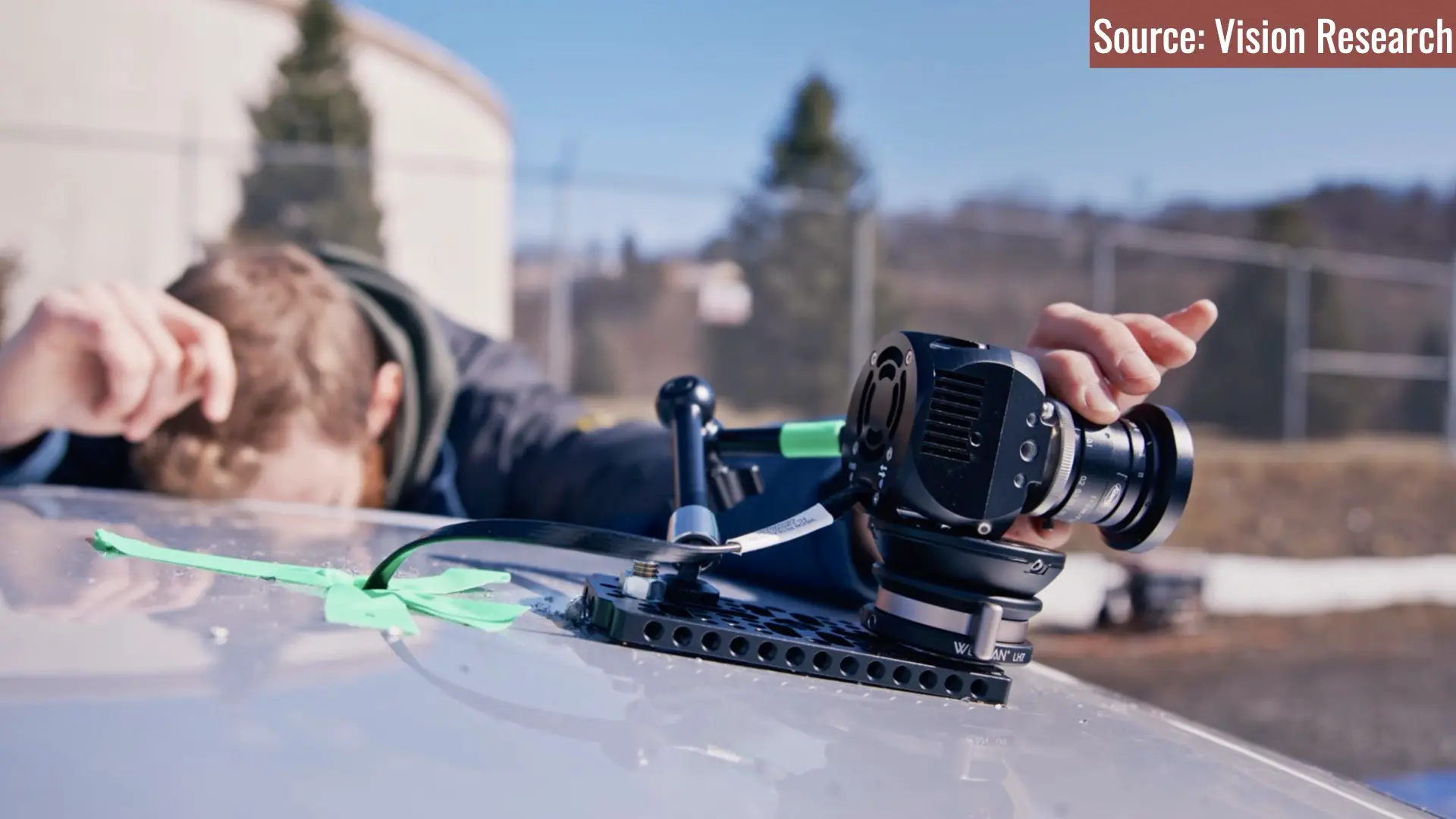
Final thought
The Phantom C980J was built to analyze crashes, not to shoot films. Still, it reveals something important about where imaging technology is heading. When cameras are engineered to survive impact rather than avoid it, they stop being observers of action and start becoming part of it.