Blackmagic Design has announced a limited-time 20% discount on DaVinci Resolve Studio, reducing its price from $295 to $236. However, the more interesting part of the announcement isn’t the discount itself. It’s how Blackmagic is positioning Studio, with artificial intelligence becoming an increasingly prominent reason to upgrade from the free version. This raises an interesting question about the future direction of DaVinci Resolve and the growing role of AI in professional post-production.
AI becomes a selling point
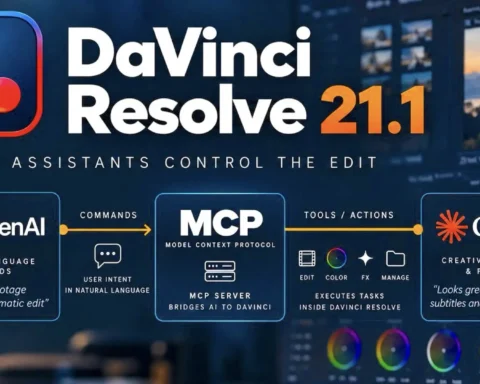
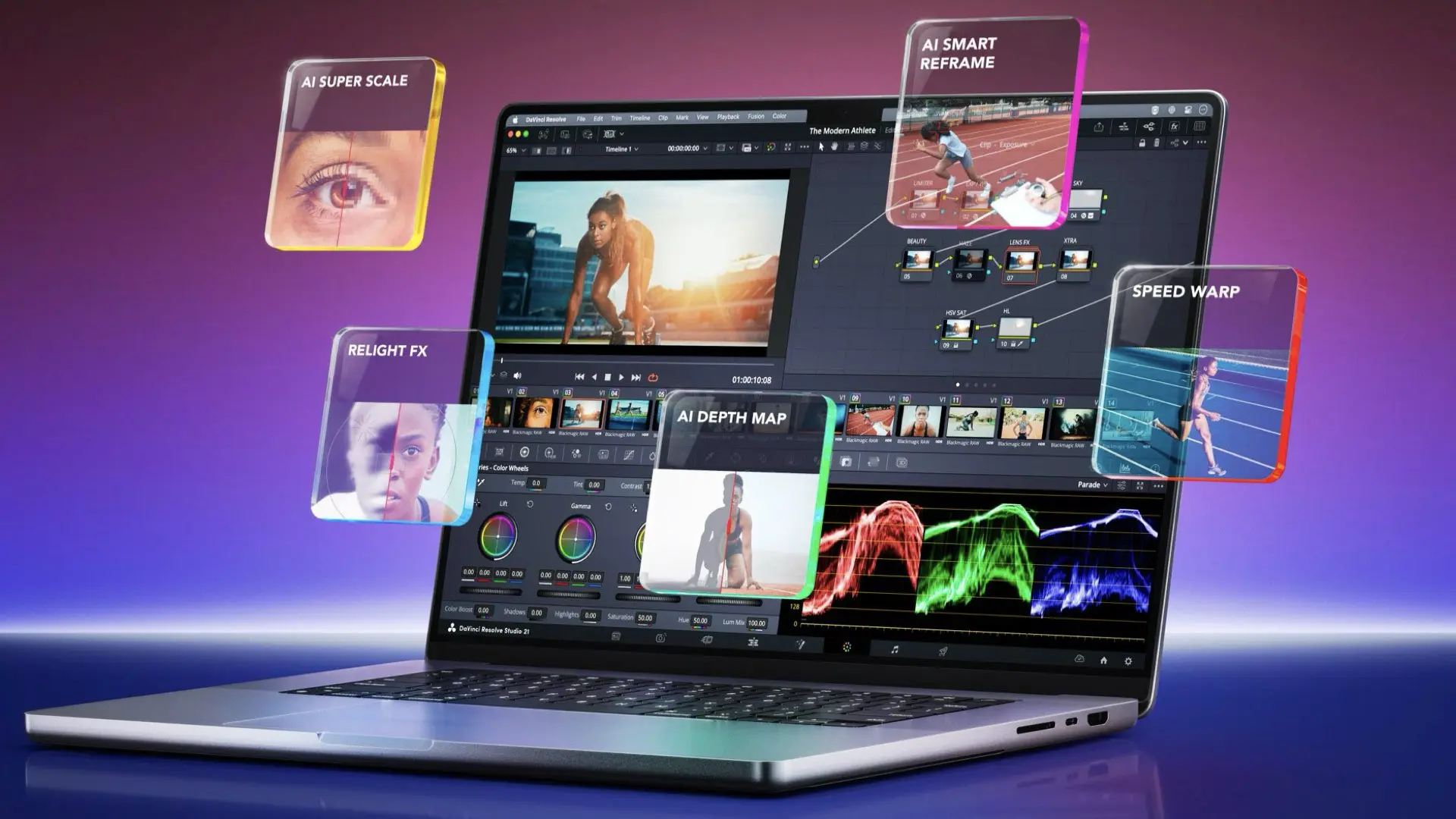
Blackmagic’s latest promotion places AI at the center of its messaging. Even its social media announcement describes the offer as a “DaVinci Resolve Studio AI Sale,” emphasizing the software’s AI capabilities rather than its traditional editing, grading, and finishing tools. The official press release follows the same direction. Blackmagic highlights AI features exclusive to Studio, alongside substantial performance improvements made possible by newer processors. This is an interesting shift in emphasis. DaVinci Resolve Studio has traditionally appealed to professionals seeking advanced color grading, noise reduction, additional effects, and higher-end post-production capabilities. Now, AI-powered tools are becoming an increasingly visible part of the upgrade proposition.
Performance gains reinforce the message
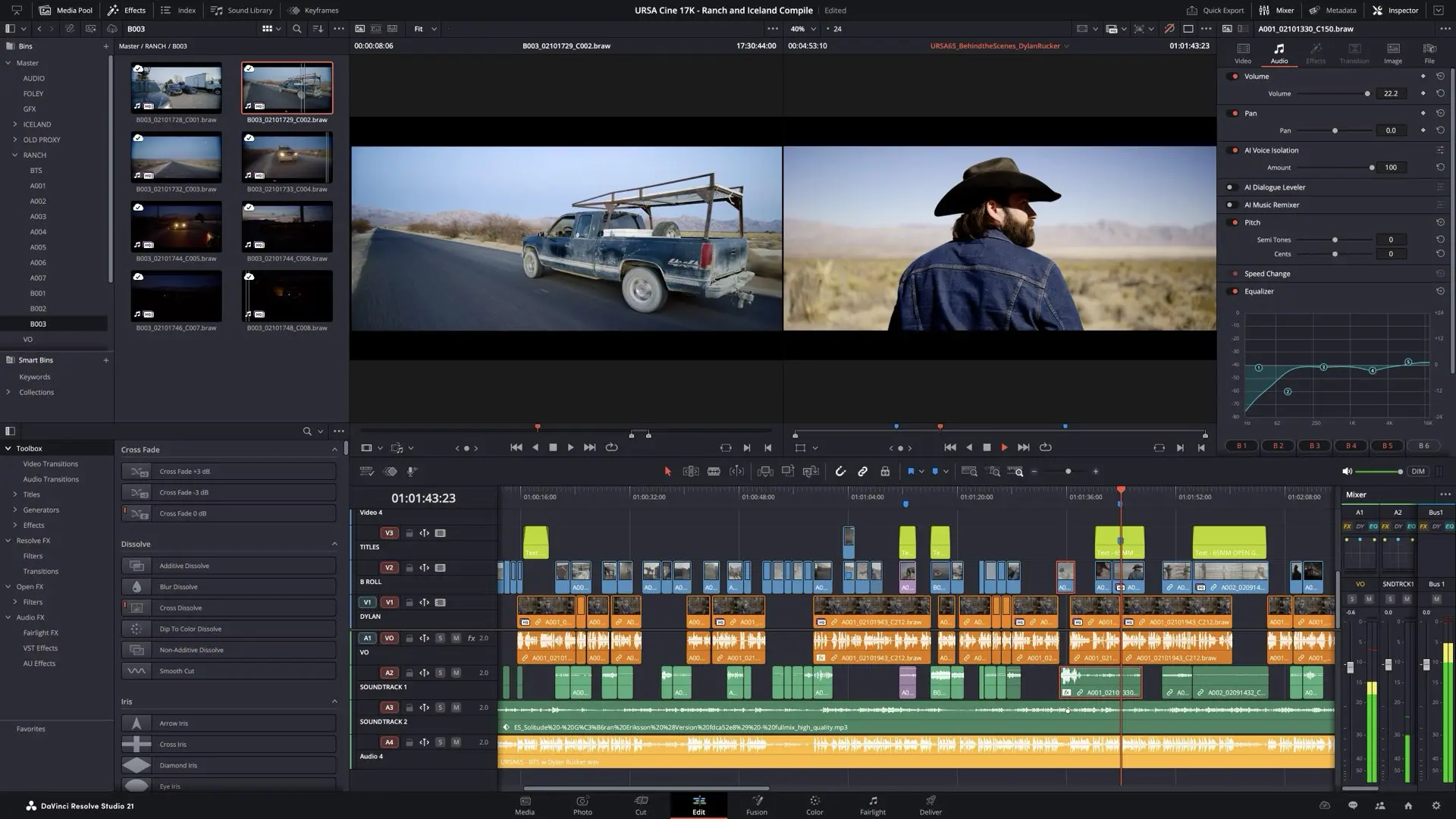
Blackmagic supports its AI-focused promotion with several performance claims involving Apple’s M6 processors and NVIDIA RTX Spark systems. According to the company, AI SuperScale runs almost 70% faster on Apple M6 compared to M5 when upscaling HD footage to 8K, while AI Speed Warp is over 60% faster. On Windows systems equipped with NVIDIA RTX Spark, Blackmagic reports up to 17 times faster AI Magic Mask tracking and up to 41 times faster AI Speed Warp processing compared to ARM-based Windows laptops without NVIDIA RTX graphics. These figures relate to specific AI operations under particular hardware comparisons, rather than overall DaVinci Resolve performance. Nevertheless, they demonstrate the growing importance of hardware acceleration for computationally demanding post-production tasks.
From advanced features to AI productivity
The distinction between DaVinci Resolve Free and Studio has never been limited to AI. Studio also offers advanced finishing tools, additional format support, sophisticated noise reduction, and other professional capabilities. However, AI introduces another dimension to the purchasing decision: productivity. Tools such as Magic Mask can reduce time spent on labor-intensive operations, while AI Speed Warp enables sophisticated frame interpolation without requiring footage to have been recorded at high frame rates. For editors who already find the free version sufficient for conventional editing and color correction, these time-saving capabilities could become a compelling reason to purchase Studio. Rather than simply unlocking additional features, the paid version increasingly offers ways to complete demanding tasks faster.
What does this mean for the free version?
Blackmagic has built much of DaVinci Resolve’s popularity around an unusually capable free edition. That approach has helped establish Resolve as a serious alternative to paid editing platforms, while Studio provides additional functionality for professionals. The latest announcement suggests that exclusive AI capabilities could become an increasingly important part of maintaining that distinction. This doesn’t mean Blackmagic is removing AI from the free version or officially separating Resolve into AI and non-AI products. The company has announced no such restructuring, and some AI-assisted functionality is already available in the free edition. What has changed, at least in this promotion, is the emphasis.
A different direction for Studio?
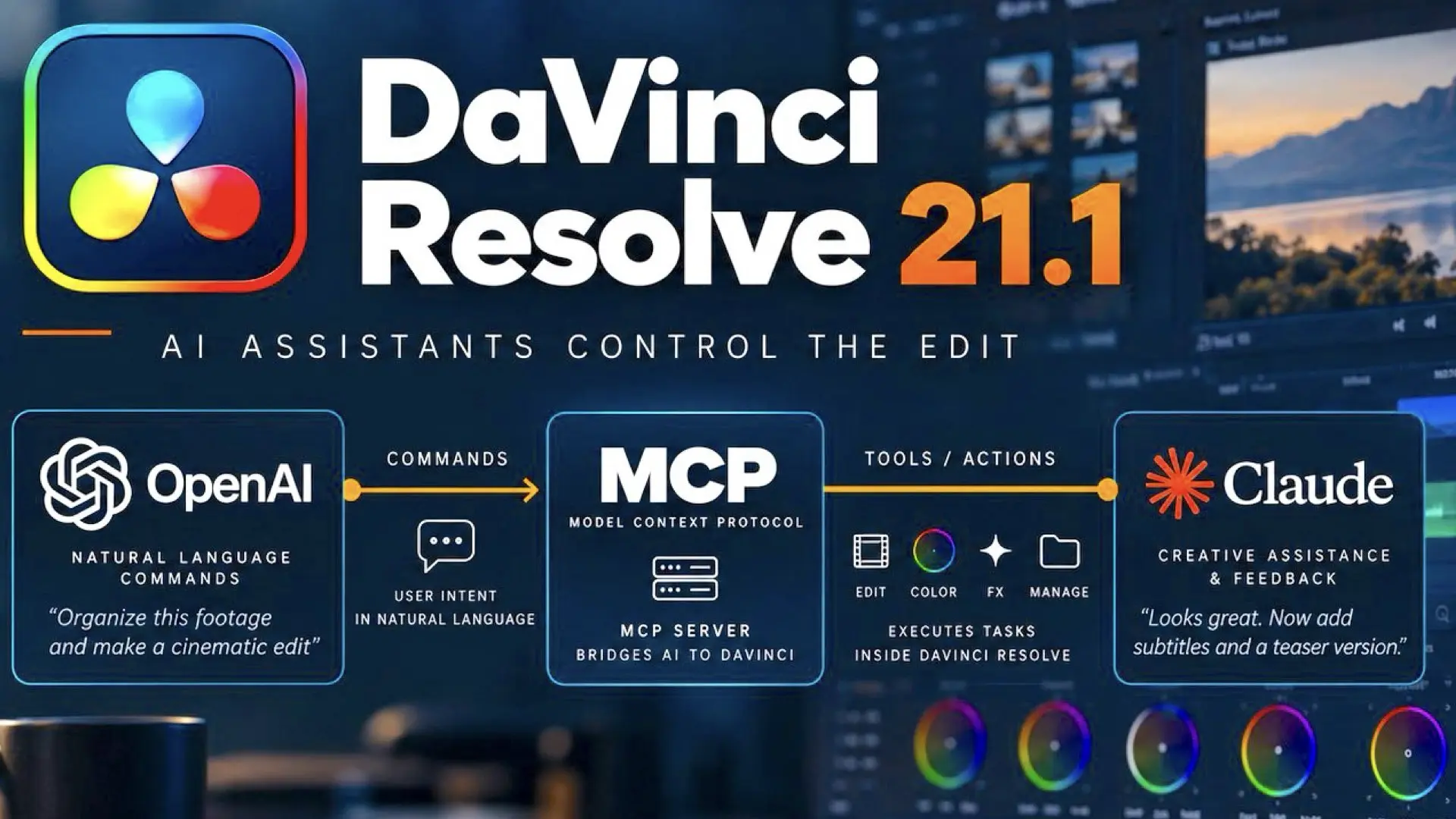
The 20% promotion, which also covers selected DaVinci Resolve keyboards and color panels, runs through November 20, 2026. The discount is temporary, but the underlying marketing direction is worth watching. Blackmagic is presenting AI not merely as another feature category, but as a central part of Studio’s value proposition. Whether this develops into a broader long-term product strategy remains to be seen. For professional editors and colorists, the larger question is whether AI-powered productivity will eventually become the primary reason to choose DaVinci Resolve Studio over its already capable free counterpart.