Every year, the EISA Awards highlight the most celebrated cameras in the industry. The 2025–2026 edition has just been announced, and the results bring both expected winners and some puzzling choices. From professional flagships to compact and vlogging tools, here’s a closer look at each camera, why it likely received recognition, and whether the categories truly make sense.
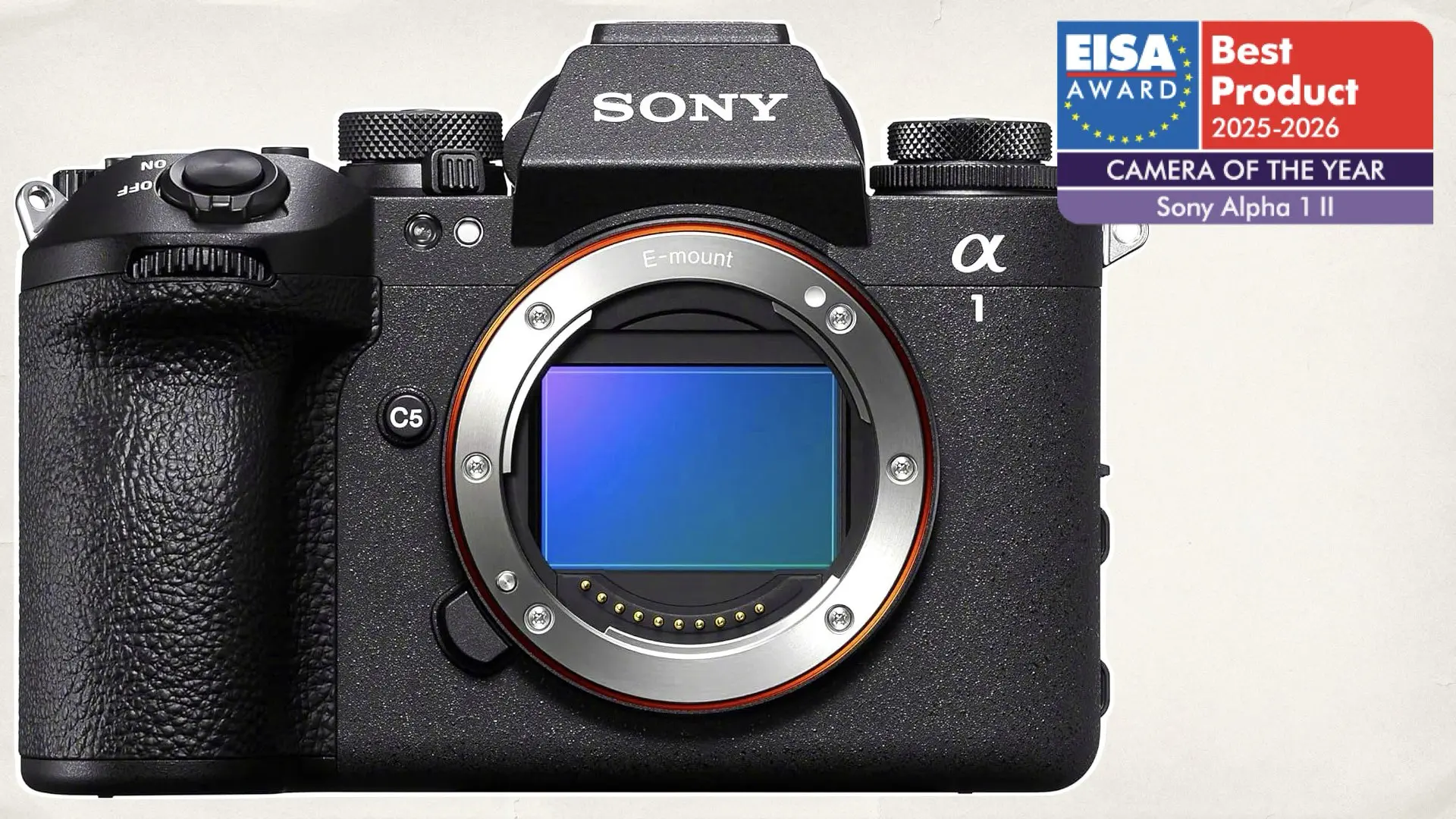
Sony Alpha 1 II. Camera of the Year
Sony’s Alpha 1 II earned the top honor of Camera of the Year. It is the natural evolution of the original Alpha 1, which already redefined the high-end mirrorless market. With extreme resolution, blistering speed, and robust video capabilities, this camera embodies what EISA often looks for: versatility at the highest level. It makes sense that the Alpha 1 II took this crown. Few cameras can deliver uncompromised performance across sports, wildlife, studio, and cinematic video. Still, the choice is interesting because other contenders, like Canon’s R1, are just as professional.
📦 See the Sony Alpha 1 II on Amazon
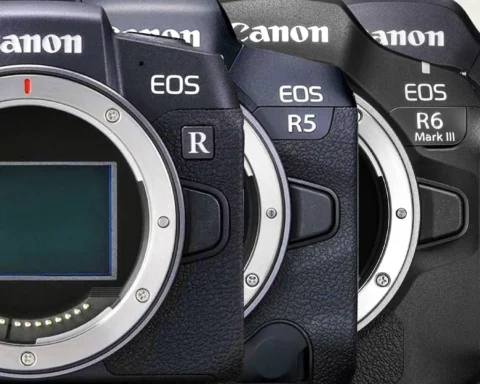
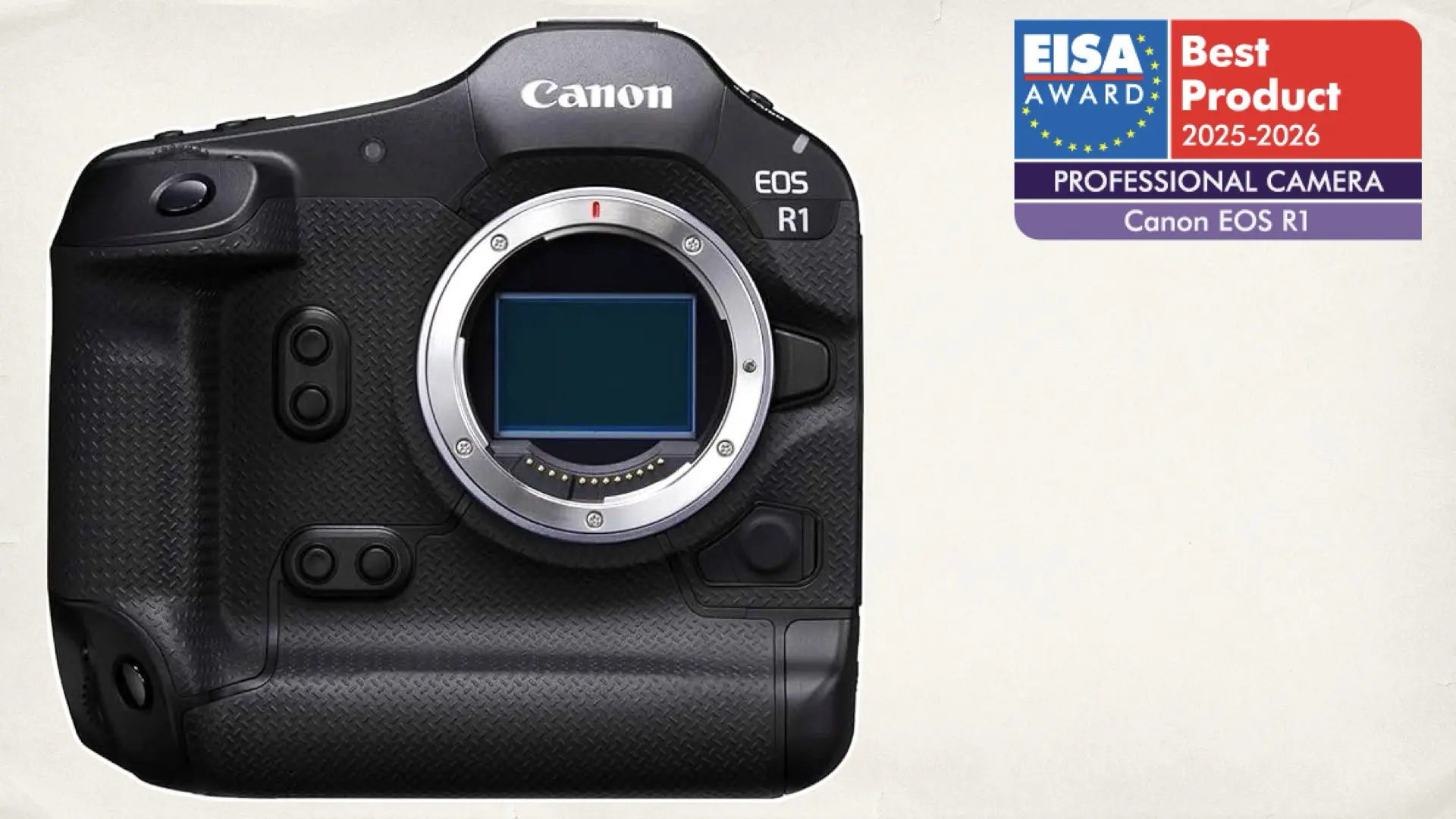
Canon EOS R1. Professional Camera
Canon’s long-awaited EOS R1 ($6,799 on Amazon) was given the title of Professional Camera. This recognition stems from its status as Canon’s flagship, designed to serve photojournalists and sports shooters who need reliability, cutting-edge autofocus, and fast readout at major events like the Olympics. That said, this raises an eyebrow. The Sony Alpha 1 II ($6,998 on Amazon) is also a professional flagship, so why separate the categories? It suggests that EISA wanted to spread recognition across the two brands.
📦 See the Canon EOS R1 on Amazon
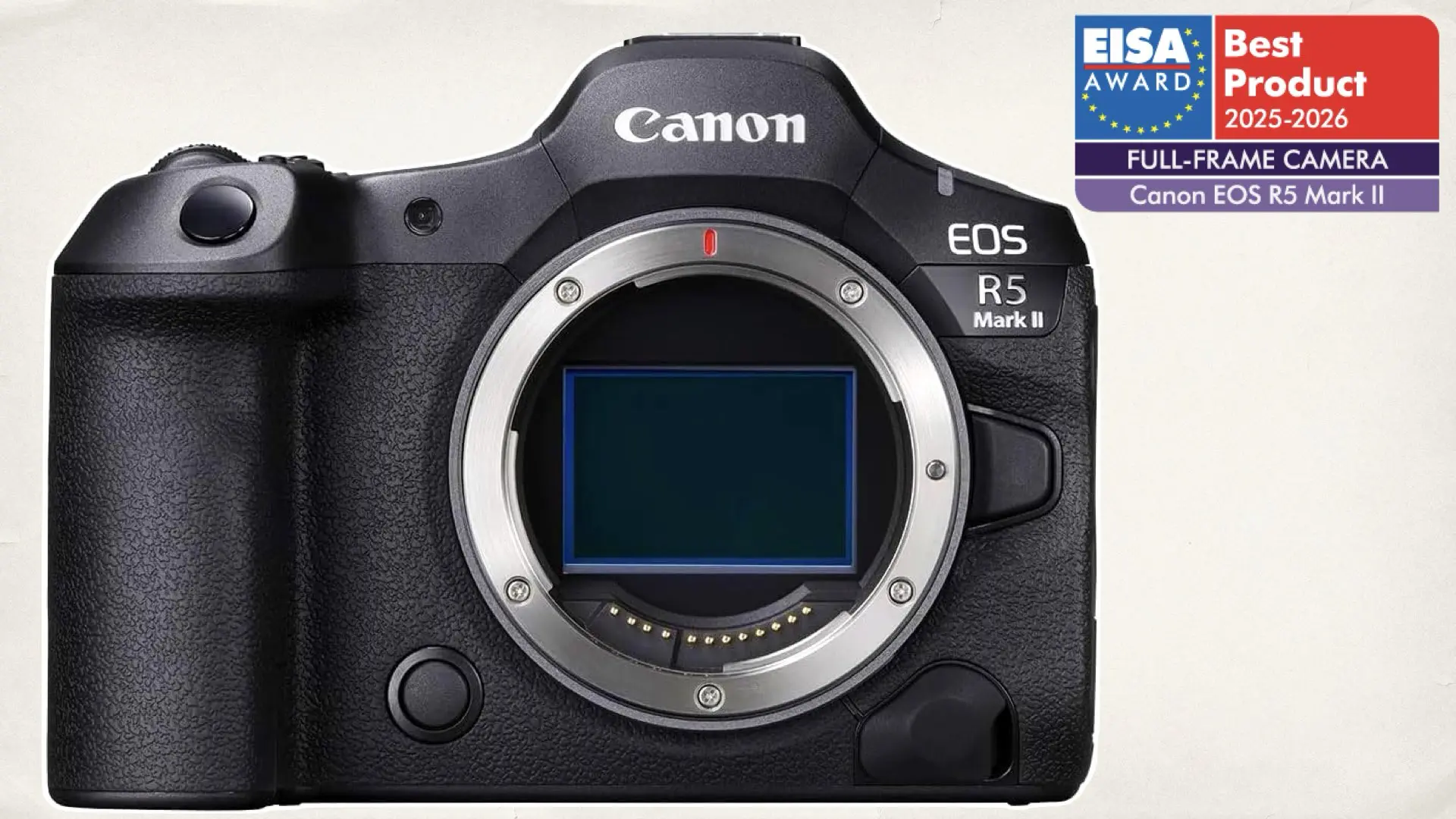
Canon EOS R5 Mark II. Full-Frame Camera
The Canon EOS R5 Mark II was recognized as the best Full-Frame Camera. It improves on the massively popular R5 by enhancing autofocus, dynamic range, and video performance, making it appealing to advanced enthusiasts and hybrid creators alike. EISA likely rewarded it for striking a balance between affordability (compared to the R1) and professional-level features. It is a camera that delivers excellence across genres, which is exactly what many full-frame shooters look for.
📦 See the Canon EOS R5 Mark II on Amazon
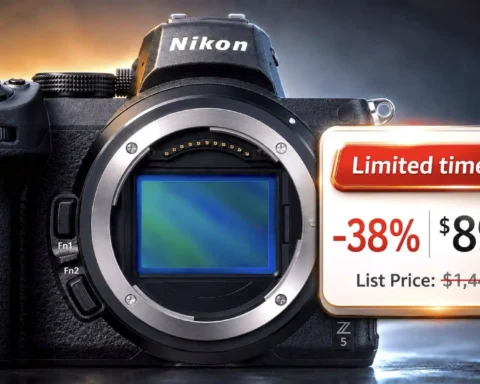
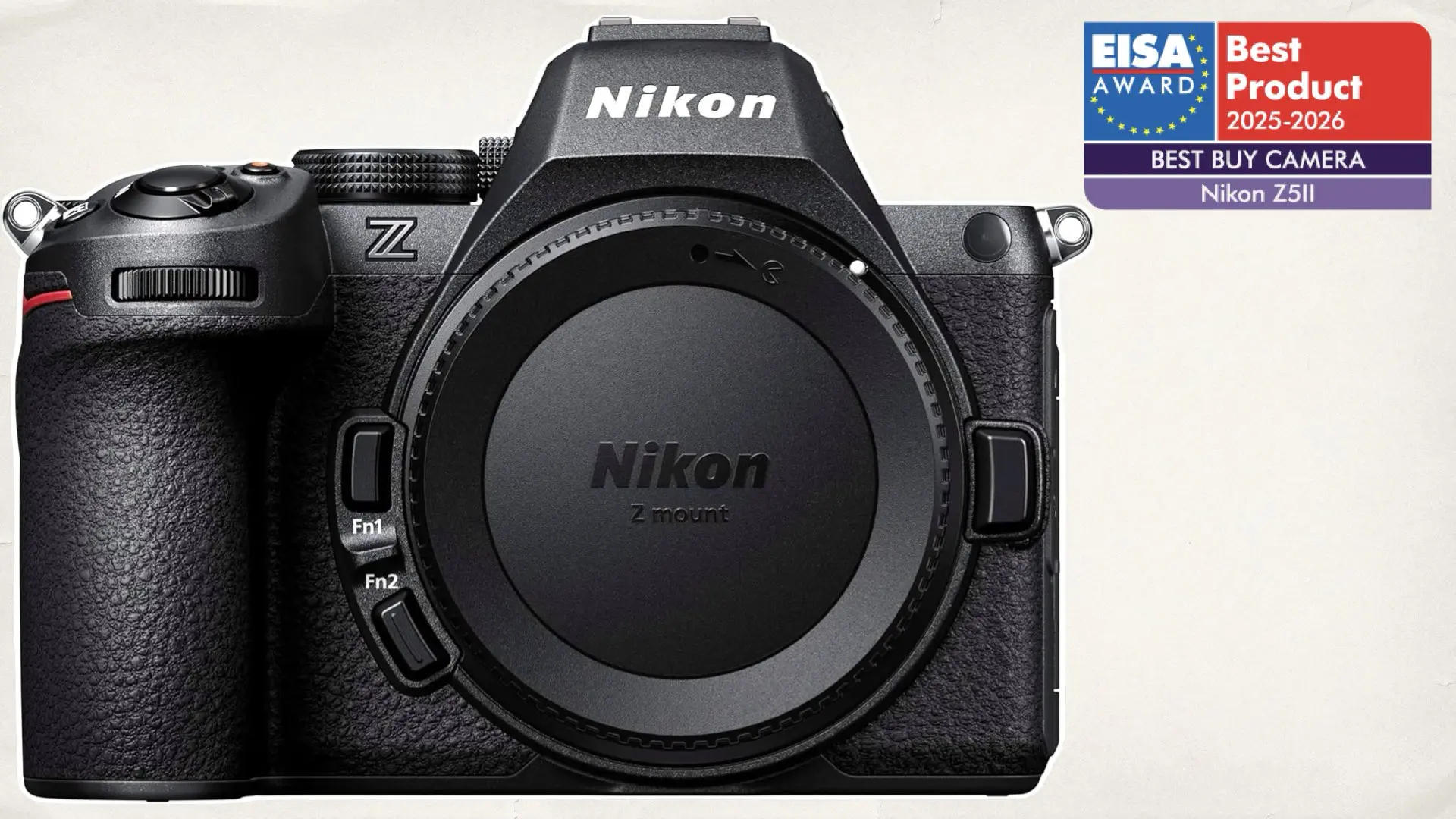
Nikon Z5 II. Best Buy Camera
The Nikon Z5 II ($2,296.95 on Amazon) was crowned Best Buy Camera, a category that makes sense. The Z5 series has always offered solid image quality, IBIS, and robust build quality at a much lower price point than flagship full-frame models. This pick signals EISA’s recognition of value. For photographers who want full-frame entry without breaking the bank, the Z5 II remains one of the most appealing choices.
📦 See the Nikon Z5 II on Amazon
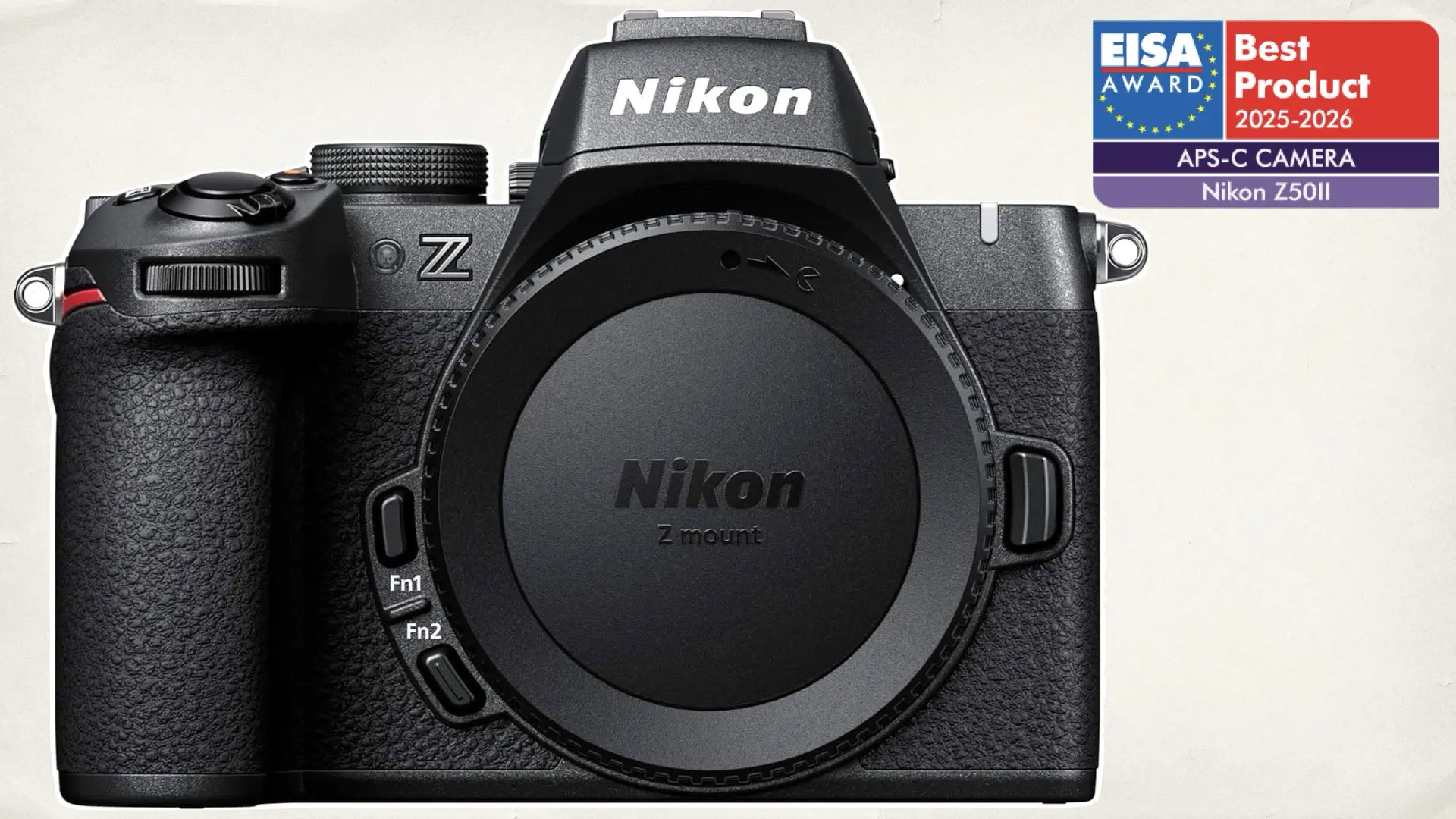
Nikon Z50 II. APS-C Camera
Nikon also grabbed the APS-C Camera title with the Z50 II ($1,499.99 on Amazon) . The Z50 series has been Nikon’s strongest option for compact mirrorless users who prefer smaller lenses while still enjoying Nikon’s color science and ergonomics. It seems EISA wanted to highlight APS-C versatility, though one could argue Fujifilm, with its X-series, remains a stronger contender in this segment.
📦 See the Nikon Z50 II on Amazon
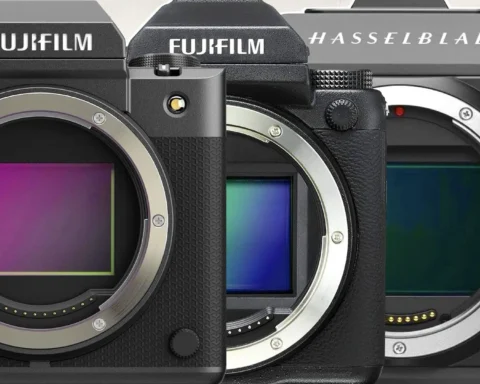
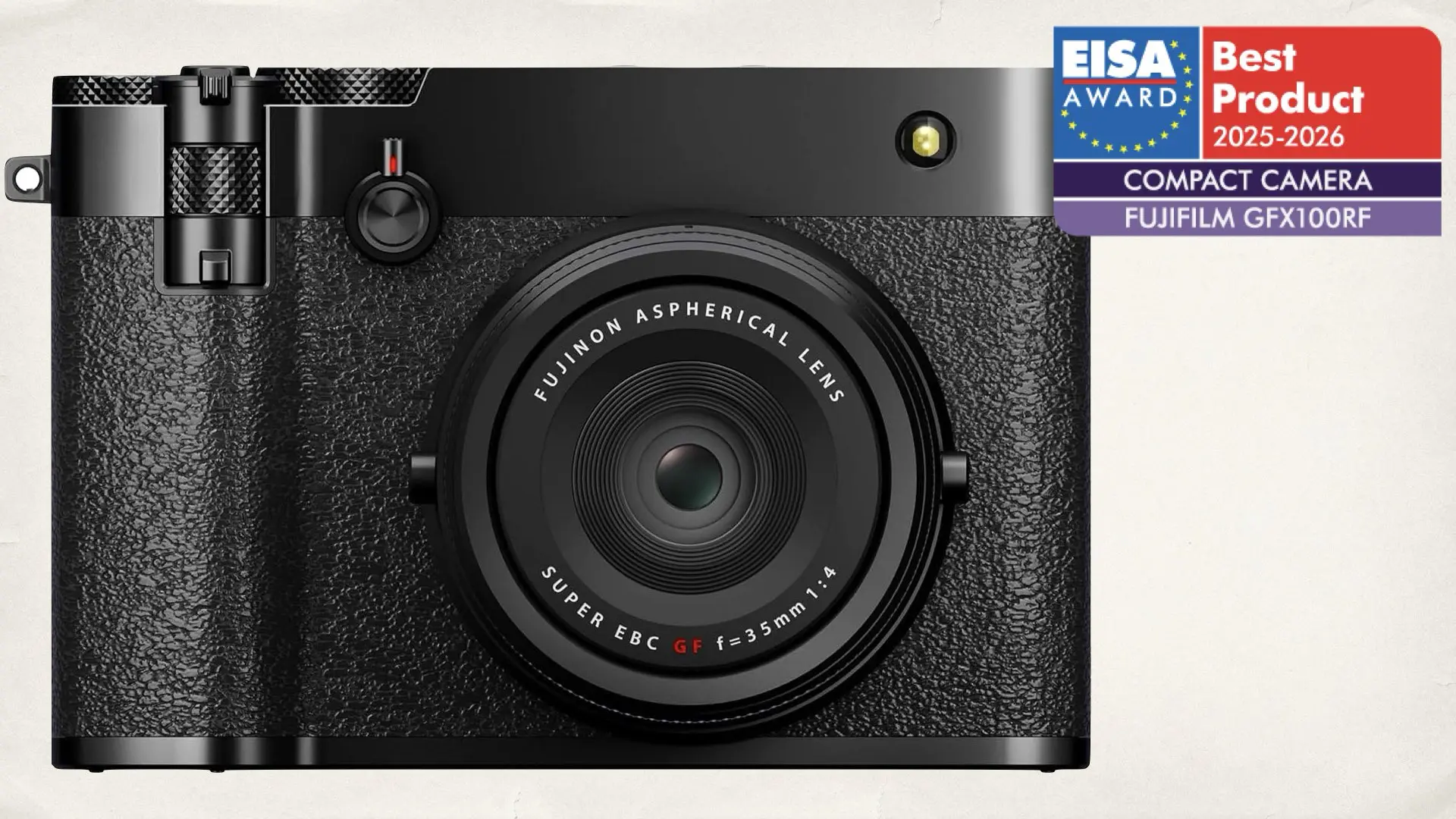
Fujifilm GFX100RF. Compact Camera
This one is surprising. The Fujifilm GFX100RF took home the Compact Camera award, even though it is a medium format system that is anything but compact. With a 100MP sensor and Fujifilm’s signature film simulations, it delivers breathtaking image quality, but the “compact” label feels misplaced. Why did EISA do this? Likely because the RF version streamlines the body compared to previous GFX designs, making it more portable than older medium-format cameras. Still, calling it compact is a stretch.
📦 See the Fujifilm GFX100RF on Amazon
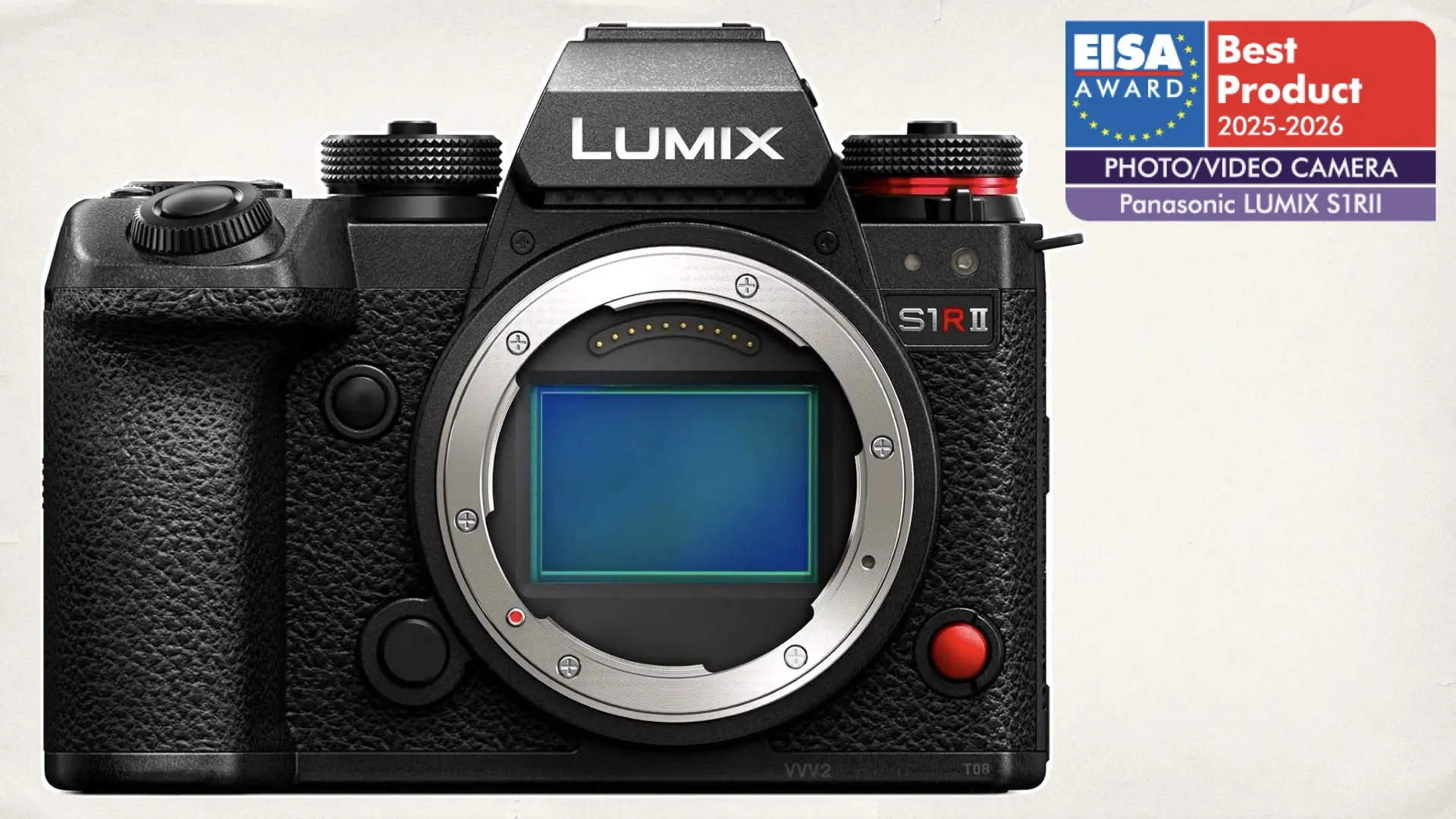
Panasonic Lumix S1R II. Photo/Video Camera
Panasonic’s Lumix S1R II ($3,297.77 on Amazon) won the Photo/Video Camera category, which fits its hybrid identity. With excellent still performance and advanced video tools such as 6K recording, Panasonic continues to appeal to creators who need both. EISA likely appreciated Panasonic’s commitment to filmmakers, even though the company’s L-mount system is still competing for market share against Canon and Sony.
📦 See the Panasonic Lumix S1R II on Amazon
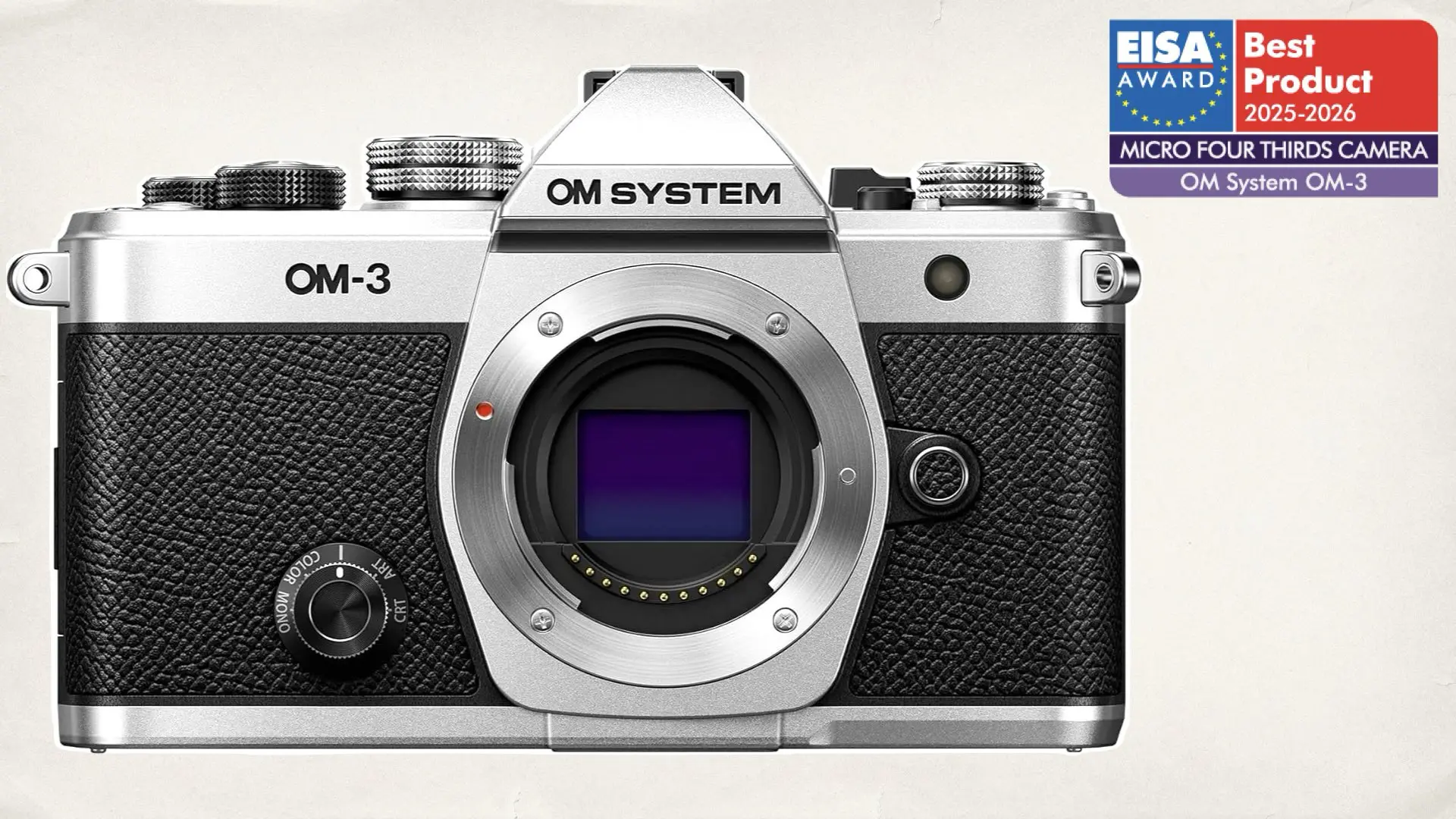
OM System OM-3. Micro Four Thirds Camera
The OM-3 carried the Micro Four Thirds banner this year. With rugged weather sealing, class-leading image stabilization, and lightweight design, it continues the OM System legacy of portability and reliability for outdoor shooters. EISA’s recognition reflects how Micro Four Thirds still has a role for travel, wildlife, and documentary shooters who value compact systems over sheer sensor size.
📦 See the OM System OM-3 on Amazon
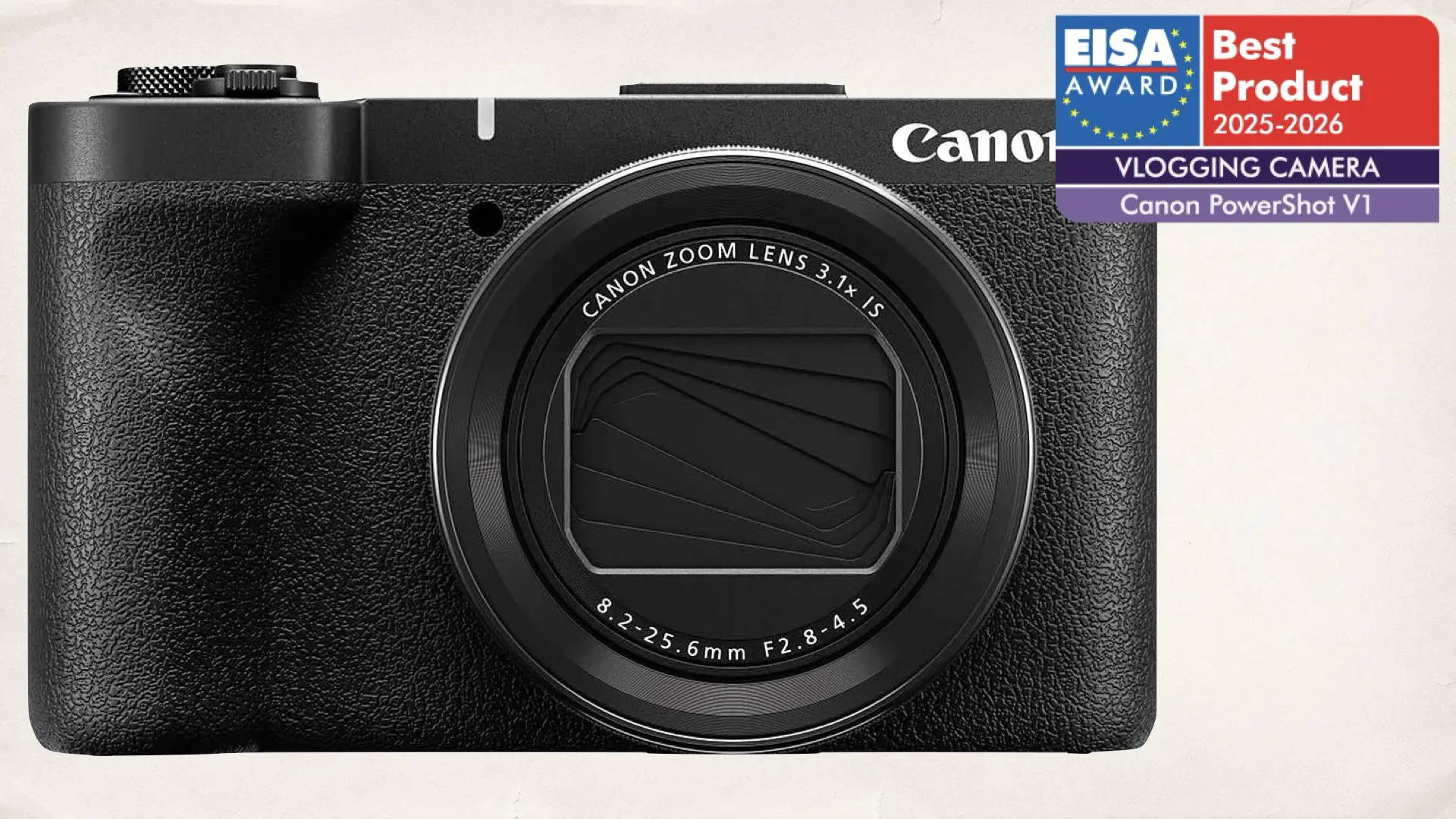
Canon PowerShot V1. Vlogging Camera
Canon’s PowerShot V1 received the Vlogging Camera award. With a flip-out screen, strong autofocus, and beginner-friendly operation, it is tailored for content creators stepping into video without needing interchangeable lenses. EISA likely highlighted this category to reflect the growing importance of creator-focused tools. While professional shooters might dismiss it, the vlogging market is massive, and this is Canon’s way of keeping a foothold.
📦 See the Canon PowerShot V1 on Amazon
Sum it up
The EISA Awards 2025–2026 showcase an impressive lineup of cameras, but the categories reveal some contradictions. The Canon R1 and Sony Alpha 1 II are both professional flagships, yet they were split into different labels. The Fujifilm GFX100RF as a “compact” choice feels questionable at best. Still, these awards highlight the diversity of today’s camera market, where innovation arrives in many forms, and recognition often reflects both excellence and politics.
As an Amazon Associate, Y.M.Cinema earns from qualifying purchases. If you purchase through the Amazon links above, Y.M.Cinema may earn a small commission at no additional cost to you. This helps support our work.
Gear mentioned in this article
Available on Amazon
| Product | New | Renewed | Used |
|---|---|---|---|
| Sony Alpha 1 Mark II | $6,998 | — | From $5,999.99 |
| Canon EOS R1 | $6,799 | — | From $5,899.95 |
| Canon EOS R5 Mark II | — | — | From $3,354.54 |
| Nikon Z5II | $2,296.95 | — | From $2,204 |
| Nikon Z50 II | $1,499.99 | — | — |
| Panasonic LUMIX S1RII | $3,297.77 | — | From $2,893.80 |
| OM System OM-3 | $1,699.99 | — | — |
| Canon PowerShot V-series | — | — | From $812.62 |
Prices checked: Oct 2, 2026, 1:30 PM GMT+0000
As an Amazon Associate, Y.M.Cinema earns from qualifying purchases. If you buy through our links, we may earn a small commission at no extra cost to you.
Product prices and availability are accurate as of the date/time indicated and are subject to change. Any price and availability information displayed on Amazon.com at the time of purchase will apply to the purchase of this product.
CERTAIN CONTENT THAT APPEARS ON THIS SITE COMES FROM AMAZON. THIS CONTENT IS PROVIDED “AS IS” AND IS SUBJECT TO CHANGE OR REMOVAL AT ANY TIME.