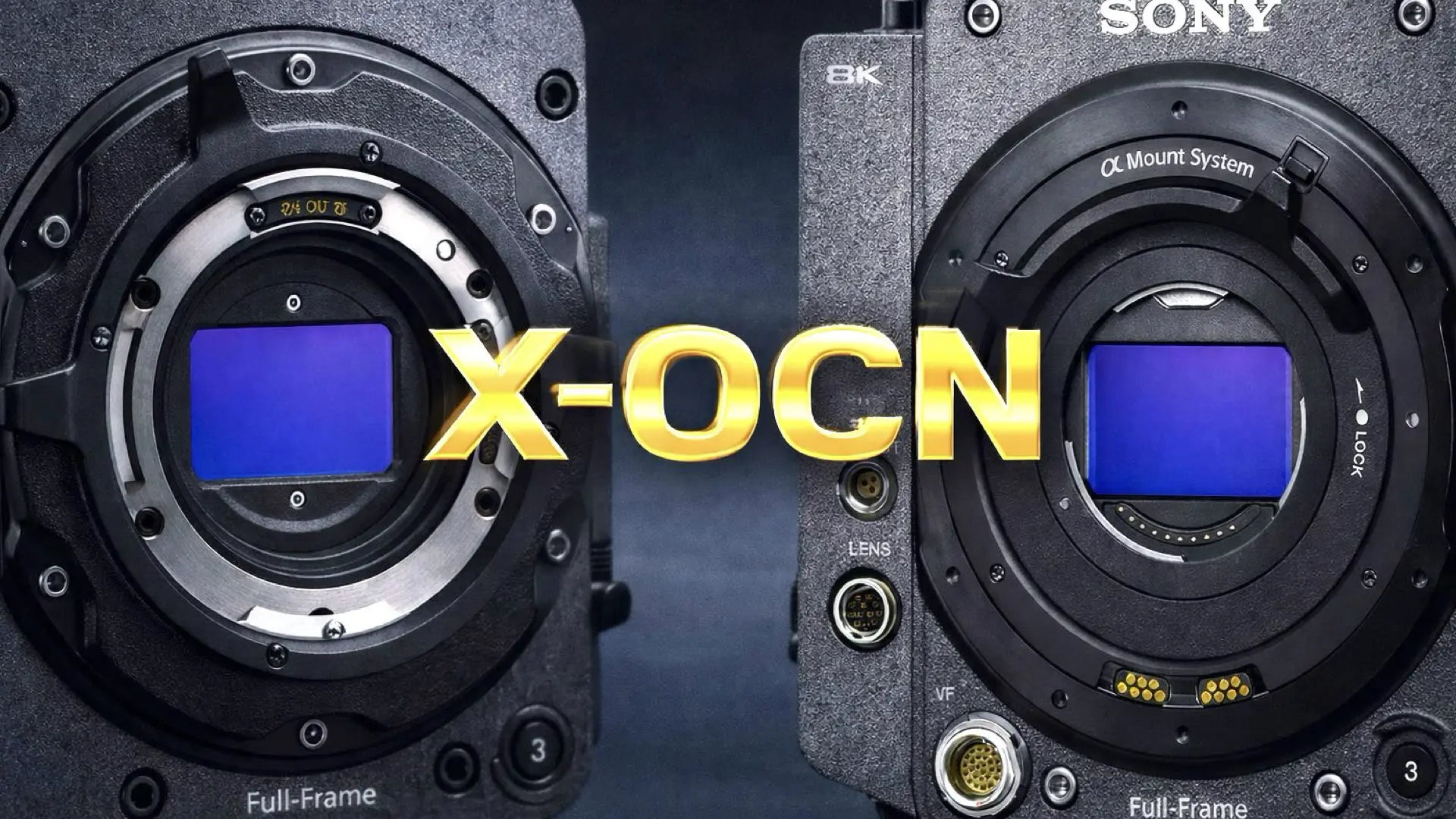
Sony has refreshed its X-OCN white paper with Version 2.0, and while the codec itself has not changed, the message behind the update is significant. This elite codec remains the recording backbone of its flagship cinema cameras. For a deeper technical breakdown of how the format works, revisit X-OCN: Sony Compressed RAW for VENICE and BURANO, then return here to understand why Sony is reaffirming it in 2026.
What changed in the updated white paper
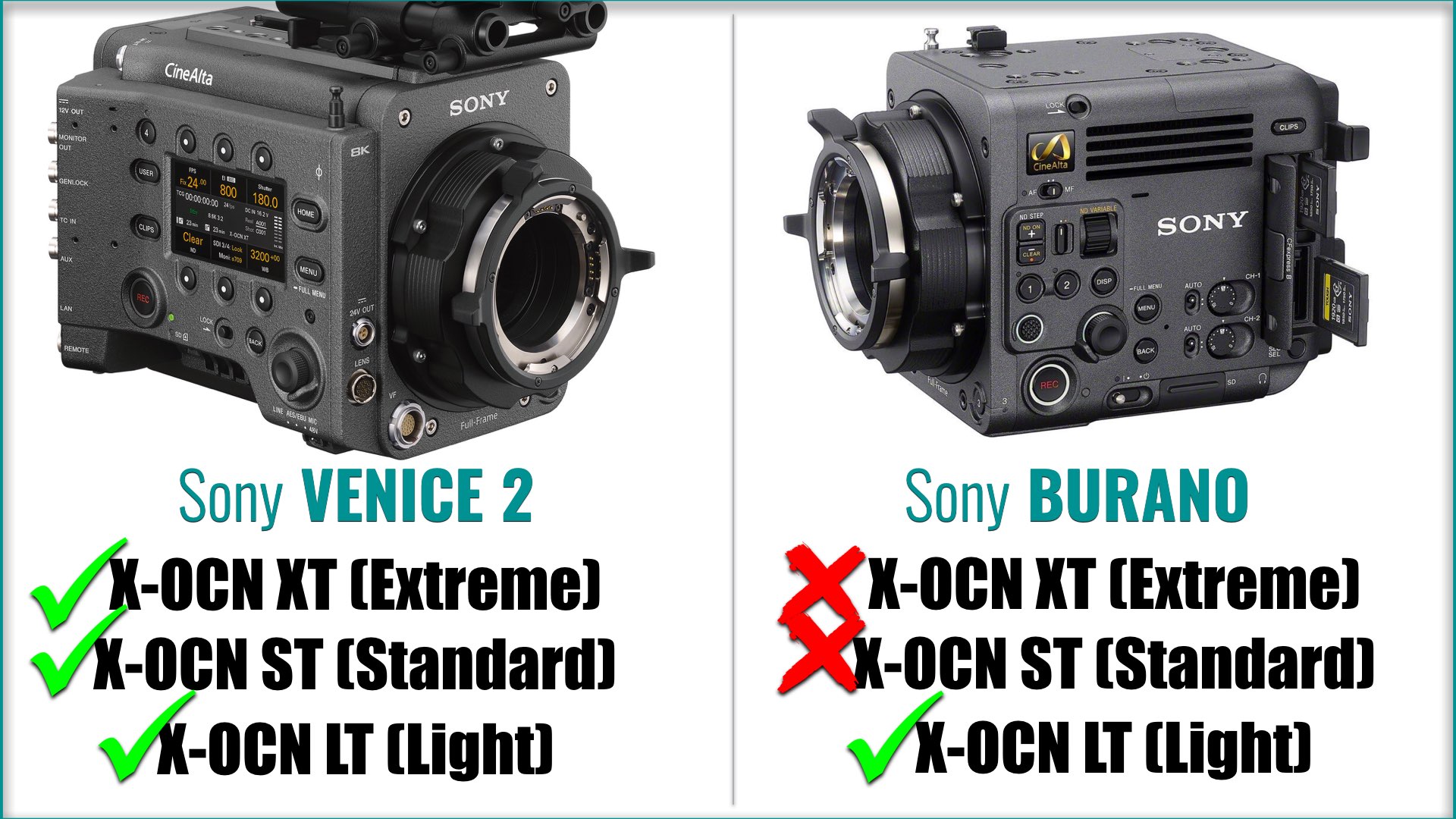
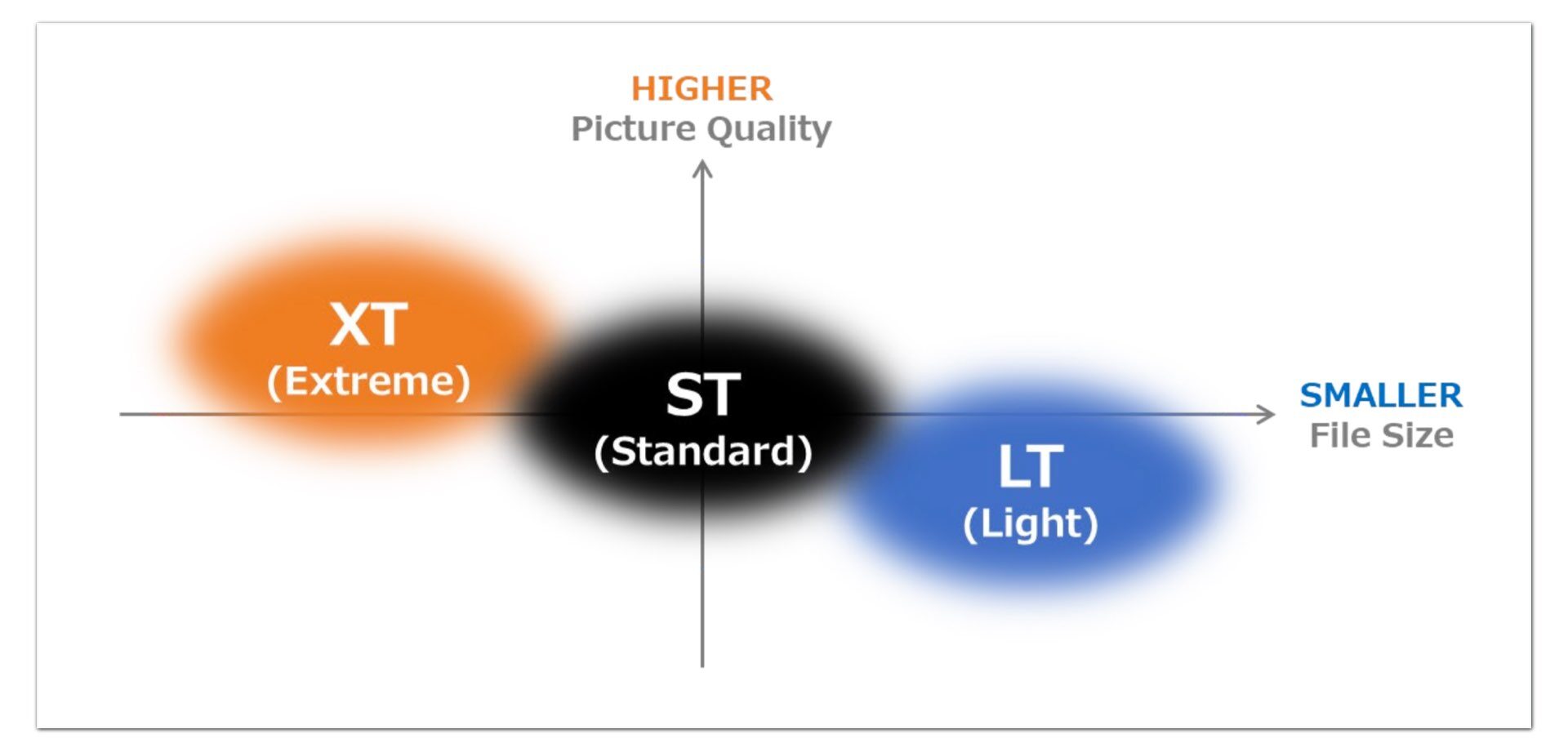
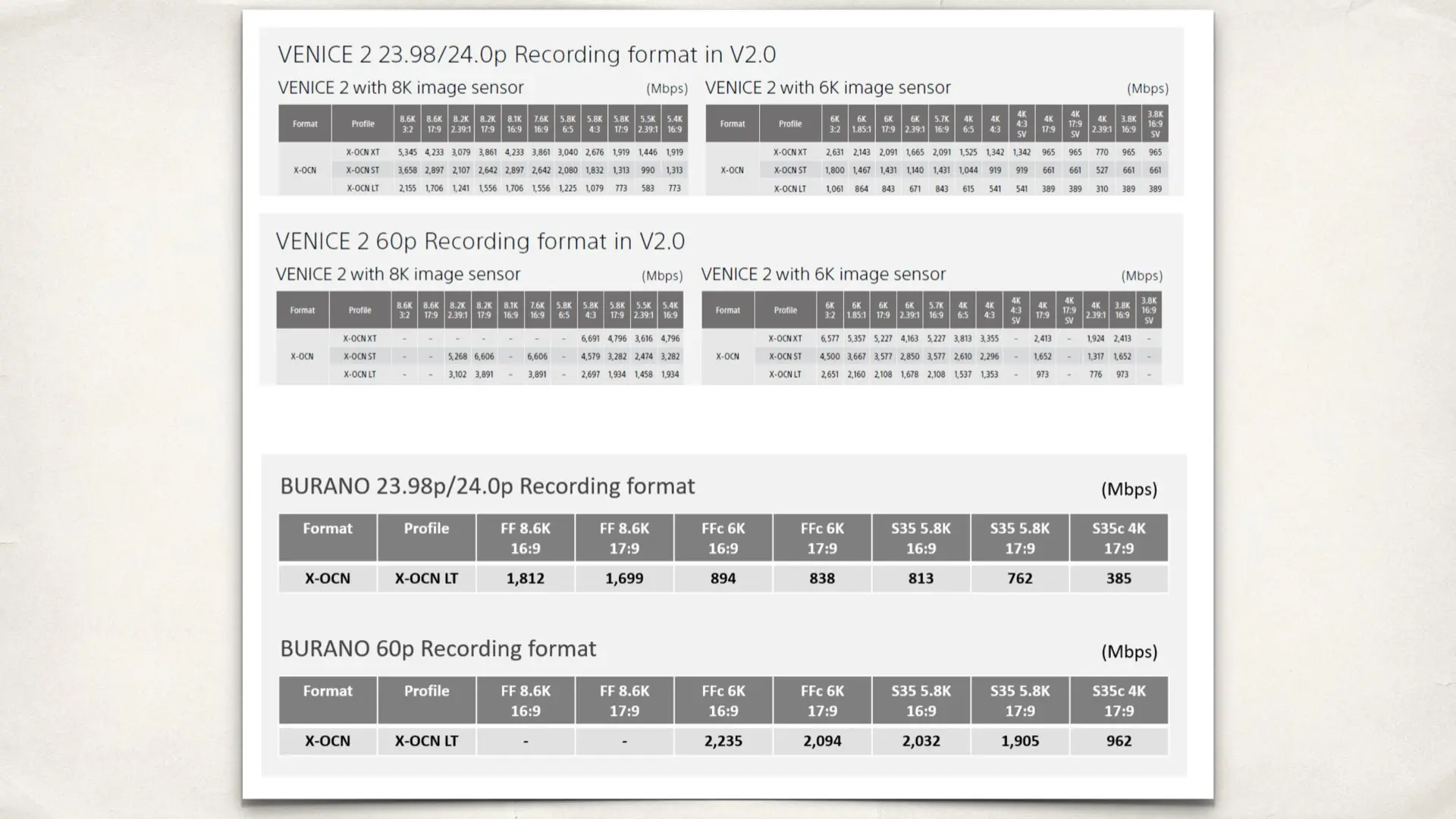
The updated document clarifies positioning rather than introducing new engineering. The compression tiers remain XT, ST, and LT. The structure remains a linear 16-bit scene. The wrapper remains MXF OP1a. What has changed is the framing. VENICE 2 and BURANO are now fully contextualized as native X-OCN platforms within Sony’s modern cinema ecosystem. The tables, workflow descriptions, and integration language reflect how productions actually operate today. This is consolidation with VENICE 2, and not an expansion.
Why Sony keeps X-OCN as its Cine elite codec
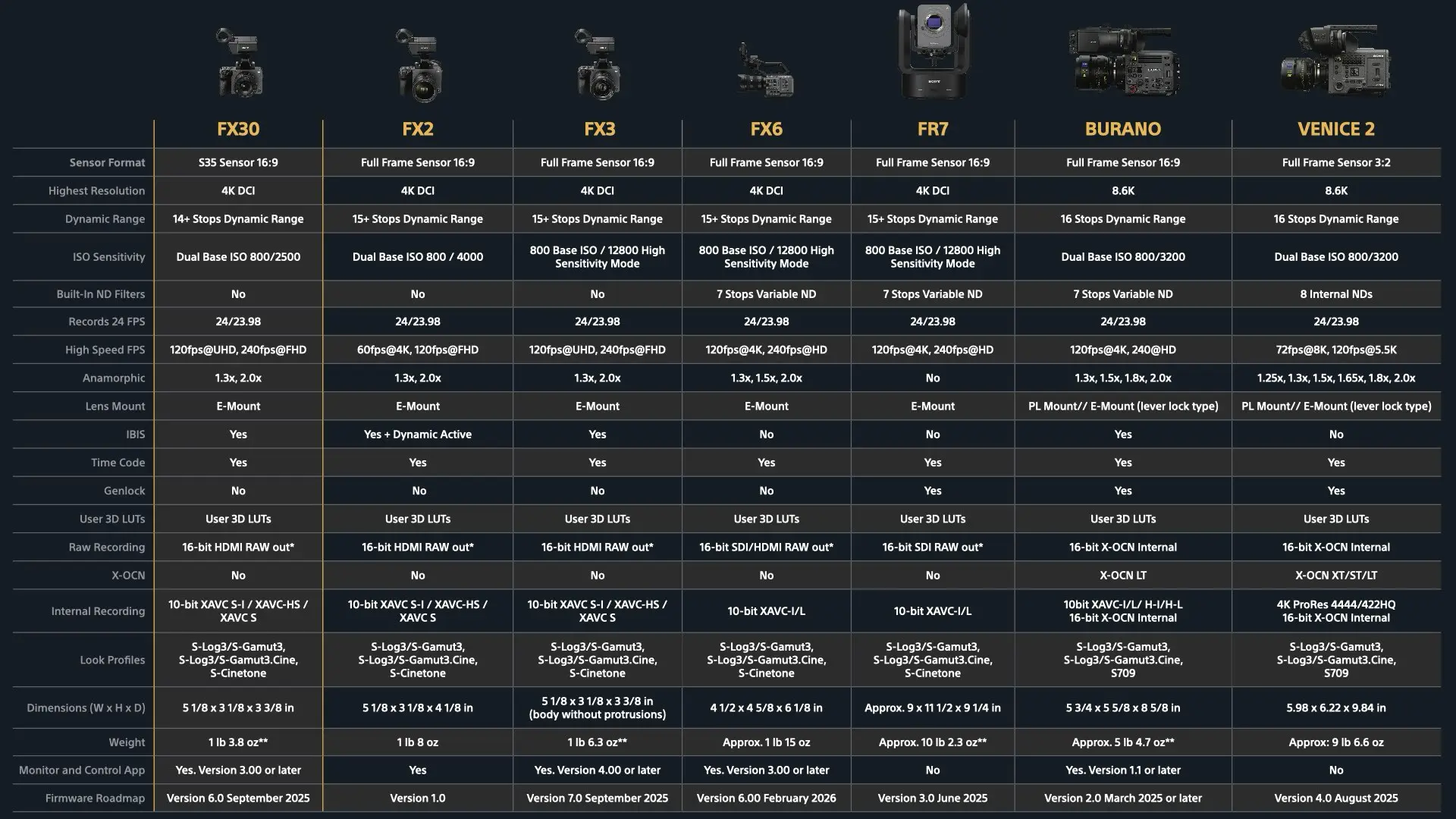
Sony’s strategy becomes clearer when viewed alongside its broader Cinema Line architecture. The company has intentionally built a progression from compact production tools to flagship cinema systems, as analyzed in Sony Cinema Line Strategy: From FX30 to VENICE 2. Within that ladder, X-OCN functions as the high-end recording anchor. It preserves workflow continuity for crews who scale upward inside the Sony ecosystem. Instead of fragmenting formats across tiers, Sony reinforces a unified RAW philosophy at the top.
Why 16-bit still defines high-end workflows
Sixteen-bit scene linear recording translates into 65,536 tonal values per channel. The technical figure is less important than its practical implication. More tonal precision means greater grading flexibility, cleaner highlight recovery, smoother gradients, and greater tolerance for heavy VFX manipulation. Many productions can deliver excellent results from 10-bit or 12-bit capture. High-end cinema, however, is built on margin. Margin in highlights. Margin in shadow recovery. Margin in color separation. X-OCN preserves that margin while keeping file sizes within realistic production boundaries.
Efficiency built for real productions
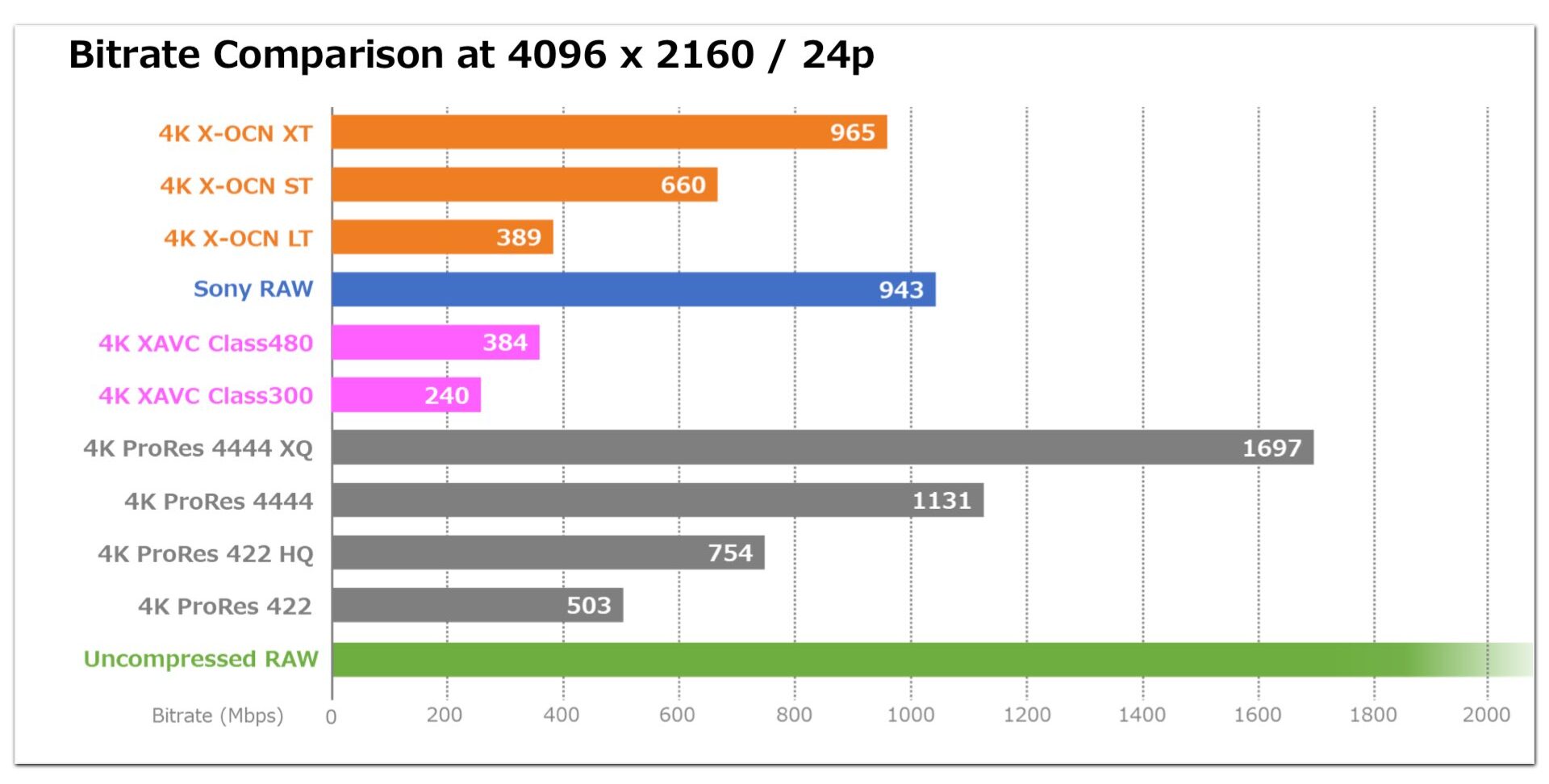
X-OCN was engineered with controlled bitrate behavior and predictable performance. This design supports stable media planning on set and consistent data flow through editorial and finishing. Wavelet-based compression enables hierarchical decoding, allowing editors to work at reduced resolution without generating separate proxies. The MXF structure consolidates image, sound, and metadata into a single file, aligning with studio infrastructure and simplifying asset management. These are practical decisions that support long shoots and complex pipelines.
The bigger technical perspective
From a technical standpoint, the significance of X-OCN lies in its balance. Wavelet-based compression preserves high-frequency detail efficiently while enabling hierarchical decoding for editorial environments. The constant bitrate structure simplifies media performance planning, especially in long-form production, where storage and throughput calculations must remain reliable. The MXF OP1a container consolidates image, audio, and metadata into a single standardized file, aligning acquisition with established broadcast and studio infrastructures. Equally important is metadata integrity. X-OCN records exposure index, white balance, lens data, monitoring LUTs, and capture parameters in a way that allows reinterpretation in post without destructive baking. This preserves creative flexibility while maintaining technical transparency across departments. In ACES workflows and HDR finishing pipelines, that consistency reduces translation errors between camera, dailies, conform, and final grade. The absence of structural changes in Version 2.0, therefore, communicates confidence. Sony does not appear to view X-OCN as a transitional codec requiring frequent revision. Instead, it functions as a long-term acquisition format anchored to the image science of VENICE 2 and BURANO. In an industry where recording formats often evolve faster than pipeline infrastructure, continuity can be a strategic advantage.