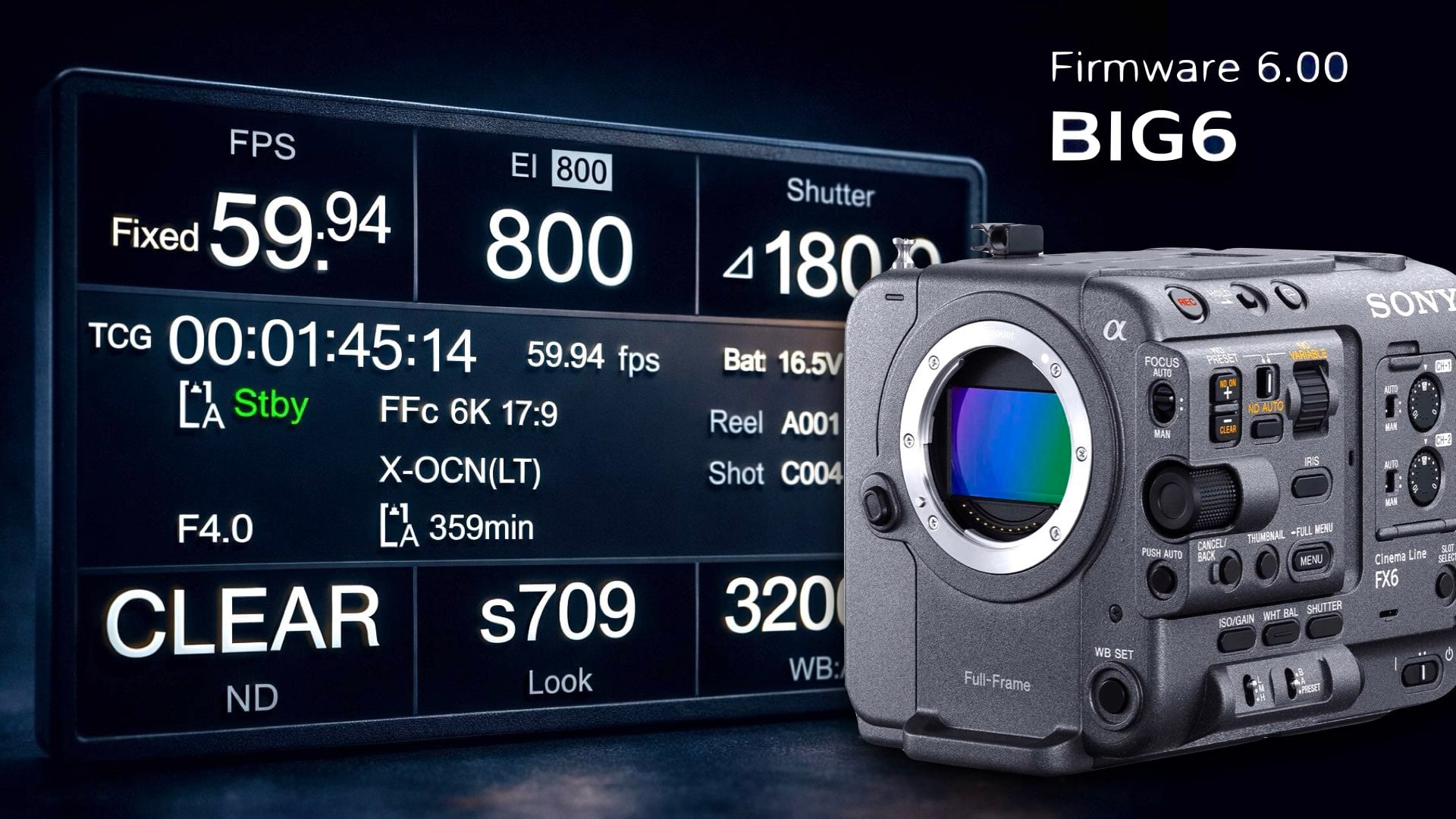
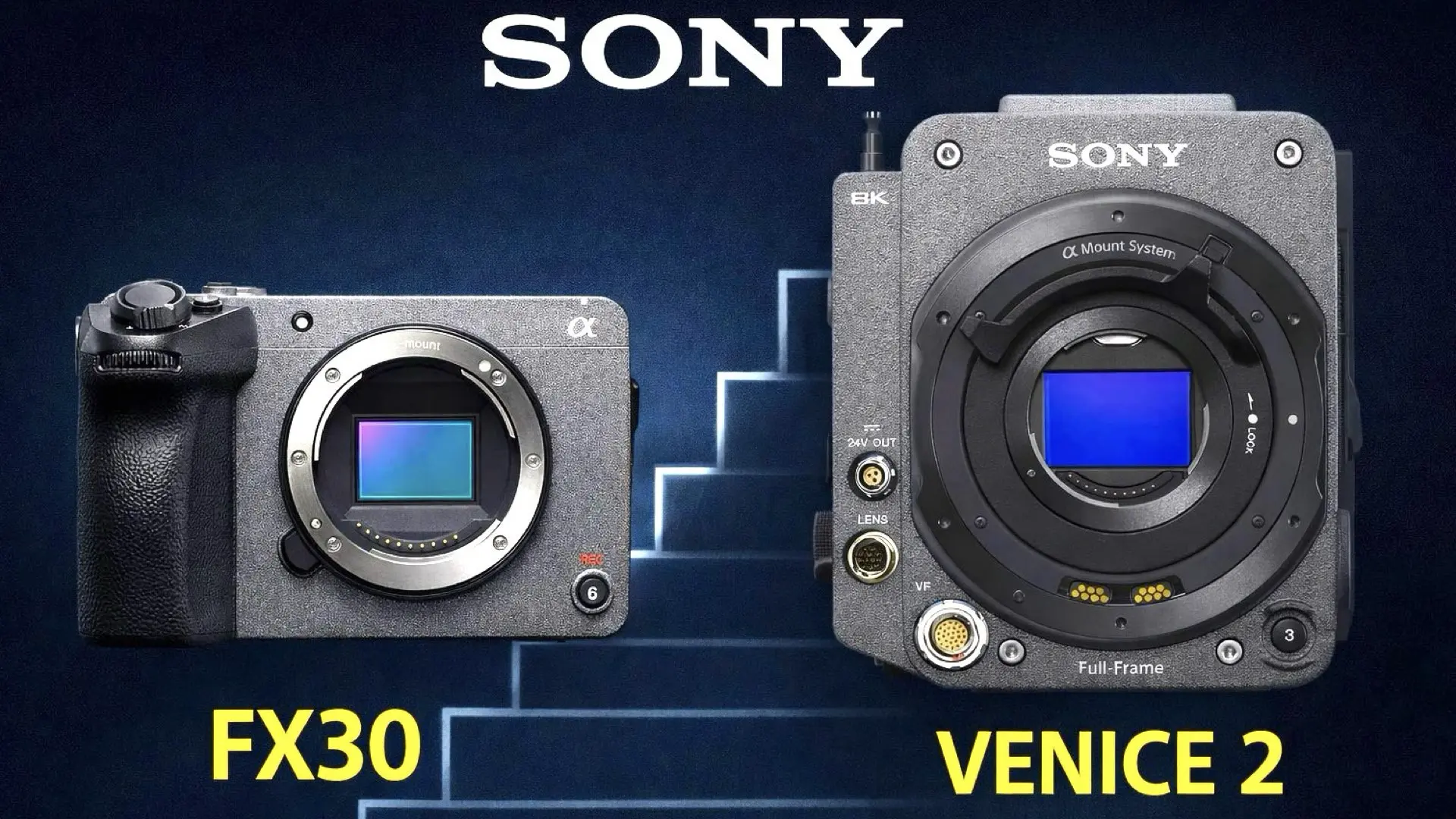
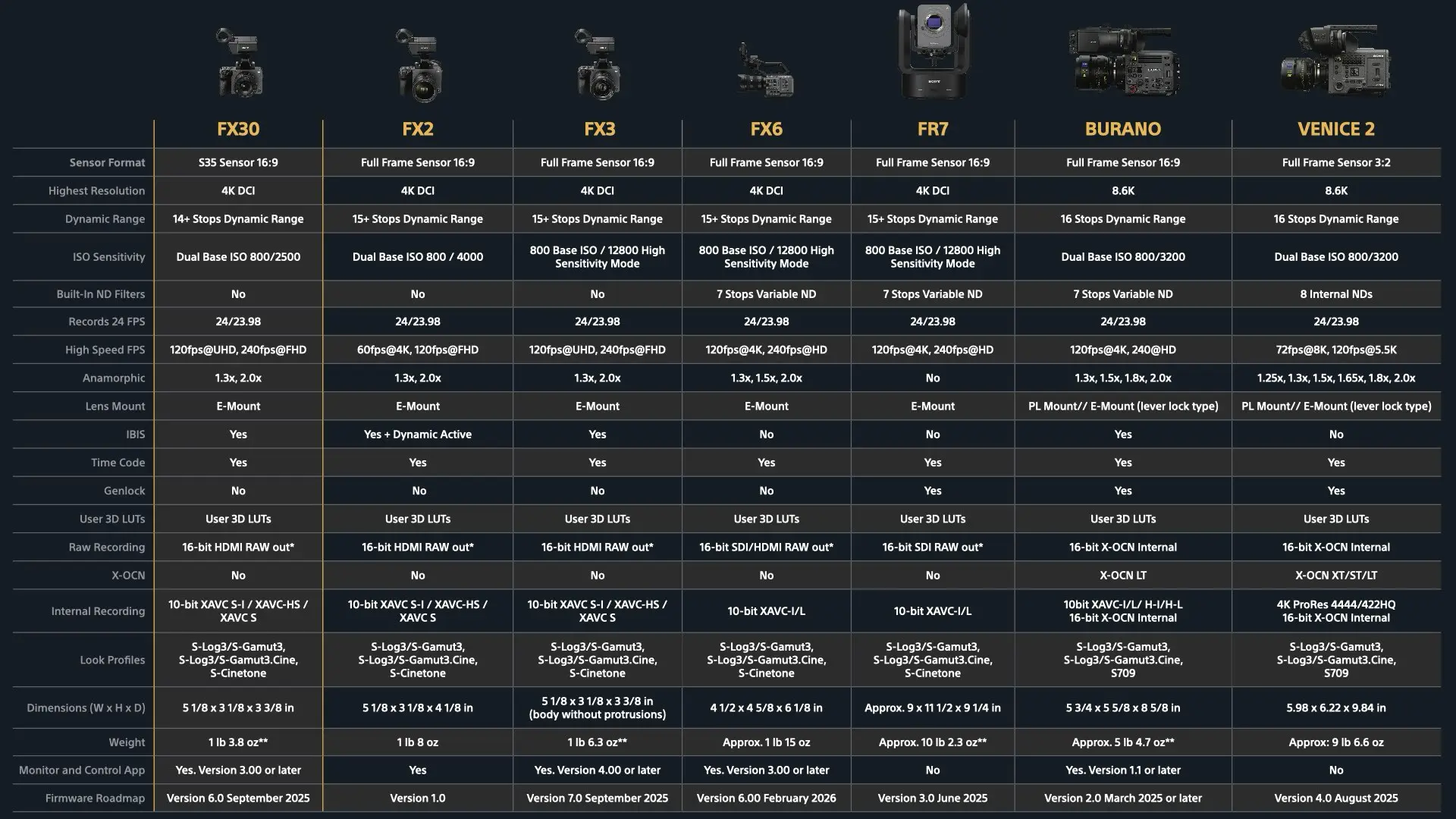
Sony has released firmware version 6.00 for the FX6 Cinema Line camera ($8,876 on Amazon) , and this update deserves more attention than a standard feature refresh. What Sony has done here is refine the camera’s operational language. The FX6 still sits in the Cinema Line as the compact full frame workhorse many documentary filmmakers, commercial shooters, and owner operators already trust, but from today it behaves with a much more mature cinema-facing logic. The clearest way to frame it is simple. The FX6 has taken a real step toward VENICE-style operation. That statement should be understood carefully. This firmware does not turn the FX6 into a VENICE, and it does not suddenly give the camera the hardware architecture, modularity, or full flagship monitoring environment of Sony’s top-end cinema system. What it does do is pull the FX6 closer to the broader design philosophy Sony has been building across its Cinema Line. If you read Sony’s Cinema Line Strategy From FX30 to VENICE 2, the direction becomes easier to understand. Sony has been shaping a clearer ladder inside the Cinema Line, where each model serves a specific type of production while still sharing common logic, visual language, and workflow DNA. Firmware 6.00 makes the FX6 feel more connected to that strategy than ever.
The real headline is the BIG6 home screen
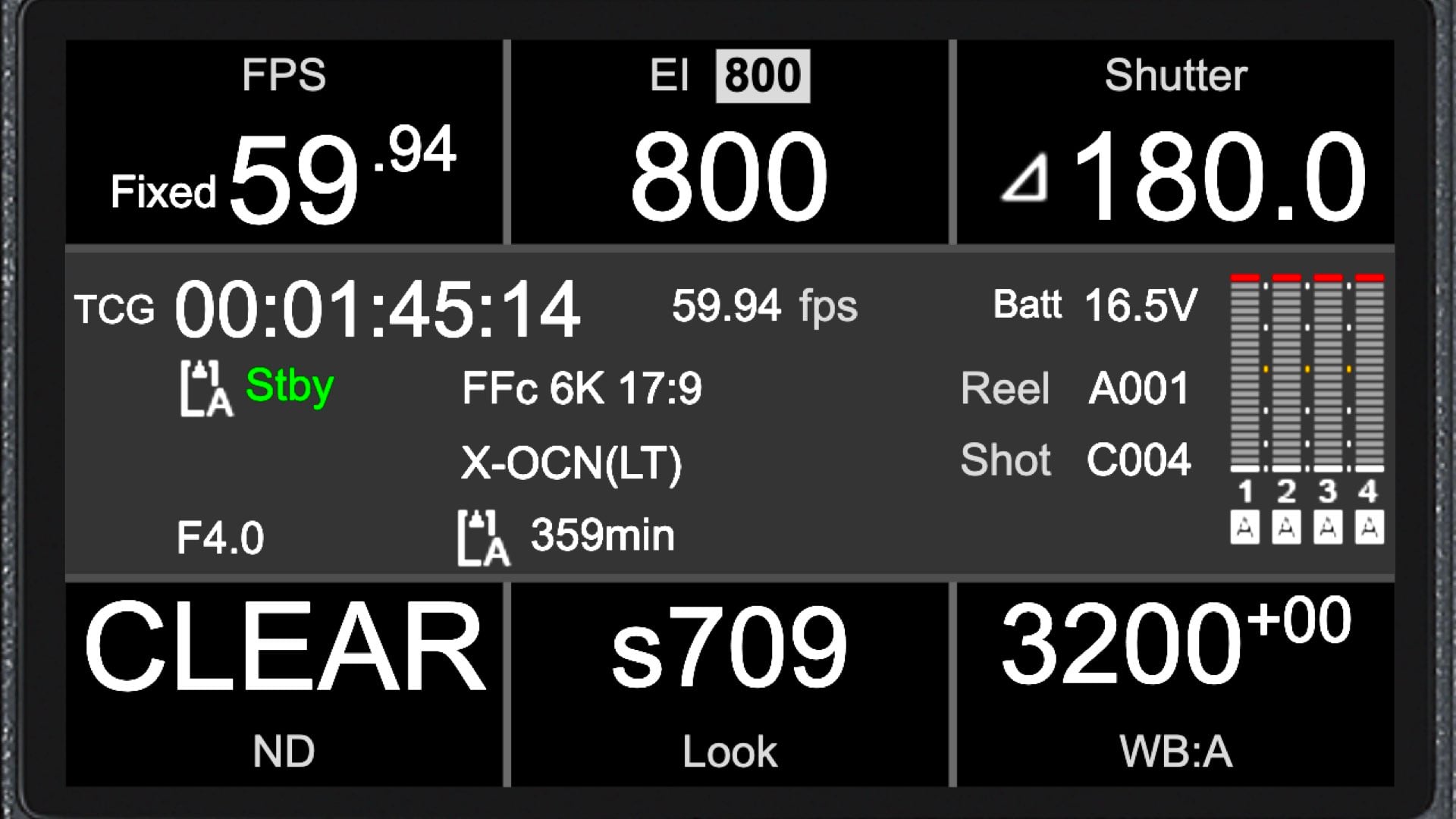
The biggest conceptual change in this firmware is the addition of a new home screen, called BIG6, where shooters can easily review major shooting settings and equipment configurations while recording movies. This sounds simple on paper, but in practice, it changes how the operator relates to the camera. Earlier FX6 firmware was capable and professional, but it still leaned more heavily on classic Sony menu navigation. The new BIG6 concept shifts the camera toward glance-based operation. In other words, instead of repeatedly diving into menus to confirm status, the camera now surfaces key information in a way that supports fast decision-making while shooting. That is why the VENICE comparison is valid. The Venice-style operation is not about making the screen prettier, but about building an interface that supports situational awareness. The operator should be able to understand exposure, recording, audio, metadata, and system state immediately. The FX6 now moves more decisively in that direction. This also aligns with the broader Cinema Line consistency discussed in Sony’s Cinema Line Strategy From FX30 to VENICE 2, where Sony appears increasingly focused on giving shooters smoother movement between cameras in the lineup. Sony also says it has improved the display layout of camera status and settings to enhance visibility during shooting and playback, which refines the hierarchy of information. This is exactly the kind of update that improves real shooting rather than spec sheet bragging. A better display hierarchy can reduce mistakes, cut menu time, and make the camera feel calmer under pressure. For documentary, event, and run-and-gun work, which has real value.
The assignable controls are small changes with a large impact
Sony has added 3 assignable functions to the Assignable Buttons tab. Shooters can now map Crop Select, LUT On or Off, and AE Level or Mode. These additions look modest in a firmware changelog, but they are practical tools that directly affect speed on set. Crop Select gives shooters faster access to framing choices without digging into menus. LUT On or Off is particularly useful for operators who want to switch monitoring behavior quickly while evaluating exposure or presentation. AE Level or Mode provides another path for adjusting how the camera behaves in dynamic shooting conditions. Assignable functions are about muscle memory. When the right controls live under the shooter’s fingers, the camera becomes more transparent and less intrusive. That is one of the clearest signs that a system is becoming more professional in use. This is especially relevant for the type of work the FX6 often ends up doing. In The Cameras Behind Sundance 2026 Documentaries, you can see how documentary camera choice is tied not only to image quality, but to handling, speed, discretion, and reliability in uncontrolled environments. Firmware 6.00 strengthens the FX6 in exactly those areas. Faster access to the right controls means fewer interruptions in real-world documentary shooting.
Metadata and production organization get stronger
Firmware 6.00 adds support for Camera ID and Reel Number settings on the status screen. It also changes the display when the Camera ID and Reel Number of the next clip are changed, and adds the Index screen to the status screen. These are the kinds of features that may sound dry to casual readers, yet they are some of the strongest evidence that Sony is aiming the FX6 more directly at structured productions. Metadata discipline becomes increasingly important as shoots become larger, faster, and more collaborative. Camera ID and Reel Number support help organize footage more intelligently from acquisition through post. Clear visibility of that metadata on the status screen reduces confusion and improves alignment between operator intent and post-production management. This is one of the reasons the update feels more VENICE-like. High-end cinema systems are built around clarity, traceability, and workflow integrity. The FX6 now leans further into that model. Sony has also added support for importing and exporting scene files from external media. That is another practical step forward. Scene file portability is essential when productions want to maintain visual consistency across bodies, save setup time, or deploy preferred operating states efficiently. It helps the FX6 function more like a repeatable production tool rather than a camera that must be reconfigured from scratch each time.
Network changes show Sony is thinking beyond the camera body
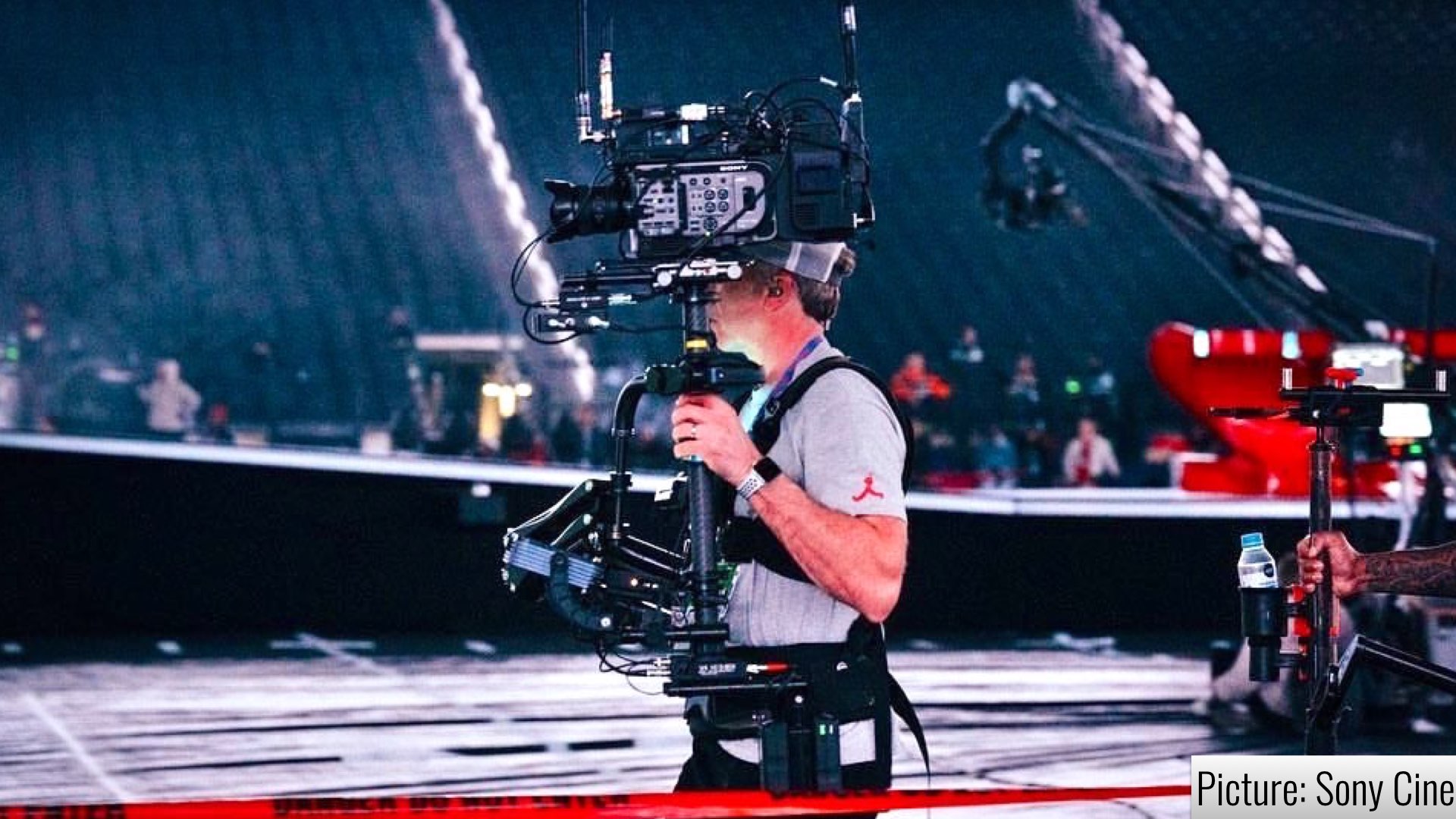
Sony has improved the network configuration method in several ways. It changes the classification of the network menu in the Full Menu, adds the ability to change network settings on the status screen, displays an explanatory message when camera operations are disabled due to configuration limitations, adds support for connecting the smartphone to the Internet while connected to the camera via Wi Fi Direct, and adds support for displaying network speed on the shooting screen. Sony has also ended support for WPA and WEP. Users can no longer select them when connecting to Wi Fi, and will need to use WPA2 or WPA3. This is the right move. Those older security protocols are outdated and weaker. Removing them is both a security measure and a sign that Sony is modernizing the network layer of the camera instead of preserving compatibility with legacy standards that no longer make sense for professional use.
Autofocus refinement targets the frame rates people actually use
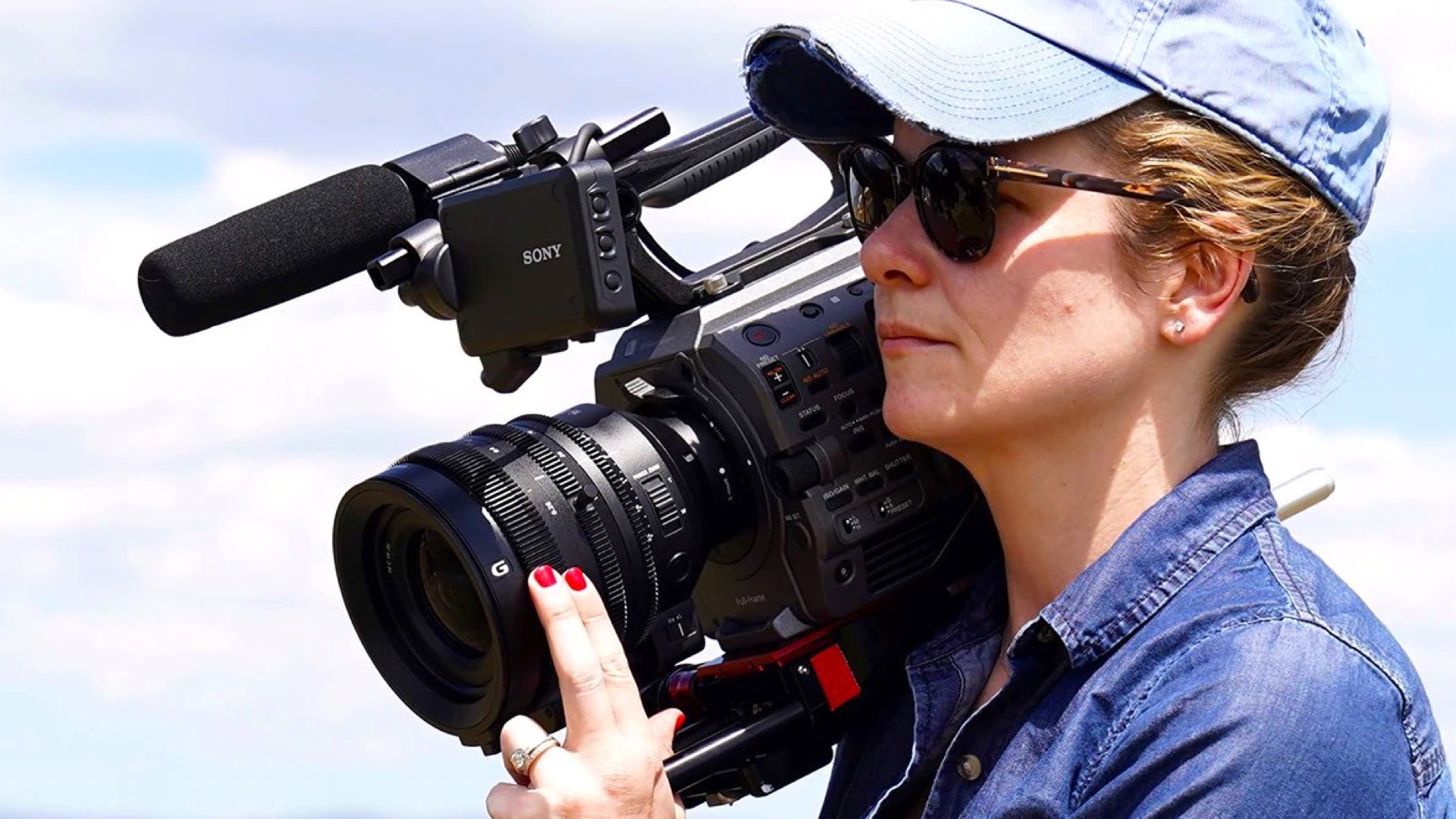
Sony says it has improved autofocus performance when the system frequency is 29.97, 25, 24, or 23.98. These are among the important frame rate settings for documentary, television, branded content, and cinema-style shooting. Sony is not presenting AF improvement as a generic promise. It is targeting the frequencies that dominate real production. That makes this update especially relevant for the sort of shooters highlighted in The Cameras Behind Sundance 2026 Documentaries, where camera choice is often tied to reliability in human, unpredictable, moving environments. Better autofocus at cinematic and broadcast-friendly system frequencies improves the FX6 exactly where many shooters live most of the time.

External Blackmagic RAW support
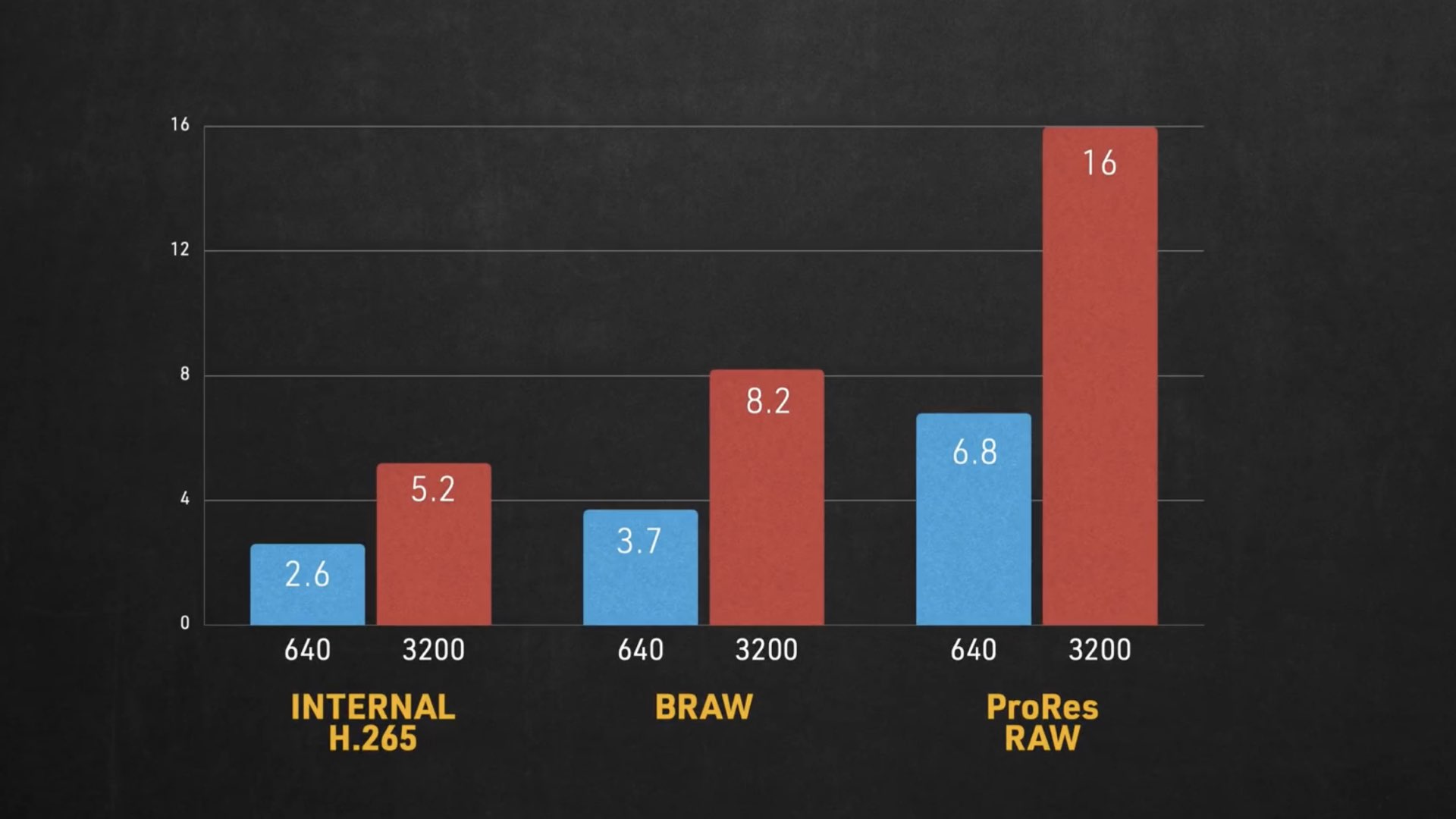
One of the most interesting additions is support for external recording of Blackmagic RAW when using RAW video output via HDMI. Sony recommends checking with Blackmagic Design regarding corresponding Blackmagic products, which is a sensible note, but the significance of the feature is already clear. This opens a new workflow path for FX6 shooters who want BRAW in a compatible external recording ecosystem. Allowing BRAW-based workflows via HDMI makes the FX6 more versatile for productions and post teams that are already comfortable in Blackmagic pipelines. It suggests Sony is willing to let the FX6 participate more openly in wider professional ecosystems when that makes the camera more useful.
Firmware strengthens FX6’s value
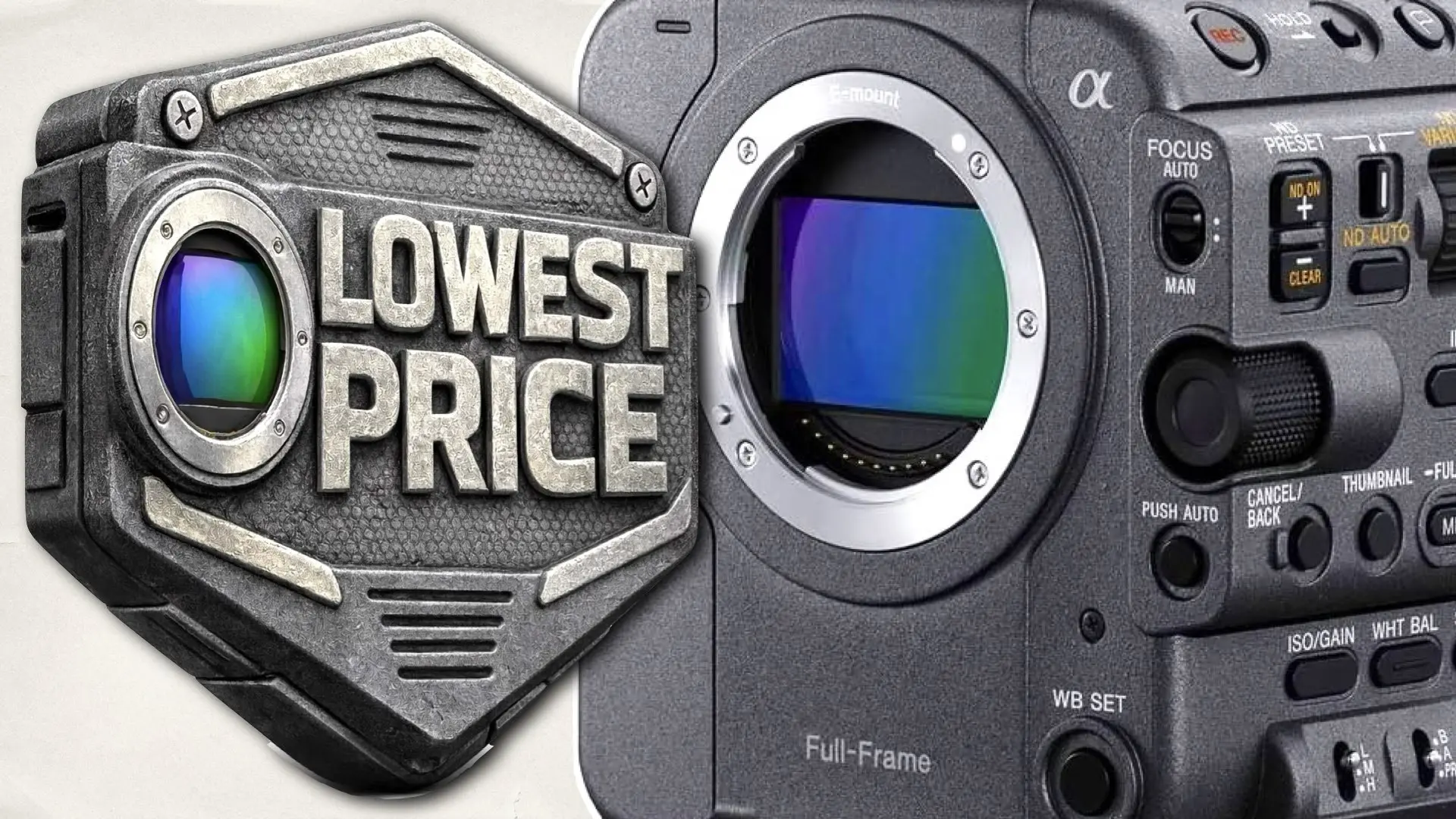
The timing of this update is interesting when viewed alongside Sony FX6 Hits Its Lowest Refurbished Price on Amazon Renewed. That article focused on the FX6 as a value proposition in the market, particularly for shooters who want a serious cinema camera without stepping all the way into flagship pricing. Firmware 6.00 strengthens that proposition. A camera becomes more attractive when the manufacturer continues to invest in it meaningfully, especially when those investments improve operation, monitoring, metadata, and integration rather than only adding superficial features.
So does the FX6 now look like VENICE?
In a strict visual sense, no. In a workflow sense, much more than before. The better phrasing is that the FX6 now feels more aligned with VENICE-style operation. The camera presents itself with greater authority. It surfaces information more intelligently. It supports production metadata more clearly. It improves connected workflows. It refines monitoring. It strengthens external recording flexibility. All of that adds up to a camera that behaves less like a compact cinema hybrid with legacy menu baggage and more like a true member of Sony’s cinema ecosystem.
If you purchase through the Amazon links above, Y.M.Cinema may earn a small commission at no additional cost to you. This helps support our work.
Here are the featured products and where you can buy them:

Gear mentioned in this article
Available on Amazon
| Product | New | Renewed | Used |
|---|---|---|---|
| Sony FX6 | $8,876 | — | — |
Prices checked: Oct 7, 2026, 1:31 PM GMT+0000
As an Amazon Associate, Y.M.Cinema earns from qualifying purchases. If you buy through our links, we may earn a small commission at no extra cost to you.
Product prices and availability are accurate as of the date/time indicated and are subject to change. Any price and availability information displayed on Amazon.com at the time of purchase will apply to the purchase of this product.
CERTAIN CONTENT THAT APPEARS ON THIS SITE COMES FROM AMAZON. THIS CONTENT IS PROVIDED “AS IS” AND IS SUBJECT TO CHANGE OR REMOVAL AT ANY TIME.