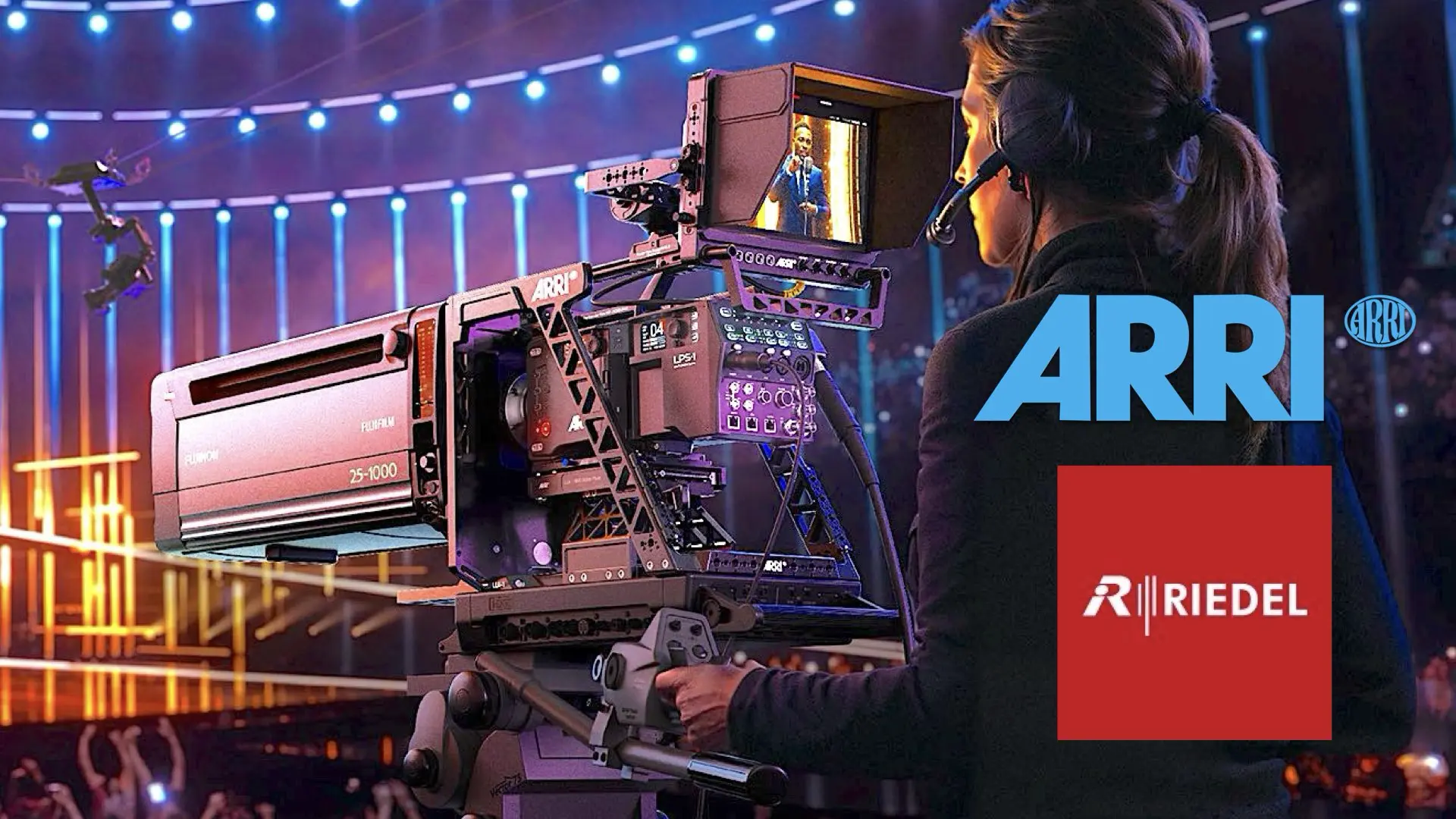
ARRI has confirmed that its ALEXA 35 Live systems will be used at the Eurovision Song Contest 2026, marking the first real-world implementation of its partnership with Riedel Communications, as a full-scale integration of cinema-grade cameras into a major broadcast environment, aligned with a broader industry trend that has been developing for several years. For sure: Cinema Broadcasting is THE thing.
Cinematic broadcasting is already a defined field
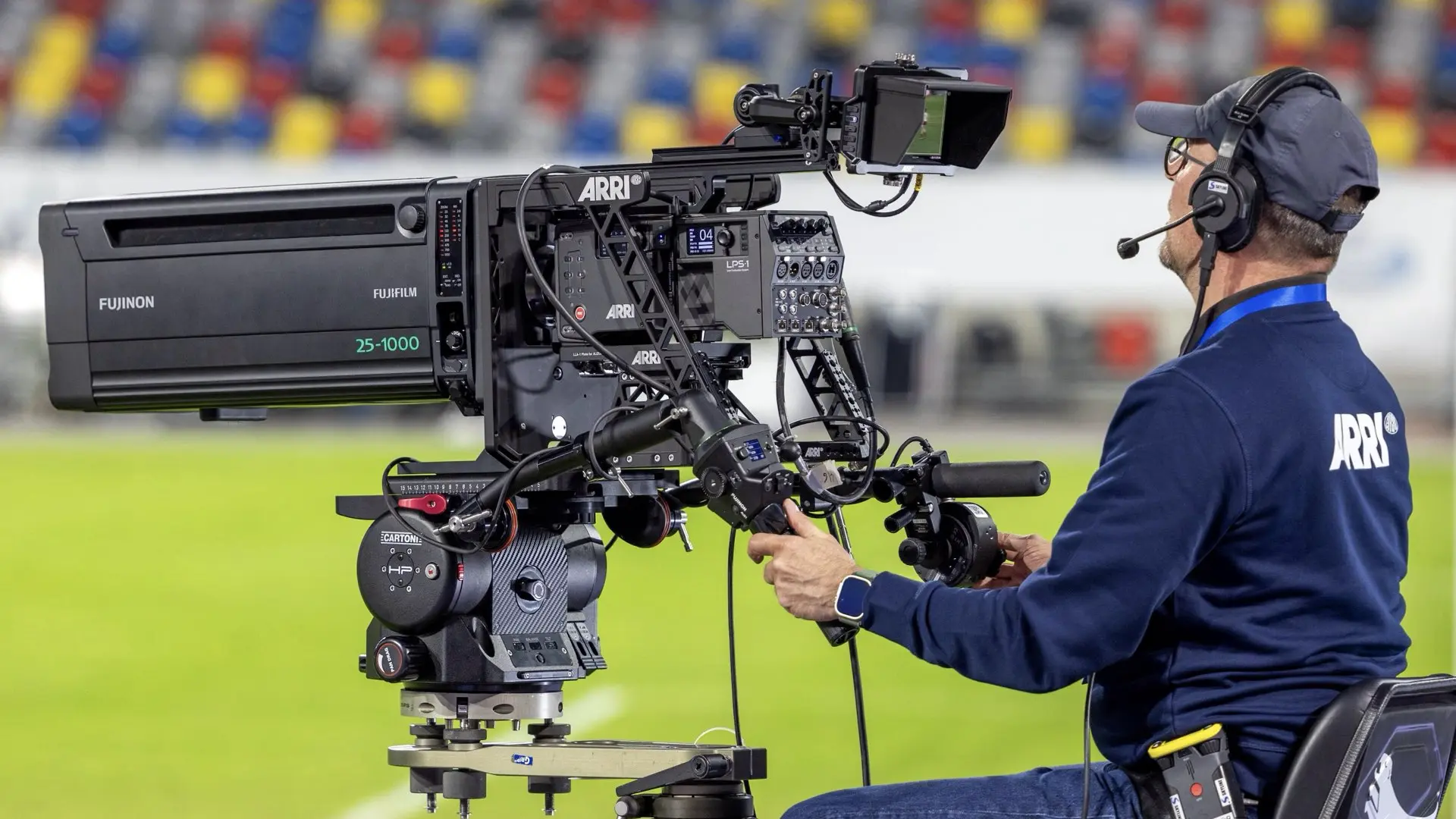
Cinematic broadcasting is not a new idea. It has been consistently explored and validated across multiple productions. The core principle is clear. Combine the visual quality of cinema cameras with the reliability and scalability of broadcast infrastructure. In Why Tyson vs. Paul Should Be Broadcast With Cinema Cameras: The Case for Cinematic Broadcasting, this approach is analyzed as a necessary evolution for large-scale live events, where both image quality and operational stability are required. YMCinema has documented this progression extensively. In ARRI Strategic Direction. Live Cinematic Production, the direction is framed as a long-term strategic move by ARRI, not a product-level adjustment. The focus is on building a complete ecosystem that supports live cinematic workflows rather than adapting cinema tools in isolation. This context is important as the Eurovision fits into a broader roadmap.
From concept to real productions
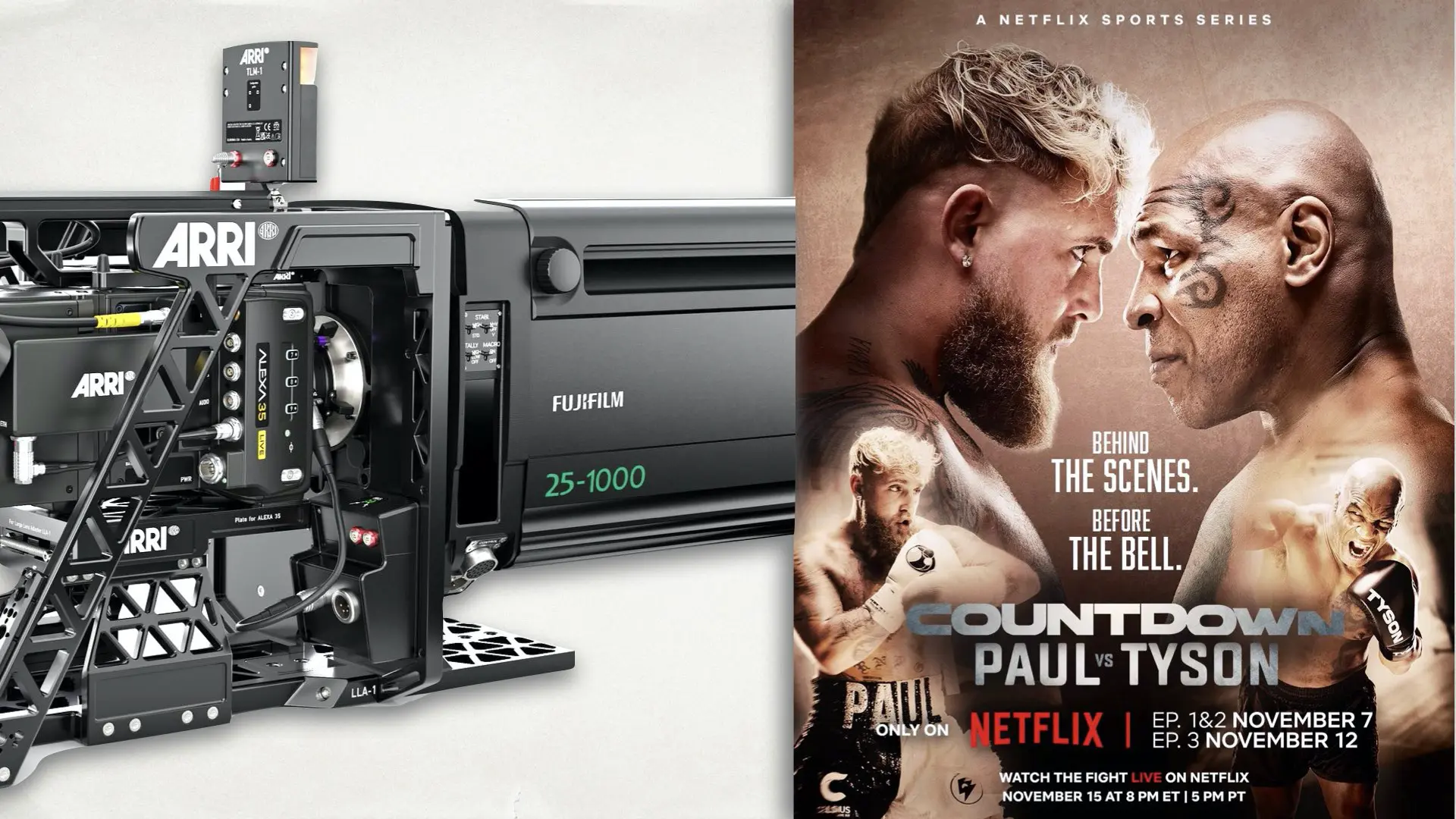
Several case studies already demonstrate how cinematic broadcasting operates in practice. In An Orchestra of Cinema Cameras to Shoot an Orchestra Live Show, a full live concert was captured using a coordinated system of cinema cameras. The result was not only higher image quality, but a different visual language. Camera movement, depth of field, and shot composition aligned more closely with cinematic storytelling than traditional broadcast coverage.
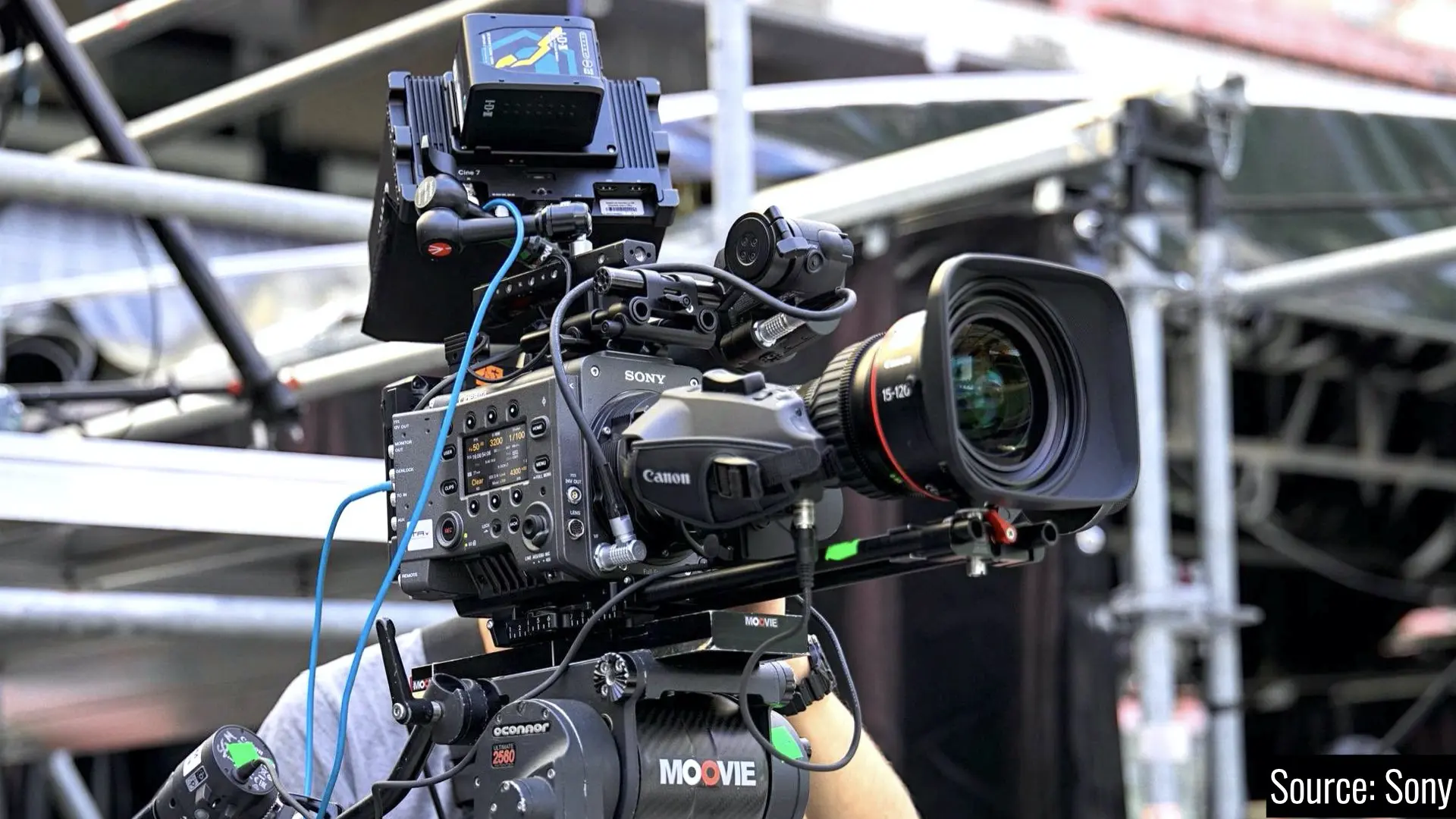
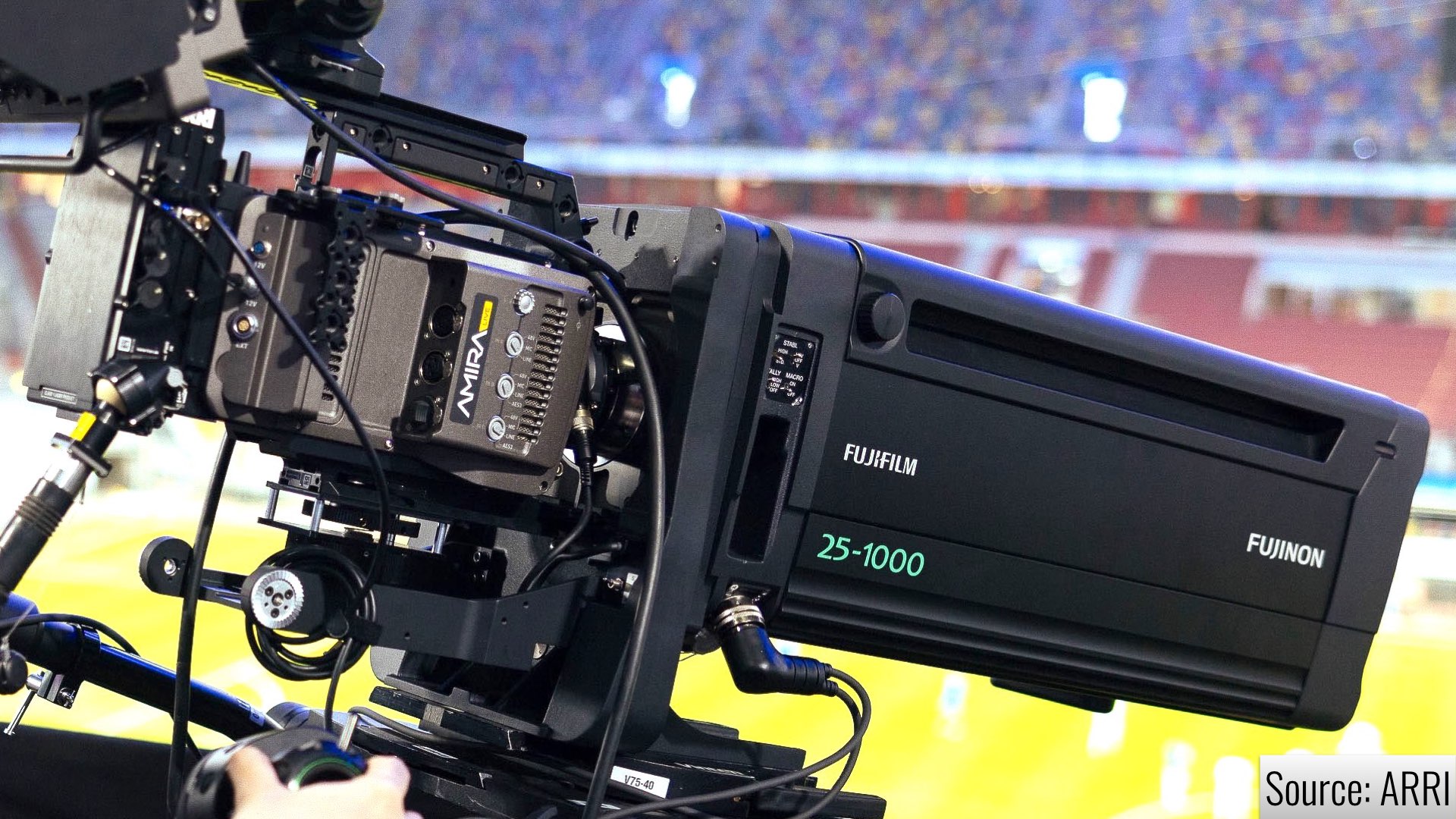
A similar approach was applied to sports. In ARRI Amira and Fujinon Duvo 25-1000 to Broadcast Football Games, cinema cameras were integrated into live football coverage. This setup demonstrated that large sensor cameras could operate within broadcast workflows while delivering a more cinematic look and feel. These examples show that the transition has already started. However, they were still relatively controlled deployments compared to Eurovision.
The role of purpose-built systems
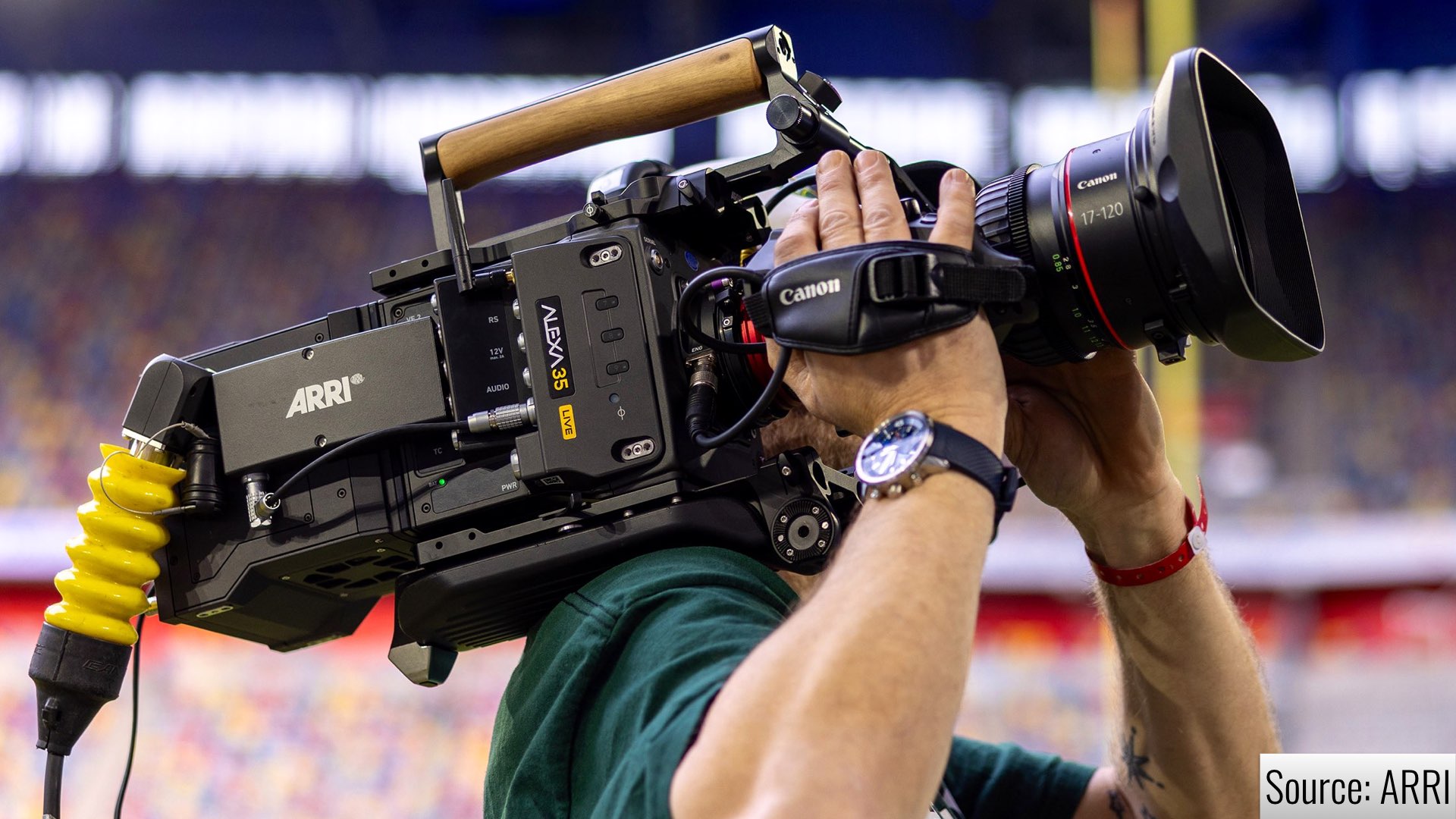
One of the key steps in making cinematic broadcasting viable at scale was the introduction of dedicated systems. In ARRI Announces the ALEXA 35 Live, ARRI defined a complete multicam solution designed specifically for live environments. The goal was to bring the ARRI look into broadcast without compromising operational requirements such as shading, control, and synchronization. This marks a shift from adapting cinema cameras to designing them for live use from the ground up. The Eurovision deployment is the first large-scale validation of that approach.
The acquisition that explains the timing
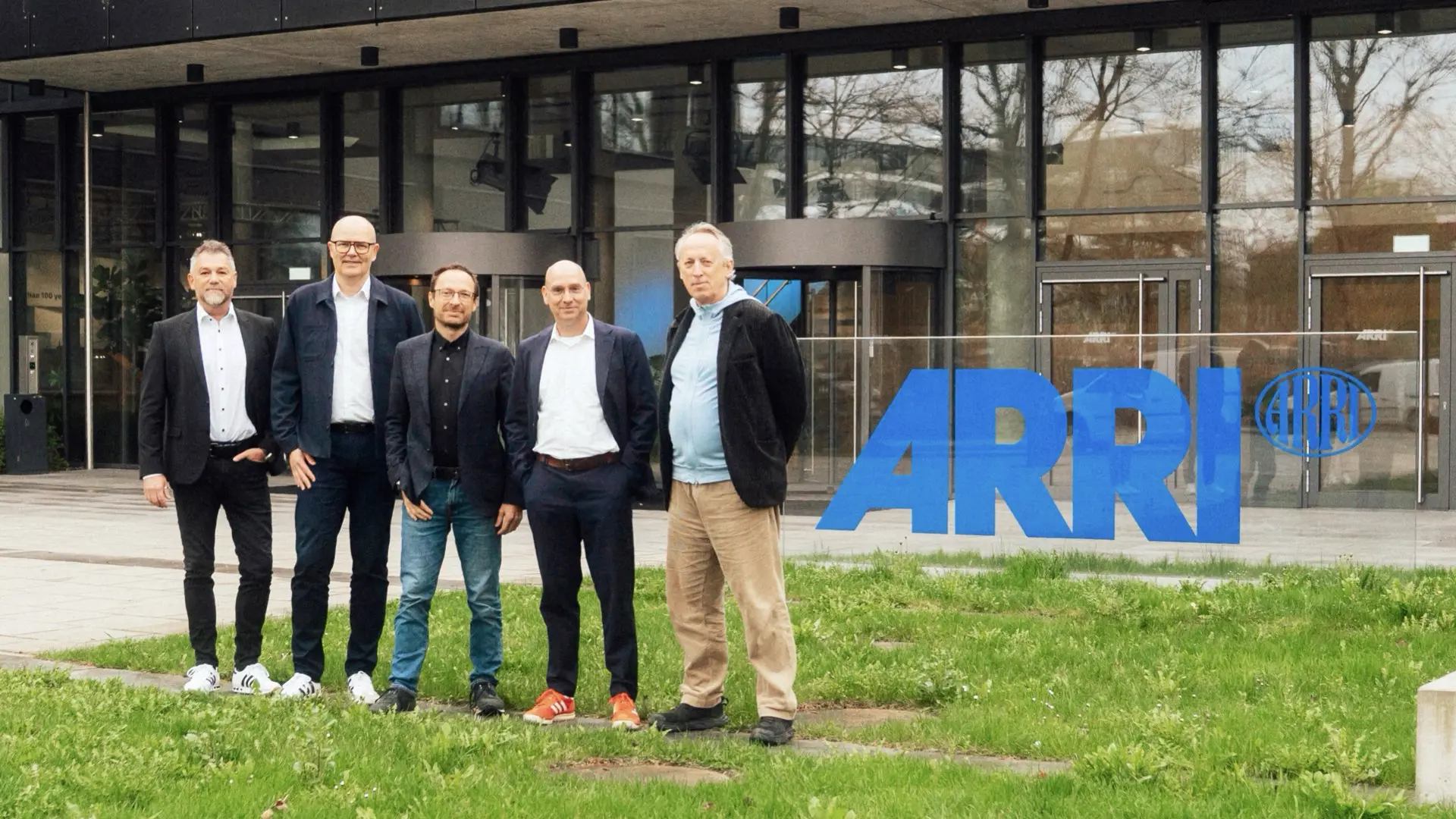
To understand why this deployment is happening now, it is important to look at the structural change behind it. The acquisition of ARRI connects its expertise in camera systems and imaging with Riedel’s strength in live production infrastructure, including audio, video, and data networks used in large-scale broadcasts. The stated goal is to create an integrated production chain, from image capture to signal distribution. This directly aligns with cinematic broadcasting. Instead of treating cameras and infrastructure as separate domains, the two are now being developed as a unified system. The Eurovision deployment can be seen as the first practical expression of that strategy.
What’s new in the latest ALEXA 35 Live update
The latest software updates to the ALEXA 35 Live and the Live Production System focus on practical broadcast operation. Multi matrix color correction allows precise matching between cameras by isolating specific color ranges. This is essential in multicam environments where consistency between feeds must be maintained in real time. Exposure control has been expanded with real-time adjustment of exposure index or gain from remote panels. The system also compensates for light loss during zoom, maintaining stable exposure without affecting depth of field. Scene file support and preconfigured user setups simplify configuration and ensure consistency across multiple cameras. This reduces setup time and minimizes variability during live production. Additional improvements include refined highlight handling and more flexible white balance options, along with streamlined system integration that simplifies deployment in large-scale environments. These updates align it more closely with broadcast expectations.

Final thoughts
Cinematic broadcasting is moving through a clear progression. Early experimentation showed that cinema cameras could be used in live environments. Targeted productions demonstrated visual advantages. Purpose built systems such as the ALEXA 35 Live addressed operational gaps. The current phase focuses on integration and scalability. The ARRI and Riedel deployment at Eurovision sits at this transition point. It combines a dedicated cinematic multicam system with a mature broadcast infrastructure and applies it in a demanding real world environment. This makes it a useful reference case for the industry. Several practical questions follow. Can cinematic multicam systems maintain consistency across large camera arrays over extended live broadcasts. Will crews trained on traditional broadcast tools adapt easily to cinema based workflows. How will shading, color matching, and exposure control evolve as more productions adopt large sensor cameras. And from a production perspective, will the visual benefits justify the operational complexity in all use cases, or remain focused on premium events. The answers will likely emerge through deployments like this. For now, the direction is becoming clearer. Cinematic broadcasting is no longer defined by isolated examples. It is gradually forming into a structured workflow that can be evaluated, repeated, and refined across different types of live production.