
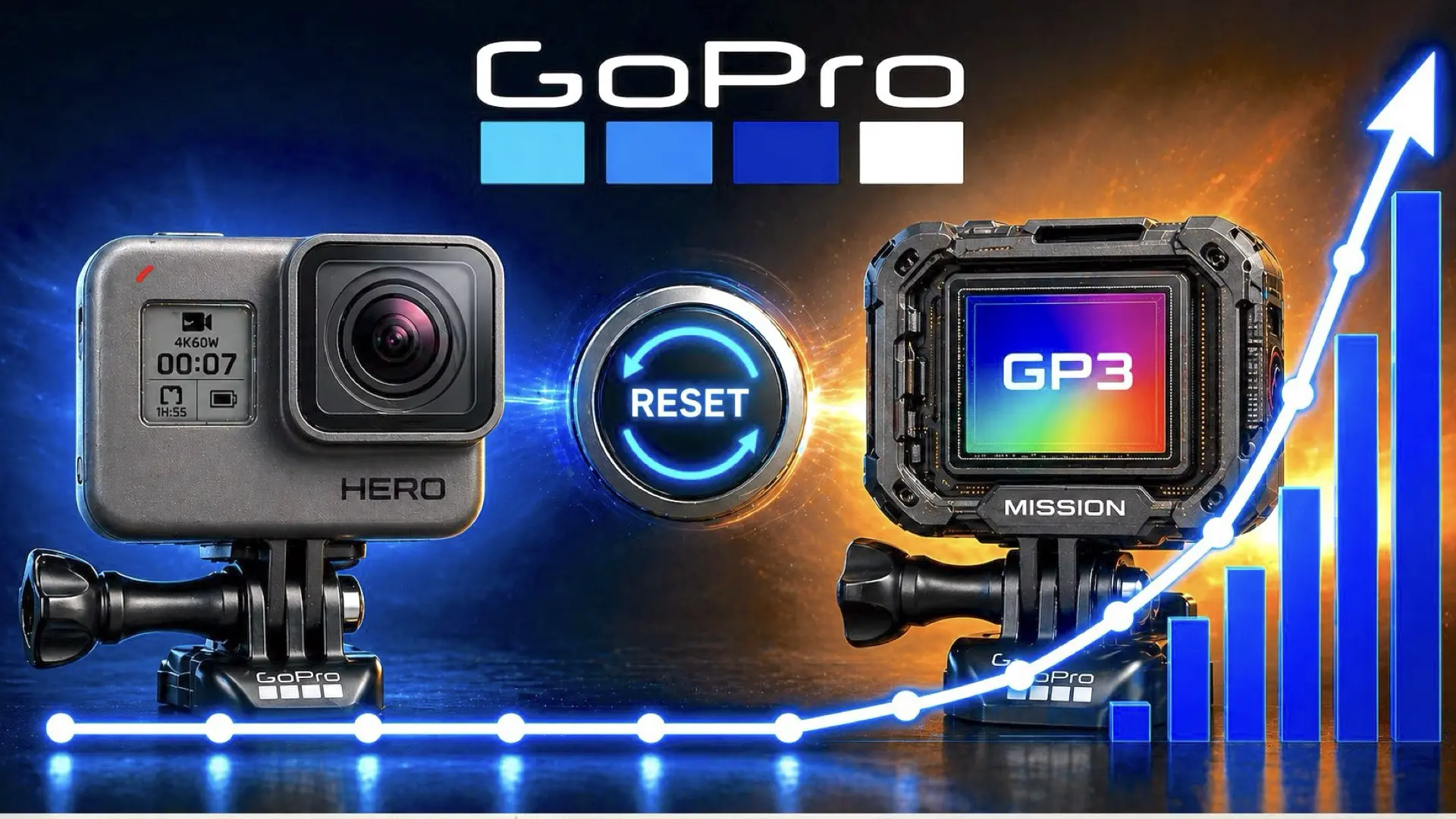
GoPro is resetting the company. The workforce reduction was the first move. The next phase centers on a single bet that arrives in 2026. A reduction at this scale changes how a company operates. Teams compress. Priorities narrow. Execution tightens. GoPro’s recent investor communication shows a consistent direction. Revenue remains under pressure. Unit sales trend lower. Operating expenses drop sharply. The restructuring fits that pattern. The company is removing weight before launching a new cycle. This strategy leaves no margin for error. The next camera generation carries the full weight of recovery. Here are our two cents.
A new platform sits at the center
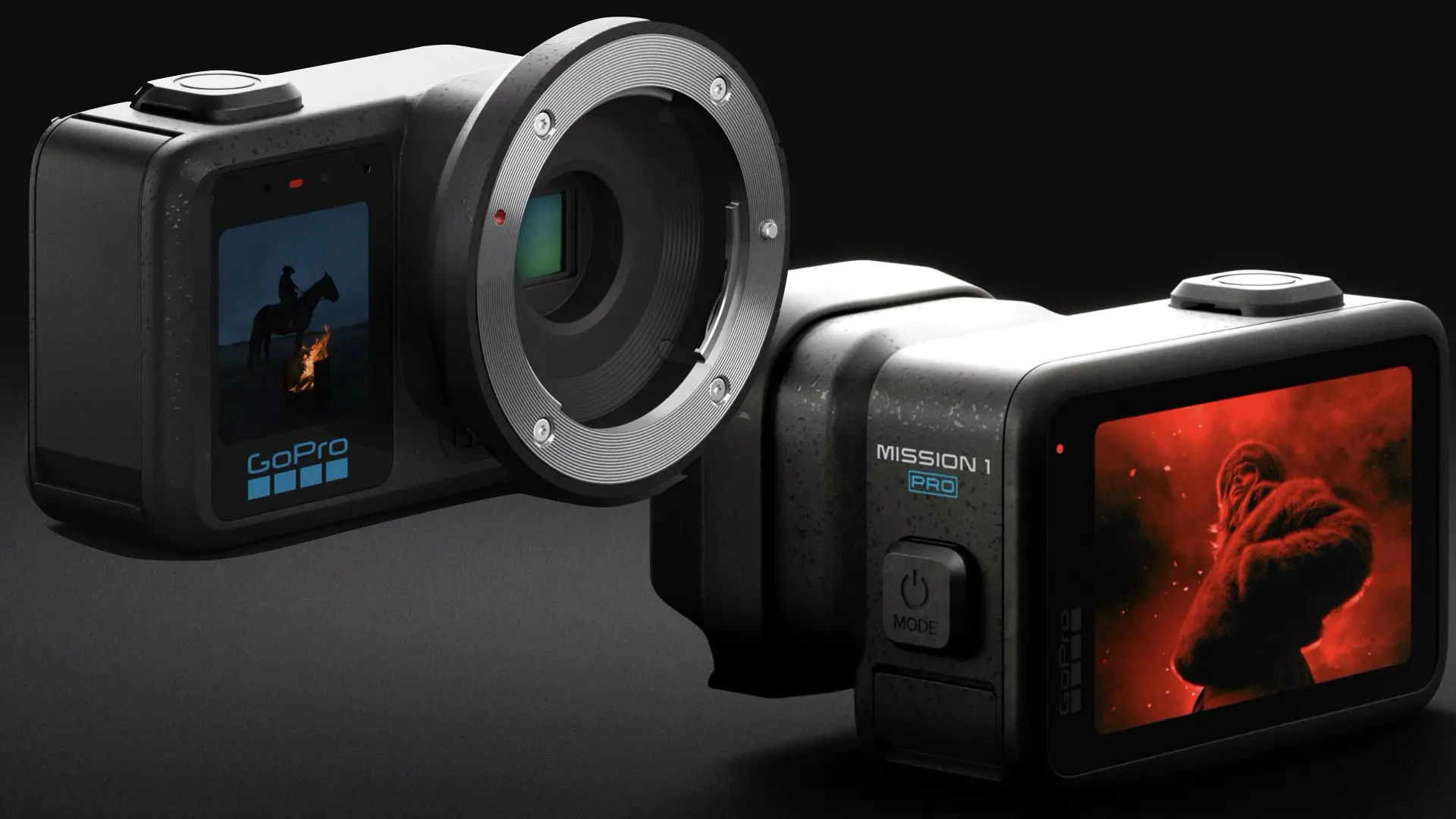
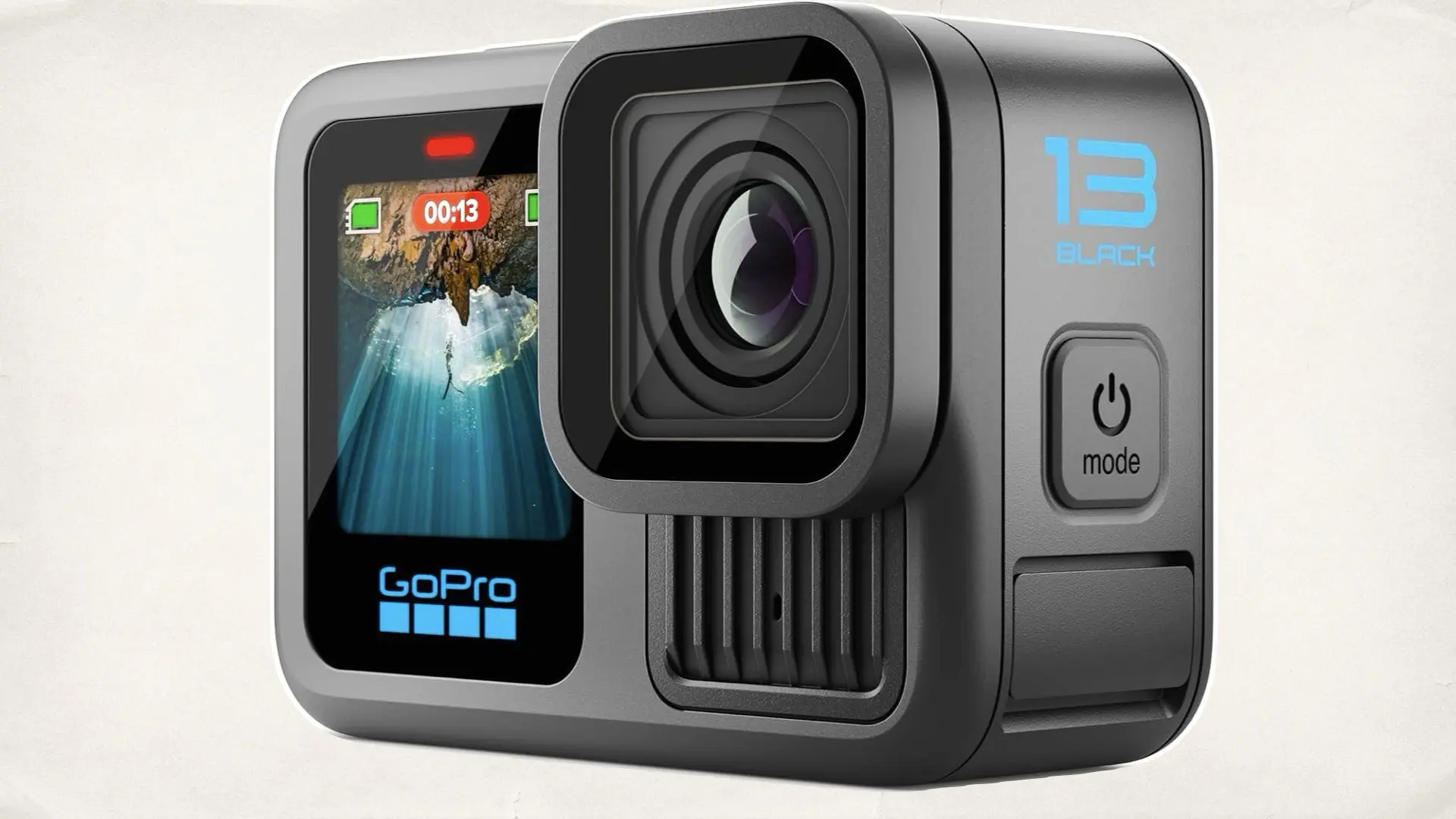
GoPro confirmed that its next-generation cameras will arrive in 2026, built on a new processing platform. The language around this platform points to a foundational shift. Processing throughput increases significantly, enabling higher data rates and more complex image pipelines. AI moves into the core of the system, influencing autofocus behavior, noise reduction, and scene analysis. Thermal efficiency becomes critical as higher performance pushes compact bodies closer to their limits. This reads as a scalable foundation rather than a single product upgrade. Multiple camera categories can sit on top of the same architecture. We covered in depth the new camera line. You can find all our articles here.

The product direction has already changed
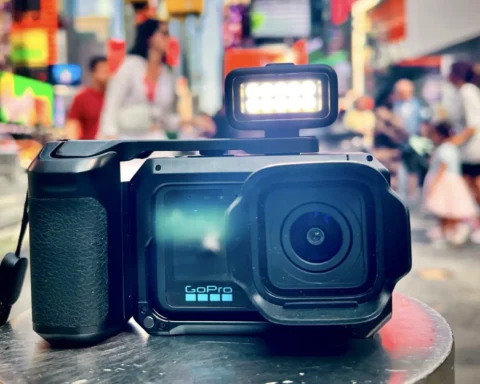
The upcoming cameras follow a different philosophy. Image quality drives the design. Data rates increase. The pipeline aligns with more demanding production environments. This direction appears clearly in GoPro MISSION 1 PRO Leaked Footage. That coverage showed where the company is heading. Output quality improves. Flexibility increases. Control expands. This shift targets a different user base and places GoPro into a more demanding segment. Hence. layoffs, new silicon, and new cameras form a single sequence. The company reduces its cost structure. It builds a new platform. It prepares a new class of products. These moves land in the same timeframe. That alignment defines the strategy.
The market leaves little room for alternatives
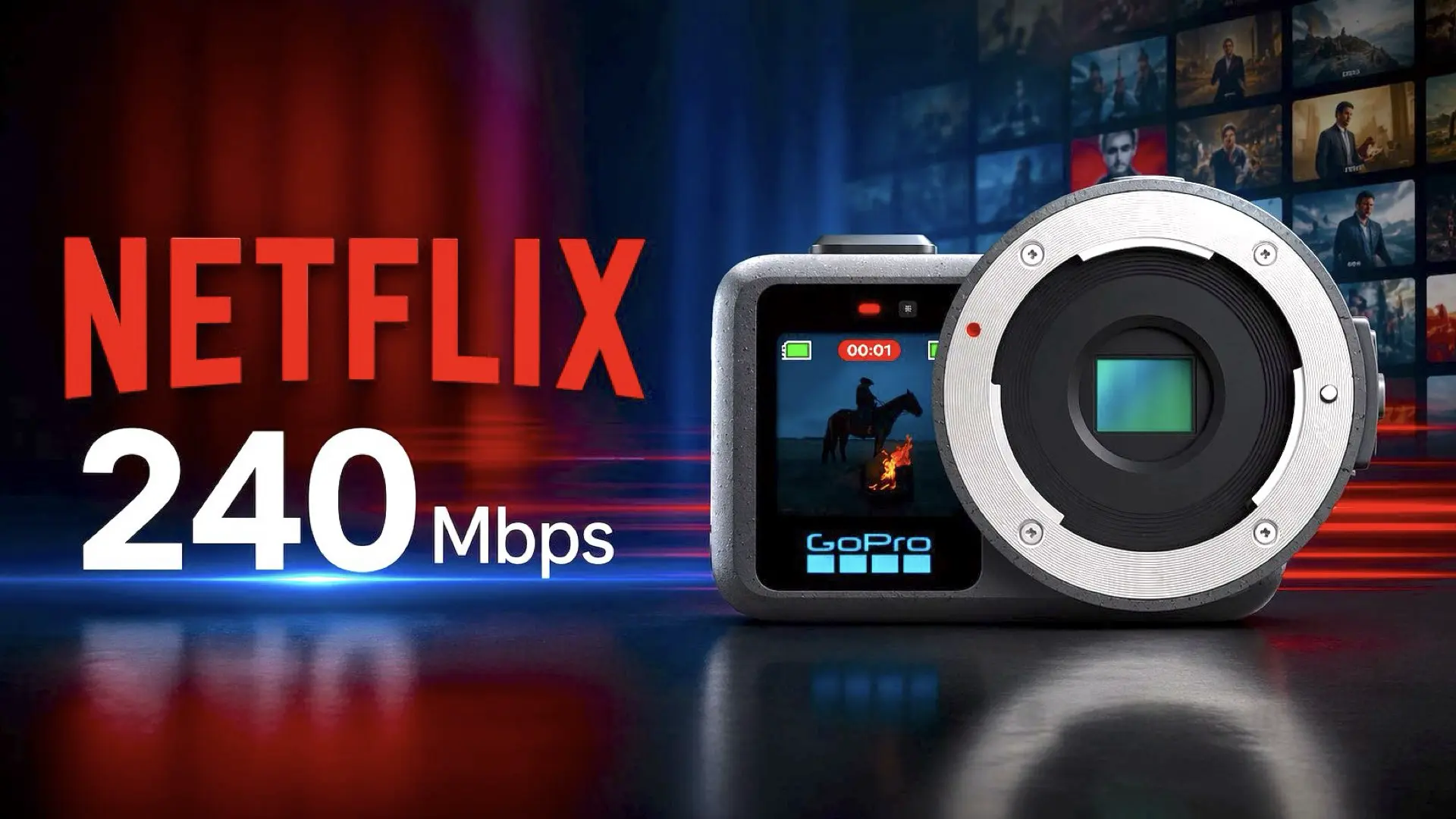
Smartphones absorbed a large portion of the casual segment. Many users no longer need a dedicated action camera. At the same time, competitors deliver stronger image quality at similar price points. Differentiation in the traditional segment becomes harder to sustain. GoPro needs a higher ceiling. The shift toward advanced imaging aligns with GoPro MISSION 1 PRO 240Mbps Netflix, where the conversation moves into bitrate, codecs, and production workflows. This is a different market with higher expectations and less tolerance for compromise.
The risk concentrates in one cycle
The current business shows contraction. The next generation carries the full weight of recovery. There is no gradual transition. The timeline compresses into a single window. Stabilization happens first. The launch follows. Growth depends on execution. In 2026, the restructuring continues throughout the year. The new platform powers the next generation of cameras in the same period. This creates a clear inflection point. GoPro enters 2026 smaller, more focused, and fully dependent on a new direction.
Our 2 cents
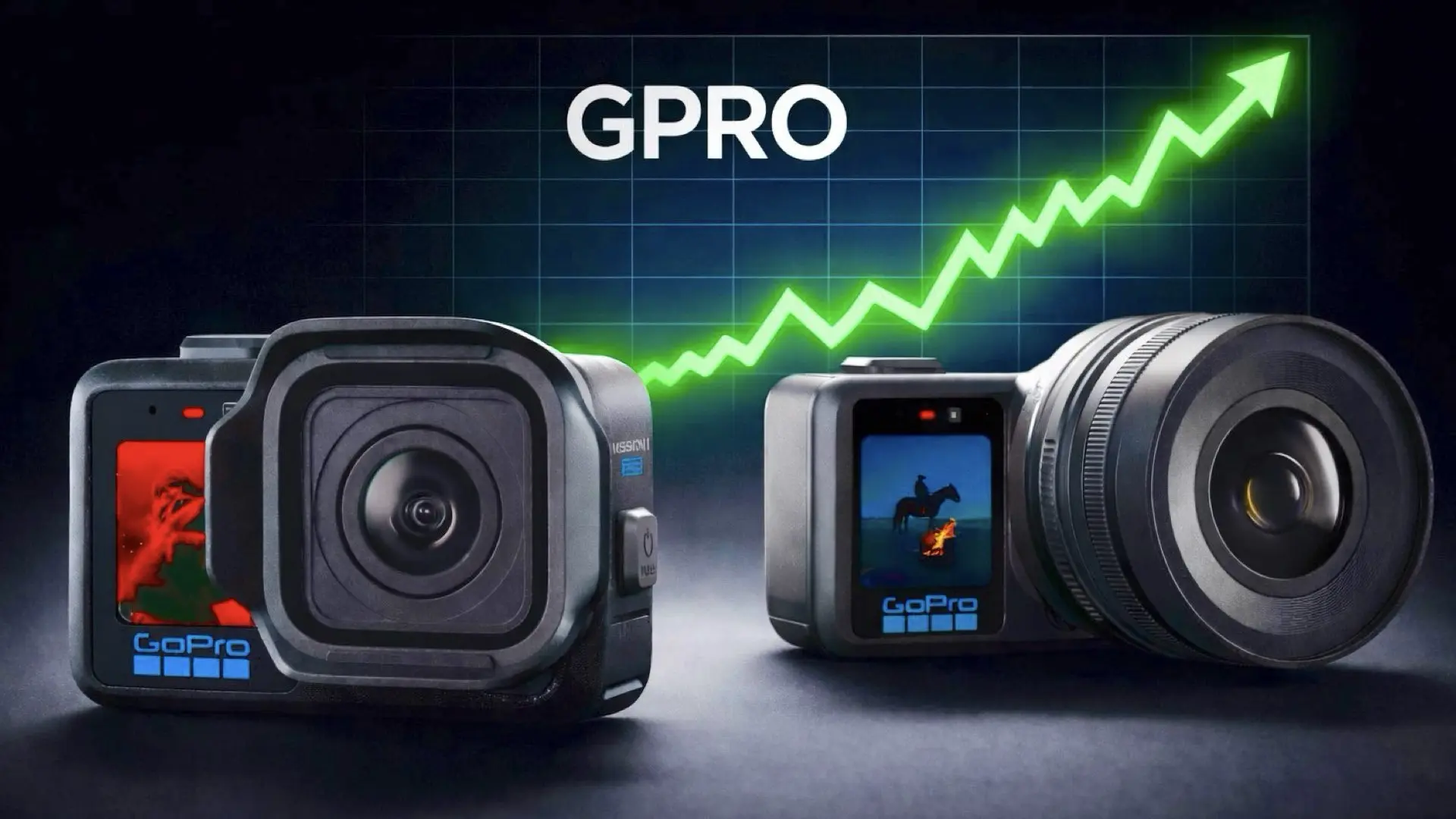
GoPro is executing a reset before a relaunch. The workforce reduction defines the structural change. The new platform defines the technical direction. The upcoming cameras define the outcome. The next camera cycle decides the company’s path. There is no fallback. Let’s see if the new platform will succeed.











I wonder if they’ve retained the innovative Silicon Valley-style campus workplace with surf breaks as profiled on 60 Minutes.
That campus era is ending. They’re downsizing aggressively and moving to a much smaller footprint. Feels like a full reset across both product and culture