
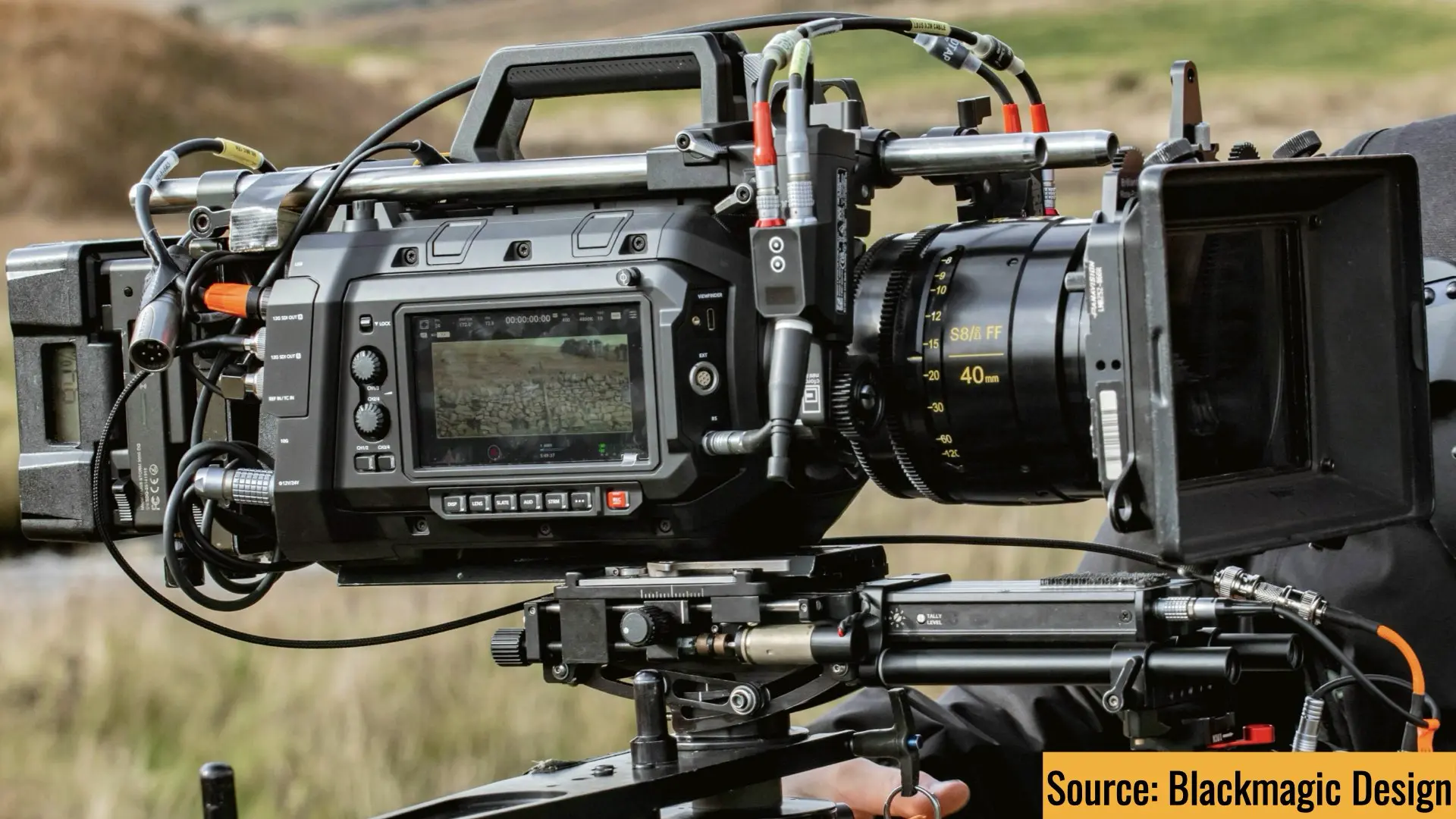
Cinematographer Ben Saffer’s latest short film, Dog, directed by Caitlin McLeod, is a testament to the evolving capabilities of ‘Blackmagic Digital Film’ cameras. At the heart of this visually nostalgic and emotionally nuanced story lies a powerful combination of the Blackmagic URSA Cine 12K LF and Cooke S8/i prime lenses. Read on.
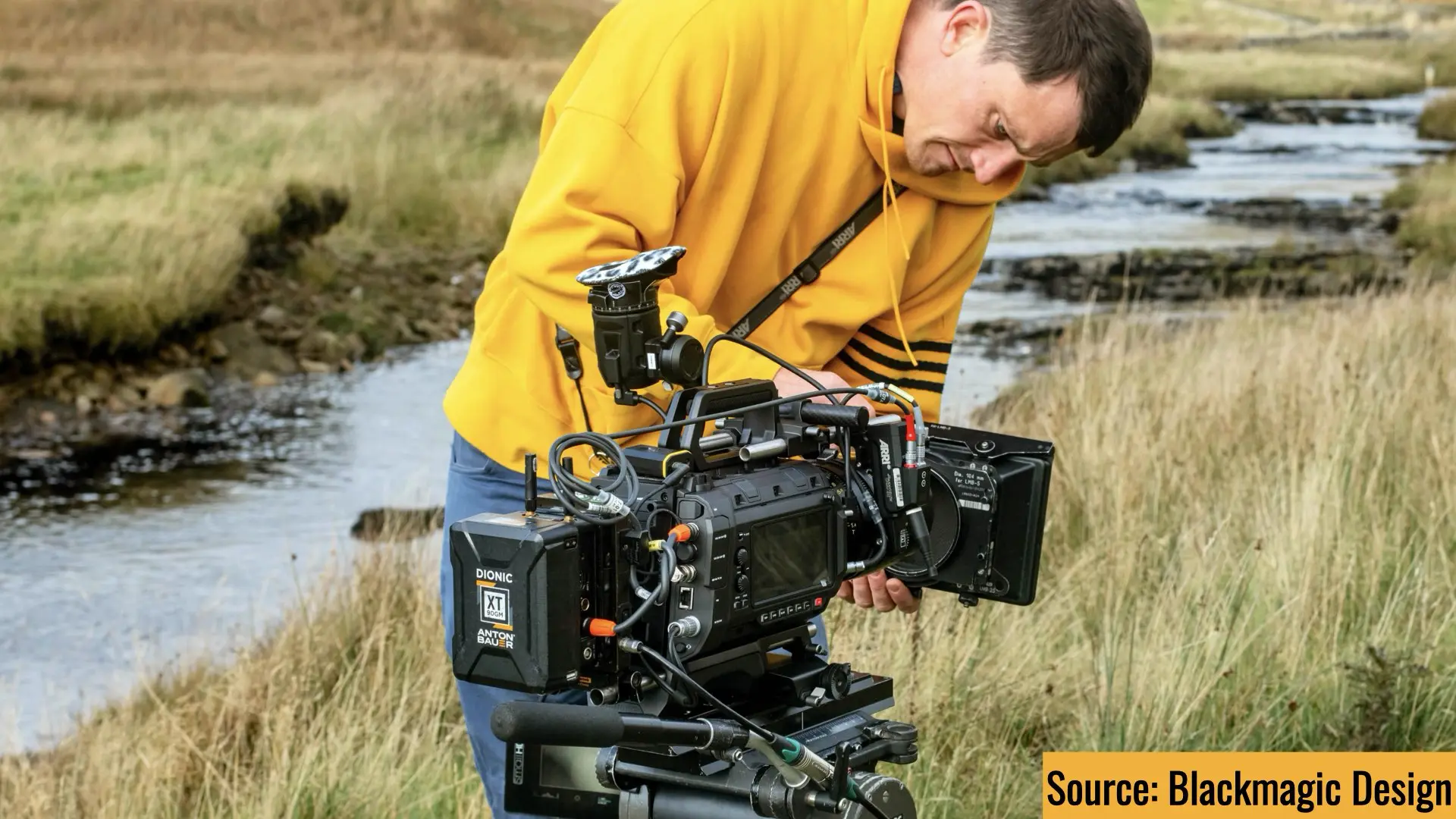
It is set in the nineties and so needed a slightly nostalgic aesthetic, but given the amount of time we wanted to be running camera, that led us down a digital path.
Cinematographer Ben Saffer
Why the Blackmagic URSA Cine 12K LF?
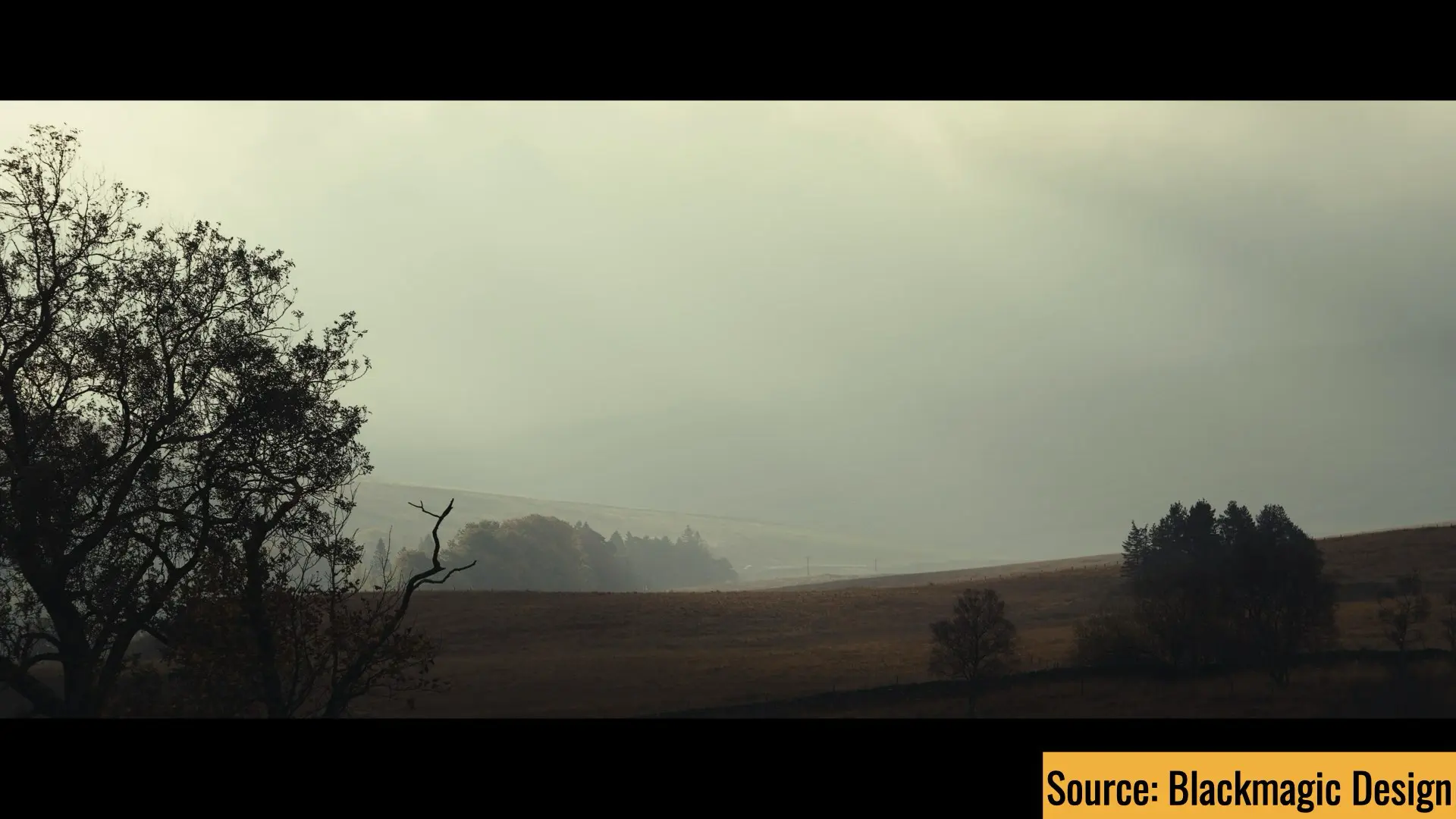
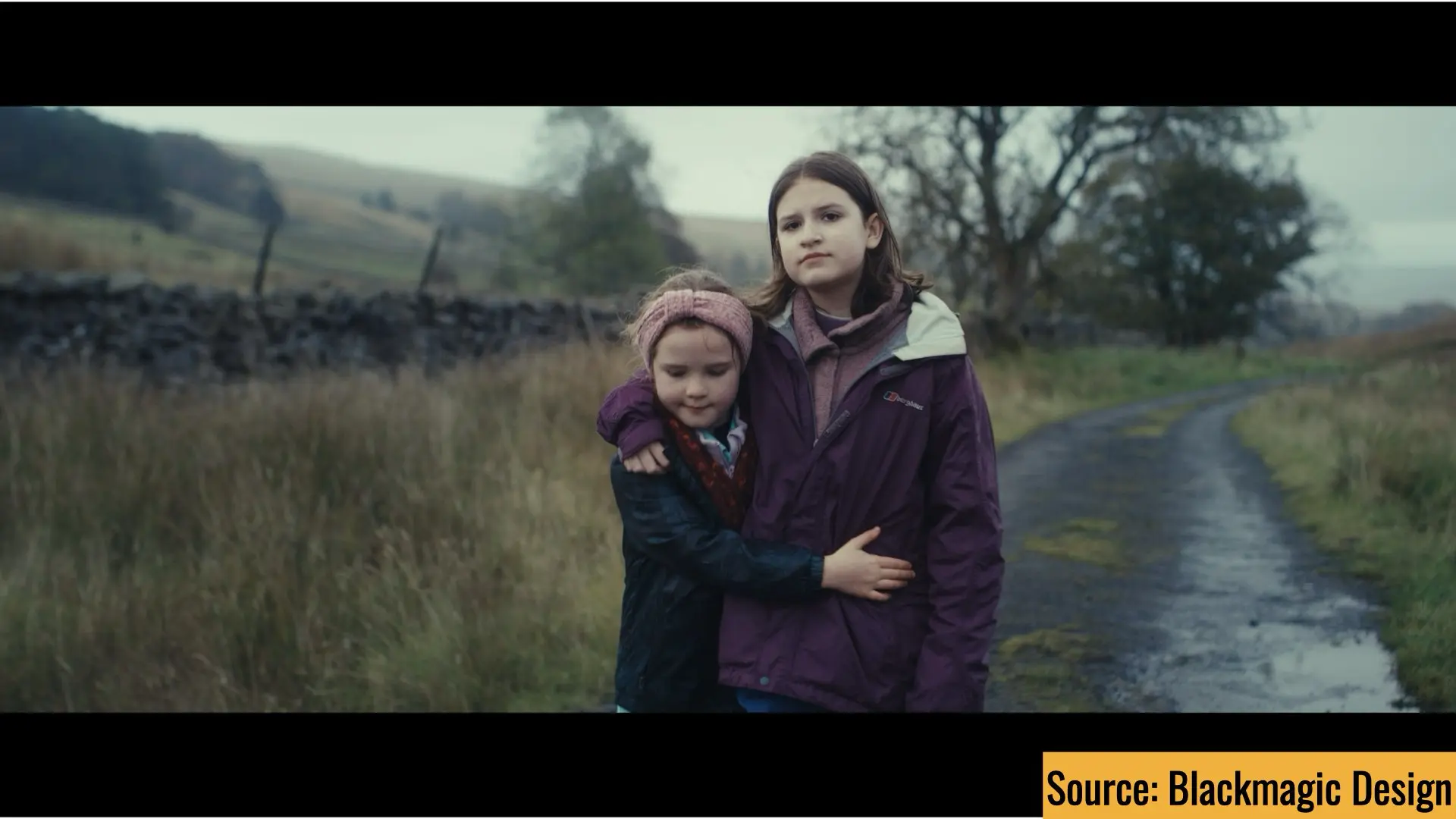
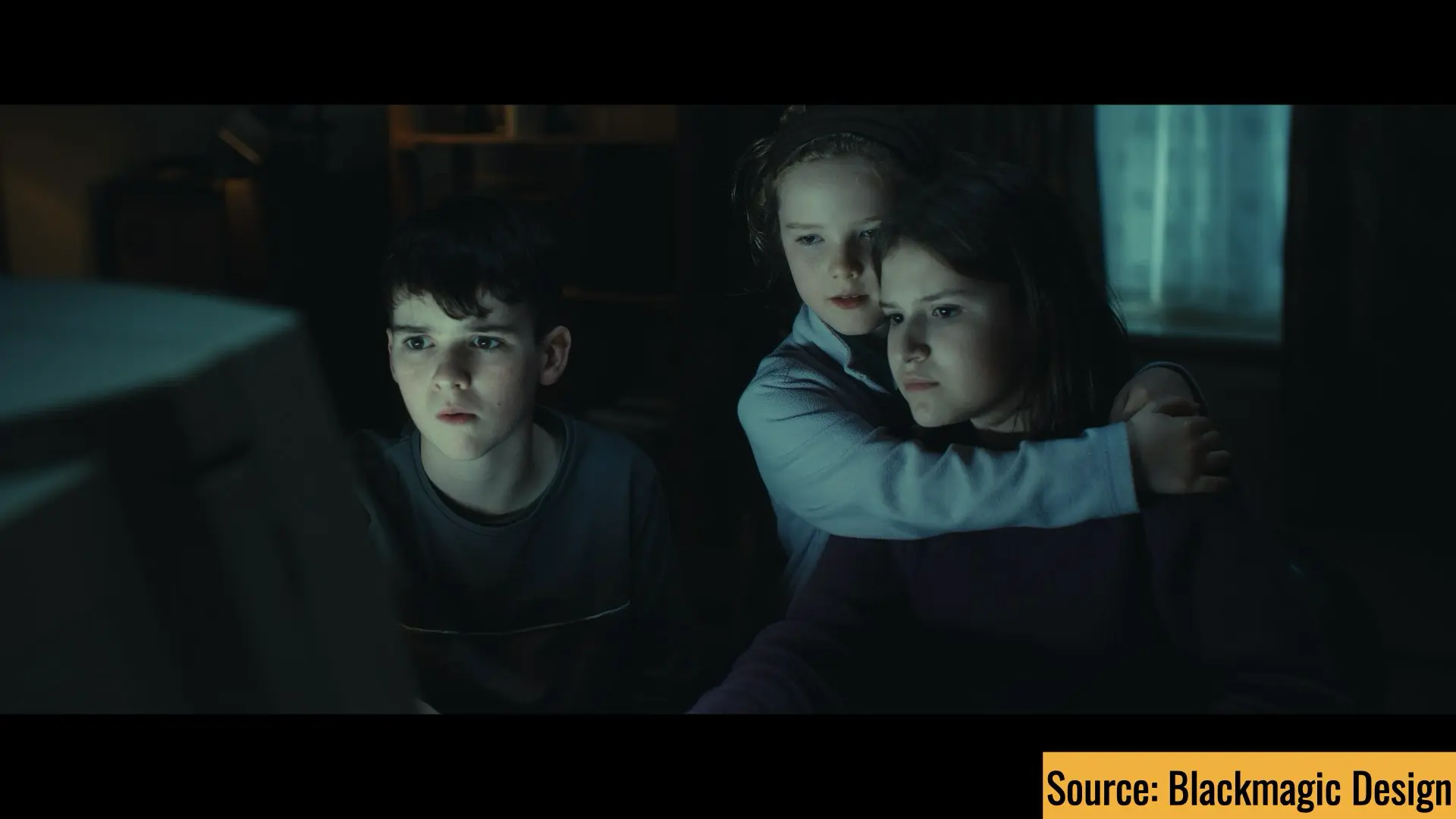
When adapting a story set in the 1990s, Saffer initially considered shooting on 16mm film to align with the era’s aesthetic. However, the practical demands of working with child actors and the need for extended takes led him to choose the Blackmagic URSA Cine 12K LF. This decision was as much about the camera’s technical strengths as it was about its creative potential. The large-format sensor of the URSA Cine 12K LF played a crucial role in shaping the film’s visual style. It beautifully captured the expansive Yorkshire landscapes, which were vital to the story’s tone. As Saffer noted, “The large format sensor also captured the expansive Yorkshire landscapes, essential to the film’s tone.” The camera’s ability to deliver both precision and scale made it the perfect choice for this intimate yet expansive story.
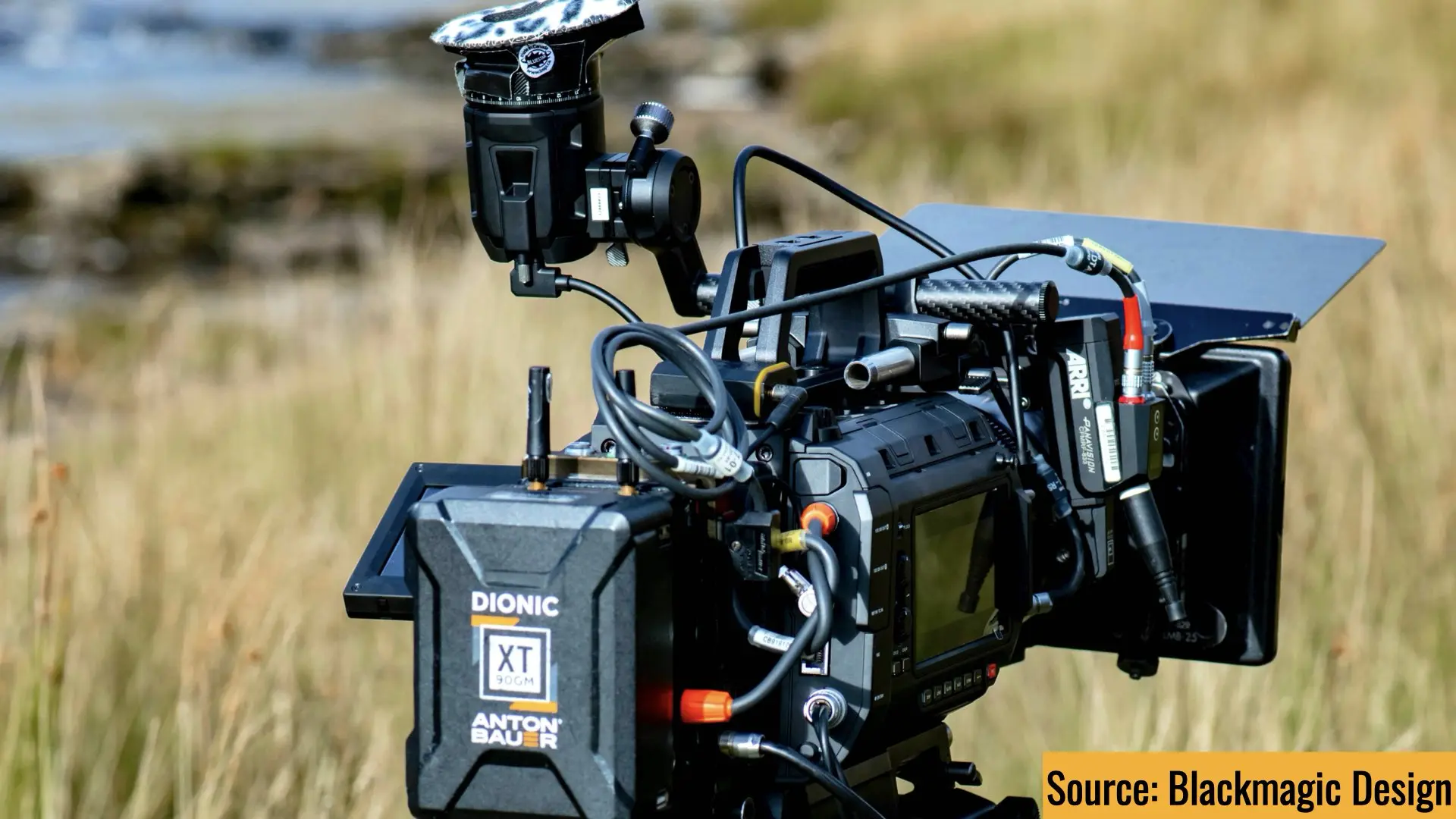
Working with children means being flexible. Digital allowed us to keep rolling and not miss anything.
Cinematographer Ben Saffer
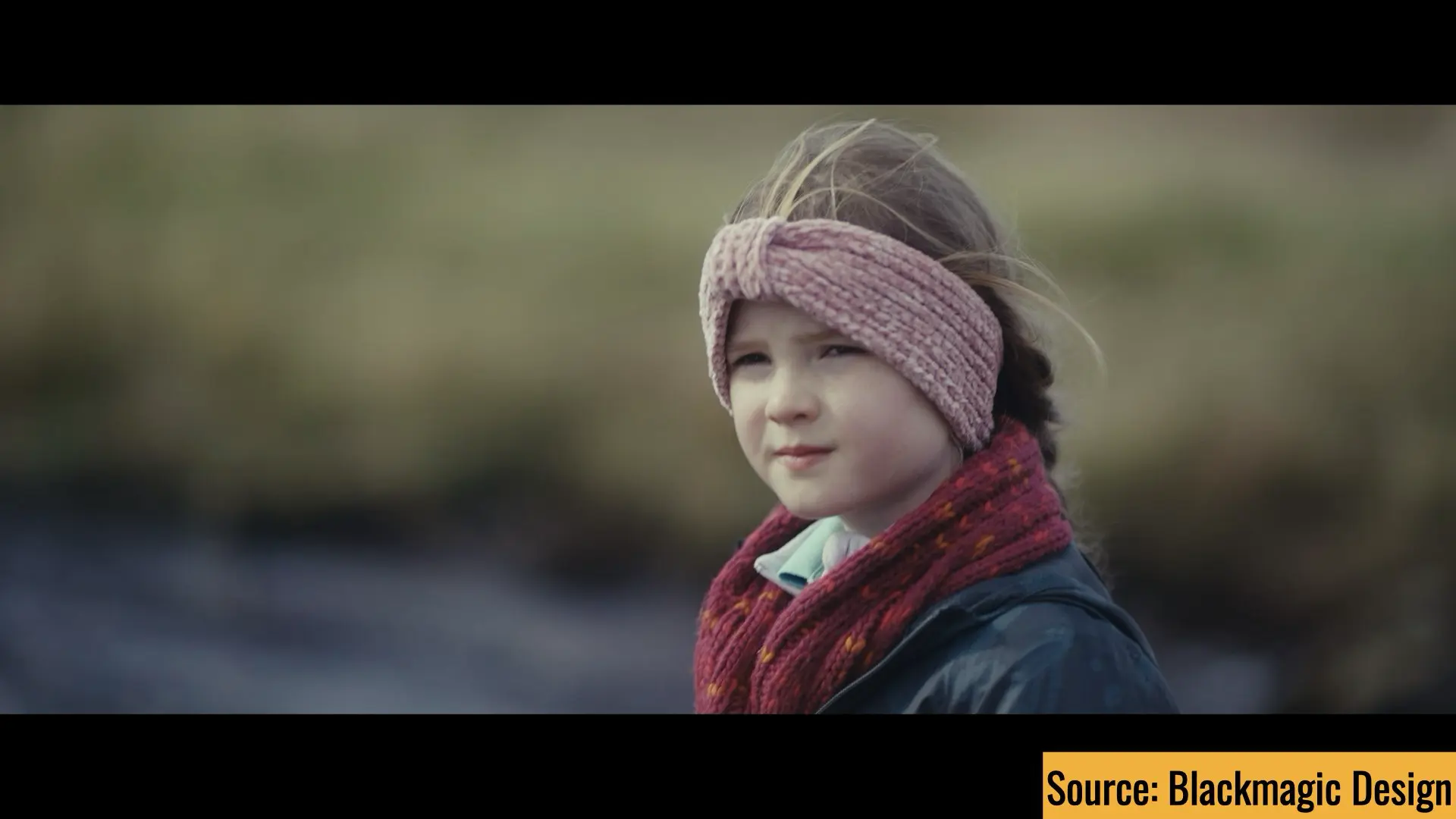
The Power of Cooke S8/i Primes
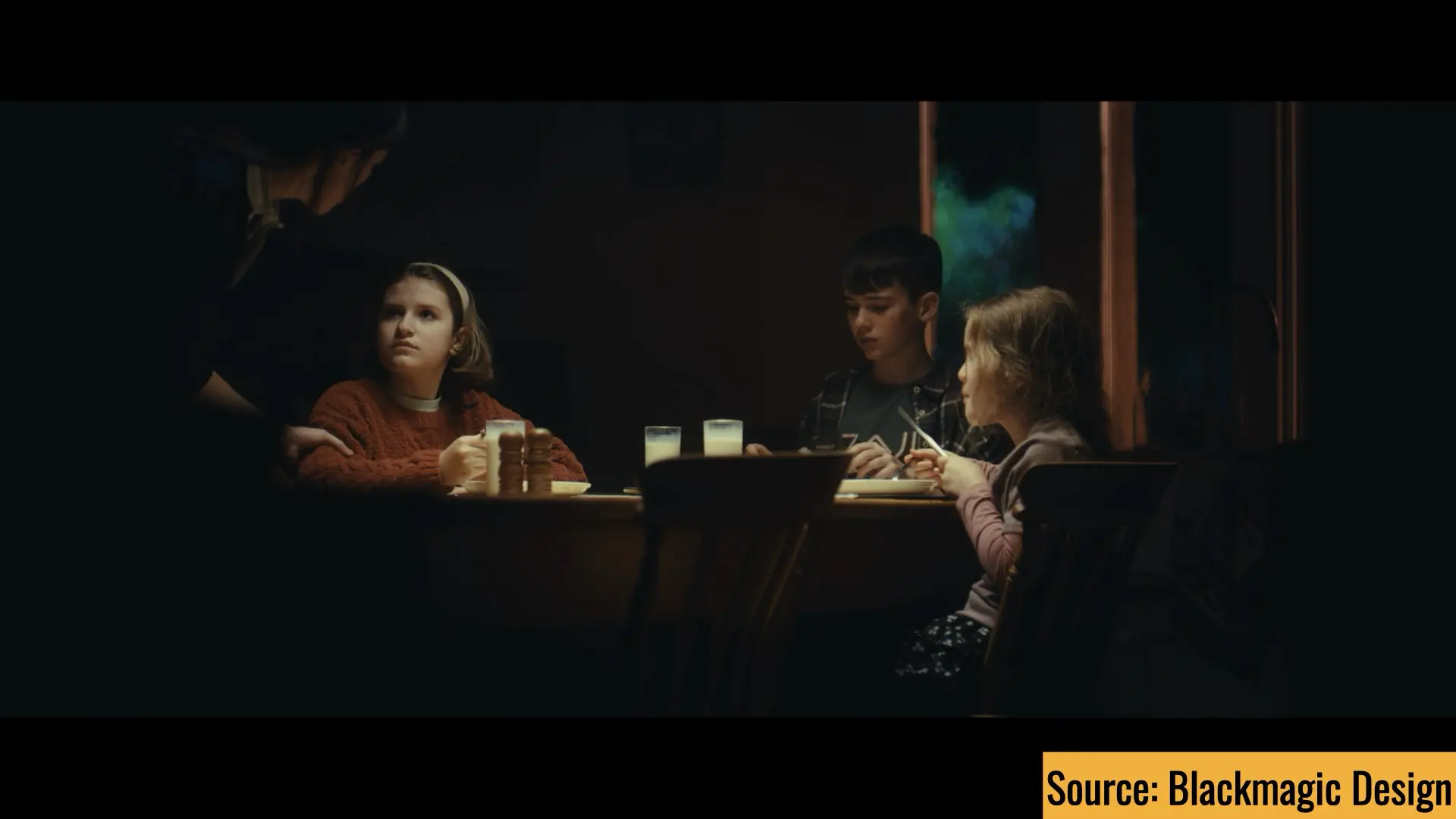
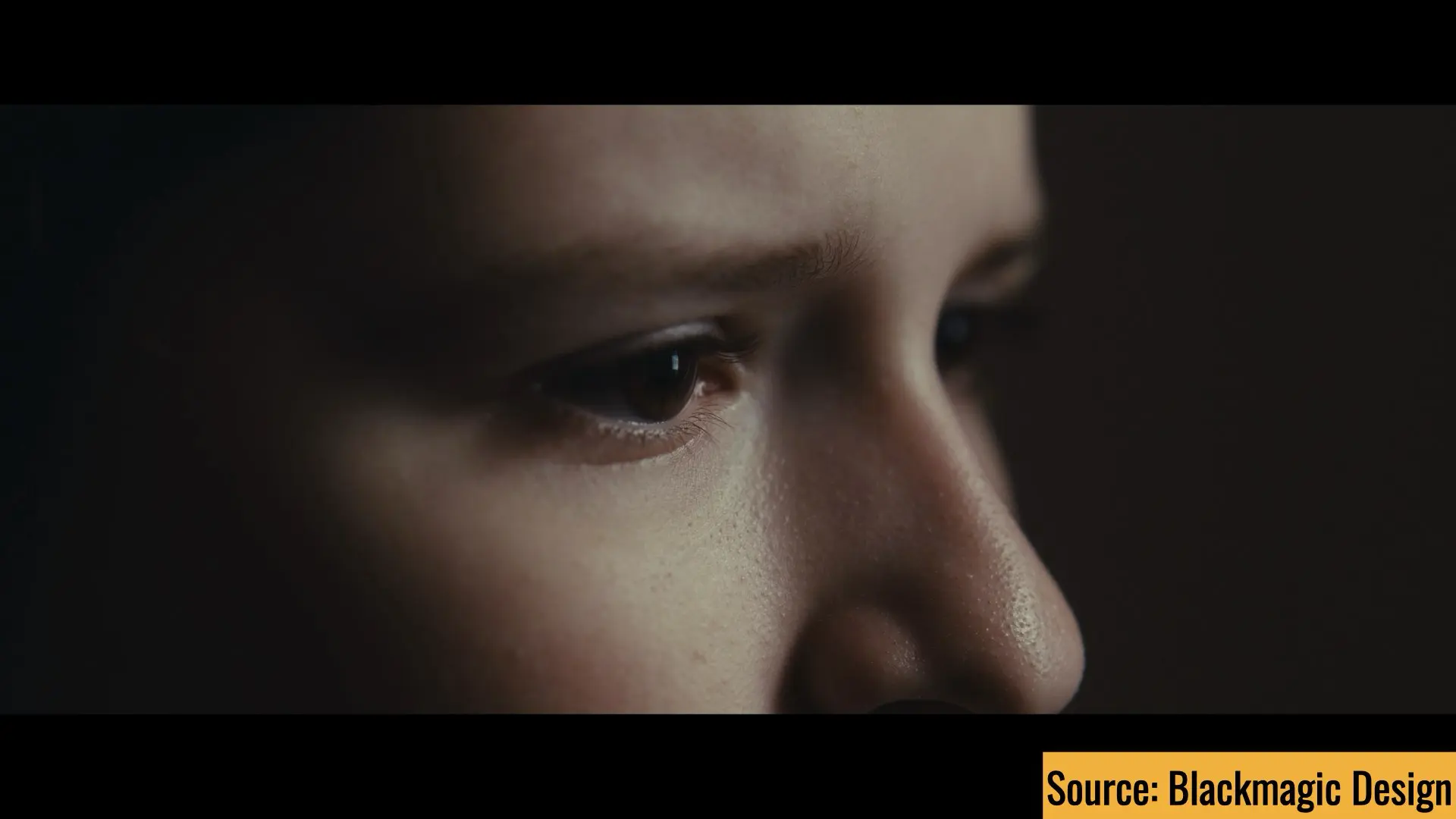
To achieve a “nostalgic aesthetic filtered through memories of the ‘90s,” Saffer paired the URSA Cine 12K LF with Cooke S8i primes. Known for their cinematic warmth and forgiving nature, these lenses softened the camera’s high-resolution output. “We shot close to wide open, creating a kind of intimate gentleness that balanced the camera’s sharpness,” explained Saffer. This choice allowed the film to evoke an emotional resonance while maintaining the striking detail and clarity characteristic of the URSA Cine 12K LF. The pairing of these high-end lenses with the Blackmagic URSA Cine 12K LF showcased how modern cinematography can merge cutting-edge technology with the timeless appeal of vintage aesthetics, and without breaking the bank. This is particularly relevant as the URSA Cine 12K LF continues to position itself as a worthy competitor to industry giants like the ARRI ALEXA and Sony Venice (source).
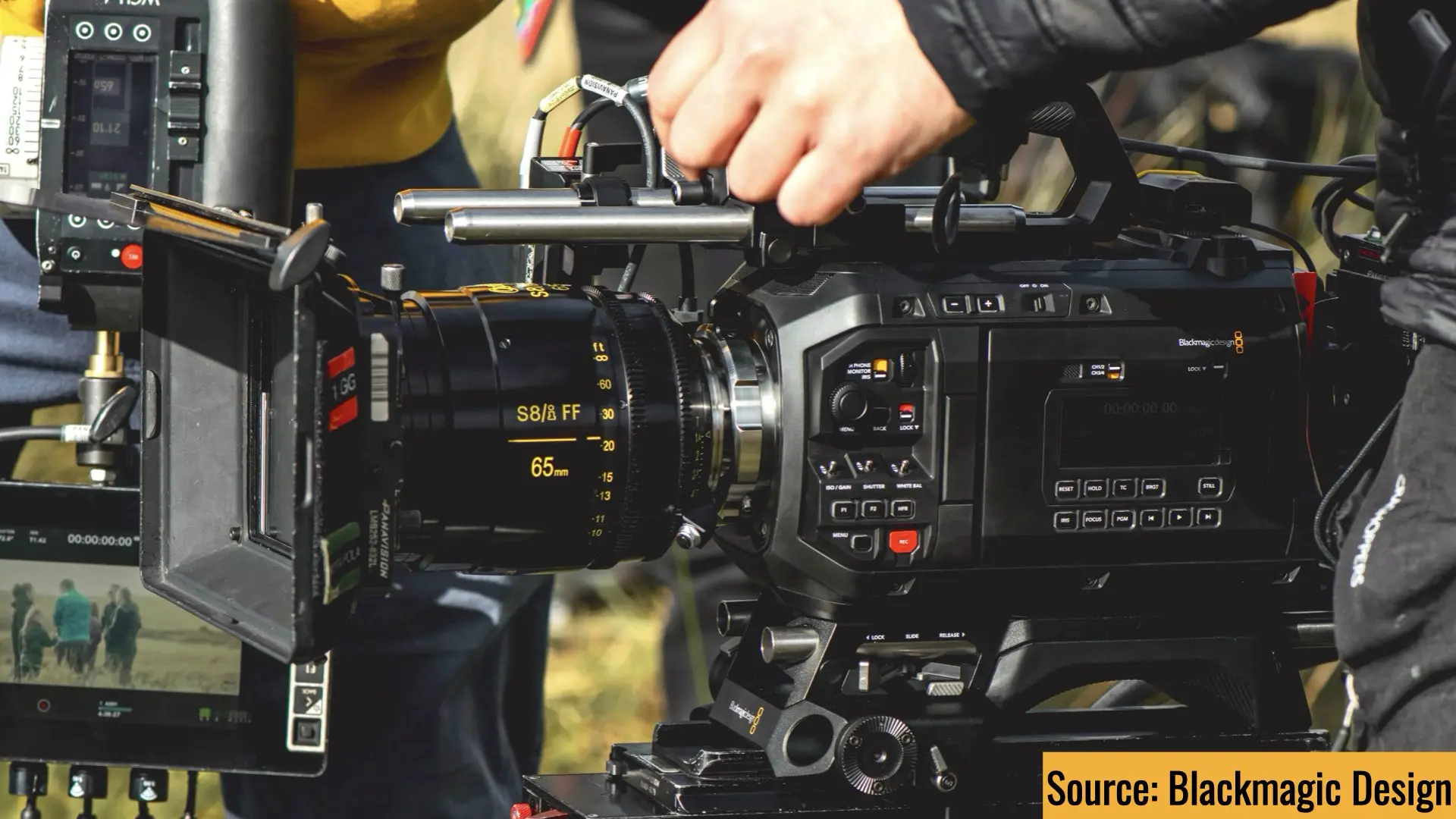
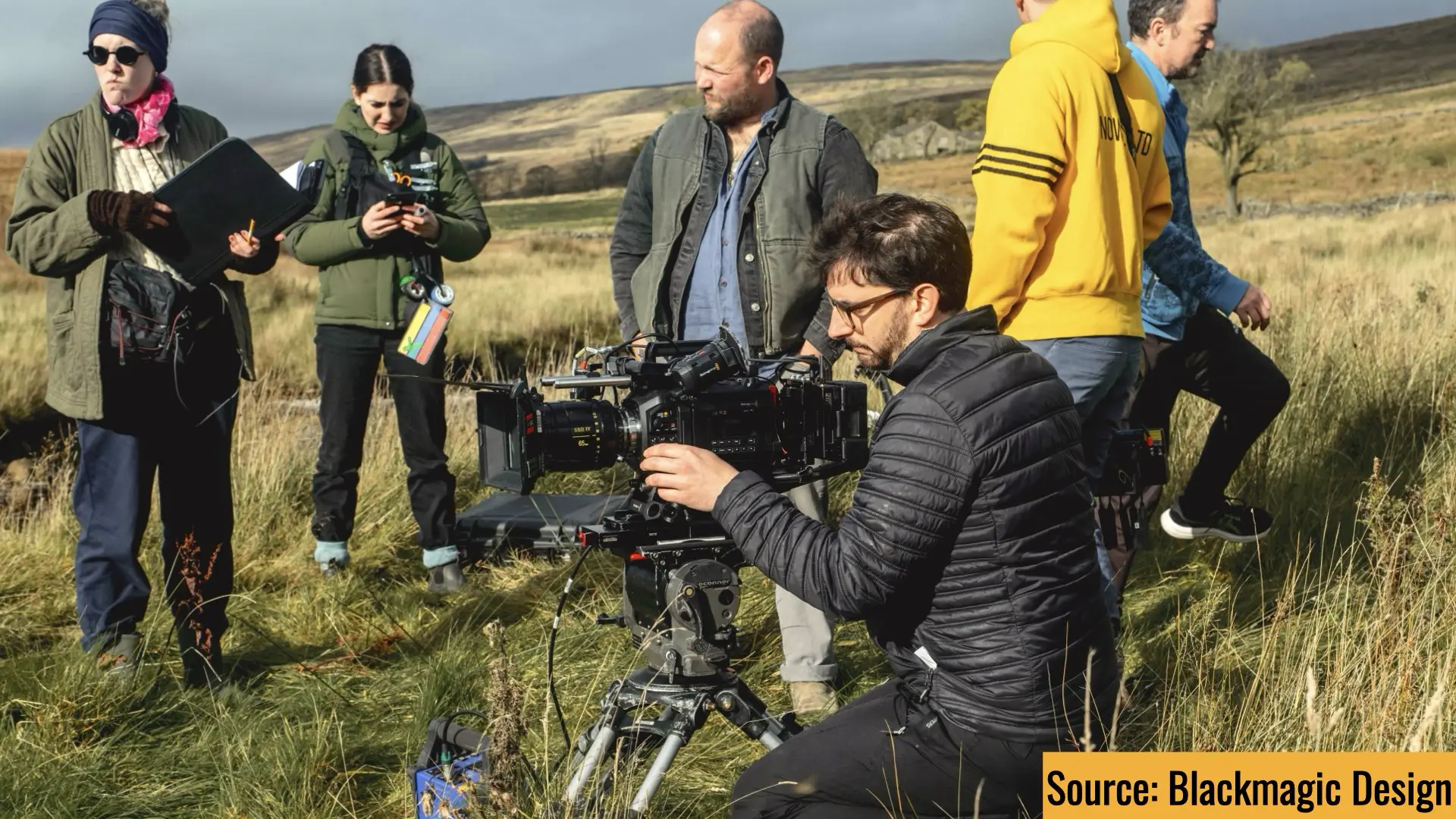
The large format sensor also captured the expansive Yorkshire landscapes, essential to the film’s tone.
Cinematographer Ben Saffer
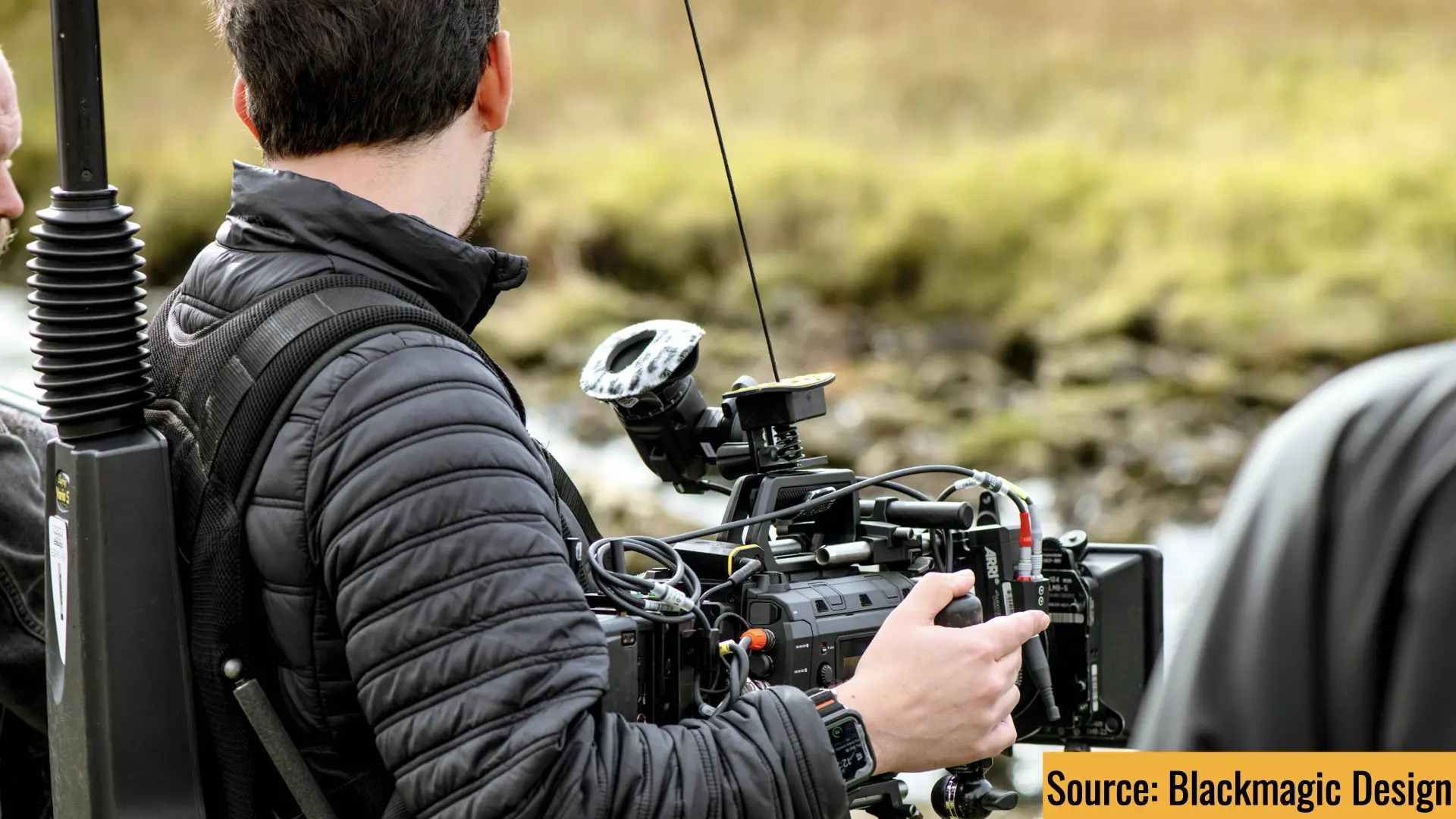
The URSA allowed us to strike a balance between technical precision and emotional resonance, capturing both the vastness of the Yorkshire landscape and the intimacy of the characters’ journeys
Cinematographer Ben Saffer
Leveraging Blackmagic RAW (BRAW)
The decision to shoot in Blackmagic RAW (BRAW) was another critical factor in achieving the film’s visual quality. Capturing in 8K at Q1 (constant quality), the codec provided a perfect balance between high-quality imagery and manageable file sizes. This balance was essential for the film’s indie budget, allowing for greater flexibility in post-production. As Saffer remarked, “BRAW is one of the best codecs available, offering a fantastic balance between quality and storage efficiency. It’s ideal for a short film budget while retaining everything we need in post.” The codec’s flexibility also allowed for nuanced color grading, ensuring that the final images reflected the rich skin tones and color textures true to the film’s 1990s setting.
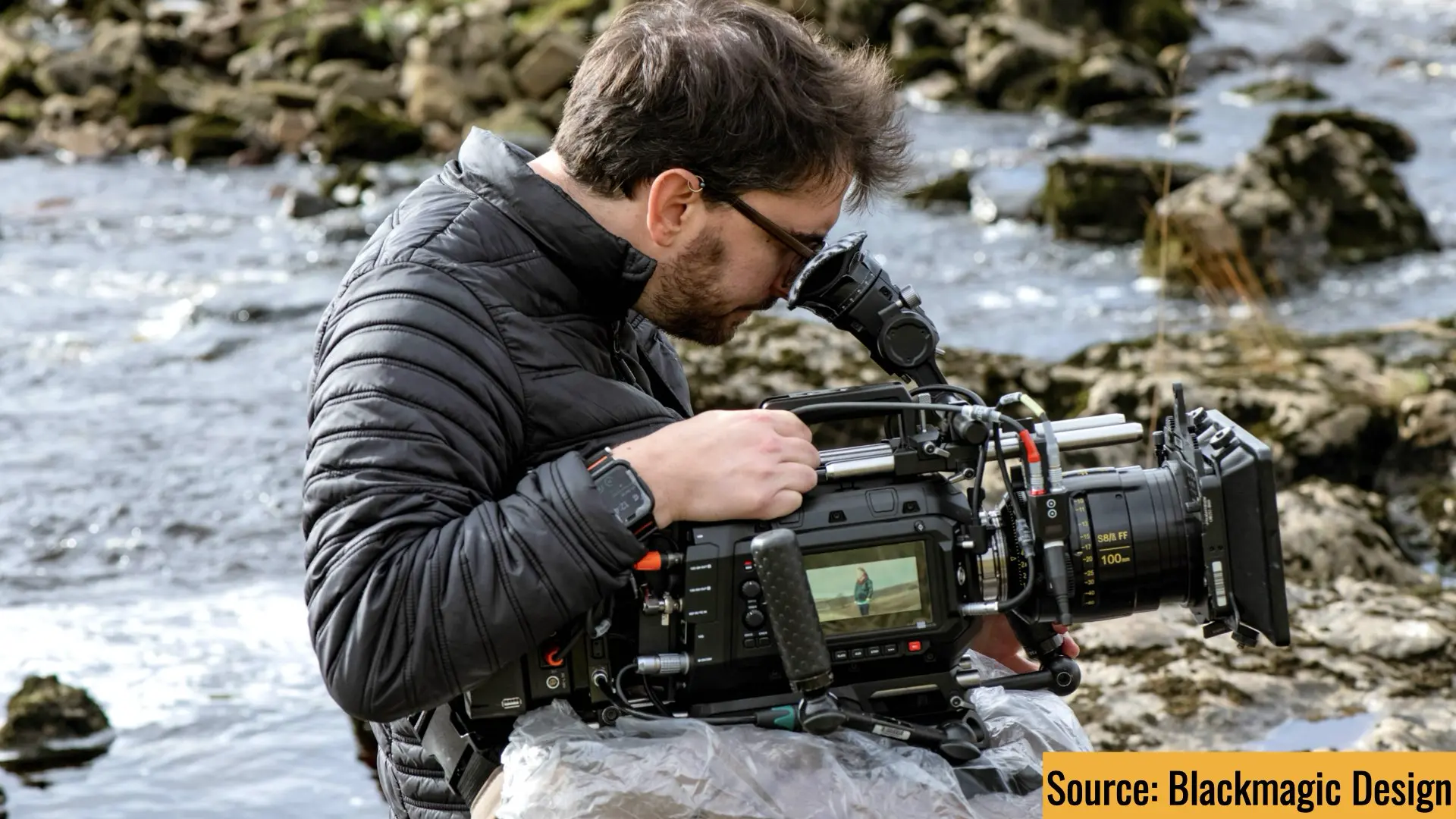
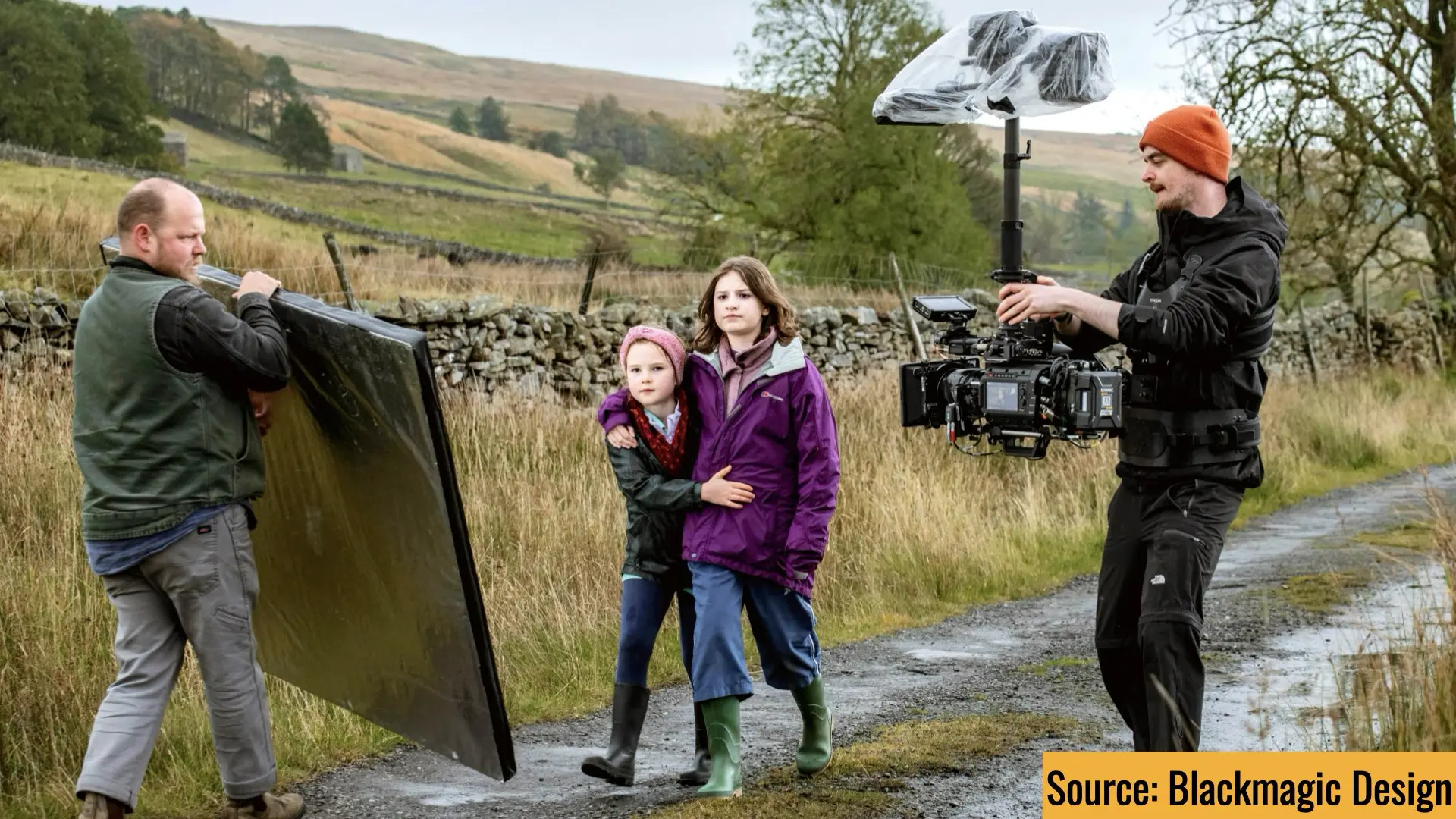
We shot close to wide open, creating a kind of intimate gentleness that balanced the camera’s sharpness. It gave us the nostalgic aesthetic we sought, filtered through my memories of the ‘90s
Cinematographer Ben Saffer
Handheld Cinematography: A Grounded Approach
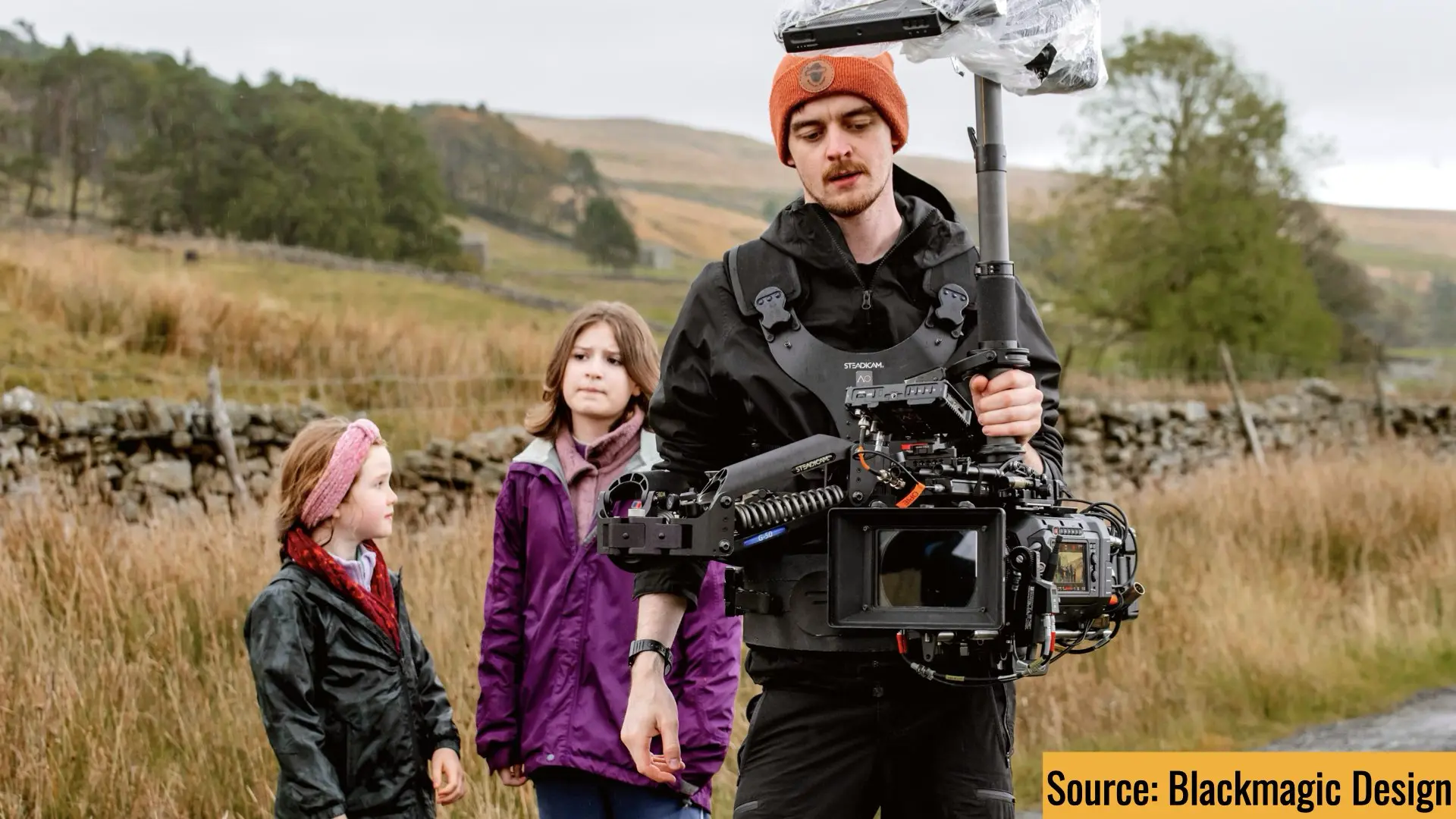
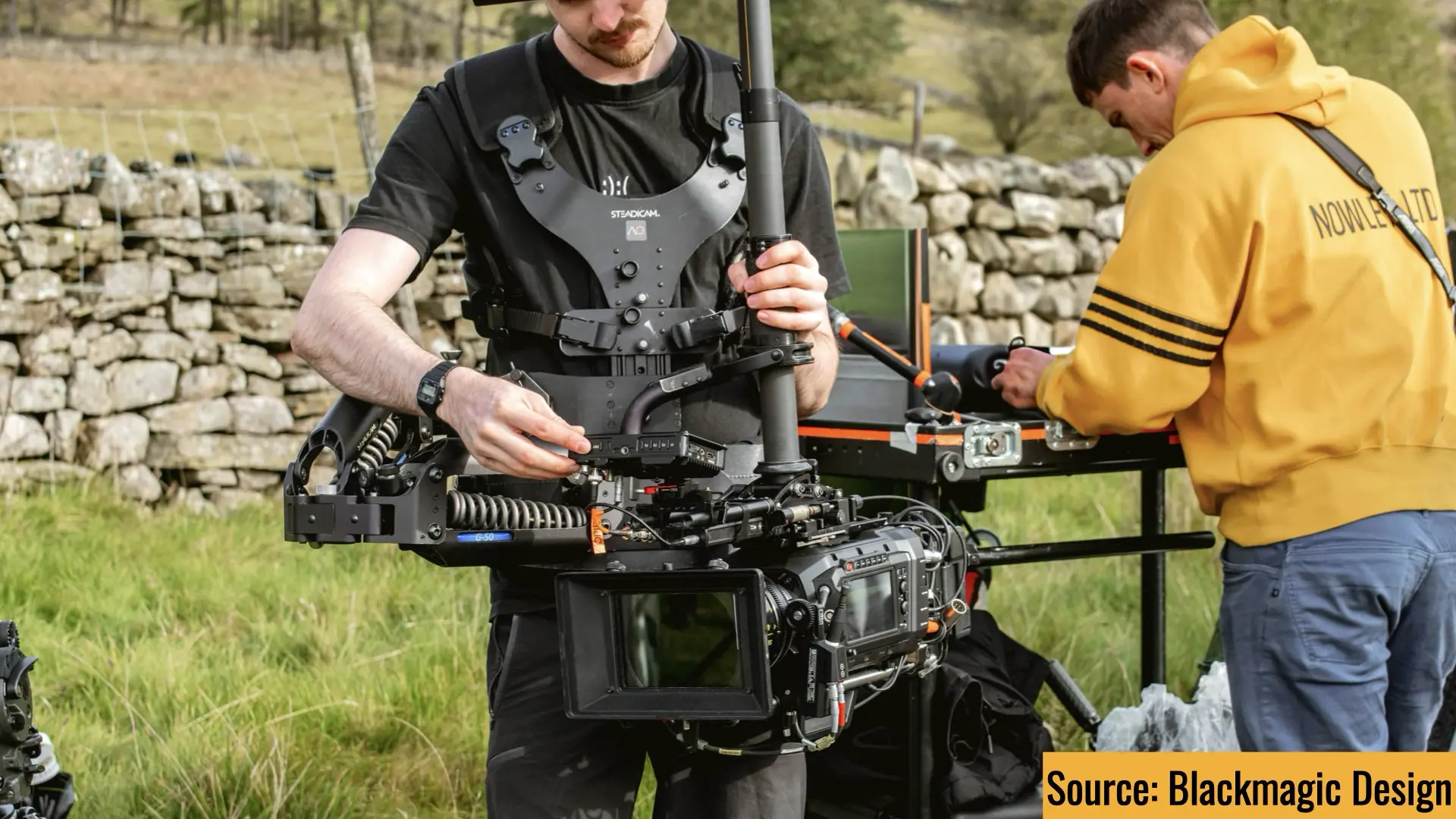
Given the young cast and the film’s intimate storyline, handheld shooting became an essential part of the production process. The URSA Cine 12K LF’s ergonomic design and weight added a grounded, organic feel to the handheld shots, complementing the narrative’s emotional core. The camera’s electronic viewfinder (EVF) was another standout feature, allowing Saffer to light scenes directly through the EVF without relying on external monitors.
The URSA Cine’s color science was a key factor in our choice. Blackmagic’s pipeline is so intuitive and consistent; it let us capture incredibly rich skin tones and color textures that felt true to the ‘90s setting. BRAW is one of the best codecs available, offering a fantastic balance between quality and storage efficiency. It’s ideal for a short film budget while retaining everything we need in post
Cinematographer Ben Saffer
URSA Cine 12K LF: A Rising Star
The Blackmagic URSA Cine 12K LF continues to prove its worth in the realm of high-end cinematography. Recently, the camera received Netflix approval, a testament to its capability to meet the stringent technical and creative demands of professional productions (source). For Dog, the URSA Cine 12K LF provided a solid combination of resolution, color science, and workflow efficiency, enabling the team to achieve their artistic vision within an indie film budget.
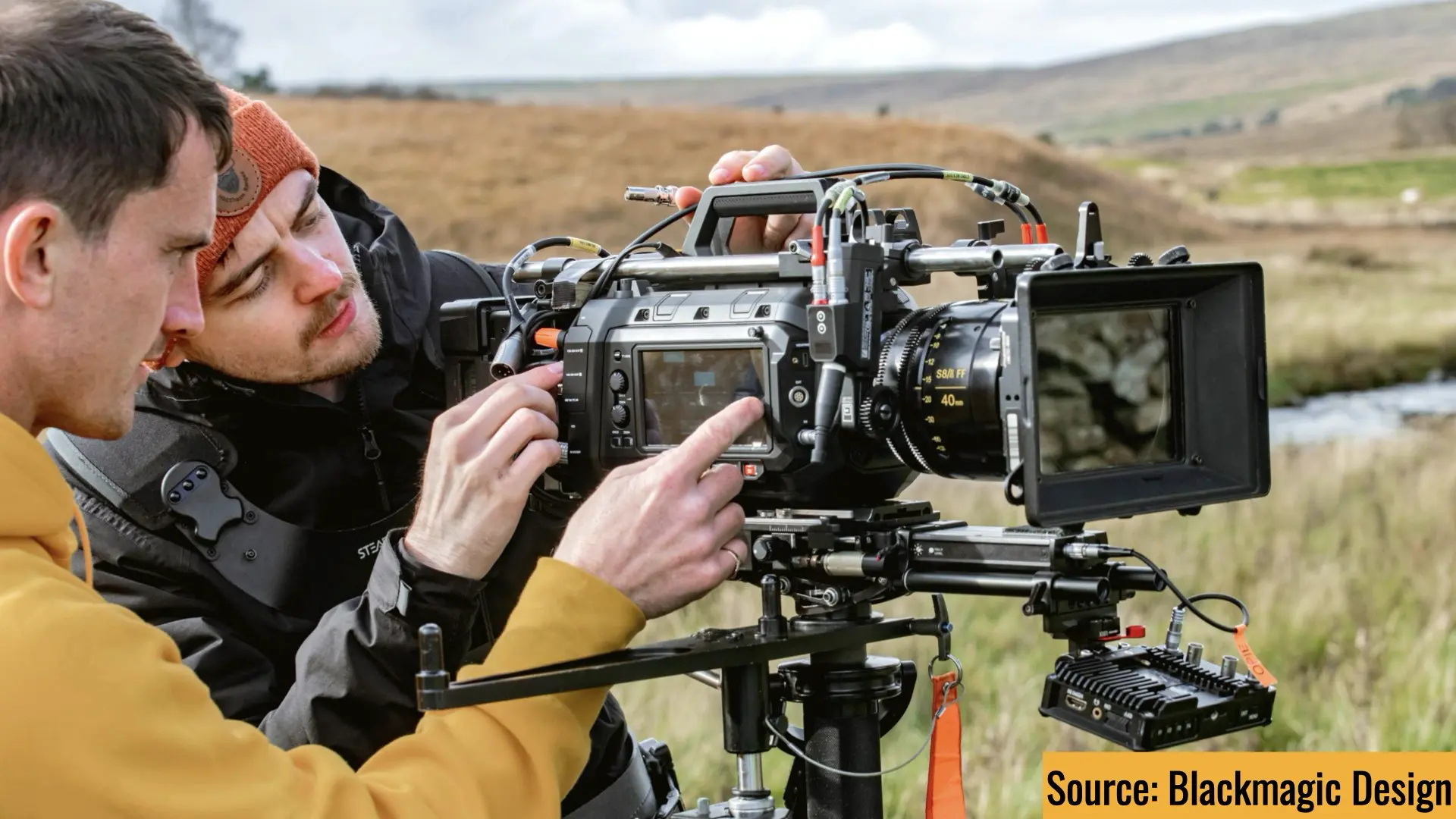
The camera’s weight gave it a grounded feel, which I prefer for handheld work.
Cinematographer Ben Saffer
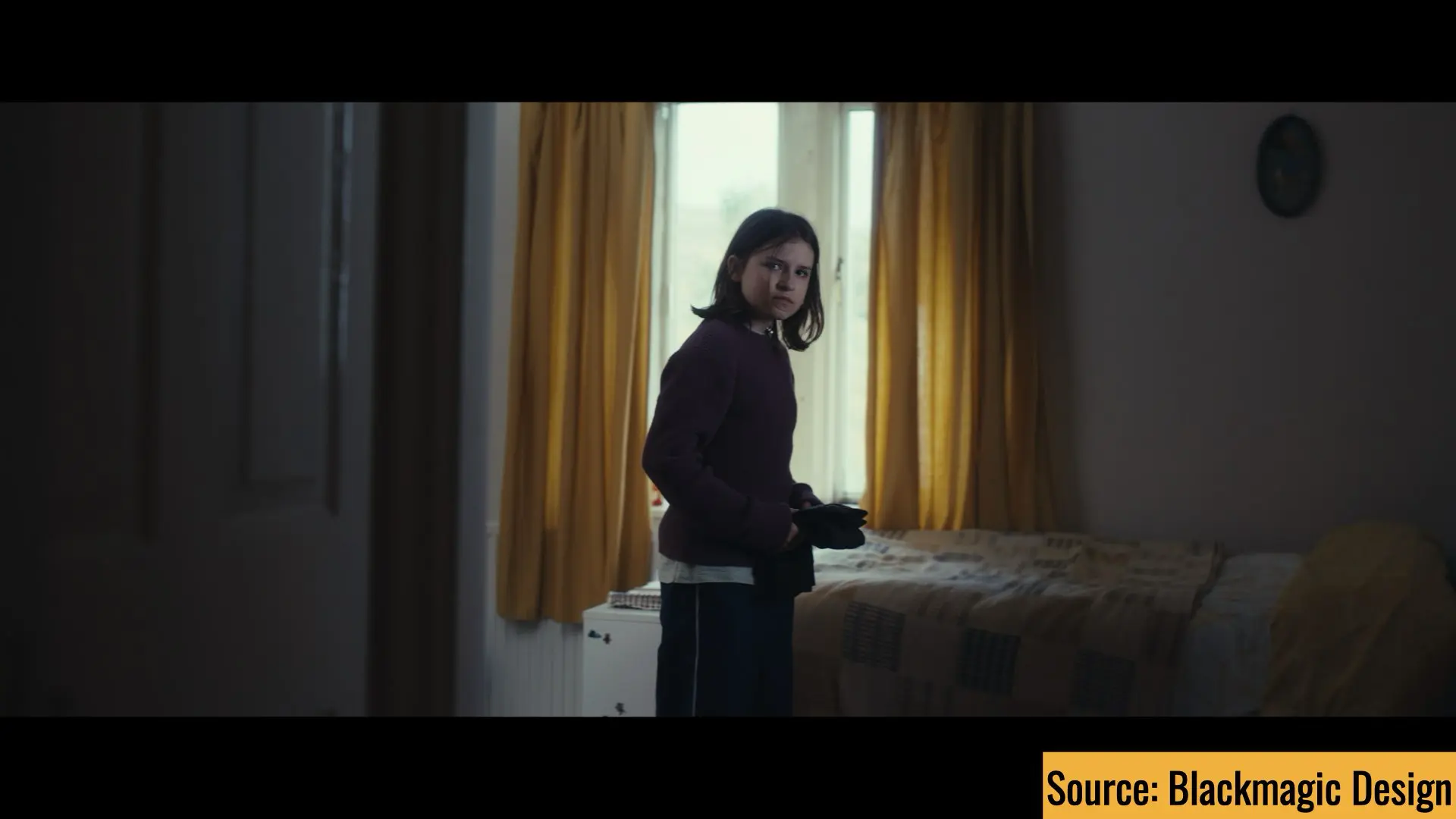
The URSA Cine EVF was another standout, delivering an image so accurate I could light directly from it without needing a constant reference to an external monitor.
Cinematographer Ben Saffer
Conclusion
The pairing of the Blackmagic URSA Cine 12K LF with Cooke S8/i primes in Dog exemplifies the possibilities of modern digital cinema. By blending the camera’s technical precision with the lenses’ cinematic warmth, Saffer and his team created a visual language that is both nostalgic and contemporary. This powerful combination not only honored the story’s 1990s setting but also highlighted the emotional nuances of childhood relationships, proving that technology and storytelling can harmonize to create cinematic magic, and again, without breaking the bank (have we said it before…? :-))








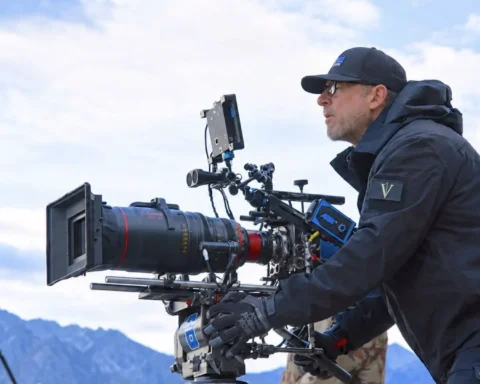


These BTS pictures were not taken by Blackmagic Design, credit belongs to the Dog BTS photographer Darcie Talbot of Fresh Take Creative, permission not given to Blackmagic to use them.