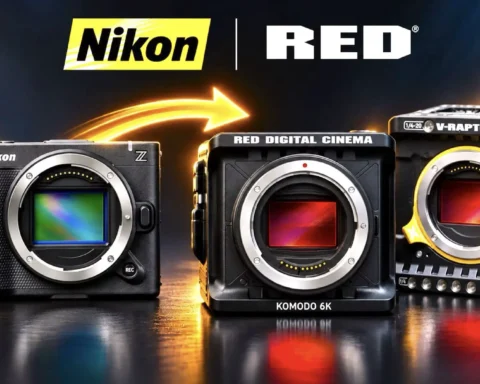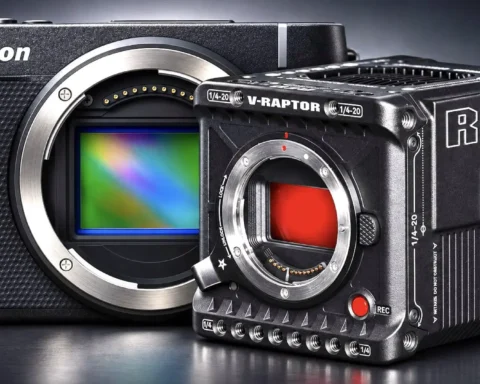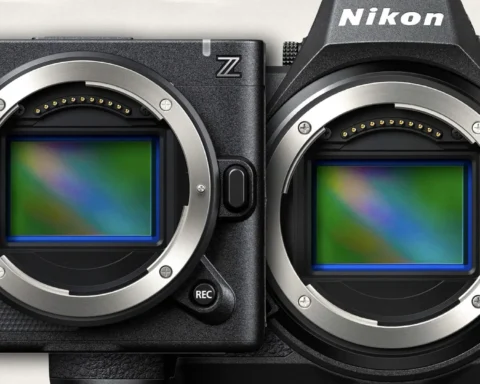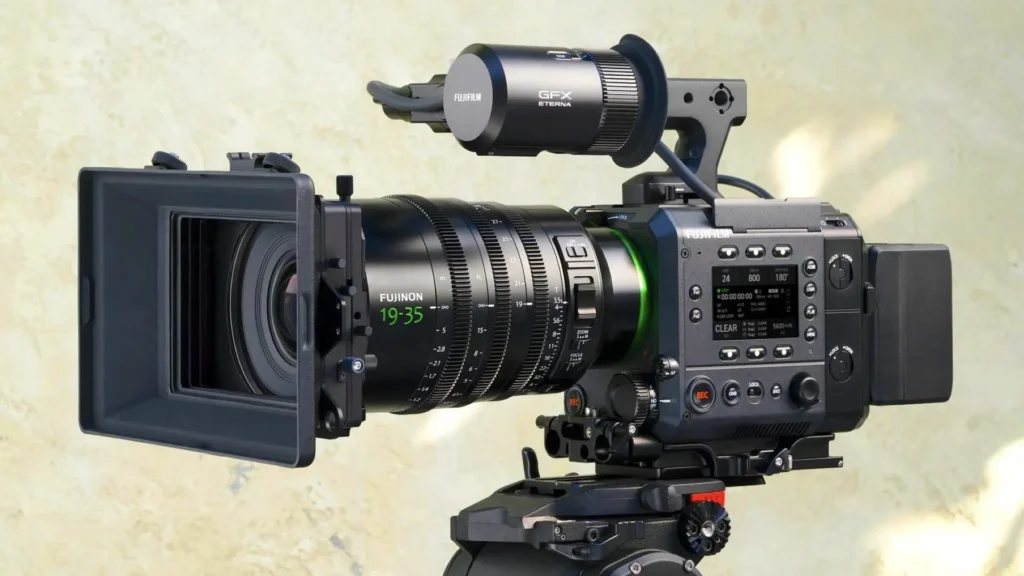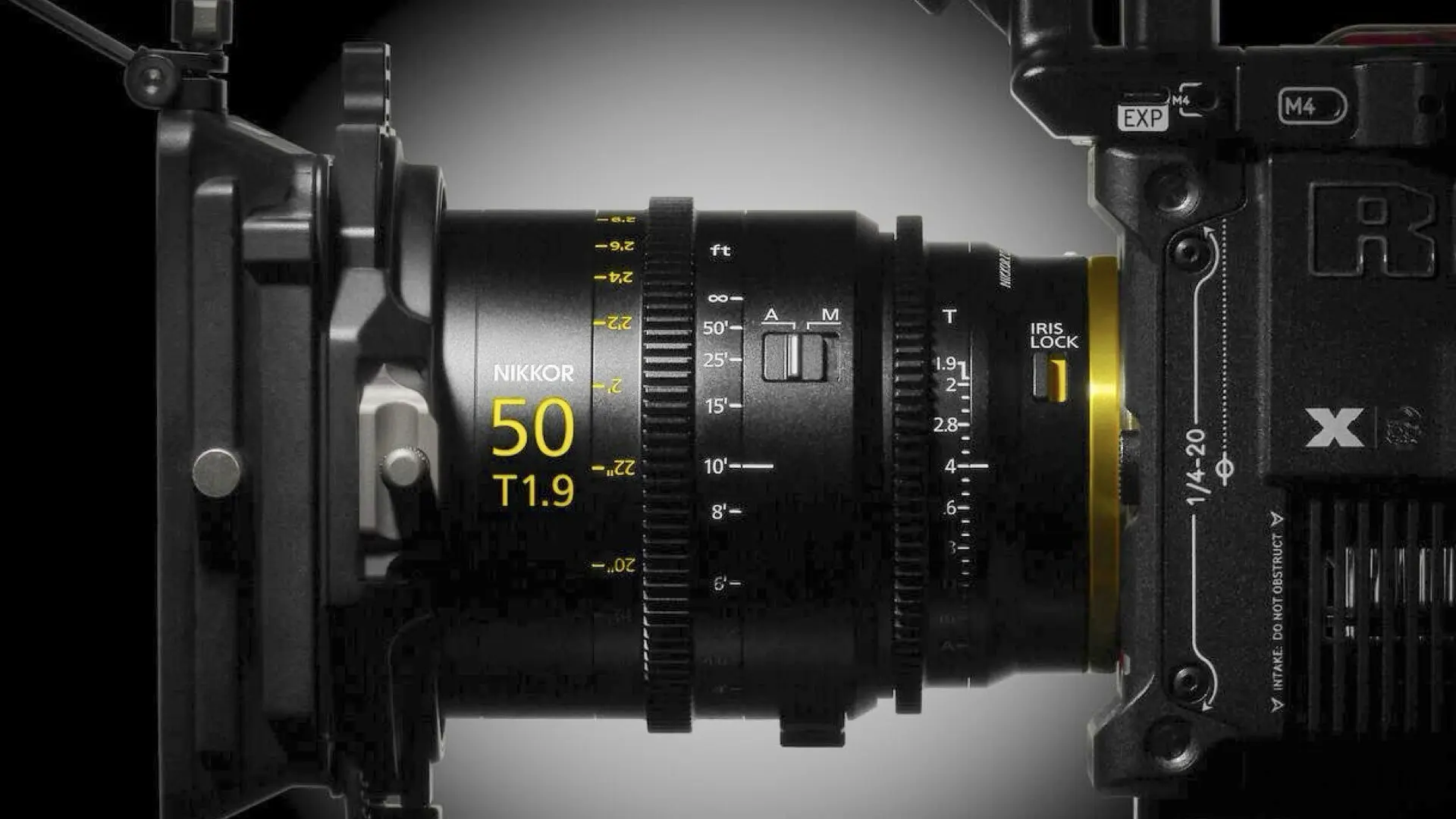
Nikon has announced the development of the NIKKOR Z CINEMA T1.9 VV series, a new family of nine cinema lenses designed for high-end production and built around the company’s expanding Z CINEMA ecosystem. The series will include nine lenses, with the NIKKOR Z CINEMA 50mm T1.9 VV specifically confirmed so far. A key point is coverage. Nikon says the new lenses will feature an image circle large enough to cover the RED V RAPTOR [X] VV sensor, which measures 40.96 mm × 21.60 mm and is larger than conventional full-frame. That makes this more than a simple set of full-frame Z-mount cinema primes. Nikon is clearly designing the series with RED’s VV platform in mind. The lenses will also feature a high-precision autofocus mechanism, an important detail considering that traditional high-end cinema primes are still predominantly manual focus tools. Nikon appears to be combining cinema-oriented optical and mechanical design with the autofocus capabilities expected from modern Z mount systems.
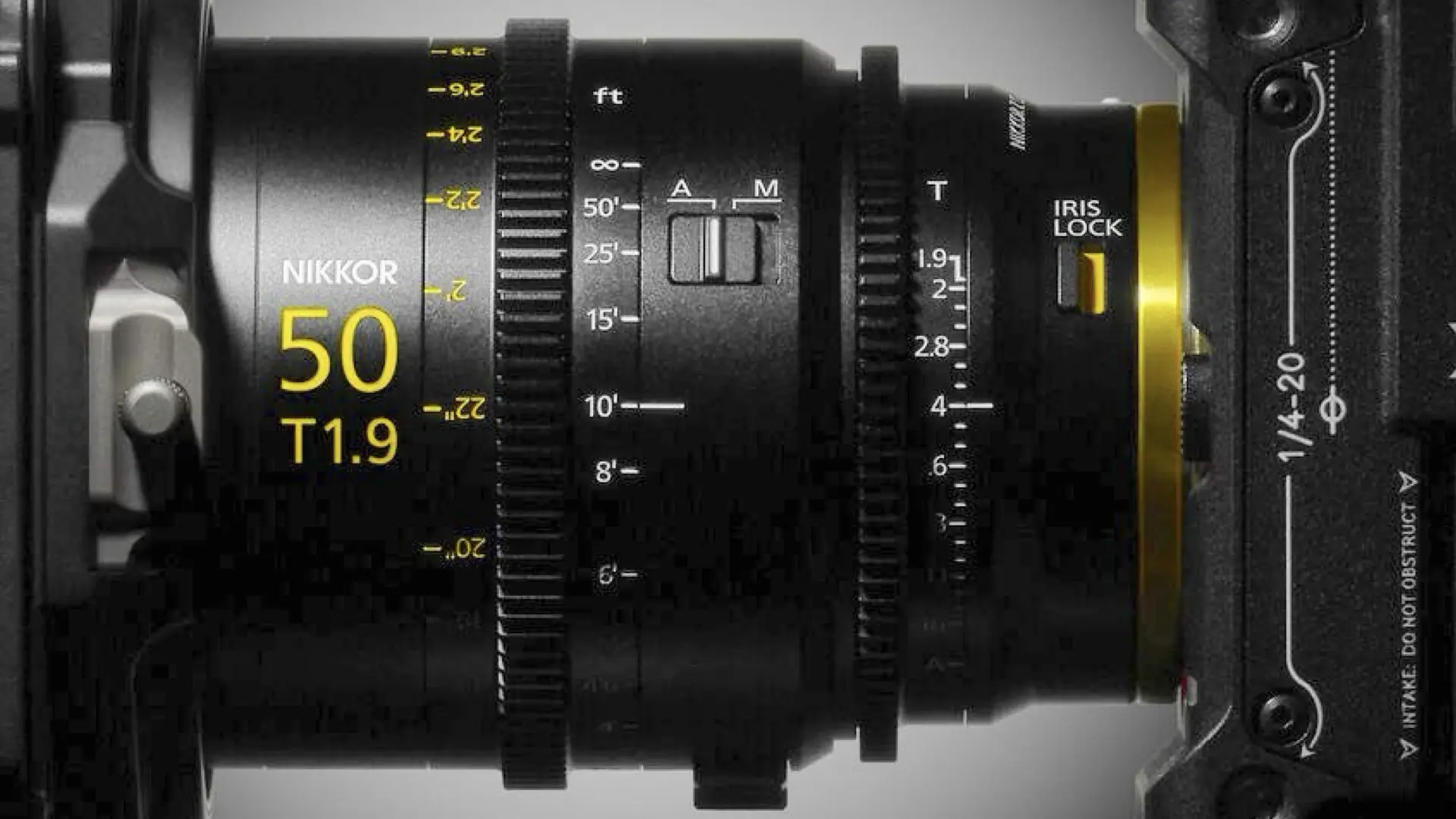
The NIKKOR Z CINEMA T1.9 VV series will further enrich the visual expression of the NIKKOR Z CINEMA line through a new design philosophy that delivers both the rendering performance required by the cinema industry and the practicality needed in professional production environments.
– Nikon
Nikon and RED are building a broader cinema ecosystem
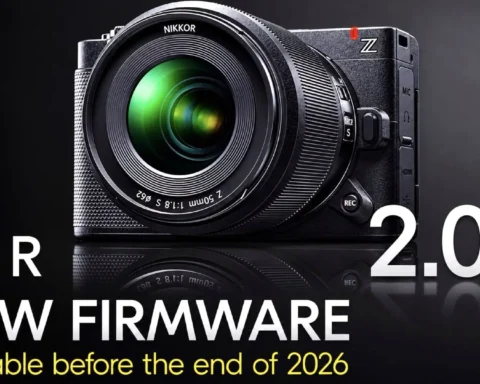
The announcement arrives just after Nikon confirmed Firmware 2.00 for the Nikon ZR, along with a longer-term roadmap that includes Open Gate recording and anamorphic desqueeze. Firmware 2.00 will also add Log3G10 and REDWideGamutRGB support in H.265, improved High ISO noise reduction control, and focus peaking during R3D NE recording. Taken together, the two announcements show a broader direction. Nikon is gradually building a more complete cinema platform around the Z mount, RED color workflows, R3D NE, RED CONTROL, and now dedicated VV cinema lenses. The new NIKKOR Z CINEMA T1.9 VV series is therefore significant not only as a lens announcement, but as another step in the deeper integration between Nikon and RED. For filmmakers, the most interesting questions now are the focal lengths, pricing, physical design, and how closely the lenses will be optimized for both Nikon Z CINEMA bodies and RED’s VV cameras.