
In recent discussions surrounding ARRI’s potential sale, the possibility of Canon acquiring the iconic camera brand has sparked a debate that could reshape the cinema industry. Canon is undoubtedly a powerhouse in the camera space; hence, there are several reasons why an acquisition of ARRI might be the best move for the company, and why this match might work. Let’s discuss pros and cons.
Canon’s Cinema Camera Ambitions: A Persistent Challenge
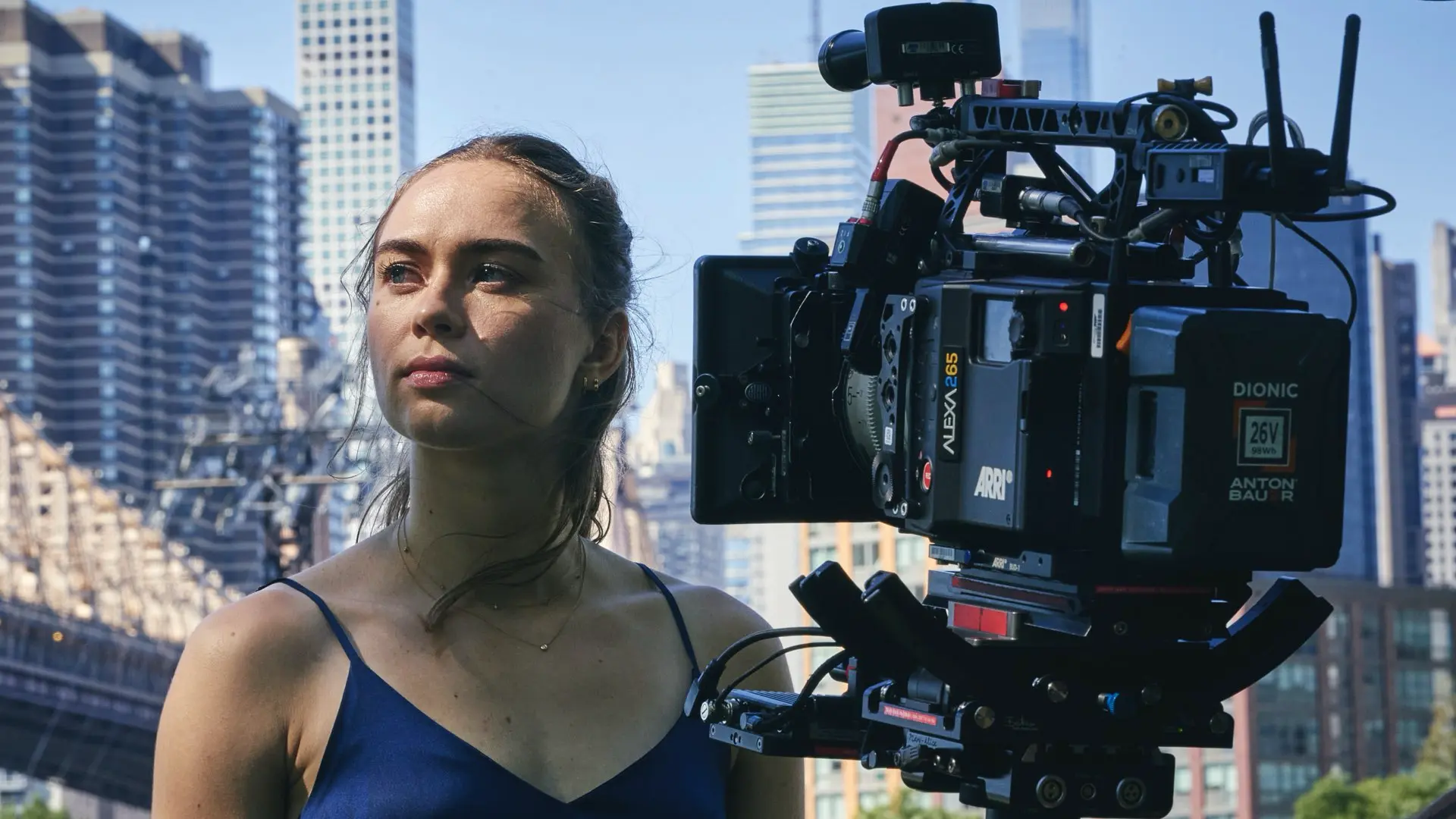
Canon has always been a strong player in the world of consumer and professional cameras, from their renowned DSLR systems to high-end cinema models like the C300 and C500. However, despite their success in this area, Canon has struggled to make significant inroads in Hollywood and professional film sets, an arena where ARRI has long dominated. ARRI’s cameras, particularly the ALEXA series, are synonymous with high-end cinema production, offering unparalleled image quality, reliability, and a trusted reputation among elite filmmakers. Canon tried to break into this exclusive market with the C700, a camera aimed at high-end professional production. But despite its impressive specs, it never truly achieved the level of adoption seen by ARRI cameras, largely due to the brand’s established dominance and deep-rooted connections within the industry. The question is, if ARRI were up for grabs, would it truly benefit Canon to take that leap?
Counterstrike to Nikon’s RED Acquisition, and more
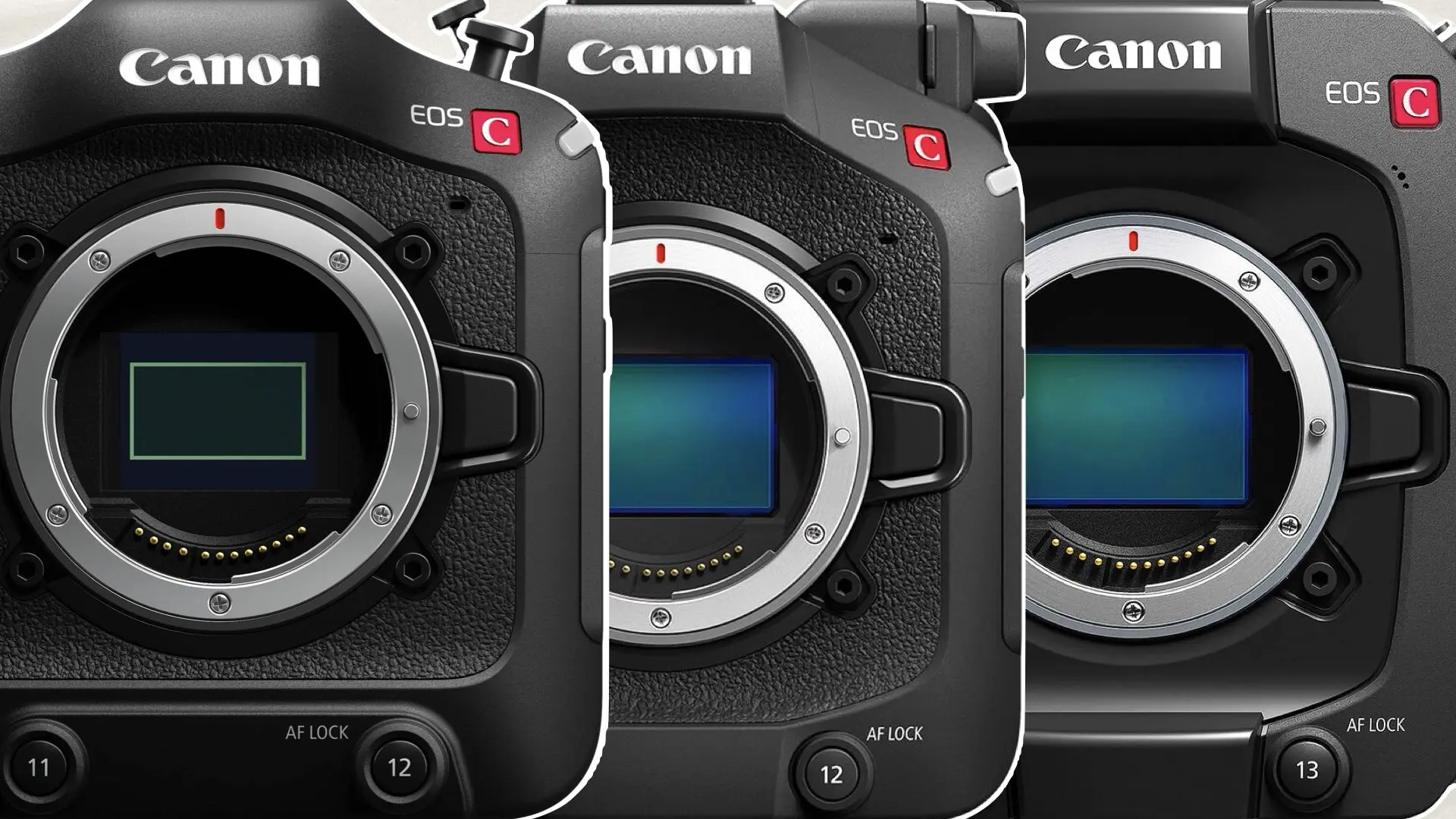
As the race to dominate the elite cinema market intensifies, Canon faces increasing competition from industry giants like RED Digital Cinema and Nikon, both of whom are vying for a larger share of the high-end filmmaking space. While Canon has long been a dominant force in consumer and prosumer cameras, its position in the professional cinema segment is constantly challenged by newer and more specialized players. In this rapidly evolving landscape, one strategic move that could strengthen Canon’s position and ensure it stays at the forefront of the industry is acquiring ARRI, the undisputed leader in high-end cinema camera systems. By acquiring ARRI, Canon would not only expand its portfolio to include some of the most trusted and revered cameras in the film industry, but also position itself as an even more formidable competitor to both RED and Nikon. This acquisition could unlock new opportunities for technological advancements, product synergy, and industry leadership, ultimately enabling Canon to dominate the high-end filmmaking market. Here’s why acquiring ARRI could be the smartest move Canon could make in the face of growing competition.
Strengthening Market Position in the High-End Cinema Segment
-
Expanding Portfolio: ARRI’s reputation as the leader in high-end cinema cameras, with its ALEXA series and the newly unveiled ALEXA 35 Xtreme, aligns with Canon’s aim to expand into the elite segment of the cinema industry.
-
Combating RED and Nikon’s Push: With Nikon’s ambition to gain traction in the elite cinema space, combined with RED’s core cinema-tech, acquiring ARRI would provide Canon with a competitive edge and enable them to directly compete with these players on a technical and market level.
Unrivaled Expertise in Image Quality
-
Industry-Leading Sensor Technology: ARRI’s mastery over sensor technology, especially its unique color science and image processing capabilities, is a significant advantage in the cinema industry. This could greatly complement Canon’s existing technology and help it secure a dominant position in high-end film productions.
-
Camera Performance in Low-Light Conditions: ARRI cameras are less known for their ‘outstanding’ low-light performance, an area where Canon has historically excelled in its mirrorless and DSLR offerings. Combining their strengths could create a new super-camera offering for the cinematic elite.
Integration of ARRI’s Lens & Camera Ecosystem
-
Lens Expertise: ARRI’s lenses, such as the Signature Prime series, are widely revered for their sharpness and smooth rendering. Canon, with its extensive lens lineup, would greatly benefit from integrating ARRI’s legendary lenses into its ecosystem.
-
Complete Camera Solutions: The synergy between Canon’s image sensors, lenses, and ARRI’s camera bodies could lead to the creation of complete, top-tier solutions for filmmakers. This could make Canon the go-to brand for both large studios and independent filmmakers, especially for high-budget productions.
Innovation and R&D Synergies
-
Combining R&D Powerhouses: ARRI’s commitment to pushing the envelope with film technology, coupled with Canon’s vast resources in research and development, could yield groundbreaking innovations in cinematography. Together, they could set new standards for camera technology, setting themselves apart from competitors like Sony, Nikon, and RED.
-
Cross-Pollination of Technology: Canon’s deep expertise in consumer and prosumer cameras combined with ARRI’s focus on professional filmmaking could lead to the development of cutting-edge features, such as enhanced AI-driven autofocus, 8K/16K recording, and next-gen color science.
Access to ARRI’s Strong Brand and Industry Relationships
-
Proven Brand Loyalty: ARRI’s brand is synonymous with cinematic excellence, making it highly trusted by top filmmakers, DPs, and production houses. Canon’s acquisition of ARRI could instantly boost its credibility in the high-end cinema world.
-
Industry Partnerships: ARRI’s established relationships with major film studios and industry professionals could open doors for Canon to solidify its position in the elite cinematic market, gaining critical market share in Hollywood, indie films, and international film festivals.
Bolstering Canon’s Cinema EOS Series
-
Filling Gaps in the Product Line: While Canon’s Cinema EOS series is a strong contender in the professional film and TV production space, ARRI’s acquisition would add complementary tools, particularly in the ultra-high-end market where ARRI is the established leader.
-
Complementing Canon’s EOS R: ARRI’s expertise could help Canon further refine its EOS R series ($1,920.55 on Amazon) and mirrorless innovations for cinematic applications, ensuring that Canon has the perfect range of cameras for both professional filmmakers and emerging creators.
Racing Ahead in the 8K+ Future
-
Building on the 8K Movement: Canon has been at the forefront of 8K development with its C300 Mark III and C500 Mark II cameras. By acquiring ARRI, Canon would add significant weight to its 8K and higher resolution offerings, helping it stay ahead of competitors like ‘Nikon & RED’ in pushing forward the next generation of cinema technology.
-
Immersive Technologies: ARRI’s experience with high dynamic range (HDR) and wide color gamuts would be an asset in an era of increasing demand for immersive experiences. This technology could enable Canon to lead in future cinema trends, such as 360-degree filming, VR/AR cinema, and digital IMAX-style viewing experiences.
International Market Expansion
-
Leveraging ARRI’s Established Global Presence: ARRI’s international presence, especially in European markets, could help Canon expand its global influence, especially in the rapidly growing Asian film industry. Canon could leverage ARRI’s reputation to tap into regions where its own brand is less established in the professional cinema space.
Diversification and Financial Stability
-
Increased Market Share and Revenue Streams: With Canon’s dominant presence in consumer electronics, acquiring ARRI could provide a new, lucrative revenue stream. Diversifying into the high-end professional market could ensure long-term financial stability and growth in a segment that is less affected by market volatility than consumer tech.
-
Post-Production and Rental Business: ARRI has a strong presence in the post-production and rental space, which Canon could tap into, potentially increasing the scope of its business offerings.
Making ARRI cameras more affordable!!!
This is the most important advantage. Do we really need to elaborate on that?!
Conclusion
Buying ARRI would allow Canon to capitalize on ARRI’s expertise in cinema camera systems, advanced sensor technology, and global brand recognition. With Nikon and RED gaining momentum in the high-end cinema market, this acquisition would not only solidify Canon’s leadership in the industry but also ensure it remains a key player in the future of professional filmmaking. What do you think?
Gear mentioned in this article
Available on Amazon
Prices checked: Oct 23, 2026, 9:34 AM GMT+0000
As an Amazon Associate, Y.M.Cinema earns from qualifying purchases. If you buy through our links, we may earn a small commission at no extra cost to you.
Product prices and availability are accurate as of the date/time indicated and are subject to change. Any price and availability information displayed on Amazon.com at the time of purchase will apply to the purchase of this product.
CERTAIN CONTENT THAT APPEARS ON THIS SITE COMES FROM AMAZON. THIS CONTENT IS PROVIDED “AS IS” AND IS SUBJECT TO CHANGE OR REMOVAL AT ANY TIME.







What do I think? I think the whole digital cinema camera market is a joke. It’s all massively overpriced, engineered to become obsolete, pointless trash as far as I’m concerned. If ARRI wants to sell off their digital camera business, fine. But I don’t think they should exit the cinema camera marketplace. I think they should return to form, and go back to being all film and supporting those filmmakers who actually want to honor the art of filmmaking by making films shot on, well, FILM. I am so tired of digital photography/cinematography and projection. It looks/feels all wrong, and it always will no matter how advanced the sensors get, how “good” film emulation or “fake grain” gets, or how high resolution the projectors become. Cinema is film, and digital has ruined it.
So much this, The digital cinema industrial complex (I am half-joking) bred and nourished a generation of DP’s that became obsessed with LUT’s, data pipelines and pointless dynamic range exercises, so now everyone is obviously freaking out with A.I. – or half-using it for further plastered emulations – all this money spent and they still want to emulate Film, and it still looks fake!
Due to the limitations/benefits of Film one must light with purpose, not just show every single nook and crevice, we don’t care about that small spec of dust on that table in the background, we care about the art of lighting, the art of painting and choosing your subjects, it’s too strenuous for the eyes to look at so much detail!
ARRI is just hype,no color science ,nosuper-puper sensors,just simple hype and inertia from the film times. That is the reason for which now is for sales now. Everybody ,including Hollywood moguls prefer cheapand qualitative rather than expensive and qualitative .I don’t know who says you they are good on selecting sensors,but I know for sure they NOT selected best sensor from the given manufacturer and try to do something in FPGA after sensor but its a tricks ,not real capture of reality . I know sensors from the sensor (not after tricks ) with dynamics 1:1 000 000,I know sensors that have noise less than 1 eV and quantum well 90% but those are not used in cameras. Cameras are less developed sector of the Image capture because of very limited market share compared to other proffesional use of sensors .And in the sensor business nobody care about cinema cameras and Hollywood .
Panasonic Should buy ARRI: The Perfect Match That Makes Sense
They also could cooperate much closer just like they are doing it with Leica in the stills world.
Panasonic is already cooperating with ARRI. The latest Lumix cameras have the option to add ARRI-log3 as color profile allowing to work directly in the color space and workflow of the ARRI cameras. This is not just a conversion LUT in camera. It starts directly by exposing and interpreting the sensor data in the ARRI-way.
There are also signs, that the DRBoost that is used in some LUMIX cameras instead of two different native ISO values is kind of the same what is done by ARRI. Panasonic doesn’t talk about what exactly is going on but it might be also part of the cooperation between the companies.
The l-mount is right now the only modern FF mount that can be used by every company. They just need to asks for the license from Leica. Panasonic has stated more than once that they see lenses from Panasonic, Sigma and Leica as first party lenses on the camera and there are no restrictions in functionality. Other companies are invited to join in. Blackmagic is already on the way.
The partnership between Leica and Panasonic shows how both sides can get a lot out of it. Panasonic gets the knowledge of Leica about how to build high quality lenses and Leica gets all the technology a small company can’t develop alone. The latest Leica cameras have PDAF, IBIS, the video capabilities and codecs from Panasonic.
The match between ARRI and Panasonic seems to be absolutely perfect. Panasonic hasn’t done a lot in the area of larger film production cameras in the last years. ARRI has the best reputation with high end cinema productions, Panasonic has a great reputation with small hand held cameras from hybrid usage over content creation, run&gun up to small cinema productions. They can fill in the gap in the mid range in between with high end Lumix-cameras like an S1H-II and small hand held ARRI cameras that can get PADF, the best stabilization on the market.
Long term, I expect not much development in the area of the PL-mount and even less with the EF-mount. They will be used with existing lenses for a very long time and it is easy to adapt them on every mirror-less mount on the market. The future developments will go a different way. The l-mount has the potential to be the go to mount for every company other than Canon, Nikon and Sony.
why not sony?