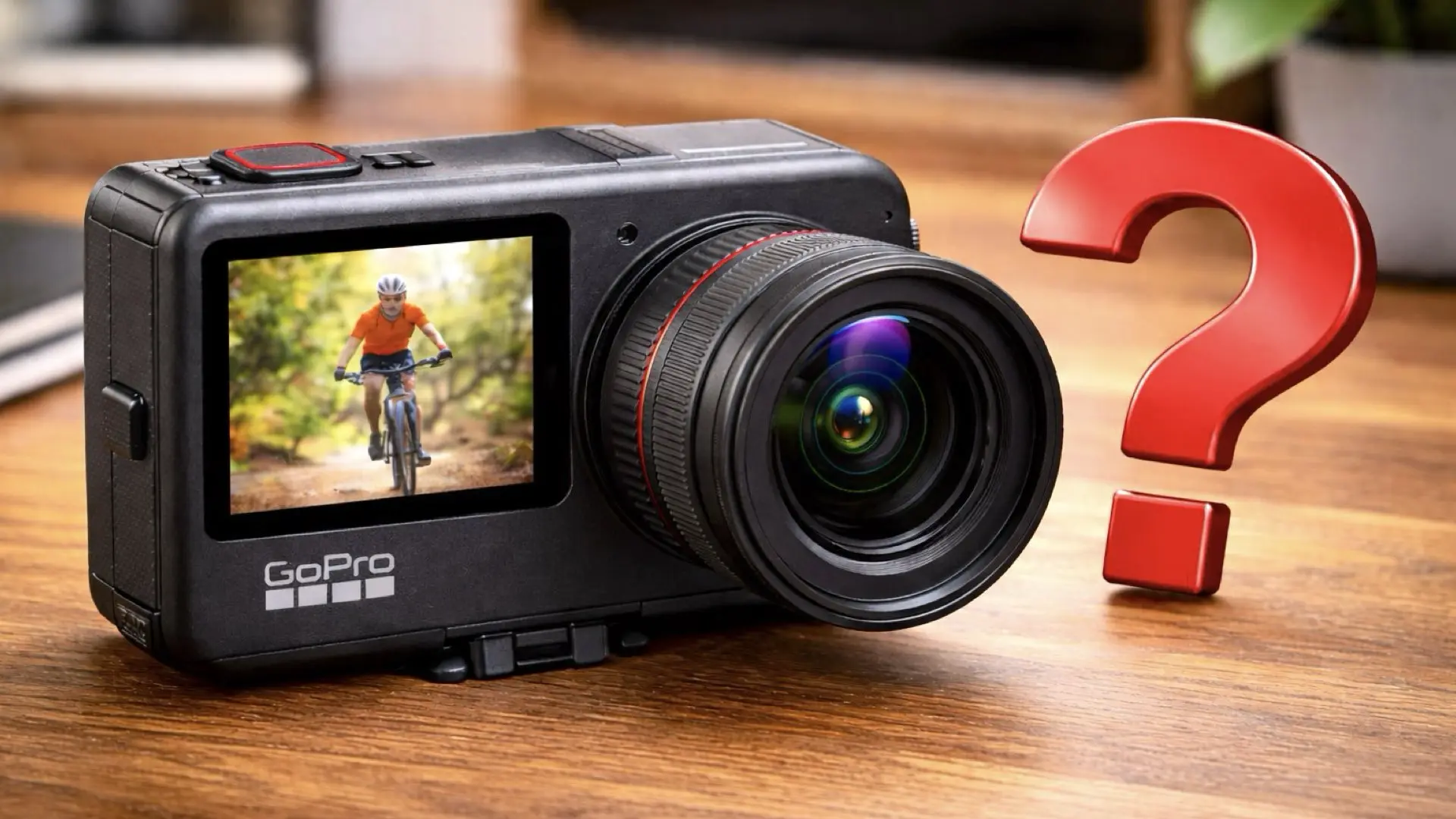
Is GoPro Building a Mirrorless Camera? Not Exactly

Is GoPro Building a Mirrorless Camera? Not Exactly

2026-04-09
6 mins read

GoPro’s latest teasers are raising a bigger question than expected. This is no longer just about image quality. It is about direction. With confirmed larger sensors, a new processing pipeline, and positioning that leans toward professional use, the company appears to be preparing one of its most important product shifts in years. Some viewers are even asking whether this is GoPro’s version of a mirrorless camera. The footage looks different. Depth behaves differently. The image feels more controlled and deliberate. But the real story goes beyond that comparison.
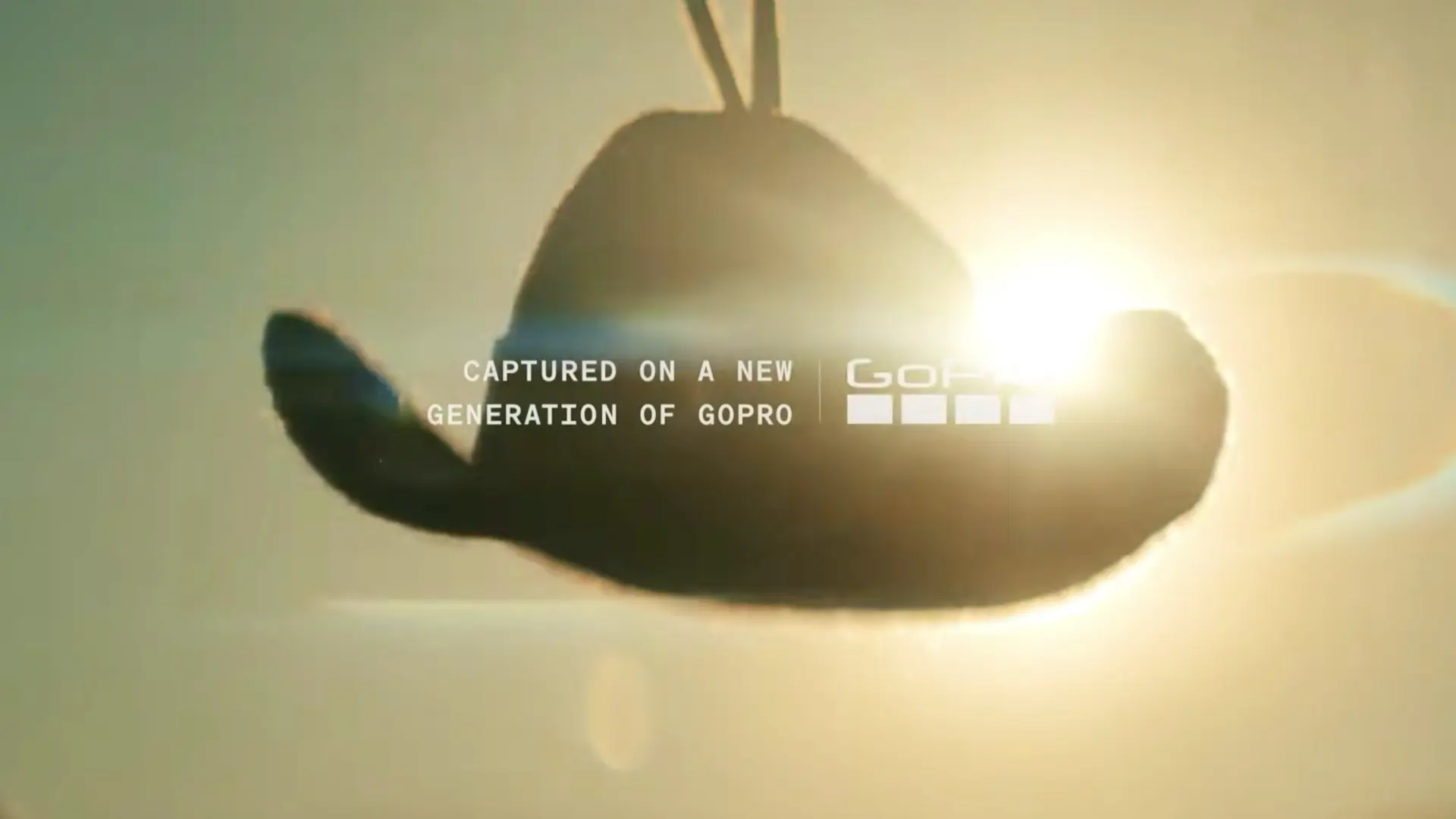
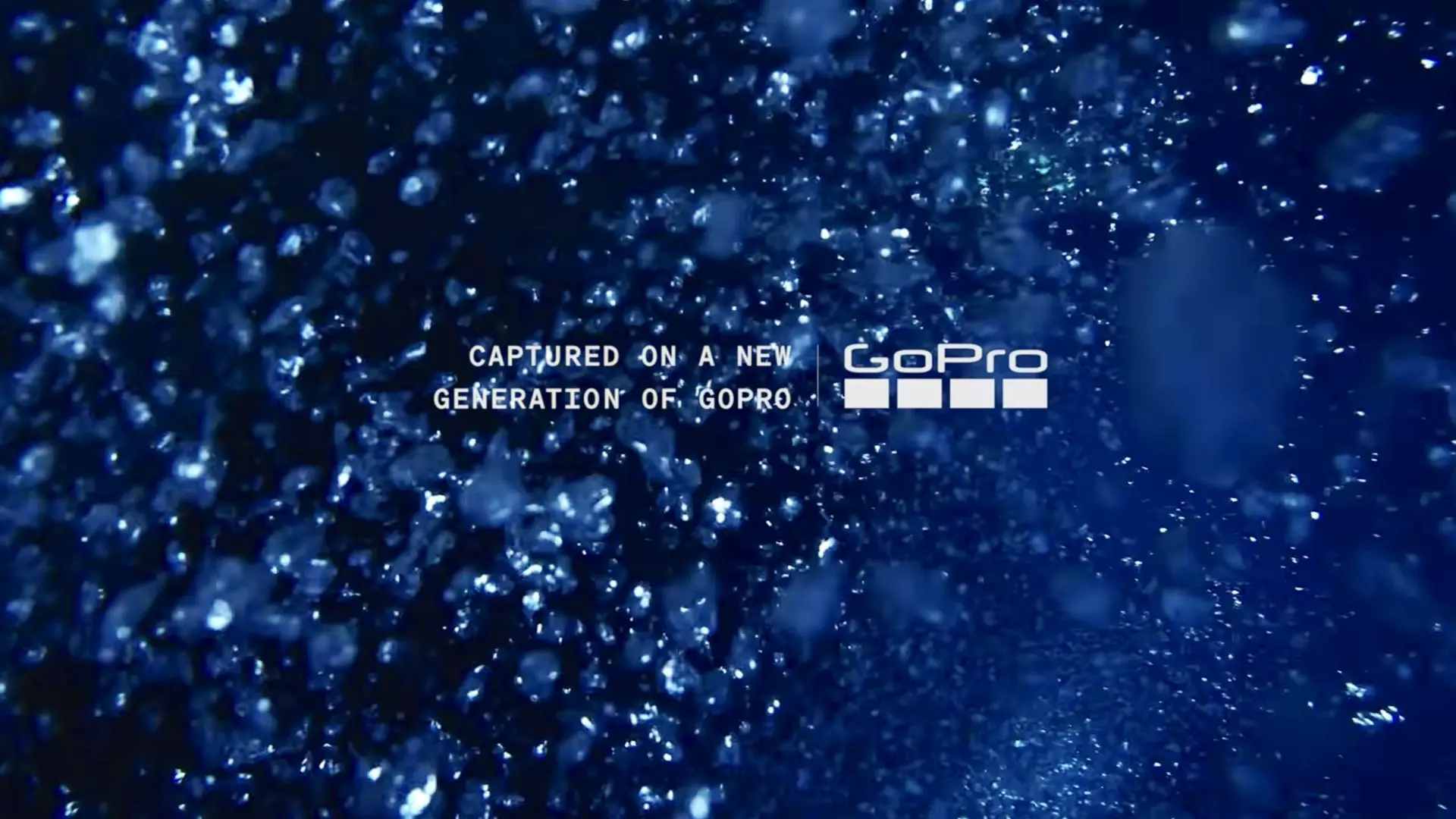
Shot by GoPro Next-Gen cameras

Despite those visual similarities, there are strong reasons to believe that GoPro is not building a true mirrorless system. A mirrorless camera requires an interchangeable lens mount. That immediately changes everything. The body becomes larger. Weather sealing becomes more complex. The ecosystem expands into lenses, adapters, and accessories. It is a completely different product category.

Why does this look like a mirrorless camera?

The confusion comes from visual language. Traditionally, GoPro footage is defined by deep focus, ultra-wide perspective, and high clarity across the entire frame. That is the signature of small sensors paired with fixed wide lenses. What we are seeing now breaks that pattern. Subjects are separating from backgrounds. Macro shots show controlled focus falloff. Backlit scenes maintain detail without harsh clipping. These are all characteristics associated with larger sensors and more advanced imaging pipelines. In other words, this is how mirrorless cameras behave. That is why the comparison emerges so naturally. The teaser footage feels closer to a Sony Alpha or a Canon R than to a typical HERO camera.

Shot by GoPro Next-Gen cameras

Why is this not a mirrorless camera

Despite those visual similarities, there are strong reasons to believe that GoPro is not building a true mirrorless system. A mirrorless camera requires an interchangeable lens mount. That immediately changes everything. The body becomes larger. Weather sealing becomes more complex. The ecosystem expands into lenses, adapters, and accessories. It is a completely different product category. GoPro has built its identity around compactness, durability, and simplicity. Introducing a lens mount would break that model. It would also require entering a highly competitive market dominated by established players. There is no evidence in the teasers, messaging, or product hints that GoPro is taking that route.

What GoPro is likely doing instead

The more plausible direction is far more interesting. GoPro appears to be bringing mirrorless-style imaging into a fixed lens, compact form factor. This means a larger sensor paired with a carefully designed lens and supported by a new processing pipeline, likely driven by the GP3 chip. Instead of relying only on extreme wide angles and infinite depth of field, the camera can now shape the image more deliberately. That includes: more natural subject separationת improved low light performance, better dynamic range, and refined color and highlight behavior. In short, the camera behaves more like a creative tool than a capture device.

A new category is emerging

If this direction holds, GoPro is not entering the mirrorless market but is creating something in between. On one side, you have traditional action cameras. Small, durable, wide, and designed to capture everything without thinking too much about composition. On the other side, you have mirrorless systems. Larger, more complex, and built for deliberate image creation. GoPro’s next camera seems to sit between these two worlds. It keeps the portability and rugged design, while pushing image quality toward a more cinematic standard. This is closer to what we have seen with devices like the DJI Pocket series, but potentially with a stronger emphasis on durability and versatility.

Why this direction makes sense

The action camera market has matured. Improvements in stabilization and resolution are no longer enough to redefine the category. At the same time, creators are demanding more control over their images without carrying larger systems. This creates an opportunity. A compact camera that delivers higher quality imagery without the complexity of interchangeable lenses can appeal to both action users and content creators. GoPro is in a strong position to explore this space. It already has brand recognition, a massive accessory ecosystem, and deep experience in compact camera design.
How our previous coverage builds the bigger picture

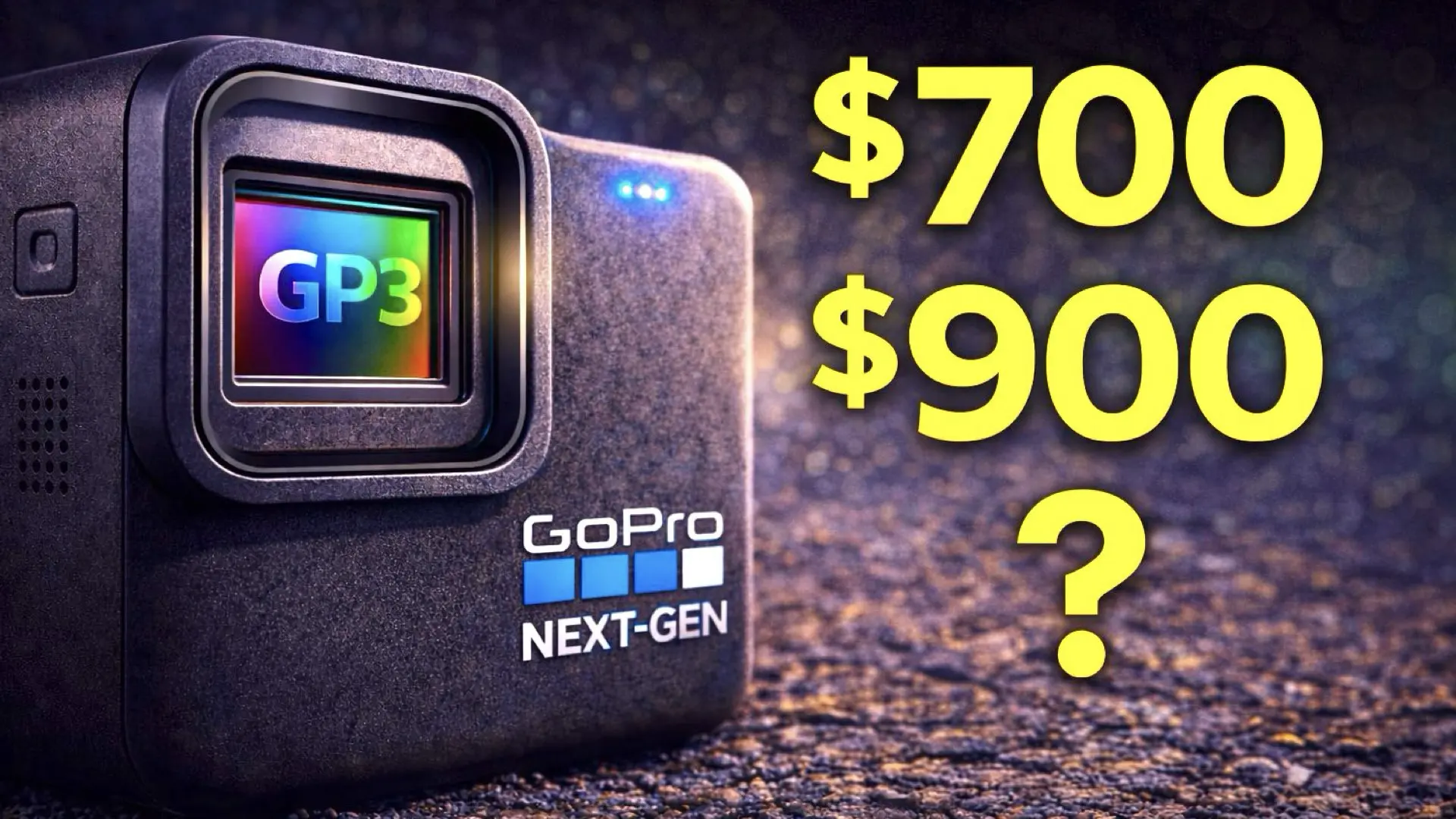
This hypothesis does not stand alone. It is built on a sequence of signals that GoPro has been carefully releasing over the past weeks. In our article GoPro Teases a Next Gen Action Camera With a Larger Sensor, we first identified the most important shift. GoPro is moving beyond the traditional small sensor limitations and entering a new imaging territory. That alone changes the physics of the image. Larger sensors allow for depth, light control, and rendering that simply were not possible before. Then came the next layer. In GoPro Releases Another Teaser of Its Next Gen Cameras. New Clues Emerge, the messaging became more intentional. The footage was no longer just showcasing action. It started to demonstrate image behavior. Focus falloff, highlight control, and more deliberate framing. This is where the idea of a more cinematic GoPro began to take shape. Shortly after, GoPro reinforced this direction through its own words. In GoPro Calls Its Next Cameras a “Gamechanger”, the company itself framed the upcoming lineup as something fundamentally different. Not an iteration, but a shift. When a brand uses that language, especially in a controlled rollout like this, it usually signals a change in category, not just an upgrade. Finally, in GoPro’s New Camera Could Cost $700 to $900. Is That the Price?, we addressed the missing piece. Price. The projected range between $700 and $900 is not just a number. It aligns perfectly with the positioning suggested by the teasers and messaging. A higher price bracket supports the idea of a more advanced imaging device aimed at creators rather than purely action users. Put together, these elements form a coherent picture. Larger sensor. Cinematic intent. New positioning. Higher price. None of these signals alone would be enough. But together, they point in the same direction. GoPro is not simply improving its cameras. It is redefining what a GoPro camera is supposed to be.

GoPro’s New Camera Could Cost $700 to $900. Is That the Price?

Why this camera matters for GoPro’s business

There is also a business layer that makes this launch even more critical. GoPro recently announced a significant restructuring move, planning to eliminate approximately 23 percent of its workforce as part of a broader cost-cutting strategy. This is not a routine adjustment but reflects pressure on the company to redefine its position in a market that has become increasingly competitive and, in some areas, saturated. The action camera segment is no longer expanding at the pace it once did. Smartphones have absorbed a large portion of casual users, while competitors like DJI and Insta360 have introduced strong alternatives with new features and form factors. In that context, incremental updates are no longer enough. GoPro needs a meaningful shift to justify its relevance and future growth. This is where the new camera becomes central. The move toward larger sensors, improved imaging, and a more creator-oriented direction is not just a technological evolution. It is a strategic pivot. By targeting a higher-end segment, GoPro can move away from competing purely on price and instead compete on image quality, experience, and creative capability. The projected price range between 700 and 900 dollars reinforces this strategy. It places the product above the traditional HERO line and into a space where margins are stronger and differentiation is clearer. This allows GoPro to maintain its existing user base while opening a path toward a new audience of creators who expect more advanced tools. In that sense, this launch carries more weight than a typical product cycle. That is why the messaging has been so controlled. Teasers, selective reveals, and carefully chosen words like “Gamechanger” are not random. They are part of building momentum around what could be GoPro’s most important product in years. If this camera delivers on the expectations being set, it has the potential to reposition GoPro from a mature action camera brand into a broader imaging company. If it does not, the company risks remaining in a category that is becoming harder to grow.

The real takeaway

So is GoPro building a mirrorless camera? Not in the traditional sense. But that is not the point. The company is clearly moving toward a new type of device, one that blends the simplicity of an action camera with the image characteristics of larger sensor systems. Combined with a higher expected price range and a clear push toward creators. At a time when GoPro is restructuring its business and reducing costs, the stakes are higher than usual. This camera is not only expected to perform. If it succeeds, GoPro could establish a new category between action cameras and traditional imaging systems. If it does not, the company risks remaining in a space that is becoming harder to grow. That is why the mirrorless comparison keeps coming back. Not because GoPro is building one, but because it is trying to achieve something similar in a very different form factor. And that may turn out to be the more important story.

YMCinema is a premier online publication dedicated to the intersection of cinema and cutting-edge technology. As a trusted voice in the industry, YMCinema delivers in-depth reporting, expert analysis, and breaking news on professional camera systems, post-production tools, filmmaking innovations, and the evolving landscape of visual storytelling. Recognized by industry professionals, filmmakers, and tech enthusiasts alike, YMCinema stands at the forefront of cinema-tech journalism.

Leave a Reply

Your email address will not be published.

Recent Posts

Get the best of filmmaking!

Subscribe to Y.M.Cinema Magazine to get the latest news and insights on cinematography and filmmaking!

This Consumer Global Shutter Camera Captured Artemis II at 2,000 FPS
Previous Story

This Consumer Global Shutter Camera Captured Artemis II at 2,000 FPS

Latest from Discuss

Go toTop

Don't Miss

GoPro’s New Camera Could Cost $700 to $900. Is That the Price?

GoPro’s New Professional Camera Could Cost $700 to $900. Is That the Price?

GoPro has made one thing clear. Its next-generation cameras are not being positioned as routine updates. Between the teaser footage, the confirmed move…
GoPro Calls Its Next Cameras a “Gamechanger”

GoPro Calls Its Next Cameras a “Gamechanger”

GoPro has now added another layer to its carefully controlled rollout, and this time it did not come from a teaser video or…