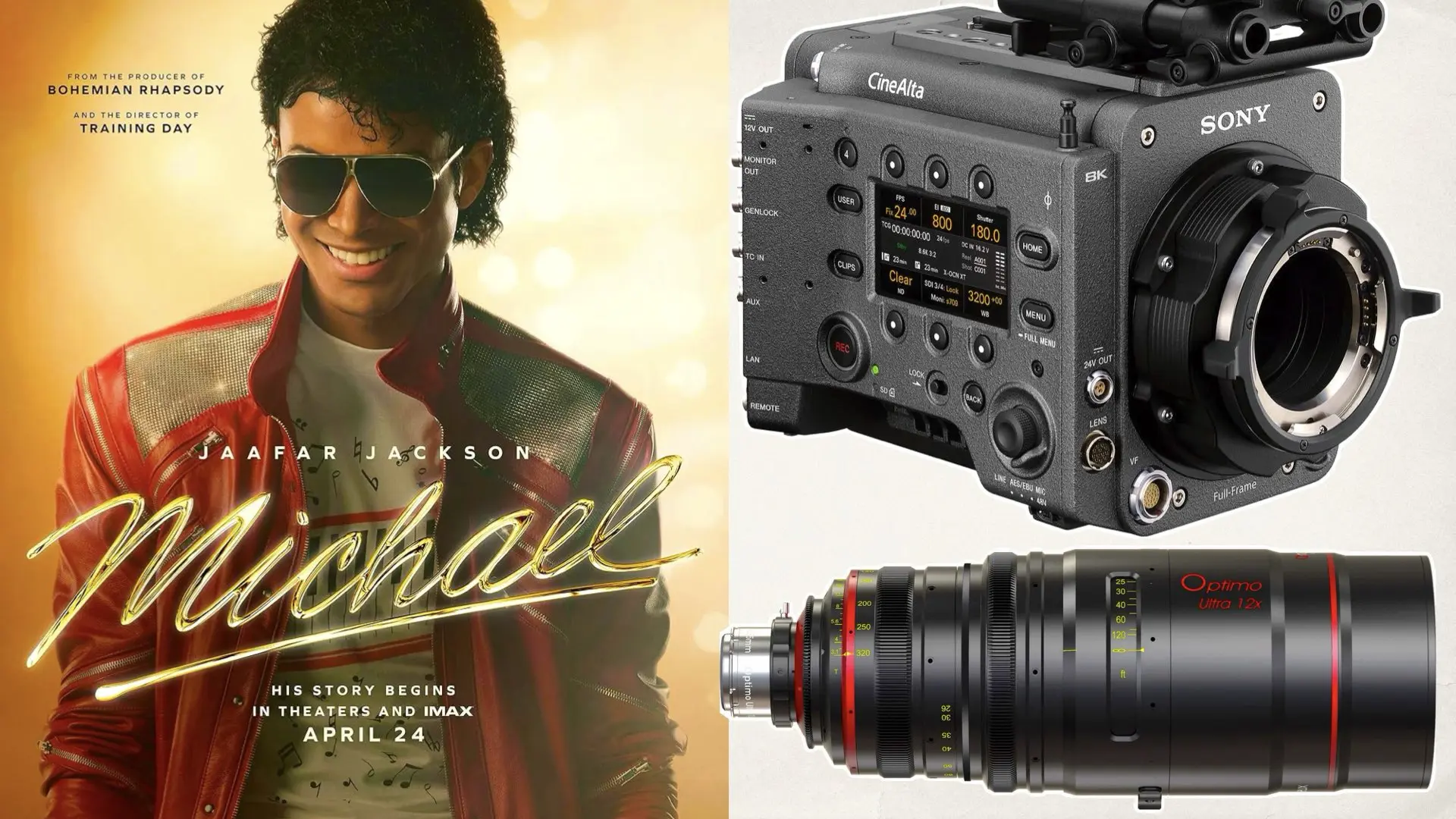
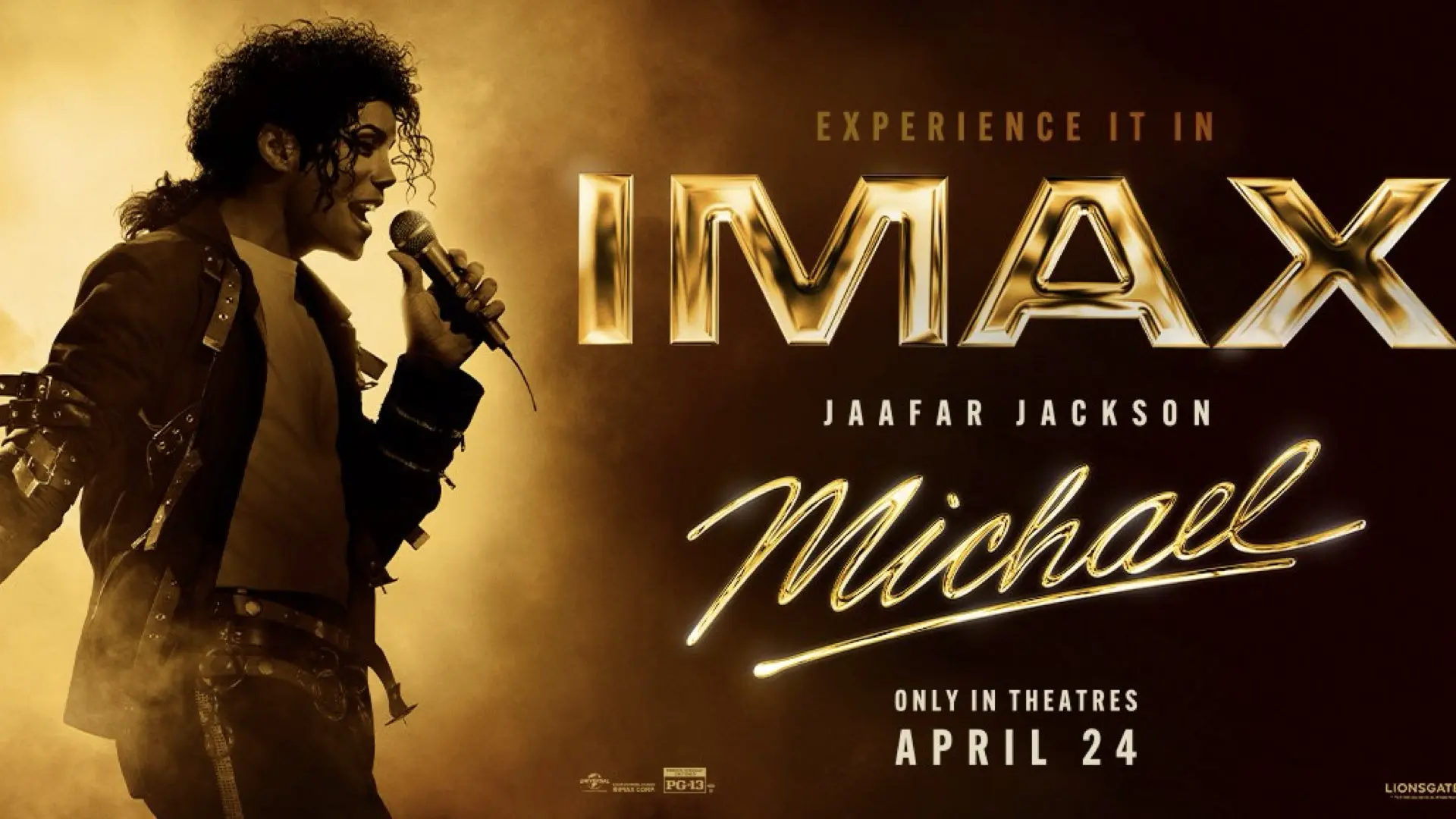
The film Michael presents a unique cinematographic challenge. This is not a conventional biopic built around controlled dialogue scenes and carefully staged compositions. It is a film driven by performance, scale, and energy. Capturing the presence of Michael Jackson requires a system that can operate under pressure, react instantly, and sustain visual intensity across large-scale set pieces. The tools (VENICE 2 and Angénieux Zooms) chosen by DP Dion Beebe reveal exactly how this challenge is being solved. Shot like an action film as the DP learned from the best (Bay and Mann).
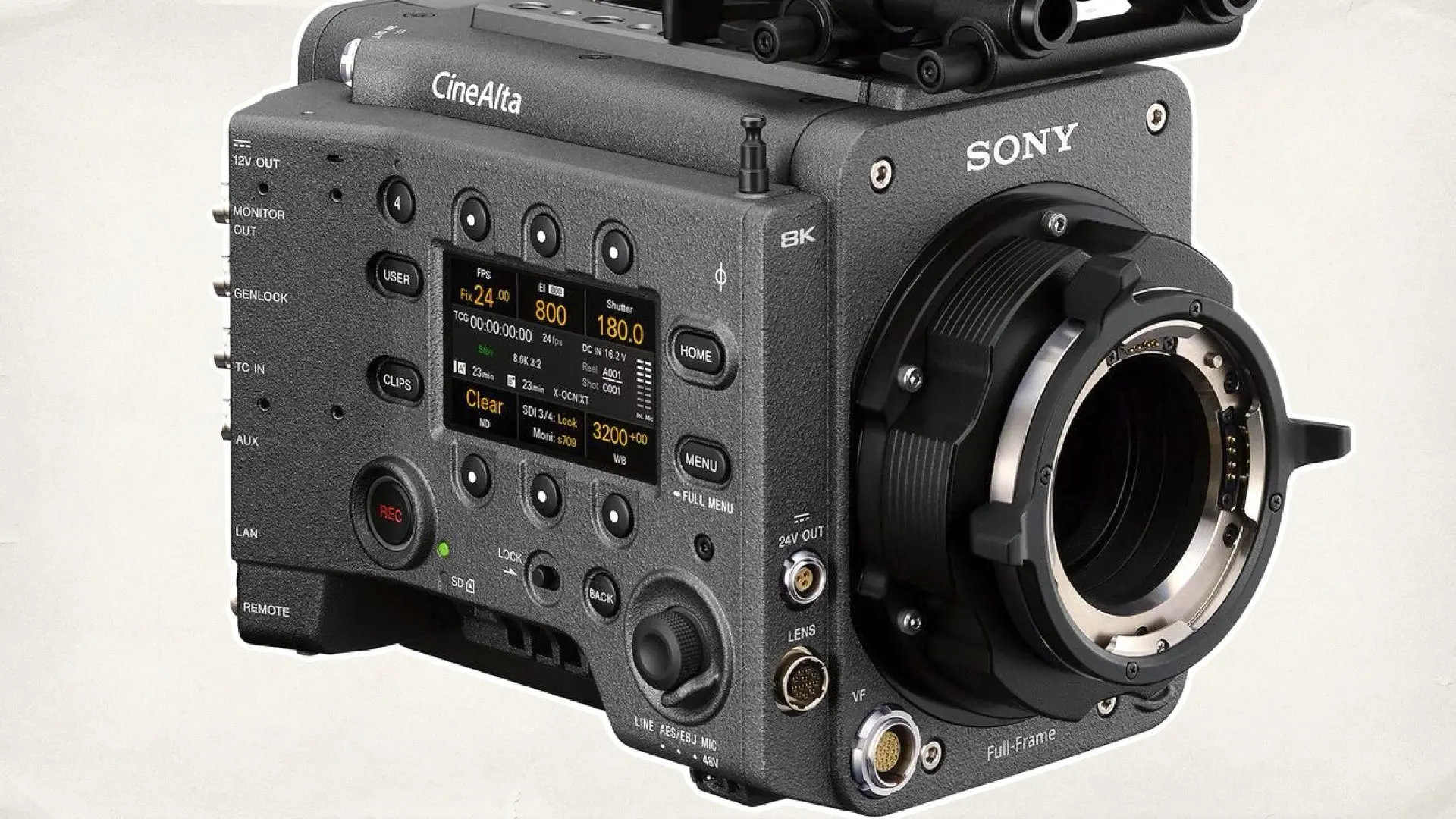
The camera: IMAX-certified Sony VENICE 2
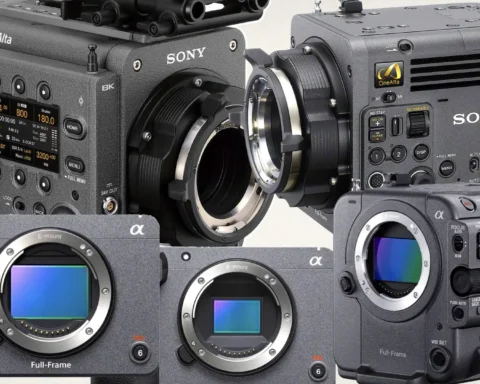
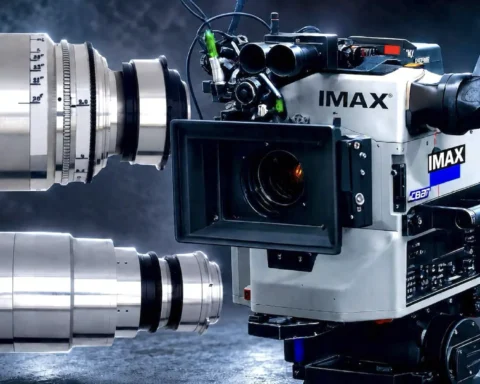
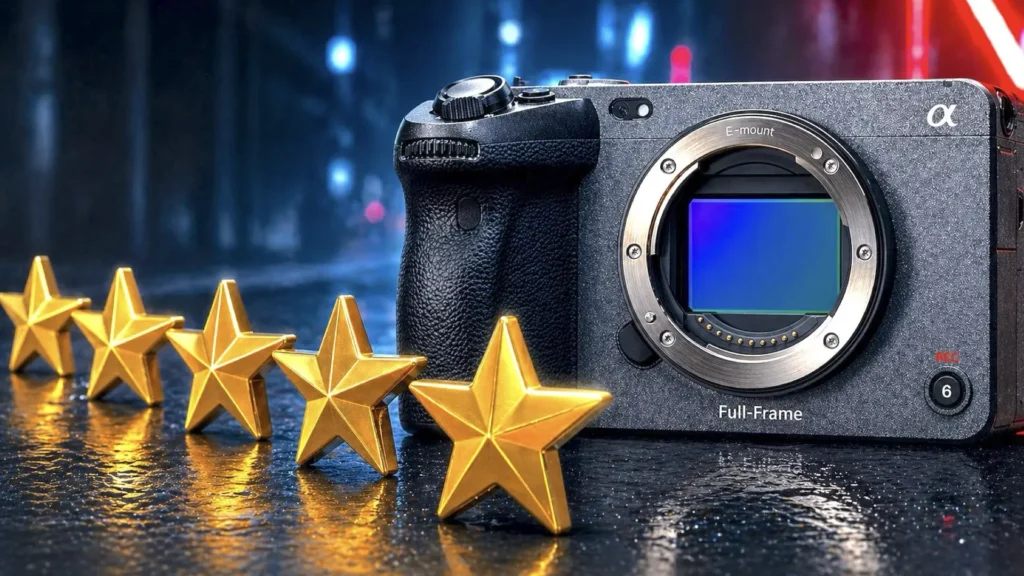
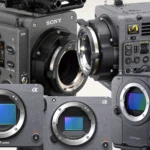
At the core of the production sits the Sony VENICE 2, a large format digital cinema camera that has become a dominant platform for high-end theatrical releases, including those intended for IMAX exhibition. The VENICE 2 offers the dynamic range, color fidelity, and sensor latitude required to handle extreme lighting environments. In the case of Michael, those environments are not controlled studio setups. They are arena-scale recreations of live performances, filled with complex lighting cues, deep contrast, and constant movement. What defines the cinematography of this film is not only the camera but the lens strategy that sits in front of it.
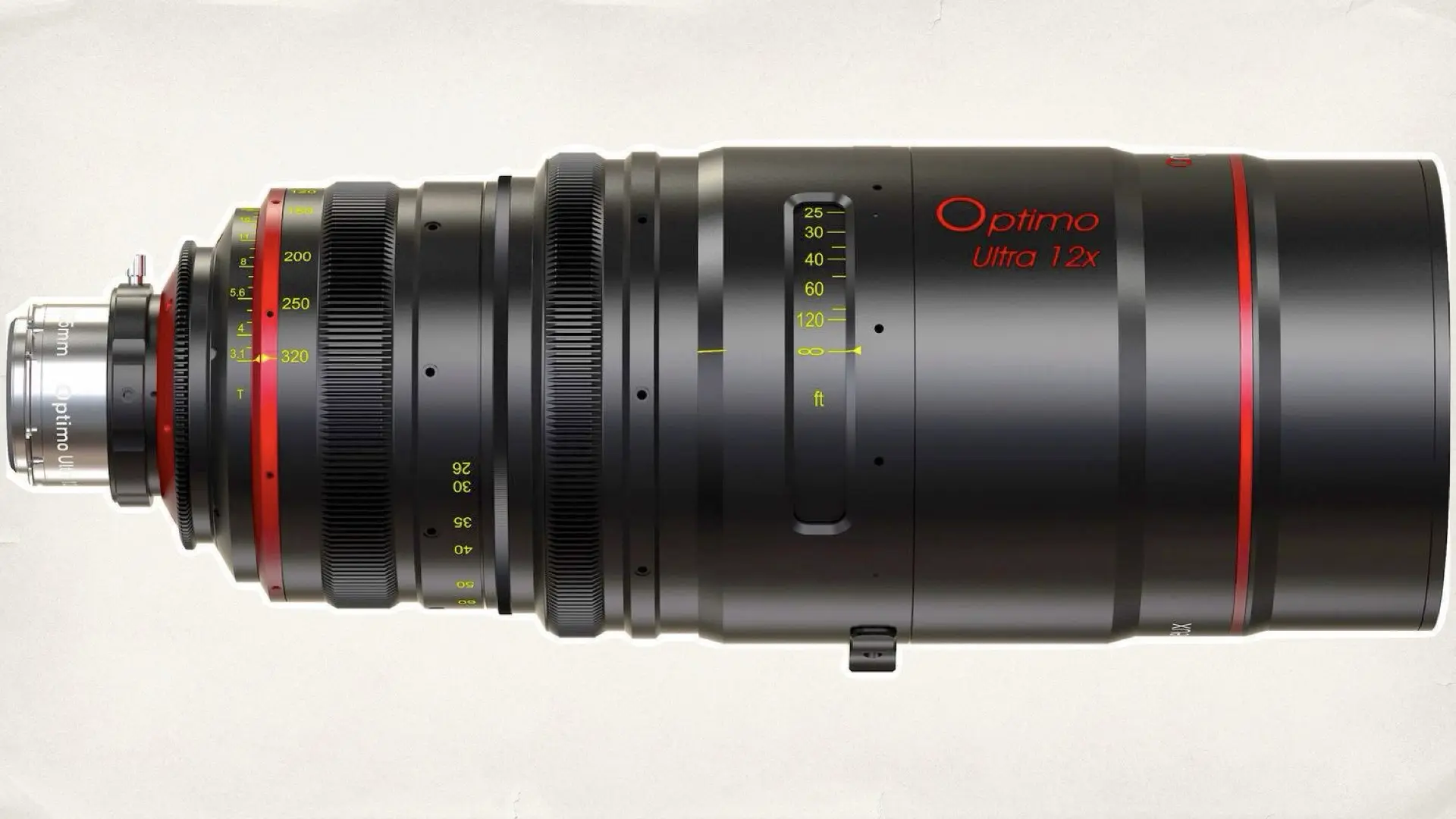
The lens: Angénieux zoom 12:1
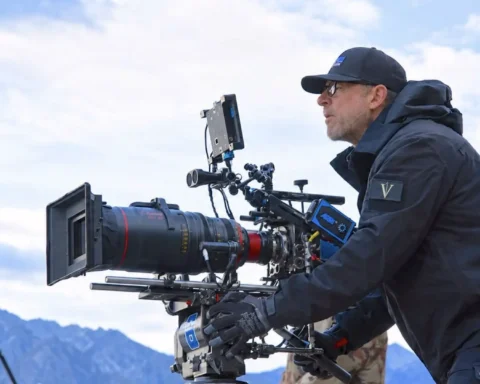
Beebe’s reliance on Angénieux zoom lenses, particularly the 12:1 Optimo covering 36 to 435 millimeters, reshapes the entire visual language of the film. This is not a traditional prime lens approach where each shot is pre-designed and executed with rigid discipline. Instead, the zoom becomes a tool of adaptation. It allows the camera to move from wide stage coverage to intimate close-ups without interrupting the performance. In scenes involving hundreds or even thousands of extras, combined with choreography and lighting cues that cannot be paused or repeated endlessly, this flexibility becomes essential rather than optional.
Led by DP Dion Beebe
This approach reflects Beebe’s background working with directors such as Michael Mann and Michael Bay. In films like Collateral and 13 Hours: The Secret Soldiers of Benghazi, cinematography is built around movement, unpredictability, and the need to capture moments as they unfold rather than construct them artificially. That same philosophy is clearly being applied to Michael. The film adopts a kinetic visual language more commonly associated with action cinema than with biographical drama. The use of multiple cameras further reinforces this system. Instead of isolating shots and building sequences piece by piece, Beebe operates within a multi-camera environment that allows simultaneous coverage from different perspectives. This creates a form of controlled chaos where the cinematographer must constantly respond to evolving action. In such a context, zoom lenses are not merely convenient. They are fundamental to maintaining momentum. Stopping to change lenses would disrupt the flow of performance, break actor continuity, and reduce the authenticity of the captured moment. The influence of Beebe’s action background becomes particularly clear in the way movement is handled. Instead of isolating choreography into clean, repeatable segments, the camera engages with it dynamically. It tracks, reframes, and adapts as the performance evolves. This creates a visual language that feels alive rather than constructed. The audience is not simply watching a performance. They are placed within it, experiencing the same unpredictability and intensity.
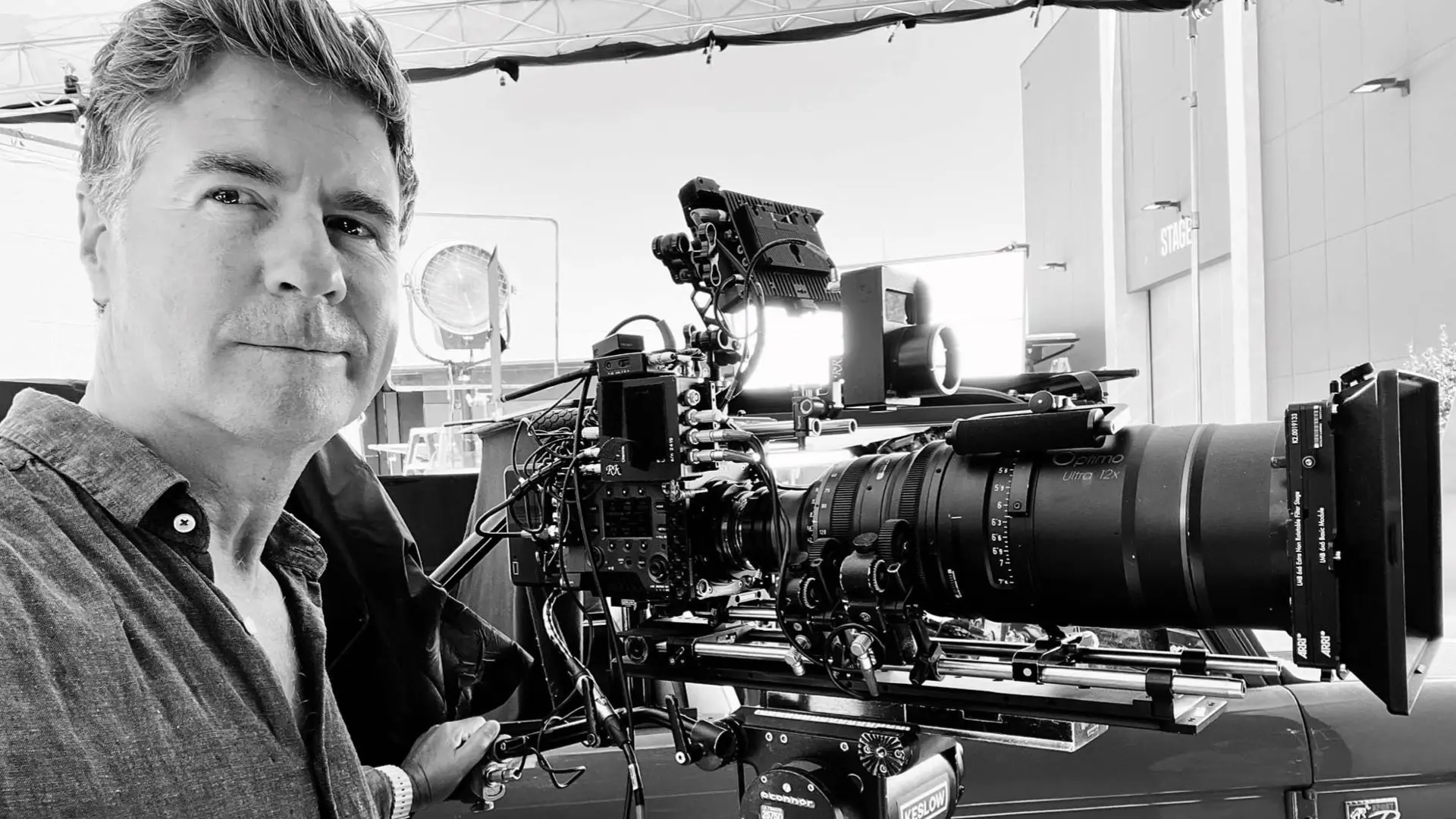
This approach reflects Beebe’s background working with directors such as Michael Mann and Michael Bay. In films like Collateral and 13 Hours: The Secret Soldiers of Benghazi, cinematography is built around movement, unpredictability, and the need to capture moments as they unfold rather than construct them artificially. That same philosophy is clearly being applied to Michael. The film adopts a kinetic visual language more commonly associated with action cinema than with biographical drama.
The handheld operation
Handheld operation plays a crucial role in translating this energy onto the screen. The VENICE 2, often perceived as a large and structured camera, is here used in a far more fluid manner. Combined with Angénieux EZ zoom lenses, the camera can be deployed on handheld and Steadicam setups that move through the environment rather than observe it from a distance. This creates a sense of immediacy that aligns with the subject matter. Michael Jackson’s performances were defined by motion, rhythm, and physical intensity. A static camera would fail to represent that energy. A moving camera, reacting in real time, becomes part of the performance itself.
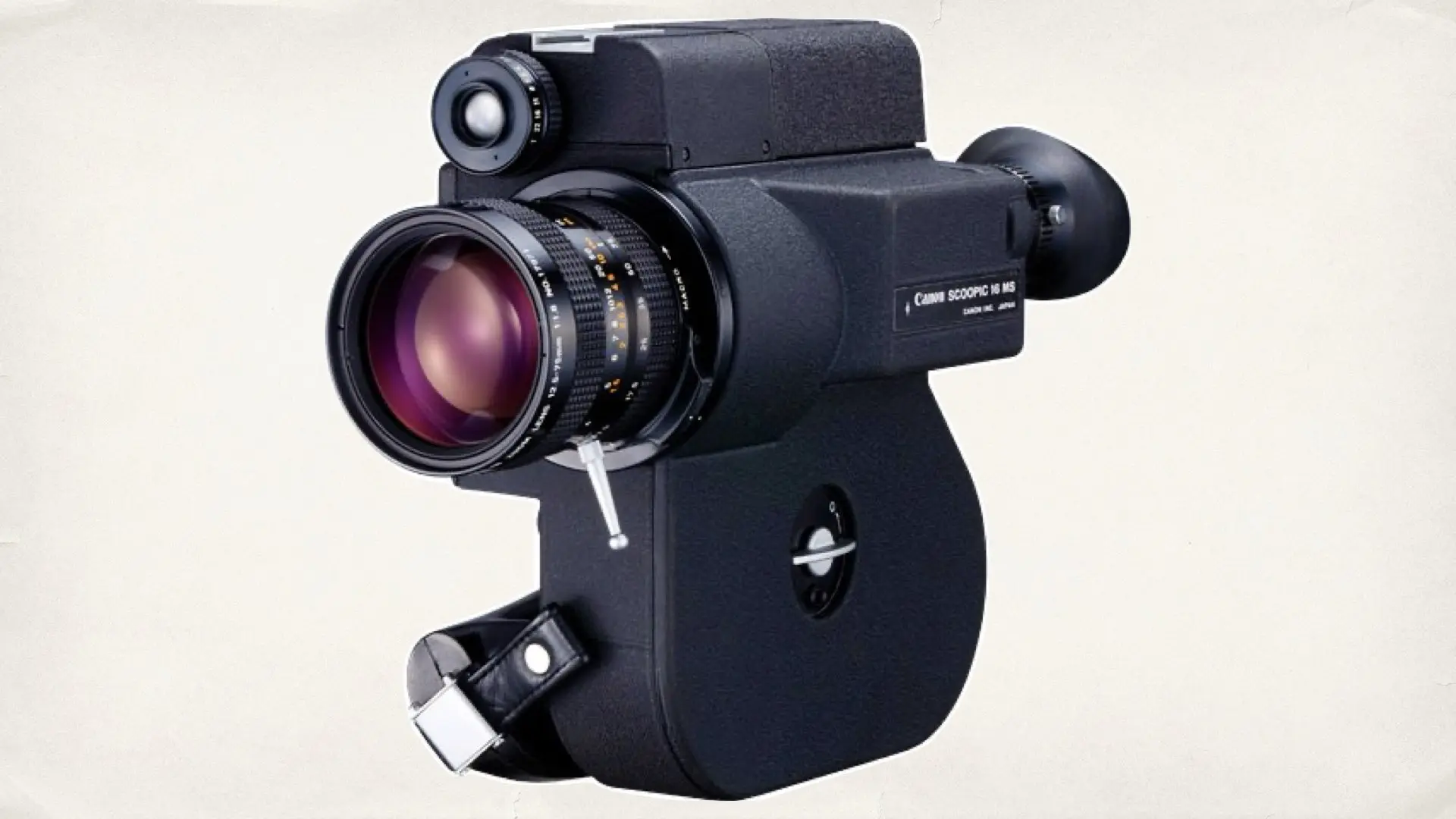
Canon Scoopic 16
At the same time, the production integrates a secondary visual layer through the use of 16 millimeter film on a Canon Scoopic. This camera is a deliberate contrast to the precision of the VENICE 2. The 16 millimeter footage introduces texture, imperfection, and a documentary feel that can evoke archival material or newsreel imagery. As the film spans three decades, this dual format approach allows the cinematography to shift between polished spectacle and historical realism. The clean, high-resolution, large-format image coexists with a raw, analog aesthetic, creating a richer visual narrative.
Wrapping up
Ultimately, the tools behind Michael reveal a broader shift in high-end cinematography. Large-format cameras and high-resolution sensors provide unprecedented image quality, but they also demand new approaches to storytelling. In this case, the solution is not to increase control, but to embrace complexity. By combining the VENICE 2 with a zoom-driven lens strategy and a handheld, multi-camera workflow, Dion Beebe constructs a system capable of capturing performance at its peak. The result is a film that treats cinematography as an active participant in the scene, shaping the experience in real time rather than imposing structure from the outside. We watched Michael in IMAX and absolutely loved it!