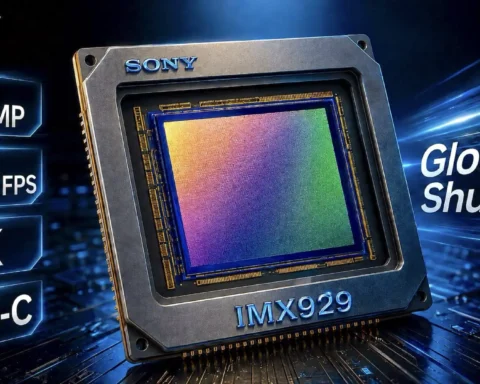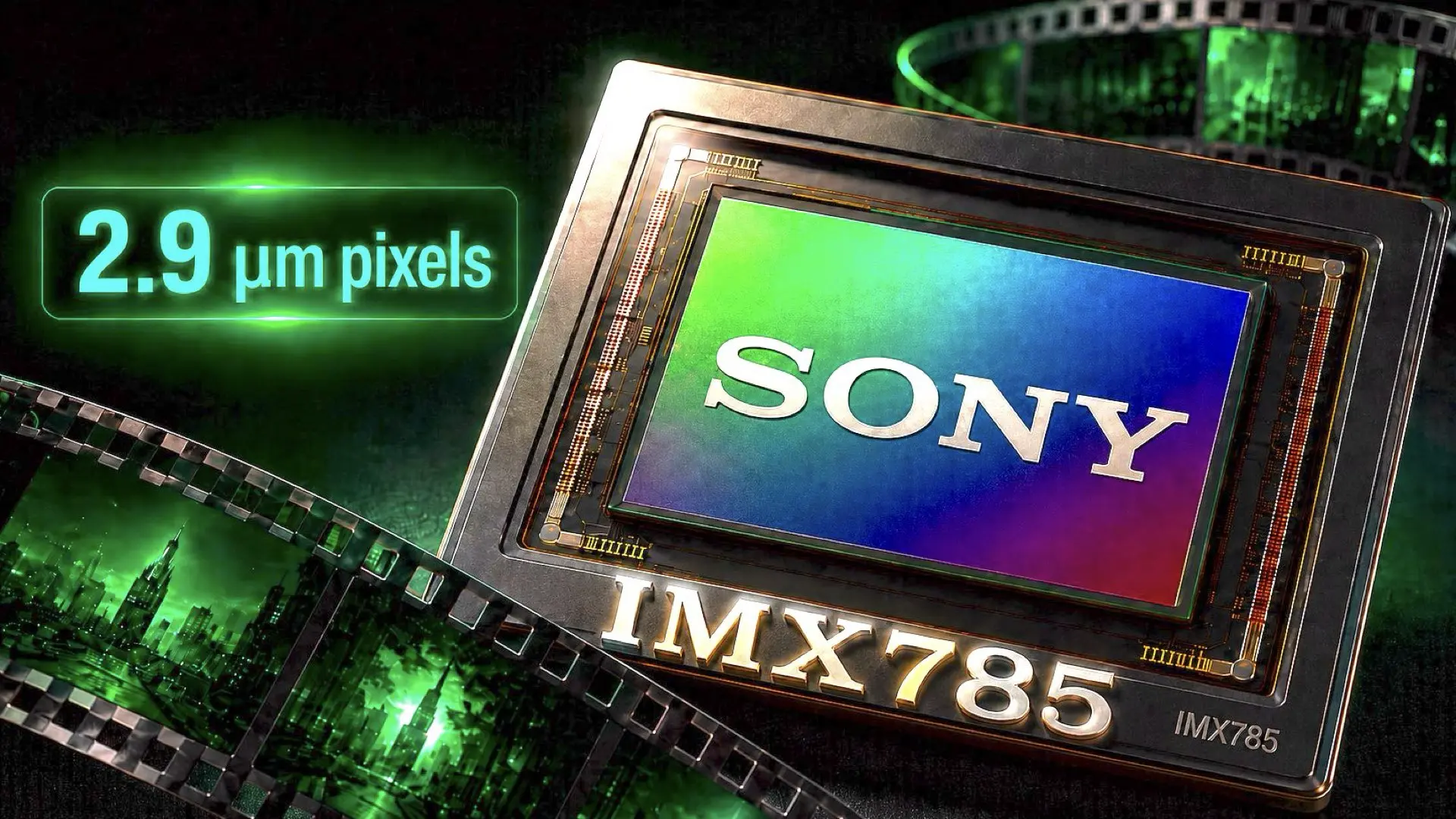
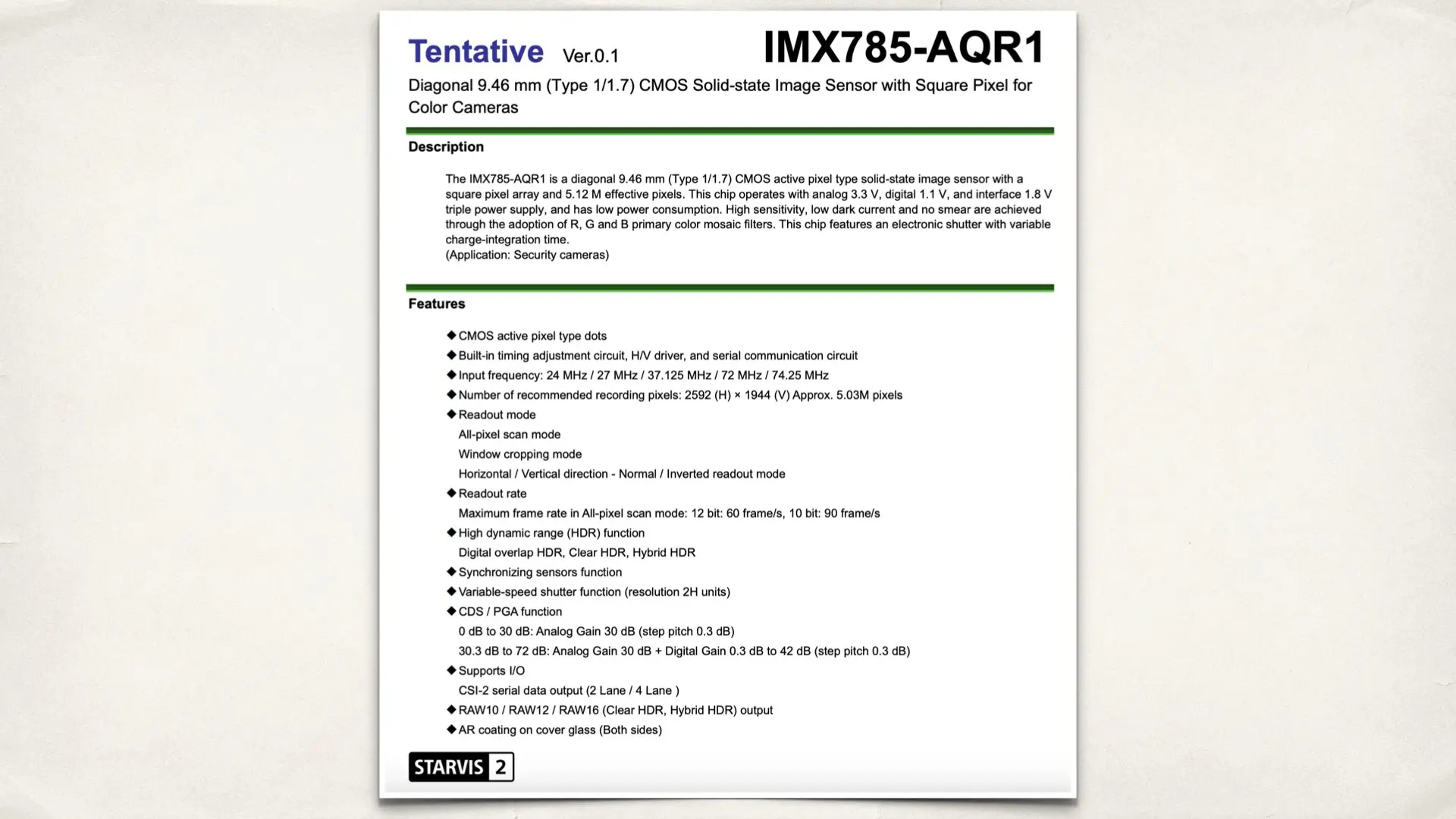
Sony Semiconductor Solutions has released product samples of the IMX785-AQR1, a Type 1/1.7 STARVIS 2 CMOS image sensor with approximately 5.12 megapixels. On paper, this is not a cinema sensor. Sony clearly defines the application as security cameras. But the interesting part remains the same one we pointed out earlier this year: the IMX785 does not chase resolution. It prioritizes larger pixels, sensitivity, HDR, and clean full-pixel readout. That makes it a security sensor with a surprisingly cinema-friendly pixel philosophy.
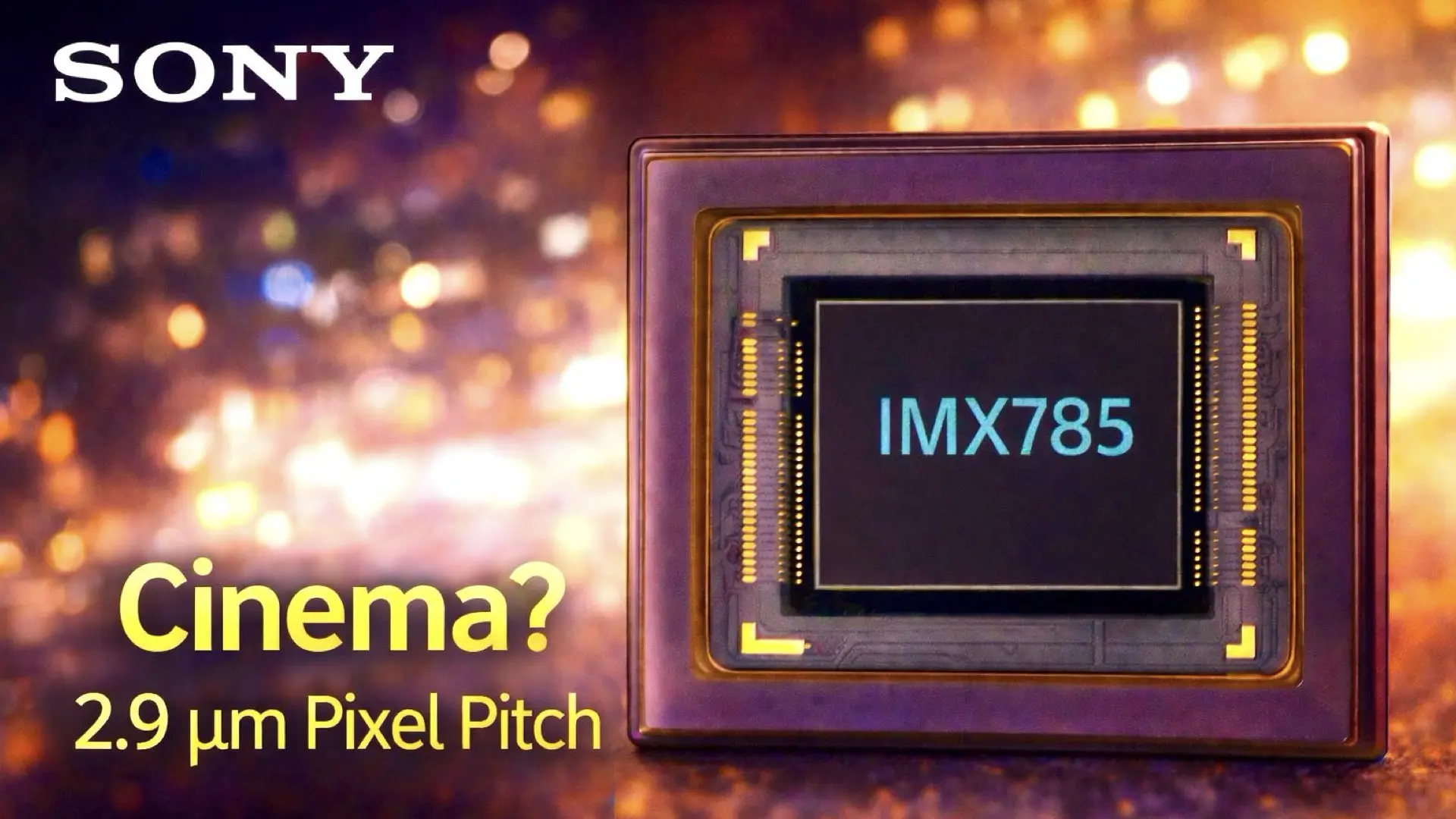
The IMX785 moves into sample release
Back in February, we asked whether Sony had built a cinema-friendly sensor by accident. The point was not that the IMX785 was designed for cinema cameras. It was not. The point was that its engineering priorities looked much closer to what cinematographers care about than what the current megapixel race usually promotes. Now, Sony has moved the sensor into a product sample release. The new flyer identifies the part as IMX785-AQR1, a diagonal 9.46 mm Type 1/1.7 CMOS active pixel image sensor for color cameras. It features approximately 5.12 million effective pixels, a recommended recording resolution of 2592 x 1944, and a 2.9 μm pixel pitch. The sensor supports all-pixel scan, window cropping, normal and inverted readout, and CSI-2 output with RAW10, RAW12, and RAW16 modes for Clear HDR and Hybrid HDR workflows. That does not make it a cinema camera sensor. But it does make it technically interesting.
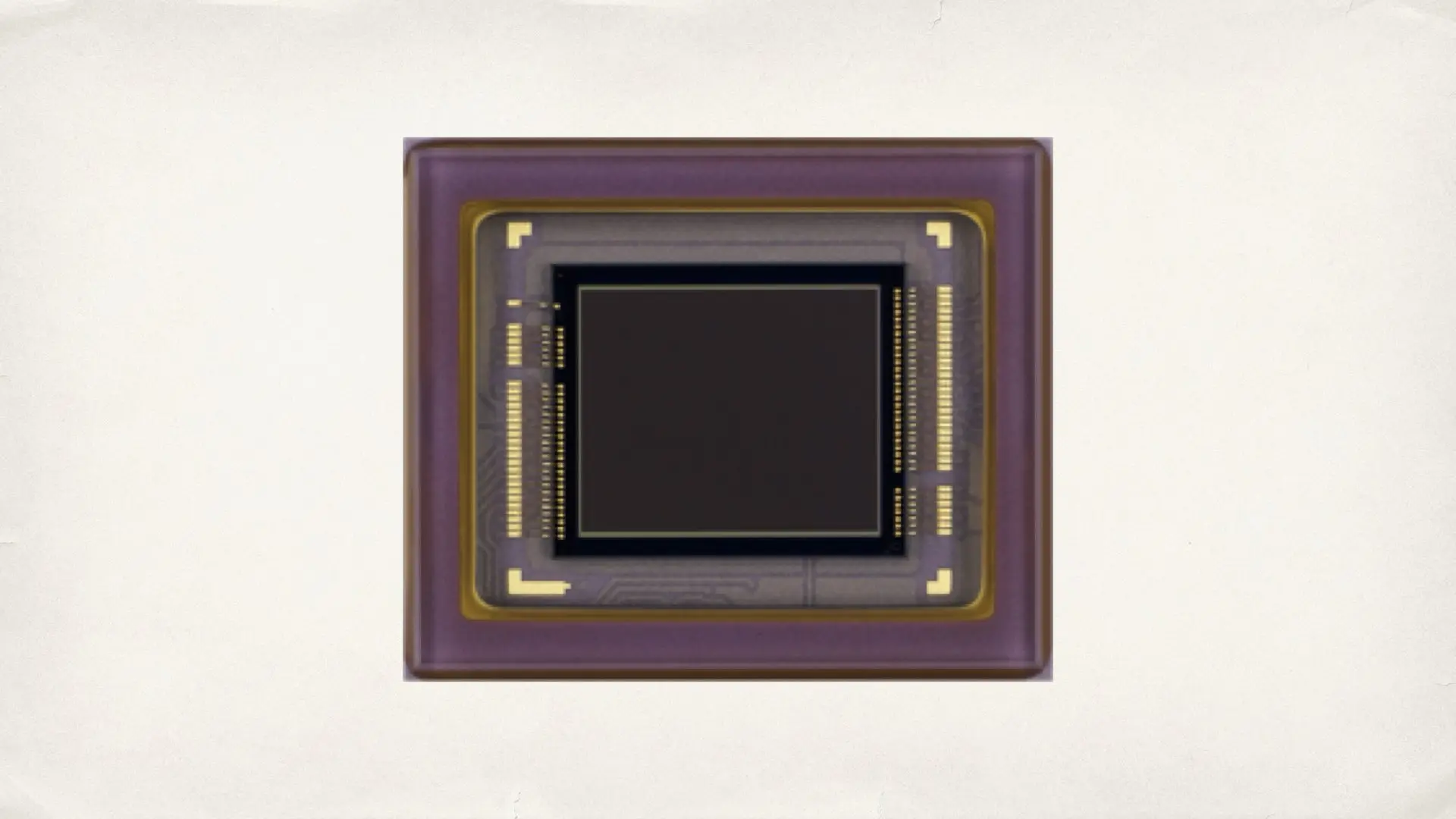
Fewer pixels, better pixels
The IMX785 is a 5MP sensor in a world obsessed with 50MP, 100MP, and 200MP labels. That alone makes it unusual. Modern flagship smartphone sensors often rely on extremely high pixel counts, pixel binning, computational stacking, and heavy processing to deliver clean images from very small photosites. The IMX785 goes in the opposite direction. Instead of squeezing more pixels into the same area, Sony gives this sensor 2.9 μm pixels. That is the core of the story. Bigger pixels can collect more photons per exposure. More collected light can improve signal-to-noise ratio, low-light behavior, and highlight handling. These are not marketing specs. These are image-quality fundamentals. That is why the IMX785 feels cinema-friendly. Cinema cameras are rarely judged by megapixels alone. They are judged by dynamic range, tonal behavior, highlight retention, noise floor, motion cadence, and color stability. The IMX785 was built for security cameras, but the physics behind its design overlap with many of those same priorities.
STARVIS 2 and HDR are the real story
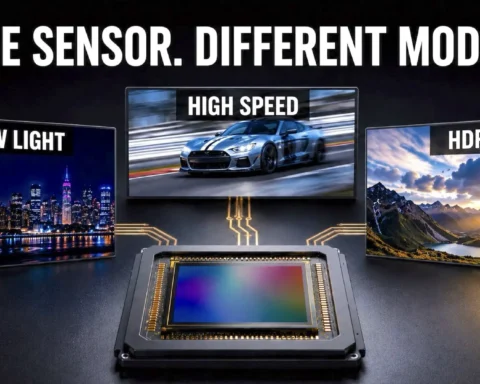
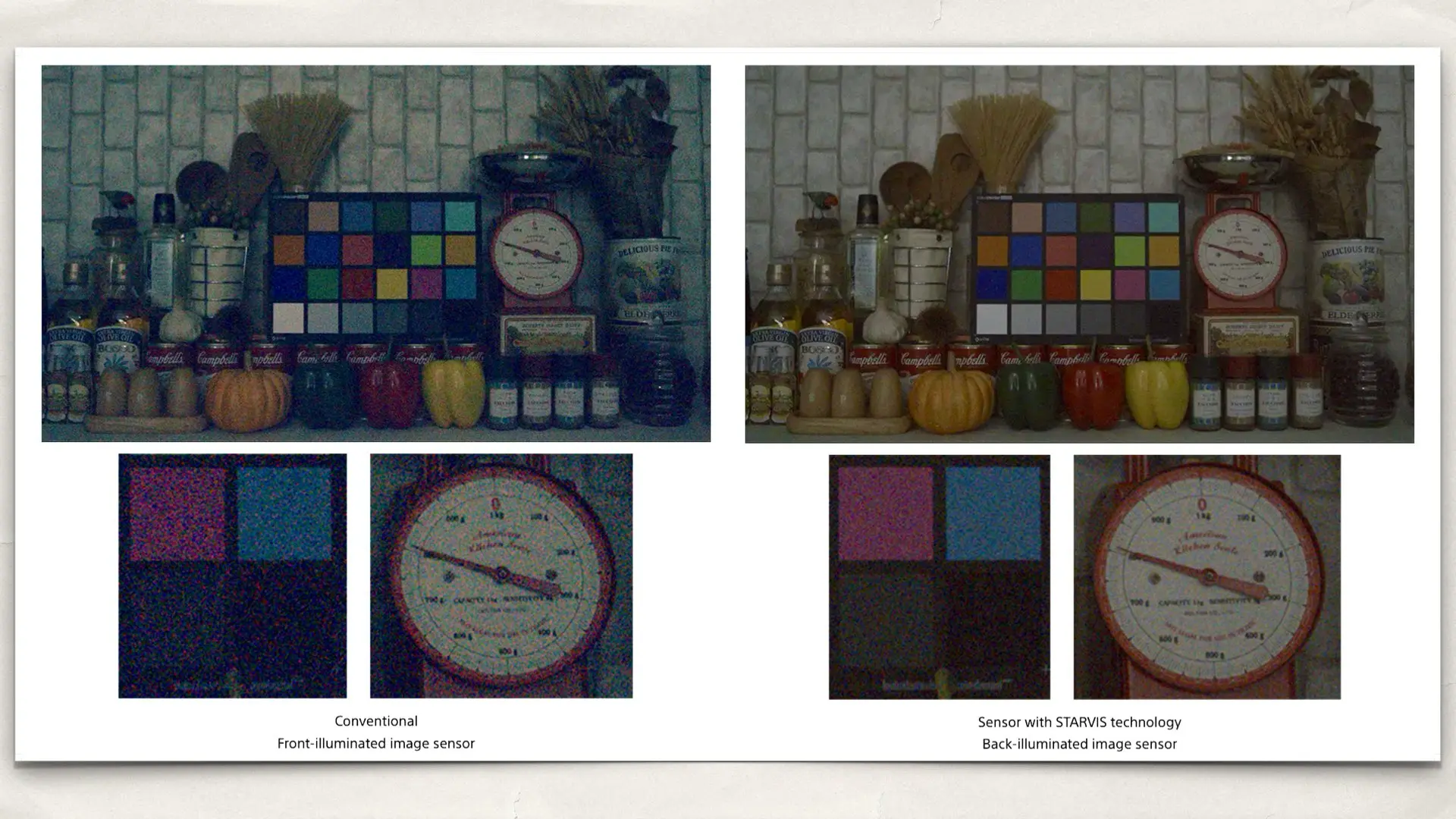
The IMX785 uses Sony’s STARVIS 2 technology, which Sony describes as back-illuminated pixel technology for security camera CMOS image sensors. The flyer states that STARVIS 2 delivers a sensitivity of 2000 mV or more per 1 μm² and provides more than 8 dB wider dynamic range than STARVIS at the same pixel size in a single exposure. That is important because security cameras and cinema cameras share one brutal challenge: uncontrolled light. Security cameras must deal with headlights, street lamps, dark corners, backlit entrances, and harsh contrast. Cinema cameras must preserve faces, skies, practical lights, shadows, and mixed lighting without falling apart. The creative goals are different, but the sensor-level demands can be surprisingly similar. Sony also gives the IMX785 several HDR options: Digital Overlap HDR, Clear HDR, and Hybrid HDR. The sensor can output up to 90 fps in 10-bit all-pixel mode, or 60 fps in 12-bit all-pixel mode. Again, this is not a cinema workflow sensor. But the direction is familiar: prioritize exposure flexibility, usable dynamic range, and clean readout over headline resolution.
Why is it not a flagship mobile sensor?
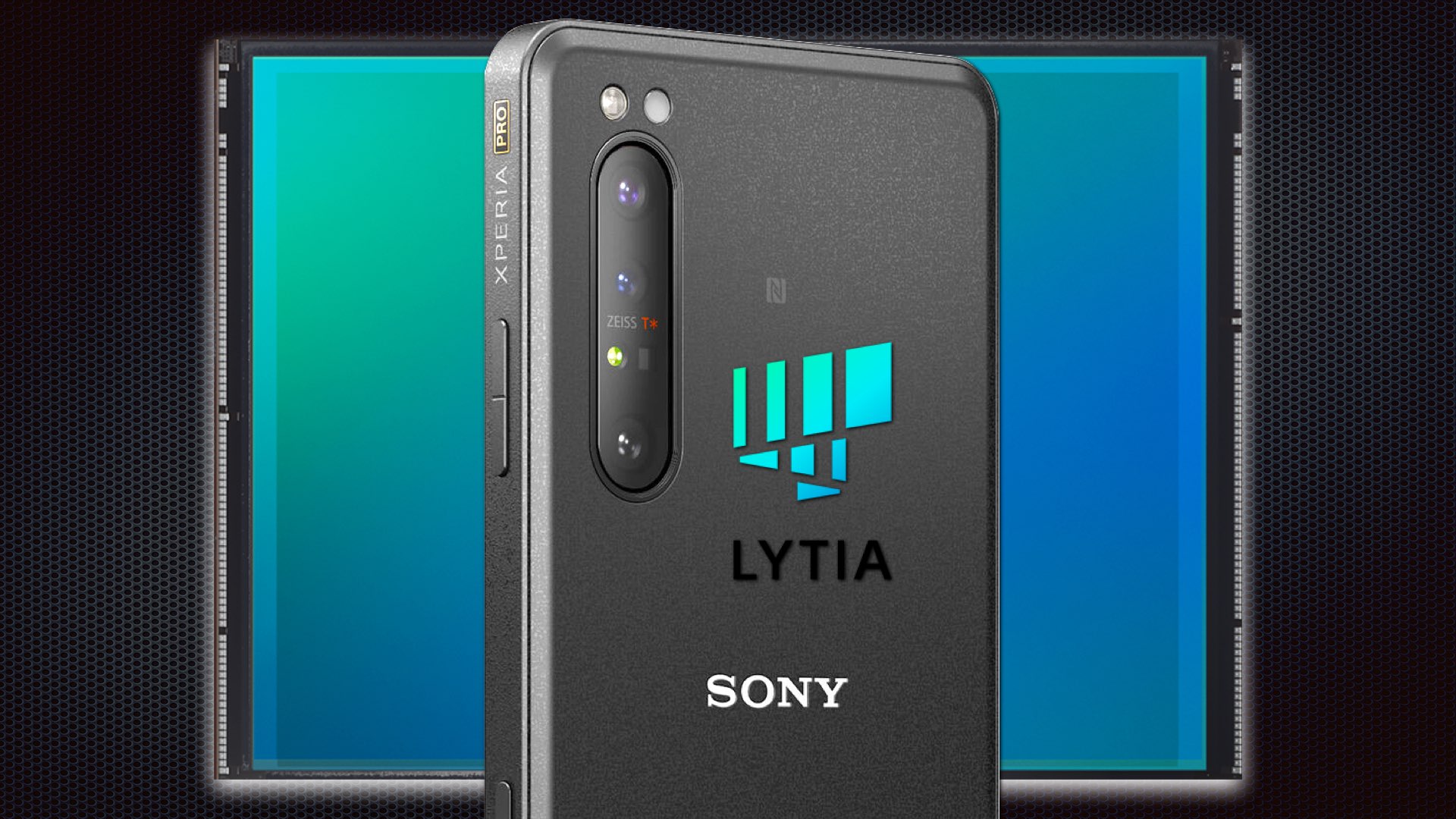
The IMX785 should not be confused with Sony’s LYTIA mobile sensor strategy. A 5MP sensor is not a realistic main camera for a flagship smartphone in 2026. Flagship mobile devices need high-resolution stills, crop flexibility, digital zoom, aggressive computational photography, and a marketing story that consumers immediately understand. The IMX785 is different. It is designed for security applications, where reliability, sensitivity, HDR performance, and visible plus near-infrared image quality matter more than megapixel branding. Sony’s flyer explicitly lists the application as security cameras. That actually strengthens the point. The IMX785 is interesting because it does not behave like a mobile sensor. It behaves like a small-format sensor built around light efficiency and dynamic range.
The cinema-friendly philosophy
The IMX785 will probably never sit inside a cinema camera. But it reflects a principle cinematographers understand very well: more pixels are not always better pixels. A restrained 5MP resolution, large 2.9 μm photosites, STARVIS 2 sensitivity, multiple HDR modes, 12-bit readout at 60 fps, and full-pixel scanning all point toward one idea. Sony is not trying to win the resolution race here. It is trying to build a small sensor that can see better in difficult conditions. That is why the IMX785 deserves attention from filmmakers and camera geeks, even though its actual market is surveillance. It is a reminder that the most meaningful sensor progress is not always measured in megapixels. Sometimes it is measured in sensitivity, latitude, readout quality, and how much usable image data can be extracted from every pixel.
Final thoughts
Sony’s IMX785-AQR1 sample release does not change the identity of the sensor. It remains a STARVIS 2 security camera sensor. But it gives the previous discussion a firmer foundation. The sensor is now moving into the sample stage, and the official flyer confirms the exact specs that made it interesting in the first place. The IMX785 is not a cinema sensor. It is not a flagship mobile sensor. It is a security sensor with cinema-friendly priorities: fewer pixels, larger photosites, HDR flexibility, and an emphasis on light rather than resolution. In a camera world still addicted to megapixel escalation, that is the part worth paying attention to.