
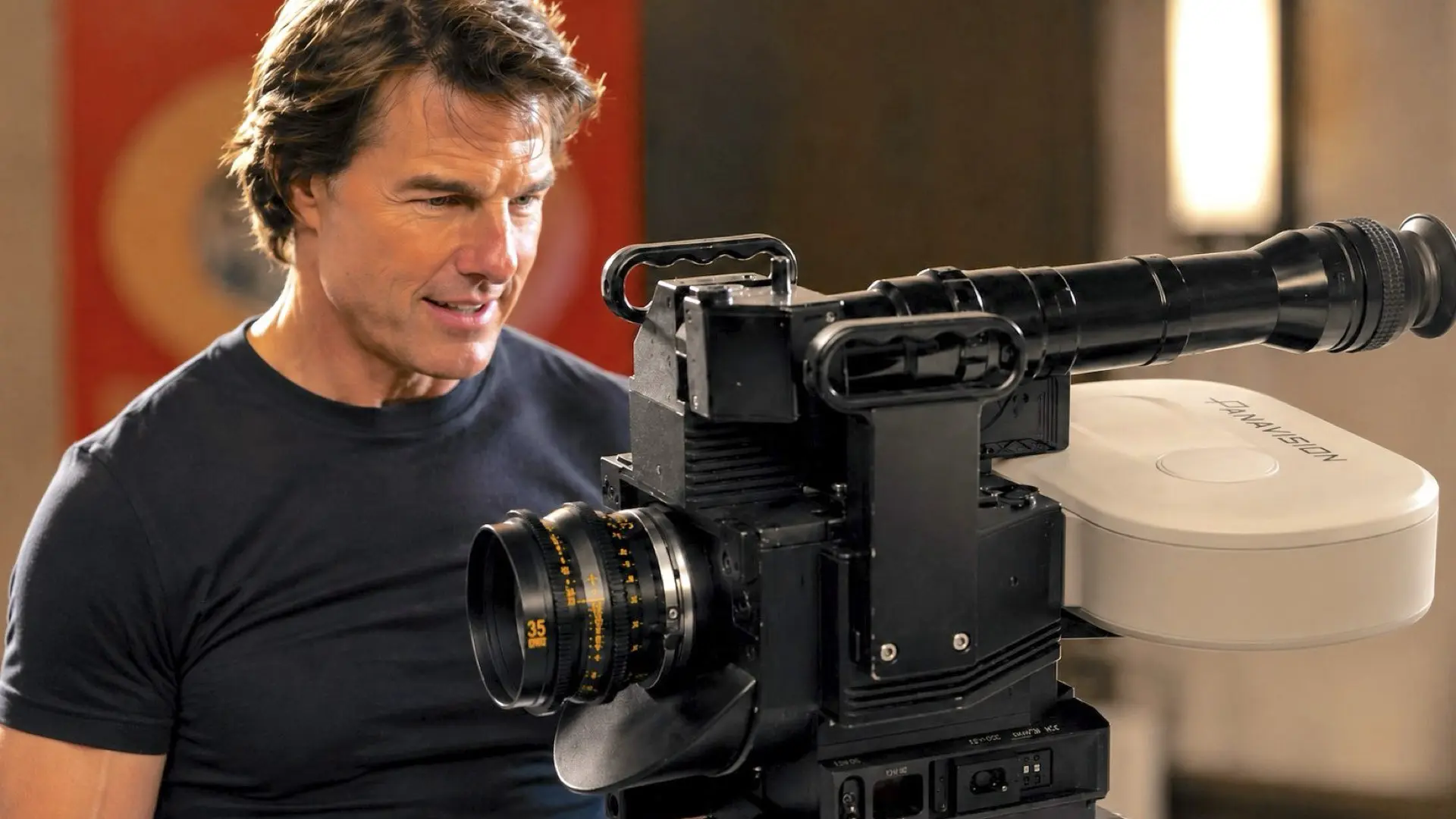
Tom Cruise has spent decades working with some of cinema’s largest film formats, from 65mm on Far and Away to IMAX film cameras on Mission: Impossible – Ghost Protocol. In a recent discussion with film journalist Kevin McCarthy, Cruise revisits that history while standing beside a Beaumont VistaVision camera and explains why large-format cinematography continues to interest him. The conversation is particularly relevant now. Cruise’s upcoming film Digger, directed by Alejandro G. Iñárritu and photographed by Emmanuel “Chivo” Lubezki, was shot entirely in VistaVision. Warner Bros. describes the production as a VistaVision feature that will be released theatrically and in IMAX in October 2026.
Standing beside a Beaumont VistaVision camera
One of the most interesting parts of the video is the camera itself. Cruise and McCarthy are standing beside a Beaumont VistaVision camera, a machine designed around the distinctive horizontal 35mm film transport used by VistaVision. Conventional 35mm motion-picture cameras normally move the film vertically through the gate. VistaVision turns that geometry by 90 degrees. The 35mm film travels horizontally, allowing each image to occupy an area eight perforations wide. That is why VistaVision is commonly described as an 8-perf horizontal 35mm format. The resulting negative is considerably larger than a standard 4-perf 35mm motion-picture frame. A larger image area can capture more photographic information and produce finer grain and greater apparent image detail, particularly when the image is enlarged for theatrical presentation. The system originated at Paramount in the 1950s and was internally associated with the “Lazy 8” concept: horizontal film movement combined with an eight-perforation-wide frame. White Christmas, released in 1954, became the first feature photographed using the process.
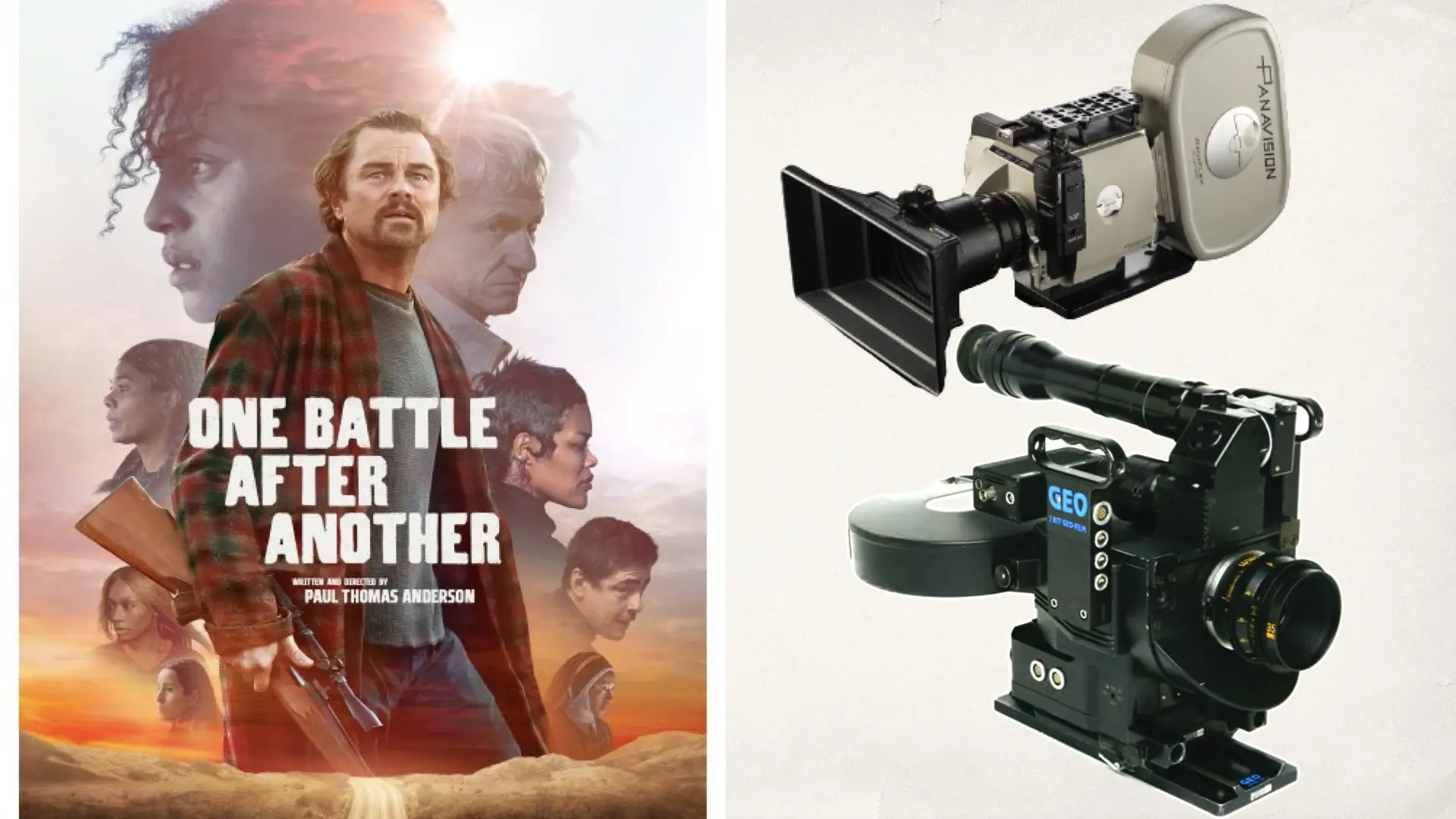
Why VistaVision is different from normal 35mm
The important distinction is not simply that VistaVision uses 35mm film. It uses much more of that film for every frame. In standard 35mm cinematography, the film travels vertically and each frame occupies a relatively narrow section of the strip. With VistaVision, the film runs sideways and the exposed image stretches across eight perforations. In practical terms, VistaVision attempts to obtain some of the imaging advantages associated with larger film formats while continuing to use 35mm film stock. The native VistaVision frame is approximately 1.5:1, although productions can compose and extract different theatrical aspect ratios from that negative. Modern digital scanning also makes the large negative particularly useful because considerably more information can be extracted from the original film than was possible during VistaVision’s first era.
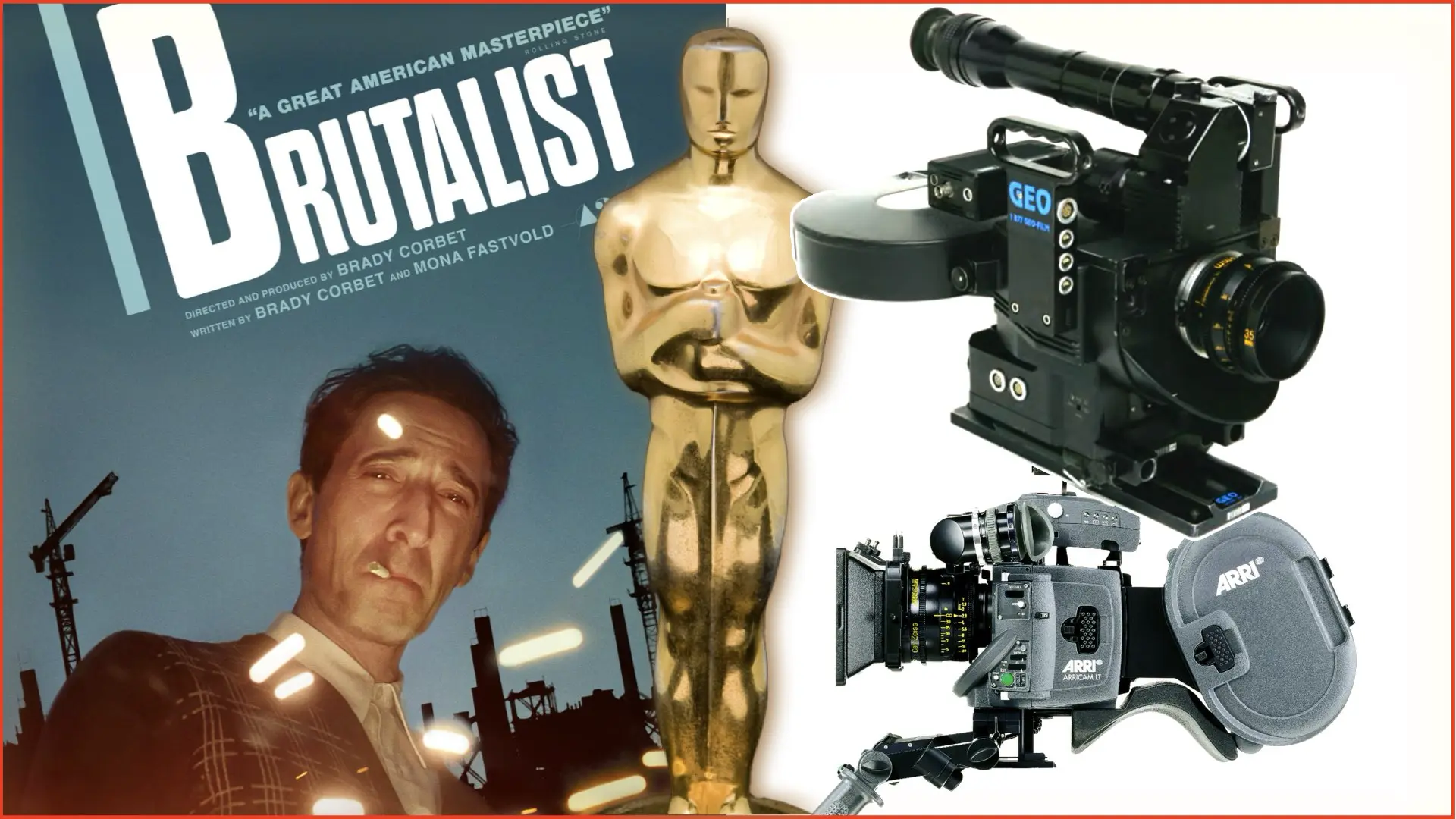
VistaVision returns with Digger
The format has become especially relevant again because of Digger. The Alejandro G. Iñárritu film stars Cruise and was photographed by Emmanuel Lubezki. Warner Bros. states that the movie was shot entirely in VistaVision. Available technical information lists the Beaumont VistaVision Camera as part of the production equipment, while the cinematography also involved specially adapted Leica-based optics. Iñárritu has described the choice in terms of giving cinema physical scale, while Cruise has emphasized the handcrafted visual quality produced by the format and lenses. This is therefore more than a historical discussion about an obsolete camera system. Cruise is standing next to technology derived from the original VistaVision era while promoting a contemporary production built around that same fundamental photographic architecture.
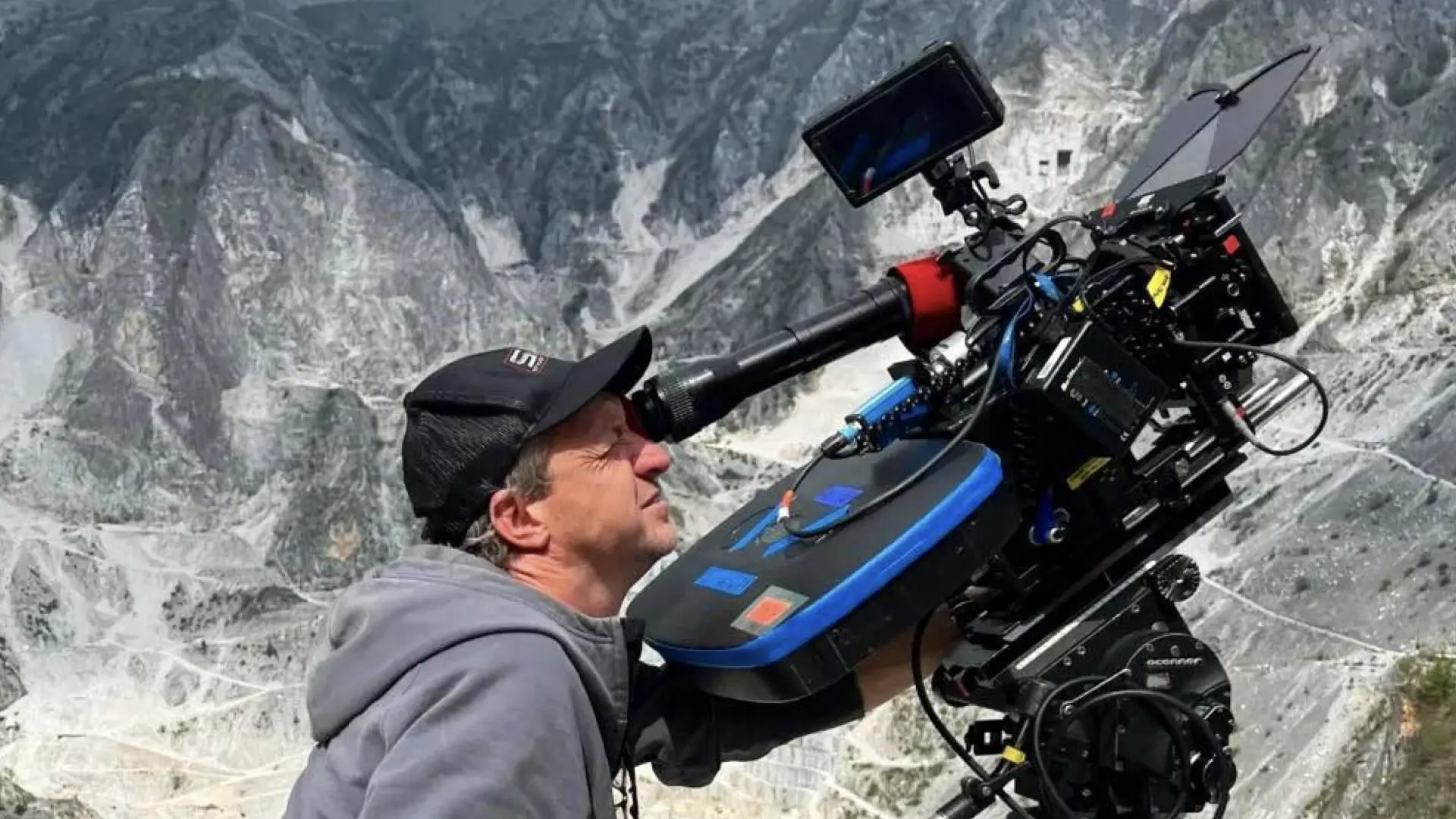
Cruise was working with large format decades earlier
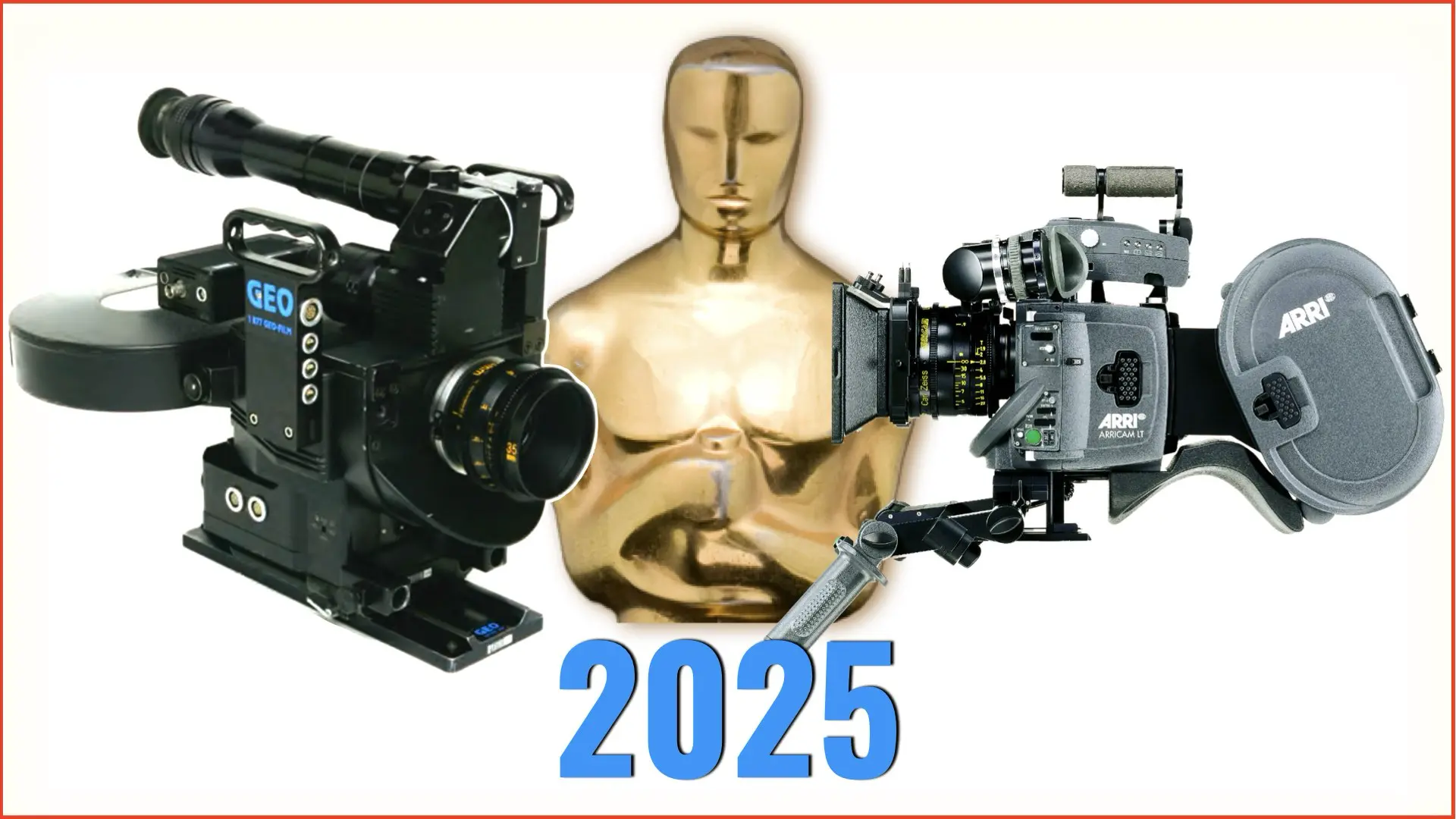
Cruise’s association with large-format film predates Digger by more than three decades. In 1992, Ron Howard’s Far and Away, starring Cruise and Nicole Kidman, became an important modern 65mm production at a time when shooting major narrative features on 65mm had become extremely uncommon. Cinematographer Mikael Salomon, ASC photographed the movie primarily using Panavision 65mm systems, with the production also employing the ARRIFLEX 765. The significance of 65mm follows essentially the same photographic principle as VistaVision: increase the physical area available to record the image. A 65mm camera negative is substantially larger than 35mm. That gives cinematographers the potential for very high image resolution, fine grain structure and a different relationship between focal length, field of view and depth of field. According to the American Society of Cinematographers’ historical account of the production, Far and Away represented the first theatrical feature principally produced in 65mm after more than two decades without a comparable major production.
65mm versus 70mm
The terminology can be confusing. 65mm generally describes the film used for image acquisition inside the camera. 70mm traditionally refers to the wider release-print format. The additional film width was historically used to accommodate soundtrack information. Thus, when discussing the cinematography of movies such as Far and Away, 65mm is the relevant acquisition format even though audiences may associate the resulting presentation with “70mm.” Modern workflows complicate this distinction somewhat because footage can be scanned, digitally finished and distributed in many different formats, but the basic historical distinction remains useful.
VistaVision and 65mm solve similar problems differently
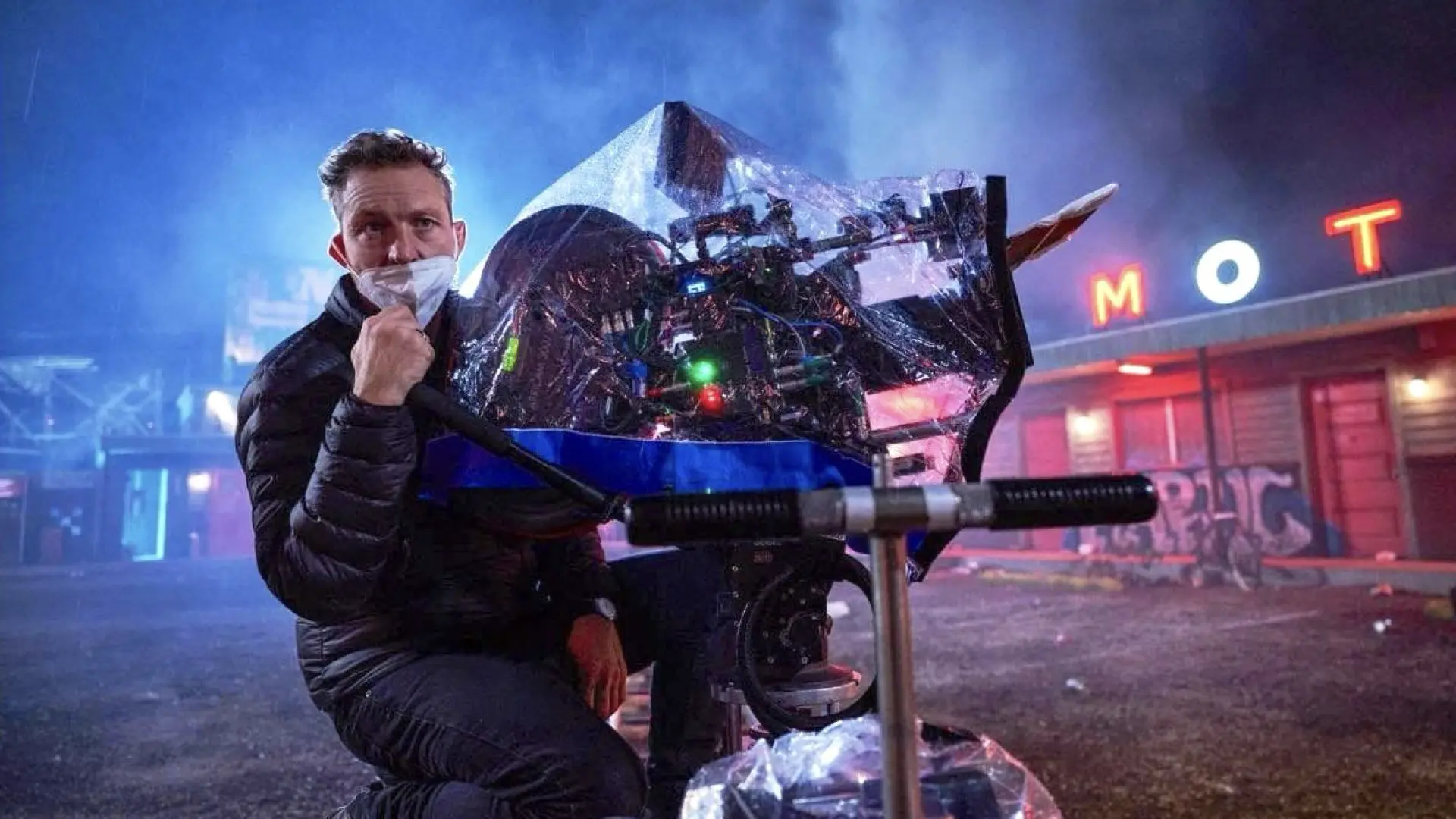
VistaVision and 65mm are not the same format, but philosophically they are closely related. Both increase the physical area used to photograph each image. VistaVision accomplishes this by taking conventional 35mm stock and moving it horizontally through an 8-perf gate. 65mm instead uses physically wider film. Both approaches were developed around the idea that a larger original image could withstand substantial enlargement while retaining detail and reducing the visible structure of the film grain. That becomes particularly relevant on very large cinema screens.
Then came IMAX
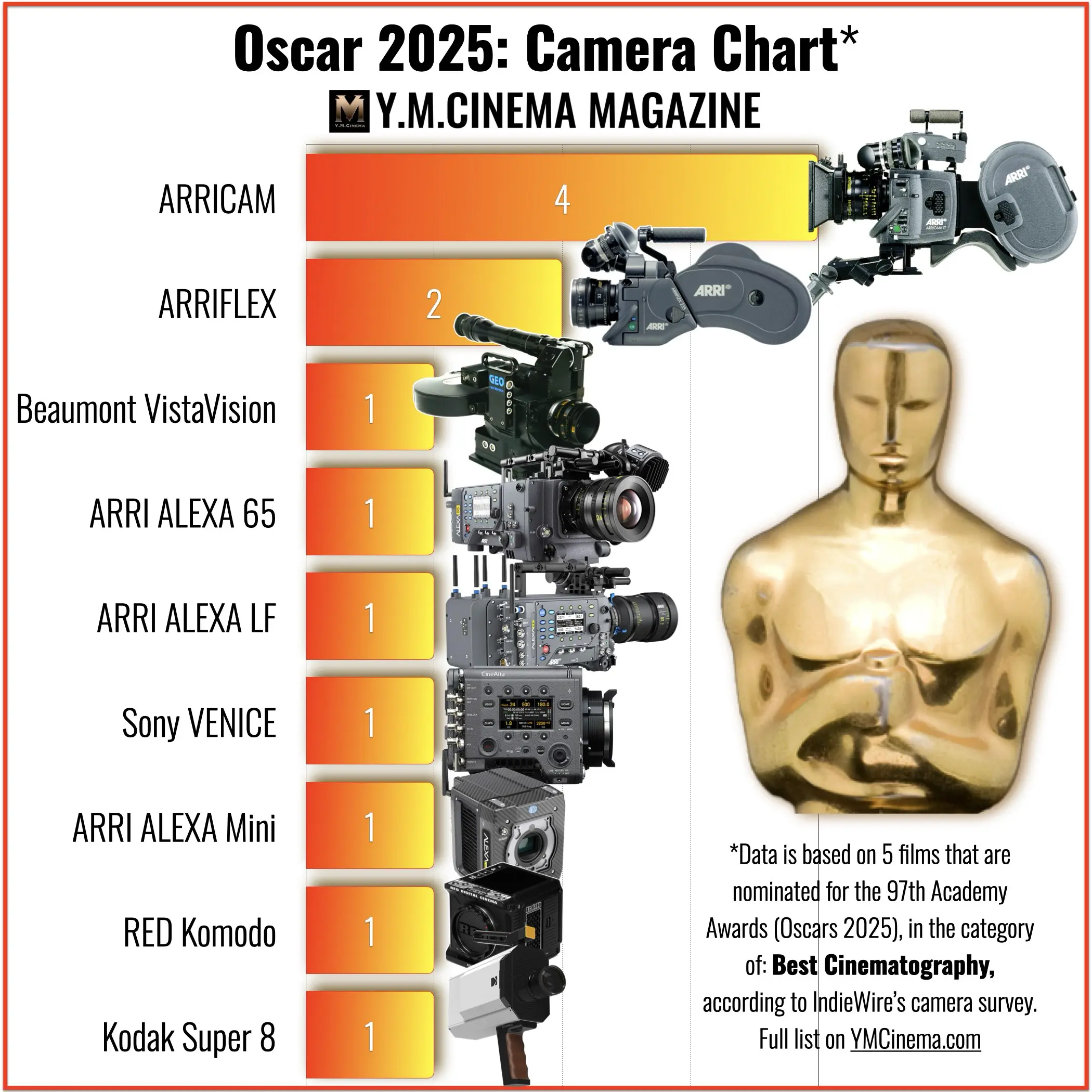
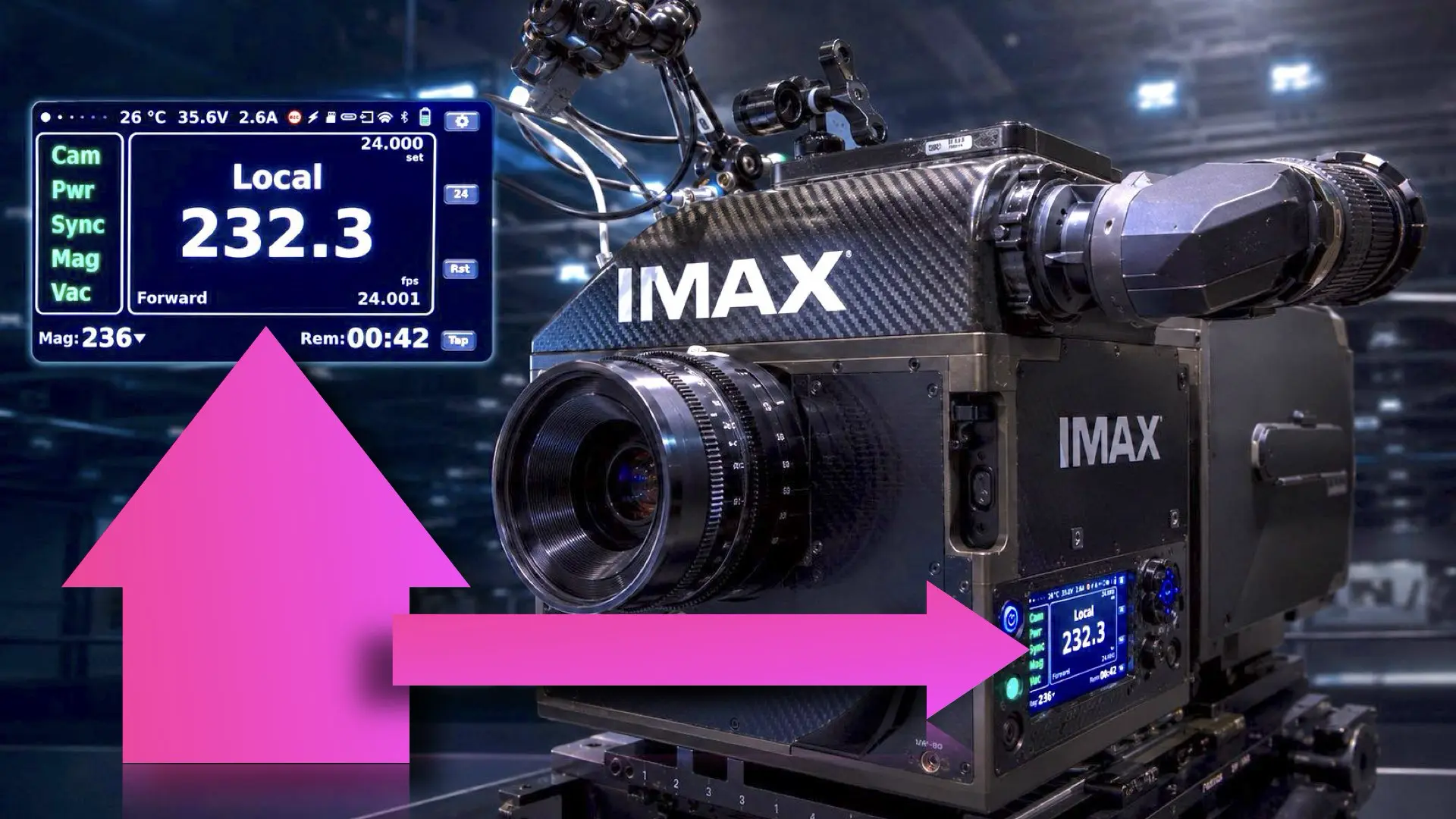
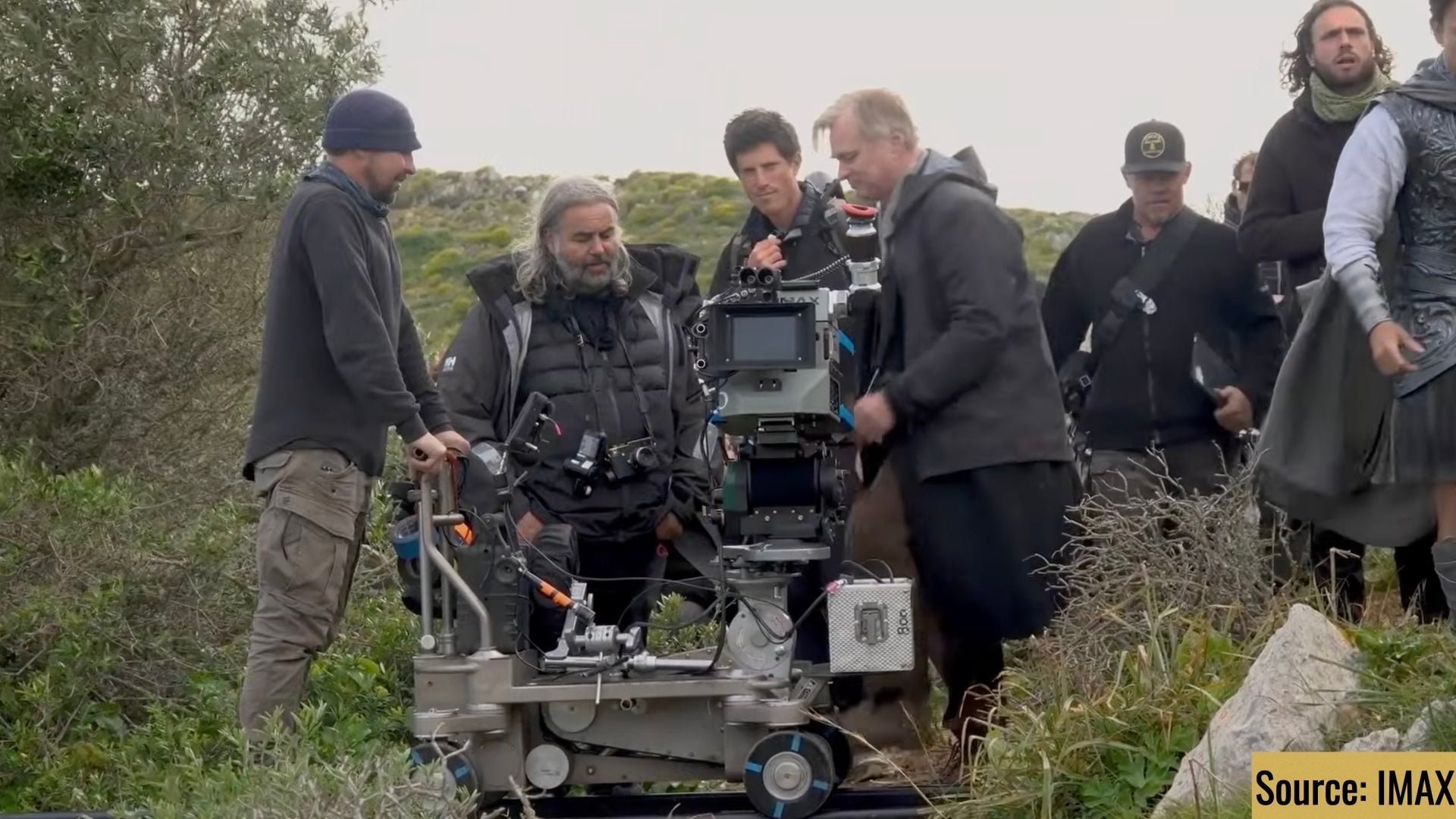
Cruise’s large-format history continued with Mission: Impossible – Ghost Protocol, directed by Brad Bird. Sections of the movie were photographed using IMAX film cameras, including major sequences designed specifically around the larger presentation format. Approximately 30 minutes of the finished film used IMAX-originated photography. Traditional IMAX film takes the large-negative concept considerably further. It uses 65mm film running horizontally through the camera, exposing a frame 15 perforations wide. The resulting 15-perf 65mm IMAX negative has an enormous image area compared with conventional 35mm cinematography. The release format commonly known as IMAX 70mm subsequently uses 70mm prints. It is therefore possible to see a technological progression in Cruise’s filmography: 35mm VistaVision: 8-perf horizontal 35mm 65mm: large-format 65mm negative IMAX: 15-perf horizontal 65mm They are technically different systems, but each is based on increasing the amount of photographic area available for every captured frame.
Why use so much film?
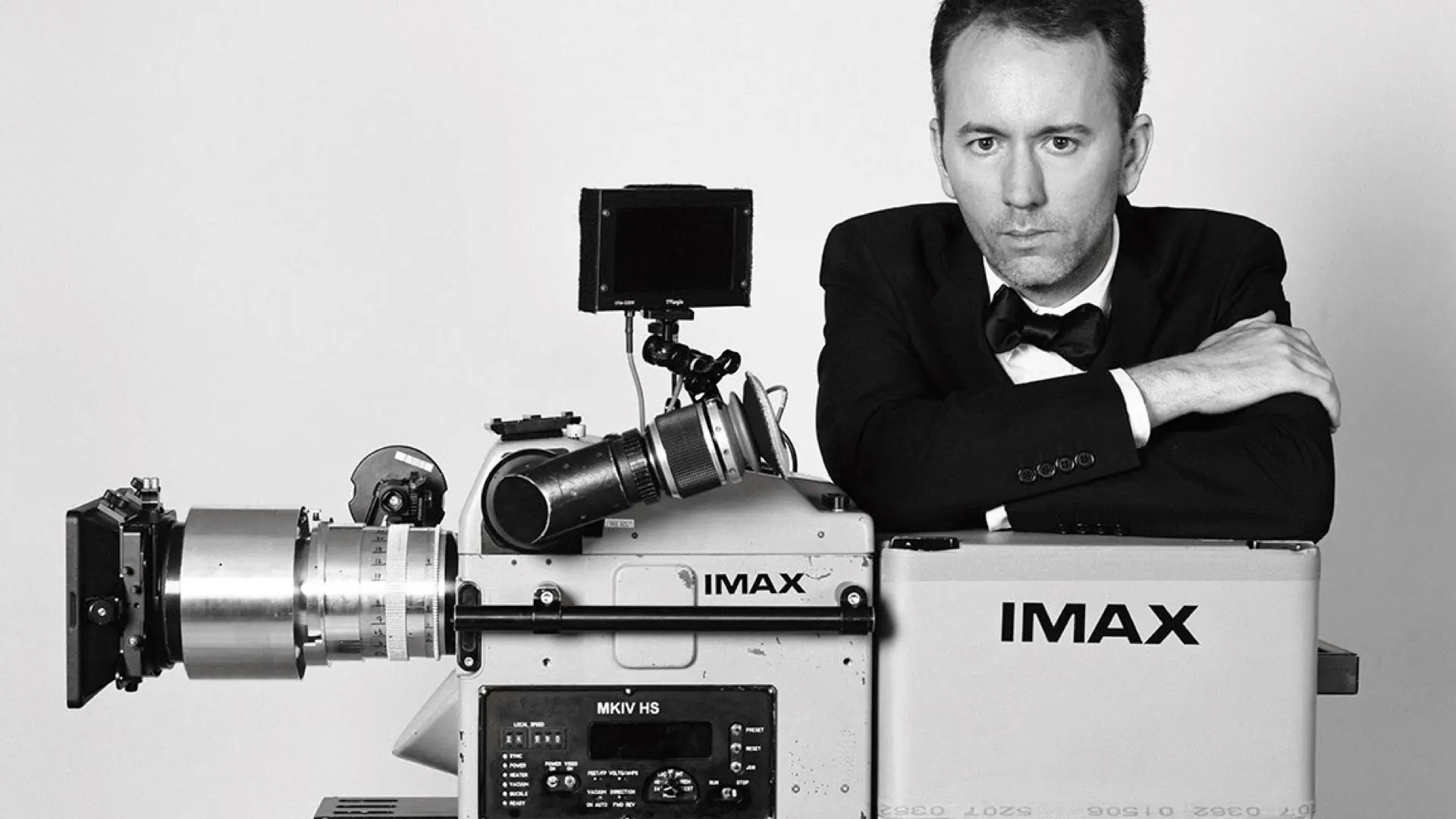
There is an obvious disadvantage: large formats consume significantly more film. An 8-perf VistaVision camera uses roughly twice as much 35mm negative per frame as conventional 4-perf photography. IMAX 15-perf consumes substantially more 65mm film because each frame is extremely large. The cameras can also be larger, heavier and mechanically more complicated. Film magazines run through their loads faster, while processing, scanning and handling requirements increase accordingly. The advantage is image area. When a filmmaker intends an image for a very large theatrical screen, increasing negative size provides considerably more original photographic information from which to create that image.
Large format is about more than resolution
It is tempting to reduce the discussion to resolution, but large-format cinematography changes several characteristics simultaneously. A larger capture area affects lens selection and framing. To obtain the same field of view as a smaller format, the cinematographer generally uses a longer focal length. That can influence perspective, depth of field and the visual relationship between a subject and the surrounding environment. Large formats can therefore produce an image that feels different even before discussing measurable resolution. This is why filmmakers repeatedly return to these formats despite their logistical disadvantages. The purpose is not simply to create a technically sharper picture. It is to change how the image occupies a cinema screen.
A consistent large-format thread through Cruise’s career
The most interesting element in Cruise and McCarthy’s conversation is therefore the continuity. Far and Away explored 65mm cinematography in 1992. Mission: Impossible – Ghost Protocol incorporated IMAX film photography almost two decades later. And Digger now returns to the horizontal 8-perf VistaVision architecture that dates back to the 1950s. The equipment has changed, lenses have evolved, modern film stocks are considerably more capable and contemporary productions can scan the negative into sophisticated digital intermediate workflows. But the underlying concept is remarkably consistent: start with a physically larger image and preserve as much photographic information as possible for the cinema screen. That is what connects the Beaumont VistaVision camera standing beside Cruise in the video with 65mm photography and IMAX film cameras used throughout his career.






If you would have told me ten years ago that a new film would be shot entirely in VistaVision I would have called you crazy. I am amazed and happy to see large format film continue to be utilized by filmmakers.
A decade ago, a full VistaVision production would have sounded almost impossible. What’s especially interesting is that the format is returning not as nostalgia, but as a practical creative choice for modern large format cinematography.
Exactly! As much as I love the nostalgic aspect, it’s exciting to see filmmakers realizing that it really is a practical format to use. I hope this film will encourage others to start using the format again.
Vista Vision is the sleeping wolf! Such an interesting format, saying as an 1570mm ultra)).
1. 8/35mm has an easy clear enormous 8K resolution image, small grain structure, pure comfort
2. It has 1.5 ratio and it’s even ideally suited, for inexpensive film productions using optical printing on 70mm IMAX prints, achieving a significantly higher resolution than any digital production, which is severely limited by 4K DI post-production. No joke, but a proper true baby-IMAX format.
It’s interesting that you call it “baby-IMAX”, because it is that. But VistaVision came first, and I remember when I first heard about IMAX, and it being a horizontal format on 70mm. My first thought was, “Oh cool! It’s VistaVision 70!” And ever since then, in my mind, I’ve always thought of IMAX as “VistaVision 70”. Of course IMAX couldn’t call it that, since Paramount owns VistaVision, but that really is what it is.