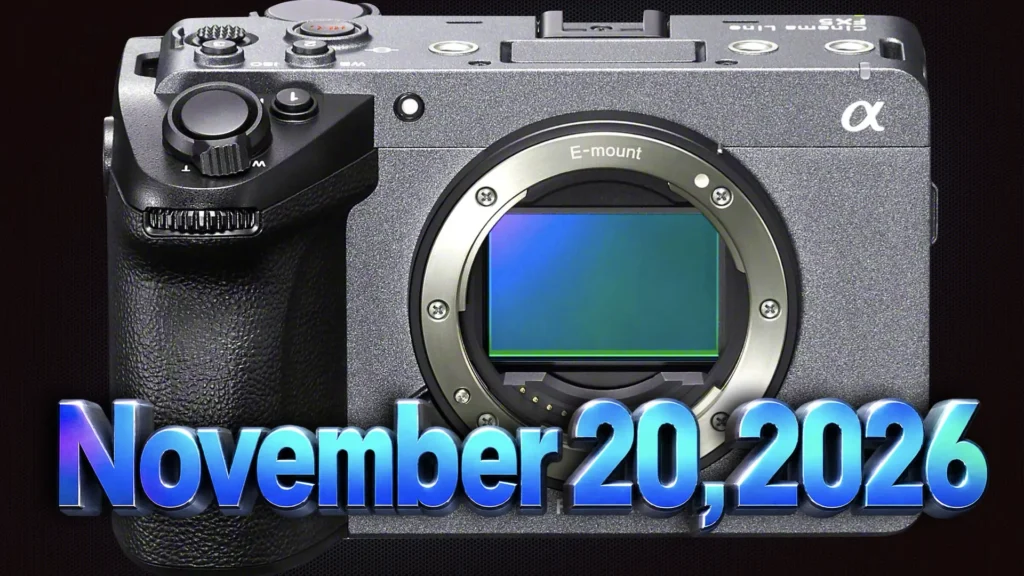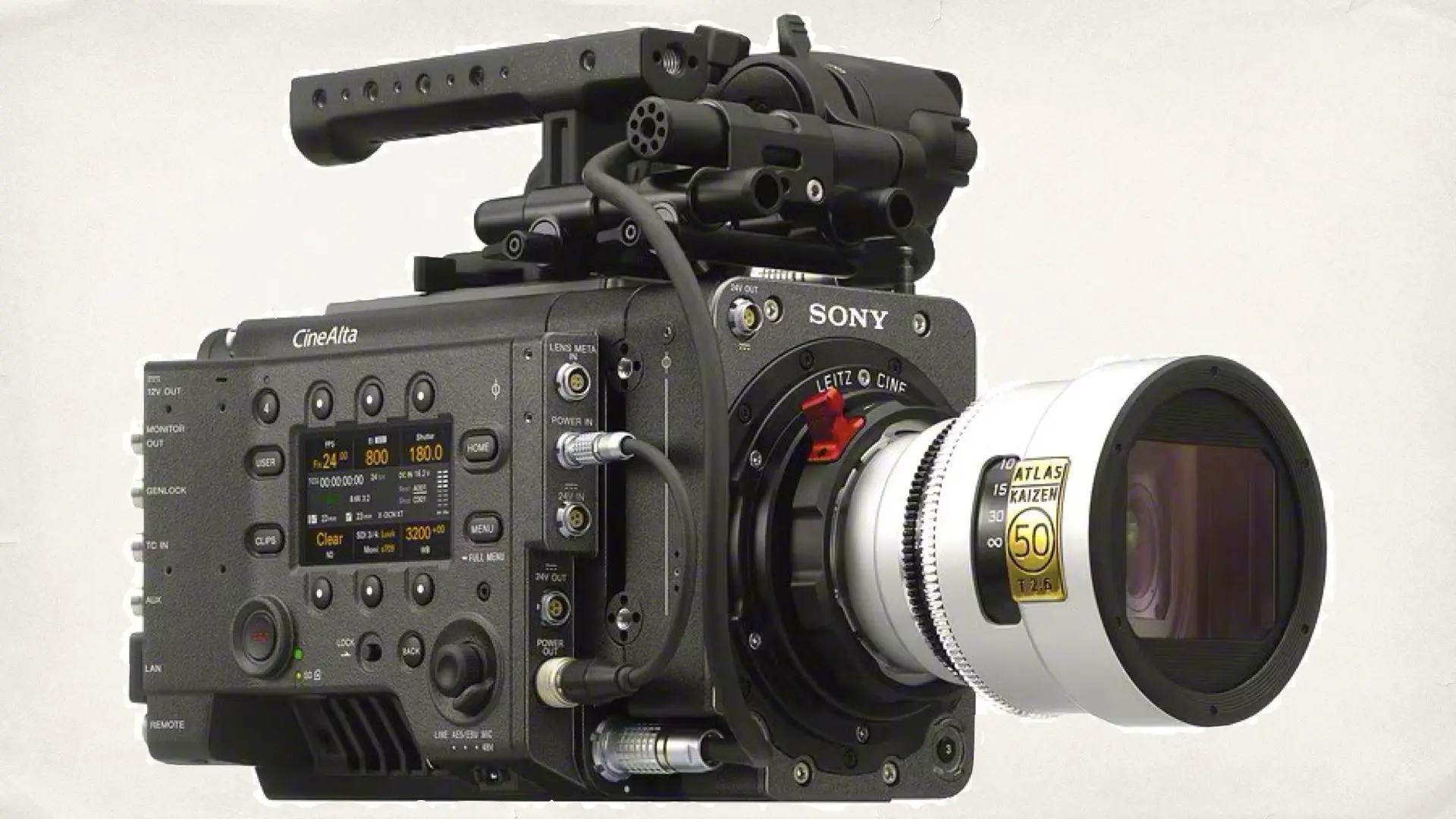
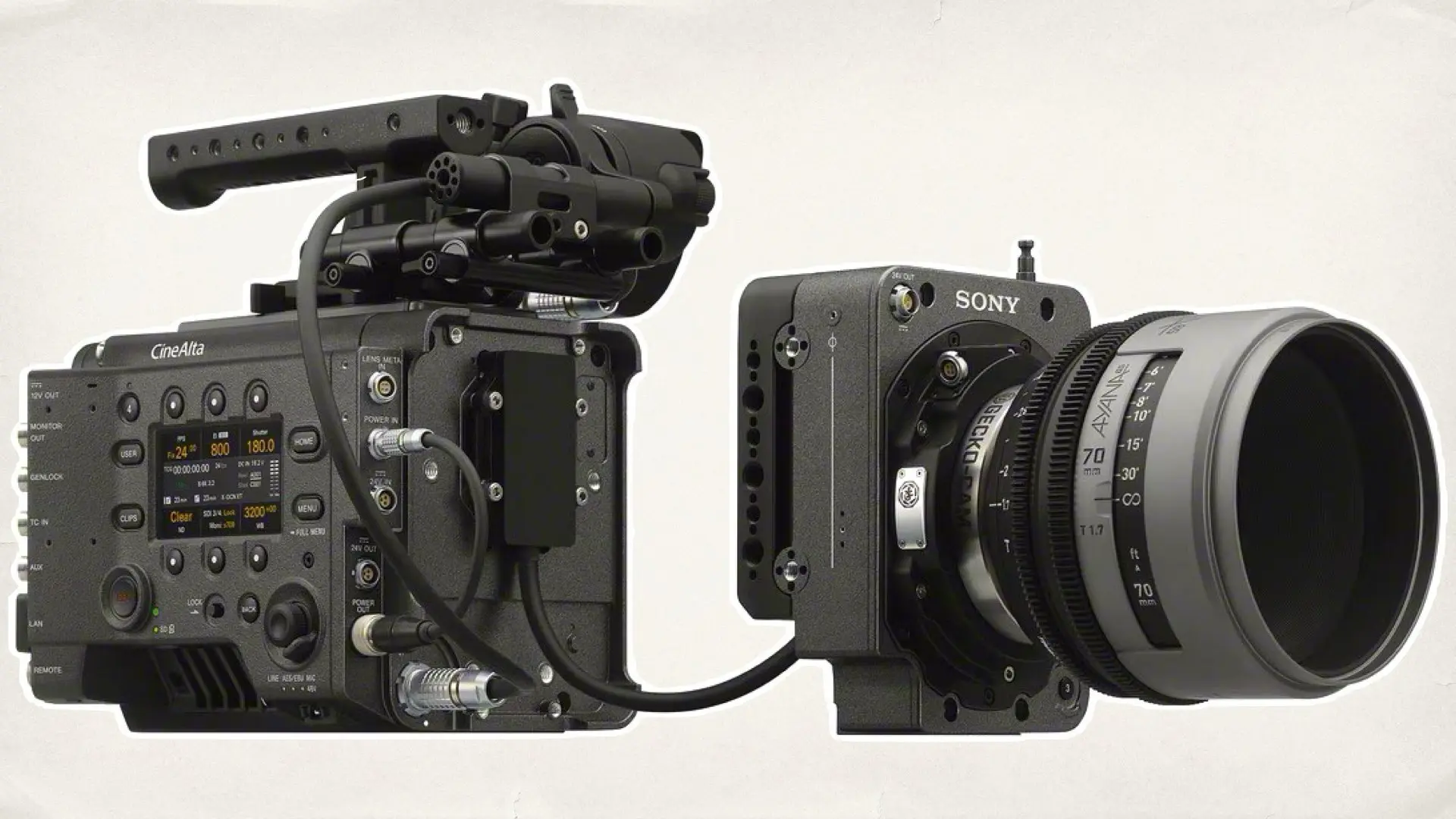
Sony has officially announced the price and detailed specifications of the RIALTO 65 Camera Extension System for the VENICE 2. The new 65mm imaging system will cost $80,000 USD, offering 9.6K Open Gate recording, dual base ISO of 2500 and 10000, more than 15 stops of latitude, and internal 16-bit X-OCN recording. The system is expected to become available in the first half of 2027, bringing one of the largest sensors in commercially available digital cinema cameras to Sony’s established VENICE 2 platform.
From development announcement to $80,000 cinema system
Back in June 2026, YMCinema reported on Sony’s development of the RIALTO 65, an ambitious modular system designed to transform the VENICE 2 into a 65mm digital cinema camera. At the time, Sony confirmed the massive sensor and 9.6K Open Gate capabilities but left several questions unanswered, particularly regarding price, sensitivity, dynamic range, and recording specifications. Now, Sony has filled in those gaps. The RIALTO 65 (CBK-6510XS) carries an MSRP of $80,000 in the United States. Importantly, this is the price of the extension system itself, which requires a compatible VENICE 2 camera body running dedicated firmware version 6.00 or later.

9.6K Open Gate and ISO 10000
The RIALTO 65 incorporates a sensor measuring 53.75 × 35.83 mm, with a diagonal of approximately 64.60 mm. Its imaging area is approximately 2.2 times larger than that of a conventional full-frame sensor.
Sony has now confirmed the following key specifications:
- Resolution: 9.6K Open Gate, 1.5:1 aspect ratio
- Additional readout: 9.6K at 2.20:1
- Dual base ISO: 2500 and 10000
- Latitude: 15+ stops at base ISO 2500
- Recording: Internal 16-bit X-OCN via VENICE 2
- Camera-head weight: Approximately 1.5 kg
- Camera-head dimensions: 115 × 154 × 63 mm
The base ISO values are particularly interesting. A native sensitivity option of ISO 10000 could offer considerable flexibility for cinematographers working in demanding lighting environments, although Sony specifies its 15+ stops of latitude at ISO 2500. The system also retains Sony’s established CineAlta color science, S-Log3, and S-Gamut3 workflows.

A compact 65mm camera head
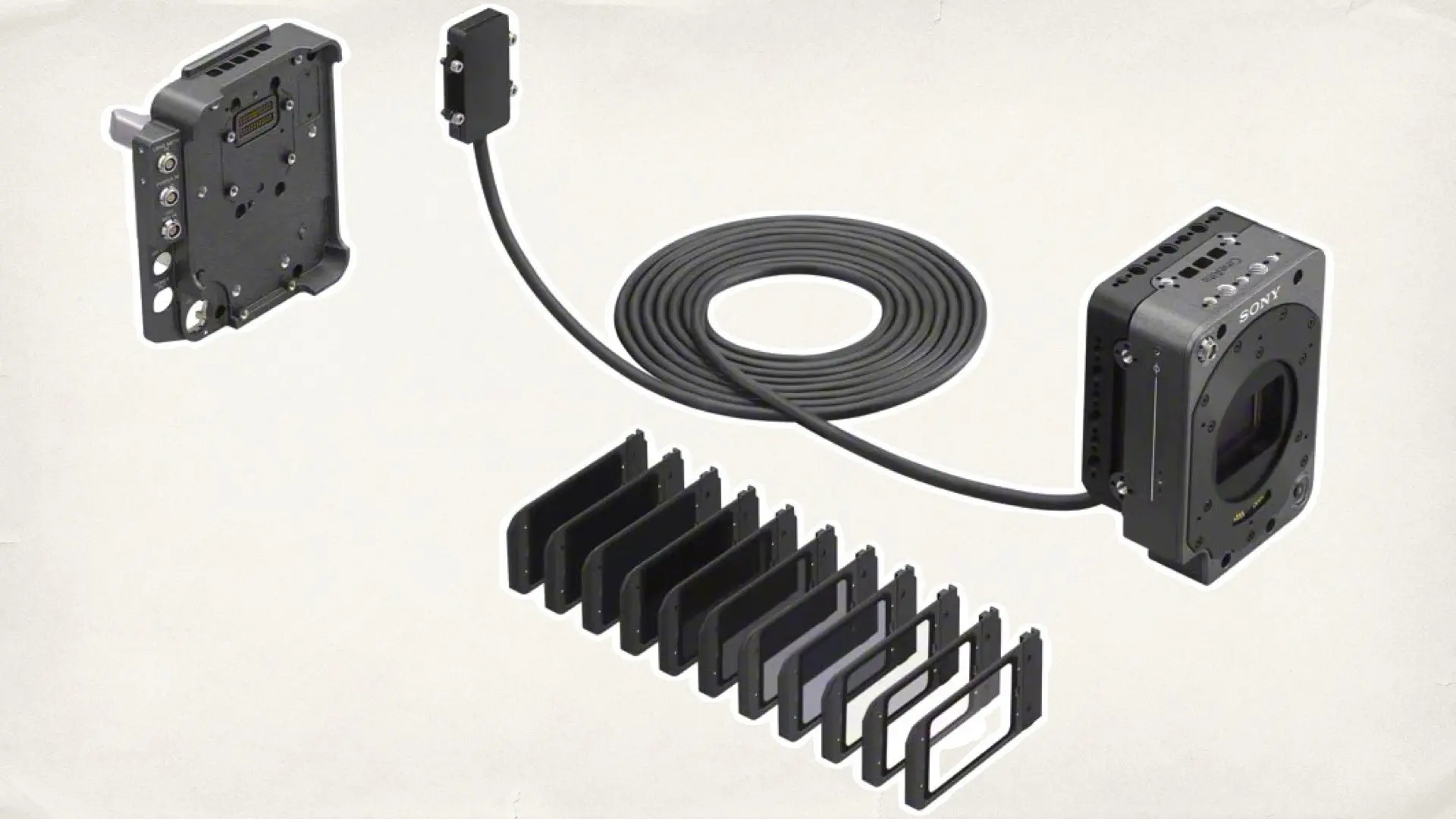
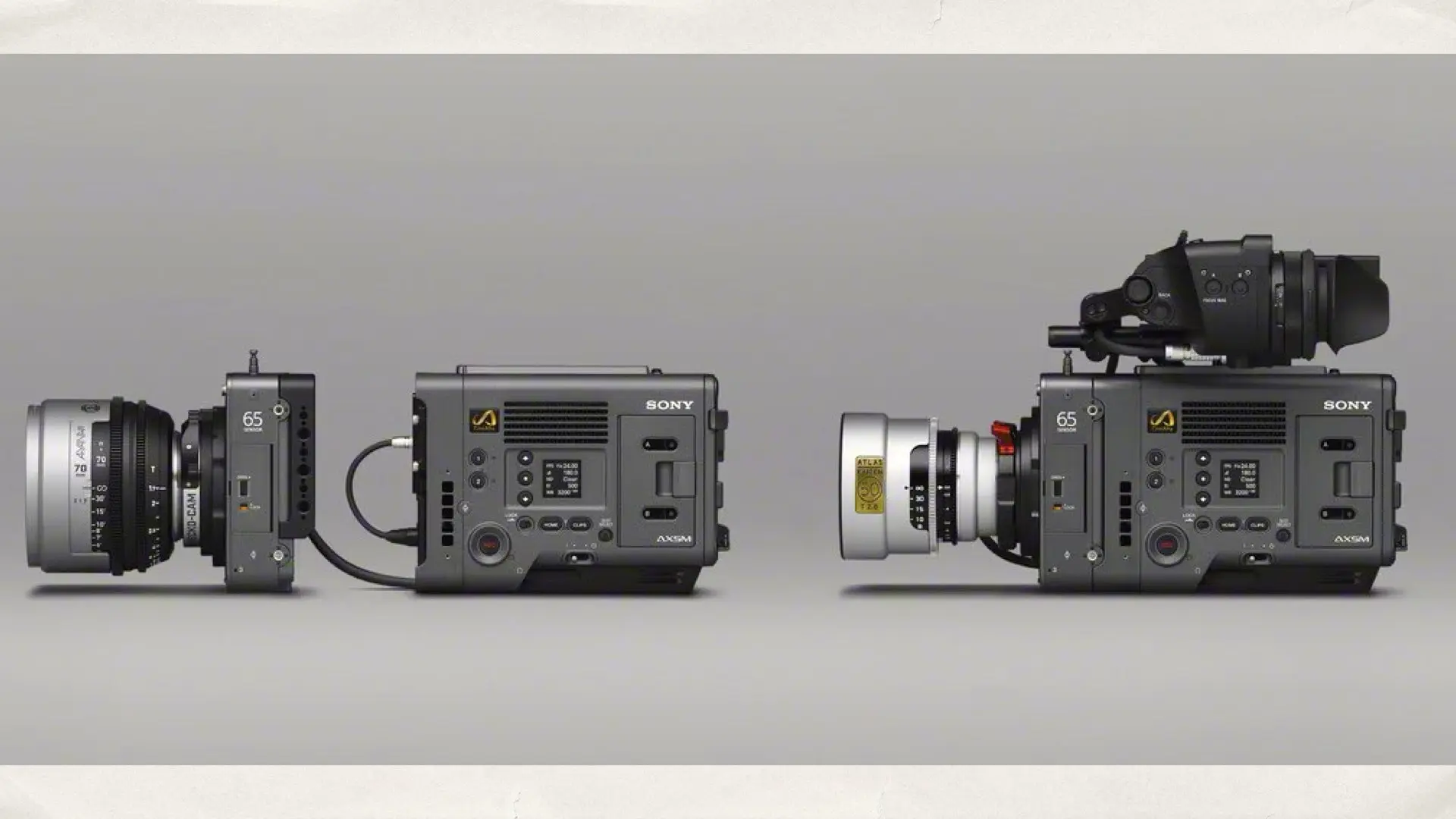
Perhaps the most distinctive feature of RIALTO 65 is its modular design. Despite the enormous sensor, the camera head weighs approximately 1.5 kg and can operate either directly attached to the VENICE 2 body or remotely through an extension cable. Sony includes a 4.5-meter cable and offers an optional 12-meter cable for $9,000. This configuration opens possibilities for 65mm cinematography in confined spaces, vehicle rigs, handheld applications, and other situations where conventional large-format camera systems can be difficult to accommodate. The system also supports third-party lens-mount adapters, anamorphic de-squeeze monitoring, and 11 interchangeable drop-in ND filters. Unlike the electronic variable ND system found in some Sony cinema cameras, RIALTO 65 uses physical drop-in filters with electronic density recognition.
Availability and production considerations
Sony expects the RIALTO 65 to become available during the first half of 2027. The company has also announced an $8,000 replacement ND filter kit. The most important distinction is that RIALTO 65 is not an entirely new standalone cinema camera. It is an expansion system for VENICE 2, allowing productions and rental houses already invested in Sony’s flagship cinema platform to move into the 65mm format while retaining familiar recording media, camera controls, and post-production workflows. Sony has yet to disclose maximum frame rates for the different 9.6K readout modes.
Final thoughts
At $80,000 for the extension system alone, RIALTO 65 is clearly aimed at high-end cinema productions and professional rental houses. However, the combination of a 65mm sensor, 9.6K recording, dual base ISO, and a compact detachable camera head makes it a particularly interesting addition to the large-format cinema landscape. Rather than requiring cinematographers to adopt an entirely different camera ecosystem, Sony is extending the capabilities of its existing VENICE 2 platform. The remaining questions concern frame-rate performance and how effectively productions can integrate the system into their existing workflows. Furthermore, Sony has released some cool footage shot on the system. Check it out: