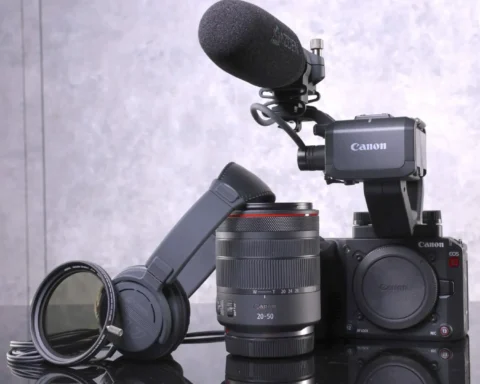
Canon is celebrating the 15th anniversary of its Cinema EOS System, marking a journey that began in November 2011 with the introduction of the original Canon EOS C300. According to Canon’s official announcement, dated November 4, 2026, the company has released 17 Cinema EOS camera models and 53 cinema lenses worldwide. To commemorate the milestone, Canon has published an anniversary film highlighting the system’s evolution, the filmmakers who have adopted its cameras, and the expanding role of Cinema EOS in professional film and television production.
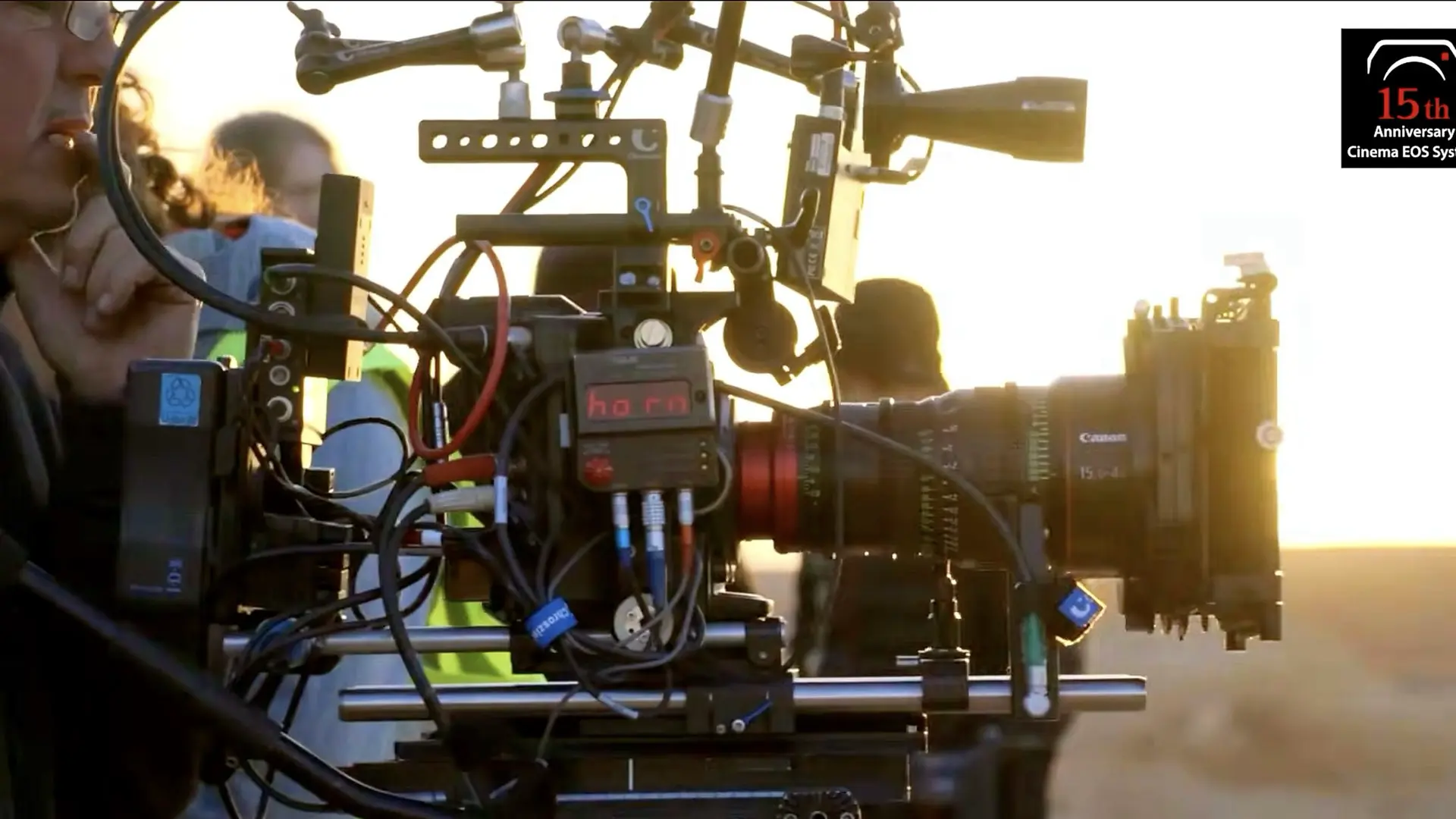
It all started with the EOS 5D Mark II
The origins of Cinema EOS can be traced back to 2008, when Canon introduced the EOS 5D Mark II ($1,899.99 on Amazon), one of the most influential DSLRs in the development of large-sensor digital filmmaking. The EOS 5D Mark II was originally designed as a stills camera, but its Full HD video capabilities quickly attracted filmmakers seeking a cinematic aesthetic without the costs associated with traditional digital cinema equipment. Its full-frame sensor, interchangeable lenses, and relatively compact body helped accelerate the DSLR filmmaking movement. Canon recognized this shift and began consulting with professional filmmakers about their shooting requirements, workflows, and camera operation. Three years later, the company formally introduced the Cinema EOS System in Hollywood, establishing a dedicated product family for professional motion picture production. The first camera, the Canon EOS C300, was announced in November 2011 and became available in Japan in January 2012.
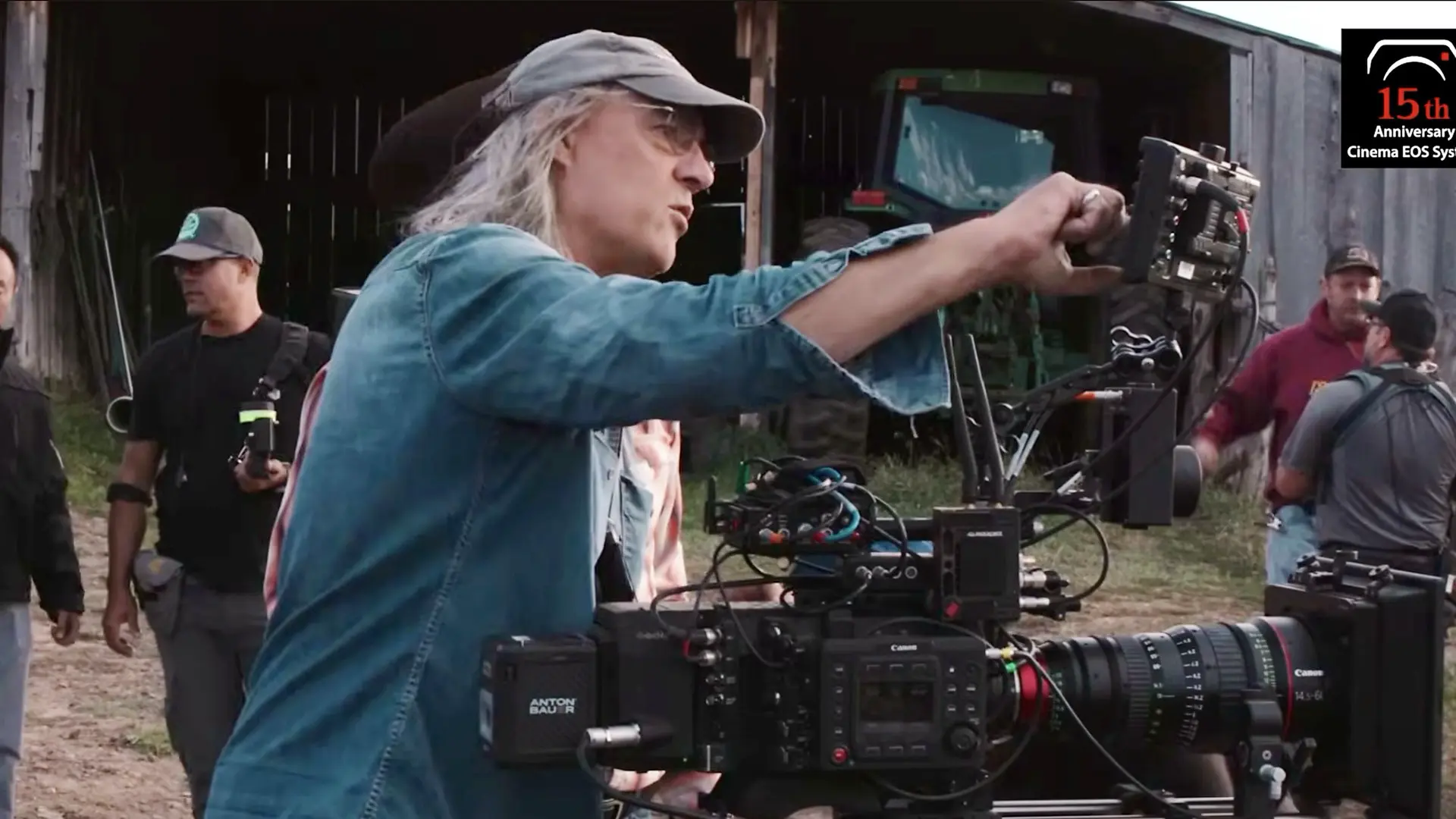
The original EOS C300: Canon enters professional cinema
The Canon EOS C300 was built around a Super 35 CMOS sensor and offered Full HD recording using Canon’s XF MPEG-2 codec at up to 50 Mbps with 4:2:2 color sampling. Although the C300 did not record 4K internally, its image quality, Canon Log gamma, integrated ND filters, professional connectivity, and comparatively compact body made it attractive to documentary filmmakers, television productions, and independent cinematographers. Importantly, the C300 was designed as a dedicated video production tool rather than a photographic camera with video capabilities. The original EOS C300 was followed by the Canon EOS C500 in 2012, introducing 4K RAW output for use with external recording systems. Canon also expanded the lineup with the more affordable EOS C100, addressing productions that prioritized portability and operational simplicity. These initial cameras established the foundation of Canon’s professional cinema portfolio.
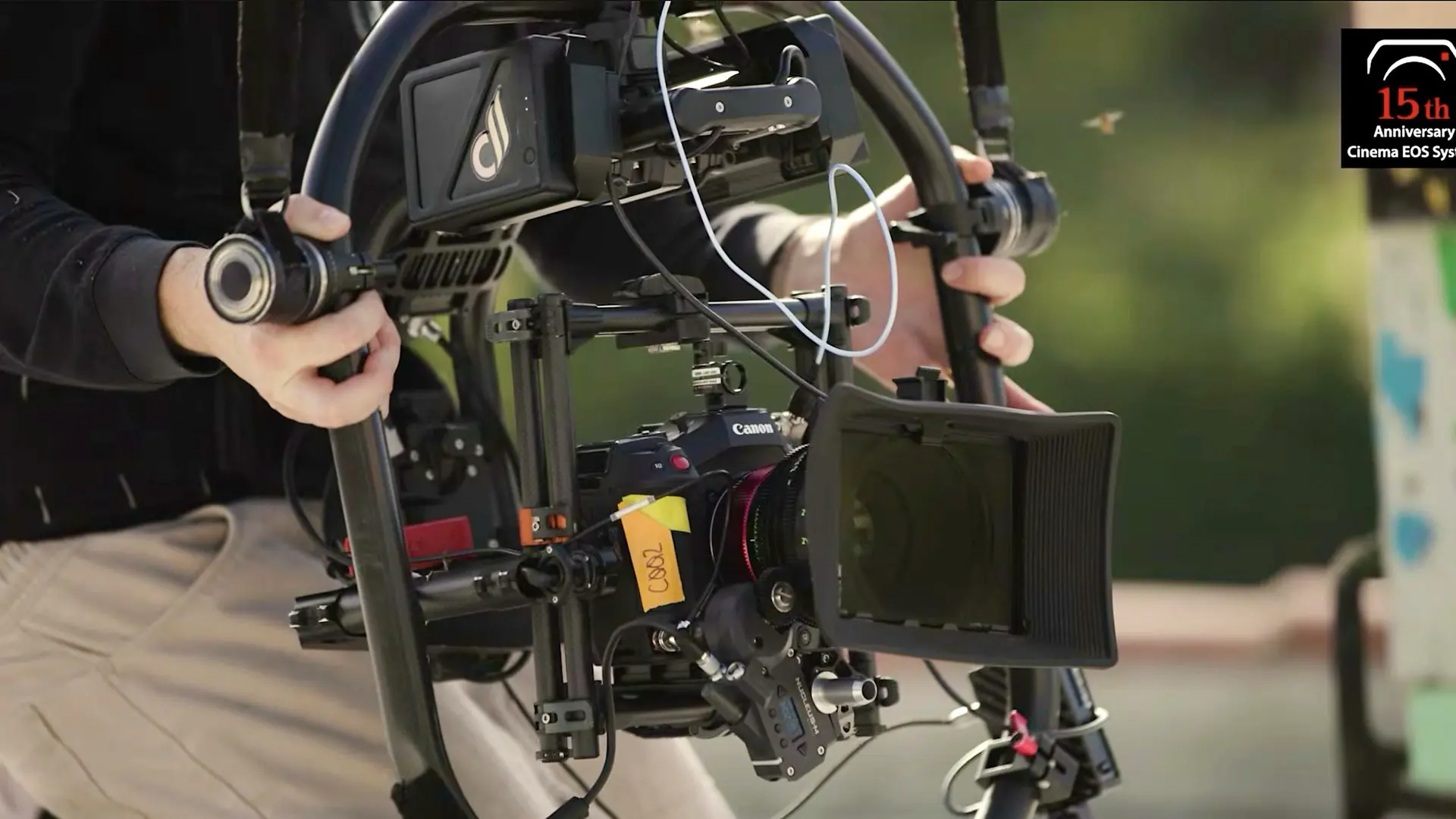
Expanding the Cinema EOS lineup
Over the following decade, Canon progressively expanded the system across different production categories, introducing new sensors, recording formats, autofocus technologies, and camera configurations. The Canon EOS C100 Mark II, introduced in 2014, refined the company’s entry-level professional cinema offering. The EOS C300 Mark II followed in 2015, introducing internal 4K recording and an expanded set of professional imaging capabilities. In 2016, Canon introduced the EOS C700, a larger cinema camera designed for more demanding production environments. The EOS C200 arrived in 2017, bringing internal Cinema RAW Light recording to a comparatively compact camera body. The EOS C700 FF, introduced in 2018, represented another significant milestone with its full-frame 5.9K sensor. Canon subsequently introduced the EOS C500 Mark II in 2019, combining full-frame 5.9K recording with a modular camera architecture. In 2020, the EOS C300 Mark III introduced Canon’s Super 35 Dual Gain Output (DGO) sensor, while the compact EOS C70 brought the Cinema EOS system to the RF lens mount. These developments reflected a broader shift in professional cinematography: filmmakers increasingly expected cinema cameras to combine high-resolution acquisition, flexible recording formats, compact bodies, and professional connectivity.
From the EOS R5 C to the C50, C80, and C400
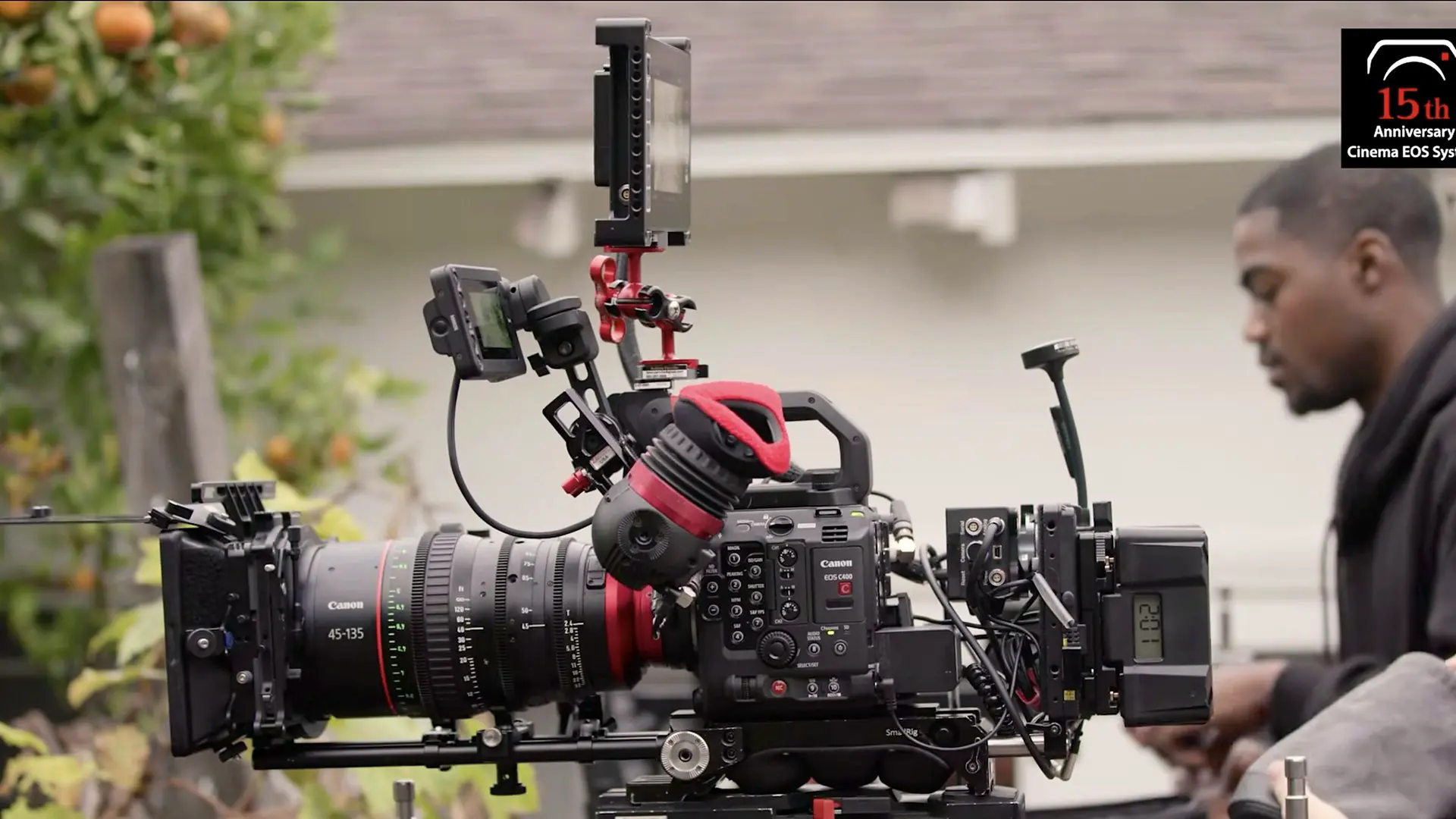
Canon continued the development of its compact cinema cameras with the EOS R5 C ($3,199 on Amazon) in 2022. Based on a hybrid camera form factor, the EOS R5 C combined full-frame 8K video recording with high-resolution still photography capabilities. In 2024, Canon introduced two notable Cinema EOS models: the EOS C400 and EOS C80. The EOS C400 incorporates a full-frame 6K back-illuminated CMOS sensor, internal Cinema RAW Light recording, and a triple-base-ISO system. Its compact, modular design addresses productions requiring a versatile camera for documentary, broadcast, commercial, and cinematic workflows. The EOS C80 brought a similar full-frame 6K imaging approach into a smaller body, providing internal RAW recording and Canon’s advanced autofocus technology while retaining professional video-oriented operation. The next significant addition arrived in 2025 with the Canon EOS C50. The EOS C50 introduced a compact, box-style design with a full-frame 7K sensor, internal Cinema RAW Light recording, and Open Gate capture. Its architecture reflects Canon’s continuing efforts to reduce camera size while retaining advanced professional recording capabilities. Together, the C50, C80, and C400 illustrate the direction of Canon’s current Cinema EOS development, emphasizing compact form factors, full-frame acquisition, high-resolution recording, and flexible production configurations.
Fifteen years of Cinema EOS: the camera models
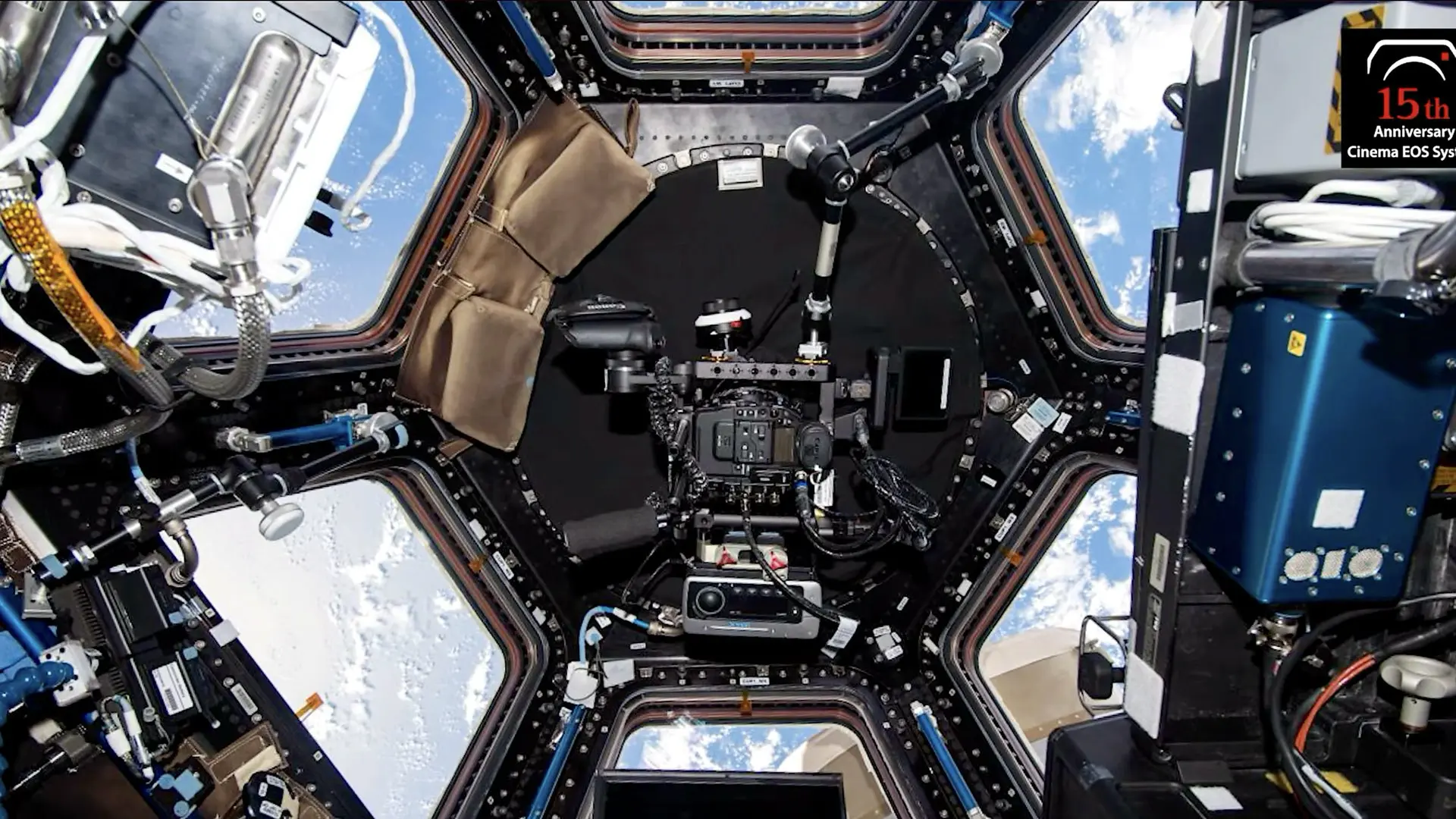
Canon’s anniversary announcement reports 17 Cinema EOS camera models released globally since the system’s introduction. The following timeline highlights the principal Cinema EOS cameras introduced between 2011 and 2025, including the major technological developments associated with each generation.
| Year | Cinema EOS camera | Key development |
|---|---|---|
| 2011 | EOS C300 | First Cinema EOS camera, Super 35 |
| 2012 | EOS C500 | 4K RAW output |
| 2012 | EOS C100 | Compact, accessible Super 35 cinema camera |
| 2012 | EOS-1D C | 4K video in a DSLR-style body |
| 2014 | EOS C100 Mark II | Improved autofocus and operation |
| 2015 | EOS C300 Mark II | Internal 4K recording |
| 2016 | EOS C700 | Cinema-oriented production body |
| 2017 | EOS C200 | Internal Cinema RAW Light |
| 2018 | EOS C700 FF | Full-frame 5.9K sensor |
| 2019 | EOS C500 Mark II | Full-frame 5.9K, modular design |
| 2020 | EOS C300 Mark III | Super 35 DGO sensor |
| 2020 | EOS C70 | Compact RF-mount Cinema EOS camera |
| 2022 | EOS R5 C | Full-frame 8K hybrid cinema camera |
| 2024 | EOS C400 | Full-frame 6K, triple-base ISO |
| 2024 | EOS C80 | Compact full-frame 6K cinema camera |
| 2025 | EOS C50 | Full-frame 7K and Open Gate recording |
Note: This is a historical timeline of the principal models, not Canon’s official exhaustive 17-model inventory. Canon also released regional, mount, and configuration variants. Canon’s stated total of 17 cameras is as of November 4, 2026.
Fifty-three cinema lenses and a complete imaging ecosystem
Cinema EOS has never been limited to camera bodies. Since 2011, Canon has developed a broad portfolio of cinema lenses, including prime lenses, zoom lenses, compact cinema zooms, and specialized optics intended for professional cinematography. Canon reports that 53 Cinema EOS lens models have been released worldwide over the system’s lifetime. The growth of the lens portfolio has been an important part of the platform’s development. Different productions require different combinations of focal length, aperture, optical consistency, physical dimensions, and lens control. Canon’s integrated development of cameras and optics has enabled the company to address applications ranging from compact documentary production to larger cinema configurations. The transition from EF and PL mount solutions toward RF mount cameras has also shaped the recent evolution of the system. The figures announced for the anniversary are cumulative product releases and do not represent the number of cameras and lenses currently in production.
Cinema EOS and award-winning documentaries
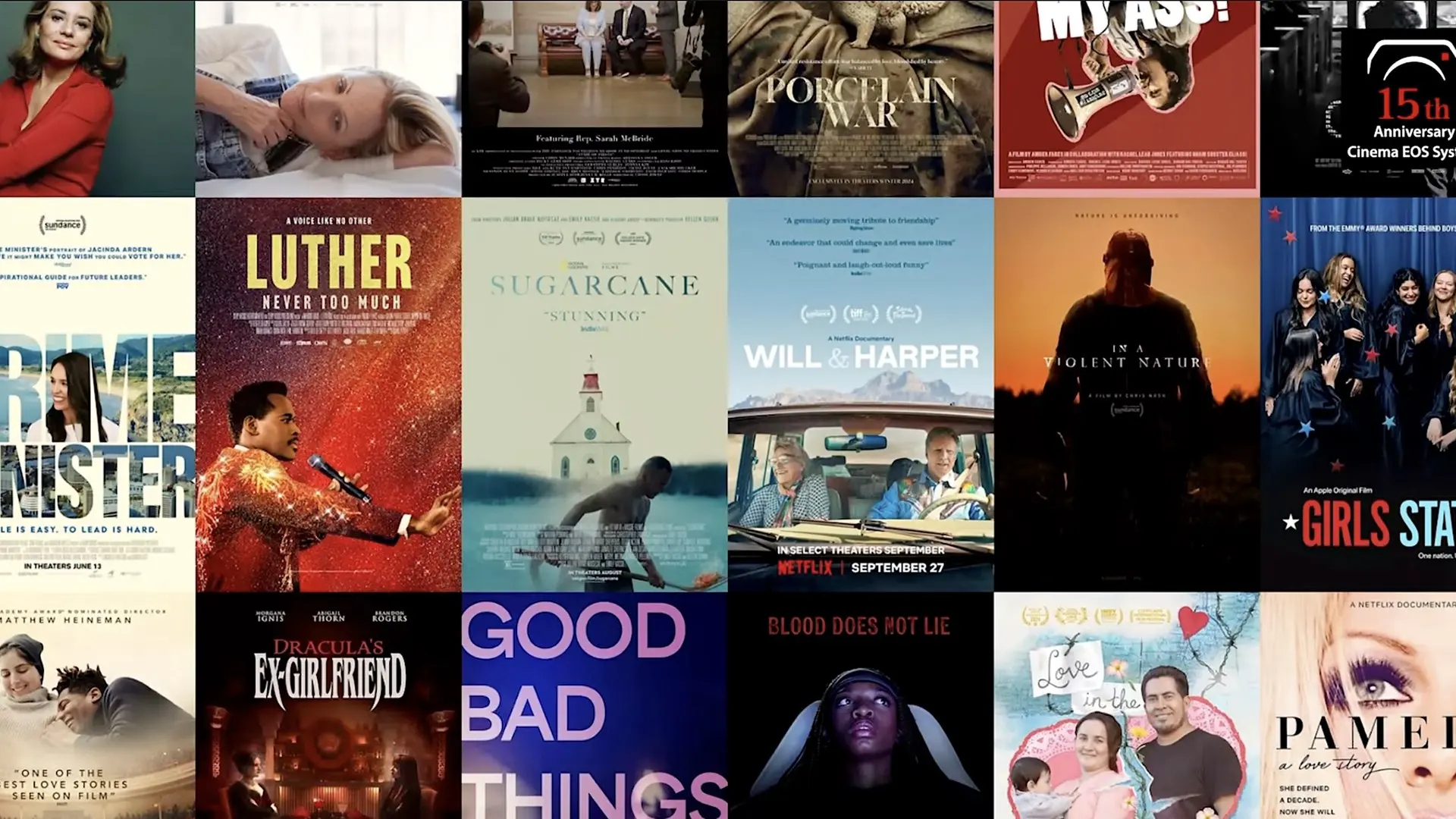
Canon’s announcement also highlights productions that have used its Cinema EOS equipment. These include All the Empty Rooms, winner of the Academy Award for Best Documentary Short Film in 2026, and All That Breathes, which received major documentary honors at Cannes and Sundance. Documentary filmmaking has been one of the important application areas for Cinema EOS cameras, particularly where compact camera bodies, integrated ND filters, reliable recording, and practical ergonomics are essential. From the original C300 to newer cameras such as the C70, C80, and C50, Canon has continued to develop tools intended for filmmakers working in uncontrolled environments and with smaller production crews.
Fifteen years later: where Cinema EOS stands
The digital cinema industry has changed considerably since Canon introduced the original EOS C300 in 2011. Resolution, dynamic range, RAW recording, autofocus performance, and camera miniaturization have advanced significantly. Features once reserved for expensive cinema systems are now available in considerably smaller and more accessible cameras. Canon has been an important participant in this transformation, particularly through its integration of professional video functionality into compact camera bodies. However, Cinema EOS competes in a market that includes ARRI, Sony, RED, Blackmagic Design, and other manufacturers addressing different segments of professional filmmaking. Canon’s cumulative total of 17 cinema cameras and 53 lenses demonstrates the longevity and breadth of the system, but it does not establish its market share or adoption relative to competing cinema camera platforms. What the anniversary does demonstrate is the consistency of Canon’s investment in professional filmmaking technology. From the original EOS C300 to the full-frame C400, C80, and 7K C50, Cinema EOS has evolved from a specialized digital cinema camera system into an extensive production ecosystem.
Gear mentioned in this article
Available on Amazon
| Product | New | Renewed | Used |
|---|---|---|---|
| Canon EOS 5D Mark II | $1,899.99 | — | From $208 |
| Canon EOS R5 C | $3,199 | — | From $2,452.70 |
Prices checked: Nov 8, 2026, 7:40 AM GMT+0000
As an Amazon Associate, Y.M.Cinema earns from qualifying purchases. If you buy through our links, we may earn a small commission at no extra cost to you.
Product prices and availability are accurate as of the date/time indicated and are subject to change. Any price and availability information displayed on Amazon.com at the time of purchase will apply to the purchase of this product.
CERTAIN CONTENT THAT APPEARS ON THIS SITE COMES FROM AMAZON. THIS CONTENT IS PROVIDED “AS IS” AND IS SUBJECT TO CHANGE OR REMOVAL AT ANY TIME.