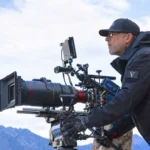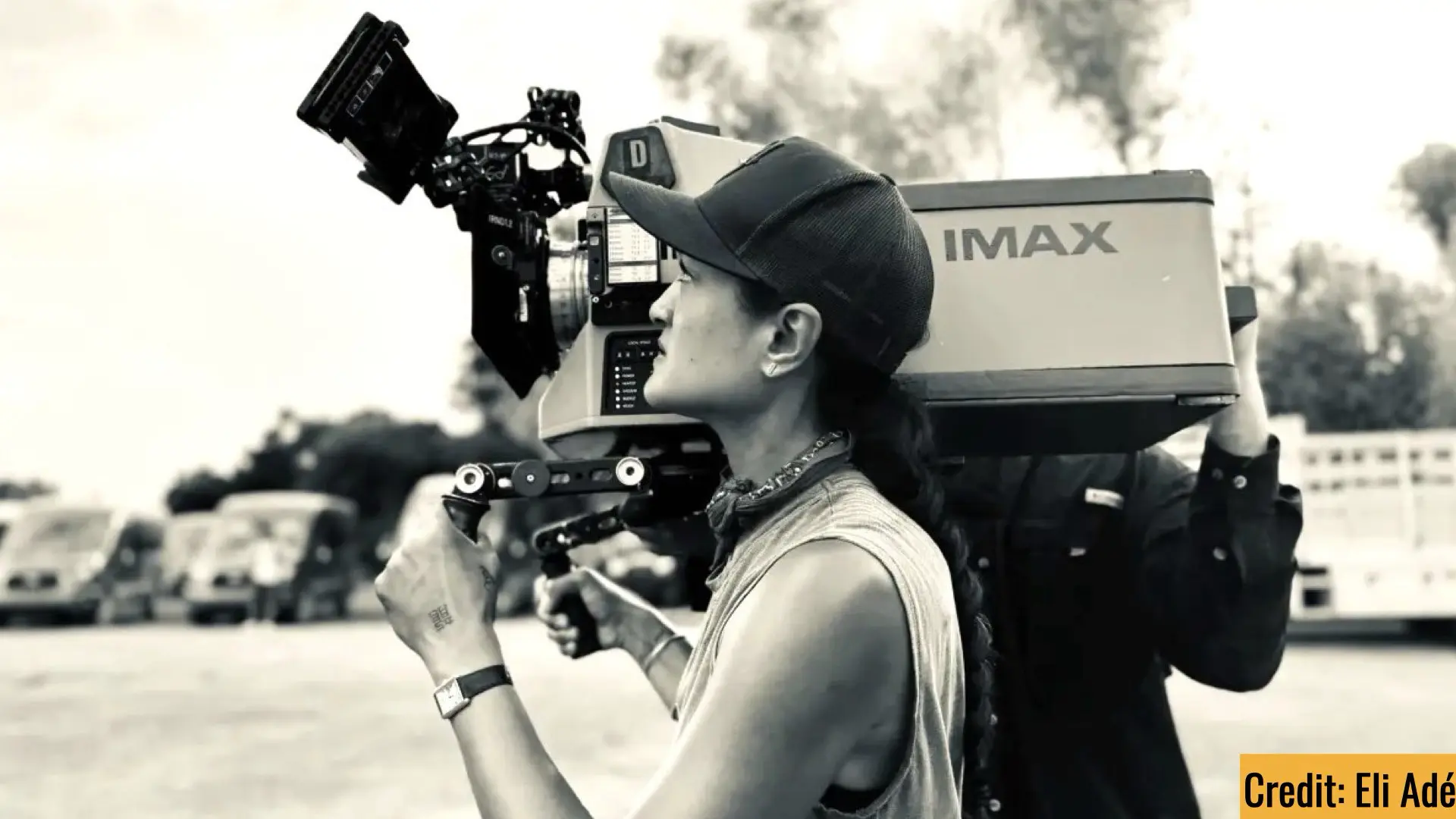
Cinematographer Autumn Durald Arkapaw has quietly made history. With Sinners, directed by Ryan Coogler, she became the first woman to shoot a feature film on IMAX and 65mm film. While the milestone is significant, Arkapaw approaches the achievement with grounded professionalism and emotional depth. Her work on Sinners highlights both her technical ability and her personal connection to storytelling—delivered through one of the most immersive formats in cinema.

A Grounded Approach to a Grand Format
Originally, Sinners was conceived in 16mm, with Coogler envisioning a textured, intimate look. But after studio conversations introduced the idea of going larger, the film evolved into a full-scale large-format production. Coogler and Arkapaw explored Ultra Panavision 70 and IMAX 65mm, formats known for their scale, resolution, and visual impact. After tests in the desert landscape, they committed to a blend of 5-perf and 15-perf formats—allowing for a mix of intimacy and epic scope. “When Ryan mentioned IMAX and Ultra Panavision, I lit up,” Arkapaw said. “I hit the ground running.” Her excitement is matched by her thoughtful approach. With roots in photography and a deep love for portraiture, Arkapaw focuses on emotional connection, even when working at massive scale. Her shooting style blends instinct with discipline, informed by classic photo references like the work of Eudora Welty and film influences such as John Carpenter’s The Thing, a personal favorite of Coogler’s.

The IMAX Experience
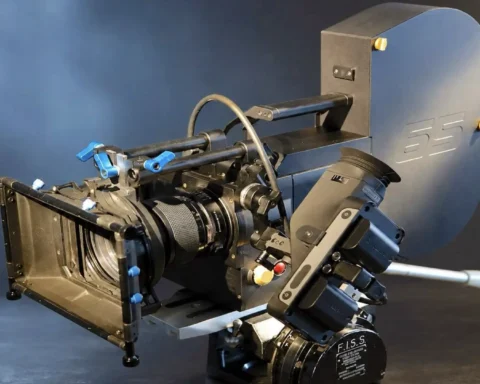
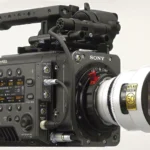
Shooting on IMAX 65mm film is an ambitious undertaking. The format, while powerful, presents challenges in logistics, sound, and movement. Arkapaw’s choice to use both 5-perf and 15-perf setups reflects a thoughtful balance between storytelling needs and format advantages. This practical, creative mindset is part of what separates “filmed for” IMAX projects from those truly shot with IMAX, as explained in Filmed for IMAX vs. Shot with IMAX: What’s Better?. The effort to shoot large-format film today is also tied to access and availability. In Nolan’s Odyssey and the Curious Case of the Missing IMAX Cameras, the limited number of IMAX cameras available for film productions is well documented. Securing one is a logistical success in itself—and a sign of the studio’s confidence in Arkapaw’s abilities. The cameras themselves are a technical marvel, but also a challenge to work with. Their size and unique sound are detailed in Hear the Sound of IMAX 15/70 Film Cameras, offering insight into what it means to shoot with this gear on location. Like Jordan Peele’s team on Nope, which used a custom large-format day-for-night rig (see Nope Was Shot on a Unique Day-for-Night Rig of Alexa 65 Infrared and Panavision System 65), Arkapaw embraced technical innovation to meet the creative demands of Sinners.

Context and Representation
Arkapaw’s achievement arrives during a time of increased visibility for women in cinematography. Just weeks before Sinners debuted, Mandy Walker was elected as the first female president of the American Society of Cinematographers, a significant milestone in the field (see Breaking the Lens Ceiling: Mandy Walker Elected as First Female President of the ASC). Together, these developments reflect a slow but steady shift toward broader representation—not as a trend, but as a natural outcome of talent rising to meet opportunity. “It was an honor to shoot this project on such an immersive and grand format,” Arkapaw said. “Ryan brings out the best in everyone he works with, and this experience, I believe, will inspire other women in the visual arts to dream big.”

Final Thoughts
Autumn Durald Arkapaw’s work on Sinners is not just technically impressive—it’s visually elegant, emotionally grounded, and professionally executed. Her use of IMAX and 65mm film doesn’t shout for attention. Instead, it quietly elevates the story and reflects her skill as a thoughtful and intuitive cinematographer. In an era when format choices can be driven by marketing, Arkapaw’s approach is refreshingly focused on craft. Her achievement marks another step forward in cinema’s ongoing evolution—where more voices, more formats, and more perspectives are part of telling the stories that matter.