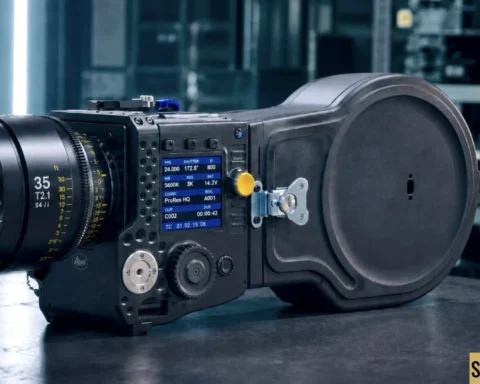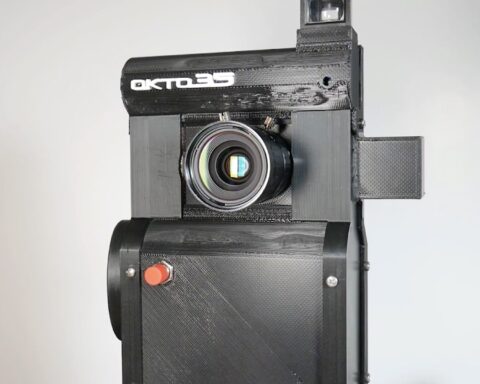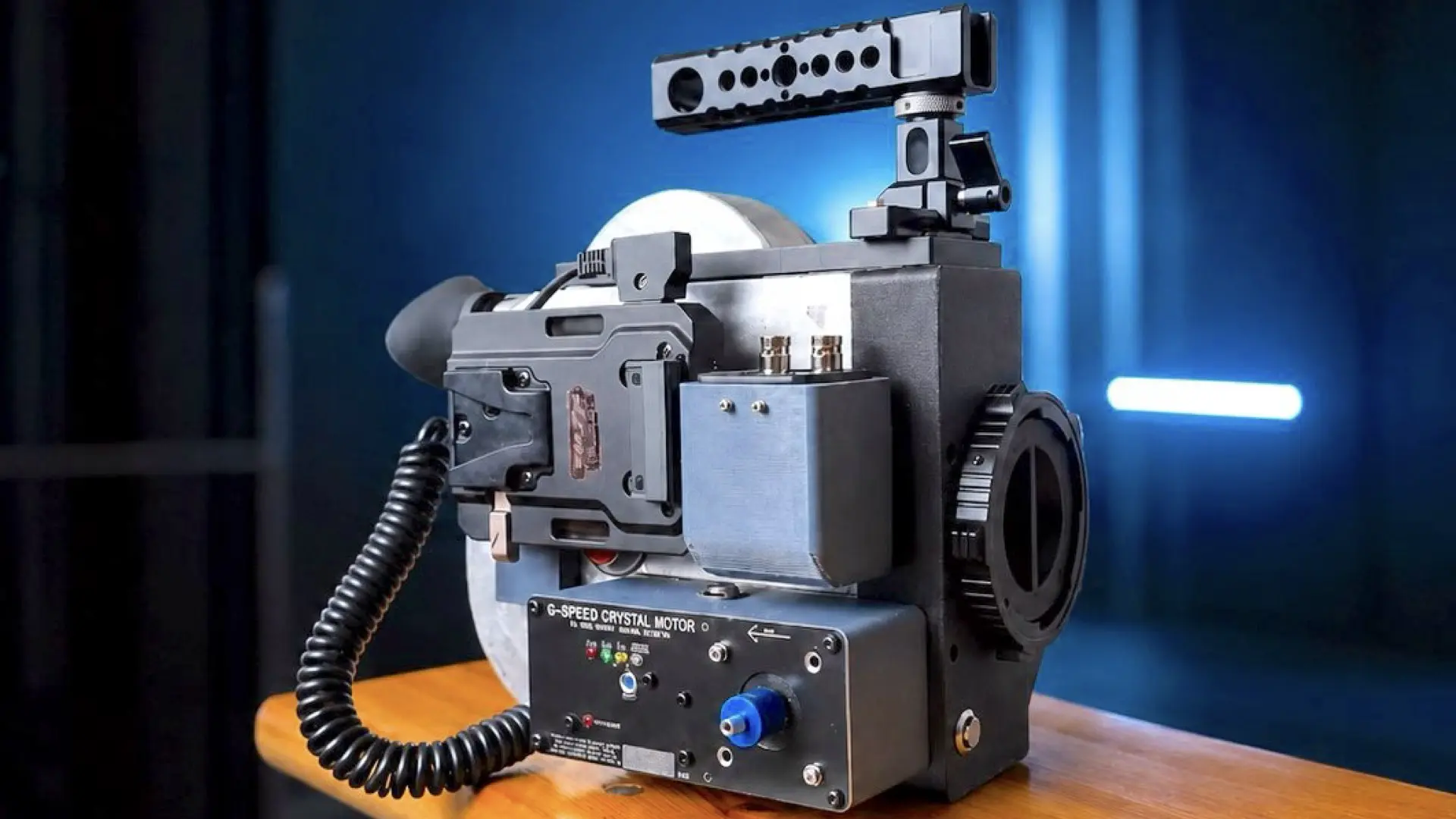
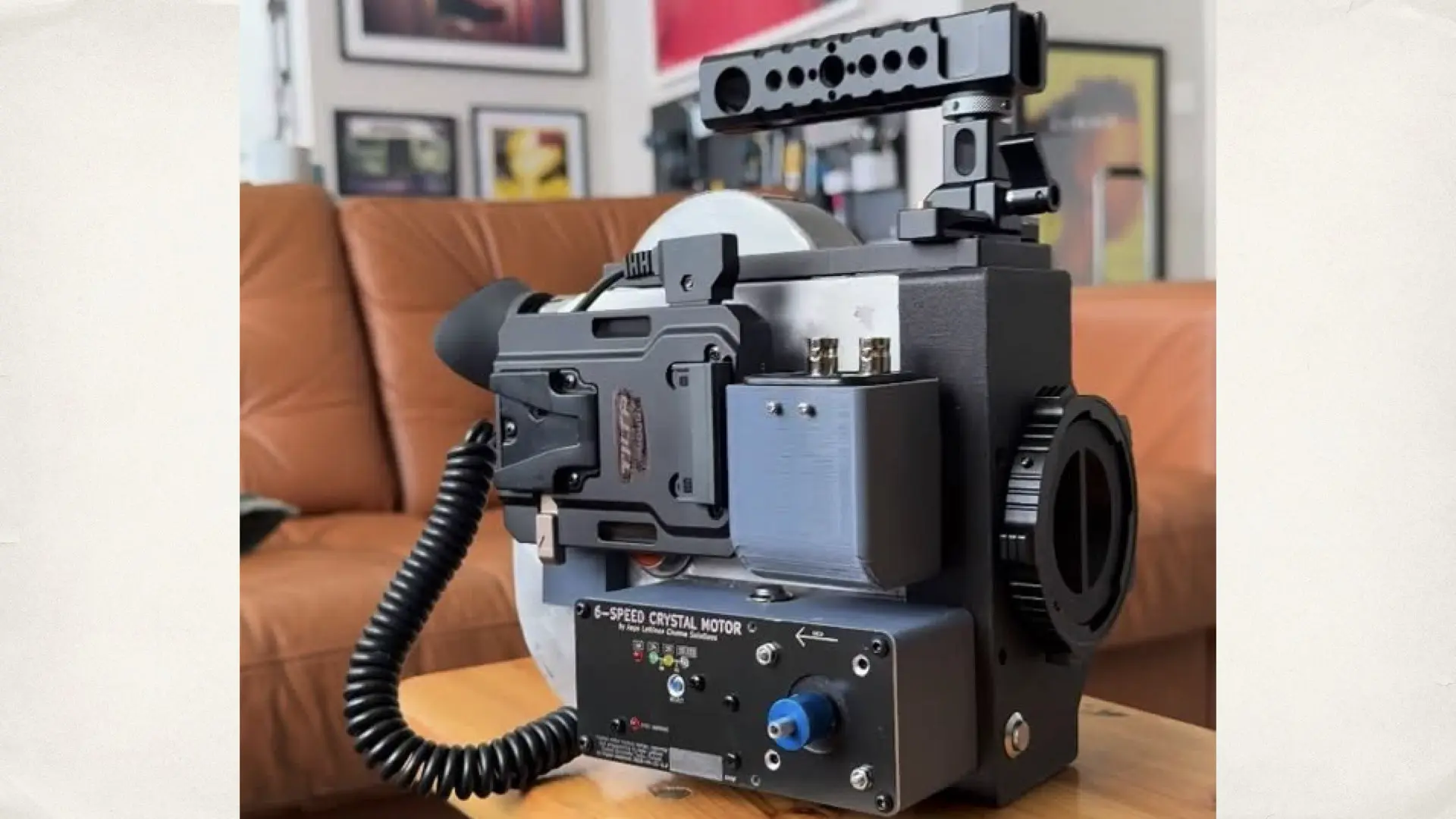
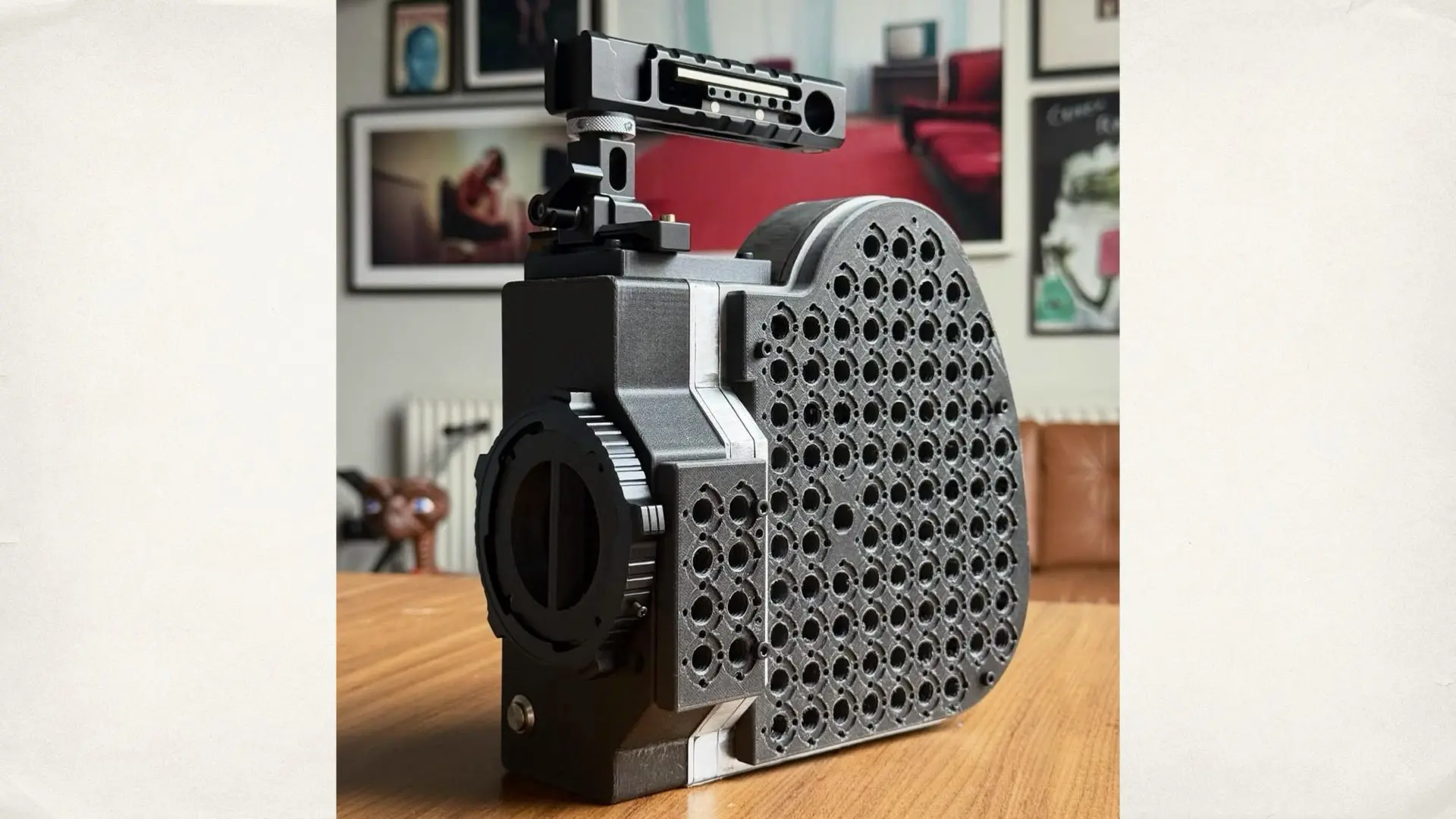
A new homemade Ultra 16mm film camera project is gaining attention on Instagram. Called the UK4 Ultra 16mm camera, the project appears to be an independent attempt to build a modern, compact, and usable 16mm film camera for contemporary productions. It is not a commercial product yet, and the camera is still in an early prototype phase, but the concept is already attracting interest from cinematographers and film enthusiasts. According to the creator, the first working prototype includes a newly designed Ultra 16 gate, a 12V DC motor, frame rates from 1 to 50 fps, and a full 3G SDI video tap. That last feature is especially interesting, as it suggests the camera is being designed not only as a nostalgic film object, but as a tool that can fit into modern production environments.
A new wave of independently built film cameras
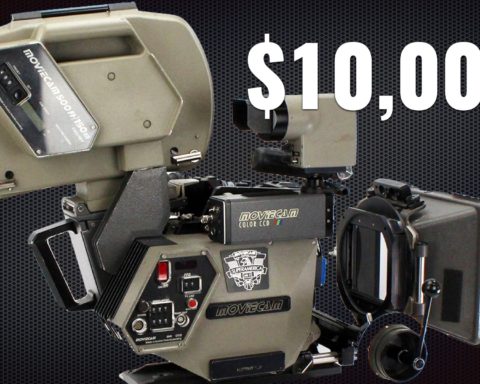
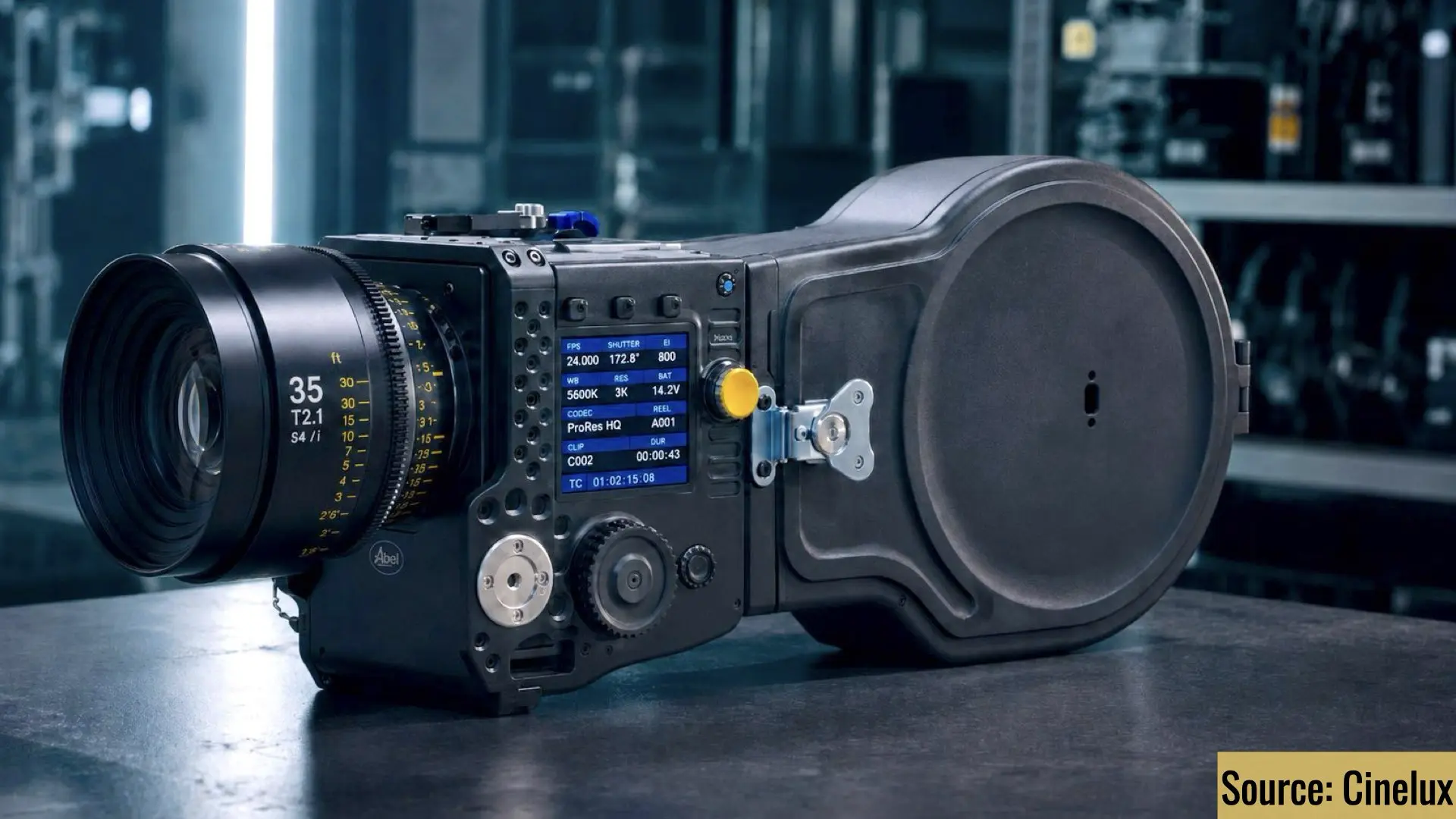
The UK4 Ultra 16mm project also fits into a broader and very interesting trend: the rise of independently developed film cameras. For decades, motion picture film cameras were dominated by established manufacturers such as ARRI, Panavision, Aaton, Bolex, Éclair, and Moviecam. Today, however, many of those cameras are vintage tools that require maintenance, spare parts, specialized technicians, and careful handling. That reality has opened the door for a new kind of analog innovation. Instead of waiting for the major manufacturers to bring back small-gauge film cameras, independent creators and small engineering teams are trying to build their own. These projects are usually niche, low-volume, and experimental, but they show a clear demand: filmmakers still want the texture, discipline, and mechanical beauty of film, but they also want cameras that are easier to monitor, service, power, and integrate into modern workflows. This is where the UK4 Ultra 16mm camera becomes relevant beyond the Instagram buzz. It is part of the same cultural and technical conversation as projects like Cinelux SIXTEEN, which also points toward a renewed interest in smaller-format analog cinematography. Cinelux SIXTEEN represents a more polished and product-oriented attempt to rethink 16mm for today’s filmmakers, while UK4 appears to be a more handmade, workshop-driven project. But both are driven by the same basic idea: 16mm does not have to remain locked in the past.
A DIY Ultra 16mm camera with modern monitoring
The most intriguing part of the UK4 Ultra 16mm camera is the combination of real film capture with contemporary video assist functionality. Traditional 16mm cameras often have limited monitoring options, especially when compared to digital cinema cameras. Older video taps can be low resolution, analog, or awkward to integrate into modern sets. A 3G SDI video tap changes the equation. SDI remains a professional standard for monitors, wireless video systems, director’s monitors, focus pulling monitors, recorders, and video village setups. In practical terms, this means that the UK4 project is trying to preserve the physical and aesthetic qualities of shooting film while making the camera more comfortable for directors, cinematographers, and assistants who are used to modern monitoring workflows. The creator states that the camera can use the optical viewfinder and video tap at the same time. It means the operator can keep the traditional film camera experience, while the director or crew can still monitor the image externally.
Why Ultra 16mm?
Ultra 16mm is an expanded 16mm format that uses more of the film area than standard 16mm. It sits in an interesting space between classic 16mm and Super 16. For indie filmmakers, music videos, experimental cinema, and low-budget productions, Ultra 16 can offer a distinctive film texture while keeping the camera package smaller and more accessible than 35mm or 65mm film systems.
This is a prototype!
The posted images and videos show a working prototype built around a compact body, motor unit, film magazine, viewfinder, and video tap configuration. However, the creator is clear that the current camera is not the final version. Several visible components are still 3D printed, and the final camera is planned to use CNC-machined parts. The creator explains that the prototype is being used to test whether the CAD files, mechanical alignment, motor design, video tap, and overall camera concept work correctly before committing to CNC manufacturing. The final version is expected to be slimmer and more refined. Moreover, the creator says the absolute soonest availability could be around the end of August, although that depends on timing, CNC manufacturing, and the cost of the high-tolerance parts. Another small batch may follow around November or December. No price has been confirmed yet. You can follow the project here.
Final thoughts
The UK4 Ultra 16mm camera is exactly the kind of project that can excite the film community. It combines a handmade analog camera concept with modern production features, especially the 3G SDI video tap. It is compact, experimental, and clearly designed by someone who understands the practical barriers that stop younger filmmakers from shooting film. In a market where most new cameras are digital and where film cameras are usually vintage, repaired, or rented from specialized houses, a homemade Ultra 16mm camera with modern monitoring is worth watching.