
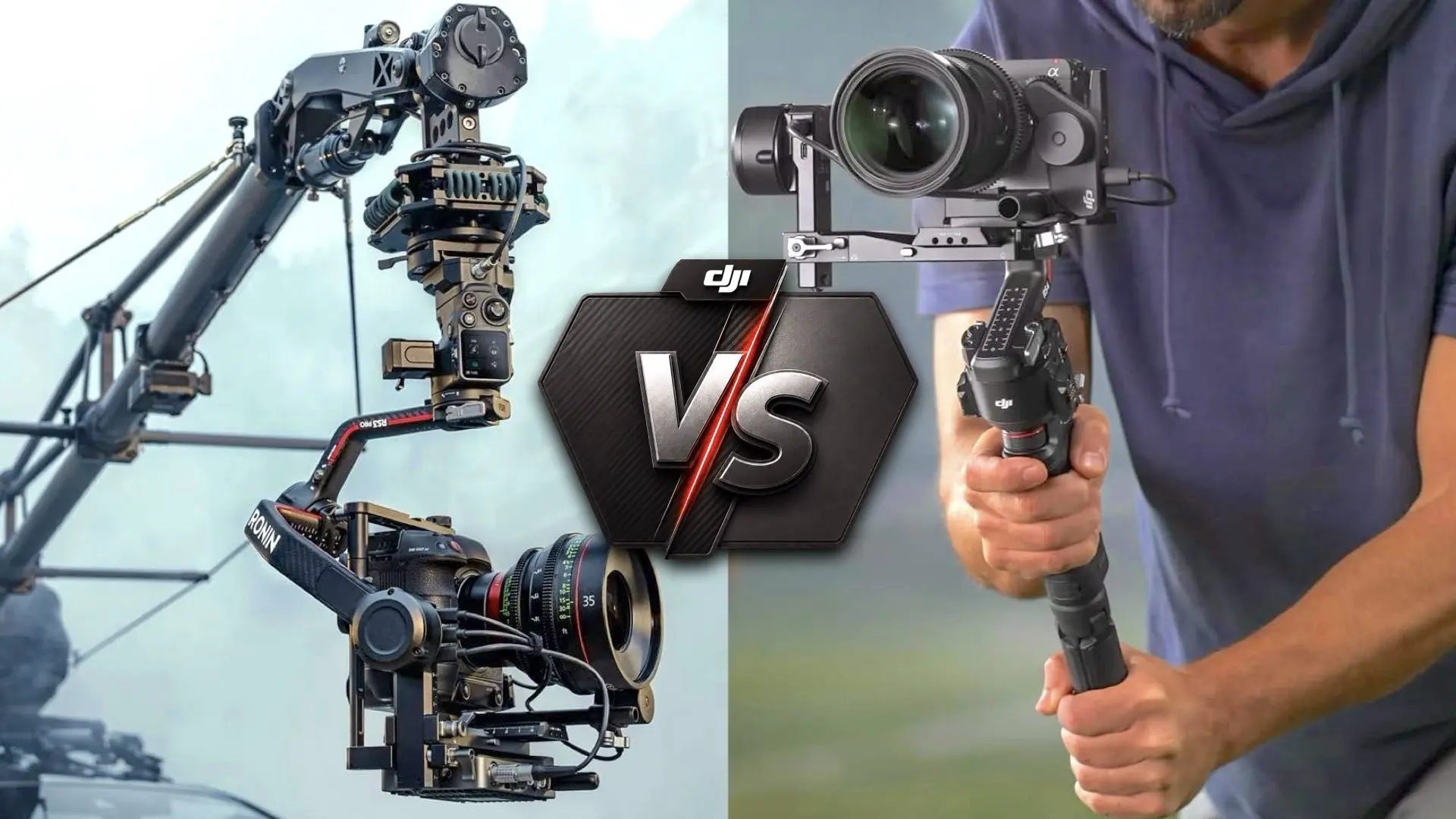
Should you buy the newer and cheaper DJI RS 4 ($369 on Amazon) , or pay more for the older DJI RS 3 Pro ($758.90 on Amazon) ? The short answer is simple. Choose the DJI RS 4 if you shoot mostly with compact mirrorless cameras, prioritize vertical shooting, and want the lighter, newer, cheaper stabilizer. Choose the DJI RS 3 Pro if you use heavier cinema-style builds, larger lenses, matte boxes, focus motors, external monitors, and want more payload headroom. The DJI RS 4 is newer, but the DJI RS 3 Pro is still the more cinema-oriented tool.
The core facts
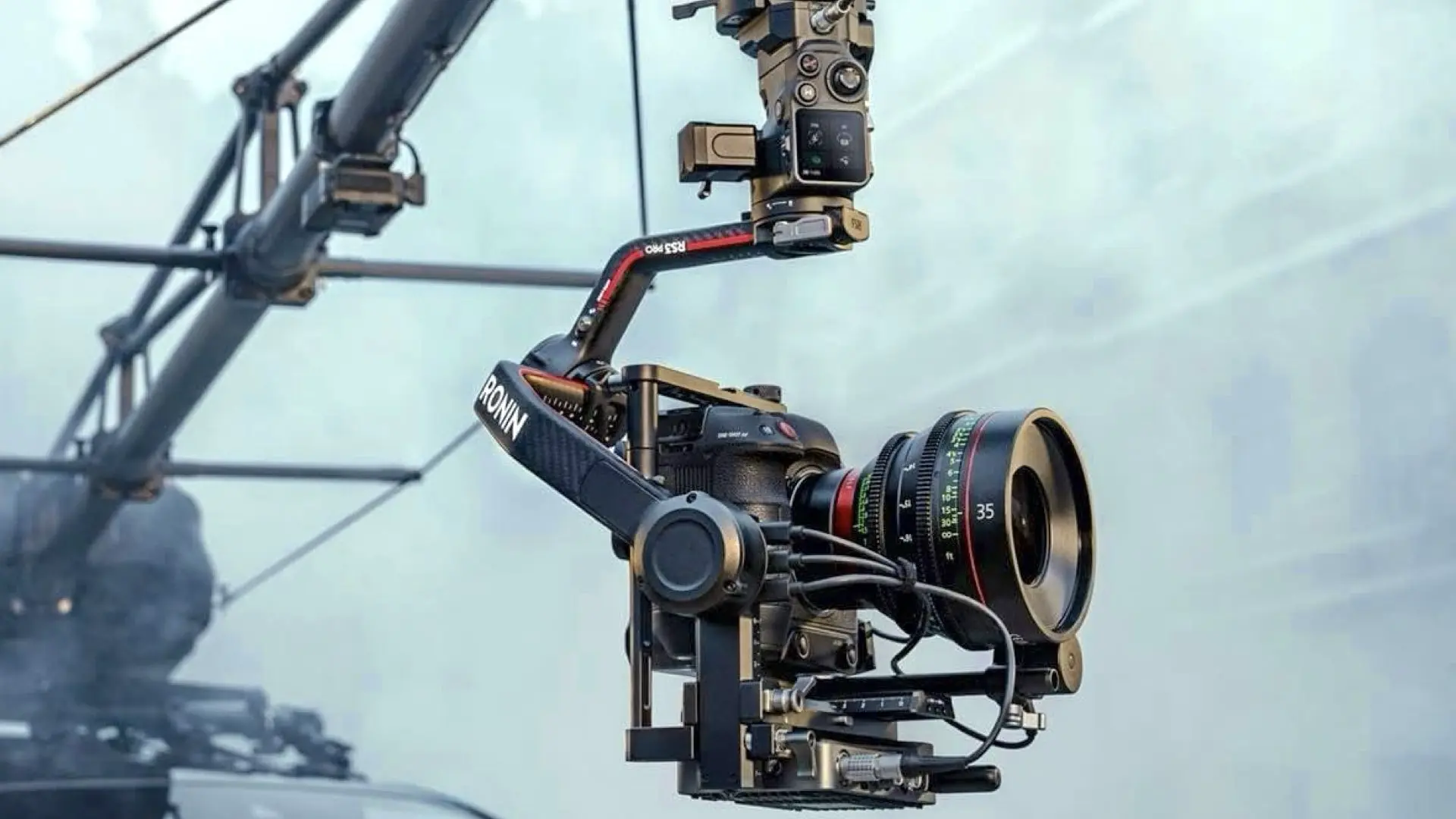
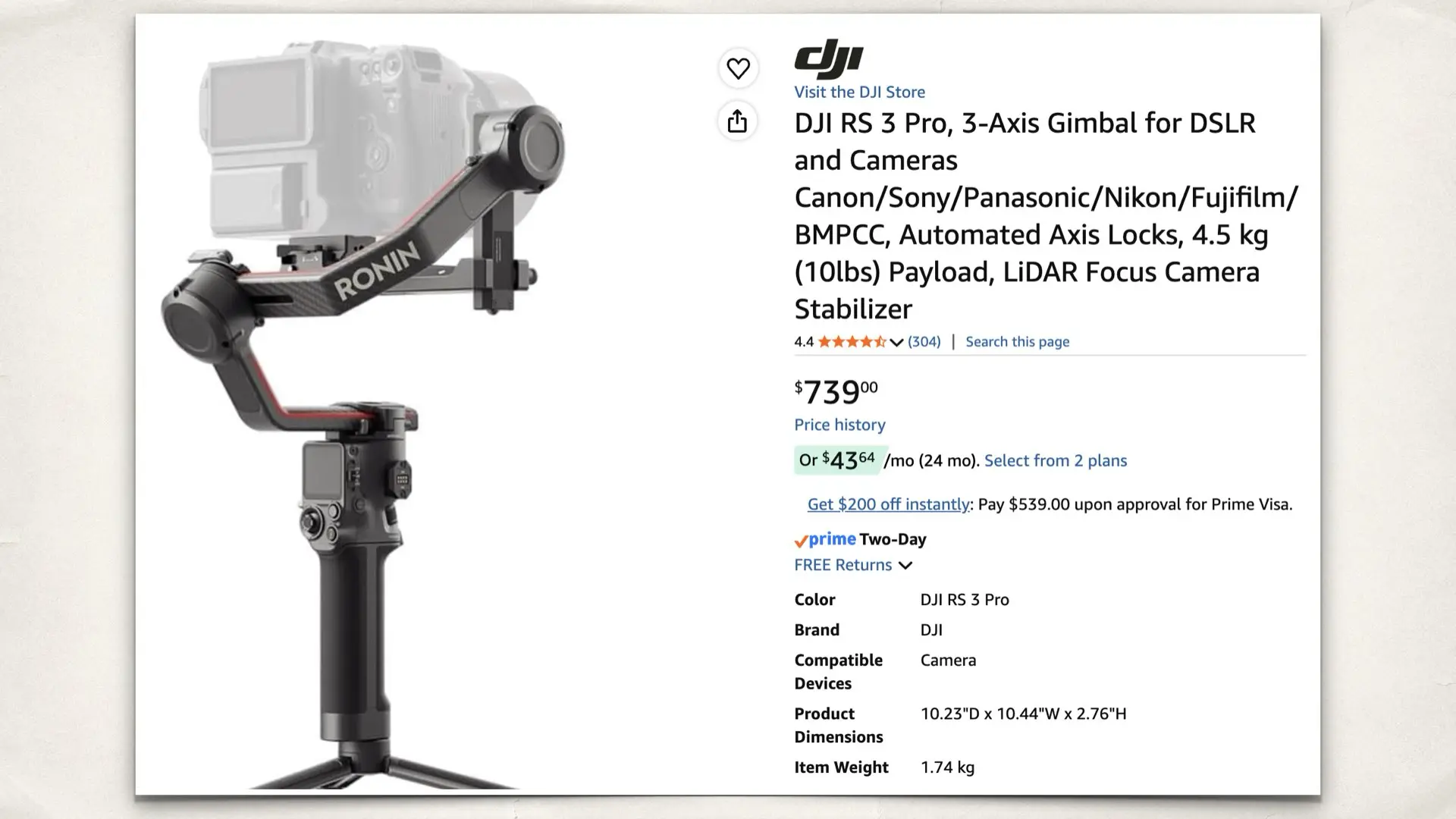
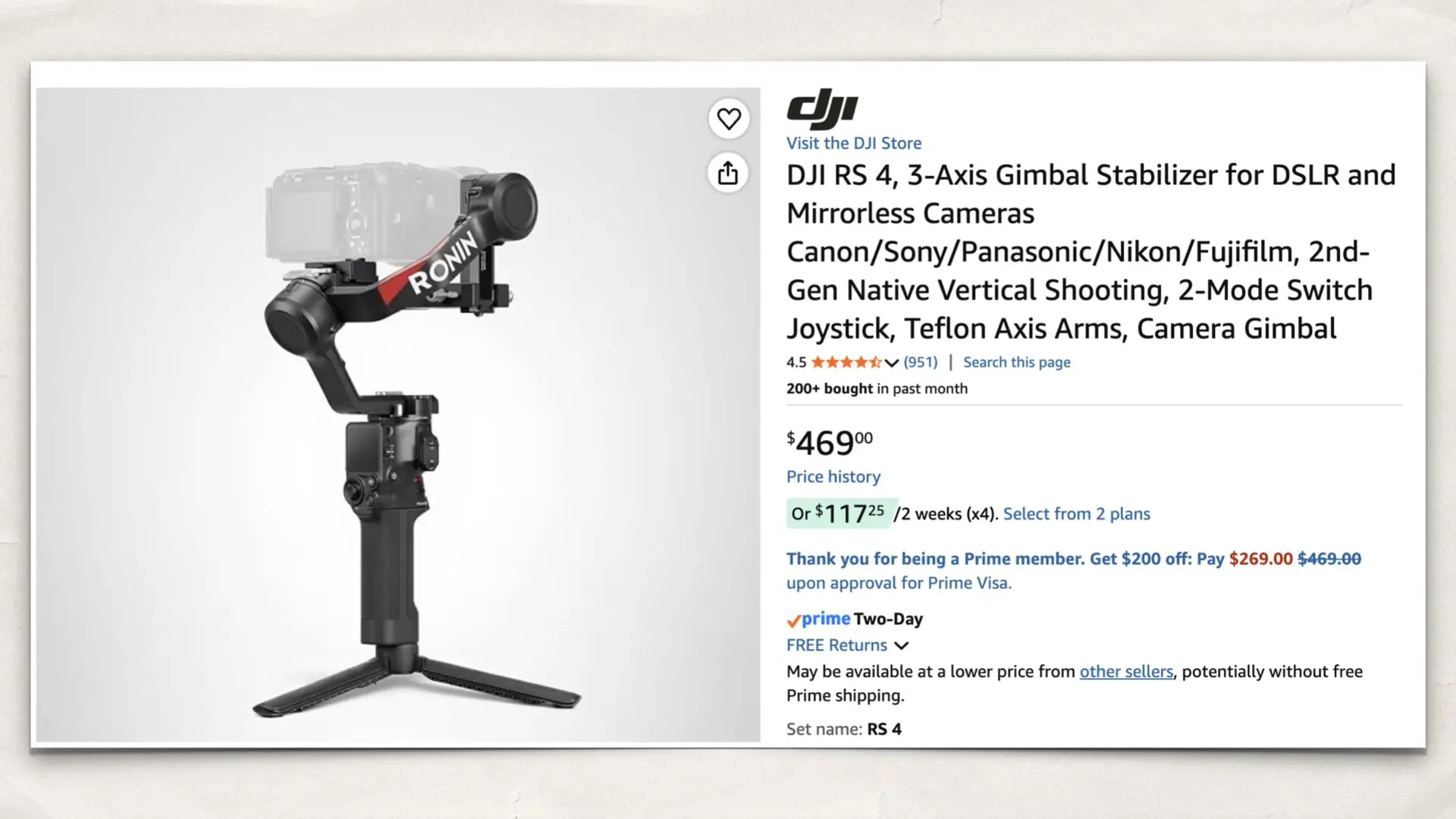
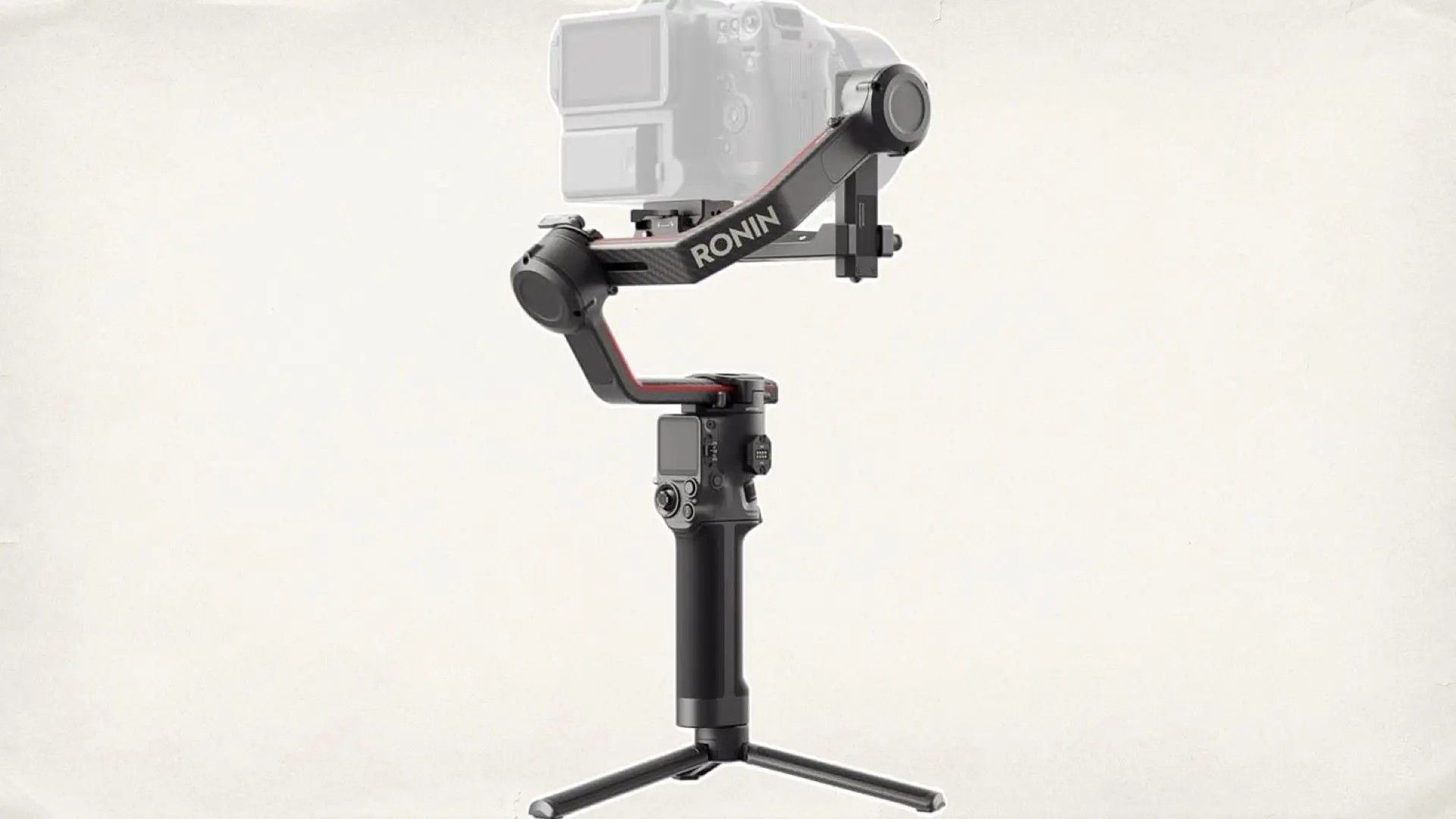
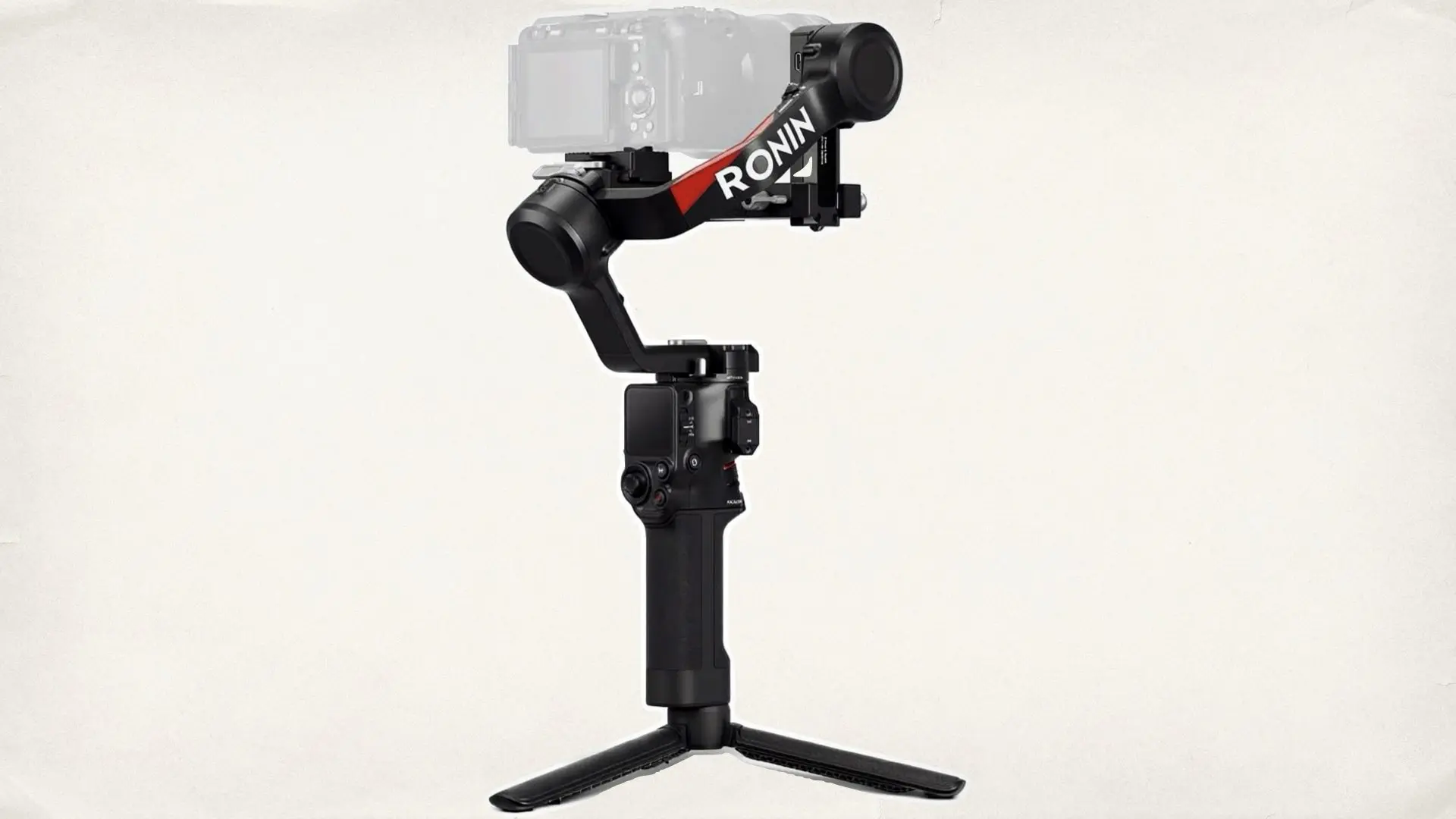
The DJI RS 3 Pro is a 3-axis handheld camera stabilizer built for larger camera setups. DJI lists the RS 3 Pro with a tested payload of 4.5 kg, which is 10 lbs. It also includes automated axis locks and was positioned by DJI as a professional Ronin tool with compatibility around larger production accessories and LiDAR-based focusing workflows. DJI’s 2022 launch material described the RS 3 Pro as bringing Ronin 4D LiDAR focusing technology into a handheld gimbal setup through the DJI LiDAR Range Finder ($469 on Amazon) system. The DJI RS 4 is newer, lighter, and less expensive in the current Amazon screenshot. DJI lists the RS 4 with a tested payload of 3 kg, which is 6.6 lbs. The RS 4 emphasizes second-generation native vertical shooting, Teflon-coated axis arms for smoother balancing, an extended tilt axis, a joystick mode switch, and an RSA communication port for accessory integration. That means the RS 4 is not a direct successor to the RS 3 Pro. In practical terms, the RS 4 is closer to a refined mainstream mirrorless gimbal, while the RS 3 Pro sits in the heavier production class. The more direct modern comparison to the RS 3 Pro would be the RS 4 Pro ($869 on Amazon) , not the standard RS 4. On Amazon, however, buyers do not always shop according to DJI’s product hierarchy. They see 2 DJI stabilizers, both discounted, both carrying the Ronin name, both suitable for serious cameras. That is where the confusion starts.
📦See the DJI RS 3 Pro on Amazon
📦See the DJI RS 4 on Amazon
DJI RS 3 Pro vs DJI RS 4 explained
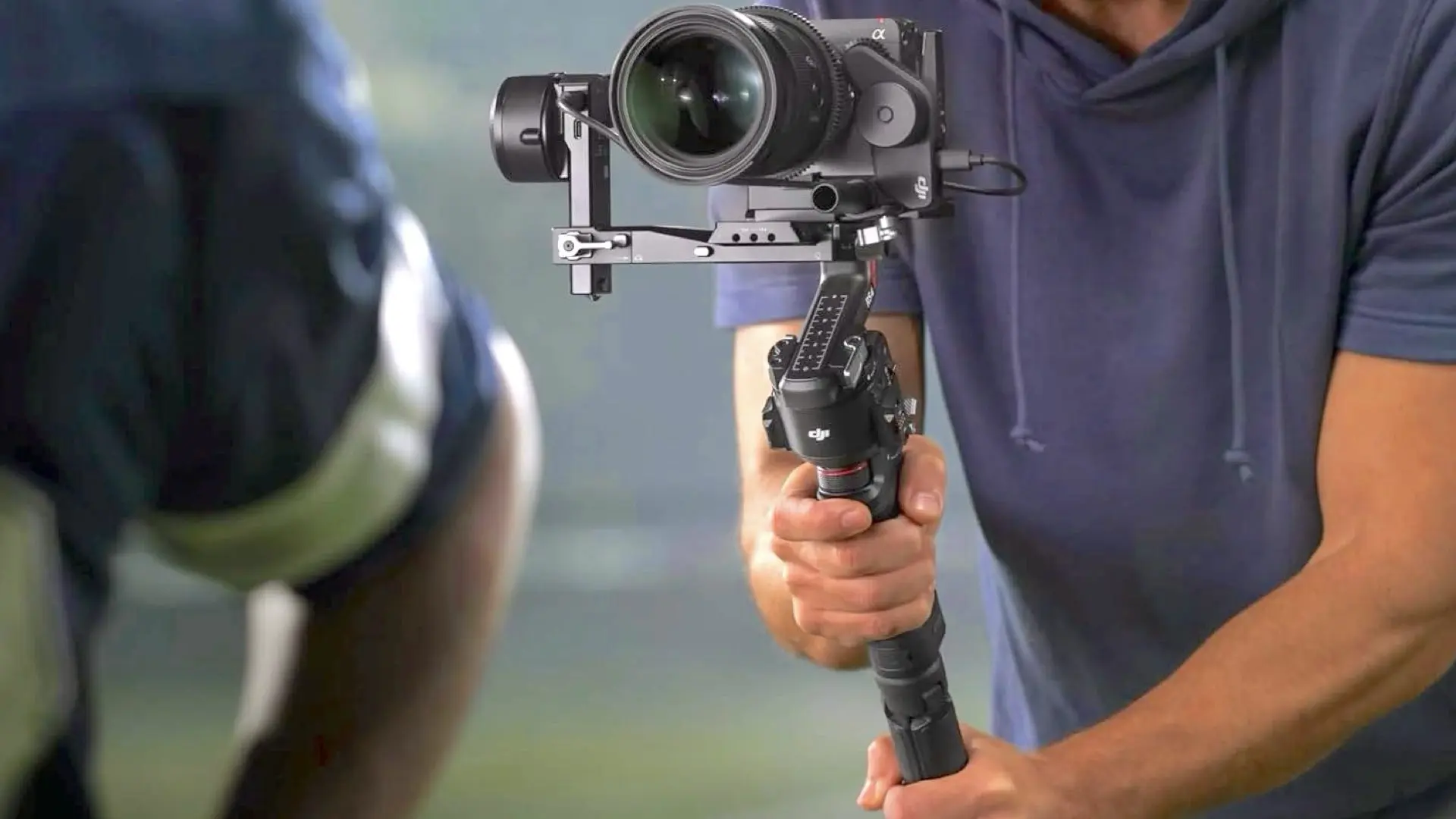
The biggest difference is payload. The RS 3 Pro supports up to 4.5 kg. The RS 4 supports up to 3 kg. On paper, that 1.5 kg gap may sound abstract. On set, it can be the difference between a clean balance and an annoying compromise. A mirrorless camera with a compact zoom lens can easily sit inside the RS 4 comfort zone. A Sony a7 series body, Canon EOS R ($1,755.07 on Amazon) body, Panasonic S5 series body, Nikon Z body, or Fujifilm hybrid camera with a reasonable lens is the natural RS 4 use case. The RS 4 also makes strong sense for content creators who frequently switch between horizontal and vertical deliverables. Its second-generation native vertical shooting system directly responds to modern social and commercial work. The RS 3 Pro becomes more compelling when the camera starts looking less like a stills hybrid and more like a small cinema rig. Think BMPCC-style builds, rigged Sony FX3 or FX6 style setups, Canon cinema bodies, heavier full-frame zooms, cage systems, top handles, wireless video, follow focus, and front heavy cine lenses. In those situations, payload headroom is not a luxury. It is stability insurance. A gimbal near its payload limit can technically work and still feel unpleasant. Balancing becomes more sensitive. Motor stress increases. The rig can become more vulnerable to small shifts in lens position, cable drag, focus motor placement, and monitor weight. A heavier-rated gimbal does not automatically make every shot better, but it gives operators more room to build the camera the way they actually shoot.
So, which is for what
The DJI RS 4 is the better buy for most compact mirrorless users. It costs less, it is newer, and its design reflects how many creators work today. Vertical video is no longer a side feature. For commercial shooters, social agencies, small crews, and hybrid creators, quick vertical operation can save real production time. The DJI RS 3 Pro is the better buy for filmmakers who hate rebuilding their camera just to make a gimbal shot. If your camera normally lives in a cage with accessories, and the first thing you do before using a gimbal is strip it down, the RS 3 Pro is probably the safer choice. That is the key practical difference. The RS 4 is about efficiency with lighter cameras. The RS 3 Pro is about tolerance for heavier rigs. One is the smarter creator tool. The other is the better cinema compromise. That does not mean the RS 3 Pro is automatically the professional choice for everyone. It is heavier and more expensive in the current Amazon screenshot. If you shoot weddings, travel, real estate, events, social campaigns, and handheld mirrorless packages, the RS 4 may be the more rational tool. Carrying less weight all day is also a production advantage. But if your work involves narrative pieces, documentary setups with heavier lenses, commercial camera packages, or compact cinema cameras, the older Pro model earns its price by giving the rig more breathing room.
📦See the DJI RS 3 Pro on Amazon
📦See the DJI RS 4 on Amazon
Final thought
As usual, the smarter choice depends on whether your camera is a compact mirrorless camera or a cinema-style build. If your kit is a hybrid camera with a compact zoom or prime, buy the DJI RS 4. It is newer, cheaper in the screenshot, lighter, and better aligned with vertical deliverables. It is the practical choice for many creators and small commercial shooters. If your kit includes heavier lenses, cages, monitors, focus motors, and cinema-style accessories, buy the DJI RS 3 Pro. The extra payload capacity is the real feature. It gives you more freedom to keep the camera configured for filmmaking rather than rebuilding it into a stripped-down gimbal mode. The common mistake is assuming newer always means better. In this case, newer means more optimized for the current creator workflow. Pro means more suitable for heavier rigs. Those are different priorities.
As an Amazon Associate, Y.M.Cinema earns from qualifying purchases. If you purchase through the Amazon links above, Y.M.Cinema may earn a small commission at no additional cost to you. This helps support our work.
Gear mentioned in this article
Available on Amazon
| Product | New | Renewed | Used |
|---|---|---|---|
| DJI RS 4 | $369 | — | — |
| DJI RS 3 Pro | $758.90 | — | — |
| DJI LiDAR Range Finder | $469 | — | — |
| DJI RS 4 Pro | $869 | — | From $825.55 |
| Sony a7 IV | $1,998 | — | From $1,789 |
| Canon EOS R series | $1,755.07 | — | From $989 |
| Panasonic S5 | $1,397 | — | From $989.95 |
| Sony FX3 | $3,998 | — | — |
Prices checked: Oct 7, 2026, 1:30 PM GMT+0000
As an Amazon Associate, Y.M.Cinema earns from qualifying purchases. If you buy through our links, we may earn a small commission at no extra cost to you.
Product prices and availability are accurate as of the date/time indicated and are subject to change. Any price and availability information displayed on Amazon.com at the time of purchase will apply to the purchase of this product.
CERTAIN CONTENT THAT APPEARS ON THIS SITE COMES FROM AMAZON. THIS CONTENT IS PROVIDED “AS IS” AND IS SUBJECT TO CHANGE OR REMOVAL AT ANY TIME.





I’m a little confused. Did you mean the RS4 Pro vs. the RS5?
This comparison is intentionally RS 3 Pro vs RS 4 because those are the 2 Amazon listings currently at attractive prices. It is not meant as a same-generation lineup comparison. The RS 4 Pro is the more direct successor class to the RS 3 Pro, while the RS 5 is the newer standard model. The angle here is buying logic: older Pro payload vs newer standard RS at a lower price.
Ah, thanks for clarifying!
This has to be one of the dumbest articles. It’s a classic affiliate-link article wrapped in a “cinema review” coat. Misleading headline and written in poor faith.
You caught us. The entire 1,200-word conspiracy was designed to hide the shocking conclusion that heavier rigs need stronger gimbals. Cinema technology will never be the same.