
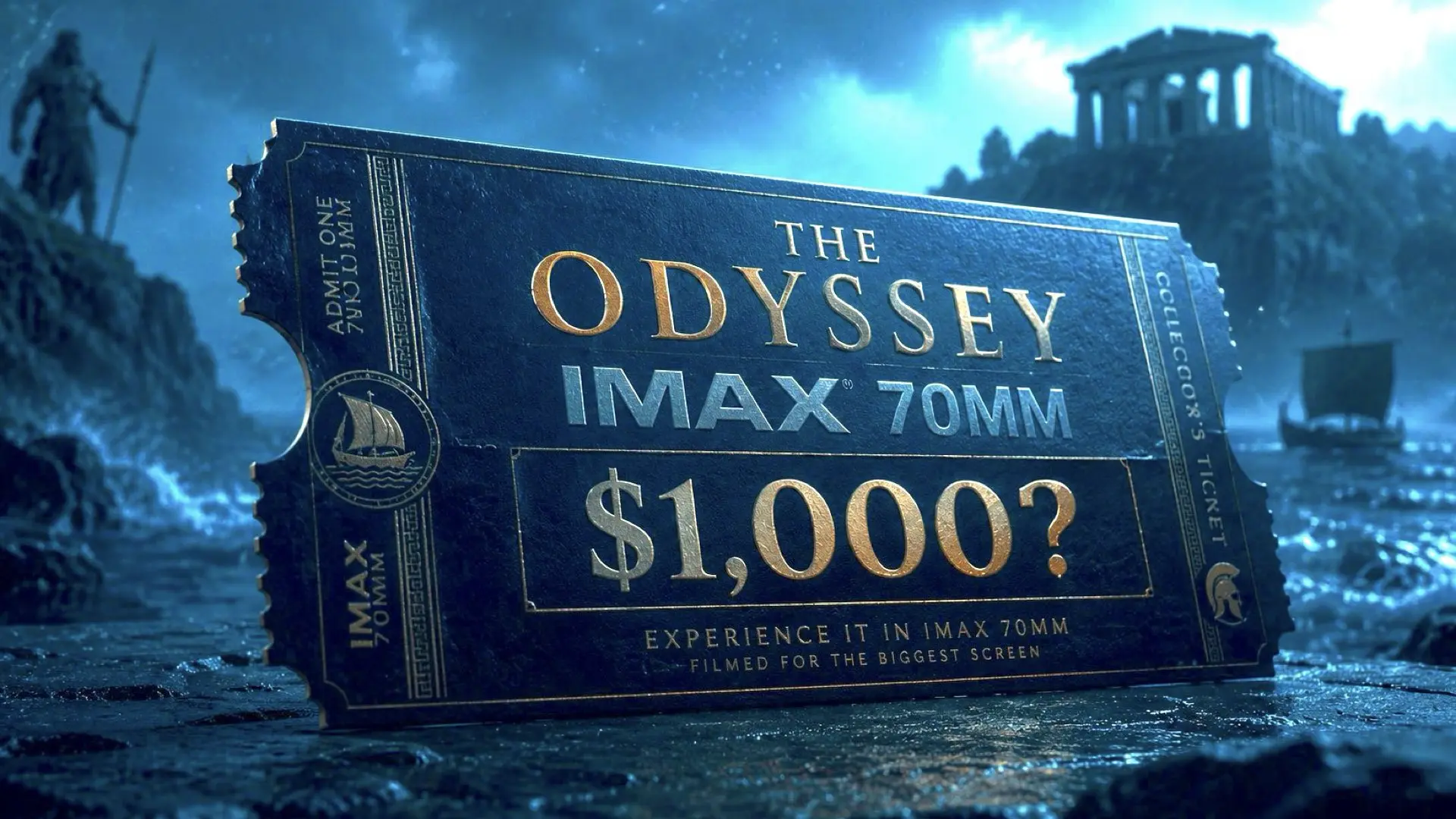
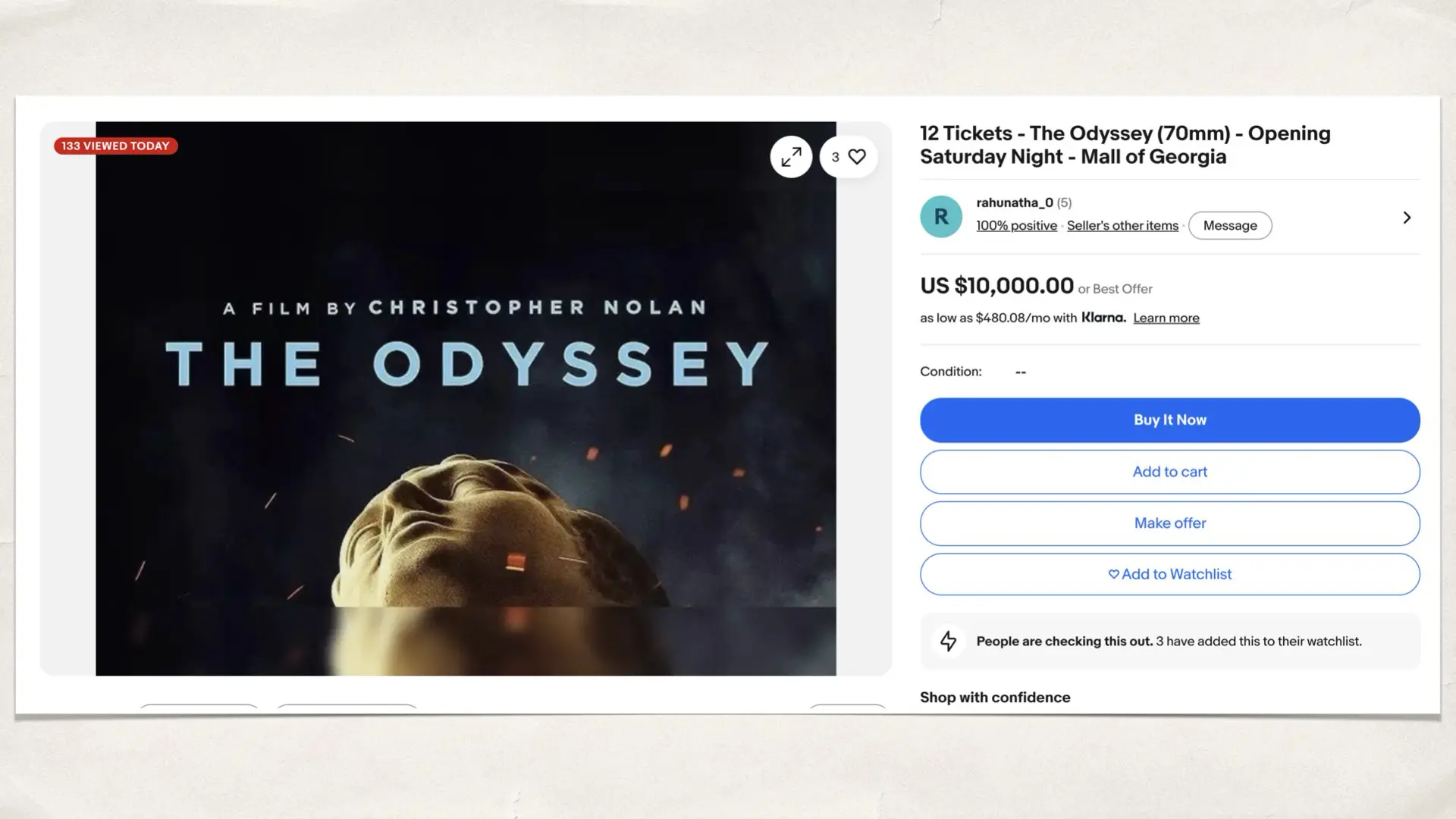
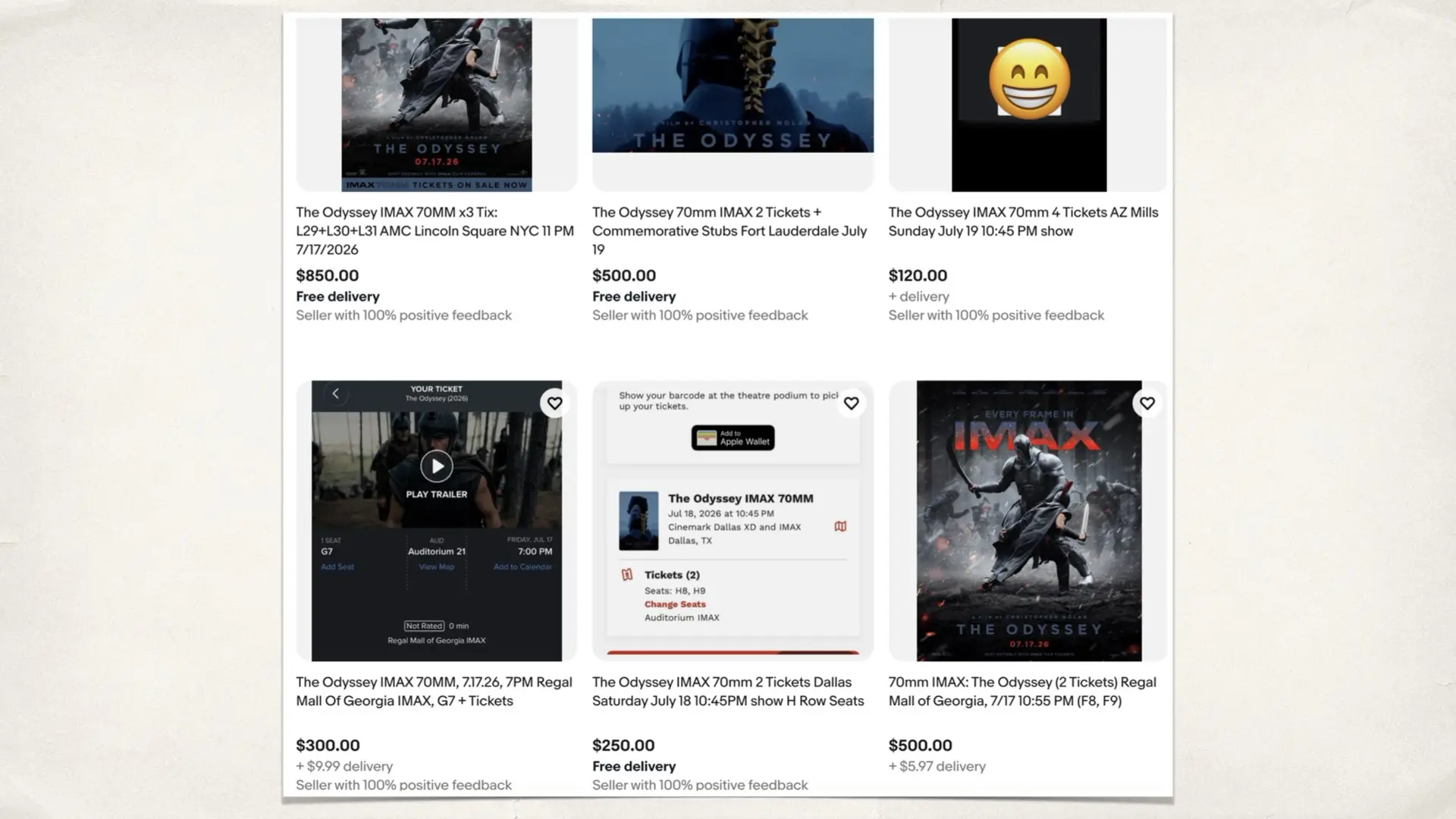
Tickets for Christopher Nolan’s The Odyssey have already become a story before the movie itself reaches theaters. According to multiple reports, IMAX 70mm screenings of the film have appeared on resale platforms such as eBay for hundreds of dollars, with some listings crossing $1,000. The film opens on July 17, 2026, which makes the frenzy feel even stranger. This is not a last-minute opening night panic around a superhero sequel. It is a demand spike around a specific projection format. Nolan has turned IMAX 70mm into one of the most desirable cinematic experiences in the world, and the market is now treating that experience almost like a luxury item.
The obvious comparison is Oppenheimer. Nolan’s 2023 film turned IMAX 70mm into a theatrical event and helped bring film projection back into mainstream discussion. Viewers traveled long distances, planned specific screenings, and treated the format almost like a pilgrimage. The Odyssey appears to be expanding that behavior before the film is even released.
What happened
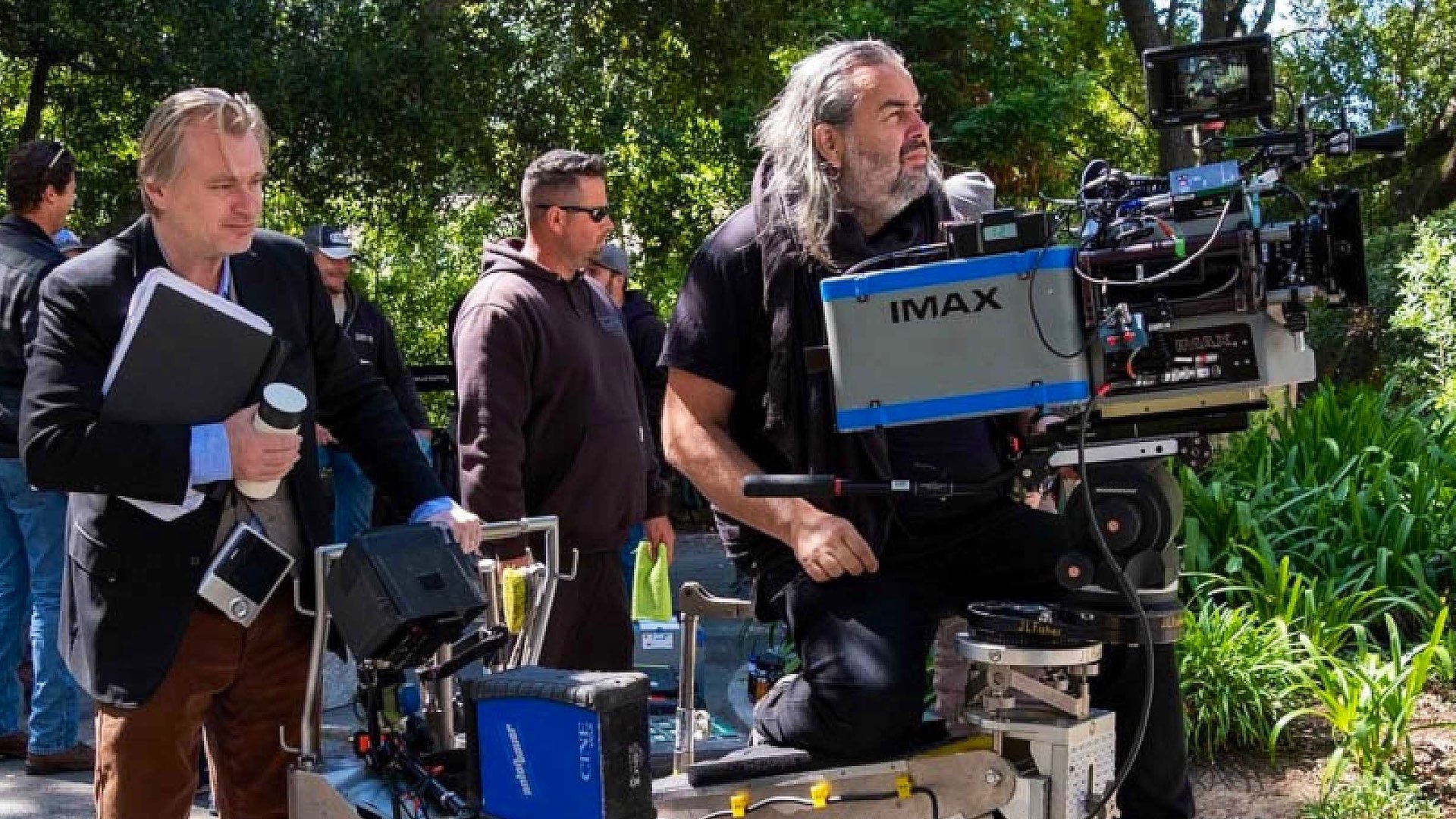
IMAX 70mm tickets for The Odyssey went on sale far ahead of the film’s July 2026 release. Demand was intense enough that major ticketing platforms reportedly suffered slowdowns, long queues, and availability problems. Soon after, tickets began appearing on eBay and other resale spaces at inflated prices. The most important wording here is “listed,” because a listing price does not automatically prove a completed sale. Still, the appearance of $1,000 level listings around a single cinema format is meaningful. The demand is concentrated around IMAX 70mm screenings, not regular theatrical showings. Audiences are not only buying access to Nolan’s adaptation of Homer’s epic poem. They are chasing access to a specific analog presentation, at a limited number of theaters, with a format that has been framed as essential to the movie’s full visual identity. IMAX’s official positioning presents The Odyssey as shot entirely with IMAX film cameras. For years, Nolan has trained audiences to understand format as part of authorship. With The Dark Knight, Interstellar, Dunkirk, Tenet, and Oppenheimer, he helped turn large-format film capture and projection into a public conversation. The Odyssey pushes that idea further because the marketing message is no longer simply that some sequences benefit from IMAX. The format is being treated as the intended way to experience the film.
Why the $1,000 question is about format, not only price
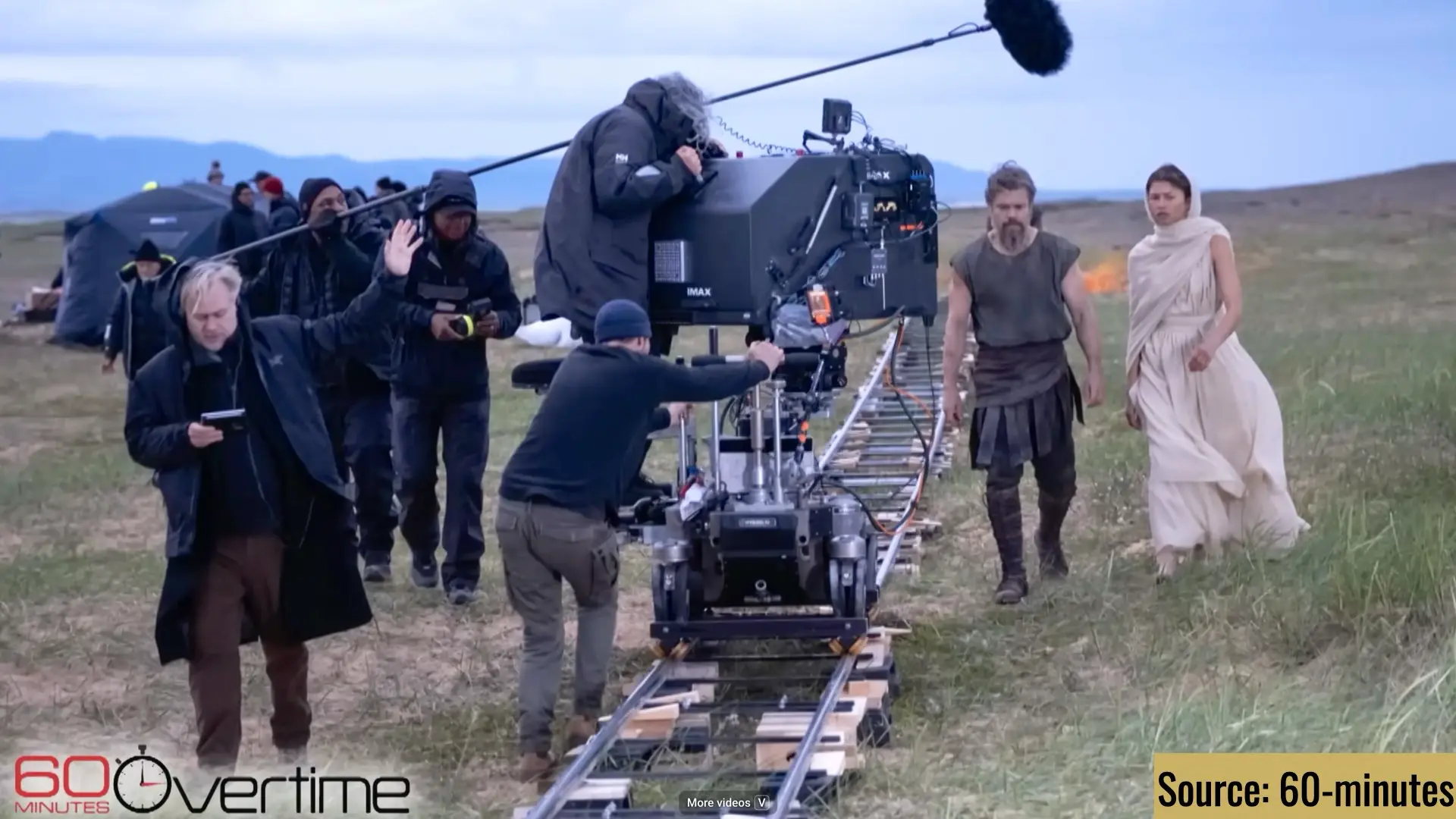
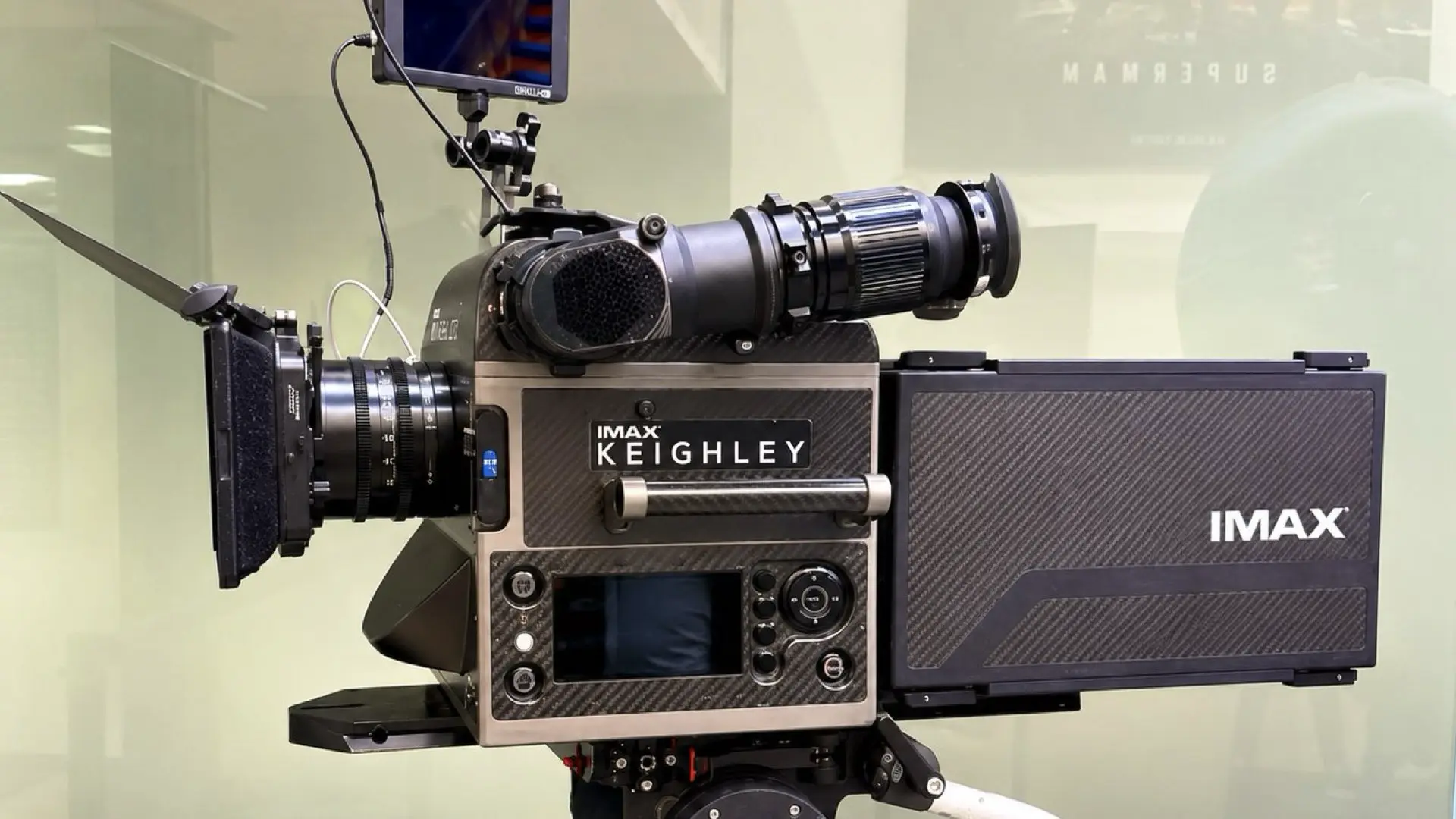
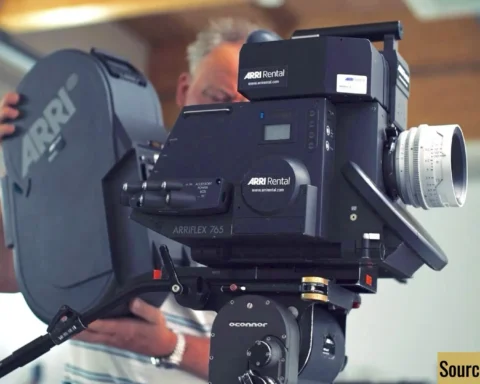
The resale prices are outrageous for a movie ticket. But the more interesting question is why people are willing to assign that value to a theatrical seat in the first place. The answer begins with scarcity. IMAX 70mm projection is rare. True 15 perf 70mm IMAX presentations require specialized projectors, trained projection teams, film prints, booth infrastructure, and theaters capable of handling the format. This is not something every premium auditorium can offer. That scarcity changes the psychology of the ticket. A normal movie ticket gives the viewer access to a story. An IMAX 70mm ticket for The Odyssey gives the viewer access to a specific physical chain: a large-format film camera, an analog negative, a film print, a projector, and a screen designed to overwhelm the field of view. In a digital distribution era, that physical chain has become part of the attraction.
The Odyssey’s cinema technology explained
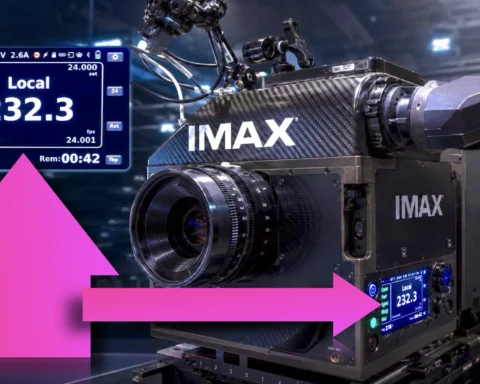
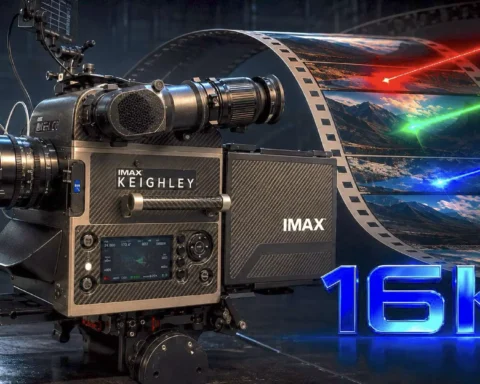
The Odyssey is Christopher Nolan’s upcoming large-scale adaptation of Homer’s ancient epic, starring Matt Damon as Odysseus. The film is being positioned as a major IMAX event, with official IMAX material emphasizing that it was shot entirely with IMAX film cameras. That is the phrase that separates this release from a conventional prestige blockbuster. For casual readers, IMAX 70mm can be explained simply: it is one of the largest and most immersive film projection formats available to commercial audiences. The image area is far larger than standard 35mm film, and the experience is built around extreme screen size, high image detail, and a strong sense of physical immersion. In the best theaters, IMAX 70mm feels less like watching a movie on a screen and more like sitting inside the visual architecture of the image. That does not mean every viewer needs to pay a resale premium. Most audiences will see The Odyssey in standard digital projection, digital IMAX, Dolby Cinema, or other premium large format auditoriums. Many of those presentations will likely look and sound excellent. But the cultural energy is clearly gathering around IMAX 70mm because it has become the rarest version, the version associated most closely with Nolan’s creative intent, and the version many fans believe will deliver the fullest visual impact.

The comparison with Oppenheimer
The obvious comparison is Oppenheimer. Nolan’s 2023 film turned IMAX 70mm into a theatrical event and helped bring film projection back into mainstream discussion. Viewers traveled long distances, planned specific screenings, and treated the format almost like a pilgrimage. The Odyssey appears to be expanding that behavior before the film is even released. The difference is timing and intensity. With Oppenheimer, the format story grew around the release window and became part of a larger cultural phenomenon. With The Odyssey, the format demand has already become a headline more than 1 year before the release date. That means the audience has learned the pattern. Nolan plus IMAX 70mm now creates automatic urgency.
Our take
The $1,000 The Odyssey ticket story is not mainly about greed on eBay. It is about the strange new value of real cinema technology in a digital age. IMAX 70mm has become a symbol. It represents scale, craft, mechanical projection, and resistance to the idea that all moving images are interchangeable files. That symbolism has commercial value now. For a generation raised on streaming, phones, short-form video, and algorithmic content feeds, the rarest theatrical formats offer something different: a shared physical experience that cannot be fully copied at home. That is why Nolan’s format strategy works. He gives audiences a technical reason to leave the house and an emotional reason to care which auditorium they choose. There is also a warning here. If large format film becomes too exclusive, it risks turning cinema into a status experience for the few rather than a public art form for the many. A $1,000 resale listing is good for headlines, but it is not good for accessibility. The ideal outcome is not a black market. The ideal outcome is more investment in premium projection, better ticketing systems, and broader access to high-quality theatrical presentation. Now, can IMAX (pleassssseee) make more 70mm theaters? Would you pay $1,000 to see The Odyssey in IMAX 70mm?




Too early to tell if the “$1,000 ticket” is a thing. I think its great that IMAX is drawing so much demand. We need higher standards of quality at the theater… there’s just too much competition on smaller screens. And not the least of which is better content!