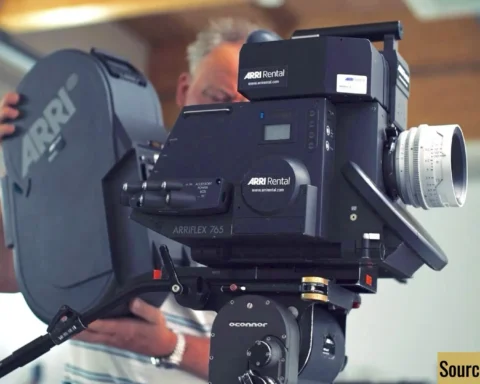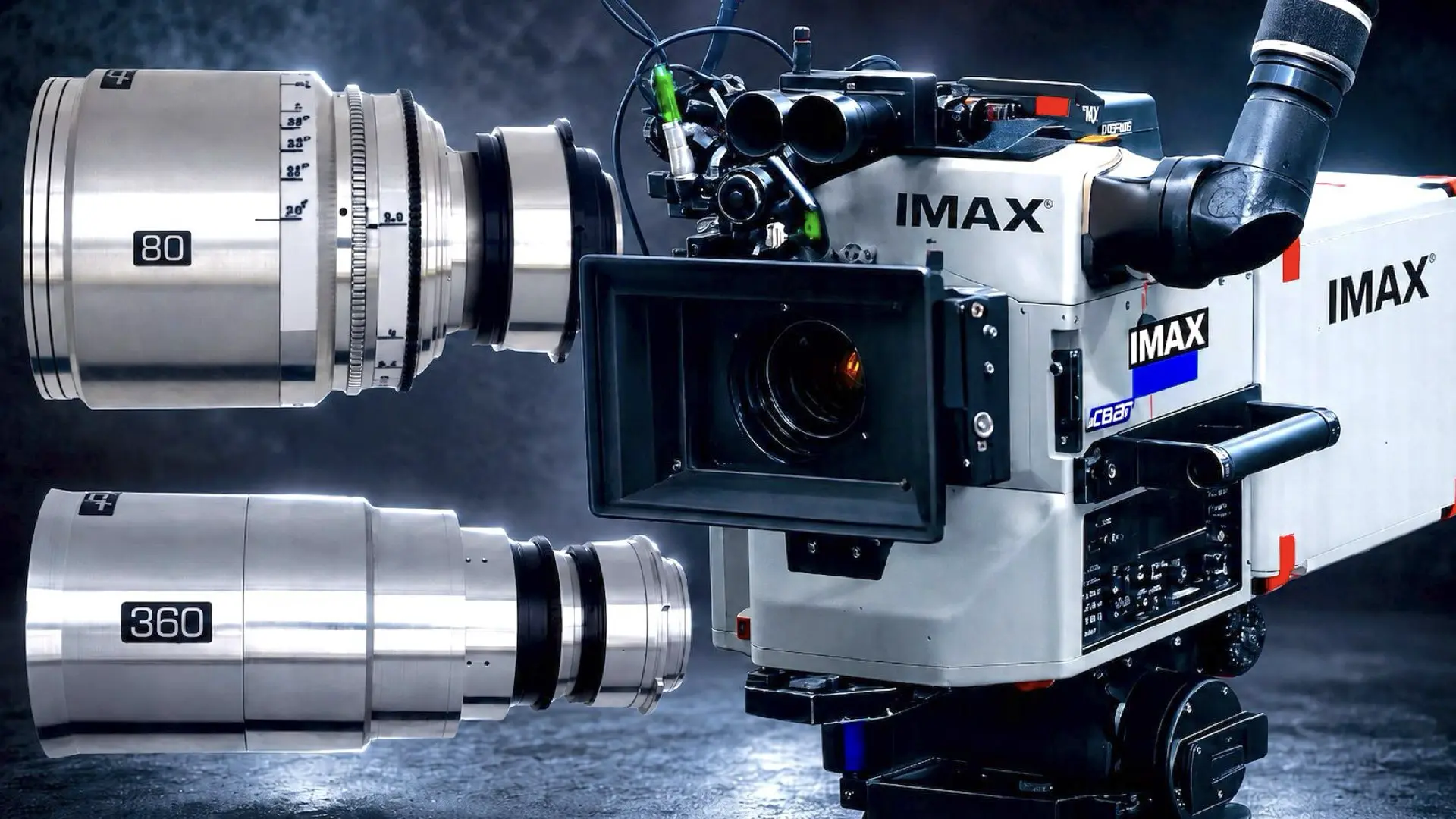
Chapter 51 movie did not rely on one mysterious custom lens to achieve its claimed anamorphic IMAX photography. A newly published shot breakdown identifies two dedicated Panavision prototypes: an 80mm T2 and a 360mm T5.6, both designed to pair anamorphic optics with the enormous 15-perf IMAX film frame.
The two Panavision Anamorphic IMAX prototypes
The lenses are:
- Panavision Anamorphic IMAX Prototype 80mm T2
- Panavision Anamorphic IMAX Prototype 360mm T5.6
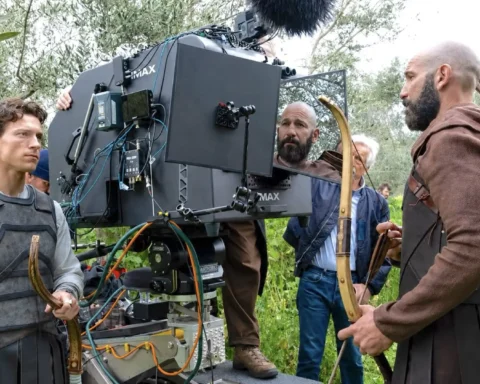
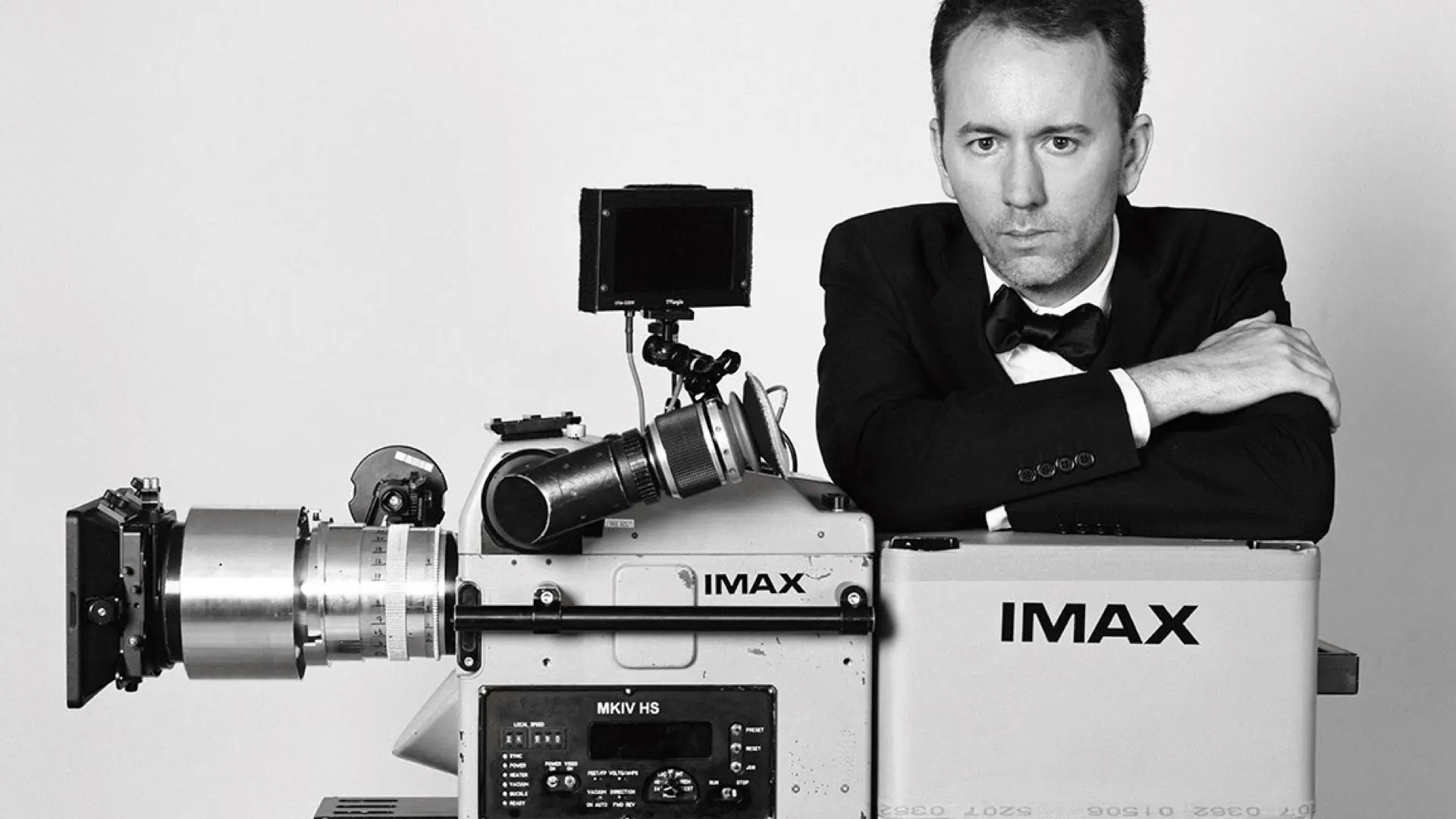
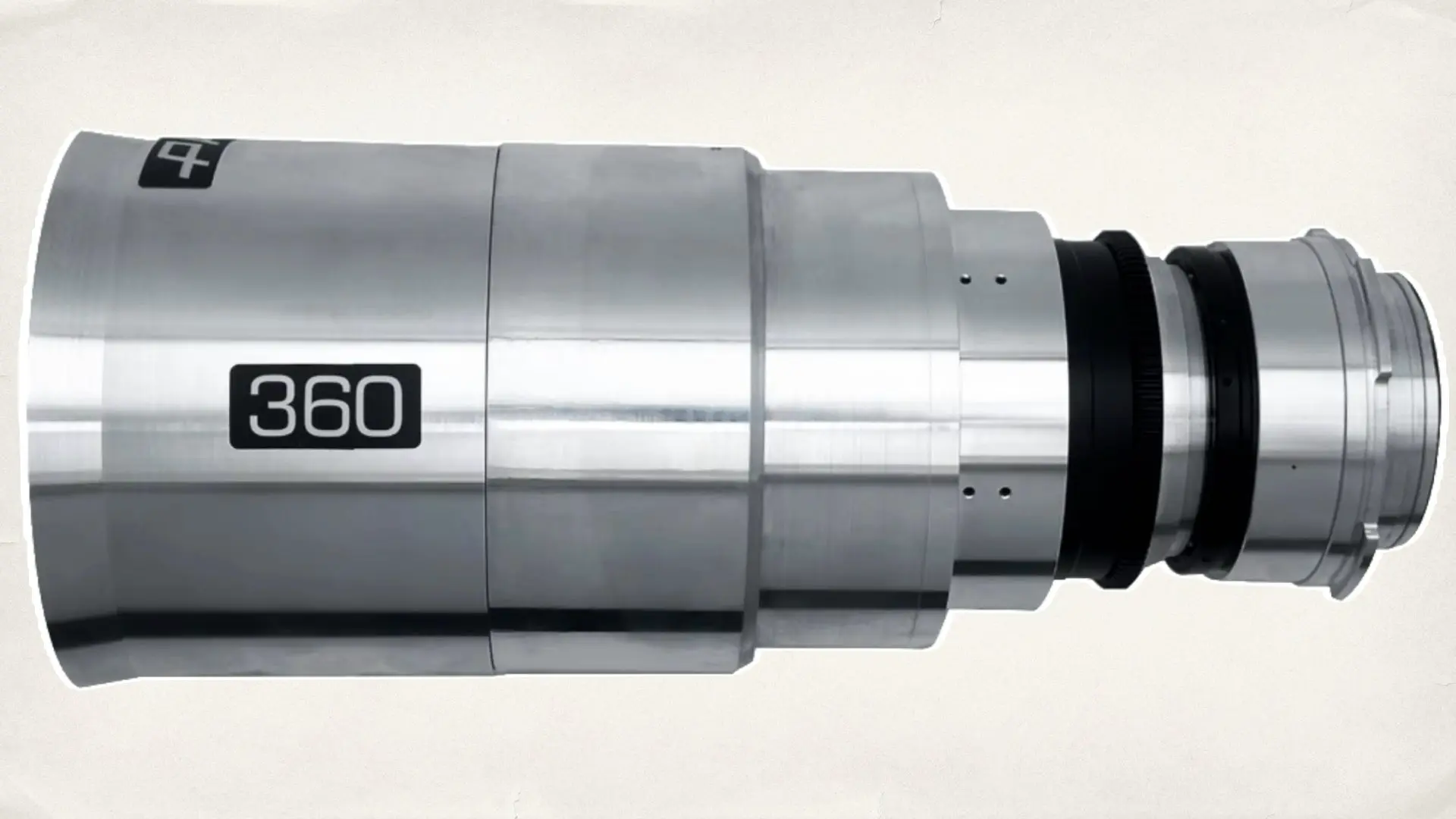
The 360mm appears repeatedly in the published sequence, while the 80mm is identified for another shot. The breakdown also lists conventional Cooke Anamorphic/i 2x lenses elsewhere in the production, emphasizing that Chapter 51 combined several optical systems rather than applying one lens package across the entire movie. Tyler Shields previously described the production as the first film shot using anamorphic IMAX and referred to a one-of-a-kind lens system developed with Panavision. The newly surfaced information indicates that the system included at least two prototype focal lengths rather than one isolated experimental lens.
Pairing anamorphic optics with the IMAX frame
Traditional 15-perf IMAX photography already records an exceptionally large image. The film travels horizontally through the camera, exposing a frame substantially larger than conventional 35mm and 5-perf 65mm formats. Anamorphic lenses introduce another optical layer. Instead of recording the scene in its normal horizontal proportions, an anamorphic system compresses a wider field of view onto the available film area. The image is later unsqueezed during post-production or projection. Applying that principle to IMAX is not merely a matter of attaching a standard anamorphic lens to an IMAX camera. The lens must project an image circle capable of covering the massive IMAX frame while controlling vignetting, edge softness, astigmatism, distortion, and uneven focus across the image. The anamorphic components must also maintain their optical behavior over a much larger area than the formats for which most cinema lenses were designed. This makes the Panavision prototypes especially interesting. They were apparently built not just to create anamorphic flares or oval bokeh, but to deliver anamorphic image characteristics while covering one of the largest motion-picture negatives in active use.
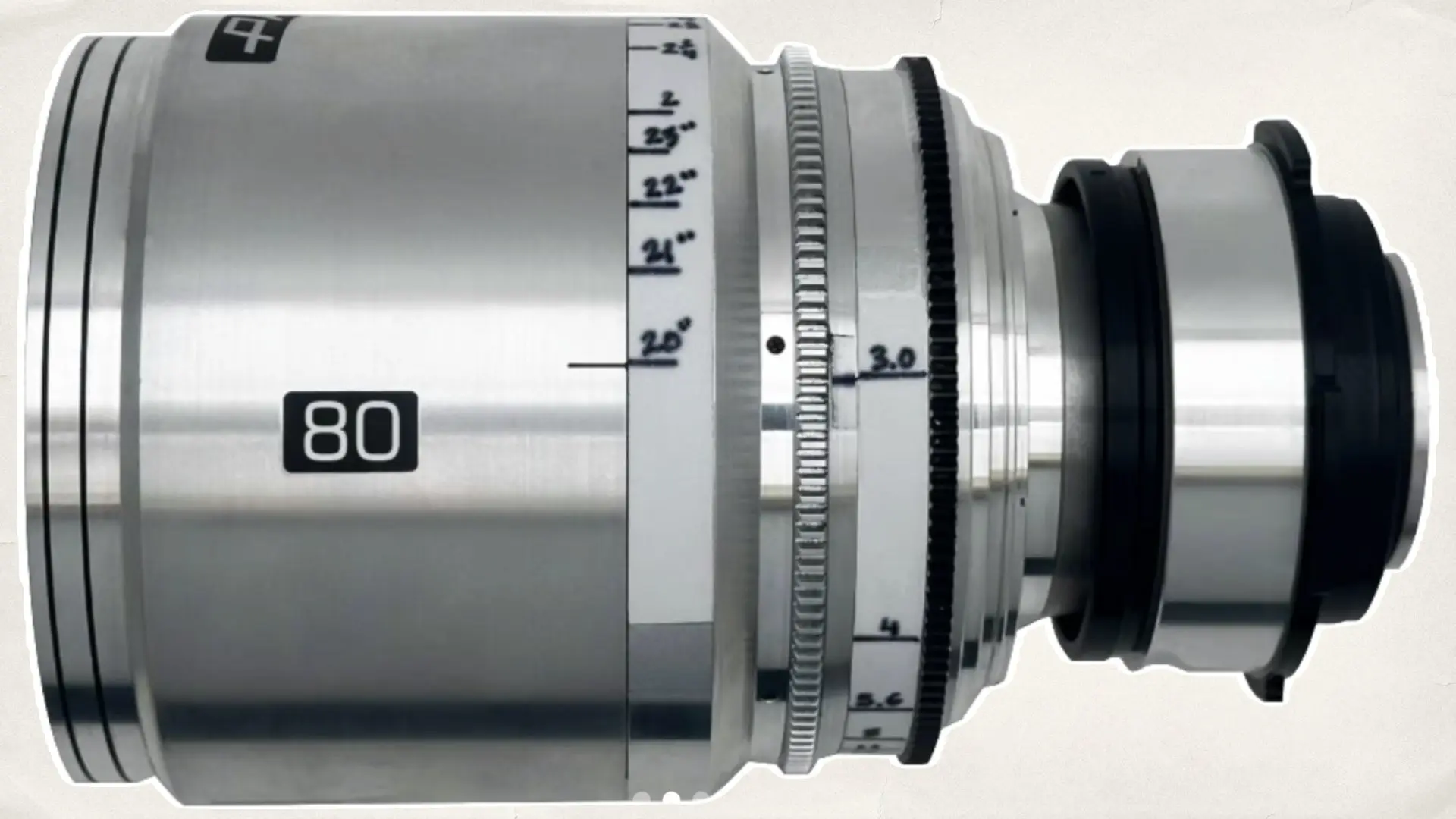
The 80mm T2 is the aggressive lens
Of the two specifications, the 80mm T2 may be the more technically ambitious. An 80mm lens is not particularly wide in conventional cinema terms, but focal length must be understood relative to the size of the recording format. On 15-perf IMAX, an 80mm can provide a considerably broader field of view than the same focal length would on Super 35. That gives the cinematographer the possibility of combining large-format spatial scale with anamorphic horizontal expansion. The T2 aperture is equally notable. Designing a fast lens that covers the IMAX image area requires large optical elements and extremely precise correction. Adding an anamorphic stage increases the complexity further, especially when attempting to preserve usable sharpness and illumination toward the edges of the frame. The result could offer something unusual: the environmental presence associated with IMAX, combined with relatively shallow depth of field, anamorphic separation and a wide horizontal composition. However, Panavision has not released a complete optical specification for the prototype. Its squeeze ratio, close-focus performance, image-circle dimensions and internal design remain undisclosed. The visual consequences therefore cannot be determined from the T-stop and focal length alone.
The massive 360mm T5.6
The 360mm T5.6 approaches the IMAX frame from the opposite direction. On a smaller format, 360mm would be considered an extreme telephoto lens. The enormous IMAX negative moderates that field of view, but it remains a long lens capable of producing significant spatial compression and strong subject isolation. The lens appears several times in the Lens Addiction breakdown, suggesting it was not created merely as a technical demonstration. It was used as a practical storytelling tool within the production. A 360mm anamorphic IMAX lens could produce a distinctive combination of characteristics: the facial compression and background enlargement of a long lens, the optical texture associated with anamorphic photography and the exceptionally detailed negative structure of IMAX film. Its T5.6 aperture is also understandable in this context. A 360mm lens covering such an enormous frame would require substantial glass even at a moderate maximum aperture. The large silver housing visible in the breakdown communicates the physical scale required to make the concept viable.
IMAX does not normally need anamorphic lenses
IMAX photography is traditionally associated with spherical lenses. The format already provides an expansive native image area, extremely high detail, and a tall frame that can be composed for premium large-screen presentation. Anamorphic photography historically solved a different problem: capturing a wider image on a comparatively narrow film frame. Therefore, combining anamorphic optics with IMAX is not necessary for obtaining high resolution or a large theatrical image. The objective is presumably to combine two visual languages that are normally treated separately. IMAX contributes scale, negative area, and spatial clarity. Anamorphic optics can contribute horizontal compression, elliptical defocus, characteristic flare behavior, edge personality and altered spatial relationships. The experiment is less about making IMAX “bigger” and more about changing how the large-format image behaves.
Panavision’s custom-lens culture
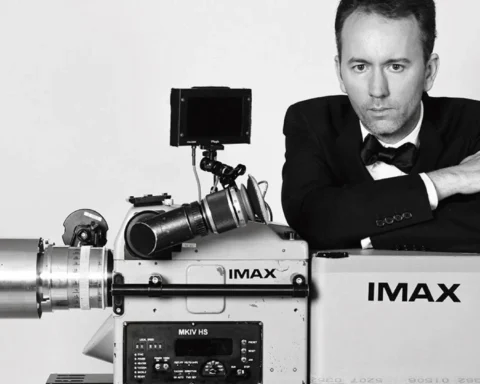
The prototypes also illustrate Panavision’s role beyond supplying established lens families. The company has a long history of modifying, rebuilding, and creating optics for individual productions. In this case, Shields approached Panavision lens specialist Dan Sasaki about the possibility of producing an anamorphic system for an IMAX film camera. That discussion reportedly resulted in the custom system used for Chapter 51. Furthermore, the most significant detail is not simply that Chapter 51 used anamorphic lenses on an IMAX camera. It is that Panavision appears to have developed at least two specialized prototypes capable of addressing very different photographic situations. The 80mm T2 offers a comparatively expansive perspective and an unusually fast aperture for such a large image area. The 360mm T5.6 delivers long-lens compression through an optical system large enough to cover the IMAX frame. Hence, Chapter 51 may ultimately be remembered less for claiming another large-format first and more for demonstrating that IMAX film can serve as a platform for genuinely unconventional lens engineering.