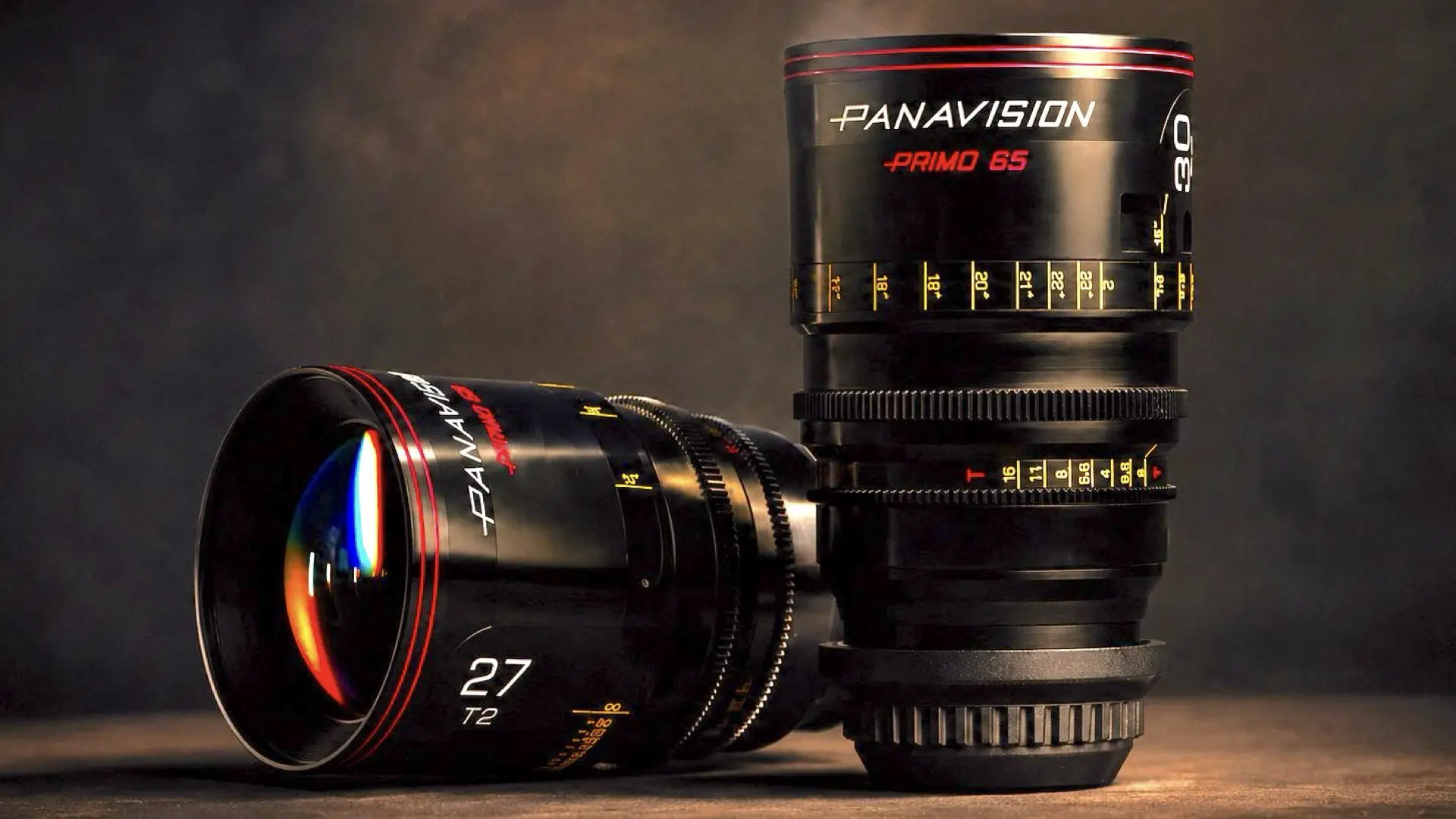
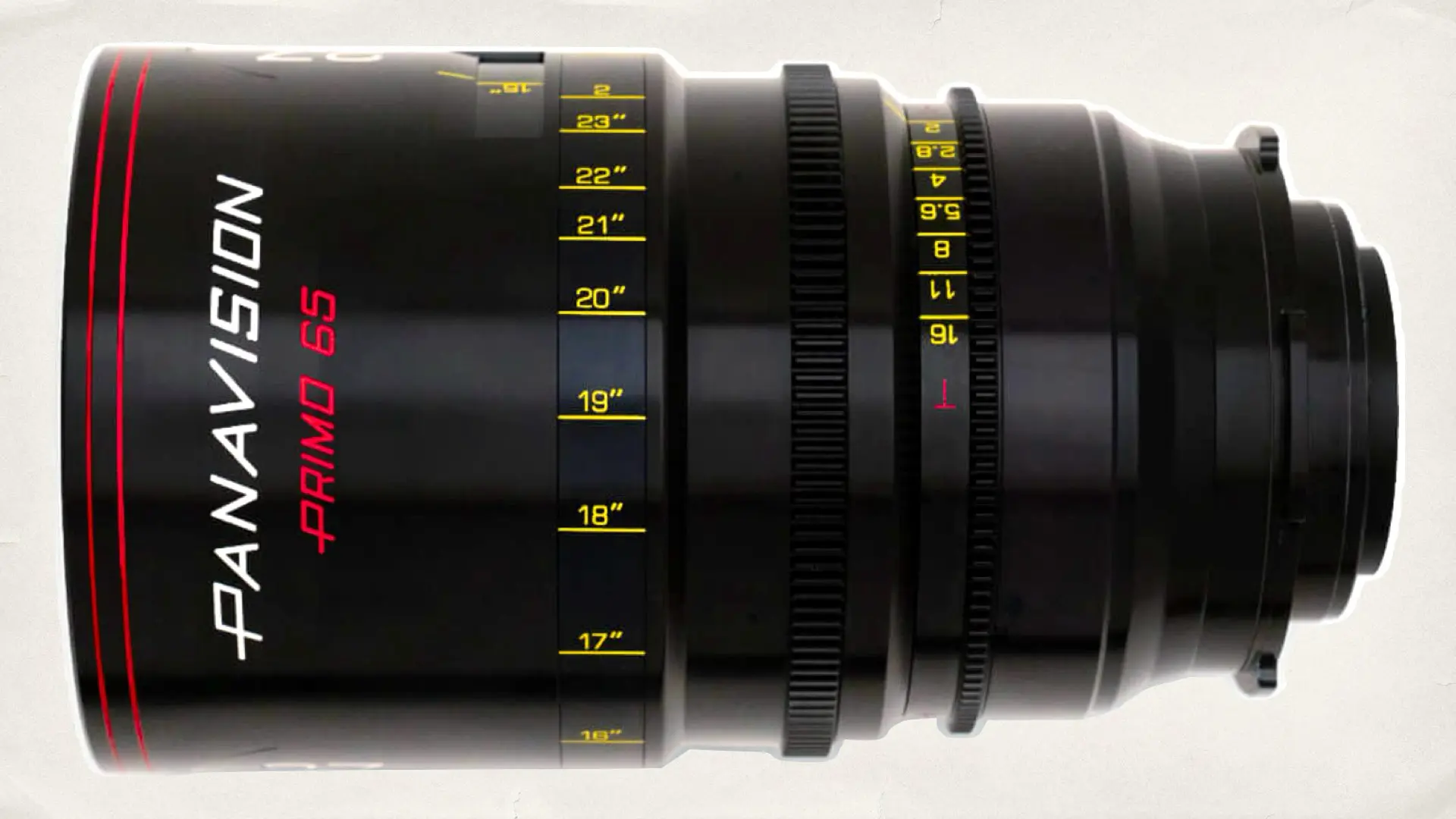
Panavision has announced the new Primo 65 lens series, a fresh family of spherical cinema primes designed to bring the celebrated Primo optical identity into the expanding world of 65mm digital cinematography. The timing is fascinating. Just as Sony is pushing the RIALTO 65 into the high-end production conversation, Panavision is answering from the optical side with a lens family that covers 65mm format sensors while preserving the contrast, focus falloff, and cinematic personality of the original 35mm format Primos. In other words, the 65mm digital race is gaining serious glass.
A Primo look for the 65mm sensor era
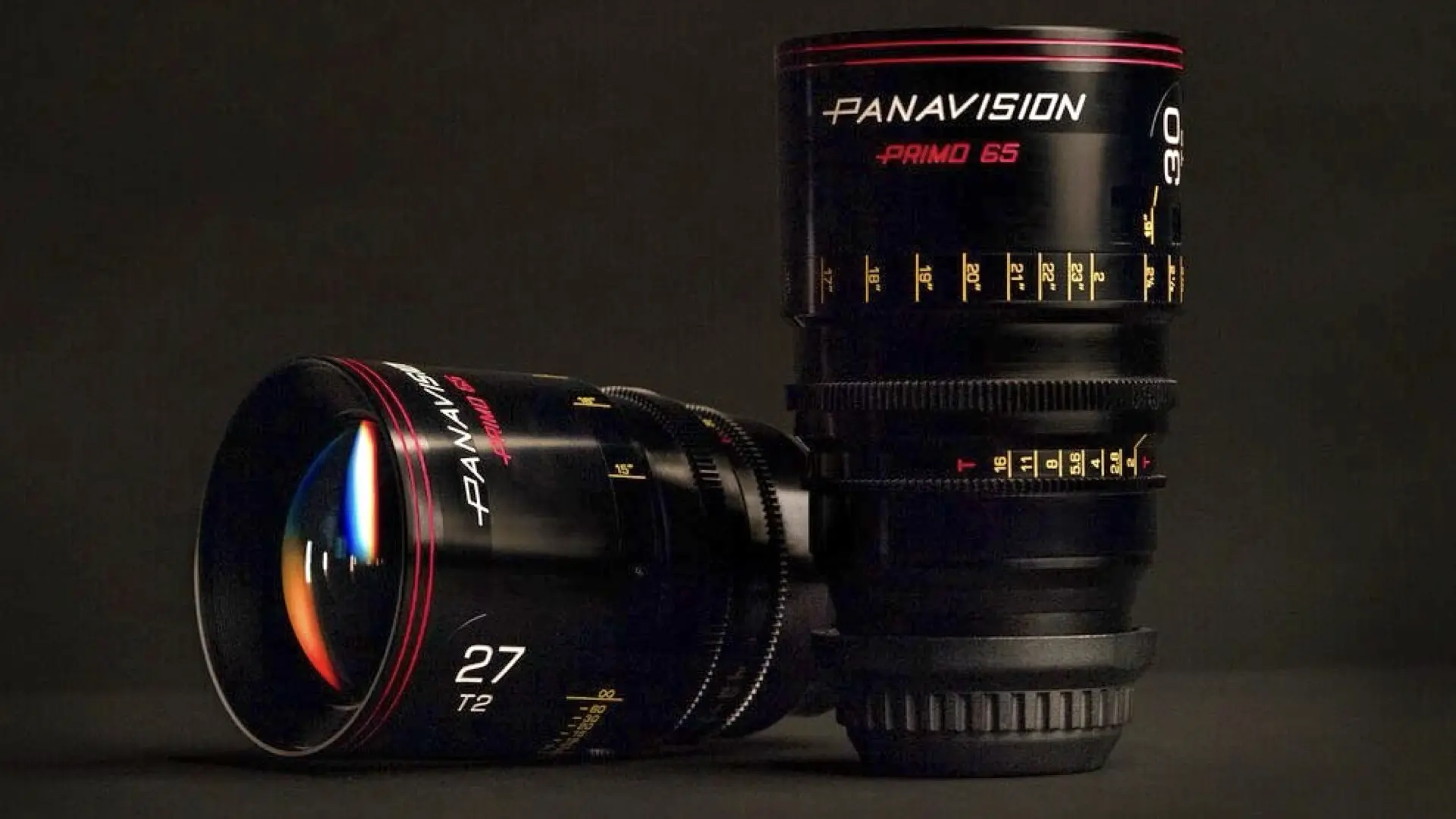
The Primo name carries serious weight in cinematography. Introduced in the late 1980s, Panavision’s original Primo lenses became one of the defining spherical lens families of modern cinema. They were used on productions such as Empire of the Sun, Casino, Titanic, The Matrix, Black Panther, Friends, The Sopranos, This Is Us, and The Marvelous Mrs. Maisel. They also earned major technical recognition from the Academy of Motion Picture Arts and Sciences and the Television Academy. Now Panavision is scaling that visual DNA to 65mm format sensors. According to Dan Sasaki, Panavision’s Senior Vice President of Optical Engineering and Lens Strategy, the internal layout of the Primo 65 lenses echoes the optomechanical design of the original Primos. The goal was direct continuity: contrast, focus falloff, and overall rendering that match the 35mm format Primos, with full coverage for 65mm digital cameras. Primo 65 is not designed as a sterile large sensor lens line chasing maximum sharpness at any cost. Panavision says the lenses favor an artistic approach over a purely mathematical design. The result is a clean, high contrast image that avoids the overly clinical feel often associated with ultra-modern digital optics.
Why this strengthens the IMAX look
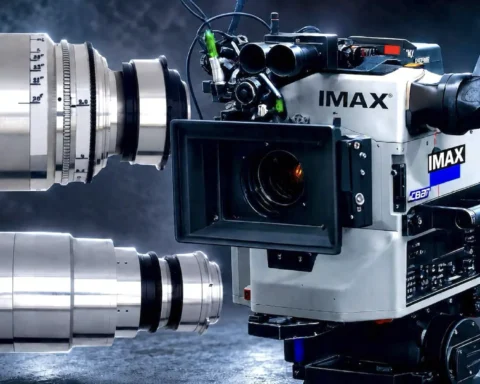
The return of 65mm is not only about resolution. It is about perspective, scale, depth, and spatial separation. Large sensors allow cinematographers to use wider focal lengths while maintaining natural faces, dimensional foregrounds, and a sense of scope that feels closer to large format film. That is one of the reasons the IMAX look has become such a desirable language in modern filmmaking. The Primo 65 series seems built exactly for that territory. It gives cinematographers full 65mm coverage, fast T2 apertures across most of the set, controlled breathing for visual effects work, and a lens personality that keeps skin, faces, and close-ups from becoming too harsh. That combination is essential. The large-format image can look massive, but without the right optics, it can also feel too sharp, too digital, and too neutral. Panavision describes round bokeh with a subtle cat’s eye effect near the edges of the frame, along with a multiband flare that appears as a cascade through the lens elements without becoming aggressive. That sounds like a measured optical signature: enough character to separate the image from clean technical glass, yet controlled enough for major studio workflows.
The full Primo 65 set
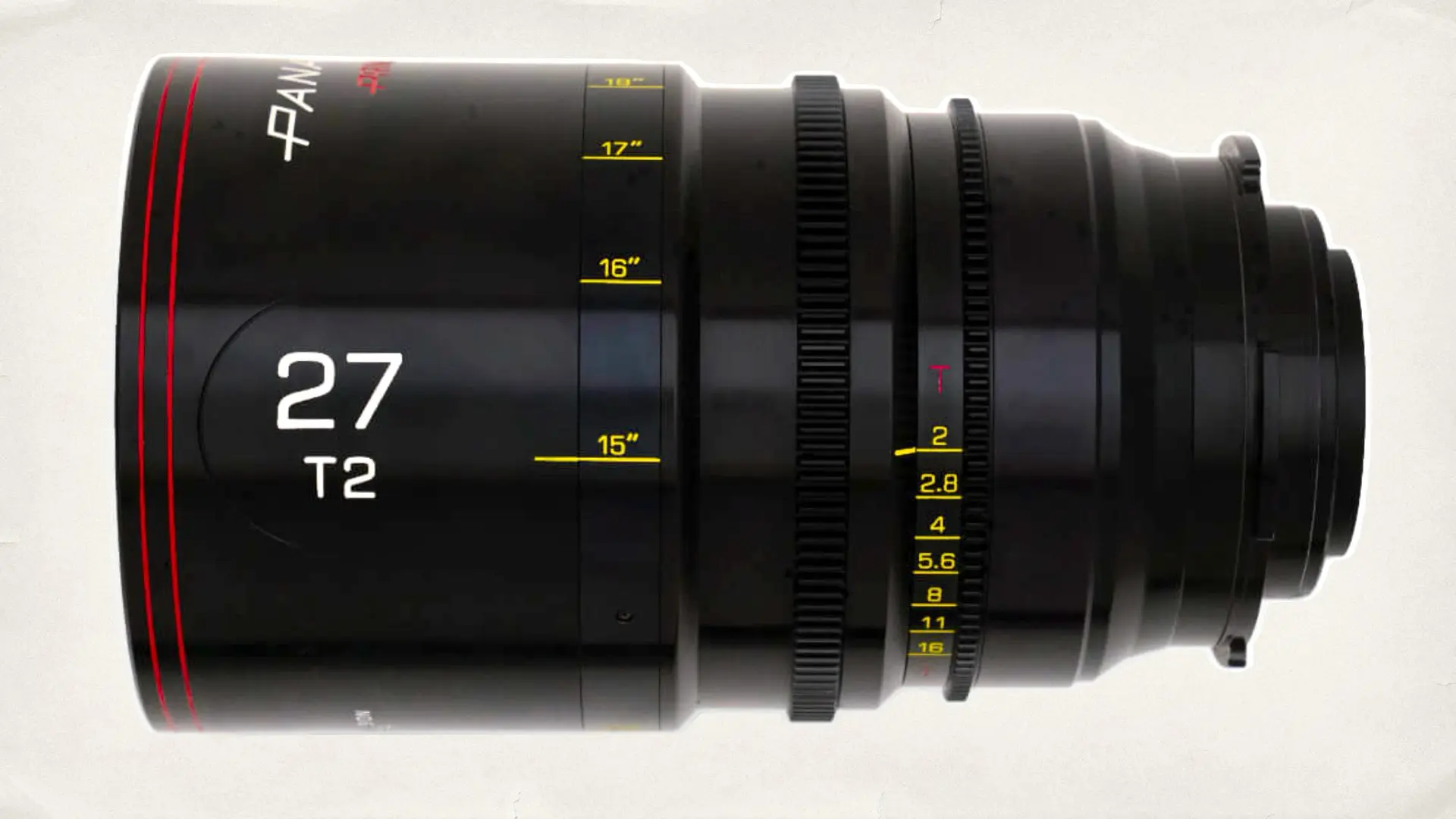
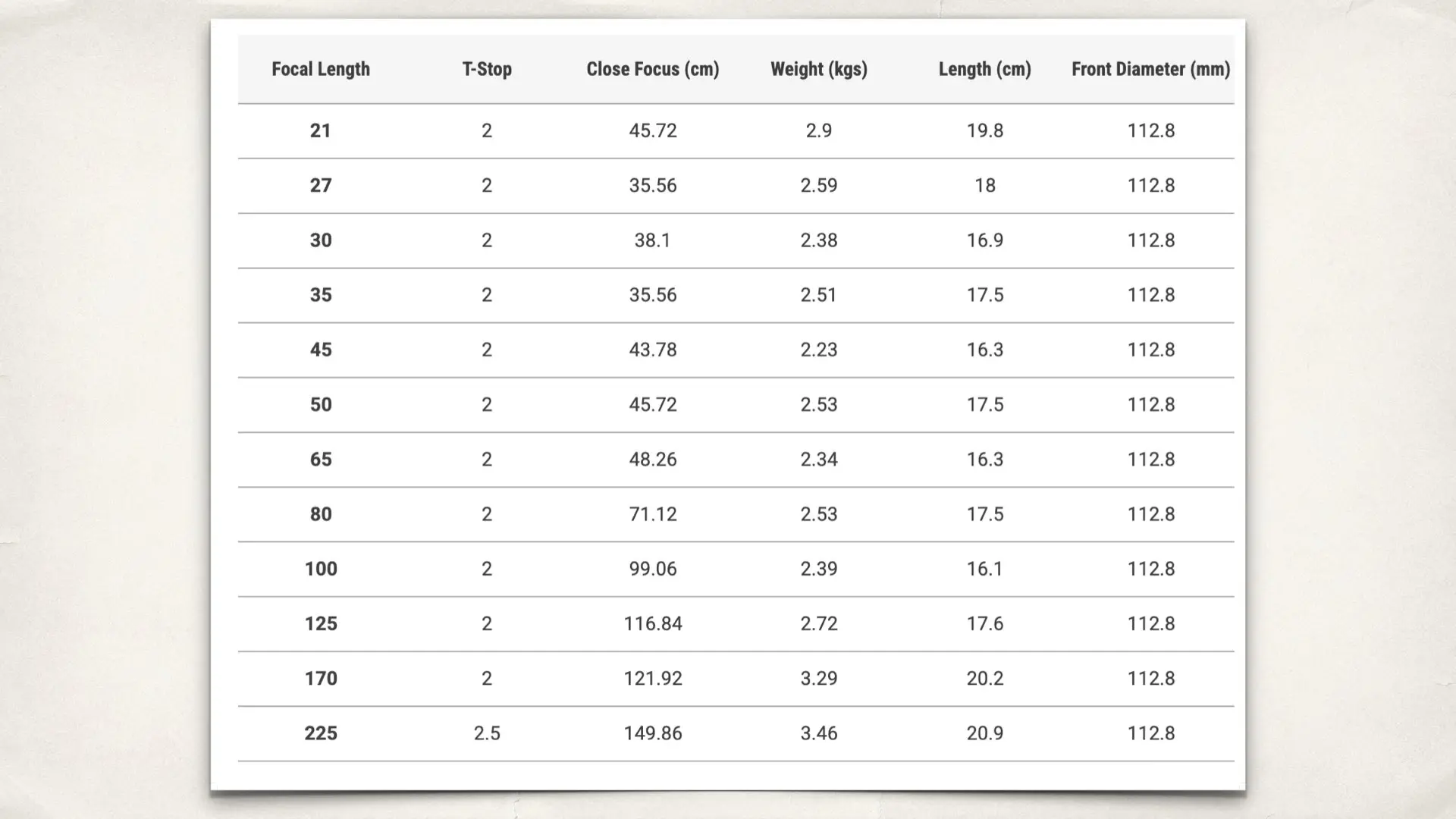
The Primo 65 spherical prime set includes 12 focal lengths: 21mm T2, 27mm T2, 30mm T2, 35mm T2, 45mm T2, 50mm T2, 65mm T2, 80mm T2, 100mm T2, 125mm T2, 170mm T2, and 225mm T2. The 225mm is T2.5. All focal lengths use Panavision’s proprietary SP70 mount and share a 4.44-inch, 112.8mm front diameter. They also feature commonly spaced focus and iris rings, which should simplify lens changes on set. The red and yellow engravings are a direct visual tribute to the original Primo series. Panavision has also introduced the 65ZW 20 to 36mm T4 wide zoom to complement the primes. This is a smart addition, since wide zoom flexibility can be extremely useful on large format productions, especially when working in tight locations, vehicle rigs, complex blocking, or large-scale sets where changing lenses slows momentum.
Primo 65 sits above Primo 70 in coverage
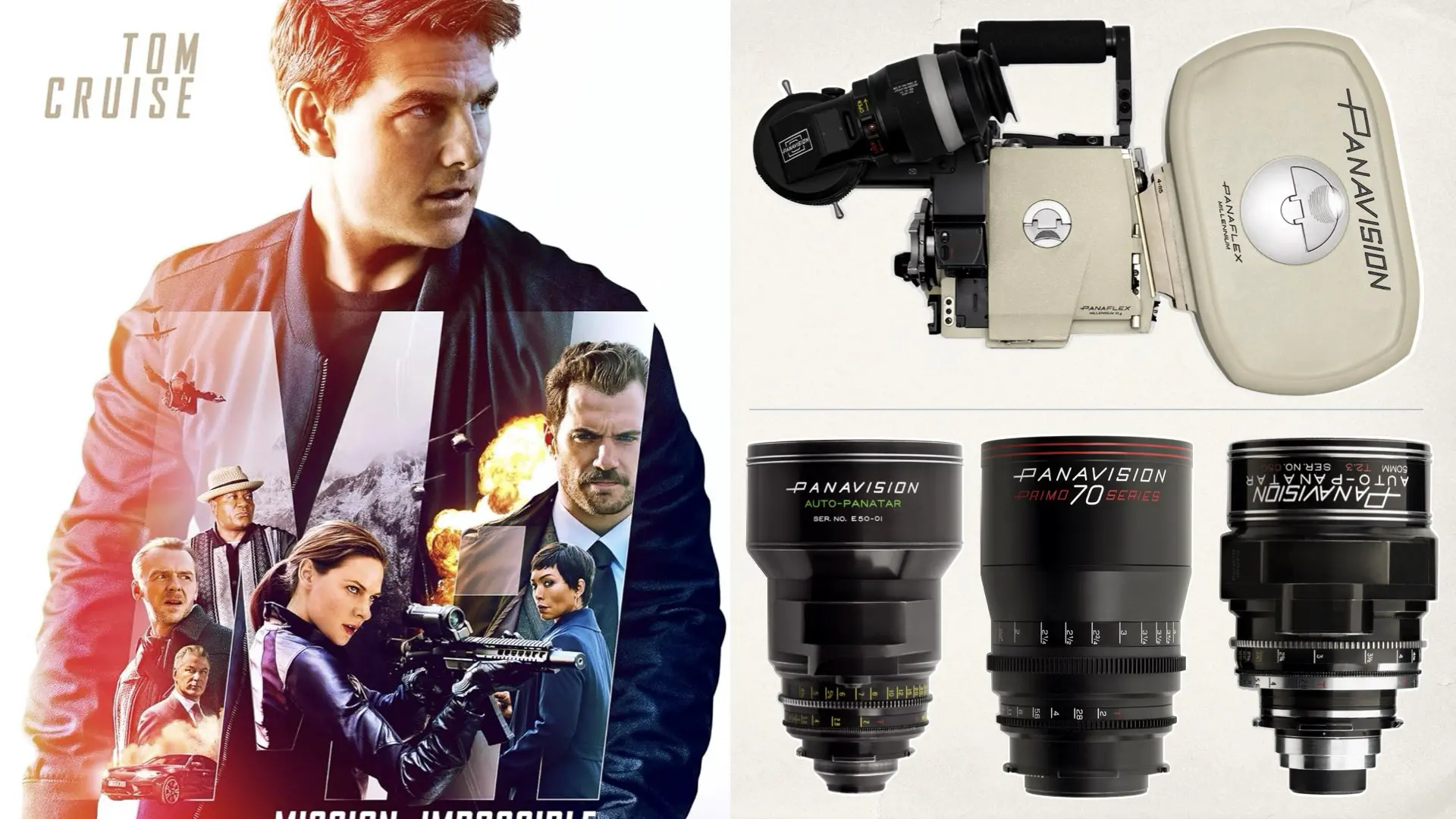
Panavision’s Primo family has already expanded into large format territory before. Primo 70 lenses were designed for VistaVision size sensors, offering a sharper and higher contrast evolution. Primo Artiste lenses offered a softer and lower contrast alternative for large format work. Panaspeed primes have also served as a companion to Primos on large-format systems. However, Primo 65 is presented as the truest match to the original Primos with the most extensive coverage. That is relevant because camera manufacturers are now moving beyond standard full frame and VistaVision into true 65mm digital systems. Sony’s RIALTO 65 is one recent example. Panavision’s message is clear: as the sensors grow, the lens ecosystem must grow with them. A 65mm sensor demands coverage, but coverage alone does not create a cinematic image. Cinematographers want lenses that shape the image, guide the eye, manage facial rendering, control highlights, and support story tone.
Final thoughts
The interesting part is that Panavision is not selling 65mm as a purely technical upgrade. Primo 65 is about scale with taste. It is about bringing the classic Primo look into a bigger image field, giving cinematographers the reach of 65mm without losing the familiar optical behavior that made the original Primos so trusted. Together with systems like elite 65 cinema cameras, these lenses strengthen the current momentum around the mighty 65mm format.